Google Pixel 10a: Why the Older Tensor G4 Chip Makes Sense
The Case for the Tensor G4 Chip in the Pixel 10a
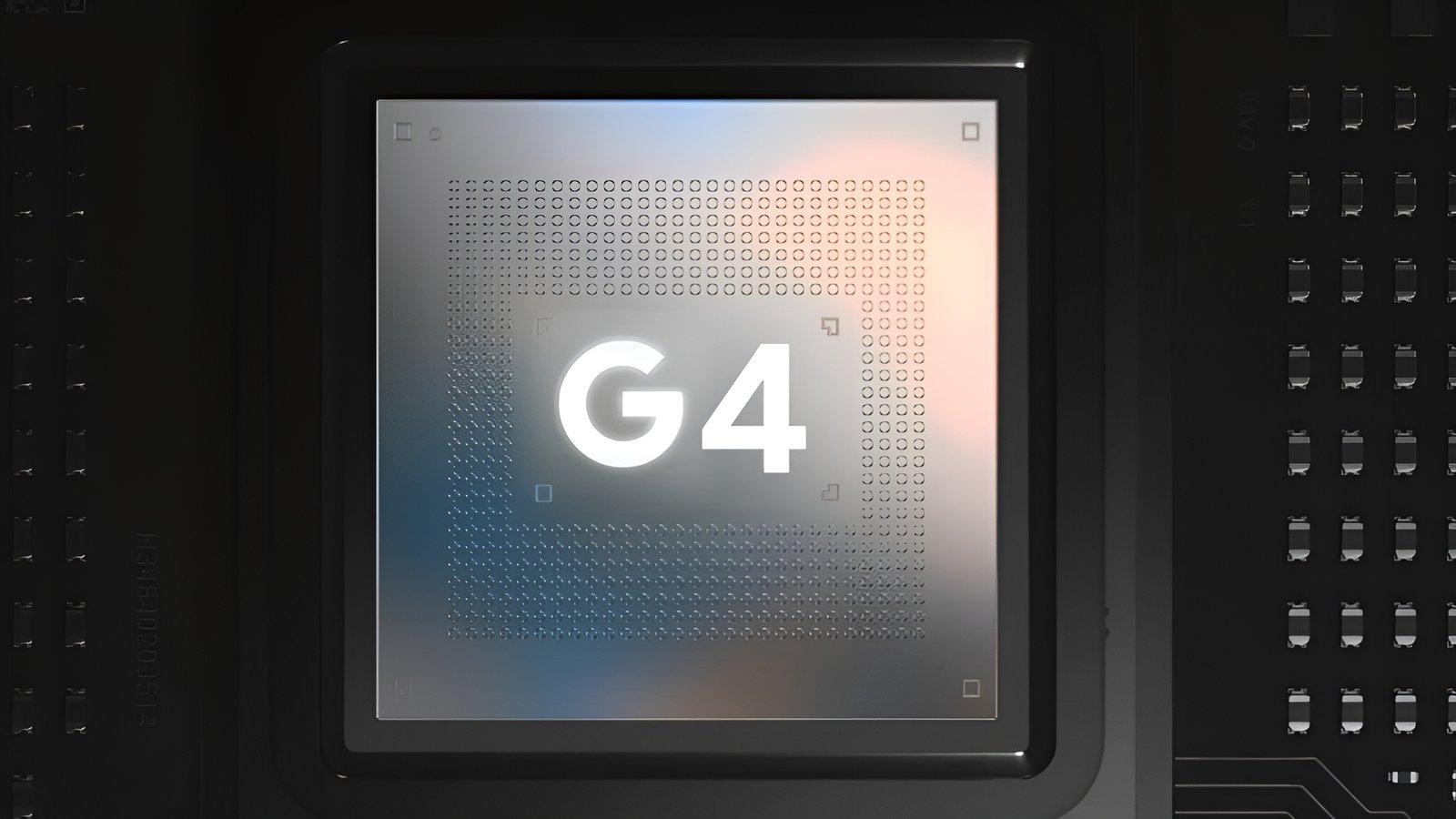
The recent announcement of the Google Pixel 10a has left many tech enthusiasts surprised, as it features the older Tensor G4 chip instead of the newer Tensor G5 chip. However, there is a logical explanation behind this decision, which can be analysed through hard numbers. The cost savings from using the Tensor G4 chip are significant, and this decision may benefit consumers in the long run.
Smartphone manufacturers often equip their devices with the latest chips to ensure they remain competitive in the market. However, this approach can lead to planned obsolescence, where devices become outdated quickly. By using the Tensor G4 chip, Google is breaking away from this convention and focusing on providing a more affordable device without compromising on performance.
The Tensor G4 chip is still a powerful processor that can handle demanding tasks with ease. It provides a smooth user experience, efficient battery life, and supports the latest camera features. While it may not be as fast as the Tensor G5 chip, the difference in performance is not significant enough to justify the additional cost.
Furthermore, the use of the Tensor G4 chip in the Pixel 10a allows Google to keep the device’s price competitive. Consumers are not typically willing to pay a premium for the latest chip, especially if the difference in performance is not noticeable. By opting for the older chip, Google can offer a more affordable device that still meets the needs of most users.
In addition to the cost savings, the Tensor G4 chip also provides a more stable and reliable performance. Since it has been used in previous devices, any issues or bugs have already been identified and fixed, providing a more seamless user experience. This approach also allows Google to focus on software updates and security patches, ensuring that the device remains secure and up-to-date.
Another advantage of using the Tensor G4 chip is that it allows Google to allocate more resources to other areas of the device, such as the camera and battery life. The Pixel 10a features a high-quality camera system, which is capable of taking stunning photos and videos. The device also has a long-lasting battery, which can easily last a full day with moderate use.
In conclusion, the decision to use the Tensor G4 chip in the Pixel 10a is a strategic one that makes sense for both Google and consumers. While it may not be the latest chip, it provides a smooth user experience, efficient battery life, and supports the latest camera features. The cost savings from using the older chip also allow Google to keep the device’s price competitive, making it an attractive option for those looking for a high-quality device without breaking the bank.