FTSE 100 Ends Year on Muted Note
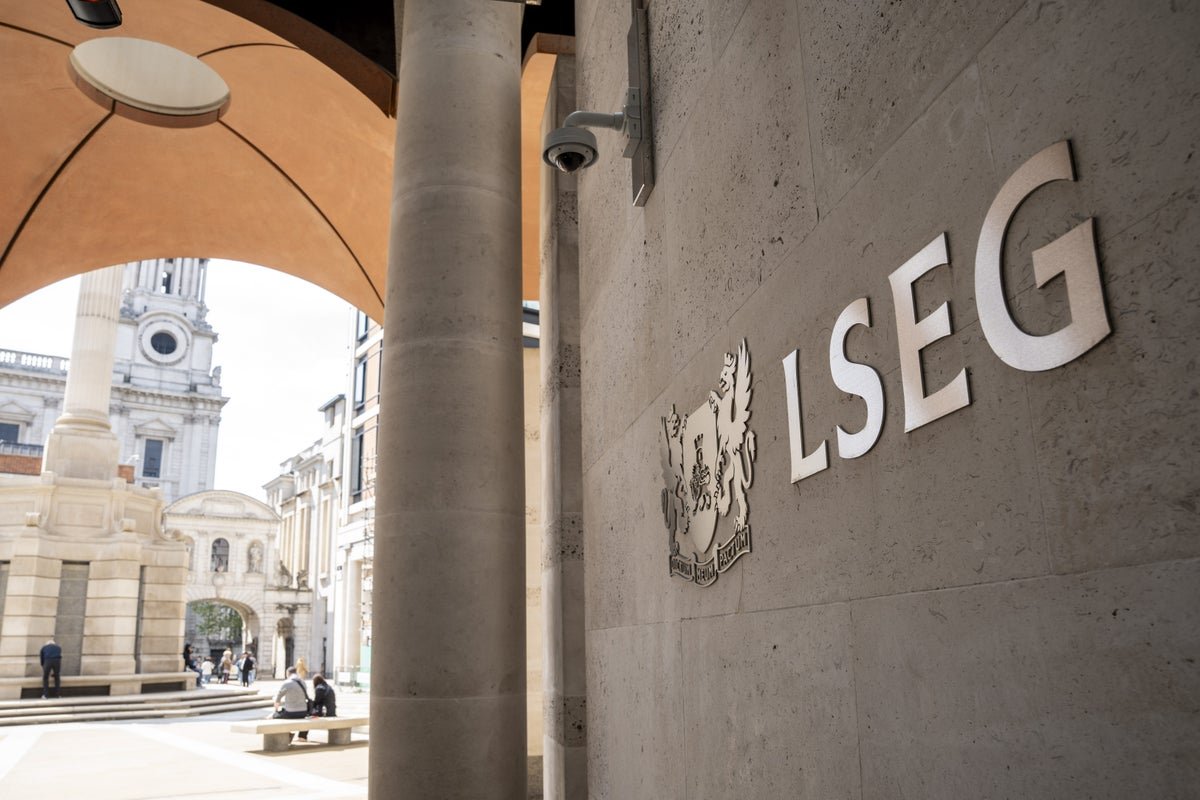
FTSE 100 Ends Year on Muted Note
The FTSE 100 index has edged lower in quiet end-of-year trade, as investors await fresh economic data. The index, which comprises the 100 largest listed companies in the UK, has been characterised by low trading volumes. This behaviour is typical of the holiday season, with many market participants on leave.
The FTSE 100’s subdued performance comes despite a generally positive year for UK stocks. The index has risen by around 10% over the past 12 months, driven by a combination of factors including a strong labour market and low inflation. However, analysts warn that the outlook for 2024 is more uncertain, with threats including a potential recession and ongoing geopolitical tensions.
Investors will be closely watching the latest economic data releases, including GDP growth and inflation figures, for clues about the health of the UK economy. The Bank of England’s monetary policy decisions will also be under scrutiny, as policymakers seek to balance the need to control inflation with the risk of choking off economic growth. The colour of the UK’s economic prospects will become clearer in the coming months.
As the FTSE 100 looks to the future, investors will be analysing the prospects for individual sectors and companies. The financial sector, which includes major banks such as HSBC and Barclays, is likely to be in focus, given its sensitivity to changes in interest rates and the overall economic environment. The energy sector, which has been a strong performer in recent years, may also attract attention, as investors weigh up the potential impact of changing global demand patterns and geopolitical developments.
In conclusion, the FTSE 100’s muted performance in quiet end-of-year trade provides a fitting end to a year marked by significant economic and geopolitical uncertainty. As investors look to the future, they will need to carefully consider a range of factors, from monetary policy and economic data to sector trends and company-specific developments. By doing so, they can make informed decisions about where to allocate their capital in the year ahead.