EU’s Quest for Payment Independence: Breaking Free from Visa and Mastercard
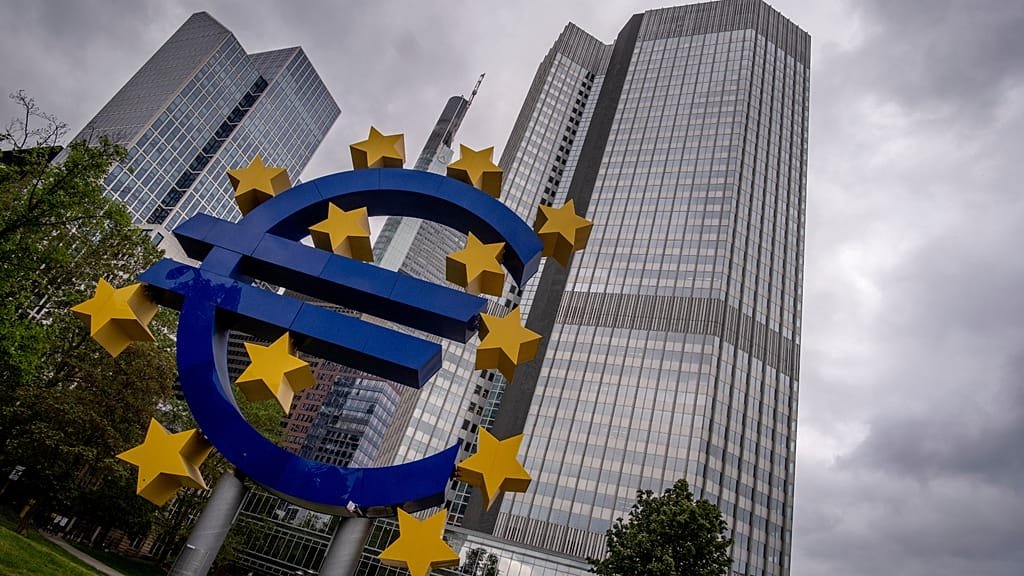
Shifting the Balance of Power in the EU’s Payment Landscape
The European Union has been actively seeking to reduce its reliance on Visa and Mastercard, aiming to promote a more competitive and diverse payment landscape. This endeavour is driven by the desire to foster innovation and provide consumers with a broader range of choices. By analysing the current state of the EU’s payment sector, it becomes evident that the region is making significant strides towards achieving this goal.
A key factor contributing to the EU’s push for payment independence is the need to enhance security and reduce the risk of fraud. By developing its own payment systems, the EU can better protect its citizens’ sensitive financial information and mitigate the impact of potential data breaches. Furthermore, a more autonomous payment infrastructure would enable the EU to impose stricter regulations and standards, thereby promoting a safer and more secure environment for financial transactions.
The EU’s strategy for achieving payment independence involves investing in cutting-edge technologies, such as blockchain and contactless payments. These innovations have the potential to revolutionise the way people make transactions, offering faster, more convenient, and more secure alternatives to traditional payment methods. As the EU continues to invest in and develop its own payment infrastructure, it is likely that the region will become increasingly less dependent on Visa and Mastercard.
Moreover, the EU’s pursuit of payment independence is also driven by the need to promote financial inclusion and provide equal access to payment services for all citizens. By developing its own payment systems, the EU can ensure that everyone has access to affordable and reliable payment solutions, regardless of their geographical location or socioeconomic background. This, in turn, can help to stimulate economic growth and reduce poverty and inequality.
In conclusion, the EU is making significant progress in its quest for payment independence, driven by the need to promote innovation, enhance security, and foster financial inclusion. As the region continues to develop its own payment infrastructure, it is likely that the dominance of Visa and Mastercard will be gradually eroded, paving the way for a more diverse and competitive payment landscape.