Best Fitness Trackers 2026: Top Picks, Deals and Buying Guide
Why fitness trackers matter in 2026
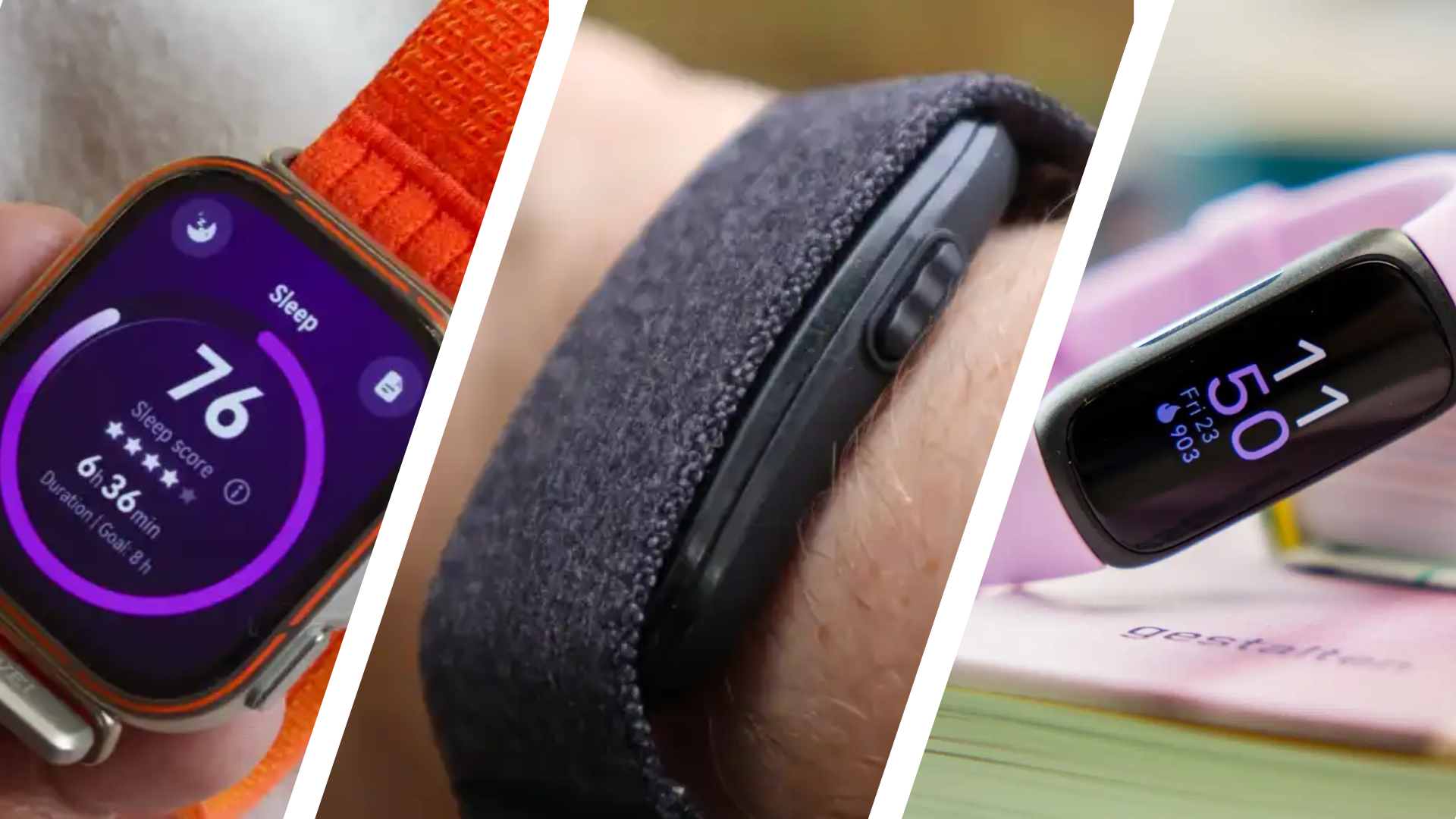
Fitness trackers have become essential tools for anyone who wants to monitor activity, sleep and overall health without the distraction of a full smartwatch. In 2026 the market offers a mix of budget‑friendly options from Xiaomi, Honor and Huawei, as well as premium screenless models inspired by the Whoop Strap. This guide cuts through the jargon and highlights real‑world performance.
Top picks and current deals
During the October Prime Day sale you can find the Fitbit Charge 6 for around £84.55 in the UK or $89.95 in the US, while the Huawei Band 11 Pro drops to about £69.99 with GPS included. Xiaomi’s Smart Band 10 is available for £46.74 and offers a 1.72‑inch AMOLED display with a 21‑day battery life. For those who prefer a larger screen, the Amazfit Bip 6 provides a 1.97‑inch AMOLED panel and up to 14 days of use.
Huawei Band 11 Pro review
The Huawei Band 11 Pro adds GPS to the affordable Band 11 line, letting you track outdoor runs without a phone. Its aluminium frame is water‑resistant to 50 metres and the 1.62‑inch AMOLED screen stays bright in sunlight. Battery life reaches up to 14 days, making it suitable for 24/7 wear. Entry‑level runners who need GPS will find the Band 11 Pro a solid value.
Xiaomi Smart Band 10 review
Xiaomi upgrades the Smart Band 10 with an aluminium or ceramic case and a 1.72‑inch AMOLED display. A nine‑axis sensor improves swim tracking and heart‑rate accuracy, while the device can broadcast HR data to cycling computers. Battery lasts 21 days, or nine days with always‑on display. It’s ideal for users who want a premium feel without breaking the bank.
Fitbit Air screenless tracker
The Fitbit Air offers a pebble‑like, screenless design focused on heart‑rate, sleep and atrial‑fibrillation detection. It pairs with the Google Health app, which includes an AI‑powered Health Coach that suggests workouts and recovery tips. A subscription to Google Health Premium unlocks the coach, but three months are free with purchase. This tracker suits people who prioritize rest and recovery over flashy displays.
Huawei Watch Fit 5 Pro review
The Huawei Watch Fit 5 Pro steps up from the standard Fit 5 with a sturdier build and a 1.92‑inch display that can reach 3000 nits. Mini‑workouts appear on screen with an animated panda guide, and the watch nudges you to move after periods of inactivity. GPS is included, though not dual‑band, and the device offers comprehensive sleep analysis. Runners and gym enthusiasts will appreciate the bright screen and workout prompts.
Garmin Cirqa review
Garmin’s Cirqa is a screenless competitor that provides extensive data without a subscription. A single button starts and stops workouts, and the Garmin Connect app delivers detailed metrics such as stride length and maximum speed. While the app has a learning curve, the built‑in Coach and challenge badges keep motivation high. It’s a good choice for users who want Garmin’s ecosystem at a lower price.
Fitbit Charge 6 review
The Fitbit Charge 6 blends smartwatch features like Google Maps, Google Pay and YouTube Music with classic fitness tracking. It supports over 40 workout modes, sleep monitoring and built‑in GPS, though GPS can be unreliable at times. Battery lasts about a week, and the device remains easy to navigate with touch and a side button. It’s suited for anyone who wants a familiar Fitbit experience with added smart features.
Amazfit Bip 6 review
The Amazfit Bip 6 upgrades to a 1.97‑inch AMOLED screen and adds Bluetooth call capability, transport card storage and the Zepp Flow AI assistant. Built‑in GPS tracks outdoor runs, and the watch measures heart rate, SpO2 and even Hyrox workouts. Battery life reaches 14 days, making it a strong budget option for users who value a vivid display.
Withings ScanWatch Light review
The ScanWatch Light offers a hybrid analogue‑digital design with a tiny 0.63‑inch monochrome display. It tracks over 40 workouts, heart‑rate zones, steps and sleep, though it lacks phone notifications. Battery can last up to two weeks, and the device is lightweight yet durable. It’s perfect for those who prefer a classic watch face with essential fitness data.
How to choose the right tracker
Consider the primary activity you want to monitor. Runners need reliable GPS, while sleep‑focused users should look for detailed sleep analysis and stress tracking. Battery life matters if you plan to wear the device 24/7; most trackers offer 7‑14 days. Finally, decide whether you want a screenless model for distraction‑free use or a small display for quick glance information.