German buyers look forward to competitive pricing for iQOO Neo 11

German buyers look forward to competitive pricing for iQOO Neo 11

Anticipation grows in Germany for iQOO Neo 11’s value-driven launch

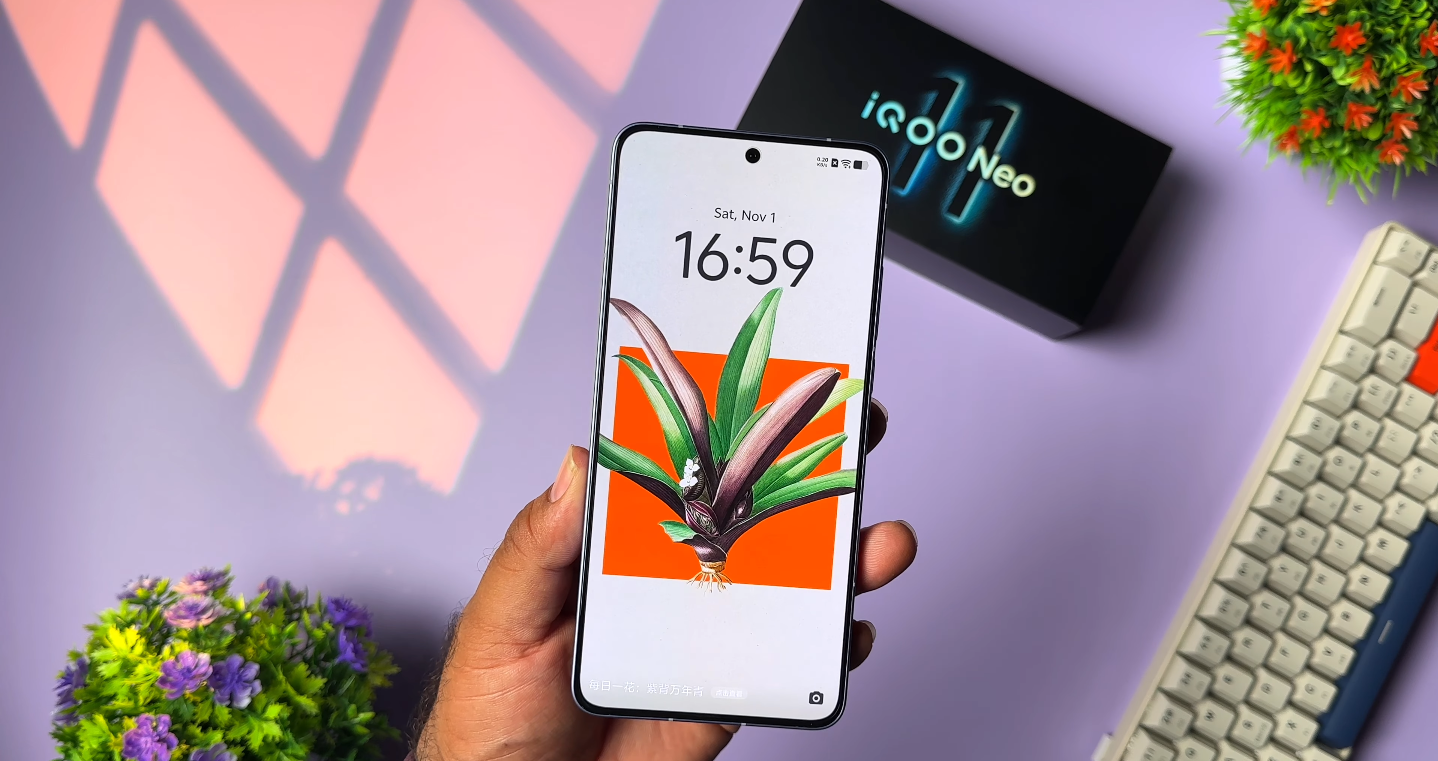
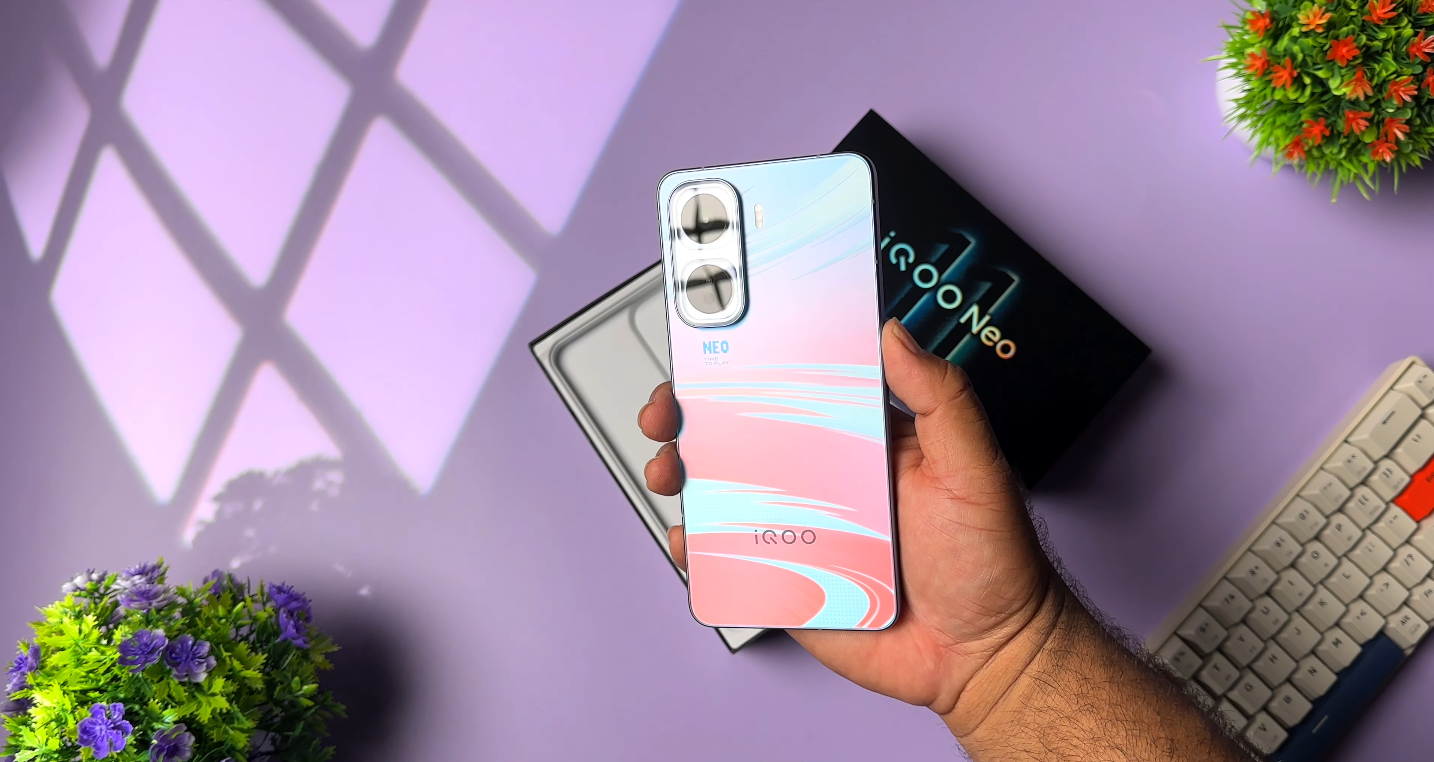
As anticipation for the iQOO Neo 11 builds across Germany, local tech enthusiasts are increasingly focused on one major factor — the price. Leaks and early retailer listings suggest that the smartphone could arrive in the German market with aggressive pricing, positioning it as a high-performance yet affordable alternative to mainstream flagship devices. German buyers, known for their focus on value and long-term reliability, are keenly watching how iQOO will price its latest offering.

According to reports from international markets, the iQOO Neo 11 could start at around €410 for the 12GB RAM and 256GB storage variant, with the top-end 16GB RAM and 1TB storage model reaching approximately €540. If this pricing structure holds true for Germany, it would make the Neo 11 one of the most competitively priced smartphones in its performance bracket. Such pricing would place it well below devices with similar specifications from Samsung, OnePlus, and Xiaomi.

The strong interest in pricing stems from the device’s impressive technical specifications. The iQOO Neo 11 is expected to feature Qualcomm’s Snapdragon 8 Elite chipset, a 6.82-inch 2K LTPO AMOLED display with a 144Hz refresh rate, and a massive 7,500mAh battery supporting 100W fast charging. These premium specifications suggest flagship-level performance at a mid-range price — a combination that resonates well with the German consumer base, which values performance without unnecessary brand markup.
German buyers look forward to competitive pricing for iQOO Neo 11

Local tech blogs and forums have been quick to highlight iQOO’s potential market strategy. Many believe that the company could follow the same approach that made its Neo series successful in Asia — offering advanced hardware, strong build quality, and a lower price tag compared to competitors. If the Neo 11 maintains this strategy in Germany, it could appeal strongly to cost-conscious buyers who demand quality and performance over branding.

However, German consumers are also realistic and aware of regional factors that can affect pricing. Taxes, import duties, and distribution costs in Europe may slightly increase the final price. Buyers are also curious whether the charger will be included in the retail box, as EU regulations increasingly encourage manufacturers to exclude accessories to reduce waste. The inclusion or exclusion of a 100W charger could significantly influence the perceived value of the Neo 11’s final price.

Discussions in online forums also show that potential buyers are paying close attention to warranty and after-sales support. For iQOO to succeed in Germany, reliable service centers and warranty coverage will be crucial. German consumers often consider long-term reliability and repair support before making a purchase, particularly in the mid-premium smartphone category.

Despite these considerations, the sentiment among German buyers remains overwhelmingly positive. The combination of high-end features and an expected mid-range price point positions the iQOO Neo 11 as a potentially disruptive entrant in the market. Tech enthusiasts are already comparing it favorably with established models from Samsung’s Galaxy S24 FE and Xiaomi’s 14T series.

If iQOO manages to deliver the Neo 11 at or near the rumored pricing, it could redefine expectations for value in the European smartphone segment. German buyers are ready for a powerful yet affordable option, and the iQOO Neo 11 seems well-positioned to meet that demand. The official launch details are now eagerly awaited, with many expecting iQOO to confirm both pricing and availability in the coming weeks.

Also Read:  iQOO 15 Germany launch expected to shake up the Android market

German reviewers praise Redmi K90 Pro Max battery and performance

German reviewers praise Redmi K90 Pro Max battery and performance

German Tech Experts Applaud Redmi K90 Pro Max for Power and Efficiency

The Redmi K90 Pro Max has captured the attention of German tech reviewers, who are praising its exceptional performance and impressive battery efficiency. As Xiaomi’s newest flagship under the Redmi brand, the device is making waves in Europe for combining top-tier power with long-lasting endurance, a combination that many users have been waiting for in a premium yet affordable smartphone.

German reviewers have particularly focused on the massive 7,560mAh silicon-carbon battery, which represents one of the largest capacities ever seen in a mainstream smartphone. Many noted that the battery comfortably lasts over a day of heavy usage, including gaming, streaming, and multitasking. The K90 Pro Max also supports 100W wired fast charging and 50W wireless charging, allowing users to recharge the device rapidly. This balance of power and convenience has been widely praised, with experts describing it as a “battery benchmark” for 2025 smartphones.

Performance is another area where the K90 Pro Max has excelled in German tests. Powered by Qualcomm’s latest Snapdragon 8 Elite Gen 5 processor, the device delivers ultra-fast speeds and efficient multitasking capabilities. Reviewers found that it handles graphically demanding games with ease, maintaining stable frame rates and smooth visuals even under extended sessions. Benchmark scores indicate the K90 Pro Max is among the fastest Android phones available, competing closely with other flagship models from Samsung and OnePlus.

German reviewers praise Redmi K90 Pro Max battery and performance

One key highlight noted in multiple German reviews is how efficiently the phone manages heat. The advanced cooling system ensures the device remains comfortable to hold even during long gaming sessions. This combination of sustained performance and thermal control is something that has particularly impressed German technology enthusiasts, who value practical performance as much as raw power.

Design and build quality have also earned positive attention. The Redmi K90 Pro Max features a sleek aluminum frame, a glass back with subtle curvature, and an immersive AMOLED display with ultra-thin bezels. Reviewers highlighted the display’s color accuracy and brightness, making it suitable for outdoor use and media consumption. Combined with stereo speakers and Dolby Atmos support, the phone offers an immersive entertainment experience that rivals much more expensive devices.

In terms of user experience, reviewers noted that the software plays a key role in maximizing the hardware’s potential. The latest version of Xiaomi’s HyperOS, based on Android 15, delivers a smoother, cleaner, and more optimized interface. German users appreciated how responsive the system feels, with minimal lag or animation delays. They also commended Xiaomi for reducing bloatware and improving the consistency of software updates, which adds to the overall premium feel of the device.

Battery endurance tests conducted by German reviewers showed that the Redmi K90 Pro Max could handle up to 10 hours of continuous screen-on time, outperforming many competitors in its class. Even with high brightness, 5G connectivity, and multitasking, the device maintained solid performance without overheating or draining power excessively. Reviewers noted that this level of efficiency is a major step forward for Xiaomi’s flagship devices.

While the overall feedback from Germany has been overwhelmingly positive, some experts did mention a few limitations. The phone lacks full 5G band compatibility for certain European regions, meaning users who import the device may experience reduced connectivity in specific rural areas. Additionally, official warranty coverage and after-sales service may vary depending on the country of purchase. However, most reviewers agreed that these concerns are relatively minor compared to the value and performance the device delivers.

In conclusion, German technology experts are calling the Redmi K90 Pro Max one of the most impressive flagships of the year. With a massive 7,560mAh battery, cutting-edge Snapdragon 8 Elite Gen 5 processor, and refined software experience, it stands as a powerhouse built for demanding users. Its combination of endurance, speed, and modern design has solidified its reputation as a serious competitor in the global flagship market. For users in Germany and beyond, the K90 Pro Max proves that Xiaomi continues to push the boundaries of performance and innovation in the smartphone industry.

Gaming test of iPad 11 vs Galaxy Tab S9 FE plus

Gaming test of iPad 11 vs Galaxy Tab S9 FE plus

Samsung promises four major software upgrades since we can expect Android 15 real soon. We also get Samsung desk. This thing will transfer your tablet into a more desktop like interface. Can be really useful if you can integrate it with your work. The iPad 11 is supposed to receive a minimum of five major software upgrades. Longevity wise, the iPads are simply unmatched.

This one has to be agile as this one will basically come down to your personal preference. The iPad OS is smoother and much more refined and polished, but 1 UI offers more versatility and features like Samsung desk mode. Let’s get into some fun stuff now.


Updates of both tablets and Gaming test in high FPS

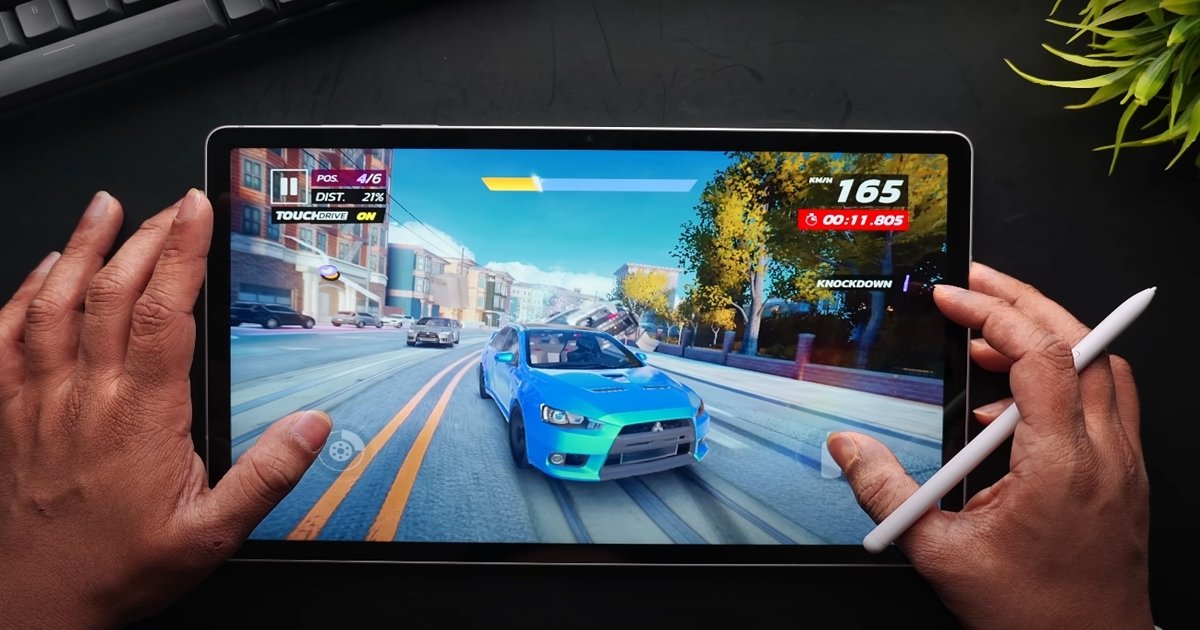
Gaming is where the iPad 11 really flexes. Again, with the A16 chipset, you can comfortably run high-end games at high settings without major frame drops. The visuals are smooth and the game play is consistent. If gaming is important to you, this one’s a beast. I tested out games like BGMI, ASPL, Cood, and a few more. The Galaxy Tab S9 Plus handles most casual games just fine. you won’t be facing any issues at medium settings.

One major advantage of the Galaxy Tab Sab Plus is that you will have a much smoother gameplay experience thanks to the 90 Hz display. But overall, as per the gaming performance, the iPad 11 gets the point over here as the A16 chipset is better at tackling high-end games.


Camera quality and normal photo editing

The iPad 11 features a 12ap rear camera as well as a 12P selfie camera. The Tab S9 F plus Plus features a dual camera setup at the back. 8 MP wide as well as an 8 MP ultra wide lens and also a 12P selfie camera. So this is the sidebyside camera comparison of the two tablets. This one is the iPad 11 and this one is the Tab S9 F+.

The sound is currently coming from the S9 FE Plus and now the sound is coming from the iPad 11. And as you can see the Samsung one is more vibrant and a little bit of more of sharpness whereas it’s more muted and natural in the iPad. But all in all, both of them have excellent front cameras. you won’t be facing any issues attending meetings and calls. So again for this segment I’ll be giving a point each to both of the tablets cuz as you can see both of them are really nice.


Battery backup and charging time of iPad 11 and Galaxy Tab S9 FE plus

The battery life is great on both the tablets. The iPad 11 features a 7698 mh battery. It delivers a pretty solid battery life about 9 to 10 hours on full charge with mixed usage. The Galaxy Tab S9+ features a massive 10,90 mAh battery. I was able to get a screen on time of around 10 to 11 hours. The battery department, the Galaxy Tab S9+ takes a point here as a result of it larger battery. We sadly don’t get a charger out of the box with the Galaxy Tab S9 F+ whereas we do get a charge along with the iPad 11. Also, the Galaxy Tab S9 F+ Plus charges faster than the iPad 11. If you’re looking for a tablet primarily for noteing or maybe digital art, this is where things get interesting. Keep this in mind that you’ll have to buy the Apple Pencil separately.

S Pen right out of the box with the Galaxy Tab S9 Plus. So that’s definitely an added bonus. The writing experience with the Apple Pencil feels really smooth and natural with excellent palm rejection and near zero latency. It also feels really really natural for both the tablets. Note taking apps like good Note 6 and Notionability as well as digital art apps like Procreate. They will totally elevate your experience on top of that. But sadly the Apple Pencil doesn’t charge us magnetically. Rather you’ll have to visit the dongle city and a lot of adapters if you have the first gen Apple Pencil.

The S Pen on the other hand attaches magnetically and also it does not need to be charged. That’s really cool. The writing experience with the S Pen is also super smooth with again near zero latency. Samsung Notes as well as Apple Notes both are amazing. The handwriting experience on Apple Notes is not that great when compared with Samsung Notes. However, Apple gives


App and other features like ai and other automatic rmove background

You more options to choose from in terms of note-taking apps. Apps like Good Note 6 and Notability and a few more are only there for the iPad. We do have good notes for Android, but that one simply sucks. If digital art is your priority, then the iPad 11 is a better choice. Firstly, the Apple Pencil is better for more precision and secondly, you get access to Procreate. In my experience, it’s one of the best apps for digital art. For note takingaking, however, both the tablets will serve you well.


Gaming test of iPad 11 vs Galaxy Tab S9 FE plus
iPad 11 vs Galaxy Tab S9 FE plus

They both are excellent options. But if budget is your issue, then the Galaxy Tab S9 F plus is the better choice. Of course, as we get the SPEN right outside the box, this one was really tough. So for this segment, I’d like to give a point each to both of the tablets. But if digital art is primarily considered, then the iPad 11 is the winner. But overall for note takingaking, they both are great options. Here’s a screenshot of the current pricing of the iPad 11. And here’s a screenshot of the pricing of the Galaxy Tab S9 Plus. So for the pricing segment, the Galaxy Tab S9 FE Plus gets the point as it’s simply better value for money. All thanks to the SPEN.


Finel thouths and winner of the review

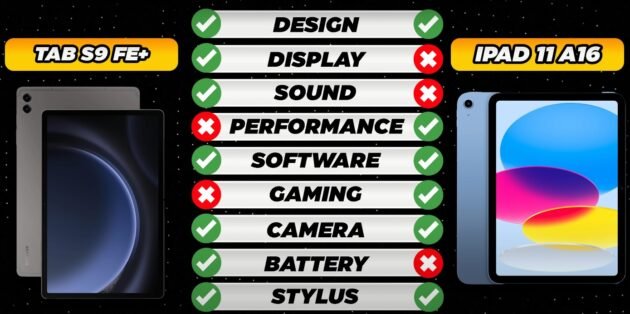
Now it’s time to ask the ultimate question. Which tablet actually wins? The iPad 11 or the Galaxy Tab S9 FE Plus? This is what the final scoreboard looks like. Hopefully, this will help you make a decision based on your priorities. It’s a performance beast and it fits right into the Apple ecosystem. But if you’re looking for a tablet with more features, a bigger display with a smoother refresh rate for binge watching your favorite content, of course, and most importantly, if you’re looking for a note-taking tablet under a budget, then the Galaxy Tab S90 Plus offers insane value for money.

At the end of the day, both of the tablets have their own strengths and weaknesses and you can’t really go wrong either way. Let me know in the comments which one you would pick and also why. But in case you wanted to explore more options, then let me help you with that. Click here to check out the Lenovo Idea Tab Pro and click here to check out the Xiaomi Pad 7.

This is what I personally think. Overall, for note-taking, both the tablets are great. But if you require more raw power for gaming or maybe require long-term software support or rather you’re a digital artist, in that case, the iPad 11 is of course the better choice for you.

Galaxy M17 5G speaker and call quality review

Galaxy M17 5G speaker and call quality review

Assessing the real audio experience for everyday UK usage

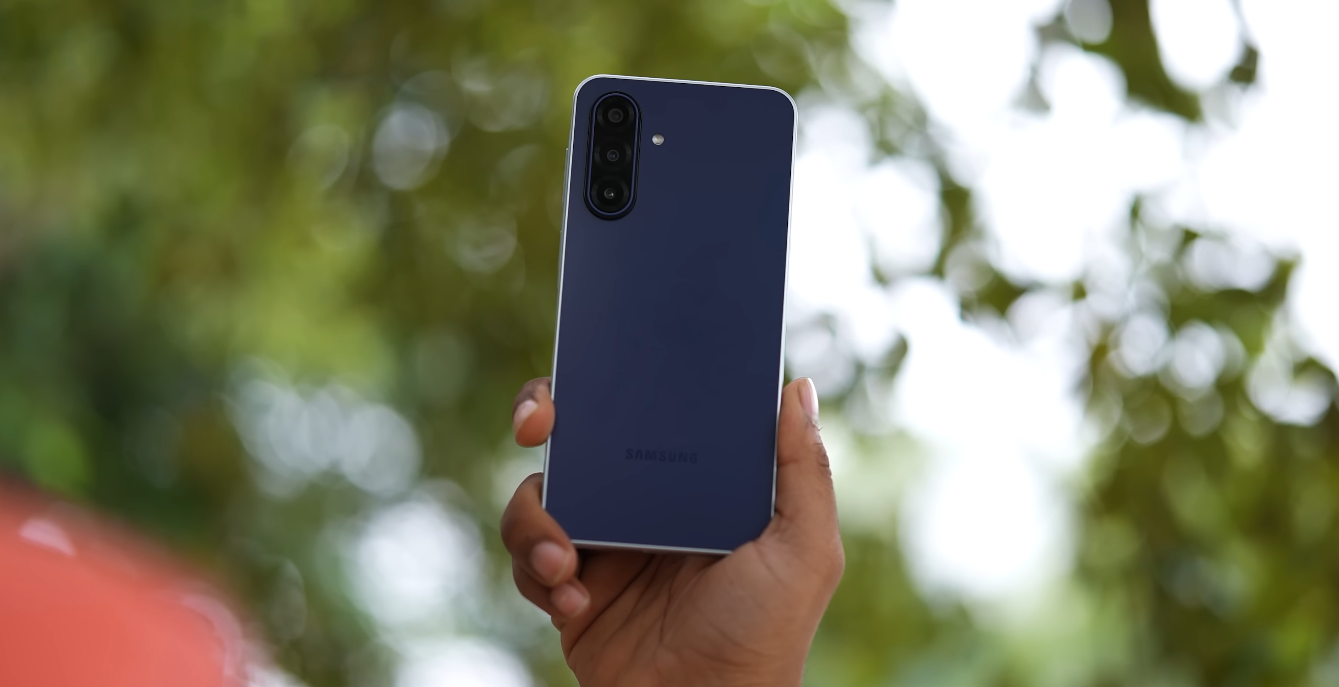
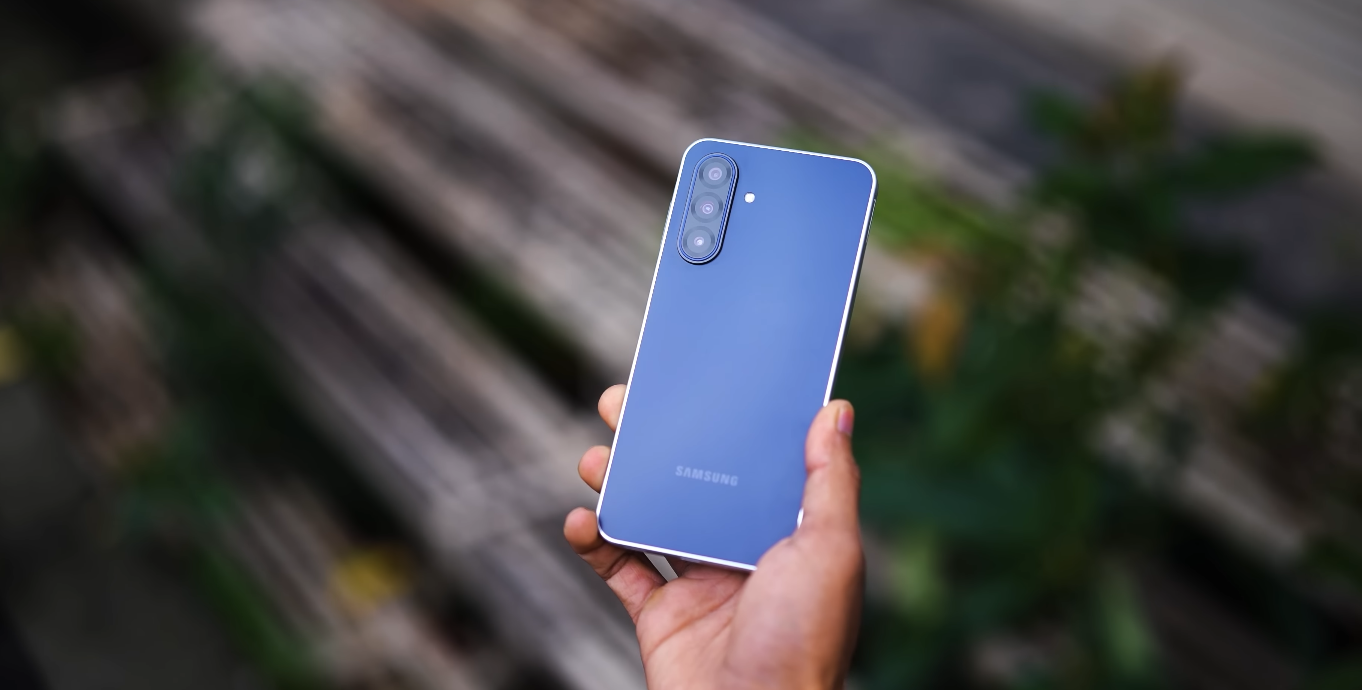
Samsung’s Galaxy M17 5G continues to get attention across the UK because it is part of Samsung’s modern mid-range lineup built on One UI 7 and long-term update support. But sound quality and call clarity are areas where mid-range phones historically differ a lot. Many buyers in Britain do not realise how important these two factors are until they upgrade and suddenly notice that media playback or phone calls do not feel as polished as they expected. That is why this model’s speaker behaviour and voice clarity deserve a direct examination rather than just a spec sheet mention.

The Galaxy M17 5G uses a single bottom-firing loudspeaker. This is a familiar hardware decision in this segment, but for UK buyers coming from older Samsung A-series handsets or from models with stereo output, the single speaker layout might feel slightly simpler in sound stage. The design places the speaker grille along the lower frame near the USB-C port, and that means audio projects downward or sideways rather than directly toward the user. For watching quick clips at home, it is fine. But the placement means the phone can be muffled easily if the port area is blocked by a hand or set flat on a soft surface.

Volume levels are acceptable for day-to-day video, social media clips, podcasts or voice messages. It is not designed to compete with stereo hardware, but the output is consistent, stable and functional for regular use. Most UK consumers who rely on basic speaker playback in casual settings will not find the phone unusable. The dynamic balance at higher volume does reduce slightly, which is expected in this class, and bass response is limited compared with dual-speaker setups. The device still maintains clarity with spoken dialogue, which is more relevant to everyday real-world life than deep bass.

Galaxy M17 5G speaker and call quality review

Call quality is where this phone’s strengths become more visible. The voice ear speaker remains tuned toward clear vocal reproduction and low distortion. Even in dense urban areas, call clarity does not struggle when the device is placed directly at the ear. The microphone array does not pretend to be a noise-cancelling leader, but the phone keeps voice prioritisation stable enough to maintain a fully understandable conversation indoors or outdoors. For UK commuters switching between home Wi-Fi calling and regular mobile networks, the phone manages consistency without becoming distracting.

Many mid-range phones cut corners on call audio processing because it is not a marketing headline. Samsung appears to maintain a dependable processing baseline and keeps audio shaping within predictable bounds. That matters because reliable voice communication is still a core expectation for long-term use, and the M17 5G sits in a category where people often hold onto their phones for multiple years rather than upgrading annually. Improved 5G radio support and a stable One UI network stack also contribute indirectly to fewer dropouts in UK signal environments.

In speakerphone calls, the single loudspeaker means sound direction is limited. For people who regularly take hands-free calls, clarity is fine but projection is narrower. This is manageable in kitchen or living room usage, but in louder places such as outdoor markets, some users may need to raise volume or move closer to the device. British users who rely heavily on speakerphone for work calls might prefer pairing with wireless earbuds to improve privacy and maintain clearer focus in busy environments.

Streaming behaviour on the M17 5G is balanced for casual use. News clips, football highlight clips and everyday reels present clean enough audio without distortion under standard room volume. The speaker maintains intelligibility even at slightly higher volume, though the lack of stereo means you do not get depth or wide spatial imaging. Most UK mid-range buyers currently value screen, software and battery before speaker stage width, and this model reflects that priority realistically rather than artificially pushing audio spec marketing.

Bluetooth audio output remains the smarter route for premium sound. UK music listeners using wireless headphones or speakers will notice that moving audio off the phone body provides a more satisfying result than pushing everything through the single driver. That is common sense for this tier. The core value of the M17 5G is that its internal audio hardware is stable enough for practicality, while external audio routes remain available for higher fidelity.

Overall, the Galaxy M17 5G does not transform the mid-range audio category. But it also does not weaken it. Speaker behaviour is competent and predictable, call clarity is strong enough for everyday usage, and the experience feels aligned with normal mid-range expectations. For UK buyers who prioritise longevity, software support and balanced performance, the M17 5G delivers a dependable call and speaker experience that suits real everyday life rather than chasing unrealistic multi-speaker immersion.

Galaxy M17 5G micro-USB vs USB-C: which port does it use?

Galaxy M17 5G micro-USB vs USB-C which port does it use

Charging Port Type and Connectivity Details

The charging port on a smartphone plays a significant role in everyday convenience, data transfer speed, and long-term compatibility with accessories. In recent years, the industry has shifted away from the older micro-USB standard towards USB-C, which offers faster charging and improved durability. The Galaxy M17 5G follows this modern trend. It does not use micro-USB. Instead, it uses a USB-C port for charging and wired connectivity.

USB-C has now become the standard across most newly released smartphones, including Samsung’s mid-range lineup. This shift means that cables are easier to replace, more widely available, and generally more reliable. Users no longer need to worry about cable orientation because USB-C plugs can be inserted either way, unlike the older micro-USB port which required correct alignment.

From a practical standpoint, the move to USB-C on the Galaxy M17 5G allows for faster and more stable charging. USB-C supports greater power delivery compared with micro-USB, meaning the phone can charge at higher speeds if paired with a compatible power adapter. This is beneficial for users who rely on their phone heavily throughout the day and want efficient charging without long waiting times.

Galaxy M17 5G micro-USB vs USB-C which port does it use

Data transfer capabilities are also improved with USB-C. When connected to a computer or other device, the Galaxy M17 5G can transfer files more quickly than it would with a micro-USB port. This is useful for users who work with large media files, such as videos or high-resolution images, or those who back up their device regularly using wired connections.

Durability is another advantage. The USB-C connector is designed to handle repeated plugging and unplugging more effectively than the micro-USB connector. The internal structure of the USB-C port is also less prone to wear and looseness over time. This means the charging port is likely to remain secure and functional throughout long-term use, reducing the likelihood of connection issues.

Accessory compatibility is becoming increasingly important, and USB-C simplifies this. Many new headphones, adapters, portable storage devices, and power banks are designed around the USB-C standard. By using USB-C on the Galaxy M17 5G, Samsung ensures that owners can easily find replacement cables and compatible accessories without needing converters or specialised connectors. This also supports future-proofing, as the wider tech industry continues to move away from older cable formats.

For users upgrading from an older device that used micro-USB, the transition to USB-C may require new cables. However, this shift tends to be a one-time change, as most modern devices now share the same USB-C connector. Many recent tablets, earphones, laptops, and power banks also use USB-C, allowing a single cable to handle multiple devices. This reduces the amount of clutter and makes everyday charging routines simpler.

The adoption of USB-C also aligns with broader regulatory and industry trends. Regions such as the UK and the EU have encouraged the move towards a common charging standard to reduce electronic waste and improve consumer convenience. By using USB-C, the Galaxy M17 5G fits directly into this evolving market environment, ensuring better long-term compatibility with future accessories and charging solutions.

Even though the Galaxy M17 5G uses USB-C, users should still pair the device with a power adapter that matches its rated charging speed to get the best performance. Using very old or low-power chargers may still work, but charging times can increase significantly. Choosing a reliable charging source helps maintain battery health over time and ensures steady performance.

In summary, the Galaxy M17 5G uses a USB-C port rather than the older micro-USB standard. This offers faster charging, stronger durability, improved data transfer speeds, and broader compatibility with modern accessories. For users planning to keep the device for several years, USB-C support contributes to a smooth and practical ownership experience, especially as more devices in the UK continue to adopt the same universal charging standard.

Galaxy M17 5G software bloatware check: clean experience or not?

Galaxy M17 5G software bloatware check clean experience or not

Evaluating how clean Samsung’s software feels in everyday usage

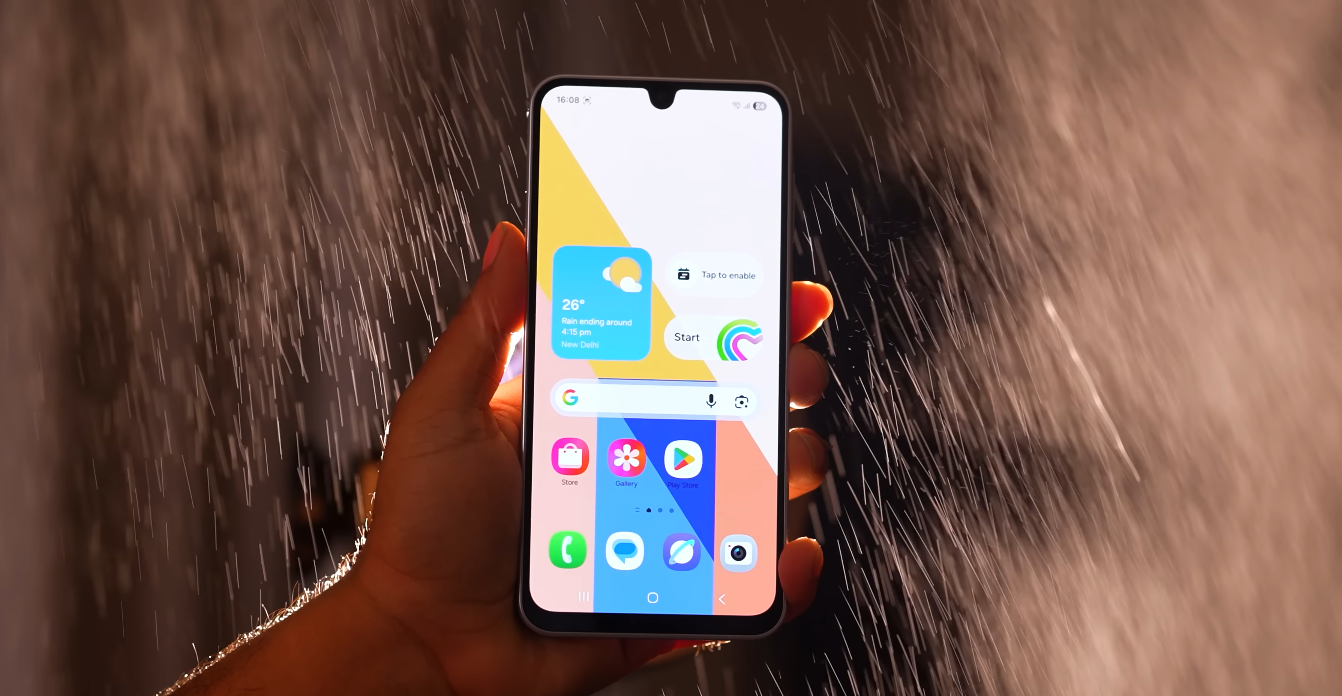
Samsung’s Galaxy M17 5G runs One UI 7 on top of Android 15, and one of the most common questions from UK mid-range buyers in 2025 is whether this device comes with too much unnecessary pre-installed software. Bloatware is still a real complaint in the Android ecosystem, especially in cheaper phones. Many users in Britain are now more alert about this than ever, because storage space, battery behaviour and general UI smoothness are directly affected by how clean or cluttered the software package is from day one. So it genuinely matters whether this phone feels light or bloated.

The Galaxy M17 5G does not ship with an aggressively stripped down system, but it also does not behave like the older budget Android devices that forced dozens of unwanted apps onto users. Samsung has clearly tried to balance feature density with practical usability. The interface includes its standard first-party app suite, and there are several Samsung ecosystem tools installed by default, but this is more a sign of brand integration rather than random junk. Most UK buyers who have used Samsung before will instantly recognise the layout and feel comfortable navigating from the first boot.

There are certain additional apps that appear pre-installed which some people may choose not to use regularly. However, most of these can be disabled or uninstalled without any trouble, and this is a crucial factor when judging the bloat situation. The difference between modern Samsung and older aggressive entry-level Android phones is that the user now has genuine control to remove parts of the surface software they do not want, instead of being forced to keep them indefinitely. That freedom helps the phone feel more personalised and reduces clutter.

Galaxy M17 5G software bloatware check clean experience or not

Background behaviour is also important when measuring perceived bloat, because a phone can feel clean visually but still run loads of silent tasks. On the Galaxy M17 5G, background behaviour is noticeably calmer than many cheaper rivals. Battery graphs show predictable usage patterns, and the system does not aggressively push notifications from unknown apps or modules that users never asked for. This helps maintain a more stable long-term experience, which is vital for mid-range ownership where people expect to keep the device for multiple years rather than one cycle.

One UI 7 itself introduces new intelligent layers and AI-assisted tools, and those features may appear like extra software to users who prefer minimalism, but they are not bloat in the classic sense. These parts of the system add genuine function rather than advertisement-style clutter. UK users who rely on cleaner navigation will likely appreciate that these features are system integrated rather than forced through separate unwanted app packages. Nothing feels like a third-party promotional embed.

Performance implications of bloat are also minimal on this model. App switching remains smooth, animations run predictably and the storage footprint on first boot leaves enough room for personal apps, photos and streaming downloads. This is a sign that the phone is tuned to deliver a consistent everyday experience rather than push marketing partnerships through software injection. In the overall landscape, the Galaxy M17 5G sits closer to a balanced mid-range approach rather than a messy budget-tier arrangement.

There is still a visible difference between Samsung and the most minimal stock Android phones on the market, so buyers who want a completely bare framework may still prefer devices that lean closer to pure Android. But within its own category, Samsung is clearly leaning towards a cleaner, more respectful configuration that does not overwhelm the user. There is no aggressive notification spam on first setup, and no immediate sign of hard-to-remove junk modules that many low-tier imports still carry.

Long-term usage is where the reduced bloat advantage becomes more obvious. Over time, phones packed with junk apps tend to feel slower and more chaotic, while cleaner setups maintain consistent operation without needing repeated resets to clear clutter. The Galaxy M17 5G’s software profile shows it has the potential to hold its shape across months of usage without dramatically degrading UI comfort.

For UK buyers looking at this model with practicality in mind, the conclusion is straightforward. The Galaxy M17 5G does not deliver a perfectly minimal system, but the software environment is reasonably clean, stable and manageable. Users have the freedom to remove what they do not need, and Samsung avoids the worst habits of historical Android bloat. This phone lands in the category of balanced everyday usability rather than distraction-heavy clutter, and that makes it a safe, comfortable choice for users who prioritise stress-free software behaviour.

Galaxy M17 5G future-proofing: how long can you keep it?

Galaxy M17 5G future-proofing how long can you keep it

Longevity Expectations and Practical Ownership Outlook

Samsung’s Galaxy M series has become popular among users who want dependable performance and long battery life without moving into a premium price bracket. The Galaxy M17 5G is expected to continue that direction, offering a balanced package for everyday use. Future-proofing is an important consideration for many buyers in the UK, especially those who prefer to keep a device for several years rather than upgrading frequently. Understanding how long a phone can remain smooth, secure, and functional helps determine its long-term value.

A key factor in future-proofing is software support. Samsung has been providing extended software commitments in recent years across various smartphone segments. This means that devices remain compatible with new app requirements and receive ongoing security protections. For a phone like the Galaxy M17 5G, long-term software continuity would play a major role in ensuring it remains usable over time. Extended updates help prevent the device from feeling outdated too quickly.

Battery life is another major point. Mid-range Galaxy M models are typically known for offering strong battery capacity that comfortably lasts through a full day for most users. Over time, however, batteries naturally degrade through regular use. After two to three years, most users may start to notice reduced endurance. Sensible charging habits, avoiding prolonged heat, and using original chargers can slow this process. If battery health is maintained carefully, the device can remain reliable for longer.

Galaxy M17 5G future-proofing how long can you keep it

Performance longevity depends on internal hardware such as the processor and RAM. Recent Galaxy M series devices have been equipped with processors capable of handling multitasking, streaming, social media, and moderate gaming. Higher RAM variants tend to hold up better as apps grow larger and more resource-intensive. Choosing a variant with more RAM generally extends smooth usage beyond the early years. This makes a noticeable difference for users planning to keep the phone for a longer period.

Storage capacity also affects how long a device stays practical. When internal storage fills up, performance may slow and users are forced to delete content or move files. If the Galaxy M17 5G includes expandable storage, this would allow owners to extend storage capability rather than replacing the phone. Expandable storage helps maintain usability over time, particularly for users who store offline media or take frequent photos and videos.

Build quality contributes to long-term viability. The Galaxy M series usually focuses on durable construction suitable for everyday handling. Using a protective case and screen guard from the start can greatly reduce wear and tear. Physical condition strongly influences whether a device continues to feel comfortable to use. Simple precautions often allow a smartphone to remain presentable and structurally sound for several years.

Network compatibility also matters for future-proofing. With 5G networks expanding across the UK, having 5G connectivity ensures the device remains relevant as older network bands shift in usage. Phones that support a wide range of network frequencies tend to function smoothly for longer in different signal environments, including travel or regional upgrades.

Performance expectations change gradually over time. For the first year or two, the device should perform smoothly for everyday use. By the third year, heavier apps and new software features may start to push hardware limits. However, if the device receives steady software updates and has sufficient RAM, it should continue to perform acceptably for daily communication, browsing, and streaming without issue. Beyond four years, the device may start to show signs of slowdown, but still operate adequately for basic use if well maintained.

For many UK users, a realistic ownership timeline for a mid-range Galaxy device is around three to five years. Those who prioritise performance and gaming may consider upgrading sooner, while those who use mainly calling, messaging, and light browsing may comfortably extend ownership. Good charging habits, careful handling, and occasional storage clean-ups can add meaningful life to the device.

In summary, the Galaxy M17 5G is likely to offer a balance of longevity and everyday reliability that aligns well with typical mid-range expectations. With sensible maintenance, thoughtful configuration choices, and Samsung’s ongoing software support approach, most users can comfortably plan to keep the device for several years before considering an upgrade.

Also Read:  Moto G67 Power 5G user feedback shows high satisfaction

Galaxy M17 5G display refresh rate: is 90Hz enough in 2025?

Galaxy M17 5G display refresh rate is 90Hz enough in 2025

Evaluating refresh rate expectations for modern mid-range phones

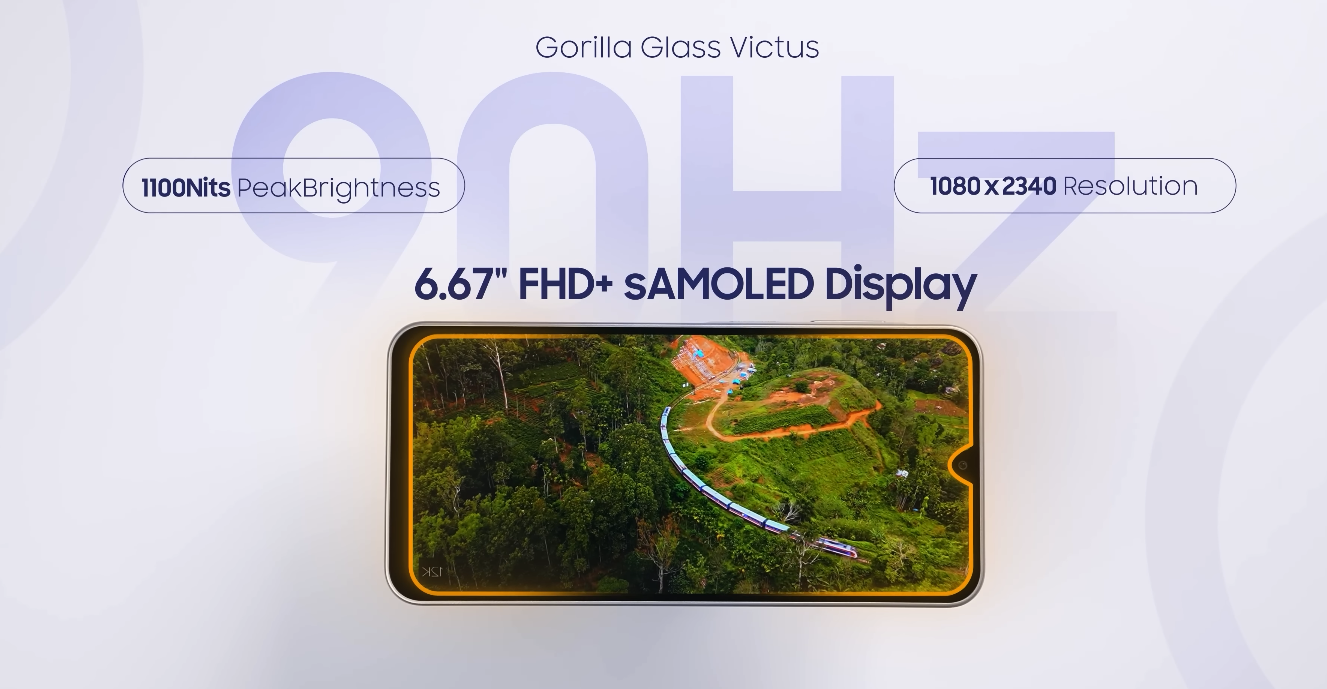
Samsung’s Galaxy M17 5G arrives in a moment where refresh rate has become one of the most argued numbers in mid-range smartphone marketing, especially in the UK where buyers now compare display fluidity almost as actively as camera performance. In previous years, 60Hz was normal and 90Hz felt premium. In 2025, however, the field has moved forward, and many rival mid-range models are advertising 120Hz panels with variable refresh optimisations. That raises a direct question for this model: does 90Hz still feel good enough in day-to-day life, or does the number now look outdated on spec sheets?

The Galaxy M17 5G uses a bright Super AMOLED panel which is tuned for clarity, contrast depth and stable readability in mixed indoor and outdoor conditions. The visual richness of AMOLED makes a direct difference in content viewing, and in real-world usage the display character matters just as much as pure refresh number. Smoothness is not handled by refresh rate alone, and colour depth, touch response and interface optimisation all work together in how fluid the phone feels while scrolling.

It is also important to factor battery efficiency into the judgement. A higher refresh rate takes more panel power and more GPU cycles to maintain. For a mid-tier device, that trade-off can lead to more visible battery drop when 120Hz is locked in full time. A 90Hz panel hits a more balanced sweet spot for this chipset class, where the interface still feels faster than legacy 60Hz behaviour without pushing the battery to drain aggressively. For UK users who regularly push a phone across long workdays and heavy messaging patterns, this matters more in practice than a headline figure.

Galaxy M17 5G display refresh rate is 90Hz enough in 2025

Another angle is what tasks actually benefit from ultra-high refresh. Social media feeds do get a bit more fluid at 120Hz, but video playback on mainstream services does not always step beyond its usual frame counts. That means a large amount of regular entertainment content is not meaningfully upgraded by crossing 90Hz into a higher bracket. The smoothness advantage is visible, but it is not dominant in every scenario. In everyday scrolling across apps, 90Hz still feels notably fresher than 60Hz, and most users transitioning from older hardware should feel a clear improvement immediately.

Mobile gaming is the category where number chasing carries more influence. Certain fast titles look cleaner at 120Hz and above, and some rival mid-range models push that marketing angle hard. Samsung has not tuned this device to be a competitive gaming machine, and instead prioritised balance, stability and battery predictability. For mainstream gaming, 90Hz does hold up acceptably well and the overall experience is stable rather than erratic. For buyers who want maximum frame count for competitive play, higher refresh models will always attract that niche.

Software also plays a significant role in how refresh feels. One UI 7 has been built around smoother animation blocks and improved gesture transitions, and those improvements help compensate for not pushing the panel number higher. The interface feels cleaner, more deliberate, and the lock-screen to home-screen flow is less noisy. Samsung’s software design makes better use of 90Hz than some devices that use 120Hz without matching software polish. That means the real-world feeling is broader than the number on the box.

The question in 2025 is not whether 90Hz is technically behind 120Hz. It is. The real question is whether it holds up acceptably for a modern mid-range user. For most typical UK usage patterns including messaging, scrolling, news apps, photo browsing and casual streaming, 90Hz remains entirely comfortable. There will still be buyers who demand higher numbers purely because rivals have them. But value-balanced mid-range phones are judged by consistency, not by single-point spec highs.

Samsung clearly chose 90Hz as a measured compromise rather than as a cost-cut. The company aims for stability, battery durability and a polished everyday interface rather than chasing the most aggressive single metric. For UK buyers who want consistent performance and long-term usage comfort, the 90Hz panel on the Galaxy M17 5G remains a solid fit in 2025, and while the industry has moved higher on paper, the daily experience still feels modern and fluid without unnecessary battery penalty.

Galaxy M17 5G versus rival mid-range phones: comparison round-up

Galaxy M17 5G versus rival mid range phones comparison round-up

How Samsung positions this model against competing mid-range options

Samsung’s Galaxy M17 5G enters a crowd of mid-range Android phones where competition is intense, and in the UK this segment has become one of the busiest zones of the entire smartphone market. Buyers in Britain want long-term updates, stable day-to-day performance, clean software design, good battery longevity, and features that do not become outdated within one year. This is exactly the space Samsung is trying to dominate, and this model now sits up against rivals from OnePlus, Xiaomi, Realme and Motorola.

The Galaxy M17 5G is built around the idea of extended software value. Samsung’s multi-year update policy has become one of the strongest in this class, and that matters because mid-range phones in the UK often risk shorter support windows from some competitors. This long update runway changes how people evaluate value. Instead of focusing only on launch-day performance, buyers can now consider how a device will behave after multiple future Android revisions.

Against OnePlus, the comparison trend generally leans towards performance versus longevity. OnePlus mid-range devices often push higher clock speeds, bigger memory variants and extremely fast charging systems. Samsung instead focuses more on consistency, battery efficiency, and camera stability. The M17 5G includes optical stabilisation on the main camera sensor, which is a feature still not guaranteed on many competing models in the same bracket, and this gives Samsung a key everyday advantage when users shoot motion or night content.

Galaxy M17 5G versus rival mid range phones comparison round-up

Xiaomi and Realme compete heavily on display refresh numbers and maximum charging watt figures. This looks attractive on paper and is regularly used as a headline spec. Samsung’s approach with the M17 5G is more balanced than extreme. The refresh rate is not chasing record highs, but it is tuned to deliver steadier daily experience with more predictable battery consumption across extended usage periods. Real-world runtime remains an area where Samsung typically prioritises endurance rather than maximum numbers on spec sheets.

Motorola is another name that increasingly appears in this space, and most of its current models use lightweight software skins with less visual customisation. Samsung uses One UI 7, which is more feature-rich, more integrated, and more structured around multitasking controls. UK users who like widget density, lock screen customisation and deeper system tools may prefer Samsung’s approach. People who want stock-like minimalism may see Motorola’s models as a simpler option, but they may not match Samsung’s update policy length.

Cameras remain a major comparison factor between these brands. Samsung uses colour tuning that leans more toward realistic clean output rather than heavily boosted saturation in default conditions. Many competing mid-range models still lean on aggressive boosting to make pictures pop immediately. Daytime photography is still competitive across the entire class, but in less stable lighting Samsung’s optical stabilisation has a mechanical advantage. Rivals using purely electronic stabilisation often drop detail or introduce blur when the scene is not well lit.

Battery endurance across this entire mid-range group is broadly stable, but the difference appears more clearly in sustainability strategy. Charging systems on some rival models push extremely fast wattage numbers that create short bursts of top-up speed. Samsung takes a more moderate approach, focusing on long-term cell health and more predictable thermal behaviour. For UK users who want consistent longevity over a multiple-year ownership plan, this trade-off can feel more reassuring than speed marketing.

Performance differences are still present though. Some competing models using alternative chipsets do produce stronger raw numbers in heavy graphic workloads or rapid multitasking tests. But Samsung’s software environment is tuned for smoother app transitions and cleaner control surface interactions, which many users find more impactful in real usage than synthetic benchmark scores. For most UK daily tasks such as messaging apps, social media browsing, music playback, camera moments and casual gaming, the experience feels level and stable.

Overall this comparison round-up shows that the Galaxy M17 5G tries to compete through longevity, software structure, camera stability and balanced design rather than by chasing extreme single specification spikes. It may not win every statistical battle on paper, but it is shaped to remain consistent and relevant throughout multiple future update cycles. That is a meaningful advantage for UK buyers who want long-term confidence rather than short-term flash.

Also Read:  Moto G67 Power to feature improved cooling system

Galaxy M17 5G gaming performance benchmarked

Galaxy M17 5G gaming performance benchmarked

How the mid-range 5G device manages real-world gameplay

The Galaxy M17 5G has attracted interest among users who prioritise gaming performance in a mid-range smartphone. Positioned within Samsung’s M-series lineup, the device focuses on practical power efficiency, battery endurance, and reliable daily usage. Gaming has become a key factor for many buyers in this price segment, so understanding how the Galaxy M17 5G handles real-world gameplay is important for evaluating its overall value.

At the core of the Galaxy M17 5G is a mid-range processor designed to support everyday performance while also enabling stable gaming at moderate settings. This type of chipset is commonly used in phones aimed at providing balanced efficiency rather than outright peak performance. The result is gameplay that remains smooth and consistent for popular titles, as long as users do not push graphics settings to their highest levels.

During extended play sessions, the device shows the ability to maintain steady frame output without sudden drops that disrupt gameplay. This stability matters most in action and racing titles where rapid input response affects the experience. While flagship devices often offer higher maximum frame rates, the Galaxy M17 5G focuses on reliable play rather than aggressive performance scaling. UK users who play games casually or during commutes will likely find this level of performance sufficient.

Galaxy M17 5G gaming performance benchmarked

Thermal management is an important consideration when judging gaming performance. The Galaxy M17 5G is tuned to minimise overheating during prolonged use, which helps prevent the system from throttling performance. This approach supports long play sessions, though the device may still become warm during graphically intense gameplay. The warmth remains within expected limits for mid-range hardware and does not significantly interrupt performance for typical gaming patterns.

Battery behaviour during gaming is another defining element. The Galaxy M17 5G features a large battery capacity, which aligns with Samsung’s emphasis on endurance in the M-series. This allows longer uninterrupted play before needing to recharge. High brightness levels and maximum audio output can increase battery drain, but the general efficiency of the device means it remains well suited for extended use outdoors or while travelling in the UK’s varied daily routines.

The display plays a meaningful role in how enjoyable gaming feels. The Galaxy M17 5G offers a screen that supports smooth visual transitions and clear colour reproduction. This is beneficial for games that rely on detailed environments or fast on-screen movement. While it may not match the high refresh rates found in premium flagship models, the display maintains clarity and responsiveness that meet expectations for a mid-range handset.

Audio performance enhances the gaming experience further. The Galaxy M17 5G delivers sound output designed to maintain clarity at moderate volume levels, helping players detect directional audio cues in supported games. External speakers are adequate for casual play sessions, while headphones provide a stronger sense of immersion for users who prefer detailed audio environments. For UK gamers who often play in shared indoor spaces or while commuting, this balance of performance makes practical sense.

In terms of network stability, the 5G connectivity ensures online multiplayer titles maintain low latency where signal coverage is strong. The UK has expanding 5G availability across urban centres, which means users can benefit from responsive online gameplay in many common environments. However, online performance will still depend on local network conditions and carrier coverage. The phone is built to take advantage of these networks when available, maintaining session stability in most cases.

The Galaxy M17 5G is not positioned as a competitive gaming device. Players seeking the highest graphics settings, advanced cooling systems, or specialised gaming enhancements may prefer flagship models designed specifically for performance. Instead, this device focuses on delivering dependable gameplay quality in everyday conditions. It provides an experience geared toward the majority of users who play regularly but do not require ultra-high settings.

For UK buyers evaluating long-term usability, the Galaxy M17 5G’s balanced approach is likely to appeal. It supports popular games smoothly, manages heat responsibly, offers strong battery endurance, and maintains visual clarity. The result is a gaming experience that is reliable, comfortable, and well matched to its mid-range price category. As a device intended for daily use rather than specialised gaming, it successfully meets the expectations that matter to most players.

Also Read:  British reviewers discuss Dell 14 Plus 2 in 1’s premium design language

Galaxy M17 5G camera preview: OIS on a budget handset

Galaxy M17 5G camera preview: OIS on a budget handset

Early look at Samsung’s stabilisation advantage in low-cost segment

Samsung’s Galaxy M17 5G has already caught attention because it brings optical image stabilisation to a price tier where most brands still rely on digital correction. It matters for the UK mid-range buyer because everyday photography here is often done on the move, in public transport, outside shops, walking between stations and in mixed daylight. The early preview indicates Samsung wants stability to feel like a normal feature rather than a premium luxury, and this helps the M17 5G feel more prepared for real-world motion rather than static test shots.

The 50 MP main sensor is clearly positioned as the centrepiece, and the company has been quietly shifting mid-range camera logic toward more realistic exposure rather than aggressive boosting. UK users who take routine shots during commutes or evenings in busy central areas often deal with reflective surfaces, traffic light spill and cloud-blocked sunlight. OIS support means fewer motion-blur frames and sharper handheld results without needing to lean on night mode tricks every single time.

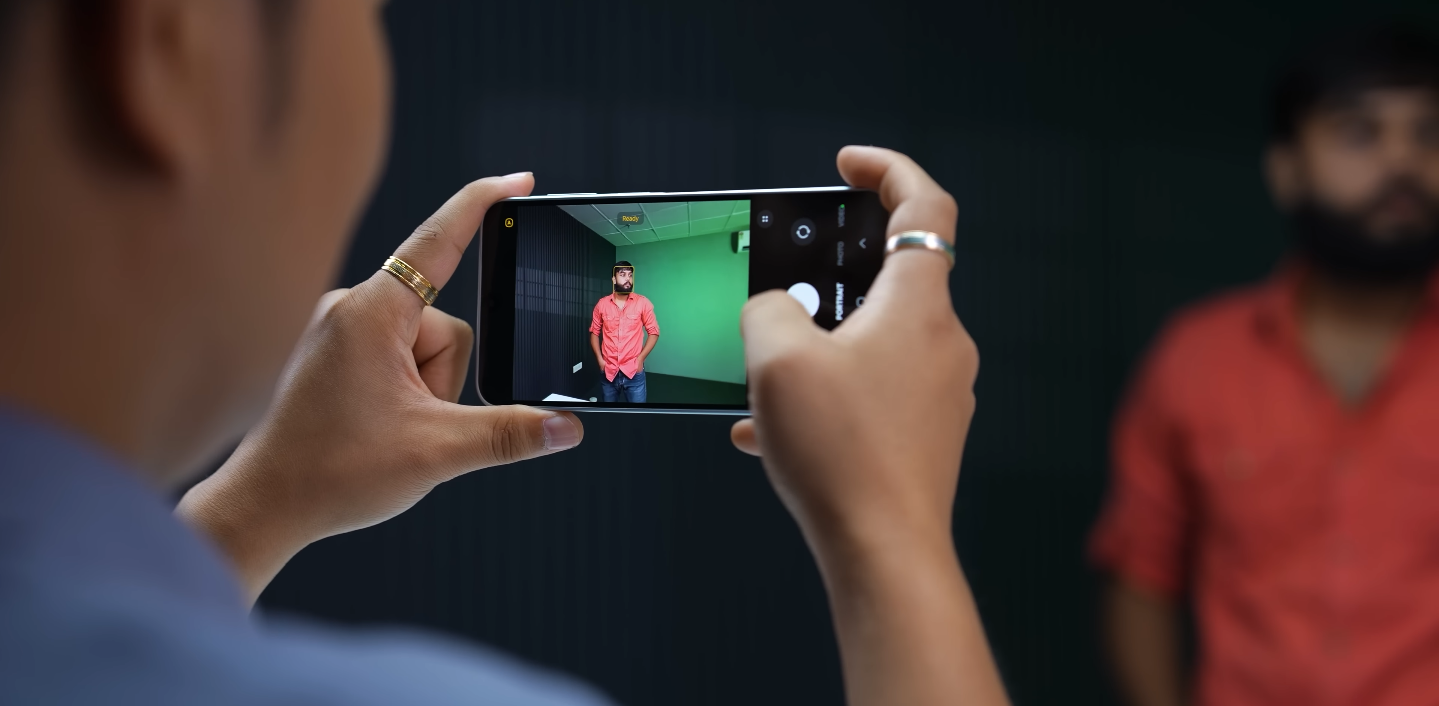
Portrait clarity also benefits from stabilisation because it gives the sensor extra confidence in edge detail when the subject shifts slightly. This is practical in daily life when taking quick photos of family or mates at a café, on a platform or outside stadiums where nobody stands completely still for the camera. The tone of the preview suggests Samsung is leaning toward a natural look, where the background bokeh separation is softer and not cut-out style, which many UK users find more realistic for social posting.

Galaxy M17 5G camera preview: OIS on a budget handset

The stabilisation angle also supports casual video recording. OIS gives smoother micro movement compensation, which is useful for short clips filmed one-handed on the street, where shakes are common and the phone is not mounted to anything. For TikTok-style content, short street reels, or simple front-facing commentary clips, this helps reduce that distracting jitter. The M17 5G therefore targets a behaviour that mid-range buyers in the UK already have — everyday capture with no equipment.

Low-light behaviour is another focus because the UK has long periods of grey skies and early darker evenings through most months. Night shots frequently include mixed neon, artificial lamps and street reflections rather than perfect balanced light. The camera preview shows Samsung is trying to stabilise frames physically rather than hyper-boost brightness unnaturally. This is often more workable for subtle night content where sharpness and natural colour accuracy look better than an over-processed glow.

The Exynos 1330 platform helps maintain quick camera response times, which is still a major factor mid-range buyers care about. A good camera is not just about the sensor — it’s how fast it opens, locks focus, processes and stores the frame. With stabilisation helping to reduce discarded attempts, the end result is more usable shots per tap and fewer situations where you retake because of motion blur. That feels like a real-life upgrade rather than a spec sheet number trick.

This preview sets the tone that Samsung wants users to trust the M17 5G as a handheld reality camera rather than a budget phone that only performs in bright daylight. The UK mid-range market is getting more demanding because users hold onto phones longer, and camera performance has become one of the most obvious factors that age devices quickly. If OIS leads to fewer ruined shots and sharper consistency across different lighting conditions, then this feature alone could become the deciding reason some buyers choose this model.

More detailed testing will tell us how much range the stabilisation delivers when pushed hard, especially during fast motion or extremely dim scenes. But as a value pitch — optical stabilisation on a budget handset — Samsung has made a strong early statement. This M17 5G camera preview suggests that the brand wants to shift expectations in the mid-range, and if the final results match the direction shown so far, this device could set a new baseline for camera stability in the UK’s affordable 5G segment.

Galaxy M16 5G Selling Fast In UK Here’s Why

Demand Rises Before Big Marketing Push


In the UK, Galaxy M16 5G is flying off shelves even before Samsung launched a full-scale marketing campaign. The early traction seems driven mostly by word of mouth, online reviews, and sensible pricing. Instead of flashy ads, buyers are noticing the phone through practical posts: “Battery lasts all day,” “Display is smooth,” “Good for everyday tasks.”

This kind of organic buzz often brings more genuine trust among shoppers. Users don’t feel like they’re being sold a dream—they’re simply seeing real-world people praising real-world performance. And that authenticity is making people act faster, not wait for official promotions.

Battery Life Steals The Show


A major reason behind the quick sales is what buyers are talking about most: battery endurance. With a large 6000mAh battery inside, the Galaxy M16 5G offers extended screen-on time that’s impressing early users. People are reporting full-day heavy usage without plugging in, and some even stretch into the next morning.

In a market where many phones struggle to last past evening, a device that won’t die during a busy day feels refreshing. Those who prioritize battery life seem to be snapping this up, leaving less room for later adopters to wait around.

Display And Everyday Performance At Core


Not far behind in popularity are the 120Hz display and reliable daily performance. Buyers note that scrolling through messages, social apps, and light video playback feels noticeably smoother than on older phones. The software platform also feels responsive—simple, clean, and well-optimized for basic usage.

UK buyers don’t need flashy features or extreme gaming power. They want a phone that just works for daily activities, and this one seems to fit that bill. That practicality makes it appealing to a wide range of users, from students to professionals.

Competitive Pricing Adds Momentum


In the UK, the Galaxy M16 5G is currently priced at around $229 for the 6GB RAM and 128GB storage version. The 8GB model goes for close to $259. At those prices, consumers feel they’re getting Samsung-level build quality and software support without spending a premium.

For buyers who want a trustworthy brand at a midrange price, this phone checks the right boxes. And as soon as one store sells out, the next listing disappears too—creating a sense of urgency and pushing more people to buy quickly.

Final Takeaway On Swift Sales


Summing it up: Galaxy M16 5G is selling fast in the UK because it delivers real value in core areas that matter to everyday users. A long-lasting battery, smooth screen, dependable performance, and honest pricing—all without hype—make it a sensible buy. For buyers who prefer substance over flash, this phone is quickly becoming the reliable pick.