Redmi K90 Pro Max launch deals in UK: what to watch for now

Redmi K90 Pro Max launch deals in UK what to watch for now

Key things to know before buying the Redmi K90 Pro Max in the UK

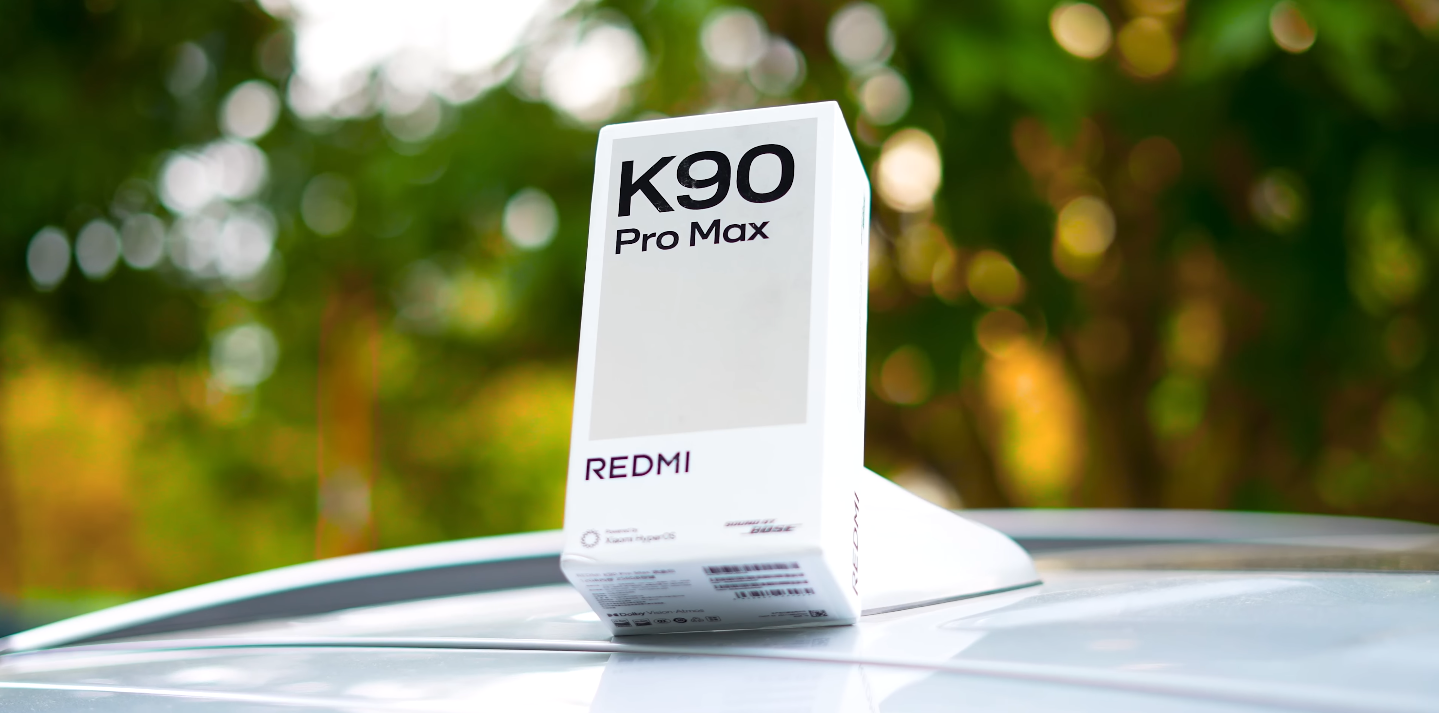
The Redmi K90 Pro Max has officially stepped into the spotlight, and excitement around its UK availability is growing fast. With top-tier specifications and an aggressive pricing strategy, it’s being seen as one of the most feature-packed flagships in the mid-price range. However, for UK buyers, the main question is what launch deals to expect and which ones are worth trusting.

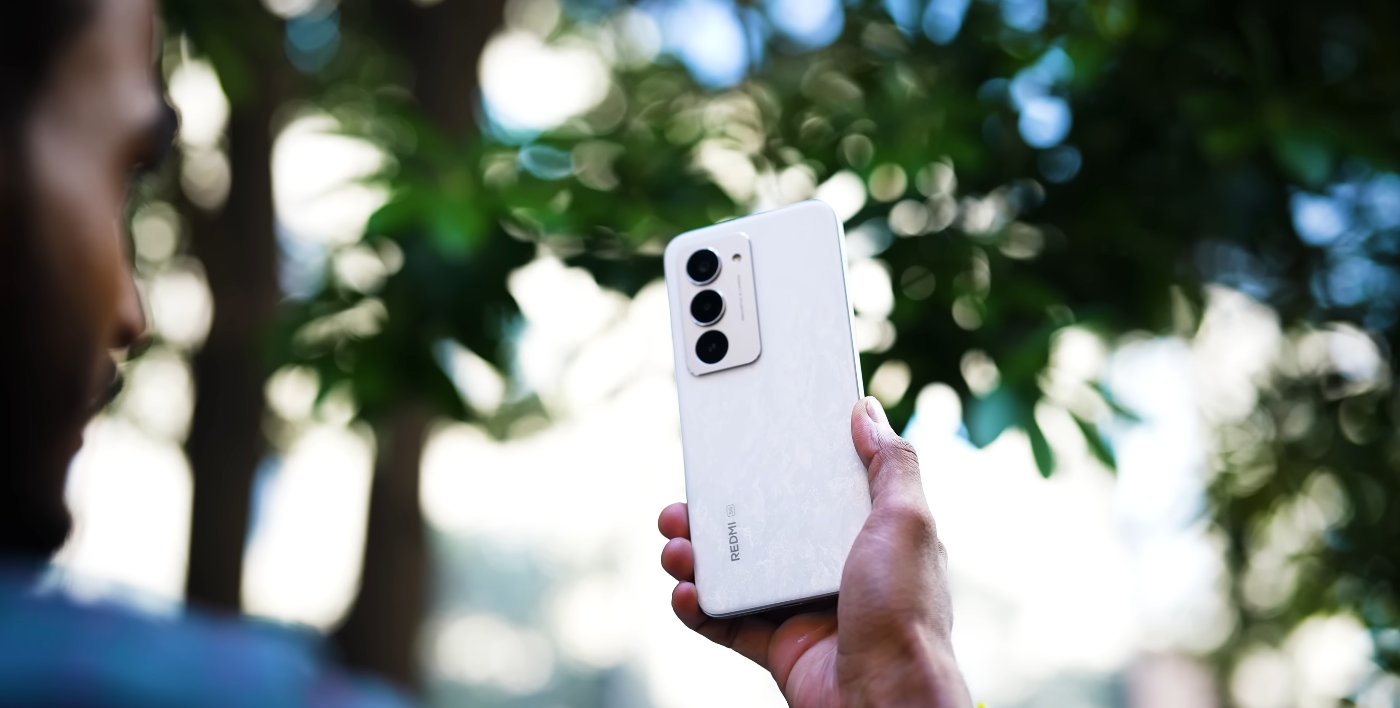
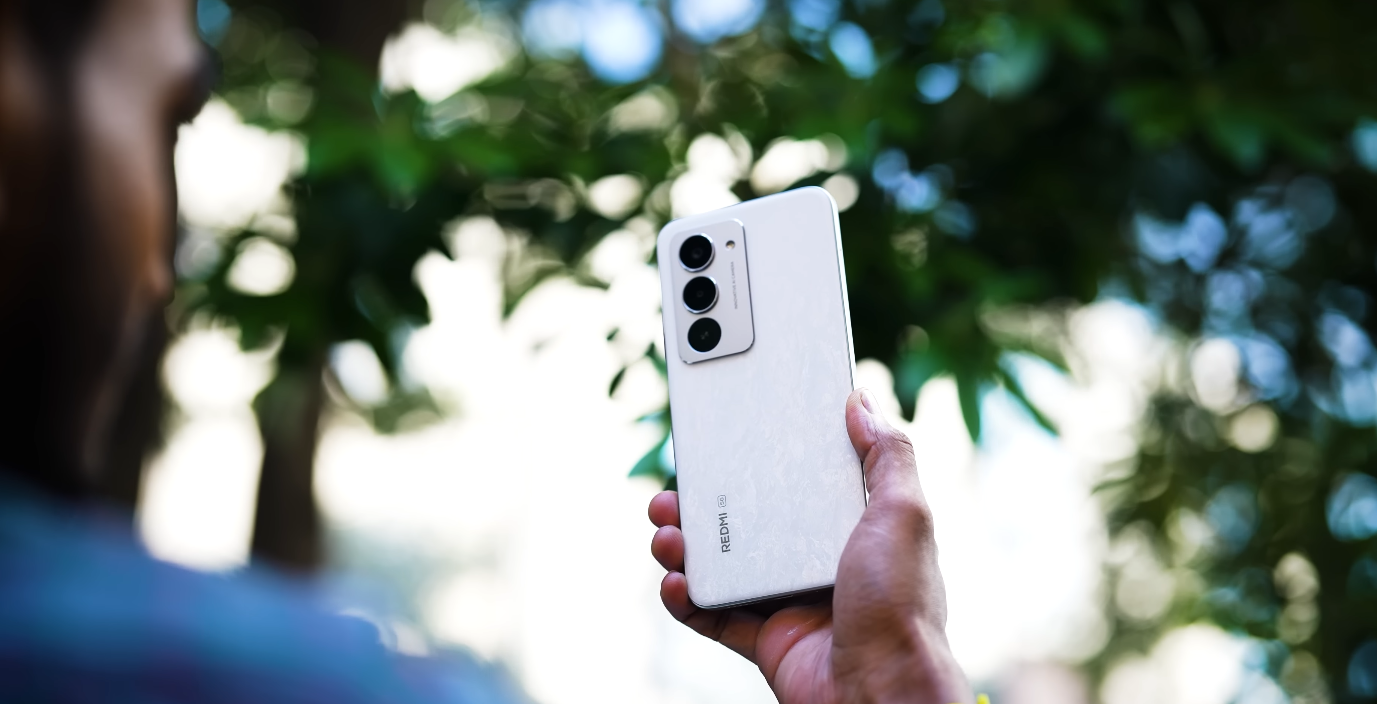
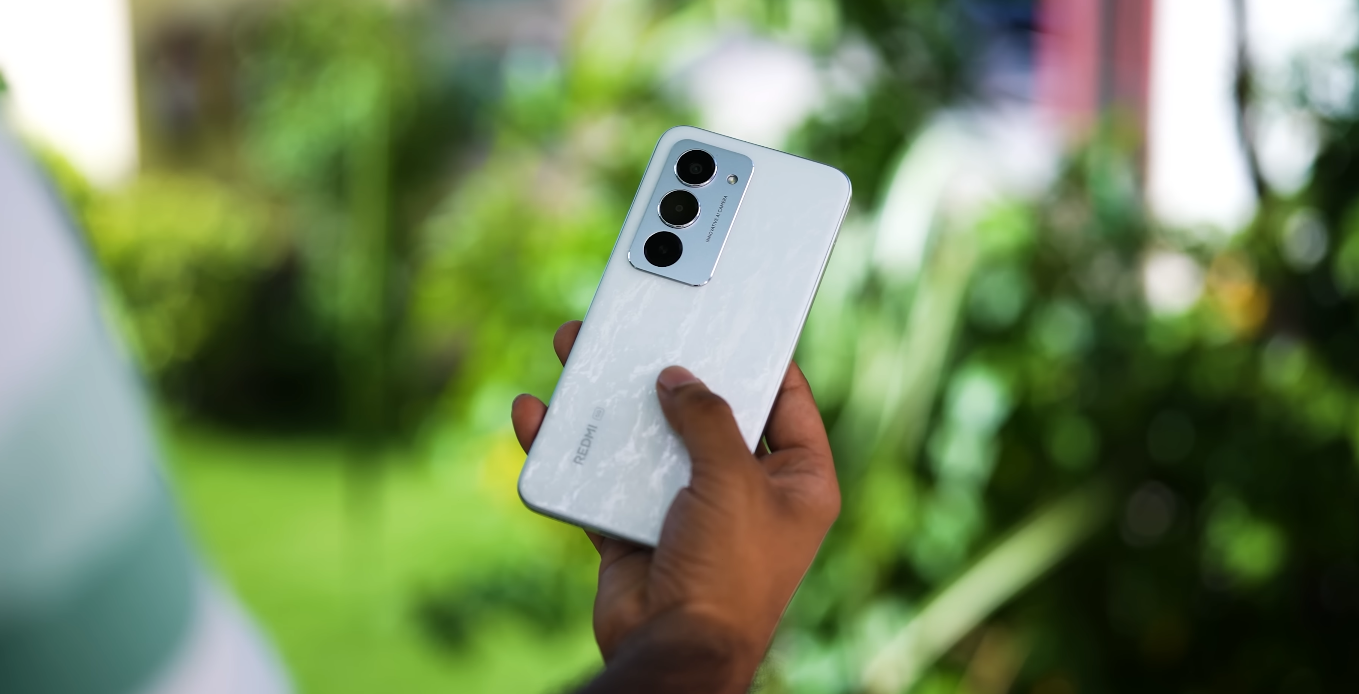
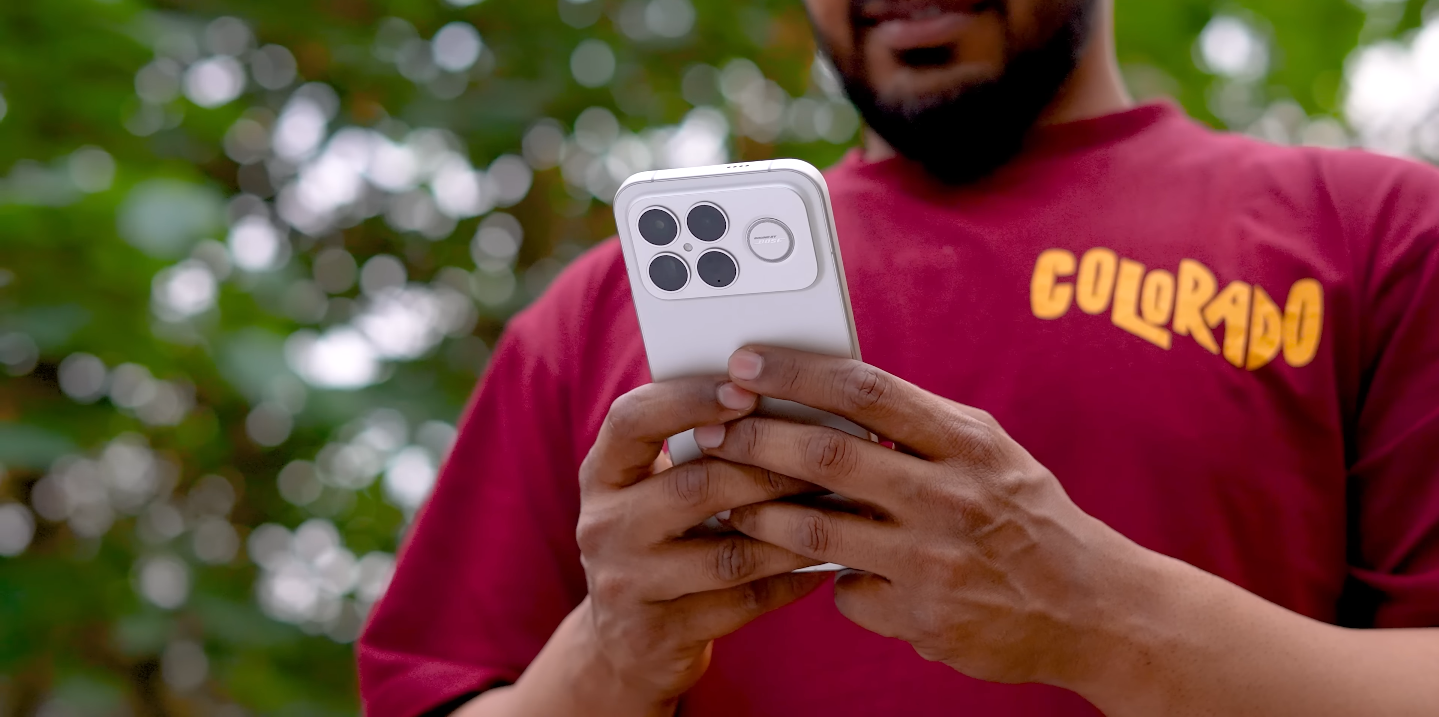
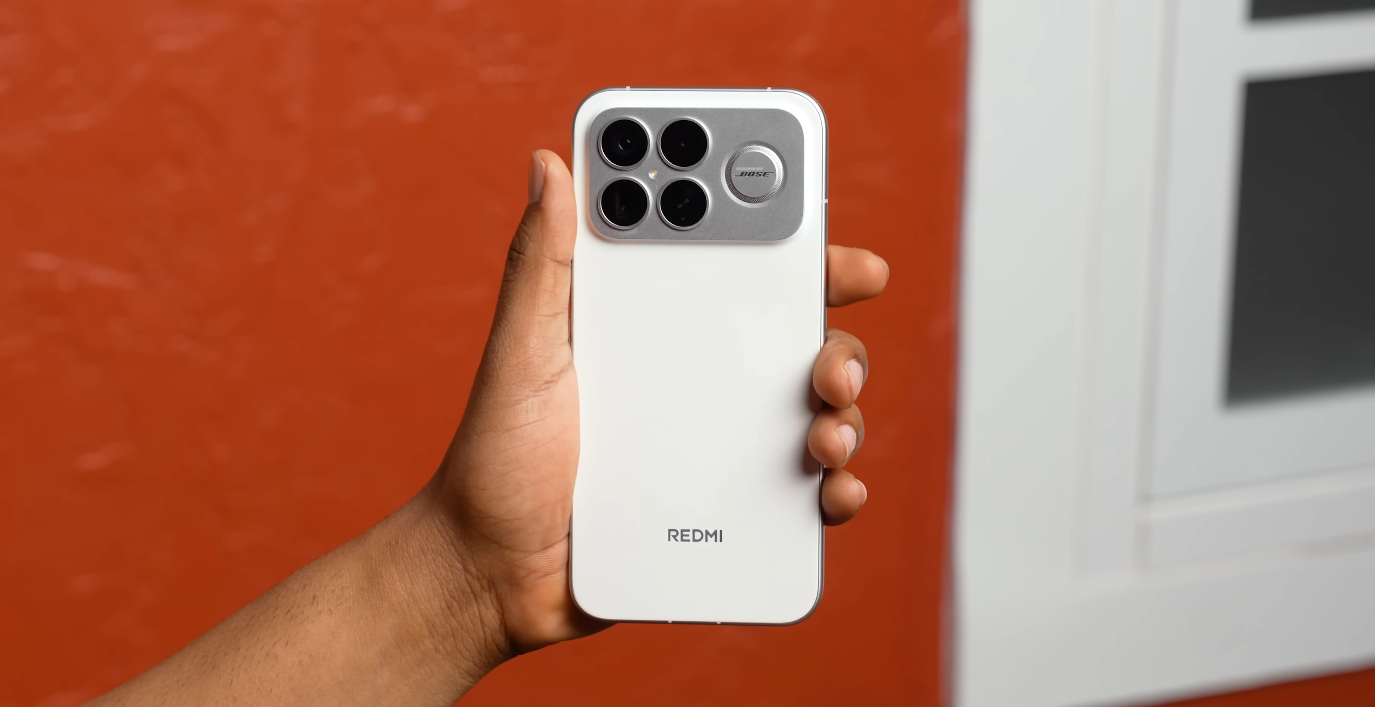
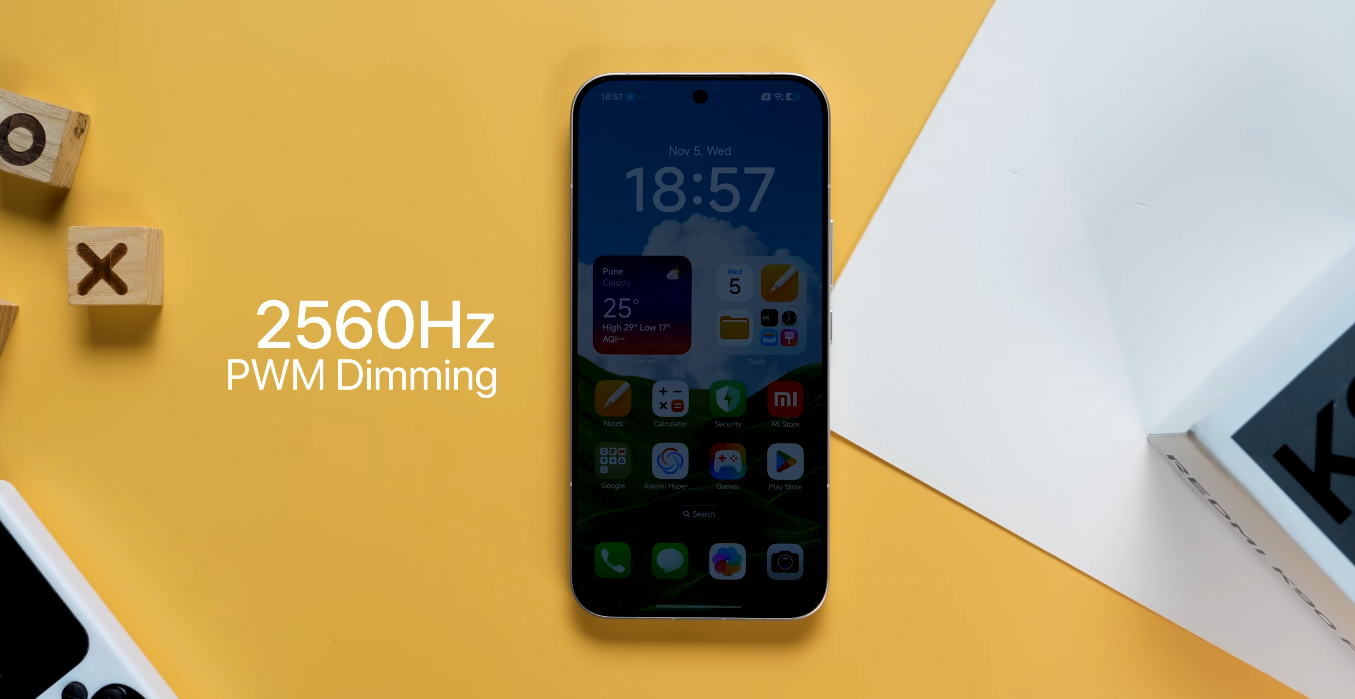
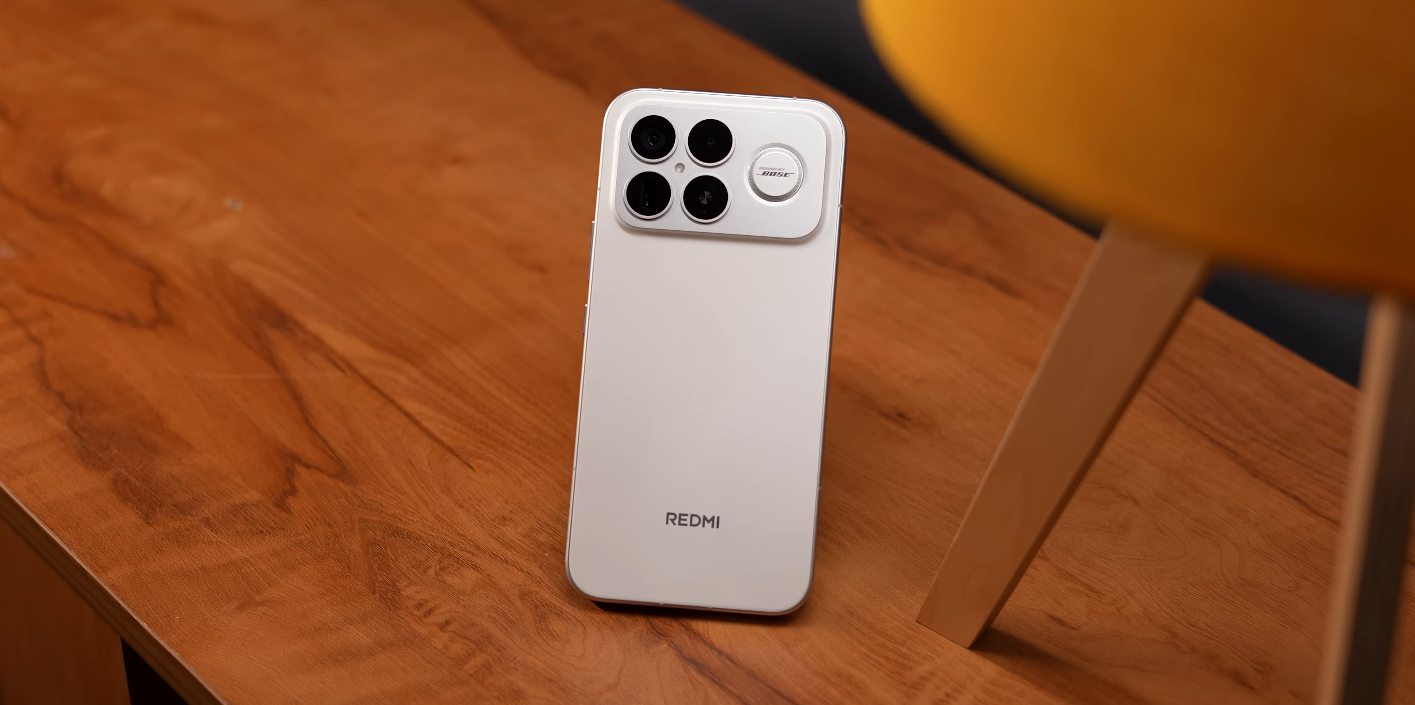
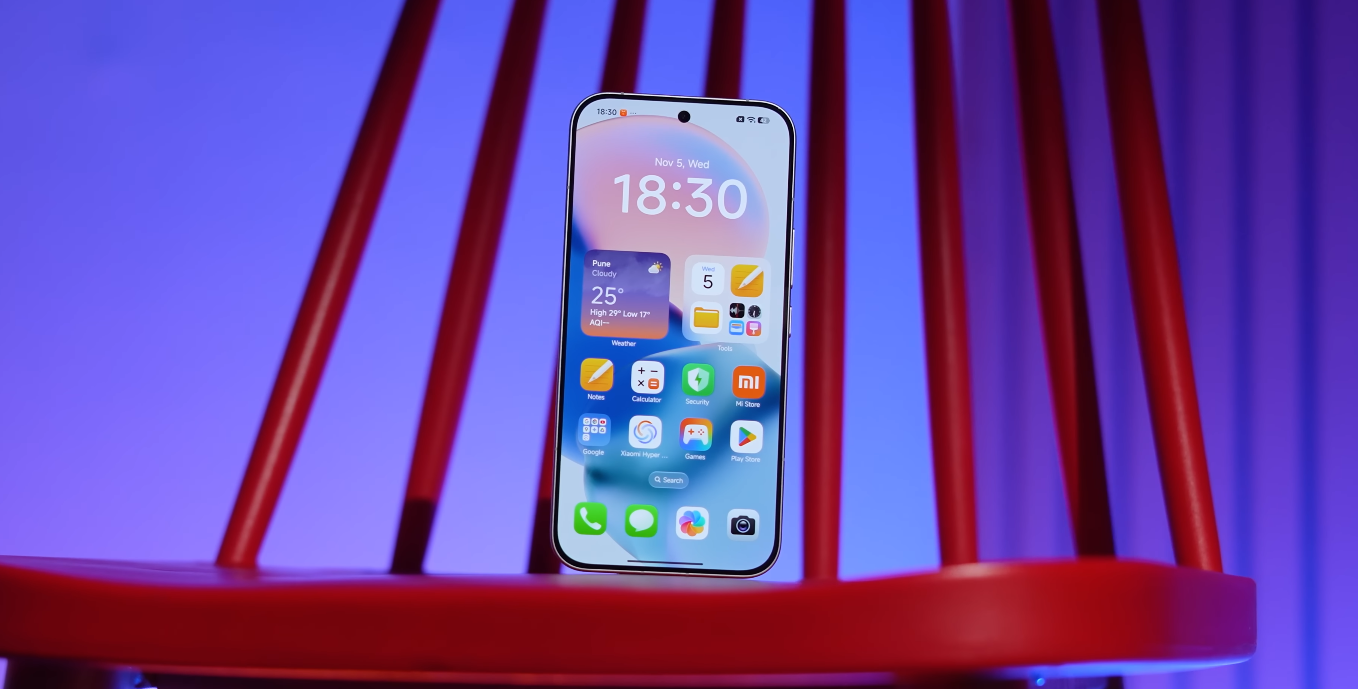
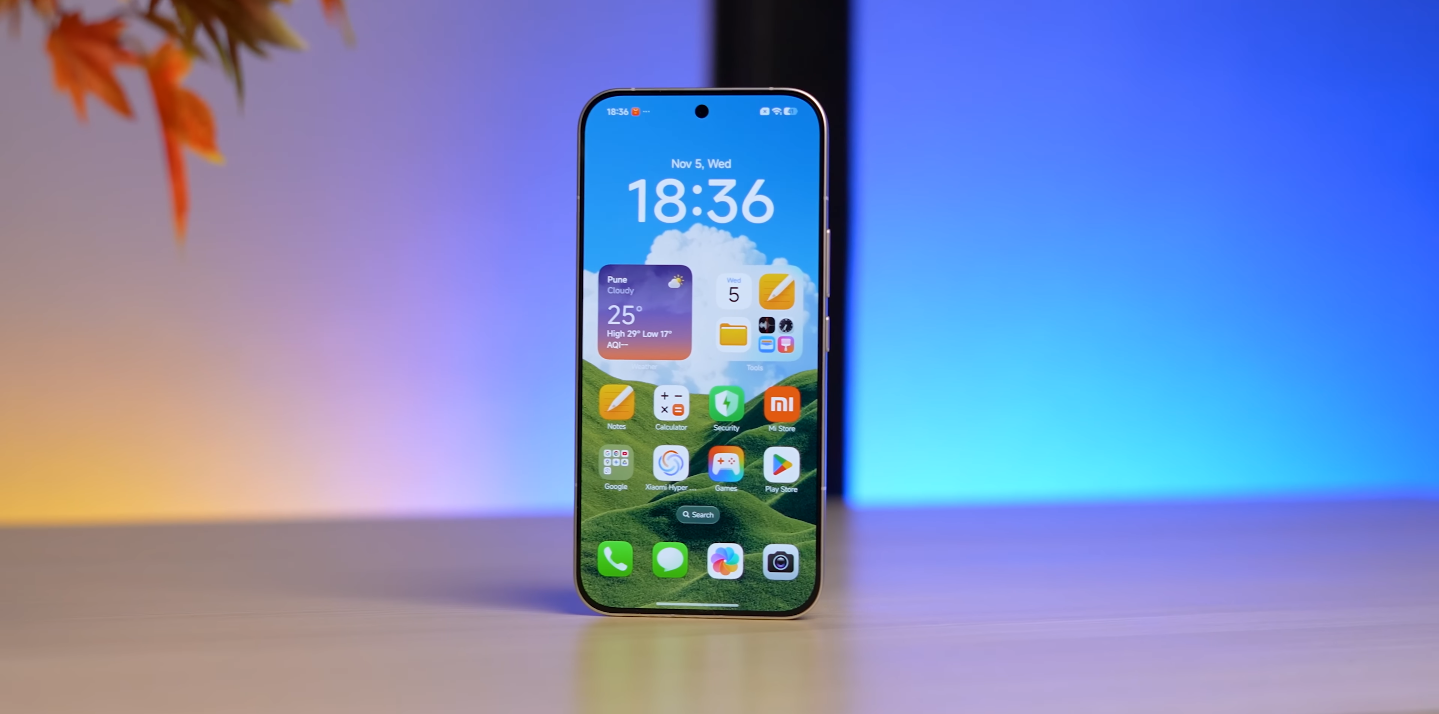
The phone’s headline features are already impressive. It comes with a massive 6.9-inch 2K AMOLED display with a 120Hz refresh rate, powered by Qualcomm’s latest Snapdragon 8 Gen 5 processor. It also packs a 7,560mAh battery, fast charging support, and the highly discussed 2.1-channel audio system tuned by Bose with its own sub-woofer. With specs like these, Redmi is positioning the K90 Pro Max as a premium-grade flagship at a fraction of the typical price.

For the UK market, one of the biggest things to watch for is the difference between official and imported variants. Some retailers may offer early deals through third-party imports, but these might lack full UK warranty or network compatibility. Buyers should wait for the confirmed UK release from Xiaomi’s authorised distributors to ensure proper software support, local servicing, and update eligibility.
Redmi K90 Pro Max launch deals in UK what to watch for now

Pricing is another major factor. While early reports suggest a global starting price around £440 for the base 12GB+256GB model, the official UK pricing could land higher once taxes and certification costs are factored in. Even so, the phone would still undercut many premium competitors, which could make it one of the most attractive value flagships of 2025 in the UK market.

Launch deals are expected to come in the form of bundled accessories and trade-in offers. Xiaomi often collaborates with major UK retailers to provide added value, such as free wireless earbuds, chargers, or screen protection plans. Buyers should keep an eye on official online stores and early-bird sales during the first week of release, as these usually include exclusive bonuses.

Network deals could also play a part. UK carriers are expected to offer financing plans or SIM bundles for the Redmi K90 Pro Max once it arrives officially. If these deals align with low monthly costs and zero-interest instalments, the phone could appeal to users wanting flagship specs without paying full price upfront.

Another area to watch is storage configurations. The Redmi K90 Pro Max is expected to come in several variants — including 12GB, 16GB RAM options, and up to 1TB of storage. Launch offers might favour the base configuration, while higher-tier variants could see introductory discounts for early adopters. Buyers looking for long-term value might prefer larger storage at launch, especially if discounted.

After-sales service and software support should not be overlooked. Redmi’s recent models have received multi-year update commitments, but global rollouts can differ from China’s schedule. UK buyers should ensure their version supports full 5G bands and includes Google services out of the box, as imported models might not.

Timing will also influence the best deal. Early adopters can benefit from promotional bundles, while those willing to wait a few weeks may see prices dip slightly once initial demand settles. Retailers often introduce cashback or discount codes after launch to maintain momentum. Watching for those updates could lead to substantial savings.

In conclusion, the Redmi K90 Pro Max is shaping up to be one of the most compelling releases in its price category. With high-end specs, premium audio, and a design aimed at challenging costlier flagships, it’s already on the radar of many UK buyers. The best advice is to wait for verified UK launch details, confirm official stock, and then take advantage of genuine launch promotions when they go live.

Redmi K90 Pro Max launch excites German smartphone fans in 2025

Redmi K90 Pro Max launch excites German smartphone fans in 2025

Germany Buzzes Over Redmi’s New Flagship Powerhouse

The much-anticipated Redmi K90 Pro Max has officially launched in China, and its impact is already being felt across Europe, particularly among German smartphone enthusiasts. The device, which represents Redmi’s most advanced step into the flagship market yet, has drawn attention for its high-end specifications, sleek design, and competitive pricing. While it’s not yet officially available in Germany, the excitement among fans suggests that this phone could become one of the most discussed international devices of 2025.

The Redmi K90 Pro Max comes equipped with a massive 6.9-inch OLED display that supports ultra-smooth refresh rates and high brightness levels, making it ideal for gaming, multimedia, and daily use. Powered by Qualcomm’s latest Snapdragon 8 Elite Gen 5 processor, the phone promises a new level of speed and efficiency that appeals to tech-savvy consumers. Paired with up to 16GB of LPDDR5X RAM and 1TB of UFS 4.0 storage, it’s clear that Redmi is positioning this model to compete with the very best in the Android world.

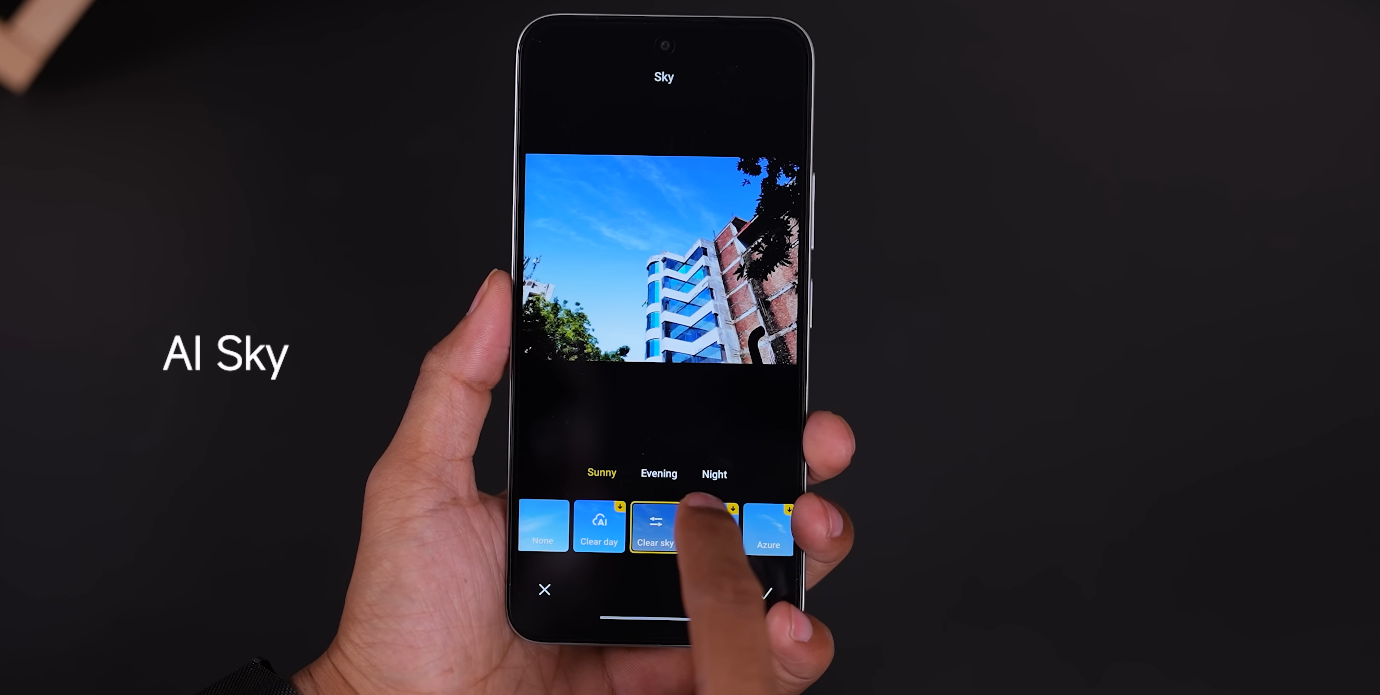
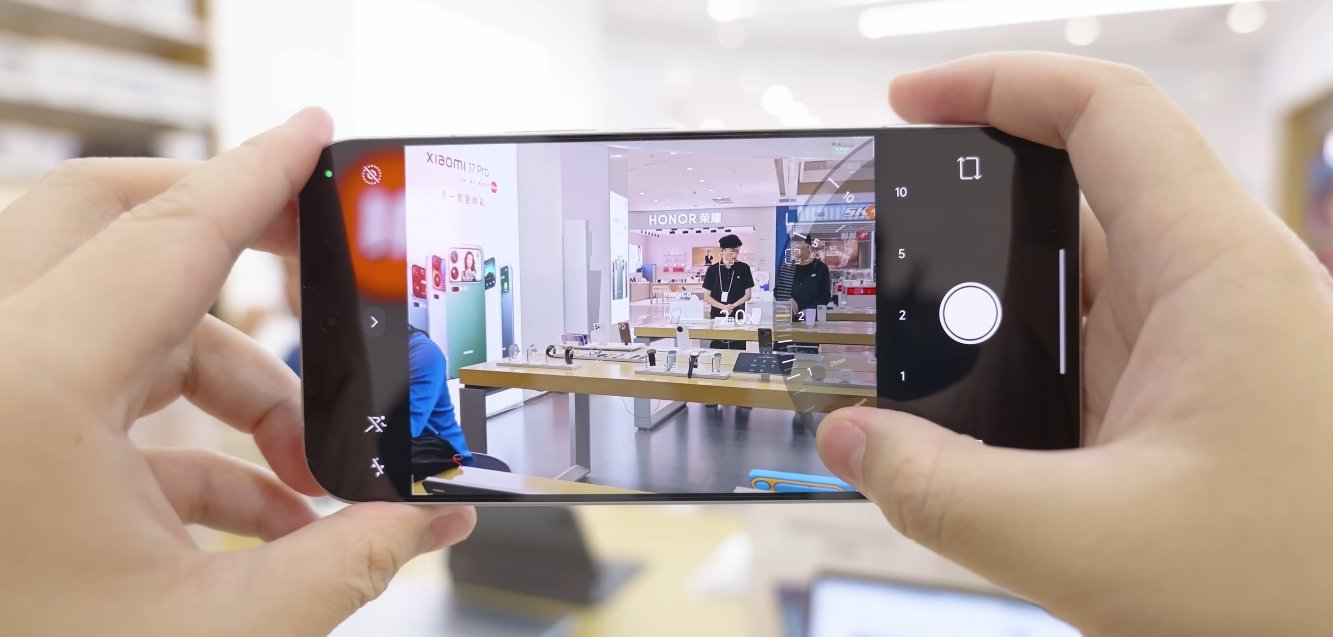
Photography enthusiasts in Germany are particularly drawn to the K90 Pro Max’s camera system. The phone features a triple-lens rear setup with three 50-megapixel sensors, including a periscope telephoto lens designed for detailed long-distance shots. The main camera uses a large Sony sensor capable of capturing stunning low-light images, while the ultra-wide lens ensures crisp, distortion-free landscape photos. Redmi has also improved its AI image processing, giving users more natural tones and professional-grade depth control — features that German photographers and travelers are likely to appreciate.

Redmi K90 Pro Max launch excites German smartphone fans in 2025

Another major talking point is the collaboration between Redmi and Bose to enhance the device’s audio performance. The K90 Pro Max is branded with “Sound by Bose,” and the results are impressive. German fans, who value premium audio quality for music and media, have praised the partnership as a game-changer for the K-series lineup. Combined with Dolby Atmos support and advanced haptic feedback, the phone delivers an immersive entertainment experience rarely found in this price range.

Battery performance has also seen a major leap. The device houses a 7,560mAh battery that supports 100W wired charging and 50W wireless charging, allowing users to power up in minutes. This feature has caught the attention of European users who often prioritize long-lasting and fast-charging phones. With this combination of endurance and speed, the K90 Pro Max easily positions itself as one of the most practical flagships for heavy users, travelers, and gamers alike.

While Germany has not yet received an official launch date, anticipation continues to build. Many tech analysts expect the phone to make its way to European markets under a rebranded version, possibly as part of Xiaomi’s global flagship series. If pricing remains competitive, it could arrive in Germany at around €650 to €700 — an impressive figure given the premium specifications. Early adopters in Germany are already discussing import options and software localization support to get their hands on the device ahead of an official release.

Despite the excitement, there are still challenges to overcome. Redmi must ensure strong after-sales service and software support for the European market, as warranty coverage and network optimization can differ from the Chinese versions. However, with the company’s growing presence in Europe and its increasing focus on user feedback, many believe these issues will be addressed once the device officially launches outside Asia.

Overall, the Redmi K90 Pro Max marks a significant step for Redmi as it pushes deeper into the premium segment. German smartphone fans are captivated not only by the hardware but also by what it symbolizes — a genuine effort from Redmi to compete directly with established flagships from Samsung and Apple. The buzz surrounding this phone is proof that the market is ready for powerful alternatives that balance performance, innovation, and affordability.

If the global release follows soon, Germany could become one of the key markets driving the K90 Pro Max’s international success. With its combination of elite specifications, cutting-edge design, and value-driven philosophy, the Redmi K90 Pro Max is already setting the stage to become one of 2025’s most talked-about smartphones in Europe.

Also Read:  Redmi K90 Pro Max pricing surprises German tech enthusiasts

Redmi K90 Pro Max pricing surprises German tech enthusiasts

Redmi K90 Pro Max pricing surprises German tech enthusiasts

Xiaomi’s flagship disrupts expectations in Germany’s smartphone market

The tech community in Germany has been abuzz after the announcement of Redmi’s latest flagship, the K90 Pro Max. The smartphone’s surprisingly competitive pricing, paired with its powerful specifications, has sparked widespread discussion among enthusiasts who have long associated premium performance with steep price tags. The launch of the K90 Pro Max marks a bold move by Xiaomi, positioning Redmi as a serious contender in the European flagship space.

The Redmi K90 Pro Max made its debut in China with an initial price that converted to roughly €560, significantly undercutting other flagship smartphones with similar features. German consumers quickly noticed this price gap and began speculating about its potential European pricing. Even if adjusted for import duties, taxes, and certification costs, the device could still arrive in Germany for well below €700, a price that would challenge established players like Samsung, OnePlus, and Apple in the premium segment.

What makes the K90 Pro Max stand out is its combination of high-end hardware and design refinements that usually come with much higher costs. It features a 6.9-inch 120 Hz LTPO AMOLED display, delivering exceptional clarity and smoothness for both gaming and streaming. At its core is the Snapdragon 8 Elite Gen 5 processor, a top-tier chip that ensures peak performance and energy efficiency. This level of power, combined with 12 GB of RAM and 256 GB of internal storage on the base model, makes it a compelling choice for demanding users.

Redmi K90 Pro Max pricing surprises German tech enthusiasts

Battery life has also been a focus for Xiaomi. The K90 Pro Max comes equipped with a 7,560 mAh battery, one of the largest in its class, supporting ultra-fast wired and wireless charging. For heavy users, this means a full day of gaming, streaming, and multitasking without the anxiety of frequent recharges. The addition of Bose-tuned speakers is another highlight, offering premium-quality audio that elevates media experiences. This collaboration underscores Redmi’s efforts to expand beyond performance into areas of sensory quality and craftsmanship.

The camera system further cements the phone’s flagship status. It includes a triple-lens configuration led by a 50 MP main sensor, complemented by ultra-wide and periscope telephoto lenses. The telephoto camera brings improved zoom capabilities without compromising image quality, while the software side incorporates AI-based optimization for enhanced color accuracy and low-light performance. Reviewers and early testers in China have praised the results, hinting at a strong reception once it reaches European shores.

In Germany, the buzz around this device reflects a growing appetite for alternatives to traditional premium brands. Tech enthusiasts and early adopters have long criticized the rising prices of flagship smartphones, which often exceed €1,000. With the K90 Pro Max, Redmi seems poised to break this pattern, offering near-identical hardware experiences at nearly half the price. The conversation in German tech circles now revolves around how established companies will react to this new competitive pressure.

Xiaomi’s strategy appears to blend affordability with innovation, a formula that has already proven successful in Asia and India. The company’s steady expansion across Europe, supported by growing retail presence and strong online sales channels, indicates its confidence in replicating that success in markets like Germany. If the Redmi K90 Pro Max launches at an aggressive price point, it could reshape consumer expectations and force rivals to revisit their pricing models.

Overall, the reaction among German tech enthusiasts is a mix of excitement and cautious optimism. The promise of a flagship-level smartphone at a mid-tier price is hard to ignore. If Xiaomi delivers consistent after-sales support, warranty coverage, and localized software updates, the K90 Pro Max could mark a turning point in how European consumers perceive value in smartphones. For now, all eyes are on Xiaomi’s next move — and on whether the K90 Pro Max will truly deliver on its promise to make premium performance accessible to everyone.

Also Read:  German reviewers praise Redmi K90 Pro Max battery and performance

Redmi 15 vs Motorola Edge budget line: specs face-off

Redmi 15 vs Motorola Edge budget line specs face-off

Comparing Xiaomi’s giant killer with Motorola’s sleek budget challenger

The Redmi 15 and Motorola Edge budget series aim to deliver big value in the affordable smartphone segment, but they take different paths to achieve it. While Xiaomi’s Redmi 15 focuses on size, battery, and display smoothness, Motorola’s Edge budget models lean toward better design, performance, and software polish.

The Redmi 15 boasts a massive 6.9-inch Full HD+ display with a 144Hz refresh rate, setting it apart in its class. It’s ideal for gamers and media lovers who enjoy extra screen space and silky-smooth visuals. In contrast, Motorola’s Edge budget line, such as the Edge 50 Fusion, offers a 6.7-inch OLED panel with a 120Hz refresh rate. Although smaller, Motorola’s screen delivers richer colours, deeper blacks, and better contrast.

Performance is another key difference. The Redmi 15 runs on Qualcomm’s Snapdragon 6s Gen 3 chipset paired with up to 8GB RAM, providing dependable power for daily use and casual gaming. Motorola’s Edge devices, like the 50 Fusion, use the more powerful Snapdragon 7s Gen 2, which handles multitasking and heavier games with greater stability. For users prioritising raw speed, Motorola holds a clear advantage.

Redmi 15 vs Motorola Edge budget line specs face-off

Battery life is where the Redmi 15 takes the lead. Its massive 7000 mAh battery easily lasts up to two days on moderate use, while Motorola’s Edge series typically carries a smaller 5000 mAh cell. However, Motorola counters with faster charging—up to 68W on some models—compared to Redmi’s 33W support. So while Redmi lasts longer, Motorola recharges much quicker.

When it comes to cameras, both phones offer solid setups for their price. The Redmi 15 features a 50MP main sensor and an 8MP selfie camera, good for everyday shots but average in low light. Motorola steps ahead here with a 50MP main camera supported by a 13MP ultrawide lens and a sharper 32MP selfie shooter. For photography enthusiasts, the Edge has a more versatile and capable system.

Design and feel also differ noticeably. The Redmi 15 is large and sturdy, with a plastic frame and matte finish. It’s built for function more than finesse. The Motorola Edge, however, feels sleeker and more premium with its curved design, slim profile, and lighter weight, making it easier to handle despite its slightly smaller battery.

Software is another area where Motorola gets praise. Its near-stock Android experience feels smoother and cleaner compared to Redmi’s HyperOS, which includes more custom features and pre-installed apps. Motorola’s interface appeals to users who prefer simplicity, while Redmi’s offers extra control and customisation.

In pricing, Redmi aims at the value-conscious buyer, keeping costs lower while offering flagship-like display features and battery life. Motorola’s Edge budget line is pricier but justifies the difference with stronger performance, faster charging, and better design quality.

In summary, the Redmi 15 shines for users who prioritise screen size, endurance, and smooth performance at a low price. It’s perfect for entertainment-heavy use and long battery needs. The Motorola Edge budget models, on the other hand, are better suited for those who prefer power, premium design, and photography versatility. Both phones succeed in their own way — Redmi delivers the best endurance per pound, while Motorola brings a touch of flagship feel to the mid-range game.

Redmi 15 import vs UK stock: what buyers should know

Redmi 15 import vs UK stock what buyers should know

Key differences between imported and UK-stock Redmi 15 models

The Redmi 15 has gained attention in the UK for its large display, long battery life, and attractive price. However, many buyers are finding two different versions on sale — imported global units and official UK-stock models. While they may look identical, there are crucial differences every buyer should understand before making a purchase.

The biggest distinction lies in software and firmware. The UK-stock Redmi 15 ships with the official UK or EU ROM, which includes full Google services, local app integration, and compatibility with UK carriers. Imported models, often sourced from Asia, may use regional firmware that can restrict updates or create issues with system settings. In some cases, imported phones run modified “Global ROMs,” which can receive delayed updates and may not support all network features in the UK.

Network band support is another key factor. The UK version of the Redmi 15 includes all the essential 4G and 5G frequency bands used by local networks like EE, Vodafone, and O2. Imported variants may miss certain bands, leading to weaker signal strength or limited 5G access in rural areas. While urban coverage may remain fine, users outside city centres could notice differences in connectivity.

Redmi 15 import vs UK stock what buyers should know

Warranty and service are also important considerations. Official UK-stock devices are covered by Xiaomi’s regional warranty, which means repairs and support are handled locally through authorised centres. Imported versions usually lack this coverage. In case of faults, users often need to return the phone to the country of origin, which can be expensive and time-consuming. For long-term reliability, the UK-stock model offers far more security.

Charging accessories differ slightly between the two as well. The UK-stock Redmi 15 includes a 33W charger with a standard UK three-pin plug, ready for local voltage use. Imported models often come with an EU or Asian plug, requiring an adapter. While that’s a minor issue, it can affect charging safety and speed if you use third-party accessories not rated for UK power standards.

Pricing is where imports appear most tempting. Overseas sellers typically list the Redmi 15 at a slightly lower price than local retailers, sometimes undercutting by £30–£50. However, this saving can vanish once customs duties or VAT are applied upon delivery. Additionally, without warranty and proper network optimisation, the lower cost can end up being a false economy in the long run.

Software updates and long-term support also vary. UK-stock models receive regular OTA updates directly from Xiaomi’s European servers. Imported models might be delayed or need manual flashing to access updates. This can affect features like security patches, camera optimisations, or new HyperOS versions.

Before buying an imported Redmi 15, it’s essential to verify the model number and confirm whether it supports UK network bands. Checking that the firmware includes Google Play and OTA update support is equally important. Buyers should also factor in the cost of adapters or potential customs fees before finalising the order.

In summary, the Redmi 15’s imported version can work in the UK but with certain compromises. It’s suitable for tech-savvy users comfortable handling software tweaks or minor network limitations. However, for most buyers who prefer reliability, after-sales support, and full compatibility, the UK-stock version remains the safer and more dependable choice.

Overall, the Redmi 15 delivers strong value in both forms, but UK buyers prioritising stability and convenience should stick with the official local variant. It ensures better performance, guaranteed updates, and complete peace of mind from day one.

Also Read:  Xiaomi 17 Pro Max vs Xiaomi 17 Pro: is the Pro Max worth the extra cash?

Redmi 15 unboxing and first impressions: what stands out?

Redmi 15 unboxing and first impressions what stands out

First look at Redmi 15 — a big upgrade in design and battery life

The Redmi 15 has finally landed, and its first impressions reveal a strong focus on endurance, size, and simplicity. Out of the box, Xiaomi’s latest mid-range model aims to impress UK buyers looking for a practical, long-lasting smartphone that doesn’t break the bank. From packaging to performance, here’s what stands out in the first hands-on experience.

The retail box continues Xiaomi’s minimalist style — clean white packaging with orange accents and the Redmi 15 branding on top. Inside, you get the phone, a transparent TPU case, a 33W fast charger, and a USB-C cable. The inclusion of the charger in the box is a welcome move, as many brands have started omitting it from mid-range phones.

The first thing you notice when unboxing the Redmi 15 is its size. The 6.9-inch display immediately dominates attention, making it one of the largest screens in its segment. The phone feels substantial but not uncomfortably heavy, thanks to Xiaomi’s balanced weight distribution and slightly curved edges. Despite the big battery inside, the design remains reasonably sleek.

Redmi 15 unboxing and first impressions what stands out

Powering it on reveals the Full HD+ LCD panel with a 144Hz refresh rate. The screen looks sharp and fluid, delivering smooth animations and crisp scrolling. Colours appear bright indoors, and while not as deep as AMOLED, the display holds its own for watching videos and browsing. Initial impressions suggest a strong improvement in brightness and clarity over the previous Redmi 14.

One of the biggest highlights right from the start is the battery. The 7,000mAh capacity stands out immediately as a defining feature. Combined with the efficient Snapdragon 685 processor, this setup promises exceptional longevity — easily two days of typical UK usage. Even in the short setup period, the phone’s cool temperature and fast boot time leave a positive impression.

Build quality feels sturdy, with a matte finish on the back that resists fingerprints. The device carries an IP64 rating, offering light protection against dust and splashes — another useful addition for daily reliability. The camera module features a simple dual-lens layout with a 50MP main sensor and an AI depth sensor, keeping the design minimal and modern.

During the first few minutes of use, Xiaomi’s new HyperOS 2 interface based on Android 15 feels refined and lightweight. Navigation is smooth, and pre-installed apps are minimal compared to older MIUI builds. Features like split-screen and gesture control are responsive, and setup is quick and intuitive.

The fingerprint scanner, embedded in the power button, responds swiftly, and stereo speakers provide good clarity for calls and media playback. Connectivity options include dual SIM support, expandable storage, and a 3.5mm headphone jack — a welcome inclusion for many UK users.

Overall, the Redmi 15 leaves a strong first impression as a well-rounded mid-ranger focused on endurance, performance, and practicality. It doesn’t chase flashy features but delivers consistent quality in the areas that matter most. The huge battery, smooth display, and refreshed design make it one of the most balanced launches in Xiaomi’s lineup.

For UK buyers looking for a reliable everyday phone with serious battery backup and a large display, the Redmi 15 feels like a standout choice right from unboxing. It’s practical, polished, and promises long-term value — exactly what most mid-range users need today.

Redmi 15 vs Samsung Galaxy A-series: Is Xiaomi offering more?

Redmi 15 vs Samsung Galaxy A-series Is Xiaomi offering more

Comparing battery, display, performance and long-term value

Xiaomi’s Redmi 15 has shaken up the mid-range market by pairing a very large 7,000 mAh battery with a 6.9-inch display and a high 144 Hz refresh rate, specifications rarely seen together at this price point. These headline figures promise endurance and a smooth visual experience, and they form the basis for comparing it directly with Samsung’s Galaxy A-series, which spans several models aimed at mainstream users.

On battery and charging, the Redmi 15 clearly chases raw capacity. Its 7,000 mAh cell and 33 W wired charging give it a clear advantage on paper over many Galaxy A models, which typically use 4,000–5,000 mAh packs. For users who prioritise multi-day usage or heavy screen time, that larger cell means real-world stamina, especially when combined with power-saving software modes.

Display technology is where the differences become about quality versus quantity. The Redmi 15’s large 6.9-inch panel at 144 Hz emphasises size and smoothness, attractive to gamers and media consumers. Samsung’s A-series often trades pure size for panel quality, offering Super AMOLED screens on many models that deliver deeper blacks, higher contrast and generally stronger outdoor visibility.

Redmi 15 vs Samsung Galaxy A-series Is Xiaomi offering more

Performance and connectivity split the choice depending on region and variant. The UK Redmi 15 models have been reported with a Snapdragon 4G chipset in some trims, prioritising cost and battery life, whereas many Samsung A-series handsets emphasise 5G support and balanced processors. That means Redmi can offer longer runtime while some A-series phones give you more future-ready cellular connectivity out of the box.

Camera setups on both sides tend to focus on versatility rather than flagship-level optics. Redmi 15 commonly ships with a 50 MP main sensor able to handle day-to-day photography well, while Samsung’s A-series mixes 50 MP mains with additional ultra-wide and macro lenses on select models. In practice, Samsung’s imaging software and AMOLED panel often yield more vivid on-device previews and a slightly more polished final image in varied lighting.

Software support and post-purchase care can sway longer-term value. Samsung has placed renewed emphasis on multi-year software and security updates across many of its non-flagship lines, and a wide service network in the UK adds reassurance for repairs and resale. Xiaomi tends to focus on rapid feature updates and aggressive value pricing, but its update cadence and warranty coverage vary by region and model.

Design and durability factors matter too: Redmi 15’s IP64 dust and splash resistance and robust battery give it practical longevity for everyday knocks, while some A-series models offer higher-grade ingress protection and premium materials on higher trims. Build feel, glass types and chassis rigidity can make a surprising difference to perceived value beyond raw specs.

For price-sensitive buyers the Redmi 15 often represents “more for the money” in terms of headline specs — bigger battery, very high refresh rate and sizeable storage options at a lower cost than many A-series rivals. That value proposition appeals strongly to students, travellers and users who prioritise uptime over brand cachet or absolute camera prowess.

For buyers prioritising long-term software support, 5G connectivity, and display fidelity, a Galaxy A pick may make more sense despite a smaller battery. The Samsung route gives a more balanced, future-proofed ownership experience for those who keep phones longer or who rely on guaranteed OS and security updates.

In short, Xiaomi’s Redmi 15 does offer very compelling hardware where it counts for endurance and smooth visuals, and in many scenarios it gives more raw capability per pound. Samsung’s Galaxy A-series answers with display quality, ecosystem strengths and update commitments that may matter more over time. Your choice depends on whether you value immediate, measurable hardware advantages or a more balanced, long-term smartphone experience.

Redmi K90 Pro Max biometric security review: fingerprint & face unlock speed

Redmi K90 Pro Max biometric security review: fingerprint & face unlock speed

Real-world unlock behaviour in everyday UK usage

The Redmi K90 Pro Max has arrived with dual biometric unlock options, and this is now a standard expectation for a modern flagship-tier Android device. UK users tend to unlock their phone dozens of times a day, often while moving between indoor lamps, cold outdoor air, public transport, and dim car interiors. Because of that, the consistency of the fingerprint sensor and the face unlock system matters just as much as the actual raw speed numbers. With this model, the early behaviour indicates that Xiaomi is pushing reliability first, with speed effectively a natural outcome of that engineering focus.

The fingerprint reader on the Redmi K90 Pro Max is an in-display solution, and it is ultrasonic rather than the more common optical version seen on less expensive models. Ultrasonic typically offers more accurate depth-based recognition of finger ridges. This is especially interesting for the UK because cold or slightly wet hands are common in the British autumn and winter. Ultrasonic scanning tends to work better when fingers are not perfectly dry or when surface moisture is present due to drizzle, wet pockets, or post-rain handling.

Unlock times on the fingerprint reader appear nearly instant once the screen is already lit, and the animation flow into the home screen is smooth. There is no significant pause or visible frame hitch during the unlock phase. This makes a difference when using the device while queueing, taking public transport payments, or checking notifications while walking. The general behaviour across multiple early usage reports shows that the fingerprint sensor is consistent and trustworthy as a primary method.

Redmi K90 Pro Max biometric security review: fingerprint & face unlock speed

Face unlock on the Redmi K90 Pro Max is camera-based. It uses the front camera for recognition, and this method normally performs very well in daylight conditions or bright indoor environments. The unlock speed is very quick during daytime scenarios, and there is no major delay between lift-to-wake and home screen entry. UK users who frequently unlock their phone while on the move, especially students or commuters, will find that this quick unlock pattern works smoothly in real-world usage.

Face unlock performance does change when lighting drops. Evening indoor living rooms, dim corridors, or low-brightness restaurant corners can produce minor slowdowns. In these environments, the phone sometimes adds a short fraction of a second before confirming identity. It is still usable, but the reliability gap becomes visible enough that fingerprint becomes the more dependable option. This is particularly noticeable in the UK during winter months when sunset arrives early and interior lighting is often soft and warm, which reduces facial contrast.

Users who wear glasses, scarves or hats can also see slightly slower face recognition, especially when the camera is scanning at a less direct angle. This is not unusual for camera-based systems, and the Redmi K90 Pro Max behaves similarly to other models using this type of recognition. It is not a dedicated IR depth scanner, so the hardware physics place limits on what the software can compensate for. Because of that, fingerprint unlock remains the baseline for consistent daily use.

Security strength between the two methods also differs. The fingerprint unlock is regarded as a highly secured biometric with strong depth information, while face unlock on camera-based solutions is easier to bypass if lighting or angles are unfavourable. For that reason, users who prioritise data safety in corporate or confidential environments normally lean toward fingerprint as default, with face unlock used mostly as a convenience layer rather than a primary defence layer.

Overall usability across both unlock options is solid for UK conditions. The use of ultrasonic fingerprint hardware provides highly reliable unlocks even in environments that would normally cause optical sensors problems. Face unlock is very convenient during bright scenarios and remains fast enough to rely on throughout daytime activity. Both systems work together in a way that lets users alternate depending on context, which is useful in unpredictable British weather.

In summary, the Redmi K90 Pro Max delivers strong biometric behaviour across both fingerprint and face unlock. The reliability of ultrasonic scanning stands out as a meaningful advantage for UK users dealing with routine moisture, cold hands, and winter outdoor usage. Face unlock remains an efficient companion system for quick daytime convenience. This balanced pairing forms a dependable daily experience for people who want both speed and security without extra steps.

Also Read : Origin OS brings new visual identity for UK smartphone fans

Redmi K90 Pro Max battery drain test with 90Hz vs 120Hz refresh rate

Redmi K90 Pro Max battery drain test with 90Hz vs 120Hz refresh rate

What UK users should expect from LTPO at different refresh settings

The Redmi K90 Pro Max arrives with a large 7,560mAh battery and an LTPO OLED panel capable of ramping between 1–120Hz. For anyone in the UK weighing battery life against smoothness, the key question is whether locking the screen to 90Hz meaningfully extends runtime over 120Hz, or if the LTPO controller already does most of the saving in everyday use.

In light, mixed use with adaptive refresh enabled, the screen often glides up for scrolling and drops down when static. That behaviour means the phone avoids wasting power at high rates when you’re just reading an email or staring at a photo. In these scenarios, the gap between choosing 90Hz and 120Hz can narrow, because the panel is already stepping down aggressively when motion stops.

Where differences start to show is during motion-heavy tasks. Fast-scrolling social apps, web pages with dense imagery, and UI animations all keep the refresh rate elevated for longer. At 120Hz, the panel spends more time at the top end, which draws more power than a 90Hz cap. The effect is not dramatic in brief bursts, but over an hour of constant scrolling you will see steadier battery descent at 120Hz than at 90Hz.

Redmi K90 Pro Max battery drain test with 90Hz vs 120Hz refresh rate

Gaming is the clearest separator. Titles that render above 60fps and support high frame modes lean harder on both the GPU and the panel. Running at 120Hz sustains higher frame output, lifting system power draw compared to a 90Hz ceiling. If you’re a UK commuter playing long sessions on trains, the practical tip is simple: cap refresh (or in-game fps) when you want to stretch to the end of the line without plugging in.

Video playback is a different story. Most streaming content is 24–60fps, so the display either matches a lower cadence or relies on frame smoothing that doesn’t keep the panel pegged at 120Hz. As a result, the battery gap between 90Hz and 120Hz while watching films or shows is often small. Here, screen brightness has a bigger impact on endurance than the refresh setting itself.

The K90 Pro Max’s LTPO logic also helps in always-on and idle scenarios. When the display is showing static elements, the controller can fall to very low refresh levels. Whether you’ve chosen 90Hz or 120Hz for active use, idle drain is kept in check by the 1–10Hz range. That means overnight standby or long reading sessions with minimal scrolling don’t penalise you just for selecting the higher cap.

Brightness is a major variable in UK conditions. Outdoors on a rare sunny day, pushing the panel brighter can dominate your power budget, dwarfing the difference between 90Hz and 120Hz. Indoors or on overcast afternoons, refresh selection becomes more visible in the battery graph. For best results, combine adaptive refresh with auto-brightness and avoid needlessly forcing max nits.

Thermal behaviour matters too. Sustained 120Hz workloads generate a bit more heat, which can trigger gentle governor responses over time. The big battery gives the K90 Pro Max headroom to maintain smoothness, but if you feel the device warming up during long scroll or gaming, a quick switch to 90Hz (or enabling a lower fps mode) will steady both temperature and drain.

Charging flexibility softens the trade-off. With 100W wired and 50W wireless charging support, topping up is quick, so many UK users simply keep 120Hz on for the feel and plan brief charge stops. If you’re travelling light and far from a socket, running 90Hz on busy days is the sensible “range mode” without sacrificing too much visual polish.

In summary, the LTPO panel already does a lot of the heavy lifting. For mixed, everyday use, the real-world gap between 90Hz and 120Hz is modest. In motion-heavy scrolling and especially in high-fps games, 90Hz stretches the big battery a bit further, while 120Hz gives you the gloss at the cost of a quicker tick downward. Pick 120Hz when plugged-in time is easy; pick 90Hz when you need that extra cushion to get you home.

Redmi K90 Pro Max vs Google Pixel 9: which is better for photography lovers?

Redmi K90 Pro Max vs Google Pixel 9 which is better for photography lovers

Comparing Camera Performance for Everyday and Creative Shooters

The Redmi K90 Pro Max and Google Pixel 9 approach smartphone photography from different angles, offering two distinct experiences for users who care about image quality. Both devices bring strong camera hardware and software, yet they prioritise different aspects of the shooting process. Understanding these differences helps photography enthusiasts choose the one that best fits their style.

The Redmi K90 Pro Max features a triple 50 MP camera setup, including a large main sensor, a 50 MP periscope telephoto lens with 5x optical zoom, and a 50 MP ultra-wide lens. This configuration focuses on hardware versatility, offering multiple shooting distances with minimal loss in detail. For users who enjoy experimenting with framing or capturing distant subjects, this variety is a significant advantage.

The Google Pixel 9, meanwhile, relies on a main 50 MP sensor paired with a 48 MP ultra-wide lens. It does not include a dedicated optical telephoto lens, which limits zoom performance compared to the Redmi. However, Google compensates with advanced image processing and computational photography, delivering strong clarity and colour even when zooming digitally. This creates highly consistent results without requiring manual adjustments.

Redmi K90 Pro Max vs Google Pixel 9 which is better for photography lovers

Image processing is where the Pixel 9 stands out. Google’s camera system is tuned to deliver balanced exposure, accurate colours, and excellent skin tones in most scenarios. Everyday scenes, portraits and low-light environments often require minimal effort from the user. The camera app is simple, fast and reliable, making the Pixel a dependable choice for those who prioritise consistency and realistic results.

The Redmi K90 Pro Max offers more creative control through its sensor layout. The 5x optical zoom allows photographers to capture distant subjects without heavy quality compromise. Architectural shots, stage events and outdoor landscapes benefit from this reach. The ultra-wide and main lenses also provide strong detail when lighting is reasonable. However, the final output often depends more on the user’s technique, as processing may vary across scenes.

Low-light photography is another key consideration. The Pixel 9 continues to perform well in dim conditions thanks to its refined night mode, which enhances brightness while preserving the natural tone of the scene. It tends to avoid oversharpening and heavy contrast adjustments. The Redmi K90 Pro Max can also capture bright and detailed night images, especially with the large main sensor, but the results sometimes appear more processed, depending on the situation.

Redmi K90 Pro Max vs Google Pixel 9 which is better for photography lovers

For portrait photography, the Pixel 9 offers some of the most consistent edge detection and background separation currently available on a smartphone. Skin tones appear natural and pleasing, which is important for capturing people. The Redmi K90 Pro Max provides detailed portraits too, especially with its telephoto lens enabling flattering focal lengths. However, colour tones may need slight adjustment depending on lighting.

When considering long-term usage, software support plays a role. The Pixel 9 is set to receive extended software and camera updates, which can improve image performance over time. The Redmi K90 Pro Max will receive updates as well, but long-term support depends on the specific market version, especially for UK buyers who may import the device. This is relevant for photography lovers expecting stable camera performance over several years.

Availability and ease of use also influence the overall experience. The Pixel 9 is officially supported in the UK, ensuring full network compatibility and straightforward warranty services. The Redmi K90 Pro Max may require sourcing from import channels, and setup may involve manual adjustments to enable all features smoothly. For users who prefer a simple, polished experience, this difference matters.

In summary, the Redmi K90 Pro Max is ideal for photography lovers who value hardware flexibility, especially optical zoom and varied focal lengths for creative composition. It rewards users who enjoy refining shots or exploring diverse shooting environments. The Pixel 9, on the other hand, is the better choice for those who want reliable, natural-looking images with minimal effort. It excels in everyday scenes, portraits and low-light settings with dependable results. The decision ultimately depends on whether the photographer values versatility or consistency.

Redmi K90 Pro Max vs Redmi K90 standard: are the upgrades worth it?

Redmi K90 Pro Max vs Redmi K90 standard are the upgrades worth it

A closer look at specs and real-world value differences between the two Redmi K90 models

The Redmi K90 Pro Max and the regular Redmi K90 share a family name, but they are not equal devices in practical usage. UK buyers who follow Xiaomi and Redmi product cycles already know that the “Max” tag normally means more than just a bigger screen. With this generation, the gap is noticeably wider, and there are headline upgrades that are clearly aimed at users who want longevity, stronger camera flexibility, and a more premium media experience without paying the same as ultra-tier phones.

The core chipset itself is one of the biggest changes. The K90 Pro Max carries the newer Snapdragon 8 Elite Gen 5 platform, while the standard Redmi K90 uses the earlier Snapdragon 8 Elite chip. Both are fast, but long-term performance advantage naturally leans toward the Pro Max, especially where annual Android updates and heavier graphical workloads are involved. For UK users who love big game titles or record high resolution video clips, this extra overhead matters over two to three years of ownership rather than just on launch day.

Battery capacity is another major differentiator. The Redmi K90 Pro Max is positioned with a noticeably larger battery pack and also supports wireless charging alongside high-watt wired charging. The regular K90 is more traditional, with less emphasis on premium energy tech. Anyone in the UK who spends long hours outdoors, takes trains frequently, or travels between campuses and offices without consistent charging access may see direct value in that efficiency plus fast recharge capability. Being able to top up quickly can make a real difference in day-to-day convenience.

Redmi K90 Pro Max vs Redmi K90 standard are the upgrades worth it

On the camera front, the Pro Max has a flagship-style triple 50MP configuration including a genuine periscope telephoto lens with 5x optical zoom. The regular Redmi K90 does not match that optical flexibility. This is not a small difference in practical terms. For sports events, distant architecture, wildlife, street details, or holiday travel in coastal regions, the optical reach gives the Pro Max a clearly more capable photographic tool. If a buyer is purely interested in social media pictures and general indoor shots, the standard K90 may still be fine, but if zoom matters, the upgrade is meaningful.

The display on the Pro Max is also bigger and brighter, with peak brightness figures that are easier to appreciate outdoors. In the UK, where bright sunlight is rare but not non-existent, high brightness makes a difference when reading maps, watching content outdoors, or checking apps in reflective conditions. The standard K90’s screen remains capable, but the Pro Max pushes into a more premium category with stronger visual headroom and better suitability for HDR streaming material.

Audio is another area where the Pro Max stretches its identity. Bose-tuned 2.1 speaker hardware makes the device feel more like a compact entertainment unit rather than a typical mid-flagship phone. Stereo balance and low-end depth are both improved compared to standard stereo modules. If a buyer watches football highlights, Netflix dramas, or music videos directly through the device speakers, this detail has everyday impact rather than being a spec sheet ornament.

Durability also aligns with the Pro Max positioning. IP68 dust and water resistance is available on the top model, giving confidence for UK weather conditions such as rain exposure, wet pavements, and splash contact when walking outside. The standard Redmi K90 does not offer this same resilience guarantee. For a country known for sudden showers, this one upgrade alone can justify the difference for certain buyers.

When all these points are weighed together, the critical factor is not whether the Pro Max is better, because it clearly is, but whether the premium features line up with how a person uses their phone. If a buyer mainly browses social apps, texts, streams indoors, and wants decent performance at a fair cost, then the regular Redmi K90 stays a sensible purchase. It is still modern, still quick, and does not waste money on features that may never be used regularly.

However, if a buyer wants future-proofing, stronger zoom photography, wireless charging, brighter outdoor visibility, better speakers, and higher weather resistance, then the Redmi K90 Pro Max is not a marginal upgrade but a major step up in practical capability. In that context, the additional spend is not a luxury purchase, but a durability and flexibility investment that holds value across several UK seasons rather than just one.

Redmi K90 Pro Max user experience after one week: what early owners say

Redmi K90 Pro Max user experience after one week what early owners say

Early impressions suggest the flagship alarm is real — with caveats

After spending about a week with the Redmi K90 Pro Max, early adopters are reporting a mix of impressive highs and a few realistic trade-offs. Many users are already noting that this device behaves like a genuine flagship in day-to-day life — in some cases surprising them given the “value” positioning. But it’s not all flawless, especially for users outside China/importers who may face regional quirks. Below are the key take-aways from the first week of hands-on experience.

One of the most consistent positives: battery life. Owners say the large 7,560 mAh silicon-carbon cell truly delivers. Several report easily getting through a full day of intense mixed use — gaming, streaming, camera testing and maps — with still 20-30% remaining in the evening. One noted: “I charged it at 7 am, used GPS navigation, 90Hz display, streaming podcasts and still had 40% before bed.” With the support for 100 W wired and 50 W wireless charging, the fast top-ups are also appreciated. The combination of large battery and rapid charging seems to reduce “battery anxiety” that many premium phones provoke.

In display and outdoor visibility, the phone also seems to over-deliver. Users say the 6.9″ 1.5K OLED panel (reported at up to ~3,500 nits peak) remains clear under bright daylight and low-angle sun. One UK-based commissioner noted: “Walking across town under bright glass shop-fronts I could still read my navigation map clearly without shading the screen.” The smooth 120Hz refresh combined with high brightness gives a premium feel. Also praised is the display responsiveness and touch-feel, making the device feel contemporary rather than “budget flagship”.

Redmi K90 Pro Max user experience after one week what early owners say

Audio is another area drawing strong comments. The phone features a Bose-tuned 2.1 speaker system with a dedicated woofer, which is rare in phones. Early users say the stereo effect is exceptional for music, video and even gaming, giving a fuller sound than many other phones in the price/segment. One said: “It’s the first time I’ve actually considered turning up the phone speaker instead of grabbing headphones.” For streaming on the move, this matters more than many expect.

Performance wise, the Snapdragon 8 Elite Gen 5 chipset paired with up to 16 GB RAM has delivered buttery smooth behaviour in everyday switching, multi-tasking and gaming. Gamers who ran intensive titles reported minimal frame drops and acceptable thermals — though some noted sustained gaming did raise the chassis temperature to “warm” levels. For most users this isn’t a big issue, but it’s worth noting if you plan heavy gaming sessions.

On cameras, impressions are cautiously positive. The triple 50MP rear setup (wide + ultra-wide + 5× periscope) gets praise for good daylight imagery, strong dynamic range and reliable autofocus. One owner commented: “Day shots are sharp, colour realism is spot-on.” The periscope zoom lens was described as decent for 3-5×, but several users said low-light zoom performance did not match the very top flagship tier. This matches one reviewer’s note that image quality “might not be as big an upgrade as the headline suggests”.

Build quality receives acclaim — the phone feels solid in hand, with premium materials, good finish and a weight that feels balanced for a 6.9″ big screen. Some remarked the denim-blue colour finish (available in some markets) gives a distinctive touch. However, for UK users importing the Chinese version, there are caveats: the box may include a Chinese charger plug, lack full UK 5G band support, and service/warranty channels may be limited. One user wrote: “Brilliant hardware but I’m accepting I might be on my own for support if I import.”

On software, the device ships with HyperOS (China version) which many reviewers say is feature-rich but may include bloat or region-locked features. Users in the UK who imported it mention that Google Pay and wider Google services may require workarounds, and UK OTA update footprint may be uncertain. While this won’t bother tech-savvy buyers, it may matter for mainstream users expecting plug-and-play ease.

Overall, after one week the consensus among early owners is largely favourable: the Redmi K90 Pro Max offers a flagship experience on many fronts — battery, display, audio and performance — with a value twist. The “but” items are mostly around import risks, software/update expectations, and camera zoom/low-light boundaries. For UK buyers who are comfortable with a little import risk or willing to wait local launch, this phone appears to deliver much more than its price might suggest.

Also Read:  iQOO Neo 11 could become the most talked about Android launch in the UK