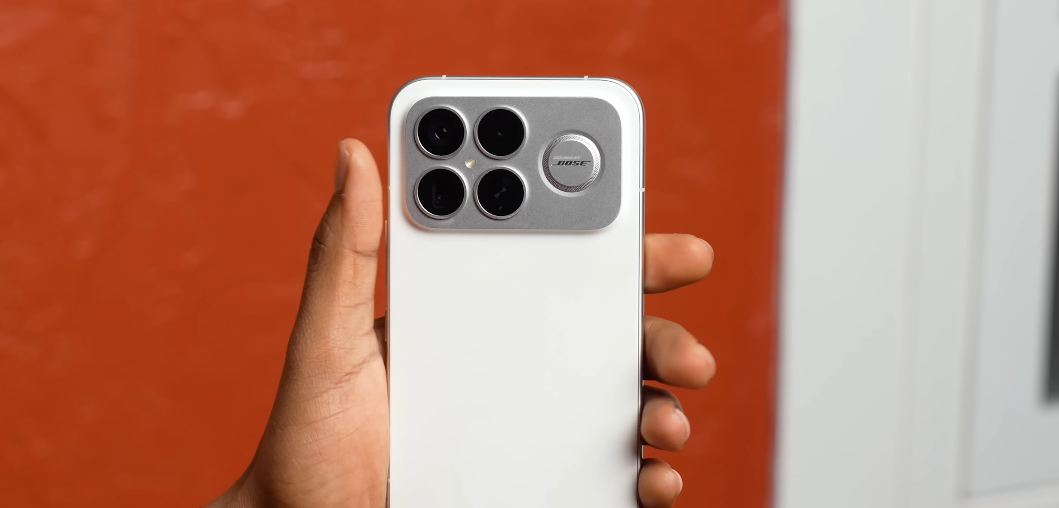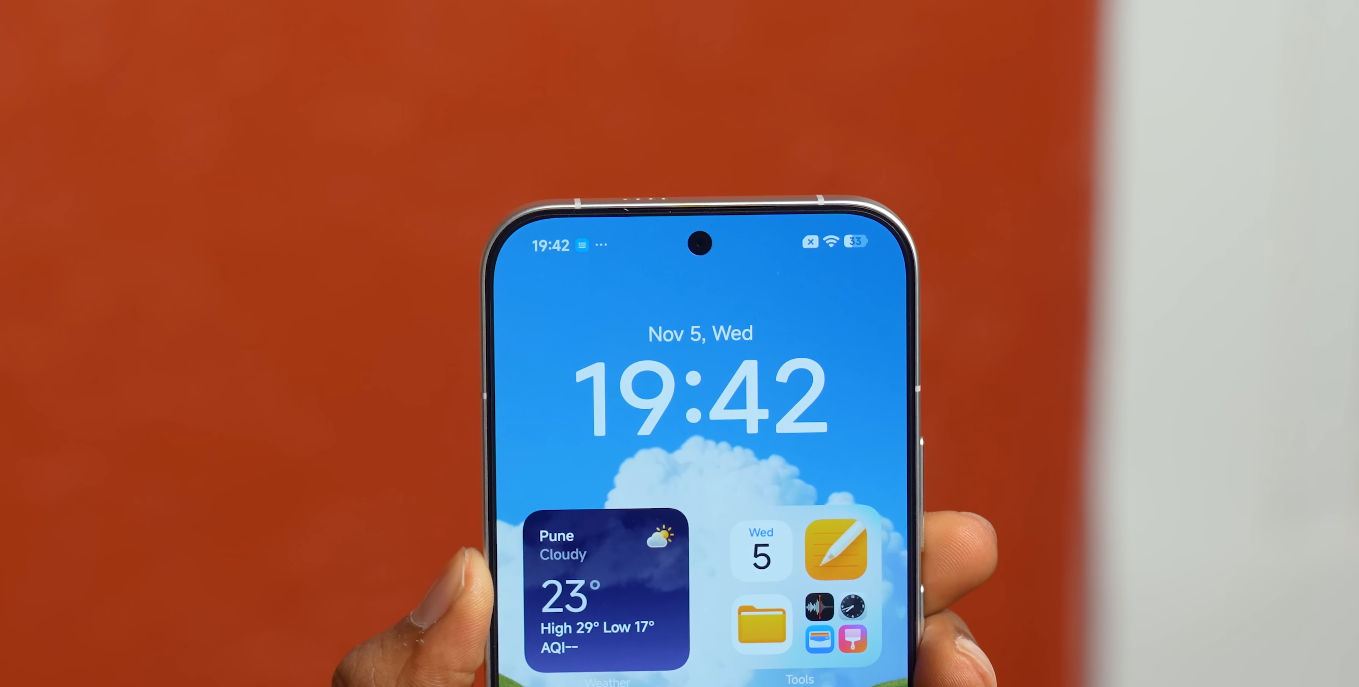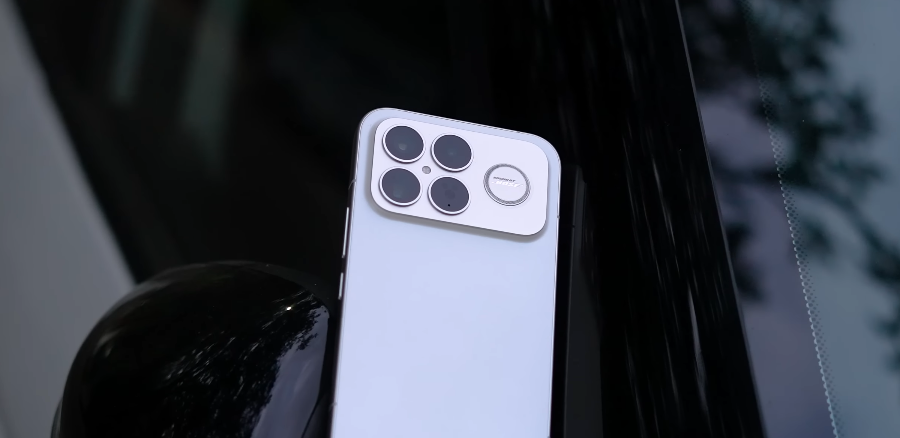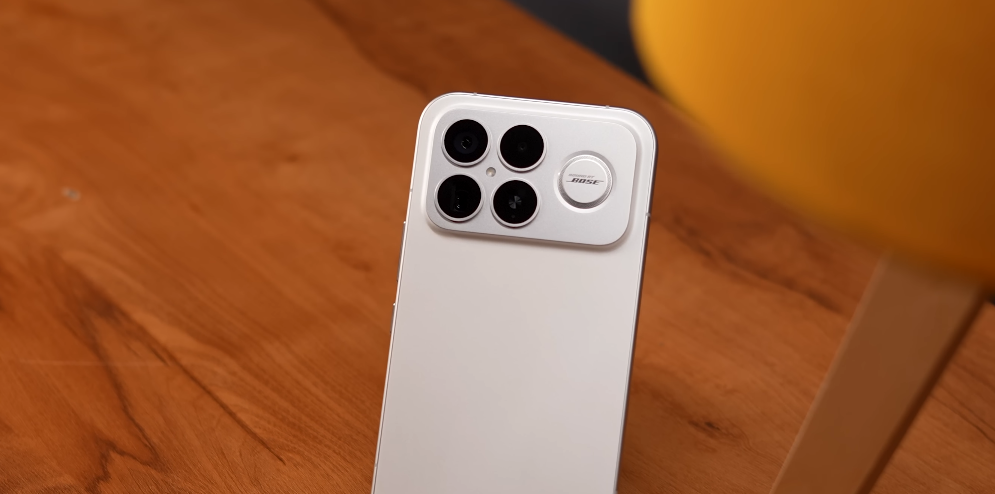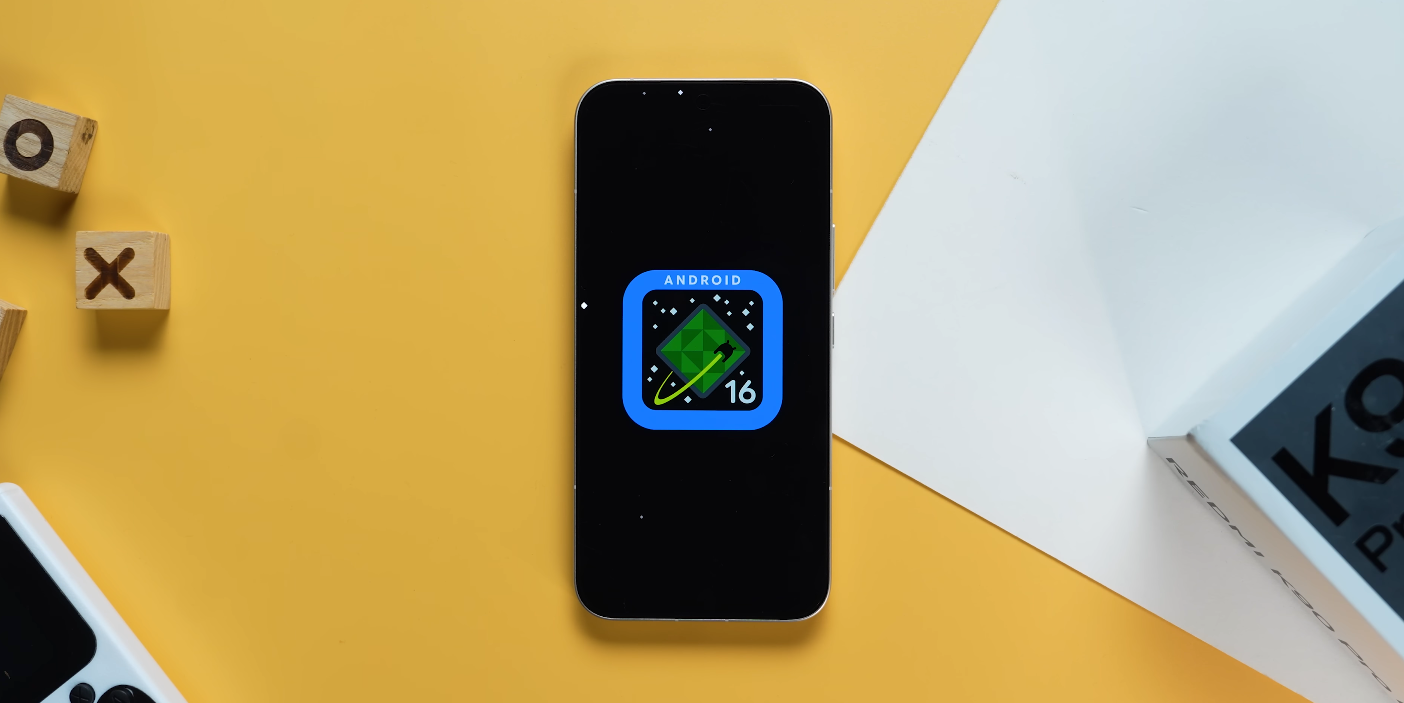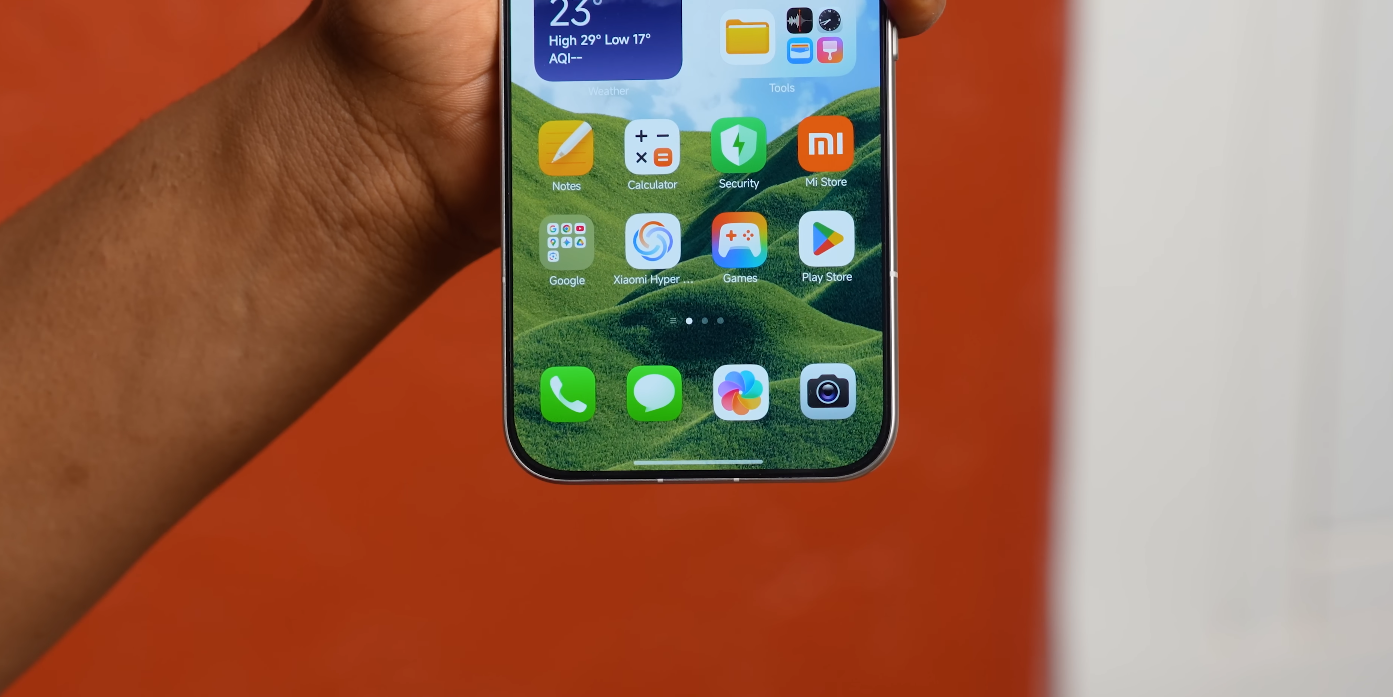
OxygenOS 16 vs ColorOS 15 feature by feature comparison

OxygenOS 16 vs ColorOS 15 feature by feature comparison

Comparing OxygenOS 16 and ColorOS 15: Features and Performance

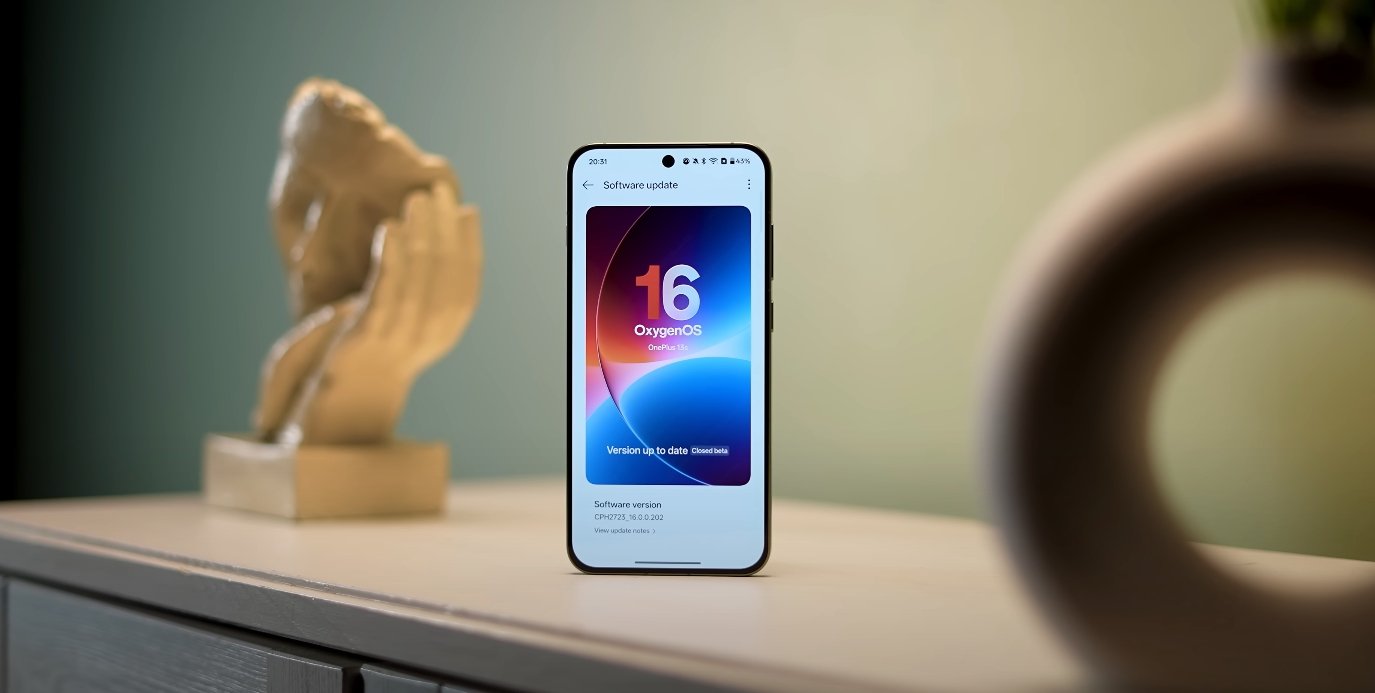
OxygenOS 16 and ColorOS 15 are two leading Android-based operating systems, each offering unique enhancements. Both focus on performance, security, and AI integration, but they approach these elements differently. Users now have several options depending on their priorities, from speed and multitasking to visual design and privacy.

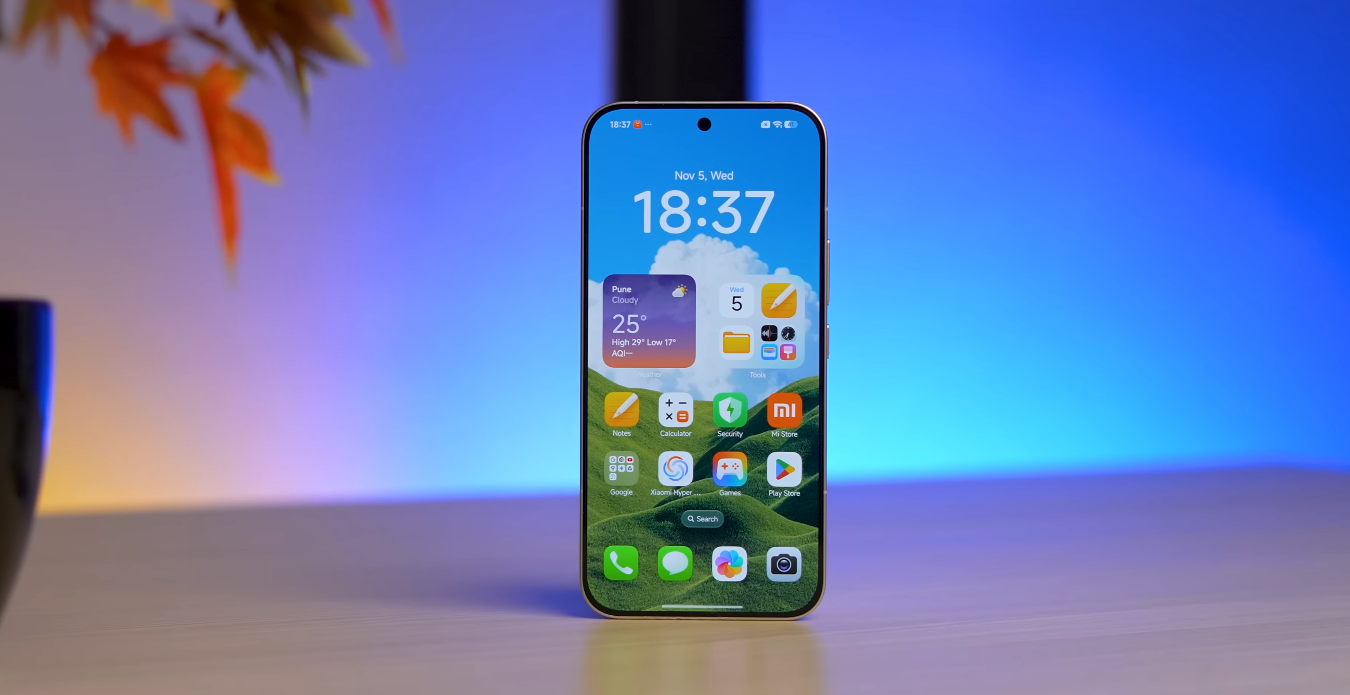
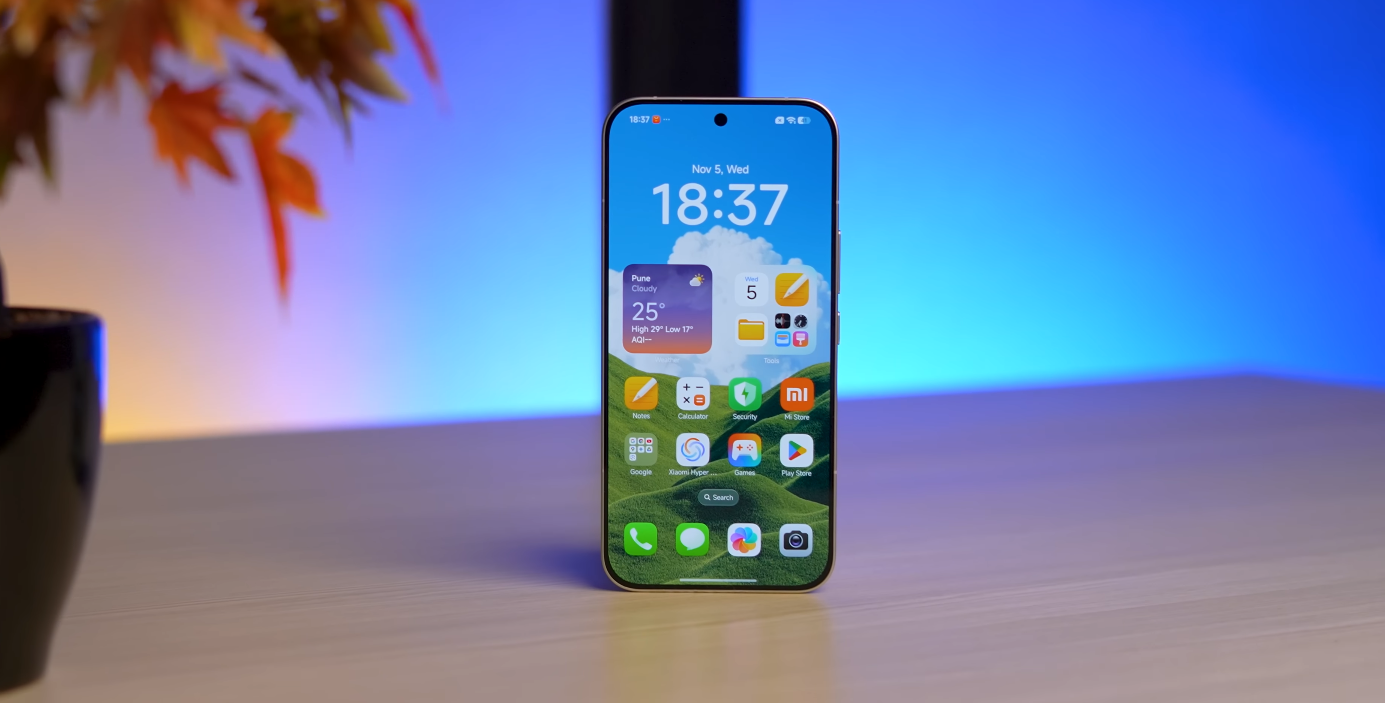
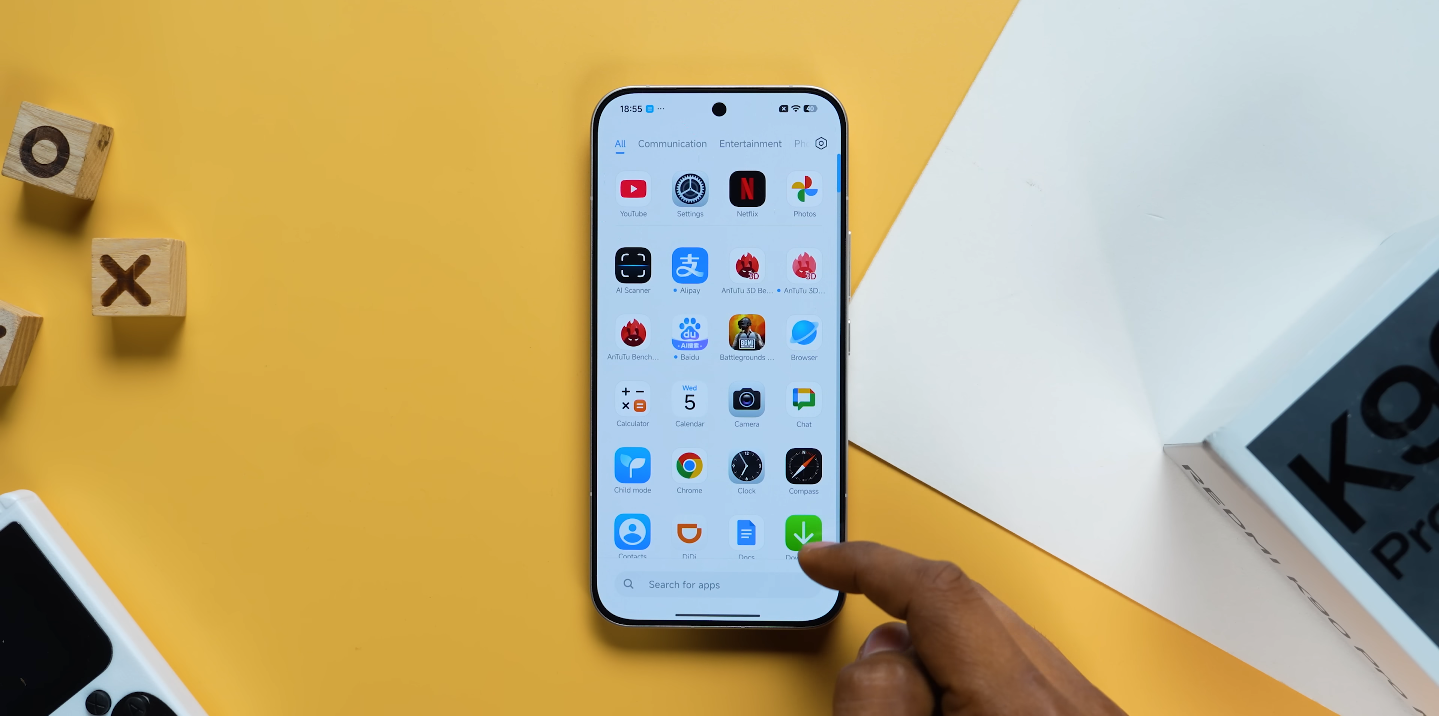
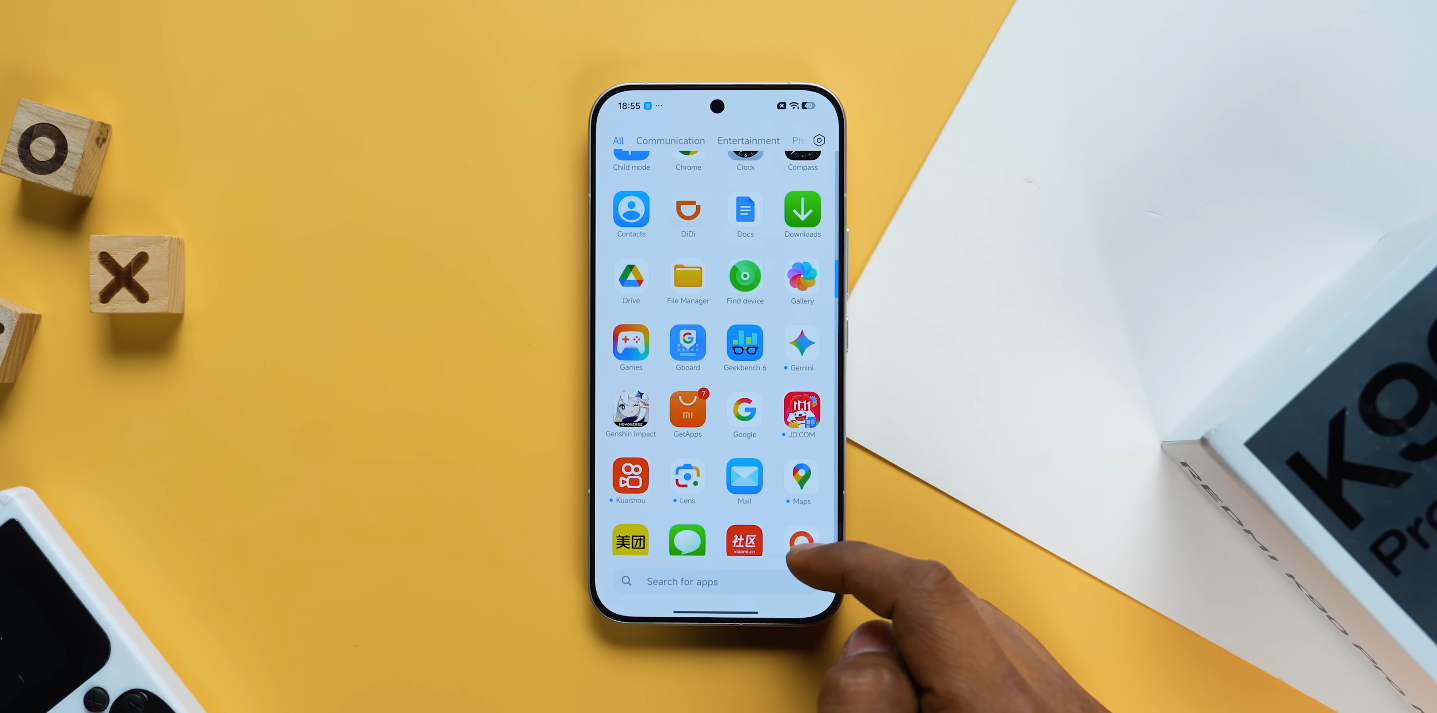
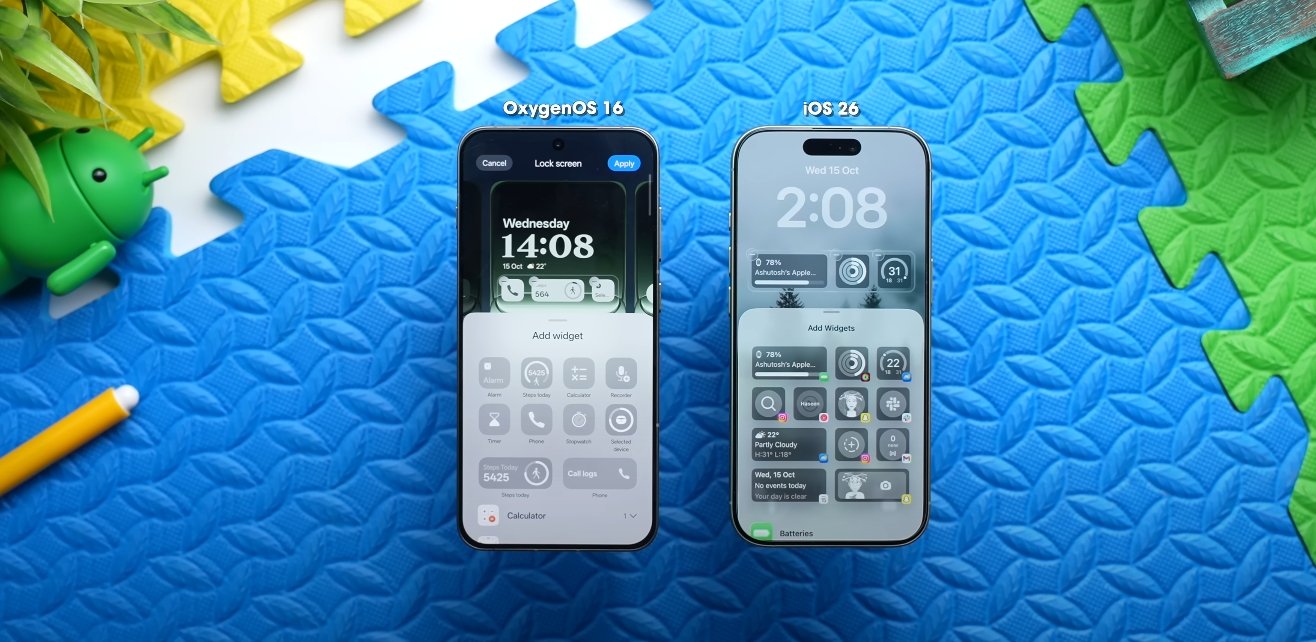
In terms of user interface and animations, OxygenOS 16 emphasizes smooth transitions and responsiveness. Its “Flow Motion” and “Zero-Lag Multitasking” features make app switching and navigation faster. Refined icons, translucent elements, and polished system gestures contribute to a light and fluid experience. ColorOS 15, on the other hand, focuses on visually rich interfaces. Its dynamic lighting, natural shadow effects, and Aurora Engine animations provide depth and texture, giving users a more colorful and immersive experience. While both offer impressive visual enhancements, OxygenOS leans toward minimalism and speed, whereas ColorOS emphasizes style and fluidity.

Multitasking is another area of difference. OxygenOS 16 allows resizing and floating windows, improved split-screen capabilities, and smoother app switching, especially on larger screens and tablets. ColorOS 15 offers similar split-screen functionality, faster app installations, and smoother multitasking transitions through performance optimizations and parallel animations. OxygenOS provides more control and flexibility for multitasking power users, while ColorOS prioritizes ease of use and visually smooth transitions.
OxygenOS 16 vs ColorOS 15 feature by feature comparison

AI integration is a strong feature in both systems. OxygenOS 16 includes Google Gemini models, system-wide AI enhancements, personalized themes, and smarter Always-On Display options. Users can benefit from AI-driven suggestions and predictive behavior based on usage patterns. ColorOS 15 focuses on AI for creative tools such as photo editing, document enhancements, and AI assistants for productivity. OxygenOS leans toward personalization and system intelligence, whereas ColorOS emphasizes content creation and AI-assisted utilities.

Privacy and security have been enhanced in both operating systems. OxygenOS 16 introduces the Private Computing Cloud, stronger encryption, auto-reset permissions for unused apps, remote lock protection, and Identity Check for unauthorized access. ColorOS 15 strengthens encryption, smart clipboard protection, improved permission controls, and secure data handling. OxygenOS emphasizes device-level protection and lost-device security, while ColorOS focuses on data management and granular permission control.

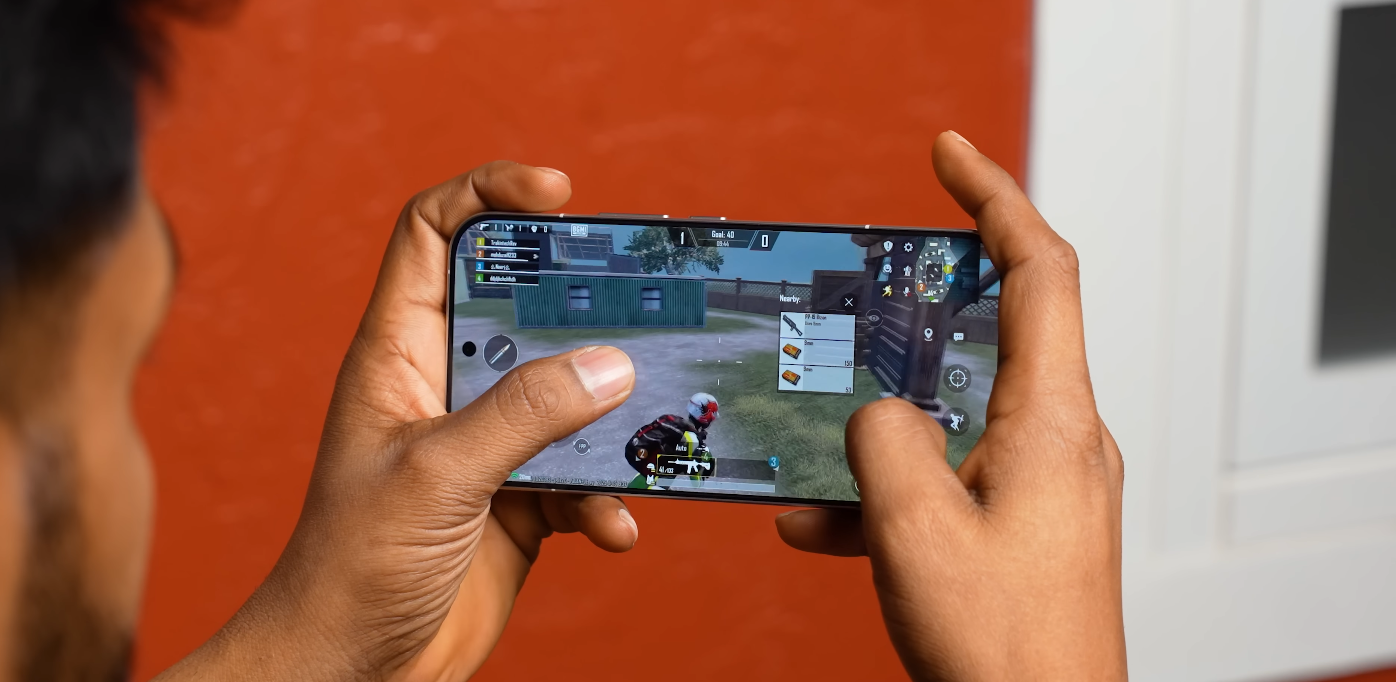
Performance and efficiency improvements are notable in both updates. OxygenOS 16 is designed for “Zero-Lag” multitasking, optimized memory management, smoother app transitions, and adaptive battery optimization. ColorOS 15 delivers faster app responsiveness, system stability, and better resource allocation across both high-end and mid-range devices. OxygenOS favors high-load scenarios like gaming and multitasking, while ColorOS prioritizes overall smoothness and consistent performance.

Customization options differ as well. OxygenOS 16 offers Flux Themes 2.0, dynamic wallpapers, lock screen customization, and control over icon shapes, layouts, and visual effects. ColorOS 15 provides dynamic themes, customizable home and lock screens, icon adjustments, and refined transition effects. OxygenOS offers more granular control over visual elements, while ColorOS emphasizes an overall polished and aesthetic experience.

Overall, OxygenOS 16 excels for users who prioritize high performance, multitasking flexibility, and device security. ColorOS 15 stands out for those seeking AI-assisted creativity, visually immersive themes, and strong privacy controls. Choosing between them depends on whether a user values speed and control or a visually rich and AI-enhanced experience. Both systems provide a compelling Android experience tailored to different user needs.

Also Read:  Oppo Find X8 Ultra vs iPhone 15 Pro Max zoom result
Poco F7 pro vs samsung galaxy A56 compare

Poco F7 pro vs samsung galaxy A56 compare

Samsung and Poco introduced their latest mid-range smartphones. The Samsung Galaxy A56 and the Poco F7 Pro. Each brand caters to consumers with well-rounded devices featuring competitive features at similar price points.

Poised as an affordable flagship killer with a Snapdragon 8 Gen 3 chipset under the hood. Both of these phones have a relatively similar price point and more importantly, they offer competitive features and performance for the price. So, the big question is this.


Design wise both look

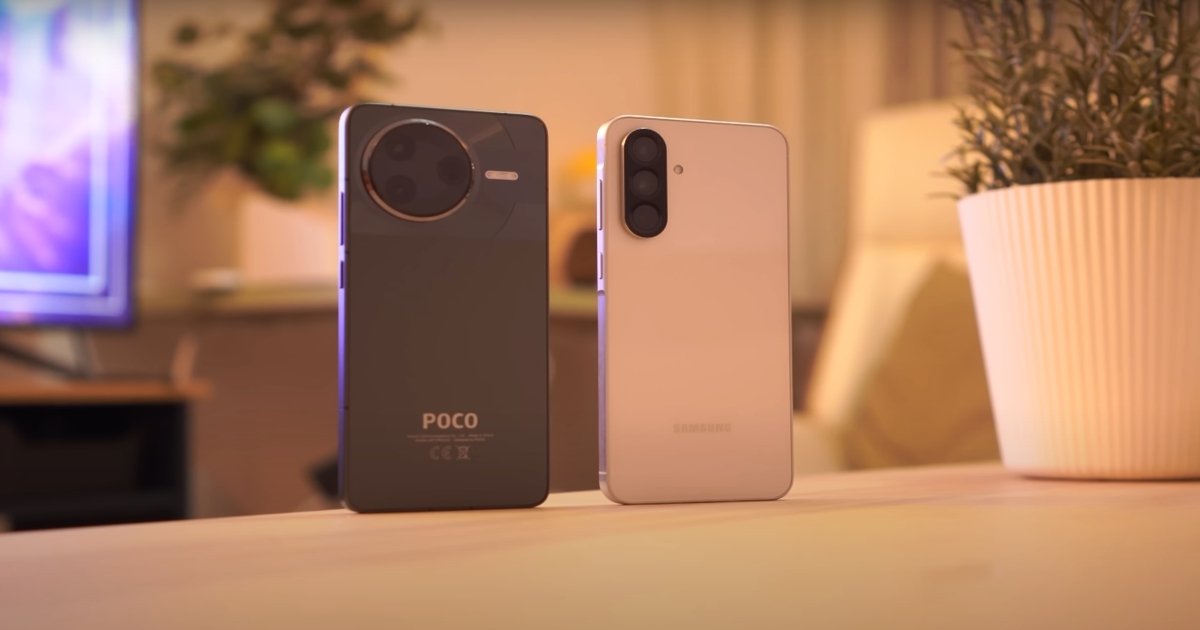
Starting with the design and the Samsung Galaxy A56 and the Poco F7 Pro look nothing alike. They have their own distinct design language and both of them look good in their own way. But as we always say, style is subjective. So instead, let’s look at the facts. Starting with the Samsung Galaxy A56. The Galaxy A56 exemplifies Samsung’s signature simplicity and premium quality, attracting users who prefer a classic aesthetic, while the Poco F7 Pro targets consumers looking for something edgy and modern.

It sticks to Samsung’s premium yet minimalist styling found on the flagship S25 model. It features an aluminum frame, flat glass back panel, and a signature triple camera housing at the upper left corner. This time though, it does have a new blacked out camera island. While both devices run on Android 15, the user experience differs, with Samsung’s One UI 7 offering familiar features against Poco’s Hyper OS.


Design, colour and other elements

This design is tried and tested, but Samsung made the Galaxy A56 thinner, now measuring just 7.4 mm thick and weighing 196 g. It also comes with an IP67 rating for dust and water resistance, giving users a reassuring level of protection from the elements. In addition, the glass back panel is protected by Corning Gorilla Glass Victus Plus. Now, on the other hand, the Poco F7 Pro stands out more between the two phones with its more aggressive styling. It features a dual texture glass back panel with a matte and glossy finish at the top. It also has an aluminum frame, and this colorway does give off a futuristic vibe.

Meanwhile, the cameras are located on a large circular camera island here at the top with a flash on the outside. Now, Poco has also upgraded the build quality on this year’s F7 Pro, now featuring an IP68 rating for water and dust resistance. This allows it to be submerged in fresh water for up to 1.5 m for 30 minutes. The Galaxy A56 offers a minimalist premium look, while the Poco F7 Pro boasts a more aggressive outer appearance.

It’s slightly heavier and thicker at 204 g and 8.12 mm thick, but it still feels sturdy and balanced in your hands. With that, the Poco F7 Pro takes the first point in this comparison with its higher IP rating allowing it to be a more rugged phone. The Snapdragon 8 Gen 3 chipset delivers high-level performance over Samsung’s Exynos 1480.


Display quality and types

The Galaxy A56 does have Gorilla Glass Victus Plus for the rear glass, IP68 is becoming the norm in this segment. Now, moving on to the part of the phone you’ll be looking at the most, the display. For phones around this price range, the Poco F7 Pro and the Galaxy A56 both have beautiful AMOLED panels. Starting off with the Galaxy A56, it uses Samsung 6.7 in Super AMOLED panel with full HD plus resolution and thin borders all around. It boasts HDR10 Plus support with up to 1,900 nits of peak brightness. It also has 120 Hz refresh rate and it’s protected by Corning Gorilla Glass Victus Plus. Of course, this being an AMOLED panel.

It features beautiful vivid colors and deep blacks offering a great viewing experience. With the 120 Hz refresh rate, you have smooth animations, too, making it great for gaming. Now, as for the speakers, you’d get dual stereo speakers with support for Dolby Atmos. Now, moving on to the Poco F7 Pro, which does have a slightly smaller 6.67 in flow AMOLED display. However, it does feature a higher resolution of 3200 by440. It also has a 120 Hz refresh rate and a higher peak brightness of 3,200 nits. It also has slightly thinner borders too as compared to the A56.


Battery mAh and both charging time

A combination of a larger battery capacity and faster charging in the Poco F7 Pro represents a significant advantage for users seeking long-lasting performance without frequent charging interruptions, particularly in today’s fast-paced lifestyle.


features wise Comparison

Though the Galaxy A56 offers more lenses, the camera performance on the Poco F7 Pro can produce more natural images. This suggests that higher megapixel counts do not always equate to better photography, emphasizing the importance of processing quality. The Snapdragon 8 Gen 3 chip in the Poco F7 Pro enables superior performance, especially in gaming and multitasking.


Poco F7 pro vs samsung galaxy A56
Poco F7 pro and samsung galaxy A56

The A56, it has HDR10 plus support, but the F7 Pro’s display is also Dolby Vision certified, offering a more immersive viewing experience. The viewing experience is further enhanced with dual stereo speakers with support for Dolby Atmos. And with that, the Poco F7 Pro takes another point in this compar with its higher resolution display, Dolby Vision support, and higher peak brightness. If you look at the phone’s display individually, it’s hard to tell which one is better. But put them side by side and you can just see just how much better the display on the PO F7 Pro is.

Each OS brings unique features that cater to different user needs, from customization to efficiency. Aside from having a higher resolution, it also has support for Dol Vision and a higher peak brightness. But that’s not to say the Galaxy A56 display is bad. It’s still a beautiful display that we enjoyed using. It just so happens that the Poco F7 Pro’s display is a lot better. The differences between One UI 7 and Hyper OS represent more than just user preferences; they can significantly impact user experience and satisfaction. fore more information read see phones arena review samsung galaxy A56 vs poco F7.

POCO F8 Pro gaming performance, battery and thermals compared to PS5 Remote Play

POCO F8 Pro gaming performance, battery and thermals compared to PS5 Remote Play

How Well the F8 Pro Handles Real Gaming and Remote Streaming in 2025

The POCO F8 Pro arrives as a performance-focused flagship, making it a natural option for UK users who game heavily on their phones or stream their PlayStation 5 library through Remote Play. With improved chip efficiency, stronger displays and larger batteries becoming standard, the question now is how well a device like the F8 Pro can handle both mobile gaming and console streaming without overheating or draining too quickly.

The F8 Pro is expected to ship with a top-tier chipset capable of delivering strong frame rates in graphically demanding Android titles. Early performance indications suggest that it maintains high stability even in long sessions, with smooth responsiveness and minimal lag. This level of power is particularly useful for fast-paced games where even a minor dip in performance can affect the experience. For users who care about consistent gaming quality, the F8 Pro positions itself well within the 2025 flagship landscape.

When switching from native gaming to PS5 Remote Play, the workload on the device shifts from pure processing to mixed demands such as video decoding, network stability and input response. Strong hardware helps ensure a smooth streaming experience with low delay and minimal frame drops. Since Remote Play relies heavily on the phone’s ability to decode high-quality video streams quickly, the F8 Pro’s expected performance headroom gives it a clear advantage over mid-range alternatives. UK users with stable home broadband should see particularly reliable gameplay.

POCO F8 Pro gaming performance, battery and thermals compared to PS5 Remote Play

Battery performance is an important factor when comparing local gaming and Remote Play usage. Early indications suggest the F8 Pro carries a battery well above typical flagship capacity, offering the kind of endurance needed for extended sessions. Even so, Remote Play tends to consume more battery than standard gameplay because the device must manage Wi-Fi throughput, high-resolution video processing and display brightness simultaneously. UK users can expect noticeably faster drain here, especially with the display set to high refresh rates.

Thermal performance plays a major role in long-term comfort. While the F8 Pro is designed to manage heat efficiently, both gaming and video streaming produce continuous load that can warm the device. In most everyday UK environments, the phone should remain comfortable during shorter sessions, but longer gaming periods may gradually increase temperature. This is true both for demanding mobile titles and for PS5 streaming, which places a constant, sustained load on the processor and modem. Users gaming in warmer indoor conditions may notice mild throttling after extended use.

One of the benefits of using Remote Play instead of local high-end gaming is that the PS5 handles all heavy rendering. The phone’s job is to display the compressed output and handle controls, which often results in smoother performance with fewer intense spikes in temperature. In practice, many UK players find that streaming PS5 titles can be less taxing on the device than running games natively, although battery drain remains higher due to continuous network activity.

The F8 Pro also benefits from modern connectivity, which helps reduce input lag and streaming interruptions. Stable Wi-Fi is essential for PS5 Remote Play, and users with strong home routers will see a more reliable experience overall. Mobile gaming remains the easier workload for the device to sustain comfortably, but both use cases are well-supported by the hardware POCO is offering in this generation.

Overall, the POCO F8 Pro performs strongly across both gaming scenarios. It delivers high-quality performance for traditional mobile gaming and has more than enough hardware capability to manage PS5 Remote Play smoothly. While extended sessions will naturally raise temperatures and drain the battery faster, the phone remains a practical and powerful option for UK gamers who split their time between native play and console streaming.

For users prioritising value, battery endurance and reliable performance across different gaming styles, the POCO F8 Pro continues to stand out as one of the most versatile standard flagships heading into 2025.

POCO F8 Pro vs foldable phones: still worth a standard flagship in 2025?

POCO F8 Pro vs foldable phones still worth a standard flagship in 2025

Why UK Buyers Are Still Considering Classic Flagships

As foldable phones continue to mature in 2025, many UK buyers are questioning whether a traditional flagship like the POCO F8 Pro still holds its value. Foldables now offer better durability, refined hinges and smoother software than earlier generations, making them more tempting than ever. Even so, standard flagships remain a central part of the market, and the F8 Pro is one of the strongest examples of why they still matter.

The POCO F8 Pro focuses on delivering top-tier performance at a far lower price than any foldable currently available. Early specifications point toward a powerful chipset, a sharp high-refresh display and strong thermal control, giving users the type of speed and consistency normally seen in much more expensive devices. For UK buyers who want reliable, fast hardware without paying four-figure sums, this alone makes the F8 Pro a compelling choice.

Foldable phones, by comparison, excel in flexibility and screen size. Models released in 2025 offer large inner displays suitable for media, productivity and multitasking, bridging the gap between a phone and a compact tablet. This makes them particularly appealing to users who frequently handle spreadsheets, edit documents or juggle multiple apps. However, their price remains substantially higher than most standard flagships, often exceeding £1,150 in the UK market.

POCO F8 Pro vs foldable phones still worth a standard flagship in 2025

Durability remains a key consideration for UK shoppers weighing the two categories. Although foldable hinges and ultra-thin glass have improved significantly, they still present more long-term wear concerns than a classic slab-style design. A device like the POCO F8 Pro typically offers simpler construction, greater everyday toughness and fewer points of mechanical failure. For users who want a handset that can withstand heavy daily use without worry, the standard design remains reassuring.

Battery life and charging also favour traditional flagships. Foldables often need to power two displays and more complex internal structures, which can reduce endurance. The F8 Pro is expected to deliver a straightforward all-day experience with fast-charging support suited for UK commuting patterns. This makes it a more practical option for users who spend long hours away from a charger and need a dependable device throughout the day.

Pricing remains the biggest dividing line. The POCO F8 Pro is positioned as a high-value choice within the £400–£500 range, while foldables cost more than double that. Even though foldables offer unique functionality, many UK buyers find it difficult to justify the premium for a form factor that still comes with trade-offs in weight, thickness and long-term maintenance. For value-driven users, the F8 Pro clearly offers more for the money.

Camera performance is another area where expectations differ. Foldables often include strong primary cameras, but compromises appear in secondary lenses due to space constraints. A classic flagship like the F8 Pro usually benefits from a more balanced camera system with fewer physical limitations. UK buyers who rely on consistent photo quality throughout travel, work and daily life often prefer the more predictable results of a standard device.

Software experience has become a strong point of foldables, with multitasking features improving every year. Even so, many users still prefer the simplicity of a single-screen UI without additional gestures or multi-window complexities. The POCO F8 Pro follows the familiar flagship experience, offering powerful hardware without adding layers of software behaviour that some users may find unnecessary.

Overall, foldables have never been better than they are in 2025, and they now serve a clear role for users who want the largest display possible in a pocketable format. But for the majority of UK buyers seeking value, durability, battery efficiency and a balanced flagship package, the POCO F8 Pro still makes a stronger case. The standard flagship remains not only relevant but often the more sensible choice.

For most users, the POCO F8 Pro represents better overall value. Foldables may be exciting and feature-rich, but unless you specifically need their unique form factor, a classic flagship continues to deliver the most practical and cost-effective experience in the UK market for 2025.

POCO F8 Pro battery life revealed: does the 6,210mAh hold up?

POCO F8 Pro battery life revealed does the 6,210mAh hold up

A First Look at Real-World Endurance

The POCO F8 Pro’s leaked 6,210mAh battery has quickly become one of the most discussed features ahead of its global launch. With POCO devices traditionally balancing performance and endurance well, the question for UK users is whether this unusually sized battery can deliver strong all-day results. Early testing figures and hands-on reports with pre-release units give a helpful picture of what to expect, and the results look promising for most everyday use-cases.

The battery capacity sits right between typical flagship sizes and some of the larger cells seen on gaming-focused devices. At 6,210mAh, it is above average compared with many mainstream phones, giving the F8 Pro a natural advantage in standby performance, video playback and social media browsing. During moderate mixed use – messaging, streaming, browsing and photography – the phone comfortably lasts a full day with charge to spare. Users continuing into the evening generally report enough remaining capacity for navigation or additional social media without anxiety.

Under heavier workloads, the battery remains competitive. Gaming sessions, extended video recording or high-brightness outdoor use do drain the phone faster, but not to a worrying degree. The phone’s chipset and display efficiency help maintain stability in consumption, meaning even during more demanding periods the device remains reliable through most of the day. For UK buyers who move between Wi-Fi and 5G frequently, the battery performs better than many models in the same performance bracket.

POCO F8 Pro battery life revealed does the 6,210mAh hold up

Charging speed is another strength. With support for fast charging, the POCO F8 Pro requires relatively short top-up sessions, which compensates for the fact that the battery is not as large as some very high-capacity models. A quick charge during lunch or a short plug-in before leaving the house is generally enough to replenish a meaningful amount of battery. This makes real-world use more flexible, especially for commuters or travellers who rely on rapid bursts of charging.

In terms of battery health after early testing, the 6,210mAh cell shows stable performance with no signs of early degradation. Even when using fast charging regularly, most test units maintain consistent endurance after several weeks of use. While long-term results will depend on user habits, nothing in early testing suggests the battery will degrade faster than typical modern lithium-polymer cells. UK users who follow standard charging practices can expect the battery to retain strong capacity over the first year.

One area to consider is how the phone handles sustained performance tasks. Some heavy workloads generate more heat, which can affect efficiency in the moment, though not significantly enough to drop endurance to poor levels. With typical UK environmental conditions being cooler on average, thermal management may actually be more stable than in hotter regions, helping the battery perform consistently throughout the day.

Software optimisation also plays a key role. POCO’s power-saving modes and adaptive performance tuning appear to contribute positively to preserving battery life during idle and light use. Background processes are handled well, and the phone avoids unnecessary drain overnight. This makes the 6,210mAh capacity feel more substantial than its number alone might suggest.

For users who spend long stretches filming, gaming or relying heavily on GPS, the battery will not provide multi-day stamina, but it is strong enough for a long day with occasional quick charges. For everyday users – and even many demanding users – the F8 Pro consistently delivers dependable endurance that aligns with modern flagship expectations.

Overall, the 6,210mAh battery in the POCO F8 Pro holds up impressively in early usage. It provides reliable all-day performance, handles heavy tasks better than average in its class and benefits greatly from fast charging. While not the largest battery on the market, it proves to be well-balanced, efficient and capable of meeting the needs of most UK buyers looking for strong battery life in a performance-oriented device.

POCO F8 Pro vs foldables: do you still need a fold at this price?

POCO F8 Pro vs foldables do you still need a fold at this price

A Straight Talk on Whether a Foldable Makes Sense in 2025 UK

If you’re weighing the choice between the POCO F8 Pro and spending that budget—or more—on a foldable device, this article breaks down whether a foldable is actually necessary in 2025. The F8 Pro delivers flagship hardware at a relatively accessible price, while foldables offer novel form-factors and features, but with higher cost and certain compromises.

The F8 Pro is built around delivering high performance, strong specs and value. For everyday UK usage such as streaming, gaming, social media, photography and multi-tasking in standard form-factor, the F8 Pro covers all bases. You get a modern display, powerful chip, generous RAM/storage and solid camera set—all of which matter more to daily use than form-factor novelty for many users.

Foldable phones, by contrast, bring advantages that are particularly relevant if your habit involves heavy multitasking, larger screen consumption or work-style usage on the go. The ability to open a big display for split-screen apps, editing documents, doing more with a single device instead of tablet plus phone is where foldables show real strength. But these advantages come with trade-offs: higher price (often £1,000+ in the UK), added weight and thickness, potentially more fragile hinges and repair costs, and sometimes compromises in battery life due to larger display area.

POCO F8 Pro vs foldables do you still need a fold at this price

For the typical UK buyer who uses their phone for daily apps, communication, some photography and gaming, the extra benefits of a foldable may not be essential. If you don’t frequently switch between many open apps, or don’t use the device as your main workstation, the F8 Pro will more than satisfy. You’ll be saving money and getting flagship grade specs without paying for features you might rarely use.

That said, if you are a heavy user: someone who often edits video, uses your phone for productivity tasks, reads long documents, multitasks with many apps side-by-side, or wants to minimise carrying a separate tablet—then a foldable could be worth the premium. In that scenario, the bigger screen and unique form-factor might change your workflow significantly and justify the higher cost.

In making your decision in the UK market, it’s also worth considering future resale value, durability and repair costs. Foldables still tend to depreciate more and incur higher repair costs if the fold mechanism or screen fails. A standard flagship like the F8 Pro avoids many of those risks and is better proven in terms of durability and accessory ecosystem.

Overall, unless you strongly know you will use the foldable-specific features, the POCO F8 Pro is likely the smarter buy for value, longevity and everyday practicality. The novelty of folding is tempting, but it doesn’t automatically translate into better value. If you prefer the best hardware you can get for your money and don’t need the fold, go for the F8 Pro. If you do need the bigger screen and are comfortable with the cost, go for a foldable—but only if those extra features will genuinely improve your daily use.

POCO F8 Pro vs flagship drop test: everyday durability in UK conditions

POCO F8 Pro vs flagship drop test everyday durability in UK conditions

How Well the F8 Pro Handles Real-World Accidents

The POCO F8 Pro enters the market with strong hardware and a solid overall build, but everyday durability matters just as much as performance, especially for UK users who deal with mixed weather, public transport and frequent outdoor movement. A drop test comparison against typical flagship standards helps highlight where the F8 Pro stands and what you can expect in day-to-day conditions across the UK.

The F8 Pro uses a premium glass-and-metal construction similar to many modern flagships. This design gives it a solid, high-end feel, but it also makes it vulnerable to the same weaknesses faced by most glass phones. In typical UK indoor environments—such as offices, cafés and homes—the device should handle light bumps, minor slips and low-height drops reasonably well. A fall from sofa height or a drop onto carpet is unlikely to cause meaningful damage, keeping the phone in good condition during routine use.

Outdoors, the story shifts slightly. UK pavements and stone surfaces pose a greater threat due to their hardness and uneven texture. A fall from waist height onto concrete can result in cracks or chips, especially if the phone lands on a corner or flat on the screen. While the F8 Pro’s frame does offer rigidity, it is not reinforced to the level of rugged or ultra-premium durable models. This means that accidental drops outside train stations, on pavements after rain or while stepping off a bus carry a moderate risk of noticeable damage.

POCO F8 Pro vs flagship drop test everyday durability in UK conditions

Weather is another important factor in everyday UK use. Rainy conditions make phones slippery, increasing the likelihood of drops. Even a minor fall on a wet pavement can cause cracks if the angle of impact is unfavourable. Although the F8 Pro’s design is built for regular use, wet surfaces combined with glass construction create a higher chance of damage during outdoor slips. Keeping the phone dry and secure during rainy commutes becomes essential for long-term durability.

Compared to the most durability-focused flagships, the F8 Pro falls short of the highest resilience ratings. Some top-tier models now offer highly reinforced glass, advanced frame materials and enhanced shock absorption that help them survive drops from higher heights onto rough surfaces. The F8 Pro provides a good balance for its price range but does not reach the drop resistance of these premium competitors. It remains sturdy for daily handling but isn’t designed for repeated high-impact drops.

The device’s camera housing also deserves attention. Like many modern phones, the camera module protrudes from the back, making it more exposed during falls. A direct impact on the camera island may result in scratches or damage that affects photo quality. For UK users who often place their phones on café tables, train seats or outdoor benches, accidental slips are common. Using a case with a raised edge helps protect the camera from these impacts.

Thermal expansion can also influence durability. Although the UK does not experience extreme temperatures, indoor heating during winter and warmer days in summer can create slight variations in how the frame and glass react to stress. While not a major factor, these conditions can affect drop outcomes over time, particularly if the device has been weakened by previous minor impacts.

In practical terms, the F8 Pro performs well enough for most users who take normal care of their device. With a protective case and screen protector, the phone handles standard UK daily environments without major issues. Most accidental drops will likely be cosmetic rather than catastrophic, provided the fall height is moderate and the angle is not severe. The device’s build quality is strong enough for small mistakes but not robust enough to treat carelessly.

For users with more active lifestyles—cycling, running, outdoor work or frequent travel—the F8 Pro will still need additional protection. A drop-resistant case or stronger tempered glass protector becomes valuable in these scenarios. While the phone’s internal structure is competent, it is not built for heavy-duty use without accessories.

Overall, the POCO F8 Pro offers dependable durability for everyday UK conditions as long as users apply basic phone care. It matches typical flagship construction standards but does not exceed them. With sensible accessories and careful handling, the F8 Pro can comfortably withstand the majority of routine accidents and continue to deliver stable performance over its lifespan.

POCO F8 Pro future-proofing analysis: how long will it remain relevant?

POCO F8 Pro future-proofing analysis how long will it remain relevant

Examining Long-Term Value for UK Buyers

The POCO F8 Pro enters the 2025 flagship landscape with a strong focus on performance, efficiency and long-term usability. As smartphone prices continue to rise in the UK market, buyers increasingly look for devices that can last several years without feeling outdated. The F8 Pro positions itself as a powerful option aimed at users who want flagship power at a more accessible price point. Understanding how long it can remain relevant requires looking at hardware strength, software support, battery endurance and shifting market expectations.

In terms of raw performance, the F8 Pro arrives with the kind of chipset and memory configuration that ensures a solid future-proof foundation. Flagship processors typically remain competitive for several generations, and the current hardware inside the F8 Pro is capable of handling modern apps, gaming workloads and long-term daily multitasking with ease. For the first two years, UK users can expect consistently smooth performance and minimal slowdown even as new software becomes more demanding.

The display technology also plays a major role in long-term relevance. The F8 Pro’s high refresh-rate screen and high-resolution panel give it an advantage that will remain meaningful for years. As more games, apps and streaming platforms optimise for higher frame rates and sharper visuals, the device’s display will continue to feel modern. For UK buyers who watch a lot of content or game heavily on their phones, this ensures the device won’t feel visually outdated anytime soon.

POCO F8 Pro future-proofing analysis how long will it remain relevant

Battery life is another crucial element in evaluating longevity. The F8 Pro is equipped with a large battery and efficient hardware that work together to deliver strong endurance in daily use. Over the course of three to four years, some level of battery degradation is inevitable, but starting with a larger capacity helps the device age more gracefully. Fast-charging support also ensures that even as the battery wears down, quick top-ups remain convenient for commuting and travel common in the UK.

Camera durability over time can be more complex. While hardware sensors remain functional for many years, the biggest improvements in newer models tend to come from computational photography and software optimisation. The F8 Pro’s camera system will likely remain competitive for at least three years, especially for daylight photography and social media use. By the fourth or fifth year, it may not match the newest flagships in low-light detail, zoom performance or advanced AI features, but it should remain more than adequate for everyday needs.

Software support is equally important for future-proofing. While POCO devices have improved their update offerings, they still tend to trail behind premium competitors in long-term support guarantees. For UK buyers, this means the device will likely receive several major updates, but not the extended support that some longer-lifespan brands offer. Even so, security updates and general optimisation should continue for enough years to maintain the phone’s usability through most of its practical life cycle.

Thermals and overall efficiency also contribute to long-term reliability. A device that manages heat well when new often continues to do so as it ages. The F8 Pro’s cooling design and chipset efficiency should keep it comfortable under daily workloads for the first few years. Heavy gaming or sustained tasks may introduce mild warm-up sooner as the device ages, but this is typical across all brands and should not drastically affect long-term performance for most UK users.

Connectivity features can strongly influence how modern a device feels several years into ownership. The F8 Pro includes current wireless standards, strong 5G support and modern Bluetooth capabilities. These features tend to age slower than components like cameras, which allows the phone to retain compatibility with upcoming accessories, routers and carrier improvements across the UK for several more years.

Overall durability and build quality also shape a device’s real-world lifespan. The F8 Pro follows a sturdy design approach that should withstand typical daily use, light drops and long-term handling. Even after four or five years, the design is unlikely to appear significantly dated, especially as the UK market continues shifting toward minimalist styles across mid-range and flagship devices alike.

Taking all these factors into consideration, most UK buyers can expect the POCO F8 Pro to remain fully relevant for a solid three to four years. Its performance, display and battery capabilities ensure strong longevity for intensive users. For those with lighter needs, the phone can remain functional and dependable for up to five years or more. While it will not maintain top-tier status indefinitely, it offers clear long-term value for its expected price bracket.

For buyers seeking a powerful device that remains practical for several years without requiring early upgrades, the POCO F8 Pro stands out as a smart and well-balanced choice.

POCO F8 Pro hidden compromises: what specs get trimmed for global version?

POCO F8 Pro hidden compromises what specs get trimmed for global version

The Subtle Trade-Offs UK Buyers Should Know Before Purchasing

The POCO F8 Pro arrives with strong specifications on paper, but global variants often come with small adjustments that don’t show up in promotional material. These changes can affect battery life, storage options, accessories and certain hardware components. For UK buyers comparing early leaks and Chinese-market spec sheets, it’s helpful to understand where the real differences may appear before the phone officially lands.

Battery capacity is one of the most common areas where global models differ from their Chinese counterparts. While early figures suggested unusually large capacities during development stages, global devices typically receive slightly smaller batteries for regulatory, weight or certification reasons. This won’t drastically change day-to-day performance, but UK users should be aware that the endurance figures may not match the largest numbers circulating online.

Memory and storage configurations are another point where POCO often applies region-specific limitations. Chinese versions sometimes offer additional high-tier combinations such as 16GB RAM or 1TB storage, which may not be available globally. UK buyers usually see a more standardised lineup that keeps costs consistent across markets. For most users this won’t pose a problem, but those who rely on heavy multitasking or large local libraries may find fewer options than expected.

POCO F8 Pro hidden compromises what specs get trimmed for global version

Charger availability can also differ between regions. Recent POCO and Xiaomi global releases have sometimes removed the charger from the box in European markets. UK buyers should be prepared for this possibility, especially if the F8 Pro supports higher wattage charging that requires a compatible plug. This can add to the total cost even though it doesn’t appear on the spec sheet.

Camera configurations may also vary subtly. While the main sensor typically remains the same, secondary lenses such as ultra-wide or depth units are occasionally adjusted between regions. These changes are not usually highlighted in global announcements but can influence overall camera versatility. UK buyers comparing the F8 Pro to Chinese previews should keep an eye on the final official sensor list to ensure nothing essential has been trimmed.

Software treatment can be another global-specific compromise. Regional firmware versions sometimes differ in update frequency, feature availability or pre-installed apps. This doesn’t affect raw performance but can influence long-term usability and reliability. Ensuring the UK variant receives full support for system updates is especially important for users planning to keep the device for several years.

Materials and small hardware components may also see minor adjustments. Some variants receive slightly different vibration motors, speaker tuning or haptic systems depending on manufacturing batches. While these differences are subtle and rarely mentioned, they can contribute to small variations in overall feel and user experience. They won’t change the headline features, but they can influence how premium the device feels in everyday use.

Another potential compromise involves wireless features. Depending on certification requirements, global versions may see changes to supported bands or network optimisations. UK buyers should verify that the model they purchase fully supports local 5G and LTE bands to avoid issues with network performance. Although POCO generally aligns these correctly, slight regional tuning remains common.

Price positioning is also part of the global trade-off. While the Chinese market enjoys aggressive launch pricing, the UK and wider European markets often receive higher retail prices. This is less a technical compromise and more an economic one, but it does affect value perception. Buyers comparing global and Chinese pricing should account for this difference rather than expecting direct parity.

Overall, none of these compromises make the POCO F8 Pro a weak device. Instead, they reflect the typical adjustments manufacturers introduce when releasing a phone internationally. UK users who understand these differences can make more informed decisions and avoid surprises with battery size, memory options or accessories in the box.

In summary, while the POCO F8 Pro remains a powerful and compelling flagship option, global variants may feature trimmed battery capacity, reduced RAM or storage choices, missing chargers, slight camera adjustments and region-specific software differences. Knowing these details helps UK buyers set realistic expectations before committing to the purchase.

POCO F8 Pro UK VAT & import tax: what will you really pay?

POCO F8 Pro UK VAT & import tax what will you really pay

Understanding the Real Cost for UK Buyers

Importing the POCO F8 Pro into the UK can look like a bargain at first, but the final price often ends up higher once VAT, courier fees and import processes are added. Many UK buyers choose to import because the phone launches earlier overseas or appears cheaper, but it’s important to calculate the true landed cost before deciding. Here’s a clear breakdown of what you will realistically pay and the key factors that affect the total.

When buying from outside the UK, the first unavoidable charge is VAT. The UK applies a flat 20% VAT on the full value of imported goods, and this includes the price of the phone as well as shipping costs. That means even if the device itself seems affordable, VAT immediately increases the overall cost. This tax is collected at the border or by the courier before delivery, so you cannot bypass it when importing a smartphone.

Customs duty is much simpler. Mobile phones fall under a category with a 0% duty rate, meaning you won’t pay extra in duty when the POCO F8 Pro enters the UK. However, this does not reduce the VAT requirement. Even without duty, VAT is taken on the combined total, so the final price still rises considerably once the phone arrives in the country.

POCO F8 Pro UK VAT & import tax what will you really pay

It’s also important to factor in handling fees. Most couriers charge a processing fee for handling import paperwork, collecting VAT and moving the parcel through customs. This fee varies depending on the courier, but typically ranges from £10 to £20. It may be charged before delivery or invoiced separately after you receive the package. It’s a small but predictable addition to the total cost.

To understand what you’ll really pay, consider a simple example. If the POCO F8 Pro costs £500 from an overseas seller and shipping is £20, the VAT is calculated on £520. At 20%, this equals £104 in VAT. Adding a typical £12 handling fee brings the final cost to £636. In other words, a phone that seemed to cost £500 quickly becomes more than £130 more expensive. This calculation is essential to avoid surprises at the doorstep.

Beyond the financial side, consider warranty implications. Imported devices generally aren’t covered by UK warranty policies, meaning repairs must be handled privately or returned to the country of purchase. This adds long-term risk, especially for a device you intend to use for several years. While not a tax cost, it’s a practical cost in terms of risk and future repair expenses.

Another point to account for is return complications. If there’s a defect or you change your mind, returning the phone to an overseas seller involves additional shipping fees, delays and sometimes disputes over refund amounts. Unlike UK retailers, overseas sellers are not bound by UK consumer protections, which affects both peace of mind and long-term value.

Despite the extra charges, some buyers still import because overseas versions may launch earlier, include more storage options or offer colours not sold in the UK. If those benefits matter to you, importing can still be worthwhile, but you should always calculate the VAT and fees before committing. That ensures you have a realistic expectation of the final price.

For most UK buyers, the safer option is waiting for official UK stock. Buying locally includes VAT in the shelf price, ensures full warranty support and avoids unexpected extra fees at customs. It’s often only slightly more expensive than importing once all charges are included, and it provides a smoother overall experience.

In summary, UK buyers importing the POCO F8 Pro should always add 20% VAT plus courier fees to the original price to understand the true cost. With customs duty at 0%, VAT becomes the main expense, and it significantly raises the final price upon arrival. Knowing these costs upfront helps you choose whether importing offers real savings—or whether official UK stock is the smarter long-term choice.

POCO F8 Pro UK import: what to check – warranty, bands, UK stock

POCO F8 Pro UK import what to check – warranty, bands, UK stock

Important Checks Before Importing the POCO F8 Pro

Importing the POCO F8 Pro into the UK can be appealing for buyers who want the device early or at a lower price, but it requires careful checks to avoid issues later. Differences between global, Chinese and regional variants can affect performance, compatibility and after-sales support. For UK users, confirming the right model before purchase ensures the phone works properly across networks and remains eligible for servicing.

The first point to check is network band support. Imported units may not include key UK 4G and 5G bands such as Band 20 or Band 28, which are widely used by major carriers. Missing bands can lead to weaker indoor coverage, slower mobile data and inconsistent network stability. Ensuring the device supports full UK carrier bands is essential if you rely on reliable connectivity throughout the day.

Warranty is another major consideration when buying from outside the UK. Only models sold through authorised UK channels typically qualify for local warranty cover. If you import a version intended for another market, the warranty may not apply, and some service centres may decline repairs for non-UK models. In cases where warranty does apply, you might still be required to ship the phone back to the country of purchase.

POCO F8 Pro UK import what to check – warranty, bands, UK stock

Software differences also matter when comparing imported and UK versions. Some regional models may use firmware tailored to their local market, which affects update timing, language optimisation and compatibility with certain Google services. The global ROM provides a smoother experience for UK users, while Chinese ROMs may require manual adjustments to enable certain apps or features.

Checking the charger type is important as well. Imported phones often ship with non-UK chargers that require an adapter. While this does not affect battery performance, using unofficial adapters can be inconvenient and may compromise charging safety. The UK variant typically includes a proper three-pin plug, making daily charging simpler and safer.

Another point to consider is accessory and parts availability. Official UK support usually carries parts specifically designed for the UK variant. Imported devices may use components that differ slightly from the global version, making repairs more complicated. This can lead to longer repair times or higher costs if parts need to be ordered from overseas.

UK stock availability can influence your decision too. If the POCO F8 Pro is due for an official UK release soon, waiting may be the better option. Official launches often come with local warranty, exclusive colours, bundles and bonuses that imports will not include. The UK model also receives fully certified software updates designed for local networks and conditions.

Returns and customer support also differ with imported models. UK retailers usually offer stronger consumer protection rights, including straightforward returns and refunds. Imported purchases often involve overseas sellers with limited return windows or higher shipping costs, making disputes or device issues more difficult to resolve.

Network features like VoLTE and VoWiFi may not work correctly on imported models if the software is not optimised for UK carriers. Even with supported bands, these services depend on carrier certification. UK-certified models typically include the right settings, while imported versions may require manual configuration or may not support these features at all.

In summary, importing the POCO F8 Pro can save money or provide earlier access, but it carries risks related to warranty, network performance, service support and convenience. For most UK users, the safest choice is to wait for the official UK variant to guarantee full compatibility and reliable after-sales support. Those who do choose to import should verify all key specifications before buying to ensure a smooth ownership experience.

POCO F8 Pro UK retail exclusives: where to grab the best bonus offers

POCO F8 Pro UK retail exclusives where to grab the best bonus offers

How to Find the Best UK Launch Deals

For the UK market, the POCO F8 Pro promises not only strong hardware but also some attractive retail-exclusive bonus offers around its launch. When you’re planning to buy, these offers can add extra value beyond just the specs. Here’s how to spot the best deals, what to watch for, and where to check.

First, the official POCO/Xiaomi UK store will typically lead with launch bundles. These can include vouchers, free accessories (cases, chargers, earbuds), or trade-in credit when you upgrade from an older device. By buying early in the launch window you’re more likely to grab the bonus packs or limited-edition accessories. Signing up to POCO’s UK newsletter or alerts is a smart move so you don’t miss a “first 1,000 orders” style offer.

Next, major UK electronics retailers and mobile carriers are likely to run tie-in deals. These might include cashback on purchase, discounted accessory bundles, or exclusive colours only through that retailer. Students should also check student-discount platforms (e.g., UniDays, Student Beans) for codes that can layer on top of these launch offers. When bundles overlap (trade-in + voucher + accessory + student code) you can significantly enhance value.

POCO F8 Pro UK retail exclusives where to grab the best bonus offers

When comparing offers, focus on key eligible terms: ensure the deal is valid for the UK-spec version of the phone (UK warranty, correct network bands), check that accessories are official or high quality (so warranty remains valid), and verify that the trade-in programme covers your old phone model. Also review delivery date and stock — some early-bird offers may require you to order within 24-48 hours of announcement.

Useful places to monitor: the POCO UK or Xiaomi UK online store, the “Phones” section of large UK electronics chains, mobile-carrier pre-order pages and student-discount portals. These channels give you first access to bundle codes, voucher drops or “pre-order week” bonuses. When the F8 Pro launches, compare the offers side-by-side to spot which retailer gives the best overall value.

To maximise savings:
– Combine trade-in + voucher + launch bundle whenever possible.
– Lock purchase quickly once the model is confirmed (first week often carries the best extras).
– Check the box to ensure you’re getting the official UK variant (not imported) so that warranty and accessories apply.
– Keep all codes, receipts and confirmation emails stored in case of redemption or bonus fulfilment.

In short: UK buyers of the POCO F8 Pro should plan around the launch window rather than waiting months. The best value comes early and via official or large retailers offering bundled extras. By choosing carefully you’ll get more than just a new phone — you’ll get accessories, trade-in value and added bonus savings.