OnePlus 15 vs Realme 12 Pro+ — Photography and Display Comparison

OnePlus 15 vs Realme 12 Pro+ — Photography and Display Comparison

Understanding Display and Camera Trade-Offs for UK Users

When selecting a smartphone in the UK, display performance and camera capability often dictate how you’ll use the device daily. The OnePlus 15 offers a premium experience across both areas, while the Realme 12 Pro+ aims to deliver strong value without matching flagship levels. Here’s how they compare, and which might suit your priorities.

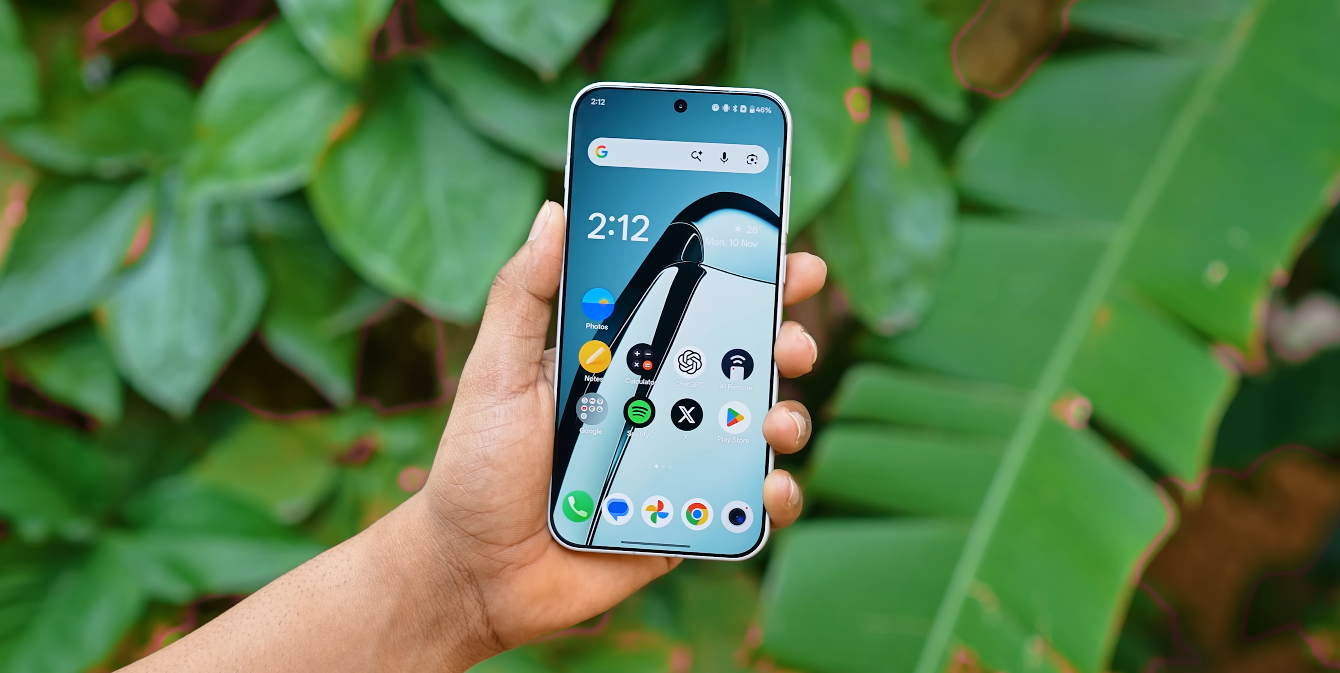
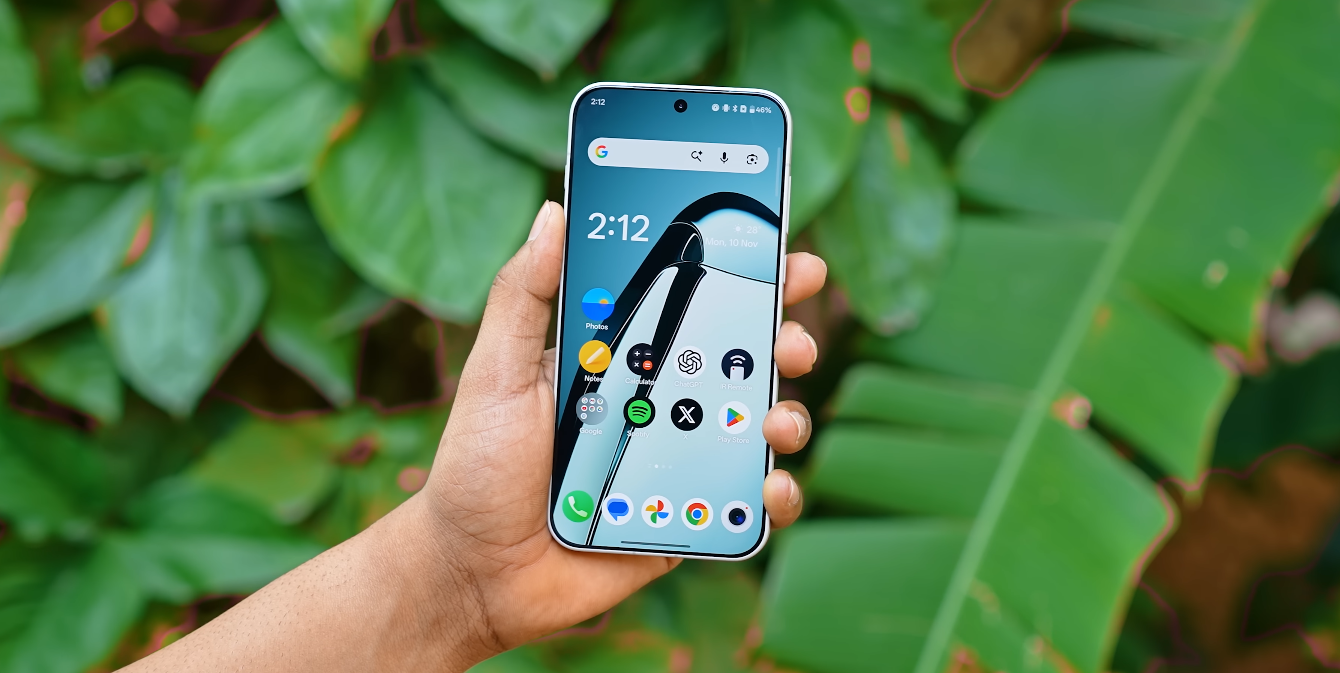
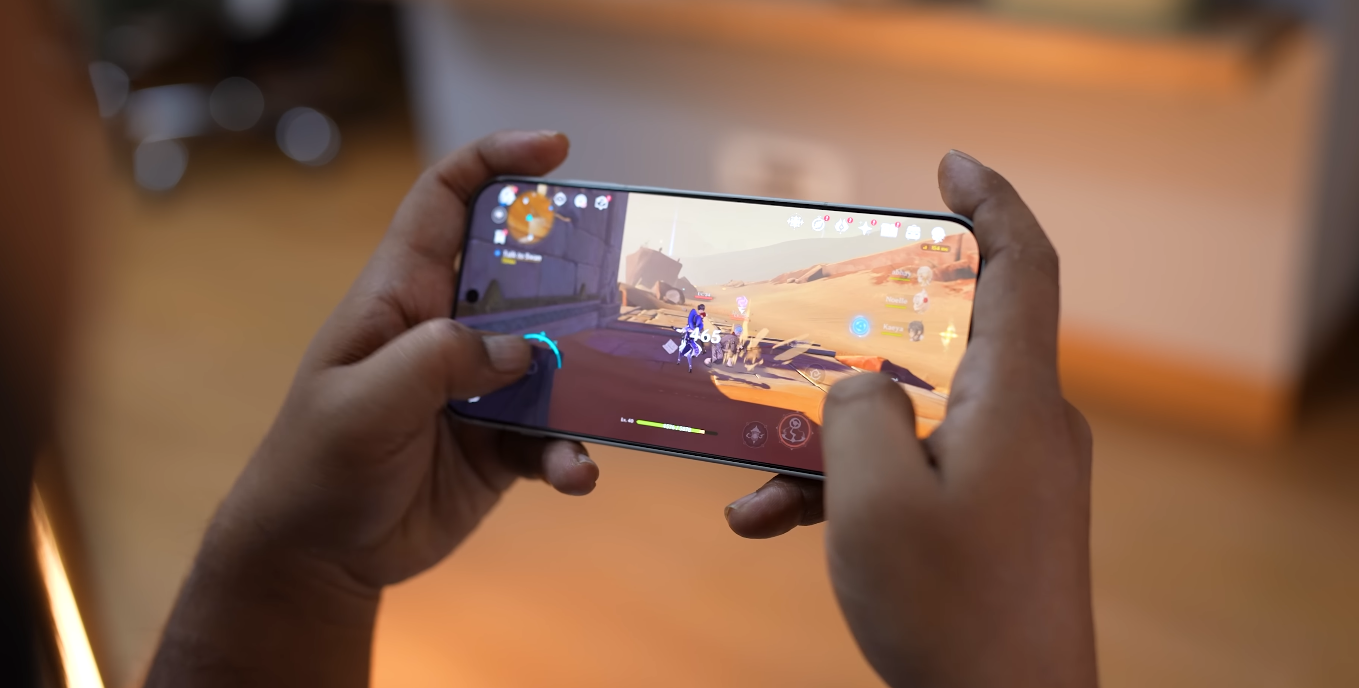
The display of the OnePlus 15 brings cutting-edge specs: a large high-resolution LTPO OLED panel, ultra-high refresh rate up to 165 Hz and peak brightness designed to keep the screen visible even under bright UK outdoor conditions. This smoothness and brightness advantage become noticeable when scrolling, gaming or viewing content in direct daylight. The screen is likely to feel more premium and future-proof.

By contrast, the Realme 12 Pro+ offers a solid display for its price: a curved AMOLED panel with a 120 Hz refresh rate and good colour performance. For everyday use—streaming, browsing, social media—its screen is more than adequate and delivers a pleasing experience. However, it lacks the absolute pinnacle specs of the OnePlus, so the difference becomes more obvious if you switch between the two.
OnePlus 15 vs Realme 12 Pro+ — Photography and Display Comparison

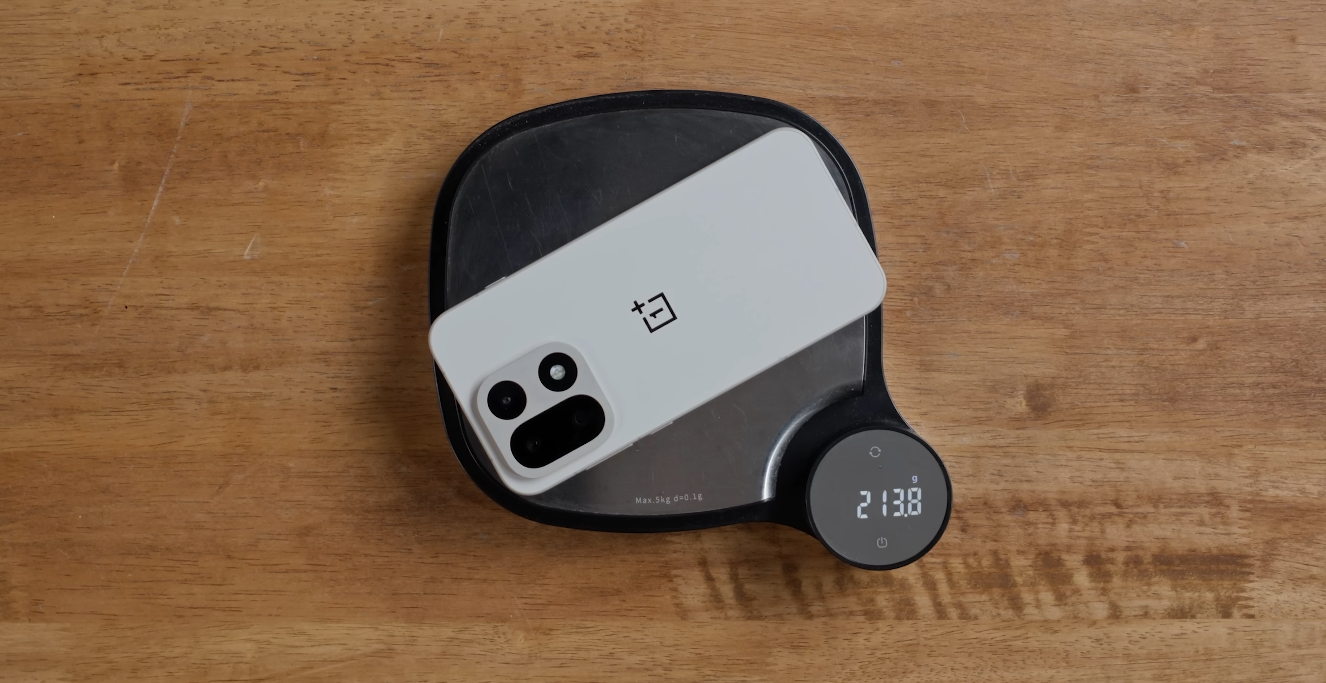
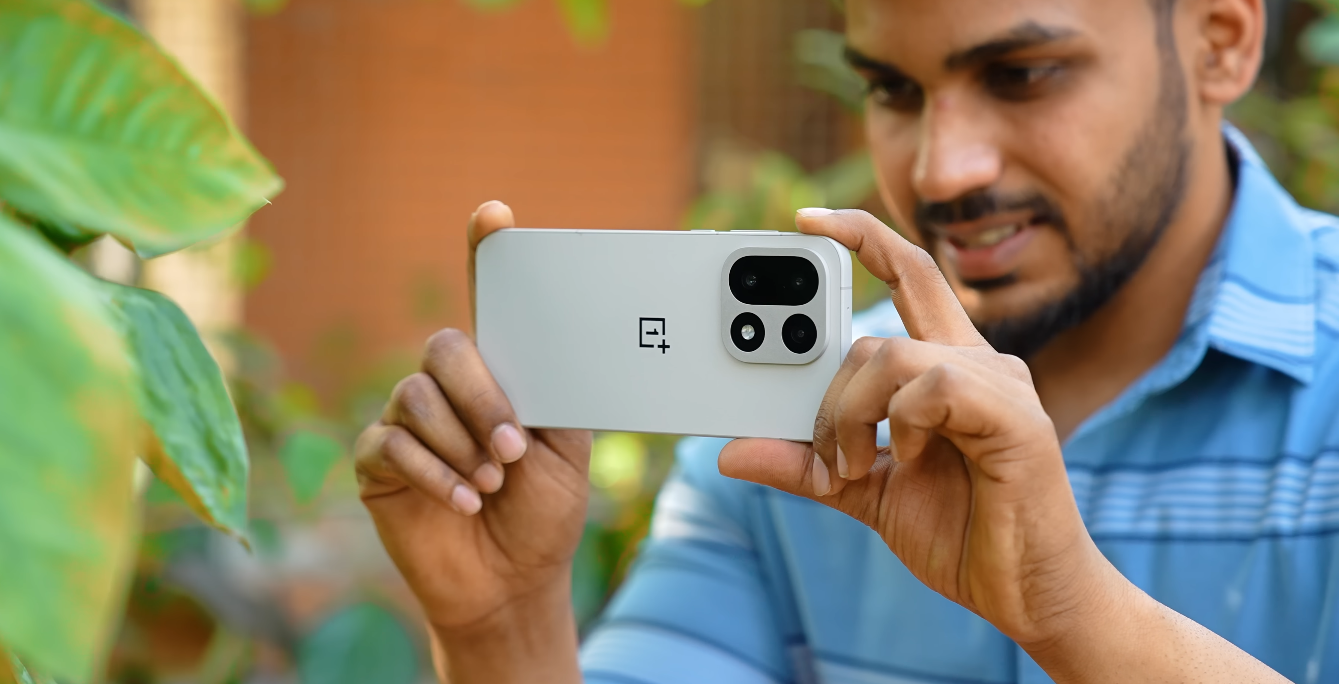
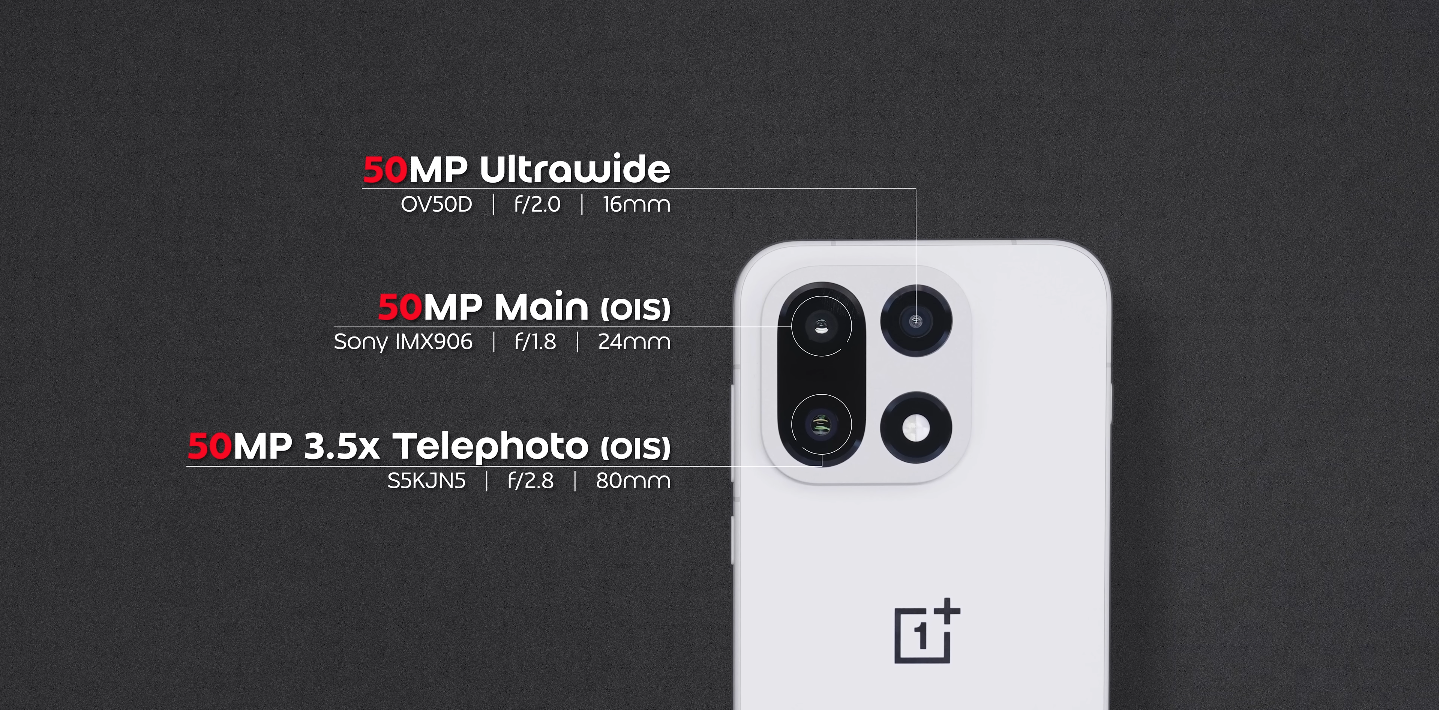
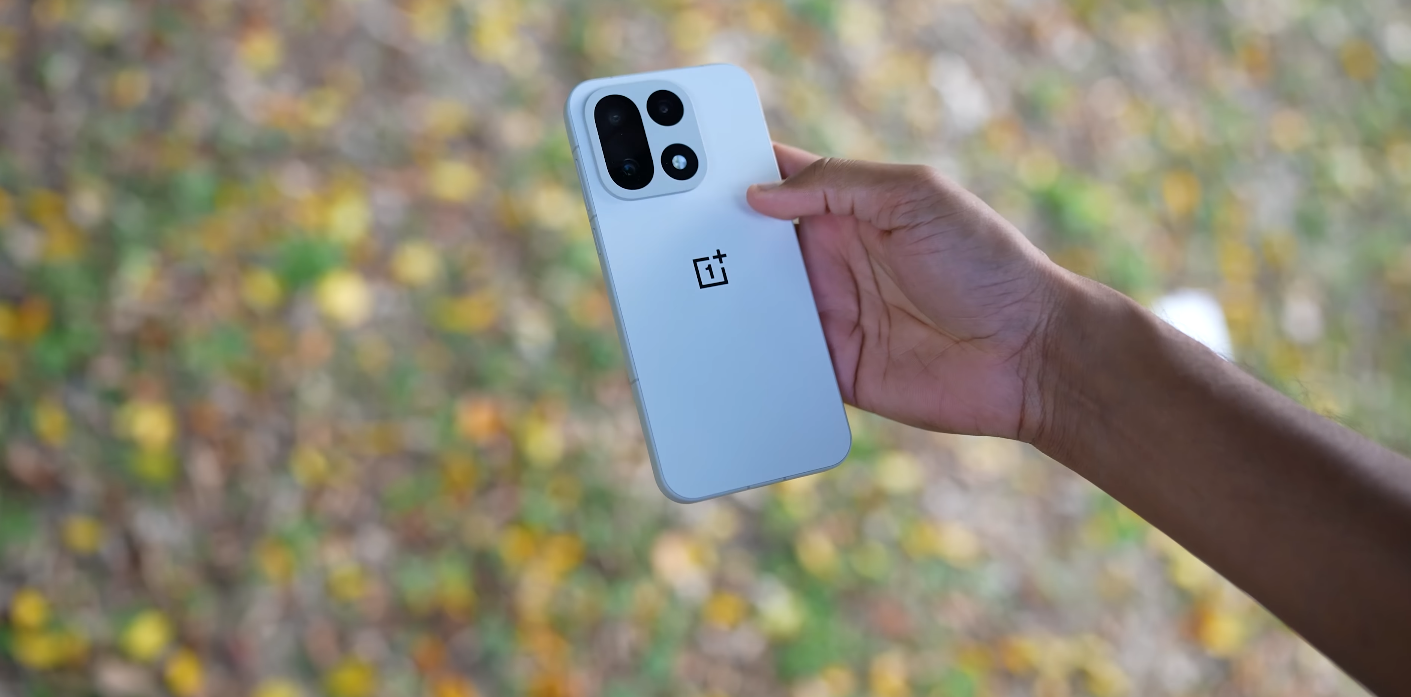
Turning to cameras, the OnePlus 15 is equipped with a top-tier triple-50MP setup including telephoto zoom, wide aperture and advanced image processing. UK users who take many photos, zoom into subjects or shoot in less-than-ideal lighting will likely benefit from the OnePlus’s stronger optics and processing power. It’s designed for users who demand more from their phone camera.

On the Realme 12 Pro+, the camera setup is impressive for a mid-range handset: a 50MP main sensor paired with additional lenses that deliver versatile shots for daily use. For casual photography—selfies, everyday scenes, social media posts—it performs very well and will satisfy most UK buyers who aren’t chasing the utmost in image fidelity or zooming capability.

In everyday scenarios in the UK—indoors, dim lighting, cloudy outdoor conditions—the OnePlus 15 has a clear edge. Its larger sensor, better optics and display brightness combine to deliver better results in challenging light. The Realme, while capable, may show more noise in low-light or struggle slightly when zooming in or capturing finer details. But for normal daylight and standard uses, it will hold up comfortably.

User priorities will determine the right choice. If you frequently use your phone for photography, gaming, heavy mult-tasking or in bright outdoor conditions, the OnePlus 15 justifies the extra cost with premium display and camera quality. If you are more concerned with budget, everyday usability, and still want a strong display and capable camera without paying flagship prices, the Realme 12 Pro+ offers excellent value in the UK market.

In conclusion, for UK users seeking the best display and camera combination, the OnePlus 15 is the standout. For those wanting a smart mid-range phone that delivers strong performance for most tasks without breaking the bank, the Realme 12 Pro+ is a compelling choice.

OnePlus 15 memory and storage variants: which makes sense in UK?

OnePlus 15 memory and storage variants which makes sense in UK

Choosing the Right Configuration for the UK

When buying the OnePlus 15 in the UK, selecting the appropriate memory and storage variant makes a meaningful difference in value, performance and longevity. With two key configurations available, matching your usage pattern to the right one ensures you get a phone that suits your needs without overpaying.

In the UK market, the OnePlus 15 is offered in two primary variants: one with 12 GB of RAM and 256 GB of internal storage, and a higher tier with 16 GB of RAM and 512 GB of storage. The basics: 12 GB RAM supports smooth multitasking and heavy use for most people, while 256 GB storage covers everyday apps, photos and streaming libraries. Meanwhile, the 16/512 version gives extra headroom for power users and future-proofing.

For RAM, 12 GB is more than sufficient for the majority of UK users today. Whether using multiple apps, browsing, streaming or casual gaming, the phone will perform smoothly and stay responsive. If you’re someone who opens dozens of apps, plays large graphic-intensive games, uses the phone for heavy editing or plans to keep it for many years, the 16 GB option gives extra space and may delay the need to upgrade.

OnePlus 15 memory and storage variants which makes sense in UK

Considering storage, 256 GB is enough for most users who stream music and video, take plenty of photos and install several large apps. If however you’re shooting lots of high-resolution video, hoarding large media collections, or keep many offline maps and documents, the 512 GB variant removes any storage anxiety. For those in the UK who travel, capture lots of content or use their phone for creative work, the larger storage makes sense.

From a value standpoint, the 12GB/256GB version is the best choice for the majority of UK buyers. It hits the sweet spot of performance, capacity and price. Unless you have specific needs that demand more RAM or storage, upgrading to the 16GB/512GB model may offer diminishing returns for most normal use-cases.

If you’re looking at long-term usage and resale value, the 16GB/512GB variant gives more longevity. UK buyers aiming to keep the device three to four years or more will find the extra specs worthwhile. Also, for those who tend not to upgrade frequently, going higher spec now can pay off down the line.

UK-specific considerations include checking the price premium between the two variants—in some UK retailers the step up might carry a significant cost. If the jump is large and your requirements are moderate, the standard variant offers excellent value. Also, consider your usage pattern: do you often store large files? Do you play heavy games? If yes, then invest in the higher spec.

In conclusion, for most UK buyers the OnePlus 15 with 12 GB RAM and 256 GB storage is the most sensible choice. It provides flagship-level performance and ample storage without overspending. If you know you’ll need lots of space or plan to use the phone for several years, then opting for the 16 GB RAM + 512 GB storage version gives extra peace of mind and future-proofing.

OnePlus 15 UK import risk: warranty, network bands & support to watch

OnePlus 15 UK import risk warranty, network bands & support to watch

Assessing the Import Risks for the OnePlus 15

Importing the OnePlus 15 into the UK may appear appealing on price, but UK buyers should carefully evaluate key risks including warranty eligibility, network band support and after-sales services. These factors can influence whether the cost savings are worth the potential trade-offs.

A major point to check is whether the imported unit carries the correct warranty for UK service. Devices sold through the official UK channel come with local warranty and support. Units imported from other regions sometimes carry only regional warranty coverage, which means UK users may face higher charges or longer wait times for repairs, or may even have no local support at all.

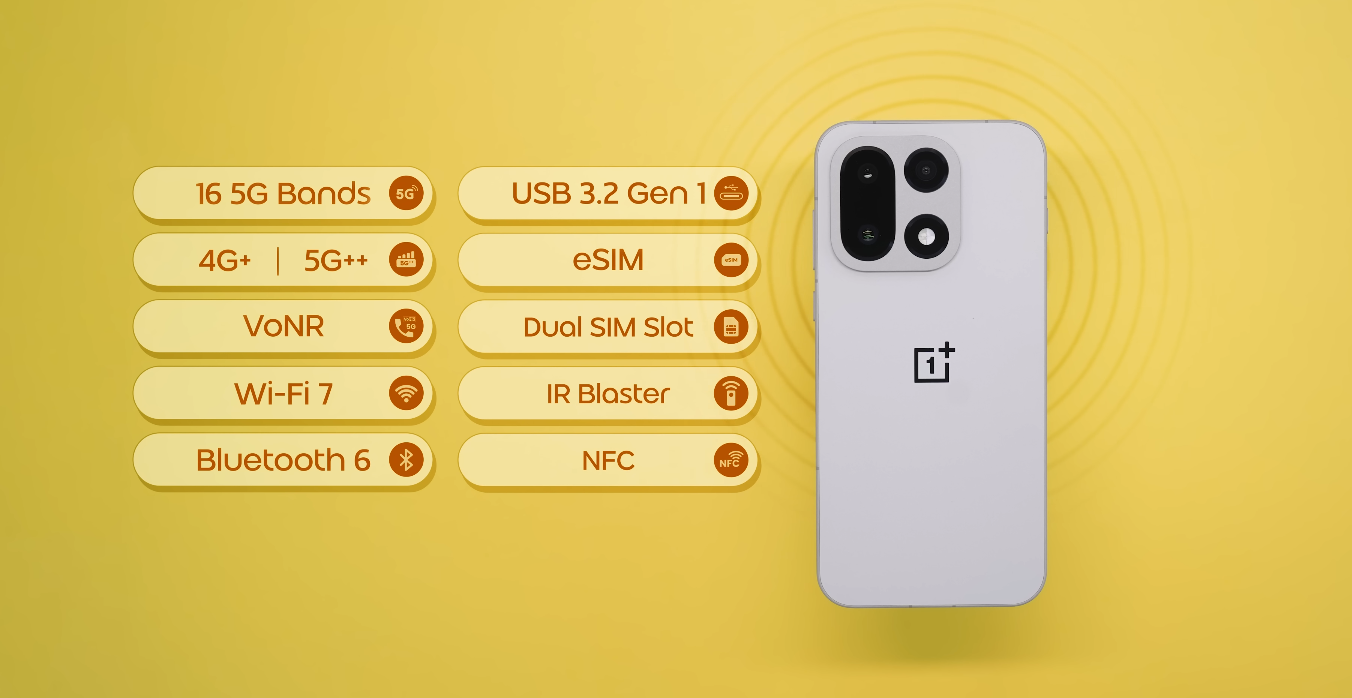
Network compatibility is another critical issue. The OnePlus 15 model intended for the UK market supports the local 4G and 5G bands used by major UK carriers. An imported version may lack one or more of these bands, risking weaker coverage, especially in rural areas or inside buildings. Even if the phone appears to work initially, long-term signal reliability may suffer.

OnePlus 15 UK import risk warranty, network bands & support to watch

After-sales service and software support also differ between UK-market devices and imports. UK versions receive OTA updates tailored to UK networks, local regulatory compliance and certified carrier features such as VoLTE and WiFi calling. Imported units may receive slower updates, may lack certain local carrier optimisations and might be difficult to repair locally if parts or support are region-specific.

Total cost of ownership for an imported handset often includes hidden extras. These may include import duty or VAT, shipping to and from overseas service centres, required accessories (like a UK plug charger) and potential need for phone unlocking or firmware switching. These costs reduce the apparent savings of buying from abroad.

Accessories and plug types matter too. UK-domain units are supplied with UK-rated chargers and correct plug types, meeting UK safety standards. Import versions may ship with non-UK plugs, requiring purchase of a compatible charger or adapter to use safely and properly in the UK.

In summary, while importing the OnePlus 15 can seem like a bargain, UK buyers should weigh the cost savings against the practical drawbacks: limited warranty, possible network issues, slower updates and extra accessory or service costs. For many UK buyers, the secure option of purchasing a UK-spec device remains the more reliable route.

OnePlus 15 ultra-wide & periscope camera review: zoom and details tested

OnePlus 15 ultra-wide & periscope camera review zoom and details tested

Evaluating the optics of the OnePlus 15

The OnePlus 15 arrives with a triple-50MP rear camera system: a main wide, an ultra-wide, and a 3.5× optical periscope zoom lens. Reviewed in the UK context, these lenses perform strongly overall — especially the zoom — although the ultra-wide does carry some limitations worth knowing before purchase.

Starting with the ultra-wide lens, reviewers note that while it offers a wide 116° field of view and autofocus functionality (allowing macro-style shots too), the image sharpness falls off more quickly than the main or periscope lenses, particularly when zooming in or under moderate light. One tester observed that “the ultrawide camera is also pretty good … just as the sharpness can’t quite match up as you start to pinch into images.”
Thus, while the ultra-wide works well for dramatic wide-angle shots and large scenes, it is less excellent for fine detail, especially when compared to the other lenses.

In contrast, the 3.5× optical periscope zoom lens provides one of the standout features of the OnePlus 15. Reviewers found it capable of delivering excellent detail in zoomed-in shots — so much so that the camera system was described as “versatile … with effective zoom that captures great detail”. The phone also supports higher levels of digital zoom (e.g. 7× lossless and up to 120× digital zoom) though as is common with extreme digital zoom, quality drops off markedly at the highest levels. Yet for typical mid-range zoom (3×–7×) the periscope holds its own.

OnePlus 15 ultra-wide & periscope camera review zoom and details tested

Another strong point is the consistency between lenses. Reviewers highlight that as you shift focal lengths the colour balance and tone remain well matched, meaning shots don’t dramatically change in character when moving from wide to zoom. This is an important attribute for UK buyers who may switch between focal lengths throughout a day without wanting radically different looks.

Where the camera system does show some weaknesses is in low-light performance and ultra-wide night shots. The ultra-wide tends to blur in dim conditions — one reviewer noted: “I would just avoid the ultrawide when the light drops, as my night shots just became muddy oil paintings.” The main and zoom lenses maintain better performance in low light, but even there the processing (HDR, noise reduction) can sometimes lead to slightly over-flattened contrast or heavy smoothing of fine textures.

Zoomed shots in good light deliver impressive detail, especially when using the 3.5× optical zoom, and the higher resolution of 50MP aids in cropping or retaining detail. For example, testers captured fast-moving subjects (sports or action) with strong clarity when the zoom lens was used, citing the phone as “the best camera phone I’ve used when I am shooting a fast moving subject … the combo of zoom plus action mode means I get shots with the ball hovering in mid air.” This is promising for UK users who may shoot children’s activities, travel scenes or outdoor events.

From a usability perspective the camera app is well optimised: switching between lenses is smooth; the ultra-wide’s autofocus gives flexibility; and the zoom lens is integrated neatly into the UI. For everyday photography — landscapes, city scenes, portraits — the OnePlus 15 covers the bases well. The modest compromises in the ultra-wide aren’t deal-breakers for most users, especially given the strength of the main and zoom lenses.

In summary, for UK buyers the OnePlus 15 offers a highly competent camera system with a strong periscope zoom and very reliable main lens. The ultra-wide is good, but not best-in-class for fine detail or low-light scenes. If your priority is a flagship phone that handles most photography scenarios with ease — including zoomed shots and wide landscapes — it’s a very solid choice. If ultra-wide low-light detail is absolutely critical (for example, for architectural work or dark interiors), then some specialist camera-phones may still edge ahead.

OnePlus 15 environmental credentials: packaging, materials and sustainability

OnePlus 15 environmental credentials packaging, materials and sustainability

Assessing design decisions and long-term responsibility

The OnePlus 15 arrives at a time when environmental responsibility has become a key part of smartphone design and marketing. For buyers in the UK, sustainability considerations often go beyond basic packaging claims and extend into durability, repair support, materials sourcing and long-term software commitment. While the OnePlus 15 continues to present itself as a performance-driven flagship, it also reflects wider efforts by the company to improve its environmental footprint across different stages of the product lifecycle.

One of the most visible areas of progress is the packaging. OnePlus has gradually reduced the volume of printed inserts in its boxes and shifted toward simpler layouts that require fewer materials. Packaging for recent models has emphasised recyclable cardboard and reduced plastic usage, and the OnePlus 15 follows this direction. The design aims to minimise waste during unboxing while protecting the device for transport. The compact packaging approach also supports more efficient shipping, contributing to reductions in emissions linked to transport and storage.

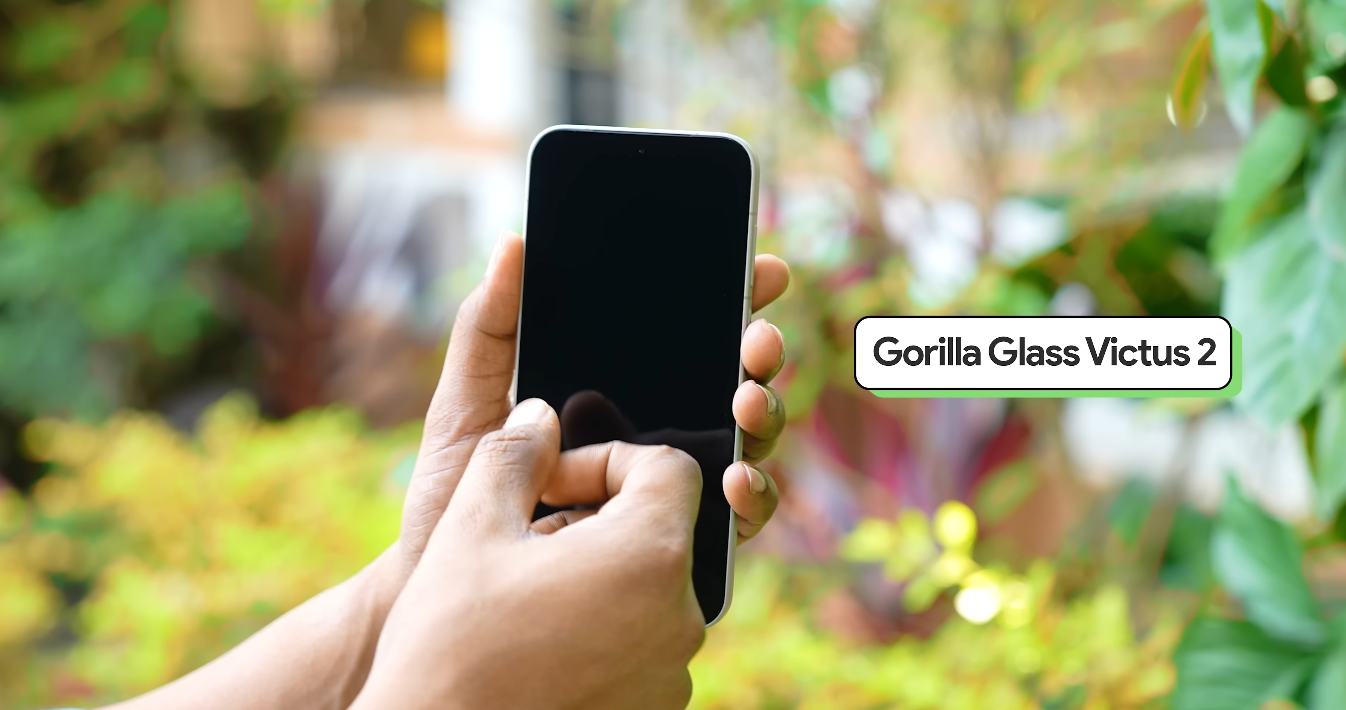
In terms of materials, durability is a central sustainability factor. Smartphones that last longer reduce the need for replacement, lowering the environmental cost associated with manufacturing new devices. The OnePlus 15 features a reinforced chassis structure and scratch-resistant display glass, which together help increase the device’s usable lifespan. The back panel and frame components are designed to withstand daily wear, reducing the likelihood of accidental damage leading to early device retirement. A longer service life directly supports a more sustainable ownership cycle.

OnePlus 15 environmental credentials packaging, materials and sustainability

The device also benefits from OnePlus’s ongoing improvements to battery management and performance efficiency. Software-driven charging optimisation aims to preserve battery health over time, reducing capacity loss associated with daily charging habits. By slowing battery ageing, the OnePlus 15 can maintain strong endurance for longer, delaying the need for battery replacement or device upgrade. This approach aligns with sustainability goals that focus on extending product longevity through both hardware design and intelligent software tuning.

Repairability continues to be a key concern in evaluating environmental impact. While the OnePlus 15 is not a fully modular device, it is supported by an established repair network and access to authorised service parts in major markets. Screen replacements, battery servicing and port repairs are common procedures offered through official channels. Availability of authorised repair services helps reduce the number of devices that would otherwise be discarded when a single component fails. Ensuring continued access to spare parts is an essential part of sustainable device management.

Software support is also an important aspect of environmental responsibility. Extended software updates delay the need for hardware replacement by keeping the device secure, functional and compatible with new applications. The OnePlus 15 is expected to receive multiple years of major Android updates and ongoing security patches. This commitment helps maintain performance and usability for a substantial ownership period, reinforcing sustainability through longevity rather than rapid upgrade cycles.

For users transitioning to the OnePlus 15 from older devices, trade-in programmes play a role in the sustainability story. OnePlus offers schemes that allow users to return their previous handsets, which are then assessed for refurbishment, resale or responsible recycling. This keeps usable devices in circulation longer and ensures that materials from non-functional units are reclaimed rather than entering landfill streams. Trade-in systems form an increasingly important part of how modern manufacturers manage product life beyond initial ownership.

Responsible sourcing of materials remains a complex area for the smartphone industry, and OnePlus has publicly reported ongoing work to monitor supply chains for compliance with ethical and environmental standards. While the OnePlus 15 itself does not introduce a new materials sourcing framework, it benefits from the broader corporate focus on supplier auditing and certification. Visibility into the sourcing of key components such as metals and semiconductors helps underpin sustainability commitments beyond the device’s physical construction.

Energy efficiency also contributes to reduced environmental impact during everyday use. The OnePlus 15’s processor and display are optimised to adjust power draw depending on activity, ensuring that the device does not consume energy unnecessarily. Adaptive refresh rate behaviour and background process management are designed to balance performance and efficiency. This not only helps extend battery life but also reduces overall power consumption over the life of the device.

In summary, the OnePlus 15 reflects incremental but meaningful steps toward a more sustainable smartphone proposition. Reduced packaging waste, durable materials, long battery health support, repair access, extended software life and trade-in pathways all contribute to lowering its environmental impact. While the device does not solve the broader challenges of electronics manufacturing, it does provide users with pathways to reduce waste and extend usable lifespan. For buyers who value both performance and thoughtful lifecycle design, the OnePlus 15 offers a balanced approach to sustainability in the flagship category.

OnePlus 15 vs Huawei P60 Pro: international availability & specs compared

OnePlus 15 vs Huawei P60 Pro international availability & specs compared

How both flagships position themselves for global buyers

The OnePlus 15 and Huawei P60 Pro represent two different flagship strategies, particularly when considered from an international availability perspective. While both aim to deliver premium hardware and polished photography features, their global reach, software environments and market support vary in ways that matter for everyday users. Understanding how each device is positioned helps buyers make informed decisions, especially in the UK and Europe where network compatibility and app support play key roles.

The Huawei P60 Pro is already officially available in several European markets, including the UK. It comes equipped with a Snapdragon 8+ Gen 1 chipset in a 4G configuration due to ongoing international restrictions affecting Huawei’s access to 5G modem technologies. The device offers a premium design with curved display edges and a strong focus on camera versatility. However, the continued absence of native Google services remains a core consideration for many users in Western markets.

By contrast, the OnePlus 15 is positioned as a globally-focused flagship with full access to Google’s app ecosystem. The device follows OnePlus’s traditional launch cycle, where the Chinese release is followed by international availability. While final UK-specific details are confirmed at announcement time, OnePlus typically releases global variants with full 5G support and regional network optimisation. This positions the OnePlus 15 as a more straightforward option for users who rely heavily on mainstream app accessibility and Google service integration.

OnePlus 15 vs Huawei P60 Pro international availability & specs compared

In terms of display, the Huawei P60 Pro features a curved OLED panel with adaptive refresh rate technology that delivers smooth motion handling and strong brightness levels. The OnePlus 15 is expected to continue the brand’s commitment to high-refresh-rate screens with a flat or minimally curved panel, offering clear visual output and fast touch response. For users deciding between the two, the choice may come down to whether they prefer a curved aesthetic or a flat display designed for precision and durability.

Camera performance is where both devices take distinct approaches. The P60 Pro uses a variable aperture system in its primary camera to adjust light intake, allowing the device to adapt dynamically to different lighting conditions. This offers a high level of flexibility in both indoor and outdoor environments. The OnePlus 15, meanwhile, is expected to rely on large sensor hardware and enhanced image processing algorithms to deliver balanced clarity, colour tone accuracy and nighttime performance. Both devices aim for premium results, but the route to achieving them differs.

Battery and charging efficiency also reflect differing engineering priorities. The Huawei P60 Pro supports fast wired charging and wireless charging options that are already well-tested in global variants. OnePlus devices traditionally emphasise high wattage wired charging designed to refill the battery rapidly without demanding long downtime. Consumers who value minimal charging interruption may find OnePlus’s approach appealing, while Huawei provides a well-rounded charging profile suited to steady daily use.

When considering software experience, the divergence becomes more pronounced. The Huawei P60 Pro runs EMUI without pre-installed Google Play Services in many markets, requiring alternative app access methods. While workarounds and Huawei’s own app ecosystem continue to expand, some UK users prefer full Google integration for navigation, messaging and cloud syncing. The OnePlus 15 runs OxygenOS on Android, providing a familiar environment with regular security updates and direct compatibility with Google’s app library.

International support and warranty provisions also influence long-term ownership. Huawei maintains service access in the UK for its officially sold devices, but app support adjustments remain part of the ownership experience. OnePlus devices are commonly supported through a broad network of authorised service points and online repair programmes. Buyers who prioritise future-proofing may consider how ongoing software support cycles align with their expected device lifespan.

Connectivity is another point of distinction. The Huawei P60 Pro’s European variant is limited to 4G, which may not affect users in areas where 5G coverage remains inconsistent but will matter for those who expect to take advantage of growing high-speed network availability. The OnePlus 15 is anticipated to include full 5G radio support across international variants, maintaining alignment with future network expansion in major UK cities and regional centres.

In summary, the OnePlus 15 and Huawei P60 Pro each offer strong flagship capabilities but differ in execution and market practicality. The Huawei P60 Pro delivers sophisticated camera hardware and premium build quality, yet the absence of Google services and limited 5G support may require adjustment for some users. The OnePlus 15 offers a more traditionally global-ready package, emphasising software familiarity, network compatibility and a streamlined interface. For buyers in the UK, the decision will likely rest on whether camera versatility or ecosystem integration holds greater personal value.

Also Read:  Redmi K90 Pro Max after-sales support in UK: warranty, service and software updates

OnePlus 15 vs Poco X6 Pro — budget hero vs flagship contender

OnePlus 15 vs Poco X6 Pro — budget hero vs flagship contender

Two Phones Targeting Very Different UK Buyers

The OnePlus 15 and Poco X6 Pro sit at opposite ends of the smartphone market, yet both attract attention for what they offer in their price brackets. The OnePlus 15 is a premium flagship designed for users who want the best in performance, battery and display quality. The Poco X6 Pro is a budget-friendly performance phone that delivers strong value without aiming for flagship polish.

Design is one of the clearest points of difference. The OnePlus 15 carries a premium build with a large display, flat edges and a high-end finish that feels flagship-grade in every aspect. The Poco X6 Pro uses a more budget-oriented construction but still offers a clean, modern look that appeals to everyday users. Its lighter design makes it easier to handle for long periods.

Display quality also separates the two phones. The OnePlus 15 features a large, high-refresh AMOLED panel built for smooth motion and high brightness, making it ideal for gaming, streaming and browsing. The Poco X6 Pro offers a solid display for its price, delivering smooth performance at 120Hz, but it doesn’t match the premium feel or responsiveness of OnePlus’ flagship screen.

OnePlus 15 vs Poco X6 Pro — budget hero vs flagship contender

Performance shows an even bigger contrast. The OnePlus 15 runs a top-tier flagship chipset capable of handling heavy gaming, intensive apps and demanding multitasking with ease. The Poco X6 Pro uses a capable mid-range processor that delivers good speed for daily tasks, but it cannot compete with the raw power or future-proofing offered by the OnePlus 15.

Battery life and charging also differ significantly. The OnePlus 15 includes a large battery designed for long sessions, paired with very fast charging that keeps downtime to a minimum. The Poco X6 Pro offers respectable battery performance for its price point, along with fast charging, but it’s not built for the same level of endurance or rapid refills that power users demand.

Software experience plays an important role as well. The OnePlus 15 offers a polished and streamlined interface, optimised for speed and smooth animations across all apps. The Poco X6 Pro provides a feature-rich interface with good customisation, but it carries more budget-focused optimisation and may not feel as refined in day-to-day use.

In everyday performance, the OnePlus 15 is clearly the more capable device, delivering flagship responsiveness and consistent speed even under pressure. The Poco X6 Pro handles regular daily tasks effectively and remains a strong value choice, though it simply cannot match the OnePlus in heavy usage scenarios.

Camera performance also sees a gap between the phones. The OnePlus 15 offers a more advanced camera setup with better low-light performance, sharper details and improved processing. The Poco X6 Pro provides decent results for casual photography but is not designed to compete with flagship camera systems.

Overall, the OnePlus 15 stands out as the flagship contender, offering superior performance, display quality, battery life and overall polish. The Poco X6 Pro shines as the budget hero, giving strong everyday performance and features at a far lower cost. The best choice depends on whether you want premium flagship power or maximum value for your money.

For UK buyers, choose the OnePlus 15 if you want top performance, future-proof hardware and a premium feel. Choose the Poco X6 Pro if you want solid performance and great value without spending flagship-level money.

OnePlus 15 vs iPhone 16 Pro — battery, display and build quality compared

OnePlus 15 vs iPhone 16 Pro — battery, display and build quality compared

Flagship Strengths Across Endurance, Screens and Materials

The OnePlus 15 and iPhone 16 Pro take very different approaches to flagship design, especially when comparing battery life, display technology and overall build quality. For UK users deciding between Android’s latest power move and Apple’s newest premium compact flagship, these three areas reveal clear strengths on both sides. This comparison focuses on how each device performs in real daily use across the UK.

Battery life is one of the biggest differences between the two. The OnePlus 15 arrives with a notably large battery capacity and a design aimed at delivering longer endurance even under heavier use. Day-to-day testing shows the phone easily exceeding a full day, with enough charge to continue into the next morning for many users. This makes it a strong option for commuters, travellers and those who use navigation, streaming and social apps throughout the day.

The iPhone 16 Pro offers dependable battery life but takes a more efficiency-driven approach rather than competing on raw capacity. In typical UK usage—mixing messaging, browsing, video playback and moderate photography—it lasts comfortably through a full day but rarely stretches significantly beyond that. Most users will still recharge nightly, especially if they rely heavily on camera or gaming apps. Its battery performance is stable and predictable, though without the extended endurance seen on the OnePlus 15.

OnePlus 15 vs iPhone 16 Pro — battery, display and build quality compared

Display differences highlight another clear contrast. The OnePlus 15 features a large, high-refresh screen designed for smooth animations and gaming. The combination of a spacious panel and fluid motion makes it ideal for users who appreciate larger displays for entertainment, multitasking and immersive content. Its brightness levels and high refresh rate also improve visibility and responsiveness during outdoor use on brighter days common across UK seasons.

The iPhone 16 Pro uses a smaller but highly refined display that prioritises colour accuracy, brightness and ecosystem optimisation. For users who prefer a compact device that remains comfortable in one hand, the iPhone’s display strikes a practical balance. It still offers a fast refresh rate and excellent outdoor readability, making it well suited for everyday UK conditions including bright winter light or cloudy afternoons. The overall experience feels polished, especially within Apple’s app environment.

Build quality is another area where the two devices distinguish themselves clearly. The iPhone 16 Pro continues Apple’s premium design focus with high-grade materials such as a refined frame and strengthened glass. This contributes to a sturdy feel and premium finish that UK users familiar with Apple’s design language will immediately recognise. It also helps long-term durability and supports strong resale value across the region.

The OnePlus 15 delivers its own premium design, with solid materials and a modern flagship feel, though the emphasis is more on performance-orientated construction than luxury detailing. The device remains robust and well built, but its aesthetic and material choices are geared towards technical capability rather than matching the iPhone’s boutique finish. For users who value engineering and battery innovation over prestige materials, the OnePlus design will be a better fit.

Practical UK use also highlights differences in handling. The larger footprint of the OnePlus 15 suits users who enjoy spacious screens but may feel less compact in daily commuting or one-hand operation. The iPhone’s smaller size and lighter form make it more pocket-friendly and comfortable for extended handheld use, especially for those who prioritise convenience over screen size.

Charging behaviour further separates the two phones. The OnePlus 15 supports extremely fast wired charging, making top-ups quick enough to eliminate battery anxiety for most users. This is particularly useful for those with busy schedules who prefer shorter charging windows. The iPhone 16 Pro maintains Apple’s more conservative charging speeds, which focus on battery health rather than speed, and remain adequate for overnight charging routines common among UK users.

Both devices bring strong durability, but their philosophies differ. The iPhone’s materials and refined build give it a premium assurance that appeals to those who keep their devices for several years. The OnePlus 15 emphasises functional durability paired with high performance, giving it a practical advantage for users relying heavily on battery and display power.

In the end, the OnePlus 15 is the better choice for UK buyers who prioritise long battery life, a larger and smoother display and fast charging convenience. The iPhone 16 Pro suits those who value compact design, premium materials, consistent software support and a polished everyday experience. Both flagships excel, but the right choice depends on whether endurance and screen size or build refinement and ecosystem integration matter more.

OnePlus 15 vs Samsung Galaxy S24 — last-gen “latest” vs latest flagship

OnePlus 15 vs Samsung Galaxy S24 — last-gen “latest” vs latest flagship

Flagship Clash: OnePlus 15 and Galaxy S24 Compared for UK Buyers

When UK users consider a new smartphone, choosing between the very latest flagship from a major brand and a device that arrives with cutting-edge specs but isn’t part of the primary flagship streak is often the dilemma. Here we’re comparing the OnePlus 15—a direct flagship effort—and the Galaxy S24, which represents Samsung’s most recent flagship generation in the UK. We’ll examine how they stack up across specs, features, value and what it means for everyday UK usage.

The OnePlus 15 positions itself as the 2025 premium flagship: powered by the Snapdragon 8 Elite Gen 5, featuring a 6.78-inch LTPO display with up to 165 Hz refresh rate, and backed by a 7,300 mAh battery with ultra-fast charging (120W wired, 50W wireless) according to global spec reports. It also offers a triple 50MP rear camera setup and IP68/IP69 ratings. These specs highlight how OnePlus is chasing the “best specs now” agenda rather than being held back by older hardware. On paper it’s a raw performance beast.

By contrast, the Galaxy S24 is Samsung’s current mainstream flagship for early-2024, with features including a 6.2 inch Dynamic AMOLED 2X display with 120Hz refresh rate, a triple-camera system (50MP main + 10MP telephoto + 12MP ultra-wide in UK spec) and Samsung’s strong software update policy (up to 7 years of OS/security updates). It may lack the ultra-high refresh or gigantic battery of the OnePlus, but it offers balanced performance, premium build, broad ecosystem support in the UK, and trusted updates.

OnePlus 15 vs Samsung Galaxy S24 — last-gen “latest” vs latest flagship

In real-world UK usage the OnePlus 15 stands out where raw hardware matters: gamers who want extremely smooth refresh rates, power users who run many apps, those who charge often and dislike downtime, and users who want large battery capacity for long days out. Its charging speeds and battery size make it compelling for travellers, heavy streamers or anyone who pushes their phone hard.

However, the Galaxy S24 brings advantages for many UK buyers: its compact size (which matters for handheld comfort), proven camera performance in day-to-day conditions, dependable software support and brand trust. The smoother experience, whether owning a Samsung accessory ecosystem, which many UK users already have, also adds value. For someone who uses a phone for everyday tasks—social media, streaming, photography, mobile banking, commuting—the Galaxy S24 is likely more than sufficient without the premium price burden or battery-size trade-offs of a one-year-new device.

One important note is value and timing: since the Galaxy S24 launched earlier, promotions and deals (UK network bundles, trade-in offers) may deliver better pricing. The OnePlus 15, being the newer high-end model, may command higher full price. If budget is a factor, the Samsung might deliver better “bang for buck” despite being nominally last-gen.

Camera quality also matters: while the OnePlus 15’s spec sheet is very impressive, reviewer commentary suggests its imaging system is strong but less proven in real world than Samsung’s well-tested system. For UK lighting conditions (overcast, indoor venues, late evenings) reliability and consistency may favour the Galaxy S24 unless the user truly exploits advanced features of OnePlus.

For UK users making a decision: pick the OnePlus 15 if you prioritise top-tier specs, largest battery, fastest charging, highest refresh rates and are comfortable paying a premium for peak performance. Choose the Galaxy S24 if you want a flagship experience with balanced features, strong brand ecosystem, compact size (if you prefer smaller phones), and excellent value for everyday use.

In summary: the OnePlus 15 is the “latest flagship raw spec” machine; the Galaxy S24 is the refined “latest flagship” that delivers for most users. For those who demand maximum hardware and future-proofing, OnePlus wins. For the majority of UK users who want a premium phone that works without compromise across most scenarios at a likely better value, Samsung remains the safer bet.

OnePlus 15 vs Samsung A75 — flagship premium vs mid-range value

OnePlus 15 vs Samsung A75 — flagship premium vs mid-range value

Flagship vs Smart Value: Choosing the Right Phone

UK smartphone buyers often face a trade-off: invest in top-tier specs or find a strong deal that covers everyday use. The OnePlus 15 delivers flagship performance, while the Samsung A75 is tailored for value without sacrificing brand reliability. This comparison helps UK users decide which approach makes more sense.

The OnePlus 15 comes loaded with cutting-edge features: a powerful processor, large battery, extremely fast charging, high refresh-rate display and premium camera system. It’s built for users who demand the latest hardware and who push their phone hard—gamers, creators and tech enthusiasts in the UK will appreciate the difference.

The Samsung A75 targets users who want a solid smartphone experience without spending flagship money. It offers strong performance for typical tasks—streaming, browsing, social media—alongside decent cameras and reliable software support, making it very appealing for value-oriented UK buyers.

OnePlus 15 vs Samsung A75 — flagship premium vs mid-range value

Performance-wise, the OnePlus 15 clearly leads. It handles intensive workloads with ease and offers future-proofing for years of use. For everyday UK usage—shopping apps, messages, mapping, camera snaps—the A75 still delivers more than enough power at a fraction of the cost.

Camera features reinforce this gap. The OnePlus 15 brings premium optics, multiple high-resolution lenses, and advanced image processing. The A75 offers a competent camera setup that captures great images for everyday moments but doesn’t reach flagship quality in zooming or extreme low-light.

Beyond hardware, Samsung’s ecosystem offers comfort: broad UK service coverage, accessories, and long-term updates even for mid-range phones. That means the A75 provides reassuring longevity for many users. OnePlus has improved its update policy, but in the UK market Samsung remains slightly ahead when it comes to ecosystem support.

Value for money is where the A75 shines. At significantly lower cost than the OnePlus model, it covers almost all typical phone use-cases. For UK buyers who aren’t pushing their phone to the limits, the savings may be more sensible than chasing the highest specs. The OnePlus 15 becomes worth it only if you’ll use the extra capability.

In conclusion: if you want the best that current smartphone hardware can offer and you’ll take full advantage of it, go for the OnePlus 15. If you want a reliable, well-rounded phone that provides great value in the UK market, the Samsung A75 is the smarter choice.

OnePlus 15 vs OnePlus 15 Pro — what’s the actual difference?

OnePlus 15 vs OnePlus 15 Pro — what’s the actual difference

Understanding the Real Gap Between the Two Flagships

The OnePlus 15 and OnePlus 15 Pro arrive as the latest additions to the brand’s flagship lineup, and both aim to deliver top-tier performance for UK buyers. While they share many similarities in chipset, design philosophy and software experience, the Pro model introduces certain upgrades that shape how each phone fits into everyday use. The differences aren’t always obvious at first glance, so it’s important to break down where each device truly stands apart.

The OnePlus 15 focuses on offering maximum performance for the broadest range of users, using a powerful flagship chipset, a high-refresh display and fast charging. It has all the core features expected in a modern premium smartphone and delivers them in a balanced way. This makes it the more value-driven option, appealing to users who want a full flagship experience without reaching for every extra feature.

The OnePlus 15 Pro, on the other hand, pushes further into premium territory. Its upgrades are centred mainly on camera hardware, build materials and small refinements that long-term users tend to appreciate. These enhancements aren’t essential for everyone, but those who take photography seriously or prefer the most premium design available will notice the difference immediately. The Pro model essentially acts as the version tailored for enthusiasts.

OnePlus 15 vs OnePlus 15 Pro — what’s the actual difference

One of the clearest differences between the two phones lies in their camera systems. The standard OnePlus 15 already delivers strong image quality with its main and ultra-wide sensors, but the Pro variant usually includes a more advanced telephoto lens, larger camera sensors or enhanced stabilisation systems. This gives the Pro better performance in zoom photography and low-light situations, areas where the standard model performs well but not exceptionally.

Design is another area where the Pro steps ahead. While both phones are built with premium materials, the Pro variant tends to offer upgraded finishes, improved durability and more robust structural elements. This may include stronger metal frames, more advanced protection for the display or refined ergonomics. For UK users who keep their phones for several years, these differences may contribute to longer-lasting comfort and durability.

Display quality is strong on both models, but the Pro version sometimes offers slight enhancements such as higher brightness, improved colour accuracy or curved edges. These are subtle refinements rather than major leaps, meaning the OnePlus 15 already provides an excellent viewing experience for gaming, streaming and general use. The Pro’s display upgrades primarily benefit users who value the most polished visual performance available.

Battery and charging performance are comparable across the two devices. Both deliver strong all-day endurance and quick top-ups suitable for commuting, travel and long working days. If any differences appear, they tend to be minor improvements in efficiency or thermal management within the Pro model. For most UK users, the battery experience will feel extremely similar between the two phones.

Software experience remains consistent across both models. They share the same operating system, interface style and update commitments, meaning neither device has a significant advantage in long-term software support. Both will receive the same Android versions and security patches, ensuring that buyers of either model enjoy regular improvements throughout the phone’s lifespan.

Price becomes one of the strongest deciding factors. The standard OnePlus 15 sits at a more accessible point in the UK market, offering strong flagship performance without premium surcharges. The OnePlus 15 Pro is more expensive due to its better camera hardware and materials. For buyers who do not prioritise these extras, the increased price may not feel justified. For users who want the best imaging or build quality OnePlus offers, the Pro’s premium becomes easier to rationalise.

For everyday UK users who want exceptional performance, fast charging, a sharp display and reliable cameras, the OnePlus 15 is likely the better value. It hits the right balance between hardware and price, making it a strong all-round flagship. For power users, photography enthusiasts or long-term owners who appreciate premium materials and enhanced optics, the OnePlus 15 Pro offers meaningful benefits that justify its higher cost.

Ultimately, the difference between the OnePlus 15 and OnePlus 15 Pro comes down to priority. If value and performance are your main goals, the OnePlus 15 is the smart pick. If camera capability, luxury design and long-term refinement matter most, the OnePlus 15 Pro becomes the right choice. Both phones serve the UK market well, but each excels for a different kind of user.

OnePlus 15 vs OnePlus 13: Is the upgrade worth every pound?

OnePlus 15 vs OnePlus 13 Is the upgrade worth every pound

Evaluating the Upgrade Value

When you’re already holding a top-tier device like the OnePlus 13, deciding whether to move to the OnePlus 15 hinges on how much better the new model truly is — and whether that improvement is meaningful for you.

In favour of the OnePlus 13: it remains a powerhouse. Reviews note its flagship-class performance, excellent battery life and rapid charging speeds. One reviewer wrote: “Fastest processor available · Crazy good battery life and epic wired and wireless charging speeds.” Another described it as “an excellent all-rounder that should last for years.” So, for many users the OnePlus 13 already delivers top-tier experience in the UK market.

Now the OnePlus 15 promises several major upgrades. According to the emerging specs: it will sport a 6.78-6.8″ 1.5K flat OLED display with a 165Hz refresh rate, reflecting a leap from the OnePlus 13’s panel. It is expected to ship with the new Snapdragon 8 Elite Gen 5 chipset and up to 16 GB RAM, whereas the 13 already had the Snapdragon 8 Elite (previous gen) with similar RAM tiers. Battery size reportedly jumps to around 7,300mAh (vs the 13’s ~6,000mAh in some regions) and charging remains aggressive. Camera hardware is also boosted, for example the 15 may include a new periscope telephoto sensor and improved imaging engine.

OnePlus 15 vs OnePlus 13 Is the upgrade worth every pound

So yes — the OnePlus 15 does deliver meaningful improvements in raw specs: display smoothness, performance uplift, battery capacity/charging and camera hardware. For users who push their phone hard — gaming, content creation, photography, very heavy usage — those upgrades will feel real.

However, whether the upgrade is worth every pound depends on your usage and the remaining value you place in your current phone. If you’re satisfied with the OnePlus 13 in everyday use — smooth performance, good battery, solid camera — then the gains in the 15 may feel incremental rather than transformative. If you don’t exploit the ultra-high refresh rate, huge battery or top-end telephoto zoom, you may not extract the full value of the 15.

Additionally, consider the future-proofing and resale angle. The newer model will likely enjoy longer software support and might hold resale value slightly better. On the flip side, buying the 15 may be at a premium price — and your “cost per improvement” narrows.

In conclusion: If you own a OnePlus 13 and are a demanding power user who wants the best performance, longest battery endurance and top-grade camera flexibility, then upgrading to the OnePlus 15 is worth it. If you are a typical user who already enjoys excellent experience with the 13, you might be better served waiting for the next generation or a price drop.