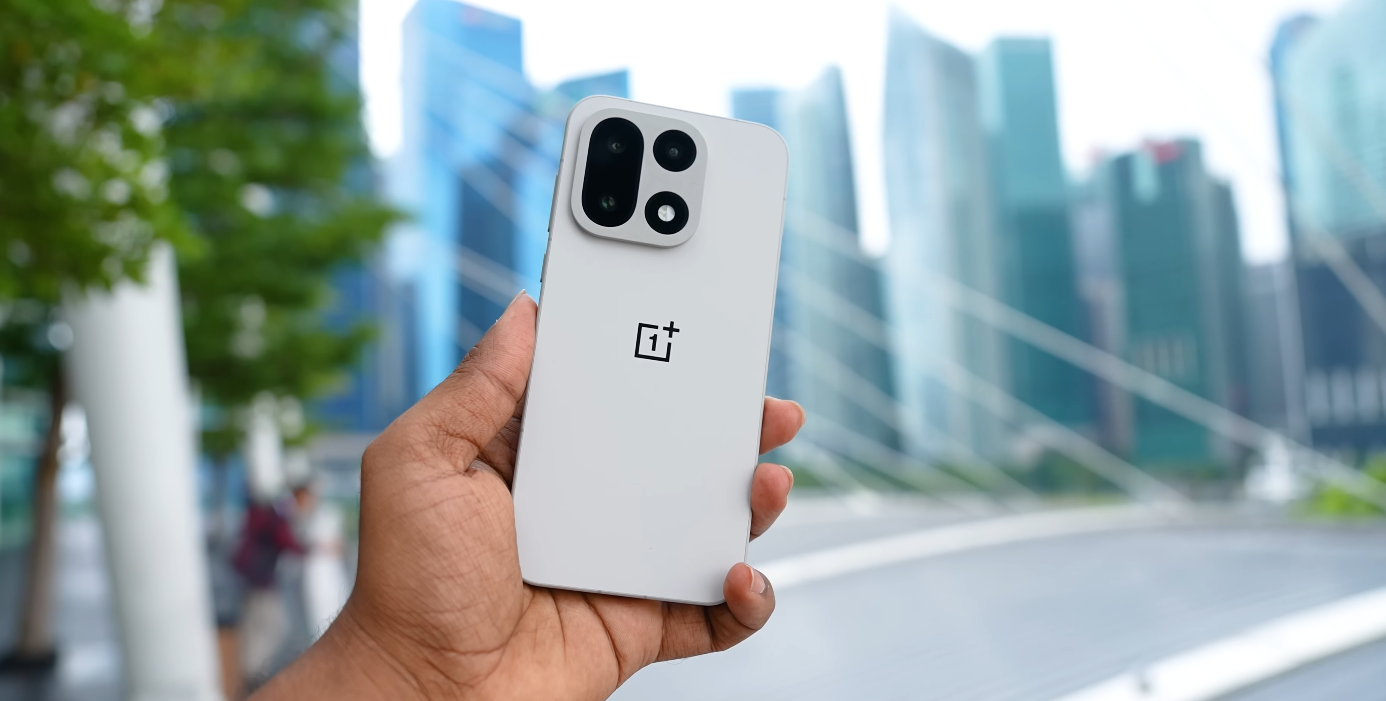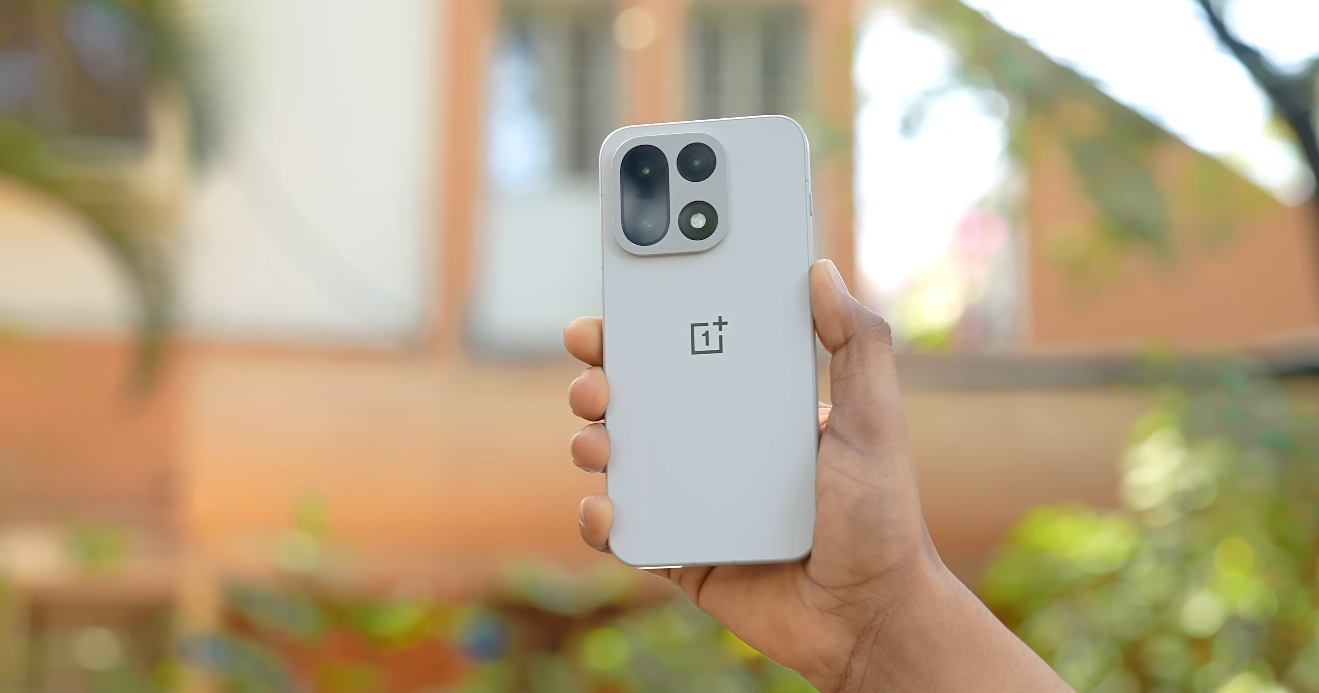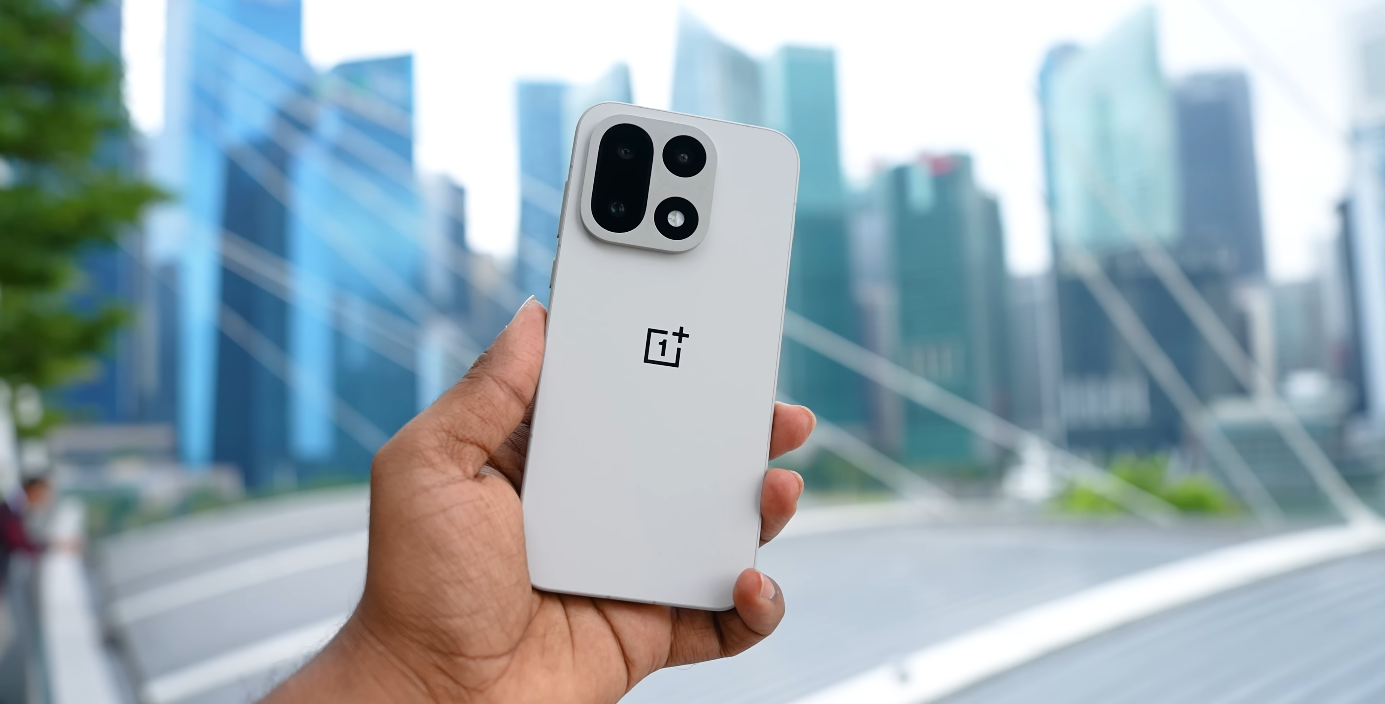
Nubia Z 70 Ultra – The Real Future Of Smartphones

Today we’re checking out the Nubia Z70 Ultra which makes some bold claims premium specs an Innovative camera system and An eccentric design all starting at £ 649 but does it deliver in real world performance in this review.


We’ll be checking out the Z 70 ultra Snapdragon Elite chipset its AMOLED display and adjustable aperture camera. We’ll also check out what it’s like to game on this phone and daily usability to uncover its strength and weaknesses. The z70 ultra just another high-end smartphone or does it truly stand out let’s find out.


The 6.85 in uninterrupted AMOLED display with very thin bezels


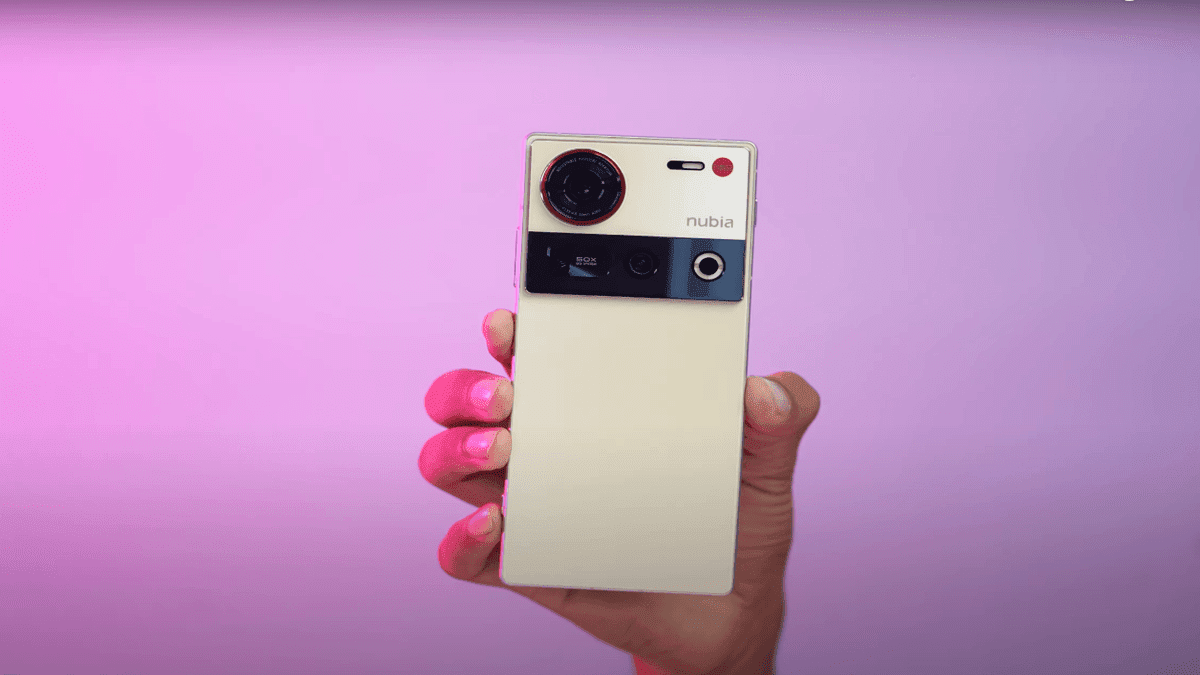
We’ll start off by checking out the design and build of the Z 70 ultra up front we have the 6.85 in uninterrupted AMOLED display with very thin bezels. The frame of the phone itself is made out of aluminum. It come up as 233 to the right we have the nice and click volume and textured red power button along with the dual stage. Camera button down at the bottom but we’ll be checking that out later around the bottom of the phone we have the 3.2 gen USBC port. A microphone speaker and SIM card tray. So no SD card compatibility here unfortunately to the left of the phone we have the switch slider which can be mapped to do various functions.


We get to see the Regal yellow color and the soft Stardust matte. As Nubia put it and of course the star of the show cameras themselves which is a triple lens setup with lots of fancy features. I have to say the phone does feel nice and premium in the hand with a good heft to it and though it does have a flat frame. It doesn’t dig into my hand at all build quality on here seems absolutely solid with no creaking or groaning. it’s also ip68 and ip69 rated.


z70 ultra comes with a 1.5 k 6.85 in Amoled display


The design and build let’s dive into the display and see what this screen really has to offer first off we’ll go over the main specs the z70 ultra comes with a 1.5 k 6.85 in AMOLED display offering a resolution of 126x 2688 equating to a pixel density of 431 refresh rate is up to 144 HZ. We’re looking at our Peak brightness of around 2,000 nits with support for HDR 1.It is glass Gen 2 so we’ll jump into the display settings to see what customizations are available. so we have your usual kind of generic things like dark mode we also have read mode changes the color temperature of the screen slightly eye Comfort gives.


We also have color mode and temperature itself so you can pick from colorful standard or soft and you can adjust the Hue from the color wheel brightness like, I said up to 2,000 nits and you also have sunlight mode. So it will get extra bright in actual sunlight. You can keep the screen on while looking and when it comes to screen refresh rate. We have Auto 60 HZ, 90 HZ, 120 HZ and 144 Hz.
 

Nubia Z 70 Ultra


I’m going to leave that on auto and then you have tiny screen display adjustments, where you can adjust from low medium and high. So you can turn that on from the settings and you have various options you can have it set to always show or display for 10 seconds. After tap the screen or you can have a custom schedule and you have loads of options to pick from.


Notice there’s a very minimal color shift slightly to a cooler temperature, Which is normal behavior of an Amoled display otherwise wing angles are really good. YouTube playback maxes out at 4K 60 FPS with HDR support. So if you’re planning on watching content on here The display has got you covered the panel itself is manufactured by Boe and smartphones like, OnePlus 13 used.


Big displays which I’m waiting for the global release of and We’ll definitely be reviewing that when it becomes available for Netflix this device supports wide one level three unfortunately and also supports SD playback. So on Netflix this means you won’t be getting the best playback with support for only standard definition. So experience on here is not going to be the best and That’s a shame for Amazon Prime playback is supported at 1080p full HD Prime video.


I’m away 4K Ultra HD playback on televisions, We also have support for wireless casting and you can mirror your screen or cast your media wirelessly to compatible TVs or displays on the same Wi-Fi network. So through the USBC Port you can connect directly to a monitor or TV and That’s why HDMI adapter. We do not get here in the UK much at all currently we’re going through a storm the display performs fine the screen legibility was really good obviously you’re going to get the usual Reflections and glaze in more brighter environments but That’s expected on a glass panel this display offers an excellent balance of sharpness color accuracy and brightness in different conditions.


These speakers provide a balanced sound


Talk about the speakers and the audio quality on The Z 70 Ultra phone comes with a dual speaker setup with a bottom firing speaker and the a is doubling up As the second speaker, They’re DTS tuned and they support highs audio so we can expect some decent sound from these we’ll have a look at the audio settings.


Overall these speakers provide a balanced sound I would say there isn’t much depth to them as I would have liked it to be, there’s a simor base there maybe but nothing crazy they’re just your you know normal kind of speakers that you would expect on a smartphone.


Os updates are available for up to 3 years


The z70 ultra is powered by the Snapdragon Elite CPU which offers significant performance improvement over the previous SD gen 3 it’s pair with an adreno 780 GPU in terms of memory we’re looking at three different LPDR 5x Ram options available in 12 16 and 24 GB and UFS is 4.0 available in 256 512 and 1 tab sizes.


Nubia is using their nebula AI OS skin on top of Android 15 here and When reaching out to Nubia regarding OS updates they stated OS updates are available for up to 3 years and Regular updates will be released monthly. You can also add extended Ram up to 12 GB, If you choose to do so and this is also known as virtual Ram as the phone here is 16 GB adding another 12 would give us a total of 28 GB of RAM.


When it comes to benchmarks have a quick look at geek bench 6, So we got a single score of 3,151 and a multi-core score of 9,772. this is a 39% increase on single core and 37% increase on multicore, when it comes to read and WR speeds we get a sequential right of 472 mga b and a sequential read of 1.28. So quite High read and right speeds on the drives there on 3D Mark Wildlife extreme test. That’s the highest I’ve seen on any device that I’ve reviewed and then in Performance monitoring, We can see the frame rate range from 23 fps to 43. Benchmark it scored 2,561 298. That’s a very high score there on the global rankings that puts it in third place after the Vivo X200 Pro the SD Elite chip is a beast clearly again compared to the Z 60 Ultra this is a 22% increase.


We’ll have a look at what is available in the settings so in Connected devices we have our usual options for connectivity and things like NFC VPN and Android auto theme and personalization. Lets us customize various things from wallpaper lock screen app icons fingerprint animation, We have the settings for the camera key, You can map it to different functions.


50 mega pixel ultra wide camera and a 64 mega pixel Teli camera


We have the rear cameras which compromises of there cameras itself these being the 50 mega p main camera 50 mega p Ultra wide camera and a 64 mega p Teli camera and The front camera which is an under display camera comes in at 16 megapixels. I feel like I’ve said camera about 100 times the main camera is 35 mm. So we’ll check out what the phone is capable of capturing soon but first, we’ll have a look at what the camera app itself brings us so the different modes we have our camera family Starburst Street Pro Photo Video and that’s saying something about pre-recording.


If we look out for we can see we have your kind of generic settings from the drop down here if we hop in further we have intelligent be tracking autofocus multi-point autofocus automatic night schene automatic portrait. So it’s Pack full of different options in the video we have up to 8K recording 4K allows you 30 60 or 120 FPS and 8K maxes out at 30 FPS only and in the settings here normal staff video encoder format H 264 H 265 or HDR 10 I.


We have tracking autofocus and things like that and again underwater filming control volume key for Zoom. We have your three different Zoom levels or focal points 18 35 and 85 mm and if you want to really dial things in you can go to PR mode. So it gives you granular control over so many different aspects settings wise similar kind of setup but you can choose peaking Focus histogram here roll graph if you want that and various other options.


Then street is kind of similar but gives you more options with the focal points or Zoom levels with 18 super wide Main and again you have loads of options with the settings button here. I’ve taken on this phone testing out what the rear camera is like autofocus is nice and quick quality seems really good. As well now 85 m give me. A lens checking out video recording see what the image stabilization conditions like just walking down the road looks like. If that’s any different from the previous video where it was off looks like it’s a lot more stable.


The Z 70 ultra comes with a 6,150 MAH silicon carbon battery


It comes with a 6,150 MAH silicon carbon analid battery. which you can call an advanced version of the traditional lithium iron batteries, Offering a high energy storage capacity longer battery life and improved stability to name a few advantages. It supports 80w fast charging charging from empty takes around 42 minutes. So we also have charge separation which allows the device to be charge by power and not the battery.


You can turn that on and allow it to Auto turn off if you’d like and in more setting we have scenario AI optimization adaptive 5G power saving settings. And then dark mode settings here scenario AI optimization optimized when the apps are not in Ed. In my experience battery life on here was really quite good considering. It’s 6,150 milliamp in my testing. I managed to get two solid days of medium to light use obviously.


Now we’ll test the Cod quality on the other end so using another device. We listen to how this phone’s microphone captures my voice during the call7 is like. So how it transmits voice to another phone. This is receiving on the Moto e14 quality on both ends transmitting and the a piece itself was crystal clear for me.

OnePlus 15 best launch-week offers: where to buy for discount

OnePlus 15 best launch-week offers where to buy for discount

Launch Deals and Buying Options in the UK

The OnePlus 15 arrived in the UK with several limited-time launch offers, giving early buyers a chance to save money and secure extra benefits during the first week of sales. These launch-week promotions focus on direct discounts, bundled gifts and trade-in bonuses, making the official purchase routes more attractive than standard third-party listings.

One of the main highlights during launch week is the direct discount available through the OnePlus UK website. Buyers receive a price reduction applied at checkout, making it the most straightforward way to get the phone at a lower cost. The offer is tied to the initial sales period, and UK customers can take advantage of it without needing any codes or additional steps.

Alongside the discount, OnePlus provided an early booking scheme for those who placed a small deposit before the official sale date. This deposit unlocked extra benefits such as bonus vouchers and complimentary accessories. UK buyers who completed the full payment during launch week could also redeem gift items including audio accessories or protective cases, depending on availability.

OnePlus 15 best launch-week offers where to buy for discount

The brand also extended student savings during the launch period. Those eligible can verify their status and secure an additional percentage-based reduction on top of the existing launch offer. This combination gives younger buyers or students in the UK one of the best effective prices for the device during its first week on sale.

Trade-in deals add another layer to the savings. OnePlus offered enhanced values for select older models during launch week, allowing UK customers to reduce the upfront cost even further. The trade-in process is integrated into the checkout, and buyers receive the discounted price immediately rather than waiting for reimbursement.

While the official OnePlus store remains the strongest route for launch-week savings, some UK retailers also offered introductory bundles. These typically included cases, chargers or extended warranty options with early purchases. Although these bundles did not always match the pure discount from the official store, they provided value for buyers wanting accessories pre-packaged with the handset.

UK buyers choosing contract options through mobile networks could also find launch-window benefits. Plans from select carriers included reduced upfront fees or introductory monthly pricing for the first billing cycles. These early offers were designed to make the device more accessible, especially for users upgrading from older handsets on long-term plans.

During the opening week, stock availability was strongest on the official OnePlus UK site, with all colour and storage variants listed and ready for dispatch. Third-party sellers began listing units shortly after the launch window, but stock levels and pricing often fluctuated. Early buyers benefited most from the guaranteed availability and structured offers provided directly by OnePlus.

For those purchasing during launch week, timing mattered. The biggest savings and bonus bundles were tied to the first few days of open sales, and some promotional gifts had limited quantities. UK customers who completed their purchase early enjoyed the maximum value before offers began to phase out.

Overall, the launch-week period offered the best chance to secure the OnePlus 15 at a reduced cost. Direct discounts, student reductions, trade-in bonuses and early booking rewards combined to deliver strong value for UK buyers. Purchasing through the official UK store provided the most reliable and consistently beneficial option, especially for those looking to maximise savings while ensuring full warranty support.

For anyone considering the OnePlus 15 during its release window, the first week delivered the most competitive pricing and the widest package of benefits.

OnePlus 15 camera test: triple 50MP lenses — real world results

OnePlus 15 camera test triple 50MP lenses — real world results

Elevating mobile photography with flagship precision

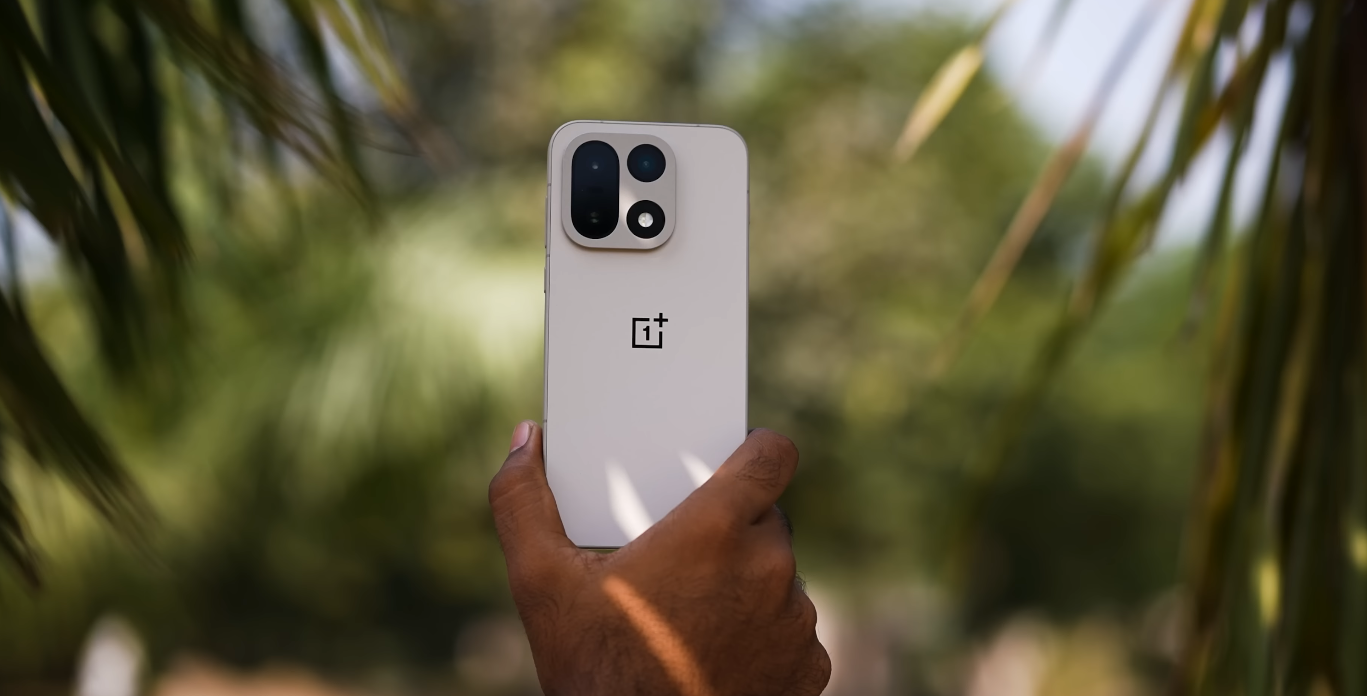
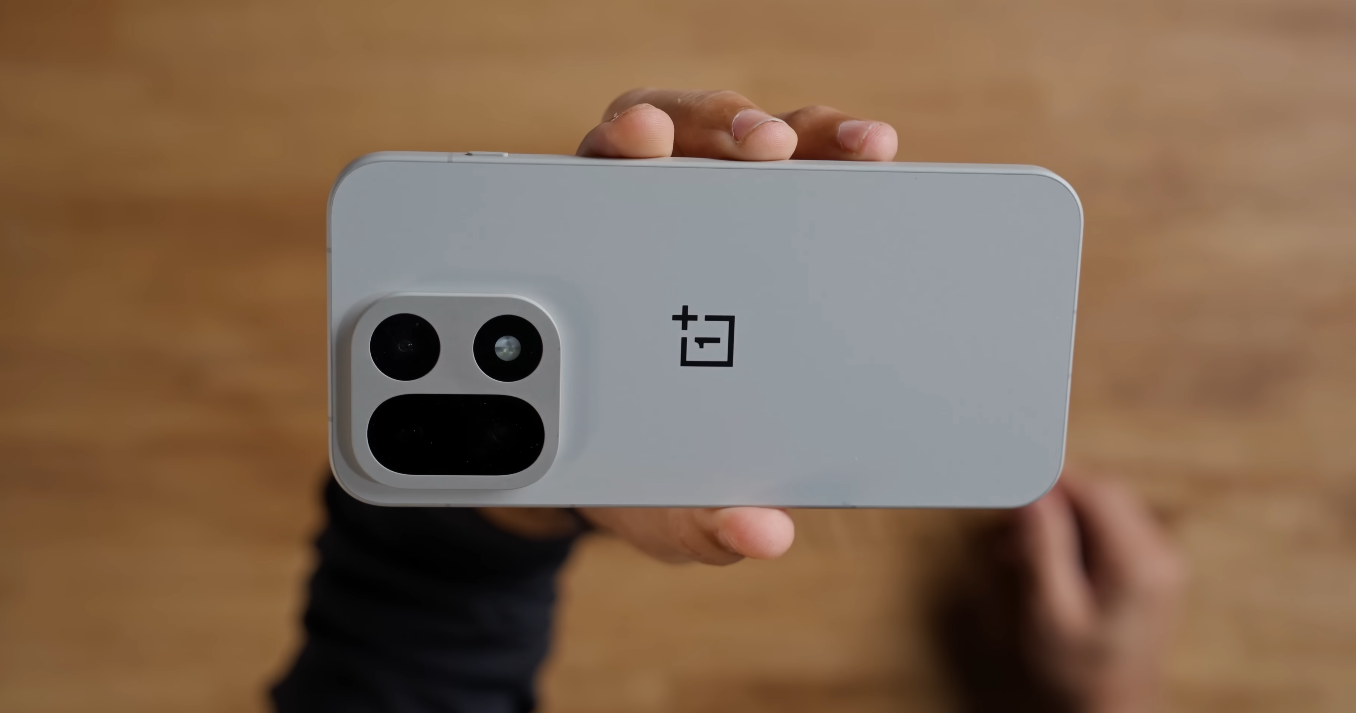
The OnePlus 15 ushers in a bold leap for smartphone photography, featuring three 50 MP lenses that cover the full gamut of scenarios. Reviewers in the UK highlight how the main, ultra-wide and telephoto modules deliver a level of clarity and versatility that competes with the best in class.

In daylight conditions the main 50 MP sensor shines thanks to sharp details that extend across the frame and natural tone reproduction. Experts noted that its output often matched or even exceeded premium rivals in their tests.

When it comes to zoom, the 50 MP telephoto lens with 3.5× optical magnification impresses at moderate ranges. According to field reviews it stays strong up to around 30× digital zoom before quality begins to noticeably degrade.

OnePlus 15 camera test triple 50MP lenses — real world results

The ultra-wide 50 MP lens adds genuine flexibility. Landscapes, group shots and indoor scenes retain excellent sharpness and consistent colour fidelity, showing that each of the three lenses works in harmony rather than being a weak link.

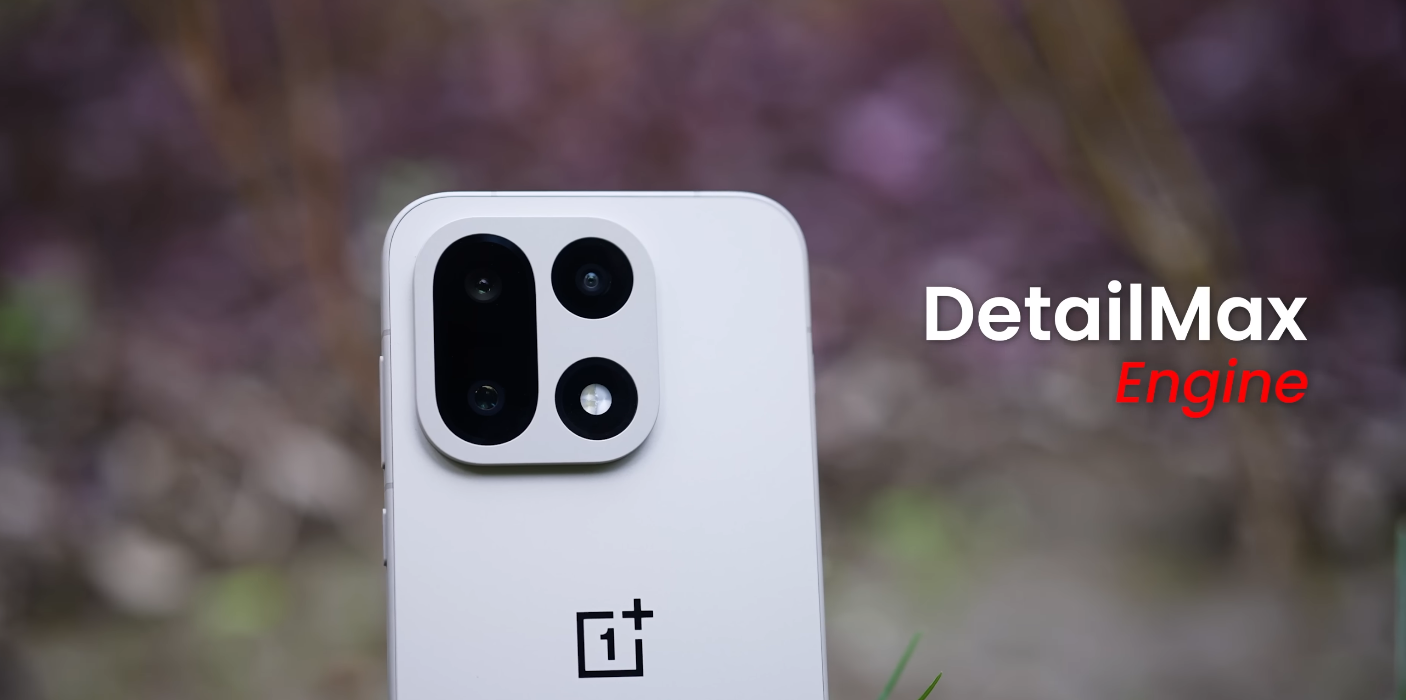
Low-light and motion capture are areas where the OnePlus 15 also steps up. A newly introduced “DetailMax Engine” processing system helps reduce blur, improve clarity and maintain subject sharpness even when lighting is less than ideal or action is involved.

For video enthusiasts the phone remains highly capable. It supports 4K recording at 120 fps, allows smooth transitions between lenses while zooming and offers comprehensive manual controls to tailor footage as needed.

There are minor drawbacks to acknowledge. In very dark environments the telephoto chamber falls behind some rivals in terms of sharpness and capture speed. Holding the phone steady or using a tripod helps in those conditions.

From the perspective of UK users this means the OnePlus 15’s camera system stands among the top tier within its price bracket. It delivers robust performance across daylight, zoom, ultra-wide and video scenarios, making it a very compelling choice if photography is a priority.

In short: if you’re looking for a smartphone that truly takes your photography seriously, the OnePlus 15 offers near-flagship level camera performance in a versatile and balanced package that doesn’t compromise elsewhere.

OnePlus 15 display revealed: 6.78″ 1.5K 165Hz screen in flagship league

OnePlus 15 display revealed: 6.78″ 1.5K 165Hz screen in flagship league

A serious next-gen panel that puts OnePlus at the front of visual innovation

The OnePlus 15’s display specification has now been officially revealed ahead of its global rollout, and the headline figure instantly signals a shift into aggressive flagship territory. The device uses a 6.78-inch LTPO OLED panel, with a 1.5K resolution and a peak refresh rate that goes up to a massive 165Hz. This is the type of spec that pushes display expectations for Android buyers, including here in the UK where premium visual quality remains one of the biggest upgrade triggers.

What also stands out is the adaptive refresh logic. This panel is not locked at a fixed extreme refresh mode. Instead, the glass can dynamically step all the way down to single digit refresh ranges in static content. That gives UK users smoother visuals when needed, but still supports efficient battery behaviour when reading text or checking banking apps. It is a smart blend of premium specification and practical engineering.

Brightness is another talking point, because the OnePlus 15 panel targets levels that place it in direct conversation with the very top tier. Sunlight readability is a critical requirement for buyers in Britain due to varying daylight brightness, and this is one of the areas where mid-range displays still struggle. The new panel supports significantly higher peak luminance and better sustained brightness for outdoor environments.

OnePlus 15 display revealed: 6.78″ 1.5K 165Hz screen in flagship league

The size at 6.78-inches puts this model firmly into the large flagship category. Yet OnePlus has reportedly trimmed bezel thickness further, resulting in a more immersive field of view without increasing footprint dramatically. This matters because UK smartphone usage trends show more long-form video watching and more full-screen map navigation, and larger visual real estate simply suits the way people actually use their devices now.

Resolution choice is interesting too. OnePlus is not chasing 2K in this generation, but the 1.5K sweet spot is becoming a technically credible compromise because of how efficient pixel management and anti-aliasing have improved. Real world difference between 1.5K and 2K is less visible than it used to be, while the energy gains and thermal headroom are tangible in extended use situations. This new balance aligns with how premium devices are being optimised going forward.

Touch responsiveness has also been raised in this generation. The display is tuned for lower latency interaction during gaming and rapid UI tasks, meaning gesture recognition is more consistent under heavy performance loads. That makes a noticeable difference when navigating rapidly or when switching between apps in multi-tasking scenarios. This tier of responsiveness used to belong only to gaming-branded devices.

Colour reproduction is another asset. OnePlus is using a more advanced calibration pipeline that should deliver improved colour accuracy across SDR and HDR content. UK users will likely see this most clearly in natural skin tones, dynamic skies, and more consistent shadow detail when streaming premium content. The colour profiles are designed to be neutral rather than overly saturated, which suits modern professional-leaning flagship styling.

Importantly, the brand has kept a curved-edge moderation approach. The curvature is present, but it is not extreme, which helps reduce accidental presses and maintains predictable touch behaviour near the perimeter. Many premium buyer surveys in the UK still show mixed feelings about aggressively curved screens, so this more measured profile is likely to be better accepted.

Heat distribution under brightness is another functional improvement. Thermal spreading layers beneath the OLED have been structurally improved, which supports sustained brightness without excessive panel dimming. That means watching content at elevated brightness levels is more stable. It is another subtle but meaningful step into premium-class display engineering.

Overall, the OnePlus 15 display reveal marks a shift in the brand’s identity from “affordable-flagship spec for less” into “true flagship tier front bench contender”. Its panel plays directly into user experience rather than spec sheet marketing. If the rest of the device maintains this level of execution, then the screen alone gives it a legitimate claim to stand among the best phones available — not beneath them.

Also Read:  Galaxy M17 5G compare: 4 GB vs 8 GB variant – which to choose?

Nvidia’s H200 Chip: A Glimmer of Hope for China Trade as Blackwell and Rubin Remain Restricted

Nvidia's H200 Chip: A Glimmer of Hope for China Trade as Blackwell and Rubin Remain Restricted

A Strategic Nuance in US-China Tech Relations: Nvidia’s H200 and the Geopolitics of AI

The intricate dance of global technology and geopolitics has once again taken a fascinating turn, with recent reports indicating a potential easing of restrictions on Nvidia’s H200 chips for export to the lucrative Chinese market. This development, attributed to the Trump administration, signals a nuanced approach in the ongoing technological rivalry between the United States and China, raising questions about future trade dynamics. It represents a subtle shift, allowing certain high-performance computing components to cross borders while maintaining strict controls on the most advanced innovations.

For Nvidia, a global titan in the realm of graphics processing units (GPUs) and AI accelerators, this decision offers a significant albeit limited opportunity. China remains a colossal market for advanced computing hardware, vital for its burgeoning artificial intelligence initiatives, extensive data centres, and ambitious technological advancements. Partial access to this market, even with specific product limitations, could provide a substantial boost to the company’s revenue streams and market presence.

However, the narrative is far from a complete liberalisation of tech trade. Crucially, the door remains firmly shut for Nvidia’s next-generation architectures, namely Blackwell and Rubin. These represent the absolute vanguard of AI computing power, designed to handle the most demanding and complex workloads imaginable, pushing the boundaries of what is currently possible in artificial intelligence and high-performance computing. Their continued prohibition underscores a clear strategic intent.


The H200, while undeniably a formidable piece of technology, occupies a specific tier within Nvidia’s extensive product portfolio. It is an incredibly powerful AI accelerator, built upon the Hopper architecture, offering significant improvements in memory bandwidth and capacity over its predecessors. This makes it highly sought after for training large language models and other sophisticated AI applications that demand immense processing muscle.

The strategic rationale behind permitting H200 exports, yet banning Blackwell and Rubin, appears to be a delicate balancing act. It allows US chipmakers to retain some market share in China, preventing a complete economic disengagement that could harm American businesses. Simultaneously, it aims to impede China’s access to the very latest and most potent AI hardware, thereby striving to maintain a technological edge, particularly in areas with national security implications.

Also Read:  Paramount’s Surprise Move: Why This Streaming Battle Spells Trouble for UK Viewers

This policy reflects a careful consideration of dual-use technologies – those with both civilian and military applications. While the H200 can power advanced AI research in civilian sectors, its capabilities are deemed less strategically critical than the cutting-edge Blackwell and Rubin architectures, which could potentially accelerate military AI development to an unprecedented degree. This distinction is central to the observed export controls.

China’s domestic semiconductor industry has been making considerable strides, heavily incentivised by international restrictions to achieve greater self-sufficiency. Access to chips like the H200, even with their limitations compared to unreleased architectures, can still bolster China’s technological ecosystem. It provides immediate, high-performance solutions for immediate AI and data processing needs, buying time for indigenous innovation to mature.

The implications for the global semiconductor supply chain are profound. Such targeted restrictions necessitate intricate compliance frameworks for manufacturers like Nvidia, who must navigate a labyrinth of international trade laws and geopolitical sensitivities. This environment fosters uncertainty but also drives innovation in new markets and encourages diversified manufacturing strategies to mitigate risks.

From a UK perspective, observing these developments in US-China tech policy is crucial. The global technology landscape is deeply interconnected, and shifts in major trading relationships have ripple effects that can influence supply chains, investment decisions, and technological competitiveness across Europe. Ensuring a stable and predictable international trade environment remains paramount for fostering innovation and economic growth.

The ongoing saga of US-China tech rivalry, epitomised by these chip export decisions, will undoubtedly continue to shape the future trajectory of artificial intelligence and high-performance computing. While the H200 offers a limited avenue for continued engagement, the unwavering ban on Blackwell and Rubin signals a clear commitment to controlling the ultimate frontier of AI power, defining the contours of technological competition for years to come. This strategic granularity in export policy underscores the complexities inherent in managing both economic interests and national security imperatives in the 21st century.

OnePlus 15 best user settings for smooth performance & battery life

OnePlus 15 best user settings for smooth performance & battery life

Optimising the OnePlus 15 for Daily Use

The OnePlus 15 already delivers excellent performance and strong endurance, but choosing the right settings can make it even smoother for everyday UK use. Adjusting a few system options ensures you get fast response times, better stability and long battery life without compromising the user experience.

A good starting point is display configuration. While the phone supports a very high refresh rate, letting it run on its adaptive mode helps balance smoothness with power efficiency. This allows the screen to shift intelligently between high refresh rates for scrolling and lower levels for static content, preserving battery life during normal use while keeping the interface fluid.

Next, managing background activity improves both responsiveness and endurance. Restricting unnecessary apps from running in the background prevents excessive battery drain and reduces memory load. Apps that are not used frequently can be set to “optimized” mode, allowing the system to manage them dynamically. This ensures the phone allocates resources only where needed.

OnePlus 15 best user settings for smooth performance & battery life

Battery settings also play a key role. Enabling features like “Optimised Charging” helps maintain battery health during overnight charging by slowing the final few percentage points. Adaptive battery management learns your daily habits, ensuring the phone preserves power for the apps you use most. These small changes support long-term battery reliability and reduce wear over the years.

For users who want a cleaner experience, disabling certain animations can make the system feel faster. While the OnePlus 15 is already snappy, reducing animation durations gives a more immediate response when switching apps or navigating menus. This adds to the overall perception of speed without affecting functionalities.

Network settings can also influence battery life. Keeping 5G enabled is useful when you need fast data, but in areas with weaker coverage it may consume more power. Allowing the phone to switch intelligently between 4G and 5G ensures it uses the most efficient connection available. Wi-Fi optimisation and turning off wireless scanning further help in extending battery performance when indoors.

Location services benefit from careful management as well. Setting apps to use location only when necessary stops constant background access, which can otherwise drain the battery. The OnePlus 15 handles permission prompts well, making it easy to ensure only trusted apps have continuous access.

In addition, reviewing app notifications can streamline your experience. Reducing unnecessary alerts not only cuts distraction but also saves power by limiting background wake-ups. Apps that constantly send prompts can be muted or restricted to deliver notifications only when opened.

For gaming or heavy tasks, using the built-in performance mode can deliver extra smoothness. This mode increases responsiveness and ensures consistent frame rates, but it should be used selectively as it consumes more power. For general use, standard balanced mode already provides excellent speed without compromising endurance.

System updates should be kept current. These updates often include stability improvements and battery optimisations that help the phone run more efficiently. Ensuring automatic updates are enabled keeps performance consistent without requiring manual checks.

Lastly, managing brightness effectively has a noticeable impact on battery life. Allowing the adaptive brightness system to adjust based on your surroundings keeps the screen comfortable while avoiding unnecessary power usage. For UK users who move frequently between indoors and outdoors, this feature works well to strike the right balance.

By combining these settings, the OnePlus 15 becomes smoother, more efficient and more stable in everyday UK usage. The device is capable out of the box, but thoughtful configuration helps it deliver both peak performance and long-lasting endurance with minimal effort.

OnePlus 15 fast charging myth-busting: heat, battery impact & reality

OnePlus 15 fast charging myth-busting heat, battery impact & reality

Understanding Fast Charging on the OnePlus 15

The OnePlus 15 brings one of the fastest charging systems seen on a mainstream flagship, and UK buyers naturally have questions around heat, long-term battery health and day-to-day practicality. With wired charging reaching extremely high speeds in supported regions, there are several myths that need clearing up for anyone considering the device as their next upgrade.

One of the most common concerns is that fast charging rapidly damages batteries. On the OnePlus 15, this isn’t reflected in real-world behaviour. The large battery capacity and controlled charging system work together to reduce deep discharge cycles, meaning users don’t need to run the device down completely before topping up. In everyday use, the battery shows strong endurance and consistent performance without signs of excessive stress.

Heat is another area where myths often dominate the conversation. While any fast charger naturally generates warmth, the OnePlus 15 manages thermal output effectively under normal conditions. When plugged in for a quick top-up, the device tends to remain comfortable to the touch. As with any phone, heat rises only when charging is combined with heavy use such as gaming or long periods of high brightness.

OnePlus 15 fast charging myth-busting heat, battery impact & reality

Some users believe that the fastest charging mode should always be used. In practice, the OnePlus 15 benefits from flexibility. The included charger ensures the safest and most efficient performance, especially in cooler indoor environments. UK owners who rely heavily on public or mixed chargers may notice slower speeds, but the battery still tops up reliably without added risk.

Wireless charging introduces another myth: many expect it to match wired performance. The OnePlus 15 supports high-speed wireless charging, but wired remains the quickest and most controlled method. Wireless pads provide convenience on desks or night-stands, but they often generate slightly more surface heat and require longer to reach the same battery level.

Battery lifespan is also influenced by everyday habits rather than charging speed alone. The large capacity of the OnePlus 15 means users are less likely to drain the device fully between charges. Short top-ups throughout the day help avoid battery stress, and the phone’s management systems regulate power flow automatically. UK buyers who adopt moderate charging patterns will find the battery remains healthy for long-term use.

The device performs especially well in typical UK conditions where ambient temperatures remain moderate. Avoiding extreme heat, such as charging inside a hot car or under a duvet, prevents unnecessary strain. The system adapts its charging curve based on temperature and battery percentage, adding another layer of protection.

Using the official charger is also important for achieving predictable results. Fast charging requires accurate communication between the power brick and the phone, and third-party chargers may be limited in speed or consistency. The supplied unit is designed specifically for this battery and charging profile, ensuring safe and stable operation.

For overnight charging, users don’t need to rely on maximum speeds. The phone can easily complete a full top-up at a calmer pace, reducing thermal output and providing a cooler battery by morning. Those who prefer daytime boosts can take advantage of the fast system, gaining hours of use in a short session.

Overall, the OnePlus 15 offers a mature fast-charging experience that balances speed with smart protection. The myths around battery harm, overheating and excessive stress don’t match the measured behaviour of this device. For UK buyers, the combination of large capacity, efficient hardware and controlled charging makes it a reliable option for heavy daily use.

In the end, fast charging on the OnePlus 15 is more about convenience than compromise. Used sensibly, it shortens downtime, extends everyday practicality and maintains long-term battery health without the drawbacks commonly associated with high-power charging systems.

OnePlus 15 audio review: stereo speakers, sub-woofer, immersive sound?

OnePlus 15 audio review stereo speakers, sub-woofer, immersive sound

Evaluating the audio hardware and experience of OnePlus 15 for UK users

The OnePlus 15 officially lists “stereo speakers” in its multimedia output specification, which sets it in the flagship segment where dual-driver audio is expected. For UK buyers, this means you’ll get true left/right sound output rather than a single-speaker compromise, which improves immersion when watching videos or playing games on your device. The wider soundstage is a genuine benefit over many mid-range phones.

Despite the stereo claim, the documentation does not clearly indicate the presence of a dedicated sub-woofer or separate low-frequency driver. In smartphones, a true sub-woofer is rare — the physical size constraints make deep bass difficult to deliver at flag-ship levels. As such, while the OnePlus 15 will deliver better performance than typical single-speaker setups, the “deepest” bass may still be limited compared with external speakers or more full-size audio systems.

In real-world UK use, the OnePlus 15 speaker setup should hold up well for everyday media consumption: streaming shows, listening to music casually, playing mobile games, and making video calls. The stereo separation will help when the phone is held in landscape mode, and the likely improvements in speaker volume and clarity mean decent performance in living areas, public transport, and urban environments.

OnePlus 15 audio review stereo speakers, sub-woofer, immersive sound

However, for users who care about rich bass impact (for example, watching action films with rumble, listening to bass-heavy music with tactile low end, or using the phone as a main audio source in a room) there will still be limitations. Smartphones simply cannot match the acoustic volume and depth of dedicated speakers or even some audio-focused premium phones with large speaker systems. The OnePlus 15 may incorporate acoustics tuning and speaker chamber enhancements, but unless explicitly including a sub-woofer, those low-frequency gains will be incremental.

Comparing it with other flagship models: Many high-end phones now emphasise audio (sometimes with branded tuning like Dolby Atmos, multiple speaker drivers, and enhanced speaker volume metrics). The OnePlus 15 appears broadly competitive — it meets the expected staple (dual stereo speakers) — but may not lead if you benchmark purely on audio system specifications. The difference may show up in bass depth, loudness headroom, or extreme volume performance.

From a practical standpoint in the UK: if you’re selecting a flagship phone and audio is a secondary feature behind display, camera and performance, the OnePlus 15 offers very good sound quality for its class. But if your priority is audio-first or you expect flagship-level bass and speaker power akin to a mini-stereo, then you may want to test the speakers in-store, or compare with models known for standout audio systems.

In summary: the OnePlus 15 delivers strong audio performance consistent with what “flagship” implies — stereo speakers, good clarity, immersive output in typical use. It does not explicitly include a sub-woofer, so the deepest bass levels may not reach specialist audio-device levels. For most UK buyers the audio will be more than adequate; for audiophiles or cinema-level expectations, some limitations remain.

OnePlus 15 UK carrier deals: O2, EE, Vodafone compared

OnePlus 15 UK carrier deals O2, EE, Vodafone compared

Comparing major UK carrier contract offers for the OnePlus 15 handset

On the arrival of the OnePlus 15 in the UK market, many buyers will naturally compare deals across the big three networks — O2, EE and Vodafone — rather than just buying outright. The key in these comparisons is to examine not just the headline monthly cost, but the full cost of ownership, data allowance, handset subsidy, contract length, and network quality. These factors collectively determine whether a deal is genuinely good or just seems good.

Starting with O2: they typically include competitive zero-upfront offers on premium handsets, combined with mid-to-large data buckets, especially for customers upgrading or trading in old devices. For the OnePlus 15 on O2, you should check whether you receive a handset payment plan rolled into your monthly fee, and whether that fee includes full unlimited or large data. UK buyers often prioritise coverage in urban and suburban settings, and O2’s network remains a strong choice for everyday reliability. If the deal includes large data, roaming or extras (streaming services) then it becomes compelling. However if the phone cost is high or the contract long (30+ months), the effective cost may creep up.

With EE, the focus often shifts to network performance premium and extra perks. EE tends to bundle faster 5G access and better overall network reach in many UK regions. For the OnePlus 15 deal on EE, check upfront cost (it may be higher) and the handset-charge portion of each monthly payment. If the data allowance is only moderate yet the total monthly cost is high, you might pay a premium for the “top network” label. For buyers who live in fringe areas or travel often, the network advantage may justify the extra spend. But for many UK city/suburb users, a strong value network may cover you adequately.

OnePlus 15 UK carrier deals O2, EE, Vodafone compared

Looking at Vodafone: they often provide strong international and roaming support, which appeals to travellers and business users in the UK who go overseas. A OnePlus 15 deal on Vodafone may include trade-in discounts or early upgrade options. Again check the handset portion and data layer. If you’re going to use large mobile hotspot allowances and roam frequently, Vodafone’s offer may stand out. But if you’re focused purely on domestic UK day-to-day use, the extra cost may not deliver proportionate benefit.

When comparing all three carriers for the OnePlus 15, always calculate the total cost of ownership. That means adding: upfront payment (if any) + monthly handset payments x contract months + plan cost x months. Then compare that to buying the phone outright SIM-free and choosing a separate SIM-only plan. Many times, the difference in total cost is smaller than consumers expect, especially when high data allowances or premium networks inflate monthly payments.

Another often-overlooked factor is the contract term. Many handset deals now run 30 or 36 months. If you’re someone who upgrades handsets every 12-18 months (common in UK urban tech-savvy users), a longer contract means you’ll pay for values you won’t use. Shorter contracts or flexible upgrade options are better. If one of the carriers offers a 24-month handset/Wireless plan bundle for the OnePlus 15 with low upfront and large data, that could deliver better value for the typical upgrade cycle.

Also check trade-in offers. All three networks often allow you to trade your previous handset and apply a discount to the new deal monthly or as an upfront rebate. If you have a recent flagship to trade, this could reduce the effective cost of the OnePlus 15 significantly. But read the fine print: condition of trade-in, amount credited, and whether you’re locked into a more expensive data tier to qualify.

In summary: if you get a OnePlus 15 deal on O2, EE or Vodafone that offers low upfront cost, manageable monthly handset payment, reasonable large data allowance and you’re comfortable with the contract length (preferably 24-30 months), then the deal may be very good. However if the data is modest, the network benefit is marginal for your situation and you’re locked in for 36 months, the carrier deal may deliver less value than buying outright and picking a good SIM-only plan separately. Evaluate your usage pattern, upgrade cycle and data needs carefully before jumping into one of these offers.

OnePlus 15 software bloat-ware check: clean or cluttered experience?

OnePlus 15 software bloat-ware check clean or cluttered experience

Examining the user interface and system environment

The OnePlus 15 continues the company’s focus on delivering a polished software experience through OxygenOS, which has been a defining element of the brand. For many users, the degree of bloatware and pre-installed applications plays a crucial role in determining long-term satisfaction. The software environment can influence performance, battery efficiency and general usability. As the OnePlus 15 moves into global markets, the question of whether it offers a clean or cluttered experience has become increasingly relevant.

OxygenOS on the OnePlus 15 is built on top of the latest Android version and presents a streamlined visual approach, with an emphasis on quick navigation and minimal friction between actions. The core interface maintains a tidy structure, with familiar layouts, refined gestures and responsive menu transitions. The home screen and settings environment feel familiar to long-term Android users and provide a sense of clarity that supports productivity-focused use.

One of the distinguishing characteristics of the OnePlus software environment has been its approach to balancing extra features with performance. The OnePlus 15 continues this balance by including utility-focused additions such as enhanced battery optimisation tools, system-level performance modes and personalisation settings. These features are integrated in ways designed to avoid overwhelming the user, allowing deeper control without requiring immediate interaction.

OnePlus 15 software bloat-ware check clean or cluttered experience

However, some pre-installed applications are present within the system. These include standard utility apps and a small number of third-party services that appear by default. Most of these applications can be uninstalled or disabled, offering users the ability to customise their environment to suit personal preferences. The presence of these apps does not significantly impact day-to-day performance, though users who prefer a completely minimal setup will likely remove or hide them.

In global models, the system does not emphasise promotional content or frequent advertisements within the core interface. The app drawer, notification shade and system menus remain clean, with no aggressive pushes toward external services. The software behaviour is designed to remain consistent without introducing interruptions. This contributes to a more refined user experience that aligns with expectations for premium hardware.

The OnePlus 15 also focuses on app launch speed, background resource handling and task continuity. These elements work together to reduce lag and maintain responsiveness even when the device is under heavy use. The absence of excessive system-level overlays and redundant background processes means resources are allocated efficiently. This reinforces the perception of OxygenOS as a performance-optimised platform rather than a heavily layered interface.

Customisation options remain an important aspect of the OnePlus experience. Themes, icon sets, animation speed adjustments and colour accents are available without requiring external downloads. These features allow users to tailor the aesthetic of their device without adding unnecessary software weight. The interface is designed to feel personal without forcing customisation.

Software support plays a role in how the interface evolves over time. The OnePlus 15 is expected to receive multiple major system updates and extended security patch coverage. This ongoing support ensures that the user interface remains stable, secure and adaptable to new features introduced in future Android releases. Long-term support strengthens the value of the device for users who prefer to keep their phone for several years.

While the OnePlus 15 aims to deliver a clean software environment, it does not attempt to replicate the pure stock Android approach found on devices that prioritise minimalism above all else. Instead, it combines a curated set of enhancements with a focused design structure. This approach makes the software engaging without introducing unnecessary clutter. For most users, the balance will feel comfortable and efficient.

In everyday use, the OnePlus 15 provides a software experience that leans towards clarity and performance rather than heavy customisation or pre-loaded content. The presence of a few removable pre-installed apps does not diminish the overall impression of a clean interface. The system remains coherent, fluid and free from persistent or intrusive elements, making it suitable for both work-oriented and casual usage patterns.

OnePlus 15 resale value: smart buy or value trap?

OnePlus 15 resale value smart buy or value trap

How OnePlus 15 holds value in the used market for UK buyers

The OnePlus 15 is now in the same tier as top-tier flagships, and UK buyers who want to pick one up are also thinking more seriously about what happens one year later. Resale value is becoming a major element for high-end phones because most users upgrade sooner than they used to. Resale strength determines whether a flagship is a smart investment or a costly gamble when the next generation cycle arrives.

Many UK power users upgrade yearly or every eighteen months, and that shift means resale value is directly connected to total cost of ownership. When a device retains importance on the used market, the effective price becomes lower because a portion of the spend returns when you sell it. When value collapses too soon, ownership cost becomes higher even if the phone itself was good while using it.

With OnePlus 15, this generation introduces hardware and design decisions that bring the brand closer to the top front bench. This matters for resale perception because UK buyers no longer see this model as a cheaper alternative to heavyweights. It is now seen as a peer. That perception change is essential because it influences how much someone will pay for the device second-hand.

OnePlus 15 resale value smart buy or value trap

However, Android phones in general are known for sharper value decline than some competitors. That means OnePlus 15 must prove its long-term software support consistently in order to protect value. Update commitment and long update reliability can keep the phone relevant in year two. If the security and platform patches remain stable, the device will retain more of its appeal across UK buyers in the used market.

Battery endurance and charging consistency also matter for resale. UK second-hand buyers care about practical reliability first. If the battery health remains strong over extended usage, then demand will remain healthy. High wattage charging is one of OnePlus strengths, but long term battery management modes must keep wear controlled, because battery degradation is one of the fastest value killers in second-hand phones.

Another big variable is variant selection. This is extremely important for UK buyers. If someone purchases a non-UK variant, the resale will collapse because not all imported models support the same band mix or eSIM behaviour. A UK buyer wanting to sell later must start with a UK/EU supported model. If the OnePlus 15 purchased is not the correct model, then the resale value will drop hard at sale time.

Condition also plays a huge role, especially when the device approaches the end of first year ownership. A OnePlus 15 kept with screen protection, case protection, and clean battery health tracking will fetch a better percentage at resale in UK used markets. Small cosmetic damage has become a major price reducer during recent years because buyers expect premium flagships to feel premium even when second hand.

Pricing also depends on whether a new successor appears early. If the next generation comes with major headline upgrades and arrives quickly in the UK, then resale value of this generation will soften. If the successor cycle stretches further, then the OnePlus 15 will have more time in the spotlight. Timing of listing a used unit at the right month can make a significant difference in the final resale.

Overall, if UK buyers purchase the correct regional variant and maintain condition well, then the OnePlus 15 can be a smart buy with better resale potential than many earlier models from this brand. If the wrong variant is purchased, or if care is ignored, then it quickly becomes a value trap.

OnePlus 13 Reviews After 3 Week Used

I’ve been using this phone for about three weeks now. It’s really good. But OnePlus 13 also really exciting because it has three features that will be trends in smartphones for all of 2025.


It has a 6,000 milliamp-hour battery


If this phone isn’t for you,there’s goingg toa be a lot more phones like it that are good, which is sick. So those three things are the incredible battery, the chip, and the record-breaking display. So let’s get right into this battery. It’s an easy place to start. This is the OnePlus 13, and it has a 6,000 milliamp-hour battery. This perfectly reasonably sized, kind of slim phone without being super thick has a battery double the capacity of the Galaxy S8. So if you’ve been keeping track of phone battery sizes for the past few years, you might be wondering what is happening? Like, how is this jump all of a sudden happening with a bunch of phones.


These new batteries, without getting too technical, they are still lithium-ion batteries, but with a new silicon carbon anode. But the results have spoken for themselves.They’ve been bangers. More energy density. So pretty much great all the way around. It’s also pretty new, so this is a bit of an expensive technology. So it’s gonna be in flagships mostly to start, but this is the first part of a wave of new phones shipping with them.


This will be great for small phones having better batteries. This will be great for folding phones like we’ve seen already with the Honor Magic V2, which is impossibly thin but has 5,000 milli AMP – hours of capacity. And that is absolutely how we got this OnePlus 13 being thinner and lighter than the OnePlus 12. It was honestly hard to find a day to challenge it and try to drain the whole thing. The truth is, even with my high brightness use,and plenty of multitasking, this is a two-day phone at 120 hertz, and I turned it up to high resolution.


I had days of, like, hours of, you know, GPS navigation, high brightness, a whole bunch of stuff happening, Bluetooth streaming, a whole ton, and I’d end the day with six hours of screen-on time, and I’d still have 35% battery left. So I basically can’t kill it in a day. It’s sick. But when it finally does get low, it has 80-watt fast charging, so it can go from zero to 100 in 36 minutes, and it supports 50-watt wireless charging with the right charging pad. This is the best that smartphone batteries have been since the modern smartphone.


Snapdragon 8 Elite chip in this phone


This is the Snapdragon 8 Elite chip in this phone. And, you know, this new chip comes out every year from Qualcomm, and a bunch of us flagships use it. We see, you know, 5% improvements here, 10% improvements there if we’re lucky, and that’s respectable. But this year the improvement over last year’s best has been way bigger. It scored 36% higher on the AnTuTu benchmark, and 44% higher on the single-core Geekbench. It jumps up 14% on 3DMark. Like, this thing is putting up Wilt Chamberlain numbers; I’m loving it.


Now, if you’re just opening up Instagram or flipping through emails, it kind of sounds like none of this is gonna matter, and you’d mostly be right. But I love to see this type of jump on both power and efficiency because it means if you’re pushing a chip. But if you aren’t gaming and you are just bouncing around casual apps or scrolling Blue Sky or emailing or whatever, it turns out your battery efficiency gets much better, too. ROG Phone 9 Pro, Red Magic 10 Pro, great performers, great gaming phones. I’m pretty sure the Galaxy S25 lineup’s gonna have this chip, and it’s gonna be great, too.


1,600 nits in high brightness mode, and 4,500 nits peak brightness


Is around the front, and it’s this display. Holy nits! So I called this a record-breaking display earlier, which might not mean much because, you know, every year there’s been a new record-breaking phone with the highest max nits. This is another one on that streak. 1,600 nits in high brightness mode, and 4,500 nits peak brightness. And apparently, this is the world’s first display that’s gotten an A++ from DisplayMate, whatever that means.


What you need to know is this is a big display that looks really good all of the time, and it achieves that because, on paper, it does not miss. It’s 6.82 inches corner to corner; QHD+ resolution, so it’s nice and sharp; 120-hertz LTPO. It’s mostly flat wit just the very edges curving over slightly. It just gets insanely bright from corner to corner, and it can get super dim, as well. Plus, it has 2,160 hertz high-frequency PWM dimming for those with sensitive eyes. There’s an ultrasonic fingerprint reader underneath that’s crazy fast.


It also has a new glove mode for increased sensitivity while wearing thin gloves and Aqua Touch 2.0, which does a great job at keeping the screen responsive when there’s water on it, which a lot of older phones struggle with. The peak brightness number, the 4,500 nits, you know, it’s an impressive, very big number, but it doesn’t mean that much. It can’t do that on all of the pixels at once.


Also the OnePlus 12 had the same number. But it’s more just about the crazy full-screen brightness. If you’re out in the sun taking pictures, or if it’s up in your dash, like, this screen gets insanely bright, and it’s surrounded by basically no bezels that are even all the way around. So, look, I’m excited for a bunch of other phones to also be coming out this year with the same impressive big three that this phone has it. They can have this awesome battery, this great chip, and an incredible display.


There are three colors to pick from


The other twoareg build quality and cameras. And this phone does pretty good with those also. So I think the design and build is pretty nice. This is good hardware. There are three colors to pick from. And they do this thing where the base version, is only available in the black, but then the upgraded one for 1,000 bucks you can get in any color, including this nice blue vegan microfiber leather.


It’s kind of soft to the touch, and I like it. But there’s also still an alert slider on the flatter sides, which is a crowd favorite. The vibration motor inside is super good; it’s really precise. And OnePlus has also hilariously leveled up its IP rating, their certification for water and dust resistance. It’s not IP68; it’s IP69. Which means it can be not just submerged but also can sustain high-pressure water jets at extreme temperatures.


OnePlus 13


This phone can survive the laundry or being in the dishwasher if that happens to you. Now, there’s no Qi2 magnets built into this phone, but I really like what they’ve done with their cases. So they’ve got these official cases that have magnet rings in them, and they are basically the exact same diameter as MagSafe. So now this phone with this case on it works with all of my MagSafe accessories. You know, don’t already have an iPhone and a bunch of iPhone accessories lying around. But what it does do is basically unlock a whole world of accessories for this phone. I’ve been using all my MagSafe phone mounts in the car or any MagSafe charger or dock. They all work and just lock right in firmly with the magnet. It’s great.


Maybe the only design downside that I don’t like is the camera bump is kinda awkwardly slightly to one side, but that’s not a huge deal. Speaking of cameras, though, that’s the other pillar. It’s definitely not its strength. And this is kind of, you’ve seen this before. This is the OnePlus story, where they have fast phones, super smooth, great charging, and all that,


OnePlus 13’s primary camera is the 50-megapixel Sony LYT-808 sensor


It’s cameras are a notch below other flagships. It’s not a bad camera; it’s just if you’re gonna have an awesome, specced-out flagship but also undercut the other flagships, then you gotta save a little money somewhere. So the OnePlus 13’s primary camera is the 50-megapixel Sony LYT-808 sensor, essentially the same as the OnePlus 12. It is clearly… Look, it’s gathering a lot of light, and the pictures during daytime and in nice conditions are really nice. It’s even good for a little soft depth of field with close-up subjects.


It does a good job of freezing moving action and has good autofocus. It’s just that performance drops extra hard when the light goes away, which feels like an obvious statement. It’s like saying a tire loses traction when the ground is wet, but it’s just a little worse than other competing flagships here. It gets a little softer, gets a little HDR-y more often with lights, and is definitely a victim of the make-every-dark-photo-look-bright syndrome that we’ve observed in a lot of phones in the past. Then there’s also a 50-megapixel ultra-wide and a 50-megapixel, 3X tri-prism telephoto camera, which offers some space savings over a periscope zoom, but that’s about it. And their performance in the dark is worse than the main camera.


The video quality is definitely passable, though. I like that basically every new flagship phone now can shoot 4K 60 from all three lenses, and this one can also shoot 8K 30 from the main camera. Now with things like AI Unblur and Reflection Eraser, and Detail Booster, some of which work okay sometimes, but also other times they’re still very obviously AI and not that good, and all of which require an internet connection to work.


Android 15 features and a tiny bit of a coat of fresh paint


I remember when it first got announced back in the day and people were wondering if this is gonna be anything special or if it was more along the same lines of what. We’ve seen from like, Sony and Zeiss or Xiaomi and Leica. And to be honest, apart from, some portrait mode stuff and the orange shutter button and a few tweaks to their pro mode, honestly, it’s turned out to be right in line with those.


There wasn’t some dramatic reinventing of color science or suddenly a huge revolutionary new sensor, but it’s just a little bit better than before. It’s fine. I mean, people, again, you’re not buying this phone just for this camera, but it’s not a disaster. It’ll hold up, and it’ll be fine. Now, something you might have noticed,  AI is not yet one of my pillars of a great smartphone. It’s not really close to the list yet, but it is in some of this OS. There are some features with AI built-in; in the camera and some operating system stuff. But honestly, the OS is more important. You could argue that could be a pillar, and I think some people will buy this phone just for the OS. And I think they’d be right.


OxygenOS 15 is still so fast and smooth and brings Android 15 features and a tiny bit of a coat of fresh paint over a lot of things along with some, shall we say, familiar elements. Like they added this little Dynamic Island copycat feature. So, hey, if you liked Apple’s Dynamic Island, well, you’ll feel right at home with the OnePlus 13. They usually call me a bit of a skeptic on a lot of these AI features actually being useful. But in general, like I said, the software, smooth, super fast.

Also Read:  Oppo Find X8 Ultra vs OnePlus 12R display quality