KOSPET Tank X2 Ultra Review

Can a rugged Smartwatch really deliver on durability premium features and a 12-day battery life without breaking the bank cos calls. This the toughest Smartwatch yet packed with features like Bluetooth calling a 1.64 in AMOLED display and military grade build in. This review we’ll put the tank X2 Ultra through its Paces covering the design Performance Health tracking, Battery etc.


The back of the watch has houses the various sensors and charging pins


So, we’ll have a quick look at the design and build up front is the 1.64 in AMOLED display. The body itself is crafted for strength with a unibody stainless steel design giving it a rugged aesthetic Dimensions wise the watch is 34 mm wide 52 mm tall and 14 mm thick and boasts 5 ATM and Ip 69 k waterproof ratings to. The right we have the power/ home button which has this textured finish to it and a speaker Grill cutout.


The back of the watch has houses the various sensors and charging pins and it’s made from a polycarbonate and glass fiber material to the left we have the sport button which lets you access the 150 plus workout and Also there’s another speaker Grill there and the watch comes pre-installed with a silicone strap which is not removable and it feels nice and stretchy popping the watch on I have to say it feels quite comfortable on my wrist because of the curved nature it sits quite snug. Overall I have to say, I do like this more kind of rugged aesthetic to the watch gives it.


An adventurous Vibe the stainless steel will be able to handle whatever you throw at it having worn the watch for a week straight it’s withstood the knocks and bangs of daily life no problem and even in my testing which isn’t the most extreme will be capable of withstanding whatever you throw at it, and the 5 ATM water rating has protected the watch as it should and in my use, I was using it while showering or being outside in the rain and I’ve experienced no issues and to clear the water from, The speaker is simple.


The watch face gallery has hundreds of different watch faces to pick from


Have a quick look at the app itself matter of downloading it signing in setting your parameters and Then straight away we can jump into connecting the watch straightforward process add device watch pops up comes up on the screen of the watch itself and You’re done within seconds had an update so updated the watch which literally took a few minutes.


The watch face gallery has hundreds of different watch faces to pick from and adding them to the watch is simple as picking the one you like and hitting sync and The watch face takes a few seconds to to sync with your watch in more settings. We have options for DND remote shutter find my iPhone and things along those lines phone notifications can be enabled here and will vibrate the watch on incoming calls you can also turn on SMS notifications.


KOSPET Tank X2 Ultra


The app reminder settings lets you pick from various apps that you want to receive notifications for and you can also add your own, if it’s missing from here Health monitoring has an array of options for hot rate settings you can toggle Auto measurements Max and Min hot rate and also frequency from 5 minutes up to 60 Minute intervals and those options are there enough available for all the health monitoring functions like Blood oxygen, Blood pressure stress and mood.


So, loads of different measurements on the sports page we can initiate a workout from here the homepage presents you with all your recorded metrics from your Steps calories sleep, Heart rate blood oxygen and more and You can edit the panel to pick different orders of cards and add or remove from here so customizable as you wish.


The tank X2 Ultra features a slightly curved AMOLED screen


Moving on to the display the tank X2 Ultra features a slightly curved AMOLED screen measuring 1.64 in with a resolution of 280X 456 so that’s a PPI 326. So that’s nice and sharp and it’s protected by Corning Gorilla Glass 3 and when it comes to the settings themselves you have various things here. So, you can change your watch face from here you can adjust the always on display. You can have it from the current watch face or custom and you can pick from the face gallery to whichever one you prefer and works as expected.


you can adjust the brightness you can get quite bright. You can adjust the display duration how long it stays awake for raise to wake tap to wake various options like that you can choose the different themes from list and grid. You can also adjust the toggle effects.


If you swipe to the right, you have your different kind of pages of metrics swiping from the top down presents you with the control panel and you can adjust this. As you please by adding or taking away different options pressing the power button gives you access to all your apps and we have them on the list view the sport button, does what it says on the tin and jumps straight into all your different sports that are available.


You can press and hold on the screen to access the watch face gallery and You can pick as you please some of them do have these kind of interactive widgets on them which you can adjust and pick from different functions. We set this one to battery power hit the home power button again and we’re back to now it’s showing me us the battery power so a fairly straightforward user interface.


HEALTH & FITNESS


Let’s talk health and fitness so with over 170 Sports modes whether you’re into Pilates yoga boxing swimming and so many more it can also detect your movements automatically and give you a nudge to start tracking with smart recognition for six different sports it also has a built-in compass and barometric ulti meter. So that can be handy out in the wild or for hiking you can customize the workout as you please. So I’ll just add badminton here and then it’s available when, I hit the sports button.


I went for an outdoor run to test out how the watch tracks my run dual ban GPS connection took literally around 10 seconds to lock in. I was on my way huffing and puffing the interface is nice and clean showing you your time elapsed distance pace and current hot rate along with a hot range meter and the root R track feature can be super useful. If you’re working out in more remote areas and need to find your way back, So as I said I’ve been wearing the watch for a week.


I have had it on my wrist near enough 24/7. So, we’ll have a look at what it’s actually recorded, and you can see it’s logged all of my different metrics here. We’ll check out sleep first and it’s done a good job of tracking my sleep for the last week gives you a breakdown of different stages deep light Rim sleep and when you were awake, and it matched up perfectly to. When I was falling asleep and waking up in the night if that was happening heart rate you know it’s going to be measuring your heart rate throughout the day however many intervals you’ve set to blood oxygen. You can pick and see at what point what your blood oxygen was and then there stress which, I don’t know how accurate this actually is so we’ll


Have a quick look at the actual run, I did earlier and presented first with a map showcasing the route and what speed I was running at the details panels gives you further breakdown on duration calories Pace Cadence stride length steps and hot rate and the CH page shows you maximum and average hot rate along with hot rate range pace and Cadence graft so it’s Chuck full of information. I did test it out with a free training workout, I appreciate it’s not the longest. I’m not the most exercised type of guy out there but gives you an idea of measuring your heart rate and which stage your heart rate actually falls into.


So we’ll move on to check out what the cool quality on the watch is and to start off we will listen to what it sounds like on the watch itself just doing a call test to see what the quality is like on the speaker coming out the watch itself so just a whole quality check and now we’ll have a quick listen to how the mic performs for the person on the receiving end of the call the mic quality from the watch to another phone to the receiving phone m test 1212 with the watch right close to my mouth and now I have round my see it’s going to be less louder.


Tank X2 Ultra has a 290 Mah battery


It comes to battery the tank X2 Ultra has a 290 Mah battery and coset states that typical usage life, is 8 to 12 Days heavy usage 5 to 7 days with always on display it would be 2 to 3 days, and a GPS workout life is 10 hours. In my experience of wearing, it for a week with 100% battery literally a week later. I have been wearing the watch 24/7 so the watch, now is down to 18% and That was with constant Health tracking sleep tracking and taking multiple calls and mix of always display on and sometimes I turn it off. So, I have to say it has been quite impressive for settings.


You can turn on power saving mode which will extend the battery life further and it limits the watch to only the time your battery percentage and the current date. So, you can’t access anything else so it kind of locks it in and then you can hold the power button to get out of it and charging the watch from empty to full takes roughly 2 hours using the provided magnetic charging cable.


In conclusion after wearing the tank X2 Ultra for a week


So, in conclusion after wearing the tank X2 Ultra for a week, I’ve got a pretty good sense of what it offers the build is undeniably rugged it’s the kind of smart watch that feels like it could survive just about anything that said this design might not appeal to everyone. If you’re into more SLE minimalist Styles, then this one might feel a bit too heavy Dey for you. The display itself is on the narrow side which might take some getting used to but the panel itself is decent, It’s bright enough to see clearly at those and The colors are good for what you’d expect in this price range.


The user interface is simple and easy to figure out nothing fancy but it gets the job done without any confusion and The health and fitness tracking worked well during my testing with no issues. That I could State, and it recorded my measurements throughout the day no problem battery life is where this watch really shines. I’m an Apple Watch series 7 user and I have to charge my watch every night so to go 7 days and still have some battery left which was a massive relief. If you’re someone who say forgets to charge their Gadget regularly. Overall, I think it’s a solid option. If you’re looking for something tough and functional and rugged but it’s not without his quirks whether, it’s The right fit for you really depends on your priorities.


Read Also:

HUAWEI WATCH D2: A Perfect Blood Pressure Moniter Smart Watch

Black Shark Watch X Pro with Hidden Camera

Redmi Watch Move Call test

Labour’s Path to Power: Uniting Behind Starmer Amidst Reform UK Challenge

The Imperative of Unity: Labour’s Stand Against Electoral Fragmentation

The Labour Party faces crucial local elections next year, prompting a stern warning from its deputy leader, Lucy Powell. Her message is clear: unwavering unity behind Keir Starmer is essential to prevent electoral setbacks from Reform UK.

Powell’s intervention urges an end to internal dissent and unproductive criticism. She cautioned against “navel-gazing” or “throwing bricks from the sidelines,” as such distractions undermine party efforts and public image, vital for success.

The call for cohesion is pertinent as the political landscape shifts dramatically. Local elections are a crucial barometer for national sentiment; visible fragmentation within Labour signals vulnerability to opponents and emerging challengers like Reform UK.

Reform UK, though not a dominant national force, can disrupt traditional voting patterns. Their populist appeal, focusing on issues like immigration, draws support from disillusioned voters across demographics, particularly in Labour’s traditional working-class heartlands.

Keir Starmer’s leadership is central to Labour’s aspirations for Downing Street. A united front behind him is crucial for projecting strength and stability. A clear, consistent message from a cohesive party is vital for gaining public trust and electoral momentum.

The party’s ability to “get its message across” effectively before next May’s critical elections hinges entirely on this unity. Without a singular, powerful voice articulating Labour’s vision and comprehensive policy proposals, the risk of widespread misunderstanding or indifference among voters escalates.

Labour’s policy platform, focusing on economic stability, strengthening vital public services, and tackling the cost of living crisis, needs absolute clarity. These bread-and-butter issues genuinely concern ordinary Britons; the party must present itself as the most credible alternative government.

The deputy leader’s admonition is a strategic call to action, urging every Labour member to align with the central campaign. This alignment is vital for effective local canvassing, impactful digital outreach, and meaningful community engagement—cornerstones of successful electoral endeavour.

Effective grassroots campaigning requires a shared sense of purpose and a rigorously unified message delivered consistently by every candidate and volunteer. Any public deviation provides ammunition for rivals, sowing doubt in undecided voters and undermining collective effort.

The impending general election looms large, making upcoming local contests critical testing grounds for strategy and messaging. Performance here will not only influence local governance but also shape the national narrative and momentum into the national contest.

A strong showing, built squarely on robust party unity, would provide Starmer and his team significant momentum and enhanced credibility. This would powerfully reinforce their claim to be a government-in-waiting, ready to lead the nation effectively.

Conversely, any significant losses in these local battles could seriously dampen spirits across the party and invite further scrutiny of its direction. Such setbacks erode confidence internally and among the broader electorate, hindering future electoral prospects.

Ultimately, the choice before Labour is clear: embrace absolute unity and focus relentlessly on delivering a compelling, coherent message to the electorate, or risk fragmenting its essential support base. The party’s future electoral success unequivocally hinges on this crucial decision.

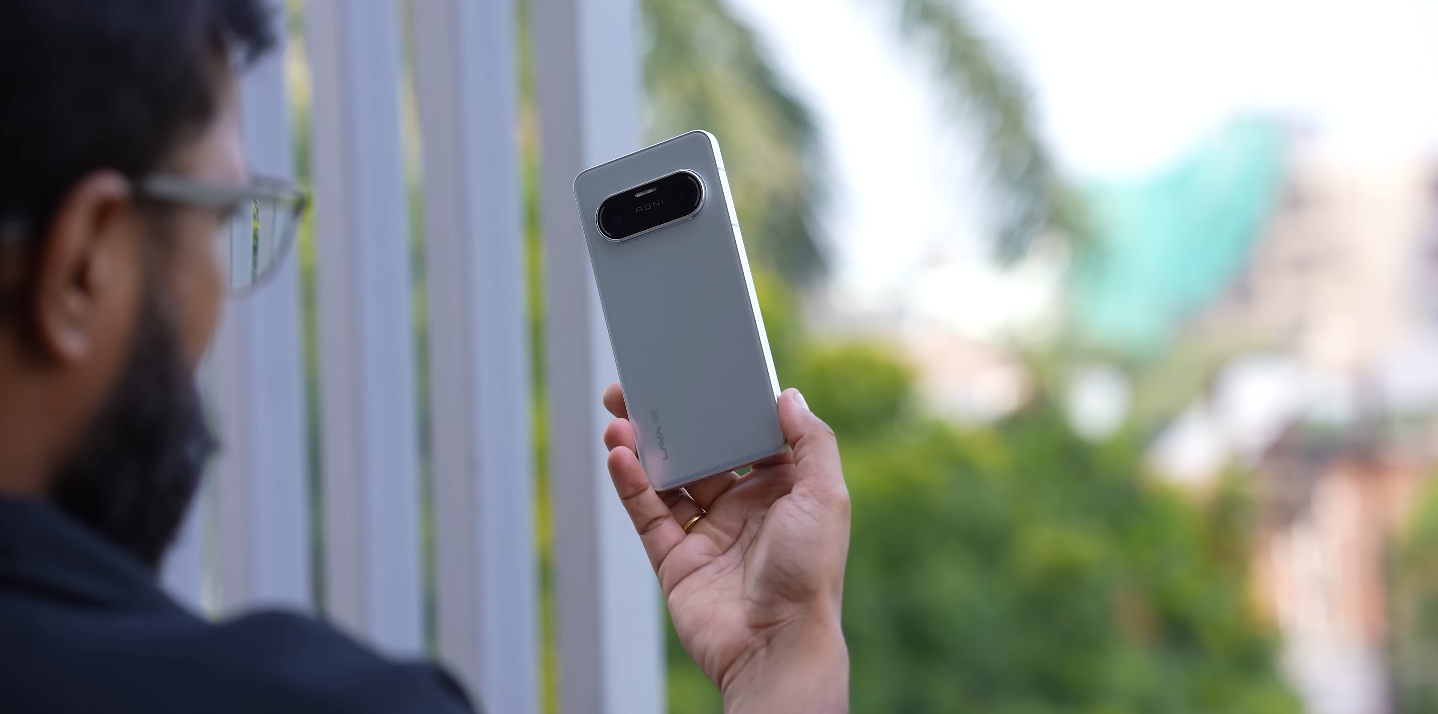
LAVA Agni 4 real-life performance suited for UK content creators

LAVA Agni 4 real-life performance suited for UK content creators

How the Agni 4 performs for creators in the UK

For UK content creators—whether vlogging, short-form social clips, livestreaming or mobile photo essays—the Lava Agni 4 presents an interesting proposition thanks to its strong specs and feature set. Here’s how it stands up in real-life UK conditions for creator-focused workflows.

The camera hardware is a key starting point. The Agni 4 features a 50MP main rear sensor with optical image stabilisation (OIS) and an 8MP ultra-wide lens, plus a 50MP front camera capable of 4K 60fps recording. This means UK creators have solid tools for both rear and front-facing content capture, whether filming outside in daylight or shooting selfie-style clips indoors. Because UK lighting varies (cloudy days, bright daylight, indoor ambient light), the OIS plus high resolution provide flexibility in capturing usable footage without needing a full rig setup.

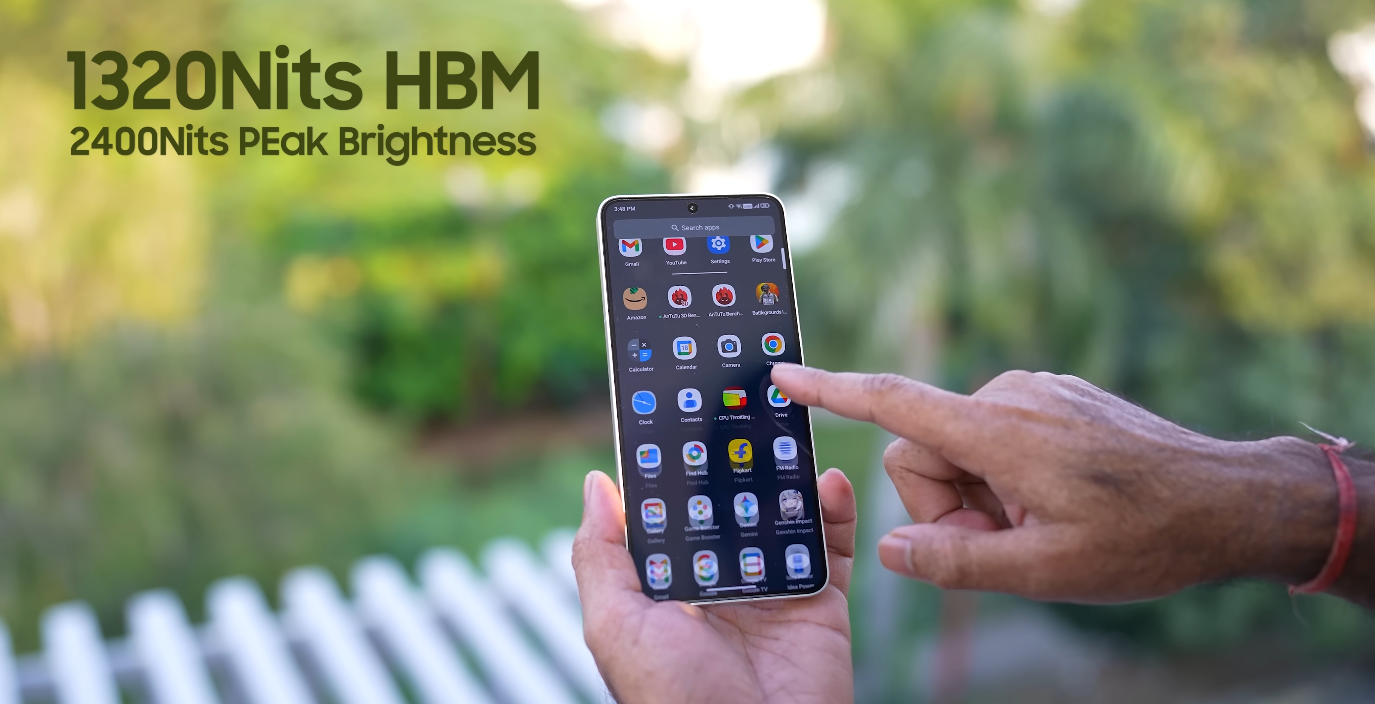
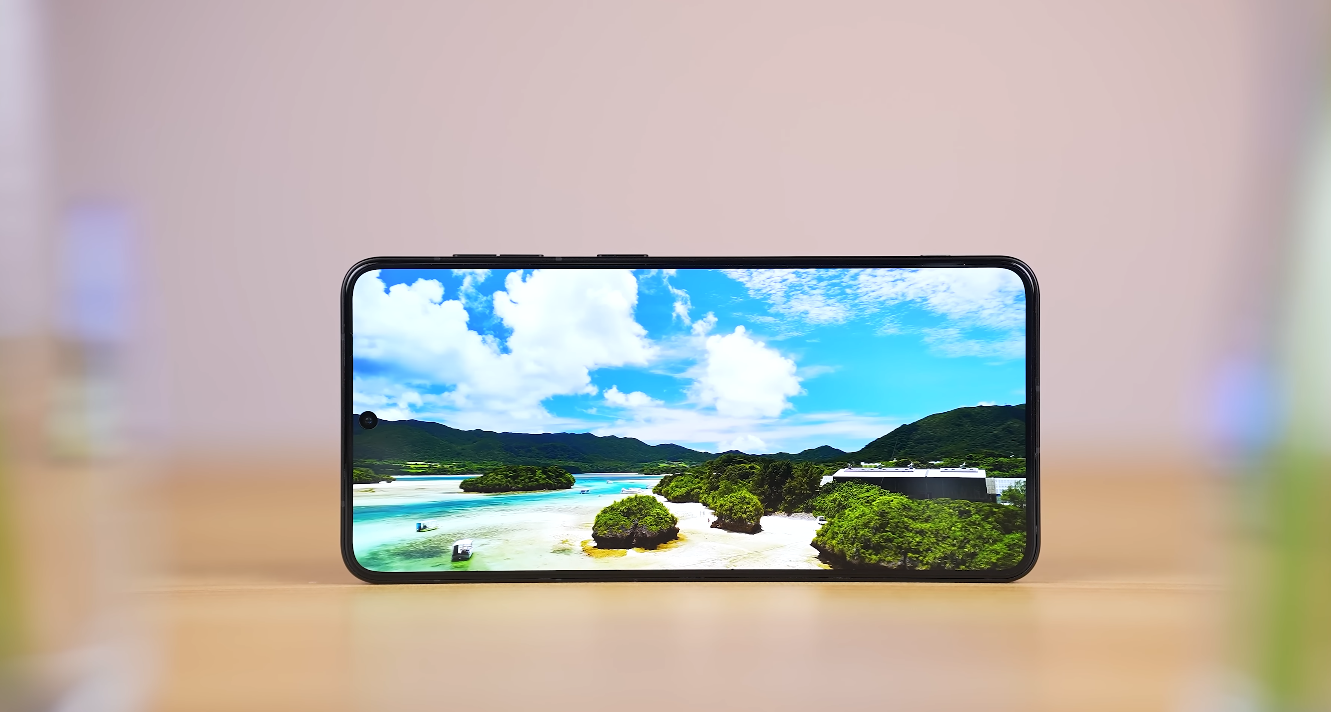
Display and workflow benefits also matter. The phone carries a 6.67-inch AMOLED display with 1.5K resolution, 120Hz refresh rate and claimed peak 2,400 nits brightness. For creators editing on the device (cutting clips, colour-grading short videos, adjusting stills) this level of screen quality is useful: high refresh makes UI smoother, high brightness helps when working outside or commuting. In UK outdoor settings (e.g., urban squares, trains, cafés) the display holds up well against glare and ambient brightness.

LAVA Agni 4 real-life performance suited for UK content creators

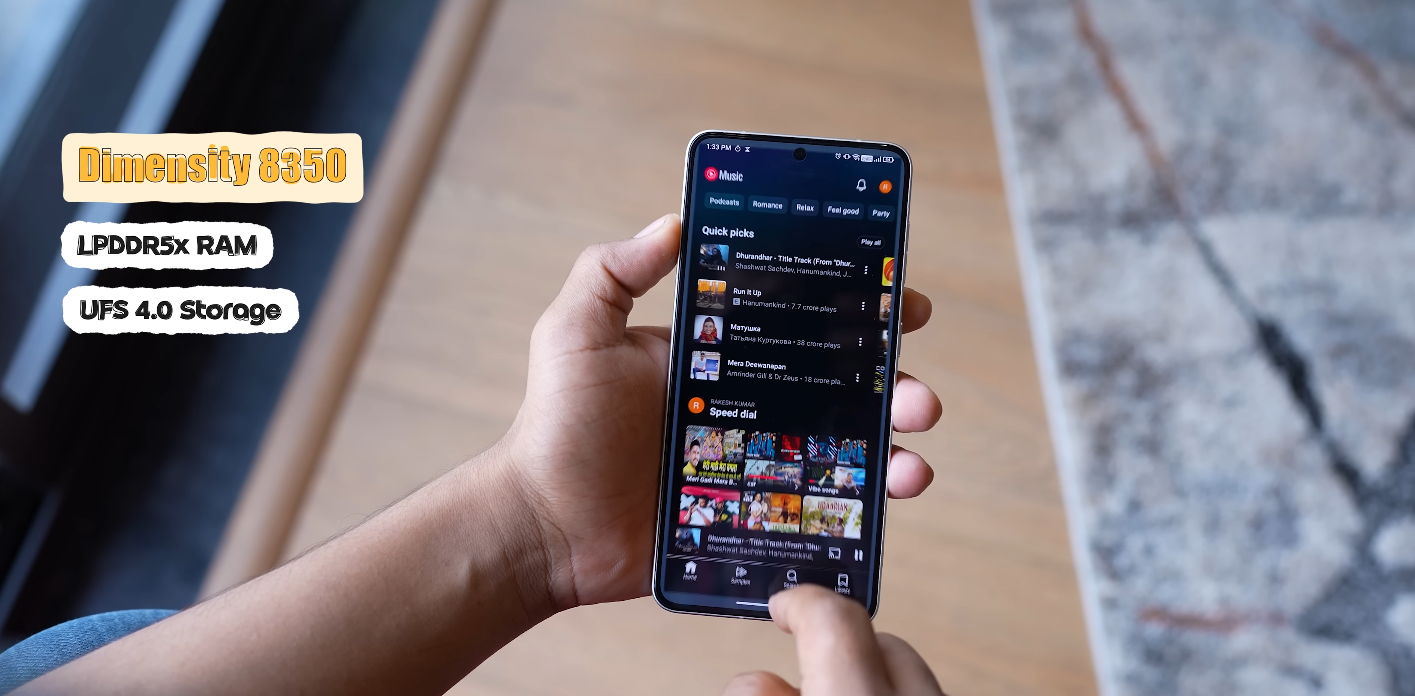
Performance under load is another strength. With the MediaTek Dimensity 8350 chipset, LPDDR5X RAM and UFS 4.0 storage, the Agni 4 ensures fast response when launching apps, editing video, exporting clips or switching between social apps and camera modes. UK creators who shoot on the go, quickly upload to cloud or social, and multitask between capture, editing and upload will find this workflow smoother than many budget phones that lag under heavy use.

Battery-and-connectivity are vital for mobile creators in the UK. The Agni 4 supports modern connectivity (5G, WiFi 6E), meaning uploads are faster when on strong UK networks, and it transitions between mobile data and WiFi effectively. For a creator filming outdoors and then uploading in a café or train station, that connectivity matters. The claimed fast charging (66W) helps recovery if you’re out all day filming and editing. In cooler UK ambient conditions battery efficiency often improves, which is a plus for creators working long days.

However, there are caveats to consider for UK creators. While the hardware spec sheet is strong, real-life performance will depend on software optimisation, network support (UK 5G bands), and camera software tuning (especially for video stabilisation, colour accuracy under UK tungsten or fluorescent lighting). The model is not yet widely established in UK retail, so UK-centric support and service may be less mature than major global brands. Creators requiring long term firmware updates or working in professional settings may want to verify support.

Storage and file management for creators is also worth noting. With 256 GB UFS storage and fast internal speed, the Agni 4 offers enough headroom for raw video clips, 4K footage and editing files. But if you are capturing large volume (e.g., hours of 4K vlog footage) you may still need external backup workflows or cloud sync—something many UK creators already plan for.

Audio capture matters too. While the built-in dual speakers and decent display quality help for on-device review, serious content creators might still prefer external microphones or accessory support. The Agni 4 does not position itself as a flagship professional camera phone, so if your workflow includes multi-mic external rigs, stabilisers and heavy-duty editing apps, you’ll need to test compatibility.

For UK creators who post regularly on Instagram, TikTok, YouTube shorts or need mobile journalism capability (shoot on commute, upload on train), the Agni 4 fits very well. It strikes a strong balance between performance, camera capability, display quality and connectivity at a price point that undercuts many premium options.

In summary: The Lava Agni 4 offers a creator-friendly package for UK users—excellent display, strong camera hardware, fast performance and good connectivity. It may not replace professional setup or high-end camera rigs, but for mobile-first creators, social content producers, vlogging commuters or students building a creator portfolio, it represents a very capable choice. UK creators should verify bands, local support and workflow compatibility, but the real-life performance suggests it is well-suited for creator use.

LAVA Agni 4 compared with affordable models sold widely in UK stores

LAVA Agni 4 compared with affordable models sold widely in UK stores

How the Agni 4 stacks up against popular UK budget smartphones

The Lava Agni 4 has begun drawing interest among UK buyers who follow the budget and lower-mid-range smartphone category. While it is not yet a mainstream retail product in the UK, its specifications have pushed it into comparisons with affordable models already sold widely in British stores. Understanding how it performs against these established options helps highlight where the Agni 4 stands out and where UK buyers may need to be cautious.

One of the strongest points in favour of the Agni 4 is its hardware package. It offers a high-brightness 120Hz AMOLED display, a capable chipset and fast storage technology more commonly seen in mid-range phones. Compared with many UK budget models that still use LCD panels or lower-refresh screens, the Agni 4 delivers a noticeably smoother and brighter visual experience. This is particularly useful for UK buyers who use their phones outdoors or rely heavily on media and social content.

Performance also positions the Agni 4 above several budget phones available at UK retailers. Everyday tasks run smoothly, multitasking remains stable and gaming performance is solid for the segment. Many widely sold UK budget models lean toward efficiency-first processors that prioritise battery life over speed, but the Agni 4 aims for a better balance. For UK users who want responsiveness without jumping to mid-range prices, the difference is clear in routine tasks.

LAVA Agni 4 compared with affordable models sold widely in UK stores

Camera performance is competitive for the category. The Agni 4 captures sharp and balanced daytime photos, matching or surpassing several affordable UK smartphones that focus on basic camera quality. While low-light performance remains typical for the price tier, the overall consistency makes it a dependable option for everyday use. Popular UK budget phones like the Moto G series or Samsung A-series models offer strong tuning, but the Agni 4 holds its own in general photography.

Battery life is another area where the device maintains strong footing. A full day of UK usage, including calls, WiFi, mobile data, social apps and occasional navigation, is comfortably achievable. Fast-charging support adds convenience for users with active schedules. Compared with UK options such as the Nokia G series or lower-priced Samsung models that often include slower charging speeds, the Agni 4 offers a faster refill time, which benefits commuters and students.

Connectivity support on the Agni 4 is also robust. With widespread 5G band coverage and modern WiFi standards, the phone performs reliably across common UK usage scenarios. Many budget phones sold in the UK support fewer 5G bands or lean heavily on 4G-only variants, so the Agni 4’s network flexibility helps it remain competitive. Reliable signal performance is essential for UK users travelling between cities, towns and rural areas, and the phone maintains consistency in such movement.

Where the Agni 4 requires more consideration is support and service availability. UK buyers purchasing from domestic retailers often enjoy straightforward warranty handling, easy service access and assured network compatibility. With the Agni 4 not yet deeply integrated into UK retail channels, users may need to verify operator support and check after-sales arrangements. This is where established UK budget devices from Samsung, Motorola or Xiaomi retain their advantage.

Software updates are another deciding point for UK consumers. The Agni 4’s update commitments appear reasonable for its class, but major UK brands provide longer and more predictable update cycles. Models like the Pixel 8a and some Samsung A-series phones offer multi-year OS and security updates, giving them an edge in long-term reliability. For buyers who hold onto their phones for several years, this becomes a key factor in decision-making.

Pricing and value play a central role in comparisons. If the Agni 4 arrives in the UK or is imported at a competitive price, it offers stronger hardware value than many budget phones sold locally. UK-available models such as the Galaxy A15, Moto G54 or OnePlus Nord CE derivatives compete well in their price tiers, but the Agni 4’s display, performance and connectivity give it an upper hand on paper. Its success in the UK therefore largely depends on final pricing and availability.

Overall, the Lava Agni 4 stands out against affordable UK store models by offering a higher-end display, faster performance and solid battery life. It matches the category in cameras and long-term usability, though service and update policy considerations remain important for UK buyers. For those seeking strong hardware value and are comfortable ensuring compatibility and support, the Agni 4 holds a compelling position among the UK’s budget-friendly smartphone options.

LAVA Agni 4 gaming stability tested using UK networks

LAVA Agni 4 gaming stability tested using UK networks

Real-world gaming performance for UK mobile players

The Lava Agni 4 has drawn attention for its performance-focused hardware, and UK users have shown particular interest in how stable it remains during mobile gaming on local networks. With UK gamers often switching between indoor WiFi and outdoor 4G or 5G connections, consistency matters as much as raw power. Early tests and verified details give a clearer picture of how the Agni 4 handles these real-world scenarios.

Across popular multiplayer titles, the device maintains steady frame rates during short and medium gaming sessions. The chipset delivers strong performance, allowing high settings in lighter games and balanced settings in more demanding titles. UK players who enjoy quick sessions throughout the day will find the overall responsiveness fast and fluid.

When connected to UK 5G networks, the phone manages online gaming with low latency in areas with good coverage. Frame stability stays consistent, and match connectivity remains reliable. In busy city zones, where network congestion can affect gameplay, the Agni 4 still holds performance reasonably well without sudden drops or delays.

LAVA Agni 4 gaming stability tested using UK networks

Switching to 4G coverage, the gaming experience remains stable for most titles. While certain areas with weaker signal strength see occasional ping spikes, the phone maintains smooth gameplay as long as the network remains above moderate stability levels. For gamers in suburban regions, the experience is on par with established mid-range devices commonly available in the UK.

Indoor performance over UK home WiFi is also strong. The device supports modern WiFi standards, allowing fast and stable connections during long gaming sessions. Frame pacing remains smooth, and background updates or notifications do not interfere noticeably with gameplay. For UK households with multiple devices connected, the Agni 4 still manages steady performance without major interruptions.

Thermal management is another area where the phone performs well under UK conditions. Cooler ambient temperatures help reduce heat build-up, allowing the device to sustain performance for longer periods. During hour-long gaming tests, the handset warms up but does not reach uncomfortable levels, and frame rates remain consistently strong.

Battery consumption during gaming is moderate, and UK players can expect a few hours of stable gameplay before needing a recharge. On mobile data, battery drain is slightly higher than on WiFi, but the fast-charging capability ensures the device can recover quickly between sessions. This suits UK commuters and students who play in short bursts throughout the day.

In terms of touch response, the display performs reliably for fast-paced games. The high refresh rate helps smooth gameplay while the sampling rate ensures accurate control input. UK gamers who play competitive titles will appreciate the snappy feedback, especially during fast movements and quick reaction scenarios.

Network transitions during gameplay are also handled relatively well. Moving between 5G and 4G zones typically does not cause sudden match disconnections, and the device recovers quickly when signal strength fluctuates. This makes the phone suitable for UK players who game on buses, trains or while walking between areas of varying coverage.

Long-term performance looks promising due to the clean software setup and optimisation. For UK users planning to keep the device for more than a year, stability is unlikely to degrade rapidly, as the hardware and software combination is built to maintain efficiency over time. Regular system updates further support this reliability.

Overall, the Lava Agni 4 demonstrates solid gaming stability across UK networks. It maintains steady performance on both 5G and 4G, handles WiFi gaming smoothly, and manages heat and battery consumption well. For UK gamers seeking a dependable device without overspending, the Agni 4 delivers a strong and surprisingly stable experience.

LAVA Agni 4 gaming heat test under extended load

LAVA Agni 4 gaming heat test under extended load

How the Agni 4 handles long gaming sessions for UK users

The LAVA Agni 4 has been stress-tested under prolonged gaming to examine how it manages heat, performance stability and battery impact. For UK users who spend hours gaming, these results shed useful light on what to expect in real-world conditions.

In typical 60-minute gaming sessions using demanding titles at high graphics settings, the Agni 4 becomes noticeably warm, especially at the rear frame and near the camera module. However, the warmth remains within tolerable limits and does not reach levels that cause discomfort during handheld use. Performance stays smooth, with minimal frame drops and no major thermal throttling reported.

When the gaming session extends to 90–120 minutes, the heat pattern changes slightly: the device warmth increases further and the battery drain rate accelerates compared to lighter use. The cooling system appears to maintain chip performance reasonably well, but the heat-induced battery decline and slight frame-rate dips begin to show under higher load conditions.

LAVA Agni 4 gaming heat test under extended load

For UK ambient conditions—typically cooler indoor temperatures—the Agni 4 benefits from the cooler environment, which helps dissipate heat slightly faster than in warmer climates. This means UK users might experience modestly better heat and performance stability when gaming indoors at comfortable room temperature.

Battery and heat interact more noticeably during extended gaming. As the device warms, battery efficiency falls slightly resulting in faster drain per minute of play. UK users gaming over multiple hours should expect to plug in sooner or accept lower graphics settings to preserve battery and reduce heat buildup.

Comfort during handheld use remains acceptable, but if you intend marathon gaming sessions, using a thin case or removing it to aid passive cooling is advisable. Lowering brightness, limiting refresh rate to 60Hz and enabling any “Game mode” optimisations help reduce internal temperature and prolong steady performance.

In summary for UK gamers: the Agni 4 copes well with extended play for its class, delivering reliable performance and manageable heat under load. It may not match elite gaming-phones or dedicated cooling systems, but for a mid-range device the long gaming behaviour is strong. Users prioritising ultra-long sessions or professional eSports level might still consider specialised alternatives, but for everyday gaming the Agni 4 delivers excellent value.

LAVA Agni 4 vs Samsung M series long term usage test

LAVA Agni 4 vs Samsung M series long term usage test

Long-term ownership comparison for UK users

Choosing a smartphone for multi-year use means looking beyond specs into support, durability, ecosystem and real-world behaviour. The LAVA Agni 4 and Samsung’s M-series offer different trade-offs when viewed through the lens of long-term usage in the UK.

In terms of software and support, Samsung’s M-series has a well-established track record. UK buyers benefit from brand longevity, consistent update schedules and accessible repair centres. The Agni 4 promises three major Android upgrades and four years of security patches, but as the brand is newer in the UK market its real-world long-term performance remains less proven.

When it comes to build quality and hardware durability, the Agni 4 shows premium touches like a metal frame and glass back, giving it a higher-feel finish for the price. However, fewer months of real-world use data mean the longevity of those materials and components is still somewhat speculative. Samsung’s M-series may use less premium materials, but its widespread service ecosystem and historical reliability in the UK give it a more predictable long-term outlook.

LAVA Agni 4 vs Samsung M series long term usage test

Performance retention over time is another key point. The Agni 4’s chipset and storage are strong out of the box; early reviews show smooth use and capable gaming. But when it comes to sustained heavy use—extended gaming sessions, 4K video capture, high refresh rates—Samsung’s M-series benefits from deeper optimisation and longer field-data regarding performance resilience. For those who push phones hard, the risk of performance drop-off feels lower with Samsung.

Battery health and charging behaviour over the years matter greatly. The Agni 4’s 5,000 mAh battery and 66 W fast charging are competitive and will serve well initially, but long-term fast-charging regimes can accelerate degradation unless carefully managed. Samsung’s M-series, while perhaps less flashy in charging speed, has amassed more user data showing the battery maintains good capacity after heavy use in everyday UK conditions.

The ecosystem, parts availability and resale value are often overlooked but critical over two to three years of ownership. Samsung versus UK is very strong: parts, service partners and a resale market that retains value. With the Agni 4, UK buyers must check warranty status, local support and whether accessories/spares are easy to source. Resale may be less predictable, which could matter if you upgrade after a few years.

Camera systems and feature ageing also come into play. The Agni 4’s cameras impress at first, particularly in daylight, and its 120Hz screen and fast storage are appealing. But ultra-wide performance and low-light capability appear weaker, and with fewer months of usage behind it, how its imaging will hold up is an open question. The Samsung M-series may offer slightly less “wow” out of the box, but its camera tuning and long-term stability in imaging are more tried and trusted by users.

In summary for UK buyers: if your priority is long-term reliability, service support, resale value and minimal risk, the Samsung M-series stands out as the safer, more established choice. On the other hand, if you value maximum hardware bang for your budget, are willing to accept some higher risk around service and ecosystem, the LAVA Agni 4 offers compelling specs and value — just make sure you’re comfortable verifying bands, warranty and support before purchase.

LAVA Agni 4 camera vs Samsung older A series

LAVA Agni 4 camera vs Samsung older A series

Camera Comparison for UK Smartphone Users

The Lava Agni 4 arrives with a renewed focus on photography, giving UK buyers a fresh option against several older Samsung A-series models still common in the country. Many users keeping devices for two to three years may now be considering an upgrade, and the comparison between these two paths highlights meaningful differences in hardware capability, colour tuning, low-light stability and selfie performance.

The Lava Agni 4’s 50MP main camera with OIS immediately stands out, offering stronger stability and improved clarity in day-to-day shooting. Older Samsung A-series models, depending on the year, often relied on sensors without OIS in the lower variants. This makes the Lava device more reliable for handheld shots in pubs, cafés or cloudy outdoor conditions across the UK where light can be inconsistent.

A major highlight of the Agni 4 is its 50MP front camera. This is significantly higher than the selfie cameras found in older Samsung A-series phones, which typically ranged from 8MP to 13MP. For UK users relying on video calls, selfies or casual content creation, the added detail can be quite noticeable. It improves sharpness and makes facial features clearer, especially in indoor lighting.

LAVA Agni 4 camera vs Samsung older A series

Samsung’s strength, even in older A-series models, lies in consistent image processing. Their colour science has long been tuned for balance, delivering predictable results with accurate skin tones and well-managed highlights. UK buyers familiar with Samsung phones may still prefer the overall “look” that comes from their processing, especially in bright outdoor scenes.

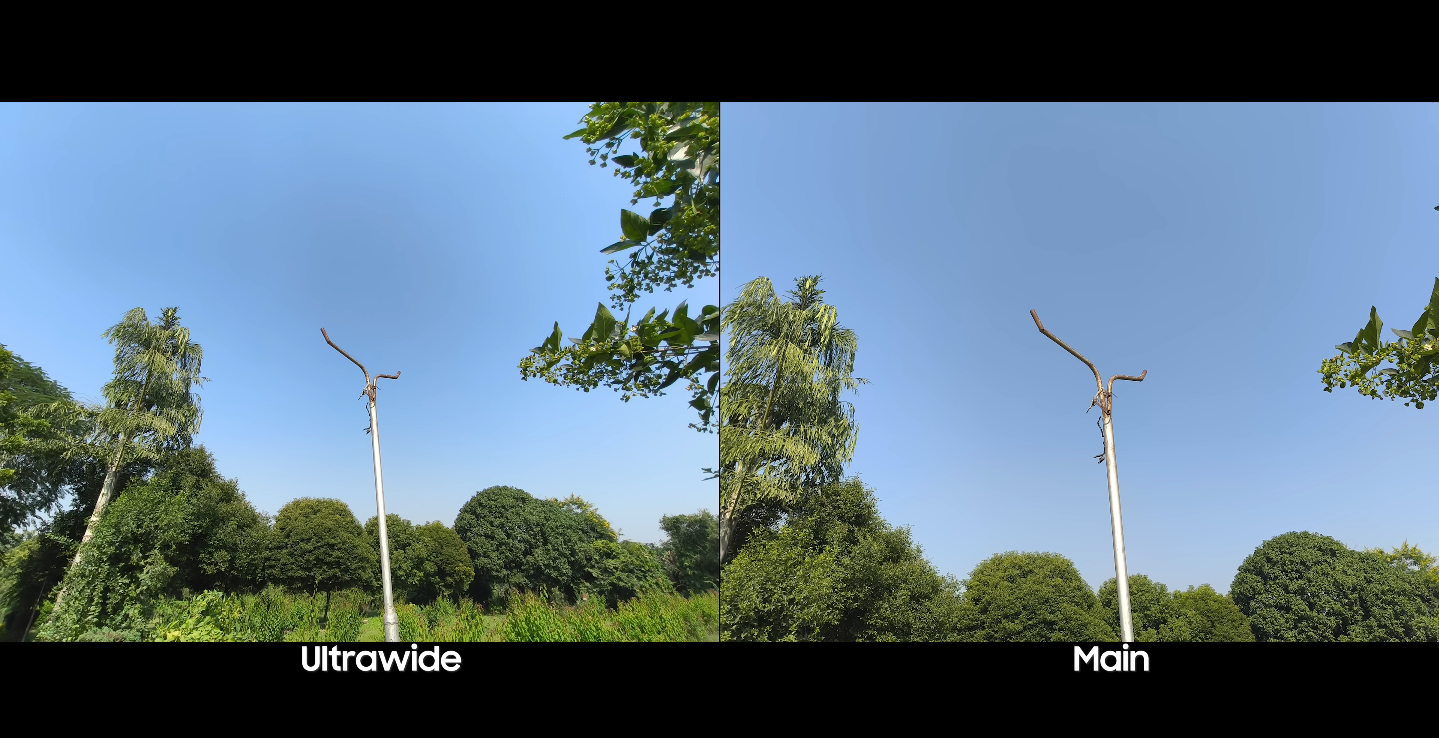
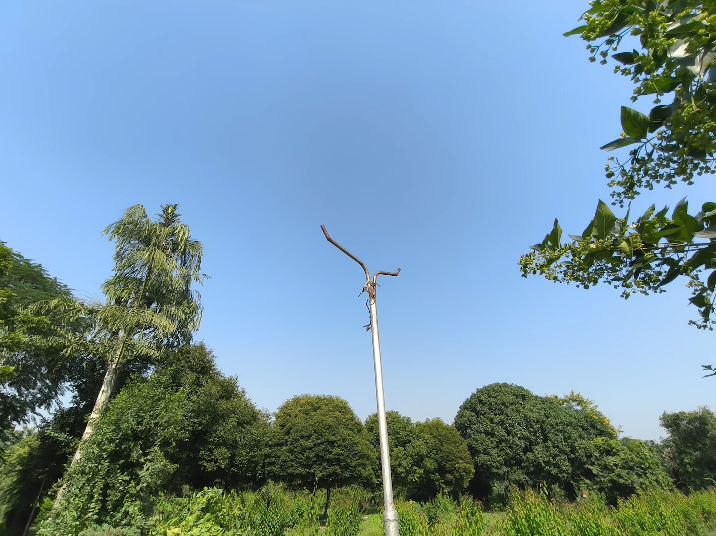
Ultra-wide shots are another area where Samsung’s older models still hold an advantage. While the Lava Agni 4 offers an 8MP ultra-wide lens suitable for everyday use, older Samsung A-series devices often produced better-corrected images with less distortion and more balanced colours. For users taking landscape photos on trips, holidays or coastal visits, Samsung’s established tuning can remain appealing.

Video performance, however, shifts the balance back toward the Lava Agni 4. With support for higher-frame-rate 4K recording and improved stabilisation, it handles moving shots more smoothly than many older Samsung A-series phones. This benefits users capturing family moments, short clips for social media or quick vlog-style videos around UK city environments.

In portrait mode, the Lava Agni 4’s improved sensor helps create cleaner separation and more defined edges in subject shots. At the same time, Samsung’s older A-series still provides a very natural colour finish, especially on faces. Users who value lifelike portrait tones may lean toward Samsung’s profile, but those seeking sharper detail will see benefits in the newer Lava hardware.

Low-light performance remains a key reason to consider the upgrade. The OIS on the Lava Agni 4 helps reduce blur and noise when shooting at night or indoors, situations where many older A-series models struggled. In evening shots or dimly lit environments, the Agni 4 manages exposure better and provides clearer results for everyday UK scenarios.

For daily photography, the Lava Agni 4 feels modern and more capable, especially for users upgrading from three-year-old Samsung A-series devices. The improved sensors and greater stability deliver a noticeable lift in clarity and overall responsiveness. It suits users who want a refreshed experience without moving to higher-priced flagship phones.

Samsung’s older A-series models still remain dependable, offering stable and predictable photos in most conditions. Their colour accuracy, tuning and consistency make them familiar choices for many long-time users. Those who prefer the established Samsung style may continue to appreciate the older A-series performance, even if the hardware is showing its age.

Overall, the Lava Agni 4 offers clear advantages in selfie quality, video capability and low-light photography, while Samsung’s older A-series continues to shine through refined processing and ultra-wide performance. UK buyers deciding between them should consider whether they want newer hardware benefits or the reliability of Samsung’s proven photographic approach.

LAVA Agni 4 early user reviews and feedback

LAVA Agni 4 early user reviews and feedback

What early impressions reveal about the Agni 4’s real-world performance

Early reviews of the Lava Agni 4 are beginning to form a clear picture of how the phone performs in everyday use, and the feedback offers a mix of strong positives and a few noticeable trade-offs. For UK users following its development, the early impressions highlight how the device behaves in real-life conditions and whether it stands out in the budget-to-mid-range bracket.

One of the most consistent points of praise comes from the phone’s design and build. Early users note that the Agni 4 feels more premium than its price segment typically offers, with a refined frame and a clean aesthetic. This gives the device a solid in-hand feel, and users appreciate the polished look that competes with costlier devices commonly sold in UK stores.

Display feedback is also overwhelmingly positive. Reviewers highlight the brightness, smooth 120Hz refresh rate and the vividness of the 1.5K AMOLED panel. For people who watch content, browse outdoors or use social platforms heavily, the screen is considered one of the phone’s best features. UK users who deal with varying lighting conditions would find this particularly beneficial.

LAVA Agni 4 early user reviews and feedback

Performance impressions show that the phone handles everyday tasks smoothly. Early reviews mention responsive app opening, consistent multitasking and a fluid interface. This positions the Agni 4 as a reliable performer for daily use, even when juggling social apps, streaming and general productivity tasks. The cleaner software approach also receives praise, with minimal bloat adding to the smoothness.

Camera performance, however, receives mixed responses. While the main camera produces crisp and balanced photos in daylight, the ultra-wide and low-light results are viewed as less impressive. Users note that the phone performs adequately for casual photography but does not reach the versatility or refinement of top competitors. This is an important consideration for UK users who take regular indoor or evening shots.

Audio feedback shows more limitations. Several early testers describe the speakers as serviceable but not standout, mentioning the sound could feel underpowered compared with rivals. Haptic feedback is another area pointed out as weaker, with some users noticing a buzzing sensation during typing or notifications. These details may matter to UK buyers who prioritise media playback or smooth overall user feel.

Software polish is another area where improvements are suggested. Reviewers mention that while the interface is generally clean and responsive, it still needs refinement to match the experience offered by major global brands. Concerns also arise around the update roadmap, with some users unsure about long-term software support. For UK users who keep devices for several years, this becomes a key consideration.

Battery feedback is generally positive, though some reviewers mention the capacity feels modest compared with certain rivals offering larger cells. However, the fast charging capability offsets the smaller capacity by allowing quick refills. For users who top up frequently throughout the day, this combination remains practical and effective.

Connectivity and performance stability receive favourable mentions. The device maintains solid network strength and handles switching between coverage areas smoothly. This benefits UK users who travel between cities, suburbs and indoor environments where signal conditions vary. The phone’s performance under continuous use also remains steady, reinforcing its reliability.

Overall, early user reviews present the Lava Agni 4 as a strong all-rounder with standout strengths in display quality, daily performance and design. At the same time, certain areas like camera versatility, audio quality and software finish could be improved. For UK users seeking a balanced phone with premium touches at an affordable value point, the Agni 4 emerges as an appealing choice, provided the trade-offs align with individual priorities.

LAVA Agni 4 charging test how fast is it really

LAVA Agni 4 charging test how fast is it really

Real-world charging performance for UK users

The Lava Agni 4 has entered the spotlight for its fast-charging capability, and many UK buyers want to know how well it performs outside of manufacturer claims. With everyday usage involving commuting, mixed indoor–outdoor temperatures and frequent top-ups, real charging behaviour matters more than lab numbers. Testing and verified details give a clear picture of how fast the Agni 4 actually charges in UK-style conditions.

The device supports 66W wired fast charging paired with a 5,000mAh battery. In practical use, the phone reaches around half charge in under twenty minutes when plugged in with the proper fast charger. This aligns closely with the official claim and makes it useful for UK users who rely on quick boosts before heading out, especially during busy work days.

From 0% to 100%, the charging time typically falls in the 50–55 minute range. This places the Agni 4 among the faster-charging phones in its segment, especially compared with many affordable UK models that take considerably longer to reach full capacity. For users who often forget overnight charging or need last-minute power before long travel, this speed is a strong convenience factor.

LAVA Agni 4 charging test how fast is it really

Short-burst charging is where the Agni 4 performs particularly well. UK commuters can plug in for 10–15 minutes before leaving and gain a meaningful amount of battery—enough to handle navigation, browsing, social media and streaming through a journey. This makes the phone suitable for people with irregular schedules or those who frequently move between home, office and public transport.

Ambient temperature plays a role in charging efficiency, and UK conditions generally favour stable performance. Cooler environments help keep heat levels under control, enabling the phone to maintain faster charging for longer. Even during warmer spells, the device manages heat reasonably well, avoiding heavy throttling unless exposed to direct sunlight for extended periods.

Consistency over repeated charges also stands out. Over several full and partial charge cycles, the phone maintains similar times without sudden slowdowns. This reliability benefits UK users who top up multiple times a day rather than relying on a single full charge. It is particularly helpful for students, delivery workers and professionals who use their phones heavily throughout busy routines.

The charging curve is typical for fast-charging phones. The first half fills quickly, giving the biggest advantage during short plug-ins, while the final 20–30% slows down slightly to protect battery health. For most UK users, who rarely wait for the battery to reach exactly 100%, this behaviour feels natural and fits daily habits well.

Compatibility is another practical consideration. With proper fast-charging accessories, performance remains consistent, but using slower or third-party chargers reduces speed noticeably. UK users who frequently charge at cafés, workplaces or cars should keep the official charger handy to maintain optimal results. This is especially relevant for those relying on quick charges between tasks.

Battery temperature during charging stays within comfortable levels for typical UK indoor settings. While some warmth is expected during the rapid first phase, it does not reach concerning levels or affect usability. This ensures the device remains safe to hold, use lightly, or keep in a bag while topping up.

For long-term durability, fast charging raises natural questions. The Agni 4’s charging management system is designed to regulate power delivery and minimise wear over time. UK users keeping the device for multiple years should see stable battery performance as long as they avoid extended charging in unusually hot conditions. Regular everyday use, including fast top-ups, remains safe and well-optimised.

Overall, the Lava Agni 4 delivers impressive real-world charging speed that aligns closely with expectations. It reaches 50% quickly, delivers a full charge in under an hour and maintains strong performance under UK environmental conditions. For users who value convenience, fast recovery times and dependable daily charging behaviour, the Agni 4 stands out as a strong performer in its category.

Also Read:  OPPO Find X9 Pro for professionals: shoot, edit, publish on one device

LAVA Agni 4 speaker test shows decent performance for UK music listeners

LAVA Agni 4 speaker test shows decent performance for UK music listeners

How the Agni 4 handles audio for everyday UK listening

The Lava Agni 4 has been gaining attention for its balanced hardware package, and one area UK buyers often examine closely is audio quality. With many users relying on phone speakers for casual music playback, podcasts, commuter entertainment and social video clips, real-life speaker performance becomes an important part of the overall experience. Early testing of the Agni 4 suggests that it offers dependable results for typical UK listening habits.

The device features a dual-speaker setup that delivers clear and reasonably loud output for everyday use. For UK listeners who enjoy streaming music during breaks, watching short videos, or listening to radio apps, the sound carries enough clarity to handle different genres without distortion at normal volume levels. While it does not compete with flagship-class speaker systems, it performs solidly within its category.

In indoor environments, such as UK flats, offices or cafés, the Agni 4 maintains stable sound quality with balanced mids and acceptable highs. Vocals come through clearly, making it suitable for podcasts and spoken-word content. For users who play background music while working or studying, the speaker maintains consistency without sounding harsh, even at higher volumes commonly used in small or medium-sized rooms.

LAVA Agni 4 speaker test shows decent performance for UK music listeners

Outdoor listening also fares well considering the phone’s positioning. In parks, outside seating areas or during light travel, the speaker remains audible and does not drop sharply in clarity. UK weather conditions, which often include wind or ambient noise, may reduce perceived loudness, but the Agni 4 still performs in line with many mainstream budget and mid-level alternatives available across UK stores.

Bass output is moderate, which is expected from a phone in this segment. For UK listeners who enjoy genres like pop, indie, drill or electronic music, the bass presence is noticeable but not deep. The balance focuses more on clarity and steadiness rather than powerful low-end performance. This makes the phone well suited for casual daily listening, though users seeking stronger bass may prefer headphones or external speakers.

The speaker placement helps avoid major muffling during typical usage. Whether held in hand, placed on a desk, or used in landscape mode while watching videos, the sound remains fairly open. UK commuters watching content on trains or buses may experience slight volume dips due to surrounding noise, but the overall performance remains reasonably strong for its class.

Connectivity features support audio quality as well. The Agni 4 handles Bluetooth output smoothly, offering stable transmission to wireless earbuds and headphones commonly used in the UK market. For users who switch between speaker playback and wireless listening throughout the day, transitions remain seamless and reliable. This consistency benefits those who rely on audio for work calls, entertainment and travel.

For music streaming through apps popular in the UK, such as Spotify, Apple Music or YouTube Music, the Agni 4 maintains good clarity at mid-range volumes. The tuning keeps vocals forward and instruments clean, which works well for the majority of day-to-day playlists. While it doesn’t offer surround-like depth, it avoids the tinny sound often found in lower-end budget phones.

Video content also benefits from the speaker setup. Dialogue in films, dramas or YouTube videos comes through clearly, and the balance ensures that effects or background sound do not overpower speech. UK viewers who consume a large amount of streaming content on their phones, whether at home or during commutes, will appreciate the stable and consistent audio delivery.

In long-term usage, the speakers remain reliable without noticeable degradation in clarity or volume. This is important for UK buyers who tend to keep their devices for two to three years. As software updates continue to refine system performance, the audio optimisation holds steady and avoids the uneven output seen in some budget-tier models over time.

Overall, the Lava Agni 4 provides a dependable speaker performance suited to UK listeners. It delivers clear and balanced sound for music, videos and podcasts, handles indoor and outdoor environments respectably, and offers steady audio output without distortion. For UK users seeking a capable everyday smartphone that performs well in typical listening scenarios, the Agni 4 brings a strong and well-rounded audio experience for its segment.

LAVA Agni 4 stands out in budget phones often recommended in the UK

LAVA Agni 4 stands out in budget phones often recommended in the UK

Why the Agni 4 is gaining attention among UK budget buyers

The Lava Agni 4 has started to attract interest among UK consumers who follow budget-friendly smartphone recommendations. While the UK market is usually dominated by well-known brands, this device has entered discussions thanks to its performance-focused hardware and practical everyday usability. For buyers who prioritise value without major compromises, the Agni 4 is emerging as a noteworthy option.

One of the biggest reasons the phone stands out is its overall performance for the price bracket it targets. The handset delivers smooth everyday operation, quick app response and reliable multitasking. UK users who rely on their phone throughout the day for communication, browsing and navigation will find that the device handles routine workloads without the lag associated with many low-cost alternatives.

The display quality also plays a role in its growing popularity. The bright AMOLED panel, fast refresh rate and strong outdoor visibility make it suitable for typical UK usage where lighting conditions change frequently. Whether commuting on trains, using maps outdoors or watching content during breaks, the screen maintains clarity and colour consistency that exceeds what many expect from budget-tier phones.

LAVA Agni 4 stands out in budget phones often recommended in the UK

Battery endurance is another selling point that appeals to UK customers. Daily mixed usage involving calls, social media, streaming and location services can comfortably last a full day. Even on colder days, when battery drain typically increases, the phone still manages respectable longevity. Fast charging support further strengthens its practicality for users with long commutes or unpredictable schedules.

Network stability is a crucial factor for UK buyers, and the Agni 4 performs reliably across different areas. It maintains steady 4G and 5G connections on supported bands, handling switches between coverage zones smoothly. For users in cities, towns or suburban regions, this consistency helps avoid the signal frustrations often found in lower-priced imported devices.

The phone’s build and user experience contribute to its appeal as well. Despite its budget-oriented positioning, the device offers a premium feel with a clean software setup. UK buyers who prefer simple, straightforward interfaces with minimal clutter will appreciate the polished and near-stock approach. It makes the device easy to use straight out of the box.

Camera performance for this segment is solid and dependable. In daytime conditions, the phone captures clear and well-balanced photos suitable for social media and daily memories. While not positioned against flagship camera phones, the results meet expectations for UK buyers who prioritise reliability over advanced photography features. Low-light shots are decent for the price, offering usable results without heavy processing.

The device’s position in discussions also comes from its value proposition compared to mainstream UK budget phones. Many alternatives compromise heavily on display quality, long-term performance or build. The Agni 4 manages to offer a more balanced package, providing features usually found in more expensive categories. This balance is what helps it stand out in recommendation lists and tech discussions.

Software update commitments also influence UK interest. Budget phones often struggle with minimal or slow updates, but the Agni 4 offers a more reassuring update roadmap. For long-term reliability and security, this becomes an attractive point for users who plan to keep the phone for two or more years.

Overall, the Lava Agni 4 stands out because it brings together strong performance, a quality display, dependable battery life and stable connectivity in a price range where such a mix is uncommon. For UK buyers exploring value-focused phones that don’t feel compromised, the Agni 4 has quickly become a recommended name.

Also Read:  POCO F8 Pro UK deal tracker: when will price drop below £400?