Revolutionising Chip Production: ASML’s Enhanced EUV Technology
The semiconductor industry is experiencing a significant surge in demand, driven by the growing need for artificial intelligence and enterprise solutions. ASML, a leading Dutch chipmaker, is poised to play a crucial role in addressing this demand by ramping up its Extreme Ultraviolet (EUV) light-source capabilities.
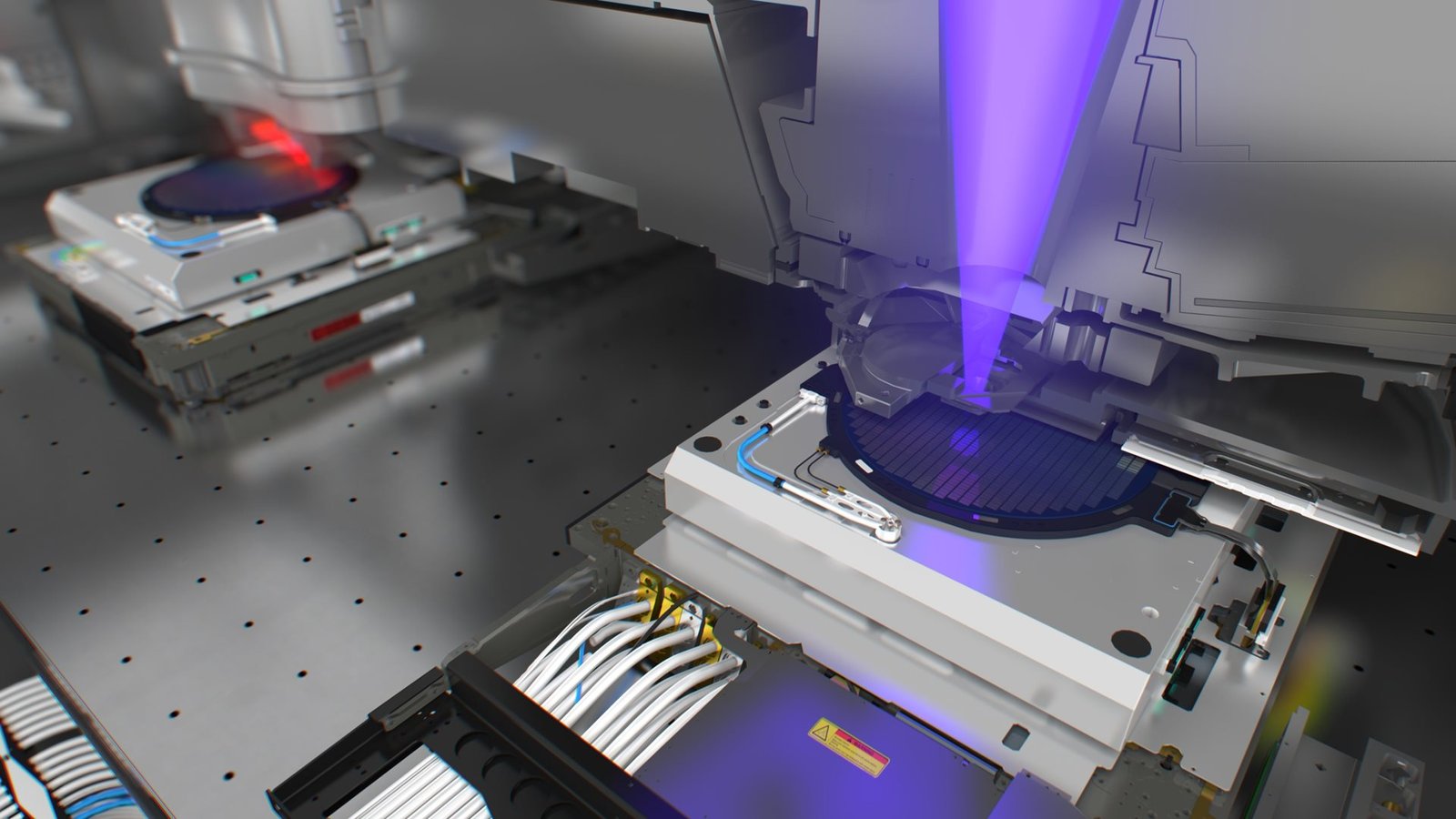
This breakthrough technology is expected to enable fab manufacturers to increase production by an impressive 50% this decade. By enhancing its EUV light source to a kilowatt, ASML aims to help sort out the supply chain bottlenecks currently plaguing the industry.
The current supercycle in the semiconductor industry is driven by demand from fabless manufacturers, who are not only producing chips for consumer products but also for enterprise and AI applications. As a result, chip giants like TSMC are facing significant supply constraints, prompting the need for innovative solutions.
One way the supply chain is addressing this issue is by building an extensive fab network. However, with ASML’s Enhanced EUV Light Source Project, the industry can expect a huge increase in fab output, but only with the necessary equipment upgrades. This development is set to have a profound impact on the industry, enabling manufacturers to meet the growing demand for chips.
ASML’s commitment to innovation is evident in its ongoing efforts to improve EUV technology. By pushing the boundaries of what is possible, the company is helping to drive the industry forward and address the pressing issue of supply chain bottlenecks. As the demand for chips continues to grow, ASML’s Enhanced EUV Light Source Project is poised to play a vital role in shaping the future of the semiconductor industry.
The implications of this breakthrough are far-reaching, with the potential to revolutionise the way chips are produced. With ASML’s Enhanced EUV Light Source Project, the industry can expect to see significant improvements in production efficiency, enabling manufacturers to meet the growing demand for chips. As the semiconductor industry continues to evolve, it will be exciting to see how ASML’s innovative technology contributes to its growth and development.
In conclusion, ASML’s Enhanced EUV Light Source Project is a game-changer for the semiconductor industry. By enabling fab manufacturers to increase production by 50% this decade, the company is helping to address the pressing issue of supply chain bottlenecks. As the industry continues to grow and evolve, it will be interesting to see how ASML’s innovative technology shapes its future.
With the demand for chips showing no signs of slowing down, the need for innovative solutions has never been more pressing. ASML’s Enhanced EUV Light Source Project is a testament to the company’s commitment to driving the industry forward and addressing the challenges it faces. As we look to the future, it will be exciting to see how this technology continues to evolve and improve.
The future of the semiconductor industry is looking bright, thanks to innovations like ASML’s Enhanced EUV Light Source Project. By pushing the boundaries of what is possible, the company is helping to shape the industry’s future and address the pressing issues it faces. As we continue to see the impact of this technology, it will be interesting to analyse the effects it has on the industry as a whole.
As the industry continues to grow and develop, it will be important to keep a close eye on the latest developments and innovations. With ASML’s Enhanced EUV Light Source Project, the company is helping to drive the industry forward and address the challenges it faces. By staying at the forefront of innovation, ASML is poised to play a vital role in shaping the future of the semiconductor industry.