

Apple iPhone Material Evolution
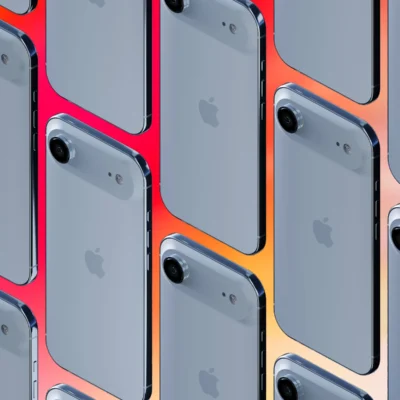
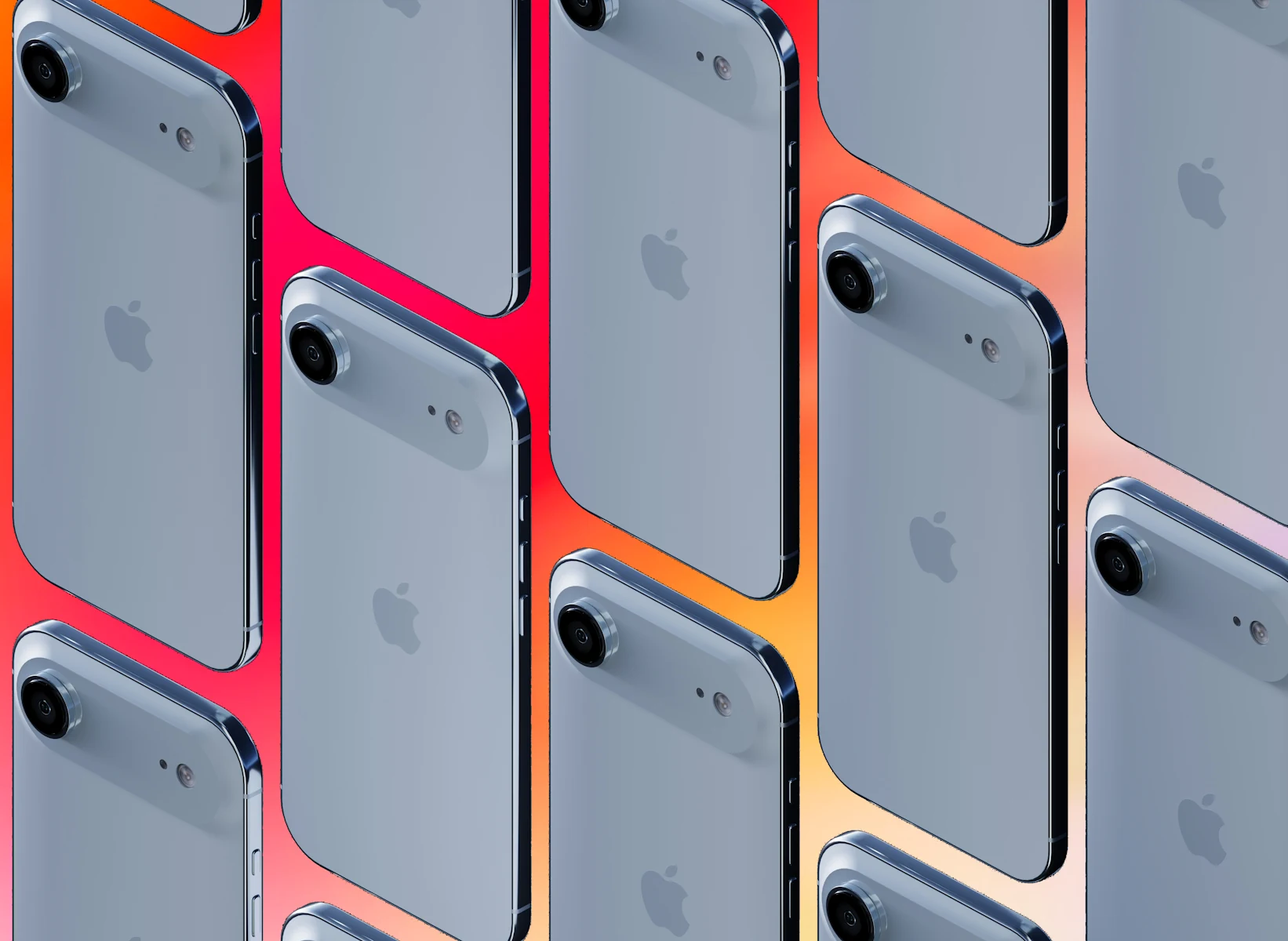
Apple has experimented with various frame materials across its iPhone lineup over the past decade. The iPhone 15 Pro introduced a titanium frame that reduced weight while maintaining structural durability. The iPhone 16 Pro continued this trend with a refined titanium design that improved thermal performance. Now fresh rumors suggest the iPhone 20 Pro will adopt titanium again but with an advanced manufacturing process that could redefine premium smartphone construction.
Titanium Returns for iPhone 20 Pro
According to supply chain sources, Apple plans to use a new titanium alloy for the iPhone 20 Pro and iPhone 20 Pro Max models. This process could improve thermal management and allow thinner bezels without compromising rigidity. The shift mirrors Samsung Galaxy S25 Ultra’s titanium frame strategy, though Apple’s approach may focus on a unique bonding technique that integrates the frame with the glass back more seamlessly. Engineers are reportedly exploring a diffusion bonding method that eliminates the need for internal brackets.
Ceramic Limited Edition Possibility
A separate rumor points to a ceramic limited edition model that would sit above the standard Pro variants. Ceramic offers exceptional scratch resistance and a premium tactile feel previously seen on Apple Watch Series 10 ceramic variants. An iPhone 20 Pro ceramic edition would likely carry a significant price premium and limited production numbers, targeting collectors and luxury enthusiasts. The ceramic back could also enhance wireless charging efficiency and provide a distinctive matte finish that resists fingerprints better than glass.
Manufacturing Challenges and Benefits
Titanium machining requires specialized tooling and creates significant material waste. Apple’s new process may involve additive manufacturing or advanced forging to reduce waste and enable complex internal geometries. Ceramic production adds complexity due to high firing temperatures and the need for precision molds. Both materials could enhance 5G antenna performance by reducing signal interference compared to stainless steel frames used in earlier iPhone 14 Pro models. The thermal conductivity of titanium may also help sustain peak processor performance during intensive tasks.
Competitive Landscape
The Samsung Galaxy S25 Ultra already uses a titanium frame with a similar weight reduction claim. Google Pixel 9 Pro opts for aluminum to balance cost and durability. Apple’s potential ceramic edition would differentiate the iPhone 20 Pro in the ultra-premium segment where materials become a key selling point. The iPad Air M2 uses aluminum, showing Apple’s material segmentation across product lines based on positioning and manufacturing scale. Chinese competitors like Xiaomi 15 Ultra are also experimenting with ceramic backs, indicating an industry trend toward exotic materials.
Expected Timeline and Pricing
The iPhone 20 series typically launches in September 2028 based on Apple’s annual release cadence. The ceramic limited edition may arrive later or as a special event product similar to the iPhone X tenth anniversary edition. Pricing could exceed the current iPhone Pro Max by several hundred dollars, potentially crossing the two thousand dollar threshold for the top-tier ceramic variant. Analysts predict strong demand from collectors and luxury buyers despite the premium, citing the success of previous limited edition Apple products.
Conclusion
Apple’s material choices reflect its design philosophy of blending engineering with aesthetics. Titanium offers an optimal strength-to-weight ratio for everyday durability. Ceramic adds exclusivity and scratch resistance for a niche audience. The iPhone 20 Pro lineup could push smartphone craftsmanship further while maintaining the functional benefits users expect. Stay tuned for official announcements as the launch window approaches and more supply chain details emerge.
Other Articles