Amazon Luna’s New UK Restrictions: No More Third-Party Games
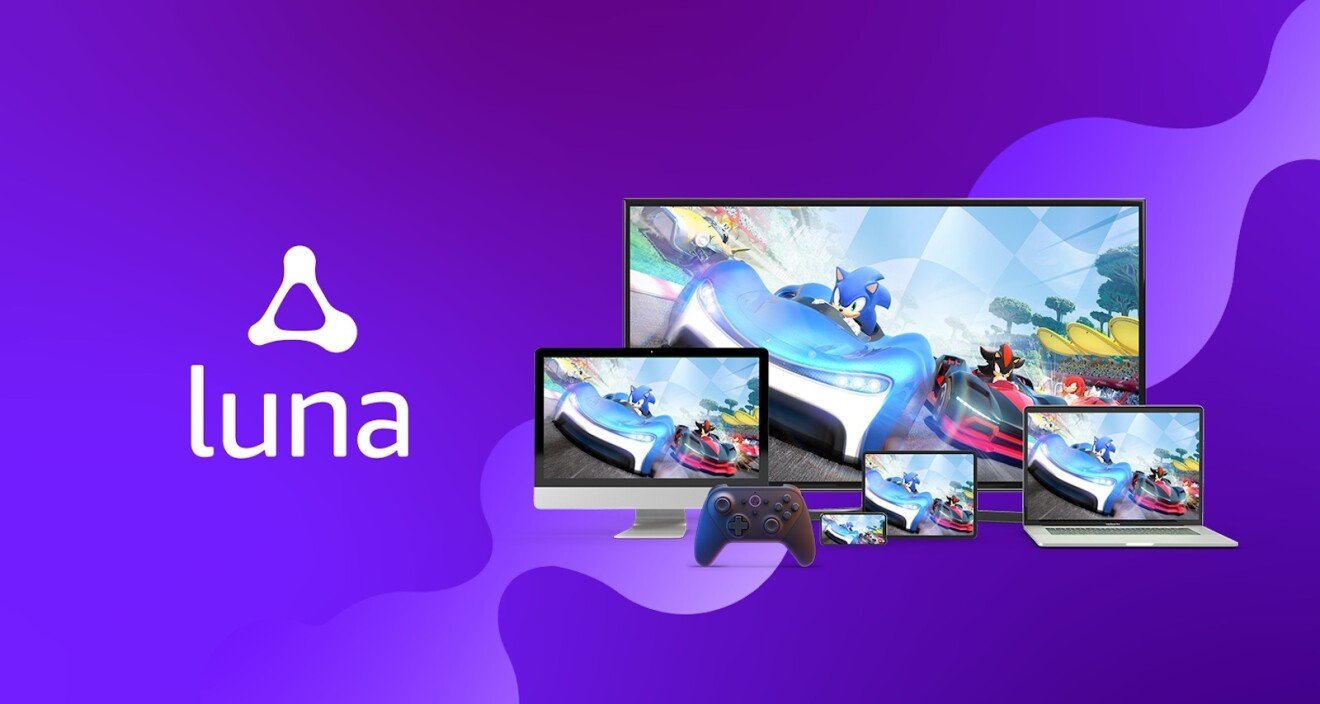
Amazon Luna’s Shift in Gaming Strategy
Amazon has announced significant changes to its Amazon Luna service in the UK, affecting how players purchase and access games. As of April 10, 2026, the platform will no longer support purchases from third-party stores or subscriptions from external platforms. This move marks a notable shift in Amazon’s gaming strategy, focusing on a more controlled and centralized experience for its UK users.
The decision to discontinue support for third-party purchases and the Bring Your Own Library service may raise concerns among players who have invested in games from external sources. Unfortunately, Amazon has clarified that refunds will not be available for these purchases, potentially leaving some users with inaccessible content.
The re-launched Amazon Luna service, with its emphasis on social and casual experiences, aims to provide a unique gaming environment. Features like the AI-powered improv courtroom game, which includes the participation of renowned rapper Snoop Dogg, are designed to attract a wide range of players in the UK. However, the new restrictions may influence how appealing the service is to gamers who value flexibility and access to a broad library of games.
For players in the UK, the implications of these changes are clear: a more streamlined but less flexible gaming experience. Amazon’s decision reflects a broader trend in the gaming industry towards more controlled ecosystems, where companies seek to manage the user experience and revenue streams more tightly. While this approach can lead to more cohesive and secure platforms, it also limits user choice and may drive some gamers to seek alternatives.
In conclusion, Amazon Luna’s new policy on third-party games and subscriptions marks a significant turning point for the service. As the gaming landscape continues to evolve, it will be interesting to see how these changes affect user behaviour and the overall appeal of Amazon Luna in the UK market. With its unique blend of social features and casual games, the service still has the potential to attract a dedicated user base, but the restrictions on third-party content may impact its broader appeal.
Moreover, the absence of refunds for third-party purchases could lead to dissatisfaction among some users, potentially damaging the service’s reputation. Amazon must carefully consider the feedback from its users and be prepared to adapt its strategy to meet the evolving needs and expectations of the gaming community in the UK. By doing so, Amazon Luna can navigate these challenges and continue to offer an engaging and satisfying experience for its users.
The future of Amazon Luna in the UK will depend on its ability to balance user demands with its own business objectives. If successful, the service could establish itself as a major player in the UK gaming market, known for its innovative features and user-friendly interface. However, if the restrictions on third-party content prove too limiting, Amazon may need to reassess its approach to regain the trust and loyalty of its user base.
Ultimately, the success of Amazon Luna will hinge on its capacity to provide a compelling and inclusive gaming environment that meets the diverse needs of its UK users. By focusing on the development of engaging social features, casual games, and a more open approach to content, Amazon can create a thriving community around its service. As the gaming industry continues to grow and evolve, Amazon Luna’s ability to adapt and innovate will be crucial to its long-term success in the UK market.