Don’t Risk Your Smartwatch: The Hidden Dangers of Swimming with UK Devices
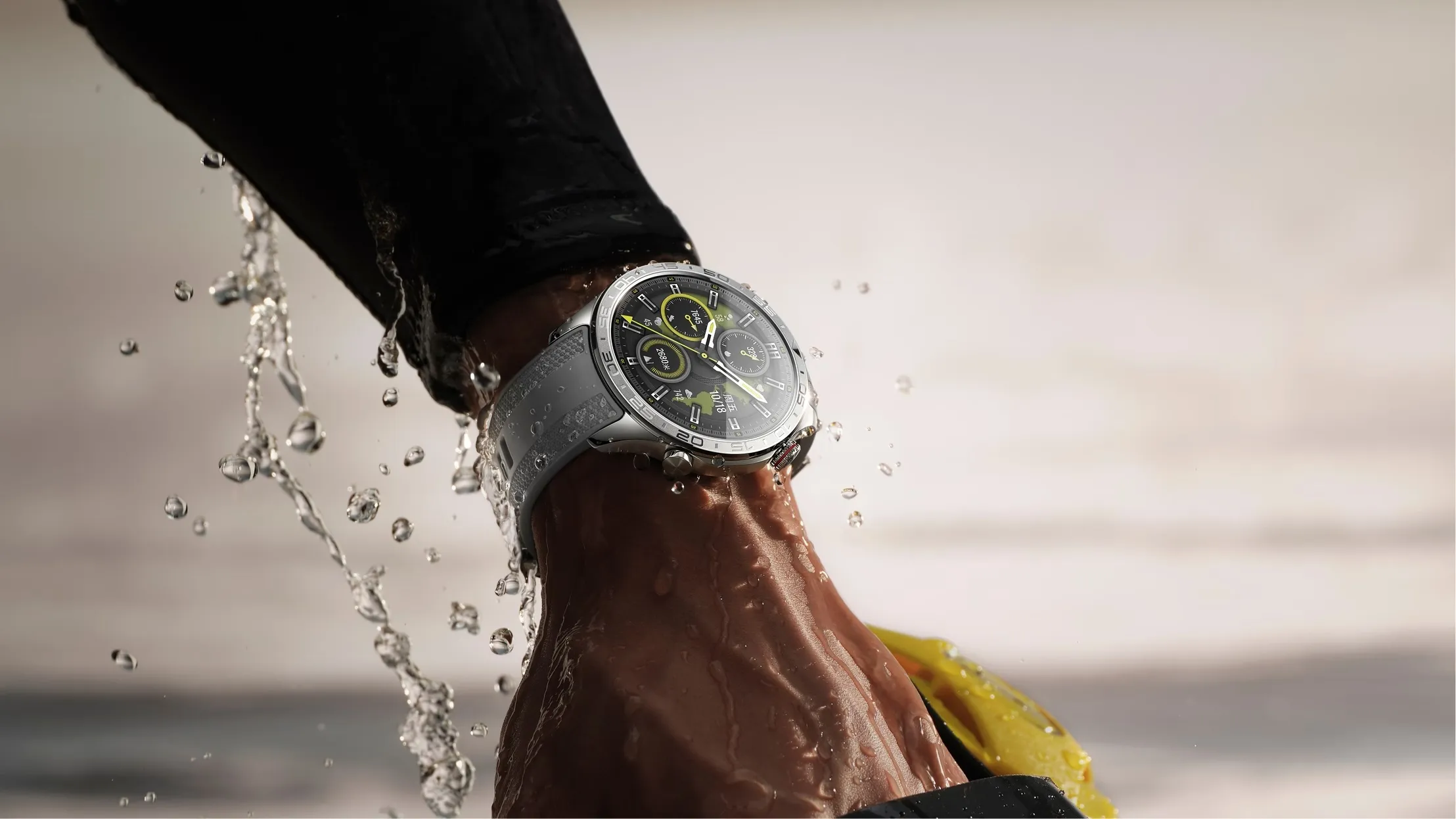
Why You Shouldn’t Swim with Your Smartwatch
Most smartwatches boast a high IP rating, making them seem waterproof. However, a recent incident involving a Samsung Galaxy Watch 5 Pro reveals the risks of swimming with these devices. The watch, rated 5ATM+IP68, stopped working after a swim in the sea.
The user discovered salt buildup and corrosion on the haptic motor and metal parts. Luckily, he was able to clean and repair it, but this experience serves as a warning to all smartwatch users in the UK.
IP certification typically refers to tests in clean, fresh, still water. This means your smartwatch can sustain damage in salty, chlorinated, or moving water. The Samsung website confirms the ratings but adds caveats, such as avoiding submersion and fast-moving water.
Other contaminants in natural lakes can also damage devices. No matter what the manufacturer promises, most devices are not 100% waterproof. Even the Honor Watch 5 Pro, designed for swimming, may not be entirely safe.
If your watch stops working after exposure to water, there’s still hope. Cleaning the salt-encrusted parts with isopropyl alcohol may revive it. However, preventing water damage is always the best course of action.
To protect your smartwatch, it’s essential to understand the limitations of IP certification and take precautions when engaging in water activities. Check out our top recommendations for the best smartwatches in the UK and learn how to keep your device safe.
In conclusion, while smartwatches may seem waterproof, they can still be damaged by water. By being aware of the risks and taking necessary precautions, you can enjoy your device while minimizing the risk of damage.