Kīlauea Eruption: Tephra Falls from the Sky in 43rd Episode
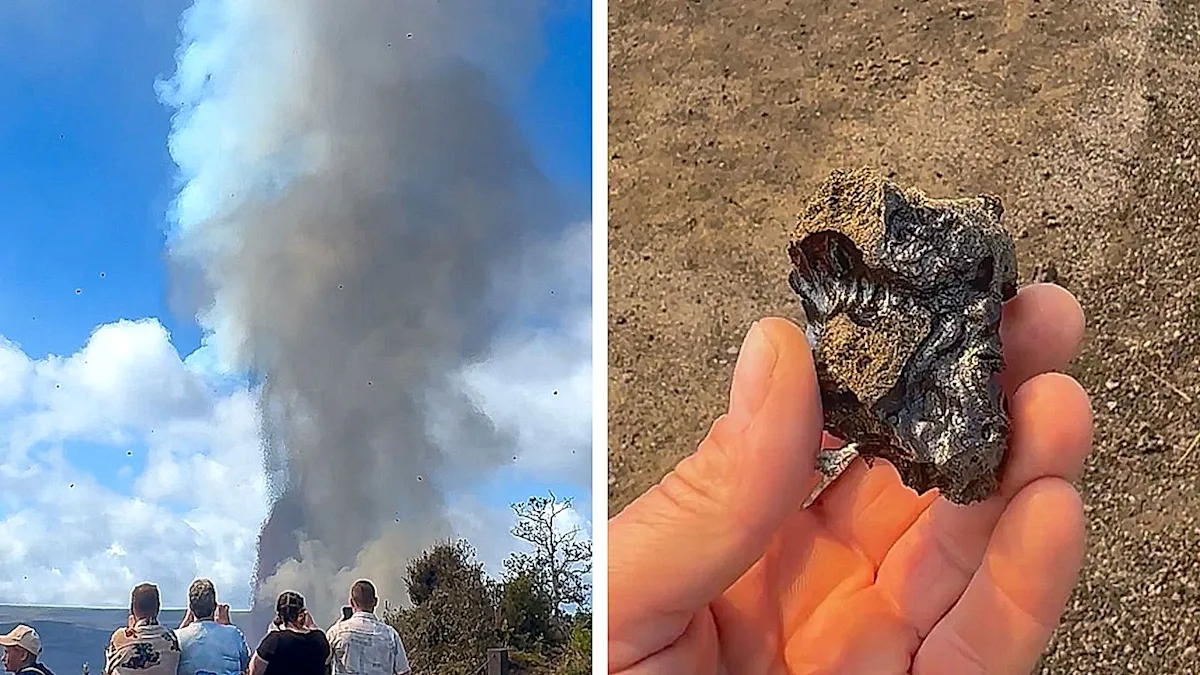
Kīlauea’s 43rd Eruptive Episode: A Closer Look
The Kīlauea volcano, located in Hawaii, has been erupting on and off since 1983. Its 43rd eruptive episode has caused chunks of tephra to fall from the sky, captivating the attention of scientists and the general public alike. This recent activity has sparked concerns about the potential dangers of volcanic eruptions. The tephra, which includes ash, lapilli, and other pyroclastic material, can have devastating effects on the environment and human health.
The tephra fall has been reported in various areas surrounding the volcano, with some regions experiencing more severe effects than others. The colour and consistency of the tephra vary, ranging from fine ash to larger rocks and pebbles. To analyse the behaviour of the tephra, scientists use advanced techniques such as remote sensing and modelling. By studying the tephra’s composition and dispersion patterns, researchers can better understand the underlying mechanisms driving the eruption.
Volcanic eruptions like Kīlauea’s 43rd episode are complex phenomena that involve the interaction of multiple geological processes. The movement of magma and gas beneath the surface of the Earth plays a crucial role in shaping the behaviour of the volcano. As the magma rises, it can produce a range of hazardous materials, including tephra, lava, and toxic gases. Understanding these processes is essential for predicting and mitigating the effects of volcanic eruptions.
In addition to the scientific significance of the eruption, it also has important implications for the local community. The tephra fall can have a significant impact on the environment, contaminating water sources and affecting agricultural productivity. Furthermore, the eruption can disrupt air travel and other economic activities, highlighting the need for effective emergency planning and response strategies. By examining the effects of Kīlauea’s 43rd eruptive episode, we can gain valuable insights into the behaviour of volcanic systems and develop more effective measures for mitigating their impact.
The study of volcanic eruptions like Kīlauea’s 43rd episode is an active area of research, with scientists using a range of techniques to analyse the behaviour of the volcano. From remote sensing and modelling to field observations and laboratory experiments, researchers are working to improve our understanding of these complex phenomena. By advancing our knowledge of volcanic eruptions, we can better prepare for and respond to these events, reducing the risks they pose to human health and the environment.
As the Kīlauea volcano continues to erupt, scientists and emergency responders are closely monitoring the situation, providing critical updates and guidance to the public. The 43rd eruptive episode of Kīlauea serves as a reminder of the awe-inspiring power of volcanic activity and the importance of ongoing research and preparedness. By working together, we can minimise the risks associated with volcanic eruptions and promote a safer, more resilient community.