Zelenskyy Rejects Orban’s Plea: Druzhba Oil Pipeline Repairs Unlikely
Ukraine’s Stance on Druzhba Oil Pipeline Repairs
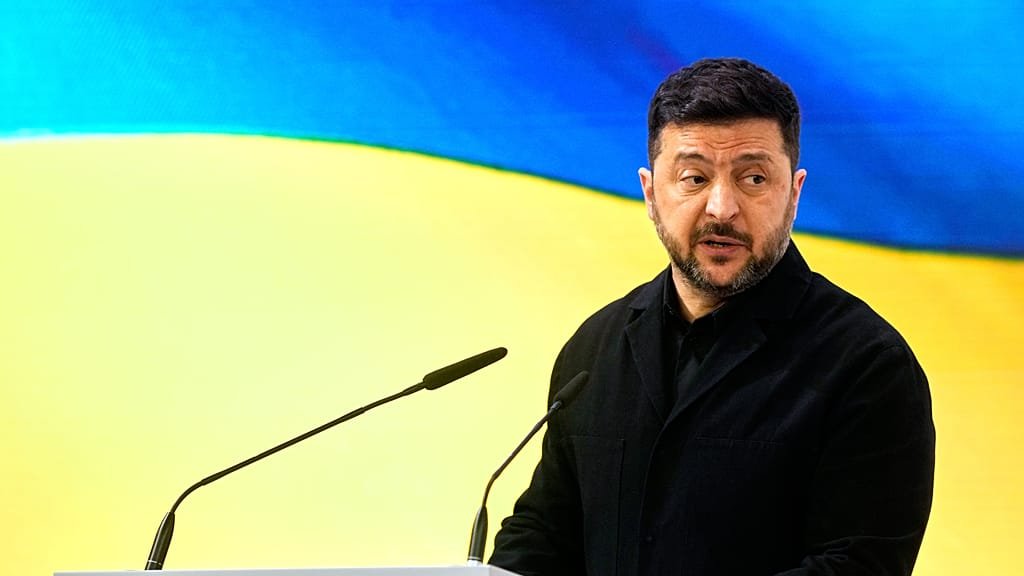
Ukrainian President Volodymyr Zelenskyy has ruled out repairs to the Druzhba oil pipeline, sparking a row with Hungarian Prime Minister Viktor Orban. The pipeline, which transports oil from Russia to Europe, has been a crucial source of revenue for Ukraine. However, Zelenskyy’s decision is likely to have significant implications for the country’s economy.
The Druzhba oil pipeline has been a vital component of Ukraine’s energy infrastructure, with the country relying heavily on the revenue generated from its operation. Nevertheless, Zelenskyy’s stance on the matter is clear, and he has shown no signs of backing down. The Ukrainian government has been under pressure to reduce its dependence on Russian oil, and this decision may be seen as a step in that direction.
Orban has been a vocal supporter of the pipeline’s repair, citing the potential economic benefits for his country. However, Zelenskyy’s decision is likely to have far-reaching consequences for Hungary, which has been heavily reliant on the pipeline for its oil supplies. The row between the two leaders has highlighted the complex geopolitics surrounding the pipeline and the challenges faced by European countries in their quest for energy security.
The dispute over the Druzhba oil pipeline is just one example of the intricate web of interests and alliances that shape the global energy landscape. As countries navigate the complexities of energy production and consumption, they must also contend with the political and economic implications of their decisions. In this context, Zelenskyy’s stance on the pipeline repairs is a significant development that will be closely watched by governments and industry leaders alike.
The situation is further complicated by the fact that the pipeline is a critical component of Europe’s energy infrastructure. The potential disruption to oil supplies could have significant economic and political implications for the region. As such, Zelenskyy’s decision is likely to be the subject of intense scrutiny and debate in the coming weeks and months. The Ukrainian government will need to carefully analyse the potential consequences of its actions and develop strategies to mitigate any negative impacts.
In conclusion, the row between Zelenskyy and Orban over the Druzhba oil pipeline repairs is a complex issue with significant implications for the global energy landscape. As the situation continues to unfold, it will be essential to monitor developments closely and assess the potential consequences of the decision. The Ukrainian government’s stance on the matter is clear, but the long-term effects of this decision remain to be seen.