Israel Vows to Continue Air Strikes on Iranian Targets
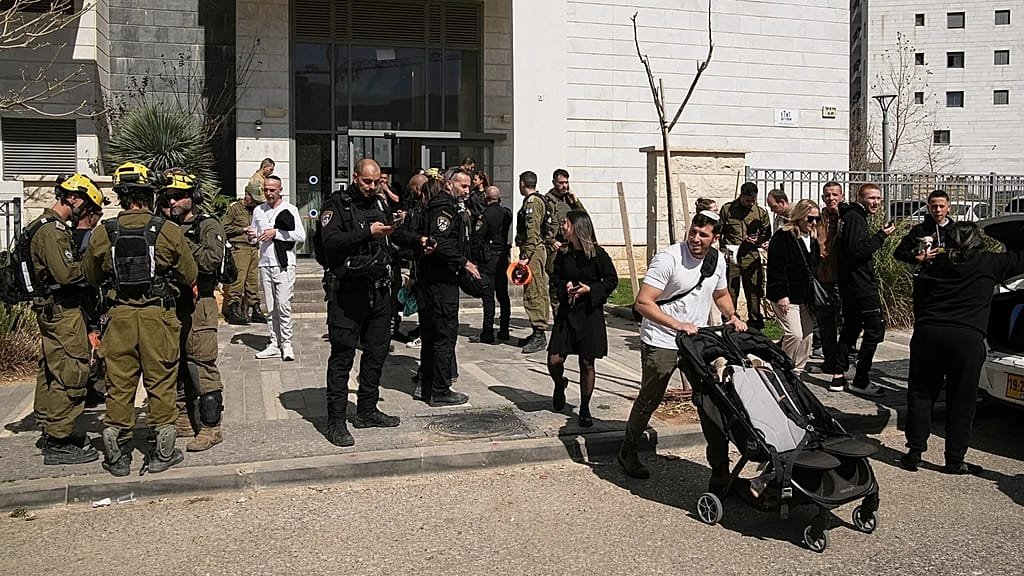
Israel’s Ongoing Campaign Against Iranian Targets
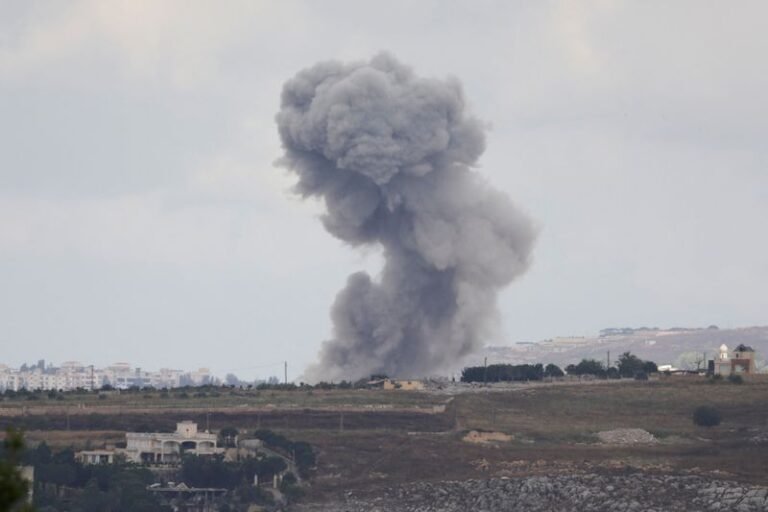
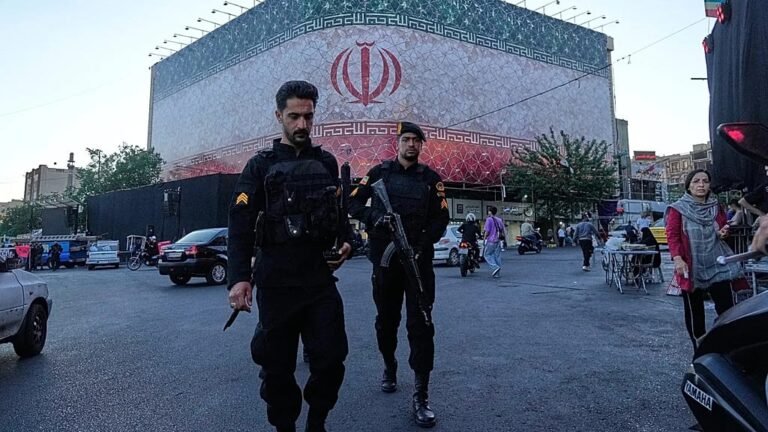
Israel has reaffirmed its commitment to continuing air strikes against Iranian targets, citing the need to protect its national security. According to a senior Israeli security source, these strikes will persist as long as necessary. The announcement comes amidst escalating tensions between Israel and Iran, with both nations engaging in a war of words and military posturing. Israel’s stance is clear: it will not hesitate to defend itself against perceived threats.
The Israeli government has long considered Iran a significant threat to its existence, particularly in light of Iran’s nuclear programme and alleged support for militant groups. As such, Israel has been actively targeting Iranian military assets and personnel in Syria, Lebanon, and other parts of the region. The air strikes are part of a broader strategy to disrupt Iran’s military capabilities and prevent it from establishing a foothold in the region.
Despite the risks of escalation, Israel remains resolute in its determination to counter the Iranian threat. The country’s military has been on high alert, with pilots and ground troops ready to respond to any potential attack. The international community is watching the situation closely, with many calling for restraint and diplomacy to avoid a wider conflict. However, Israel’s security concerns are deeply ingrained, and it is unlikely to back down without significant concessions from Iran.
The ongoing campaign against Iranian targets has significant implications for regional stability and global security. As the situation continues to unfold, it is essential to analyse the motivations and actions of both Israel and Iran, as well as the responses of other key players in the region. By understanding the complex dynamics at play, we can better navigate the challenges and opportunities that arise from this critical situation.
The use of air strikes as a military tactic is a crucial aspect of Israel’s strategy, allowing the country to target specific locations and personnel while minimising collateral damage. However, the effectiveness of this approach is subject to debate, with some arguing that it only serves to exacerbate the situation and create more problems in the long run. Ultimately, the success of Israel’s campaign will depend on its ability to achieve its objectives while avoiding unintended consequences.
As the world waits with bated breath to see how the situation will unfold, one thing is certain: the conflict between Israel and Iran is far from over. With both sides dug in and refusing to back down, the potential for further escalation is very real. It is essential to continue monitoring the situation closely, providing insightful analysis and commentary to help make sense of the complex events as they unfold.
In conclusion, Israel’s decision to continue air strikes on Iranian targets is a clear indication of the country’s commitment to protecting its national security. While the situation is fraught with risk and uncertainty, Israel remains resolute in its determination to counter the Iranian threat. As the situation continues to evolve, it is crucial to analyse the developments carefully, considering the implications for regional stability and global security.