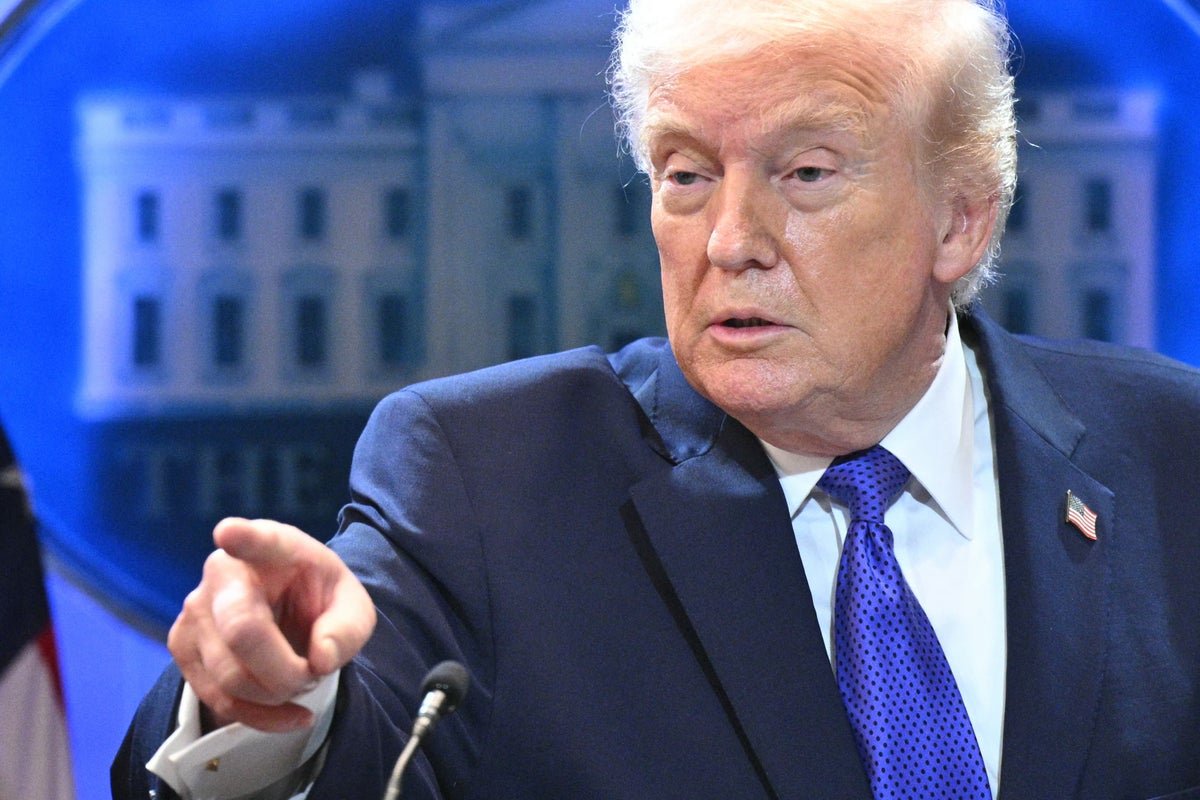
Trump’s Stance on Birthright Citizenship: A Supreme Court Warning
Birthright Citizenship: Understanding the Debate
Birthright citizenship, a fundamental right in many countries, has sparked intense debate in recent years. The concept, which grants citizenship to individuals born within a country’s borders, has been at the centre of controversy. Donald Trump, the former US President, has been a vocal critic of this practice, citing concerns over national security and immigration.
Trump’s criticism of birthright citizenship has been consistent, with the former President arguing that it incentivises illegal immigration. He believes that the current system is being exploited, with some individuals entering the country solely to give birth to children who would then be entitled to citizenship.
The issue of birthright citizenship is complex, with many arguing that it is a human right. The Universal Declaration of Human Rights, adopted by the United Nations in 1948, states that everyone has the right to a nationality. However, the implementation of this right varies significantly from country to country.
In the UK, for example, birthright citizenship is not automatically granted. Instead, individuals born in the UK to non-British parents may be eligible for citizenship, but this is not guaranteed. The British Nationality Act 1981 sets out the rules for acquiring citizenship, which can be complex and depend on various factors.
Trump’s warnings to the Supreme Court have significant implications for the future of birthright citizenship in the US. The Supreme Court has previously upheld the principle of birthright citizenship, but Trump’s comments suggest that he believes the court should revisit this decision.
The potential consequences of abolishing birthright citizenship are far-reaching. It could lead to a significant increase in the number of stateless individuals, who would not be entitled to the same rights and protections as citizens. This, in turn, could exacerbate social and economic problems, as stateless individuals may struggle to access education, healthcare, and employment.
As the debate over birthright citizenship continues, it is essential to analyse the arguments on both sides. While Trump’s concerns over national security and immigration are valid, they must be balanced against the human rights implications of abolishing birthright citizenship. The Supreme Court will ultimately decide the fate of this contentious issue, and their decision will have significant consequences for the US and beyond.
The colour of a person’s passport may seem like a trivial matter, but it can have a profound impact on their behaviour and opportunities. Citizenship is a fundamental aspect of a person’s identity, and it is essential that any changes to the system are carefully considered and implemented with caution.
In conclusion, the debate over birthright citizenship is complex and multifaceted. While Trump’s warnings to the Supreme Court have sparked controversy, they have also highlighted the need for a nuanced discussion about the issue. As we move forward, it is crucial that we prioritise the human rights of all individuals, regardless of their nationality or immigration status.