US-Taiwan Trade Deal Boosts American Chip Supply Chain
Revitalising the US Chip Supply Chain: A New Era of Cooperation
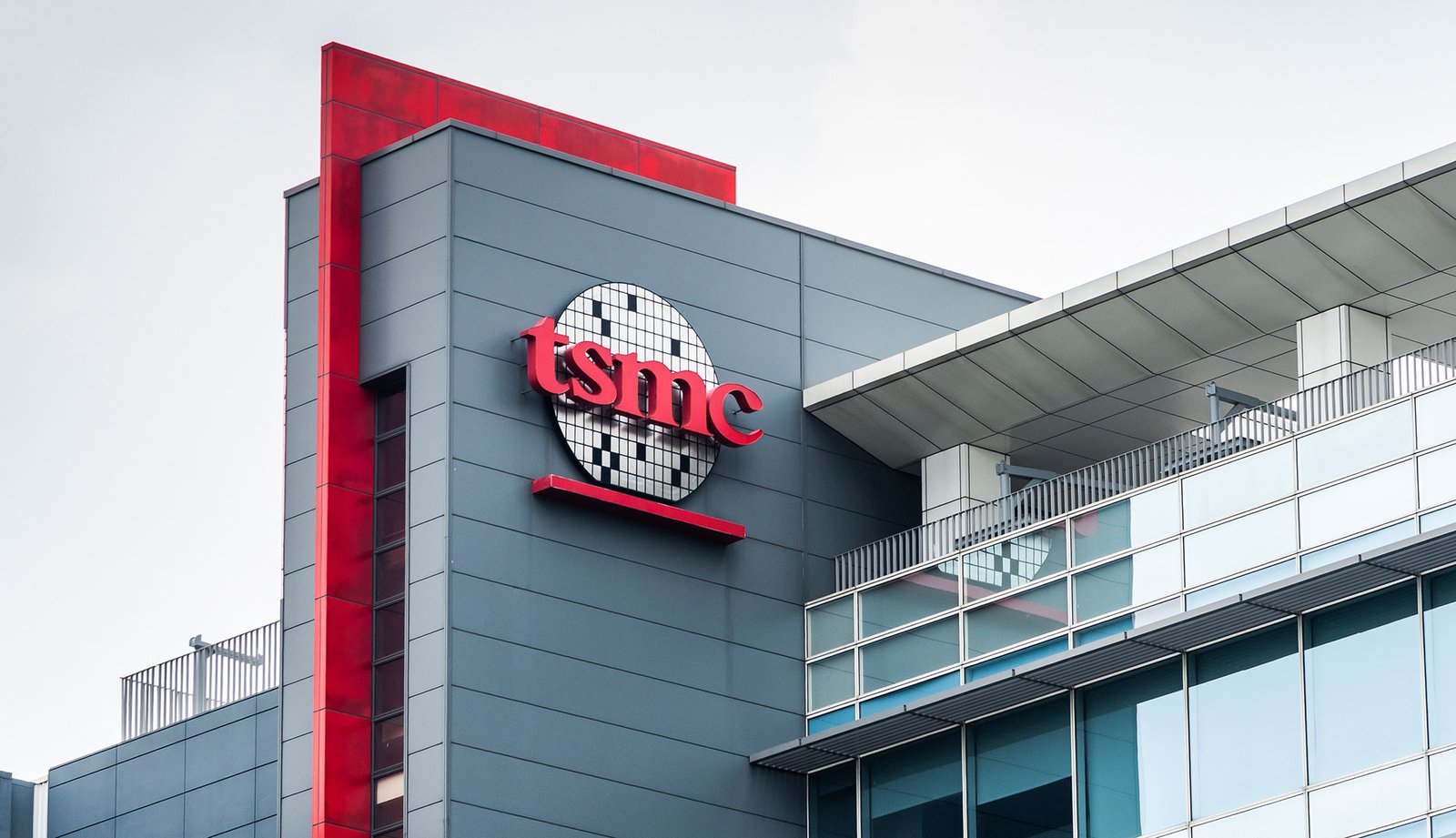
The recent US-Taiwan trade agreement has sent shockwaves of excitement throughout the industry, as it promises to bolster the investment climate for America’s chip supply chain. This move is expected to have a profound impact on the likes of TSMC and other Taiwanese suppliers. By mitigating tariff risks, these companies can now focus on expanding their operations in the US.
The semiconductor buildout in the US is a monumental undertaking, with foreign entities like TSMC taking the lead. The primary driver behind this push is the desire to diversify the chip supply chain, ensuring that US customers receive the best possible service. However, tariffs have long been a thorn in the side of Taiwanese investors, posing a significant threat to their expansion plans.
Fortunately, the new trade framework seems to address these concerns, offering tariff exemptions that could substantially lower expansion costs. This development is a game-changer for TSMC and other Taiwanese suppliers, as it enables them to navigate the US market with greater ease. The implications are far-reaching, with the potential to reshape the global semiconductor landscape.
As the US and Taiwan continue to strengthen their economic ties, the benefits of this partnership will become increasingly apparent. By fostering a more favourable investment climate, the US can attract even more foreign entities, further solidifying its position as a hub for technological innovation. The future of the chip supply chain looks bright, and this trade agreement is a significant step in the right direction.
The US-Taiwan trade deal is a beacon of hope for companies seeking to expand their operations in the US. With the tariff risks mitigated, TSMC and other Taiwanese suppliers can now focus on what they do best: producing high-quality chips that meet the evolving needs of their customers. As the demand for semiconductors continues to grow, this partnership will play a vital role in shaping the industry’s future.
In conclusion, the US-Taiwan trade agreement is a groundbreaking development that promises to revitalise the US chip supply chain. By providing a more favourable investment climate, this deal has the potential to attract even more foreign entities, driving innovation and growth in the process. As the industry continues to evolve, one thing is certain: this partnership will be a key factor in shaping its future.