US Tariffs Loom Over Memory Makers
US Tariffs Threaten Memory Manufacturers
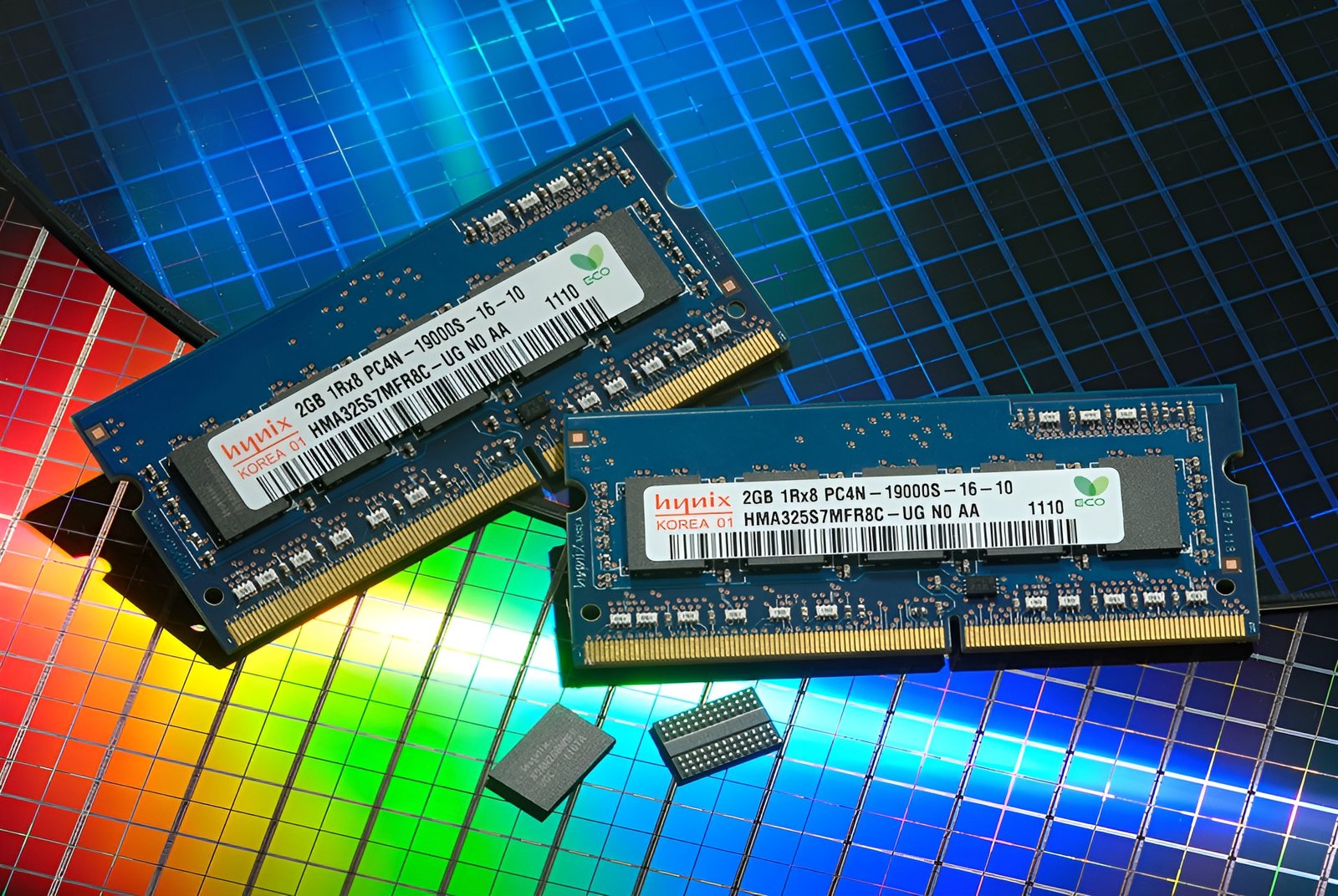
The US is considering imposing 100% tariffs on offshore memory producers, posing a new threat to suppliers like SK hynix and Samsung. This move is part of the Trump administration’s effort to prioritise American manufacturing. The tariffs could have a significant impact on the global memory market, particularly in high-value segments such as semiconductors and AI.
DRAM manufacturers like Samsung and SK hynix could come under the scope of new memory tariffs if their production is targeted. The US has been investing heavily in its own manufacturing capabilities, with companies like TSMC and Samsung making significant investments in the country. This shift towards domestic production could lead to increased costs for offshore producers.
The Made in USA narrative has gained immense traction in recent times, with many companies looking to establish a presence in the US. However, this trend could lead to increased competition for foreign manufacturers, who may struggle to compete with domestic producers. The tariffs could also lead to higher prices for consumers, as companies look to pass on the increased costs.
The memory market is already facing significant challenges, including shortages and supply chain disruptions. The addition of tariffs could further exacerbate these issues, leading to increased volatility in the market. As the US continues to prioritise domestic manufacturing, it remains to be seen how offshore producers will respond to these new tariffs.
The Trump administration’s focus on American manufacturing is part of a broader effort to promote economic growth and job creation. However, the impact of these tariffs on the global economy remains to be seen. Some experts argue that the tariffs could lead to a trade war, which could have far-reaching consequences for businesses and consumers alike.
In the short term, the tariffs are likely to have a significant impact on the memory market. Companies like Samsung and SK hynix will need to carefully consider their production strategies, as they look to mitigate the effects of the tariffs. The US government will also need to balance its desire to promote domestic manufacturing with the potential risks of a trade war.
The memory industry is a complex and highly competitive sector, with many different companies and stakeholders involved. As the US looks to impose tariffs on offshore producers, it will be important to monitor the impact on the industry as a whole. This could involve analysing the behaviour of companies like Samsung and SK hynix, as well as the broader trends in the memory market.
One of the key challenges facing the memory industry is the need to balance supply and demand. The tariffs could lead to increased demand for domestic producers, but this could also lead to shortages and supply chain disruptions. Companies will need to carefully manage their production and distribution strategies, in order to mitigate the effects of the tariffs.
The US government’s decision to impose tariffs on offshore memory producers is part of a broader trend towards protectionism. This trend is being driven by a desire to promote domestic manufacturing and reduce dependence on foreign producers. However, the impact of these tariffs on the global economy remains to be seen, and it will be important to closely monitor the situation in the coming months.
The memory market is a highly competitive and dynamic sector, with many different companies and stakeholders involved. As the US looks to impose tariffs on offshore producers, it will be important to analyse the impact on the industry as a whole. This could involve examining the financial performance of companies like Samsung and SK hynix, as well as the broader trends in the memory market.
In conclusion, the US tariffs on offshore memory producers pose a significant threat to suppliers like SK hynix and Samsung. The tariffs could lead to increased costs, higher prices for consumers, and a shift towards domestic production. As the memory industry continues to evolve, it will be important to closely monitor the impact of these tariffs and the broader trends in the sector.