Oil Prices Drop: Second Weekly Decline
Oil Prices Tumble Amidst Global Glut Concerns
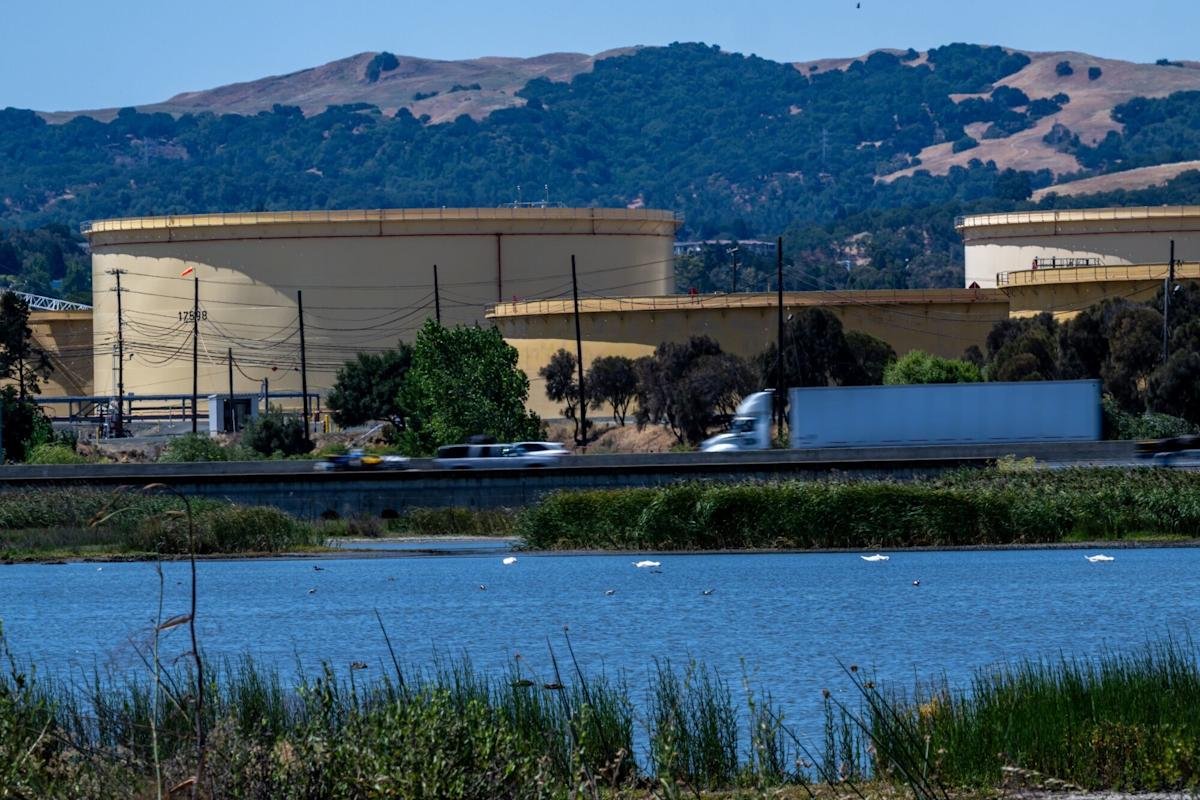
Oil prices are experiencing their second weekly decline as concerns over a global oil glut dominate the market. The recent rise in oil production has led to an oversupply of crude oil, resulting in downward pressure on prices. This trend is expected to continue, with many analysts predicting further declines in the coming weeks. The oil market is highly volatile, and prices can fluctuate rapidly.
The global oil glut is attributed to increased production from major oil-producing countries, including the United States, Saudi Arabia, and Russia. The surge in production has outpaced demand, leading to a surplus of oil in the market. This excess supply is driving prices down, making it challenging for oil-producing countries to maintain their revenue streams. The impact of the oil glut is being felt across the industry, from oil producers to refiners and distributors.
Despite the current downturn, many experts believe that the oil market will eventually rebalance. As demand for oil continues to grow, the surplus will be absorbed, and prices will stabilize. However, this may take time, and in the meantime, oil-producing countries will need to adapt to the new market reality. The UK, as a significant player in the global oil market, will be closely watching the developments and adjusting its energy policies accordingly. The oil price drop will have a ripple effect on the UK economy, impacting various sectors, including the automotive and manufacturing industries.
The oil price decline is also having a significant impact on the UK’s oil and gas sector. The industry is facing significant challenges, including reduced investment, job losses, and decreased revenue. The UK government is under pressure to provide support to the sector, including tax breaks and investment incentives. The long-term implications of the oil price decline on the UK’s energy security and economic growth are still being analysed. As the oil market continues to evolve, it is essential to monitor the developments and adjust strategies to mitigate the risks and capitalize on the opportunities.
The current oil price decline is not just a concern for oil-producing countries but also for the global economy. The impact of lower oil prices on inflation, economic growth, and trade balances is being closely watched by policymakers and economists. The UK, as a significant player in the global economy, will need to navigate the challenges and opportunities presented by the oil price decline. The Bank of England will be monitoring the situation closely, adjusting monetary policies to mitigate the risks and support economic growth. The oil price decline will also have an impact on the UK’s trade balances, with potential implications for the country’s currency and economic stability.
In conclusion, the oil price decline is a complex issue with far-reaching implications for the UK and the global economy. As the oil market continues to evolve, it is essential to stay informed and adapt to the changing landscape. The UK government, businesses, and individuals must work together to navigate the challenges and opportunities presented by the oil price decline. By doing so, the UK can ensure its energy security, support economic growth, and maintain its position as a significant player in the global oil market.