Asian Markets Buoyed by Tech Rally and Landmark BOJ Rate Hike
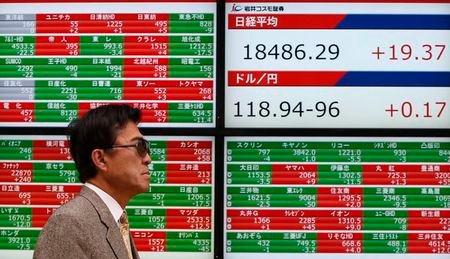
Asia’s Markets Buoyed by Tech Rally as BOJ Ends Negative Rates
Asian stock markets have recently experienced a significant upswing, painting a positive picture for investors across the region. This optimistic shift is largely attributable to a robust rebound in the technology sector, which has instilled renewed confidence amongst market participants. As global economic sentiments begin to stabilise, investor appetite for growth-oriented assets appears to be returning.
The tech sector, often a bellwether for broader market health, has shown remarkable resilience and recovery. Following periods of volatility and valuation concerns, innovative companies across Asia are once again capturing investor interest. This resurgence reflects an underlying strength in digital transformation trends and a continued belief in the long-term growth prospects of technological advancement.
Several factors are contributing to this tech resurgence. Easing inflationary pressures in key global economies, coupled with a more stable interest rate outlook, have reduced some of the headwinds that previously challenged growth stocks. Furthermore, robust corporate earnings reports from major Asian tech players have reinforced positive sentiment, demonstrating strong operational performance and profitability.
Innovation continues to drive the sector forward, with advancements in artificial intelligence, cloud computing, and digital services creating new opportunities. Investors are increasingly recognising the intrinsic value and future potential embedded within these companies. This renewed focus on fundamentals is helping to underpin the current rally and attract fresh capital into the market.
Adding another layer of significant market activity, the Bank of Japan (BOJ) made a landmark decision, hiking its benchmark interest rate for the first time in 17 years. This move, widely anticipated by analysts, signals a decisive shift away from an era of ultra-loose monetary policy that has defined Japan’s economic landscape for nearly two decades. It represents a normalisation effort.
The BOJ’s decision to increase its short-term policy rate target to a range of 0% to 0.1% from minus 0.1% marks the end of negative interest rates. This historic shift is primarily in response to sustained inflation, which has consistently exceeded the central bank’s 2% target. Policymakers are now more confident that the inflation is driven by demand and wage growth, rather than temporary factors.
For Japanese consumers, this change could bring both opportunities and challenges. While deposit rates might see a modest increase, potentially benefiting savers, borrowing costs for mortgages and business loans could also rise. The central bank is balancing the need to curb inflation with supporting economic growth, making this a carefully calibrated policy adjustment.
Globally, the BOJ’s rate hike has significant implications. As the last major central bank to exit negative rates, its move influences currency markets and global capital flows. A stronger yen, for instance, could impact Japanese exporters but make imports cheaper, affecting trade balances and international investment decisions. It signifies a broader global economic shift.
The combined effect of a surging tech sector and the BOJ’s policy normalisation paints a complex yet intriguing picture for Asian markets. The region continues to demonstrate its dynamic nature, capable of adapting to global economic shifts while pursuing its own growth trajectories. These developments underscore the importance of nuanced analysis for investors.
Looking ahead, the stability of the tech rally will largely depend on global economic indicators and continued innovation. Similarly, the full impact of the BOJ’s monetary tightening will unfold over time, influencing domestic consumption, investment, and Japan’s standing in the international financial arena. Market participants will keenly observe these evolving trends for further cues.
In conclusion, the recent ascent in Asian stock markets, propelled by a vigorous technology sector rebound and the Bank of Japan’s pivotal rate hike, marks a significant turning point. These events reflect a complex interplay of global and regional factors shaping the economic narrative. Investors remain vigilant, navigating a landscape of both promising opportunities and potential adjustments.