Flight control data fault forces Airbus into mass recall
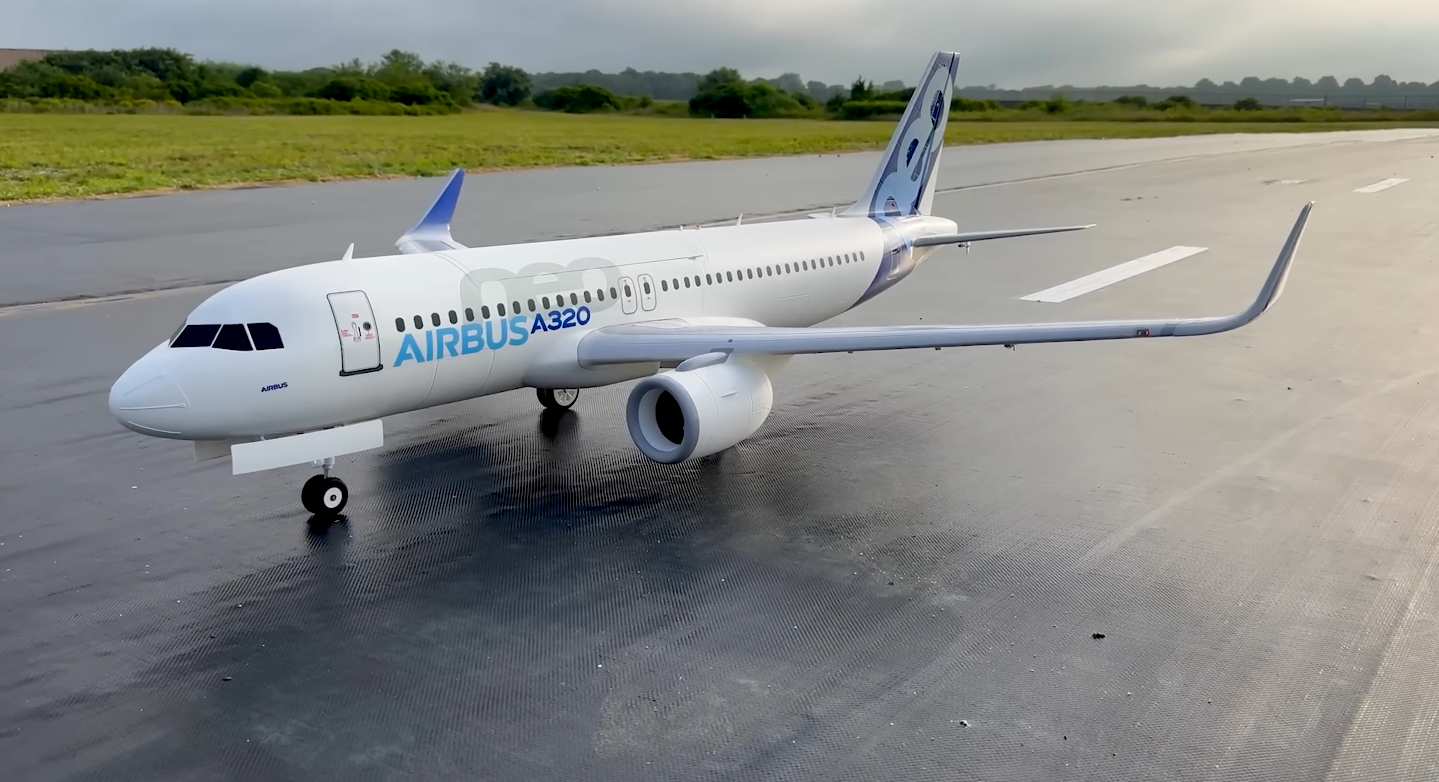
Airlines Respond to Airbus Directive After Safety Review Flags Critical Issue
Airbus has ordered a mass recall of aircraft after a flight-control data fault was identified during a routine internal review. The manufacturer instructed airlines worldwide to update affected systems immediately, prompting operators to withdraw aircraft temporarily while engineers carry out the required work. Although no incidents have been reported, Airbus said the issue must be fixed before jets continue normal operations.
The recall covers several thousand aircraft across multiple Airbus families, with the A320-series among the most heavily affected. These jets form the backbone of short-haul fleets across the UK and Europe, meaning airlines have had to reorganise schedules at short notice. Operators say they expect the impact to be short-lived as the update process is already under way.
Airbus explained that the fault relates to flight-control data handling, which needs recalibration to ensure long-term system reliability. The company emphasised that the action is precautionary and forms part of its commitment to rigorous safety standards. Regulators were briefed in advance and are overseeing how airlines implement the directive.

UK carriers confirmed that they have begun grounding aircraft in rotation rather than all at once, aiming to keep disruption to a minimum. Early-morning flights were the most affected as maintenance teams prioritised the jets scheduled to operate later in the day. Most airlines continue to run the majority of services, with delays rather than cancellations expected.
Engineers say the update itself is straightforward but must be followed by a detailed verification process before each aircraft can return to service. This involves checking the aircraft’s flight-control responses against the updated data configuration to ensure complete alignment. The extended checks are essential to meet the standards set in Airbus’ technical guidance.
Aviation analysts noted that while mass recalls are uncommon, they do occur when manufacturers detect inconsistencies in critical systems. Acting quickly helps prevent long-term risks and reassures passengers that the industry is prepared to take decisive action when needed. The scale of the recall reflects how widely Airbus aircraft are used rather than the severity of the fault.
UK aviation authorities said all affected UK-registered aircraft are now in the update cycle. Oversight teams are monitoring progress and engaging with airlines to make sure the recall is completed within the timeframe set by Airbus. Officials repeated that there was no immediate danger identified, but the update is required for continued airworthiness.
Airlines with large Airbus fleets are prioritising aircraft based on route importance and demand levels. High-frequency domestic and European services are receiving updated jets first, allowing carriers to protect their busiest schedules. Some airlines have also deployed standby aircraft to keep peak-time operations moving.
Early results suggest that delays are easing as more aircraft return to service after passing verification checks. A small number of regional airports may still face bottlenecks due to limited maintenance capacity, though airlines say these should clear quickly. Passengers affected by changes are being moved automatically to the next available flight.
The recall highlights the complexity of modern flight-control systems and the need for constant monitoring to maintain safety margins. It also shows how swiftly the global aviation industry can coordinate when critical updates are required. With airlines progressing through the recall at pace, normal operations are expected to stabilise once the bulk of the fleet has been cleared to fly.