Landlords face heavy £1,500 yearly tax burden under new rental income regime
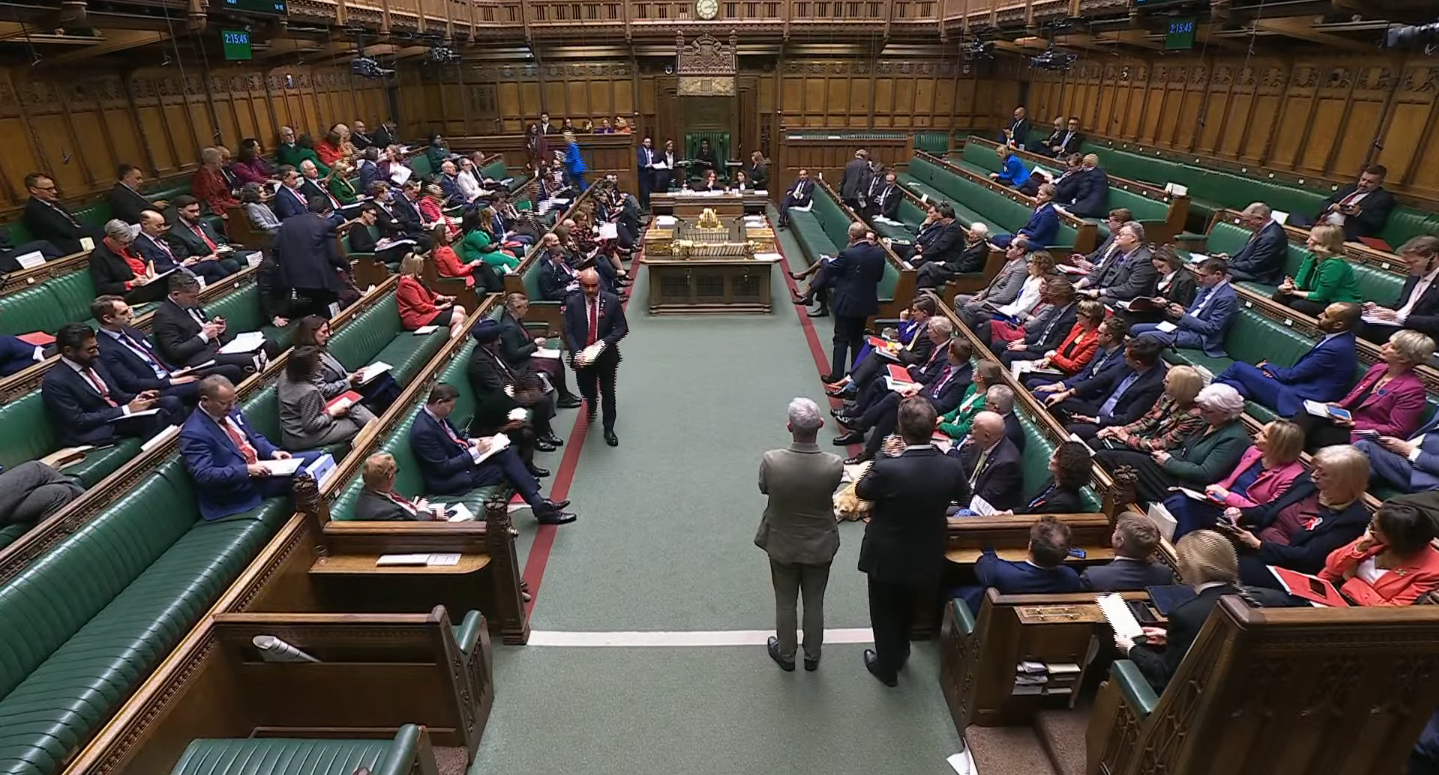
New Tax Rules Increase Pressure on UK Property Owners
Landlords across the UK are preparing for a significant rise in annual costs as the new rental income tax regime takes effect. Updated measures introduced in the latest Budget are expected to increase the average landlord’s tax burden by around £1,500 per year. The shift marks one of the most substantial adjustments to property taxation in recent years and is set to influence decisions across the rental market.
The changes target rental income and related financial gains, creating a more expensive environment for those holding investment properties. With revised rules affecting how rental earnings are taxed, many landlords will see a noticeable reduction in net income. This move forms part of a wider strategy to increase government revenue while rebalancing the tax system.
One of the central factors behind the £1,500 increase is the adjustment to investment-related tax thresholds. Dividends, capital gains and property-linked income are now taxed more heavily, placing additional pressure on individuals with active portfolios. The updated framework is expected to affect both small-scale landlords and those with multiple properties.
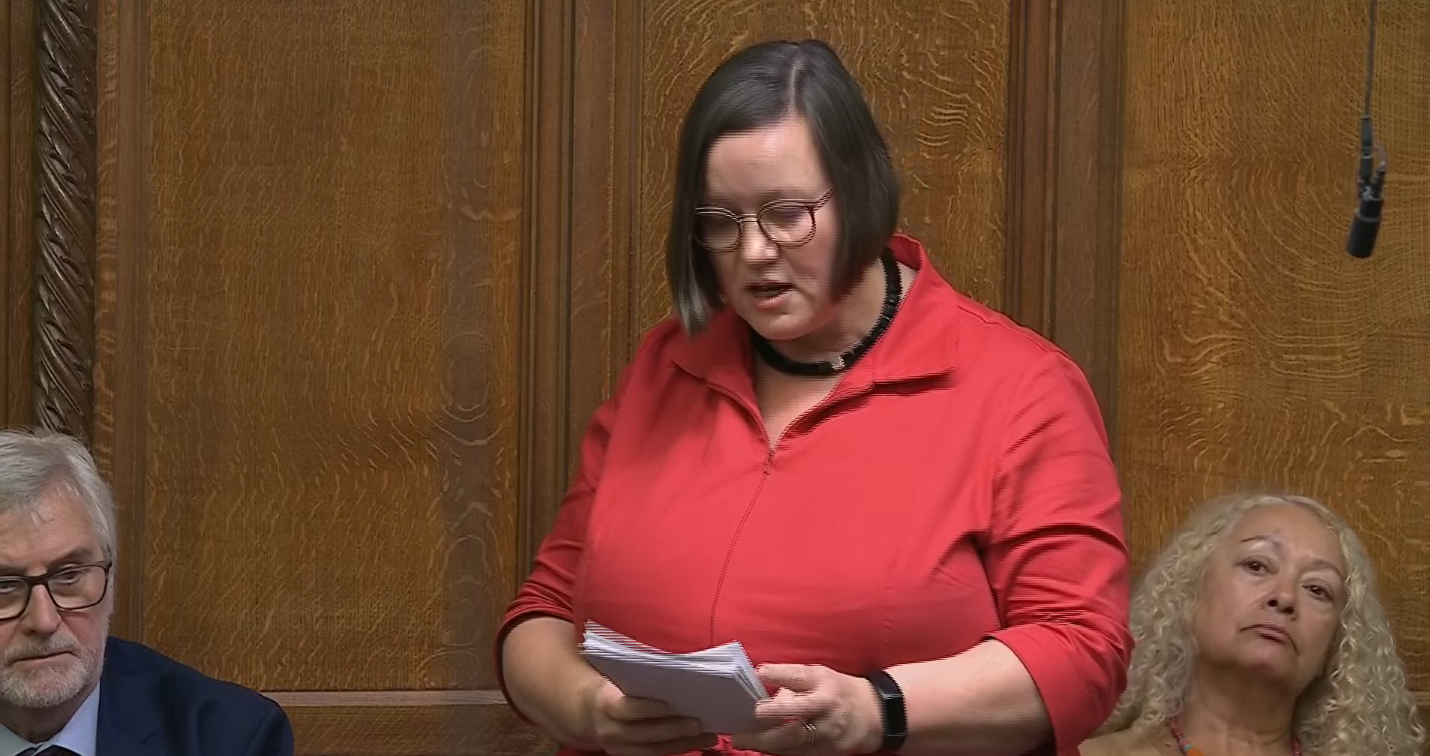
The freeze on income tax thresholds adds further strain. As wages increase due to inflation, more landlords are pushed into higher tax bands despite unchanged rates. This effect gradually raises the overall tax load, meaning many landlords will pay more even if their rental income remains steady. The impact is particularly strong for those already close to the upper thresholds.
Mortgage charges continue to influence the situation. Many landlords are still coping with elevated interest costs following recent rate rises, and these higher outgoings reduce the buffer between rental income and expenses. When combined with the new tax rules, the resulting squeeze makes property management more challenging.
Landlord organisations warn that the new arrangements could lead to changes in market behaviour. Some property owners may increase rents to compensate for the higher tax burden, potentially affecting tenants already managing rising living costs. Others may consider reducing their portfolios or exiting the rental sector entirely if margins become too narrow.
Regions with strong rental demand may feel the effects first. With supply already limited in many areas, any reduction in landlord participation could intensify competition for available properties. This dynamic may place additional upward pressure on rents, adding to broader affordability concerns across the UK.
The government states that the updated rules aim to create a fairer and more sustainable tax system. Officials argue that the property sector continues to perform strongly and that higher contributions from landlords support essential public services. They emphasise that the changes are part of a balanced approach to long-term fiscal planning.
However, critics highlight the potential knock-on effects for both landlords and tenants. Concerns include reduced investment in rental housing, increased rent levels and a possible decline in the quality of privately let homes if landlords cut spending to absorb the higher tax load. These challenges are expected to shape debate throughout the year.
Financial advisers are urging landlords to review their tax strategies carefully. With the new regime altering the landscape, many may need to reassess how they structure their investments or explore tax-efficient alternatives. Planning ahead is seen as essential to managing the increased costs.
As the new rental income regime settles in, landlords and tenants alike will be monitoring its effects closely. With the average £1,500 tax increase representing a considerable shift, the coming months will reveal how the sector adapts and what it means for the wider housing market across the UK.