Reeves Budget 2025: dirty dozen taxes set to sting UK voters
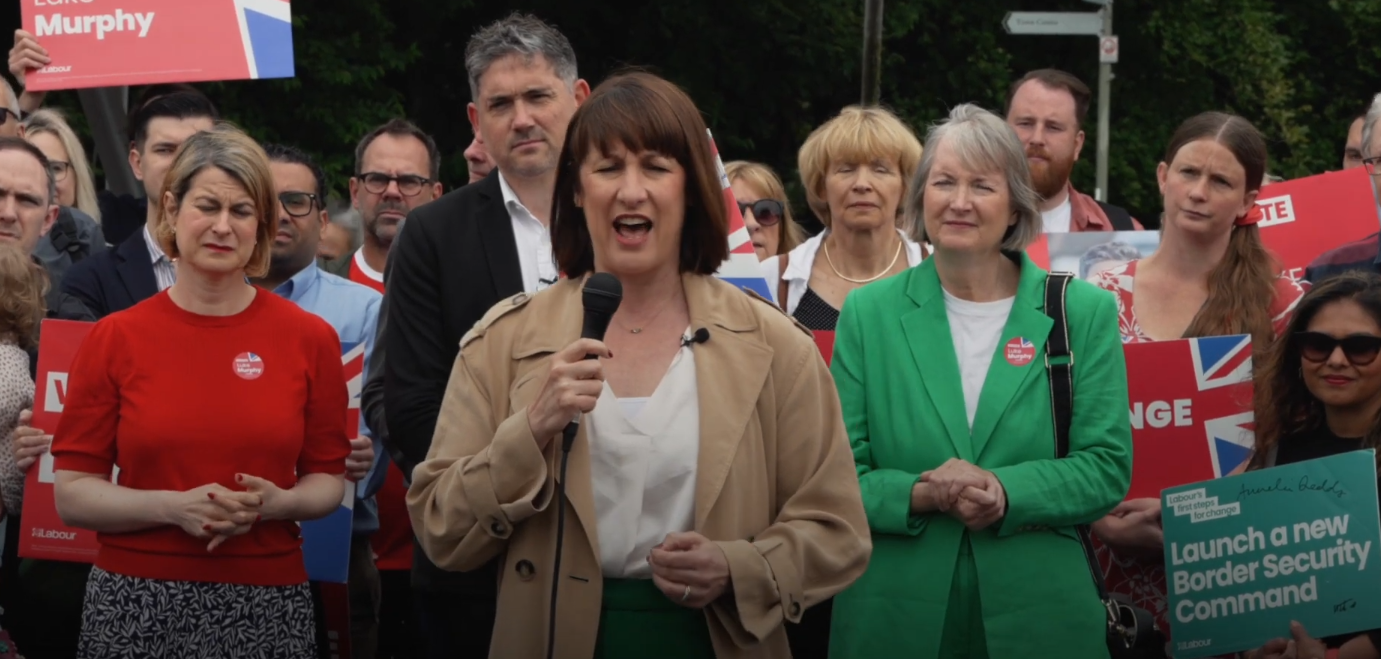
What the “Dirty Dozen” Means for UK Taxpayers
The incoming Rachel Reeves has crafted what many commentators are calling a “dirty dozen” package of tax rises under the 2025 Budget. The phrase refers to a broad set of twelve targeted tax hikes and fiscal changes designed to close Britain’s sizeable budget gap — and they may hit households, savers, homeowners and businesses hard.
At the core of the plan is a freeze on income-tax thresholds — a so-called “stealth tax” whereby more people slowly drift into higher tax bands even if their pay stays the same. Additional moves include raising taxes on dividends, rental and property income, savings and certain investment returns. This collection is expected to squeeze middle-income earners, business owners and investors.
Savers are also in the crosshairs: the tax-free allowance on cash ISAs may be cut. For those relying on tax-advantaged savings, this reduces shelter from taxes and could push them toward higher-risk investments.
Owners of expensive homes may face a new levy. A proposed “mansion tax” targets homes worth £2 million or more, raising an extra annual tax burden on high-value properties — a move likely to affect wealthy homeowners, especially in London and the South East.
Drivers and vehicle owners could see changes too. Plans under discussion include a pay-per-mile tax for electric vehicles, aiming to replace lost fuel duty revenue — a measure that could increase the cost of owning an EV despite earlier green incentives.
Frequent buyers of drinks may get hit as well: sugary milk-based drinks like milkshakes and lattes are set to lose their sugar-tax exemption, meaning many popular beverages may see a price rise under the expanded levy.
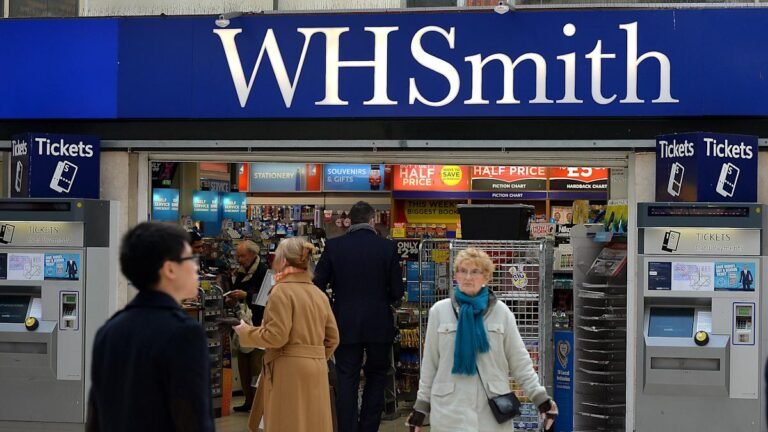
Remote betting and gambling firms are facing major duty hikes under the Budget. The government plans to raise remote-gaming duty sharply — a move that will almost certainly feed through to higher costs for gamblers and could impact the high street betting sector.
Other proposed tax increases include levies on cash savings, pension salary-sacrifice schemes, and possibly special taxes for taxis, tourists, and certain imported goods. These are part of the broader dozen that analysts fear may burden ordinary households.
Critics argue that despite avoiding headline income-tax or VAT hikes on working people, this “dirty dozen” is effectively a wide-ranging tax-grab. They warn it may dampen consumer spending, hurt investment and place additional pressure on living costs already squeezed by inflation and wage stagnation.
Proponents, meanwhile, argue the package is a fiscal necessity: with a large budget deficit to tackle, this mix of targeted taxes aims to raise revenue without visibly increasing headline rates. The hope is revenue is raised from wealthier households, investors and non-essential consumption to avoid overly burdening lower-income families.
Whether the “dirty dozen” proves politically palatable remains to be seen. Many voters may treat these cumulative rises as a de facto tax increase — especially if they feel the pinch in everyday costs, savings returns or property bills. Either way, the 2025 Budget marks a significant shift in the UK’s approach to taxation and public finance under Rachel Reeves.
Also Read: New UK TV service offering 150+ channels now works on older models