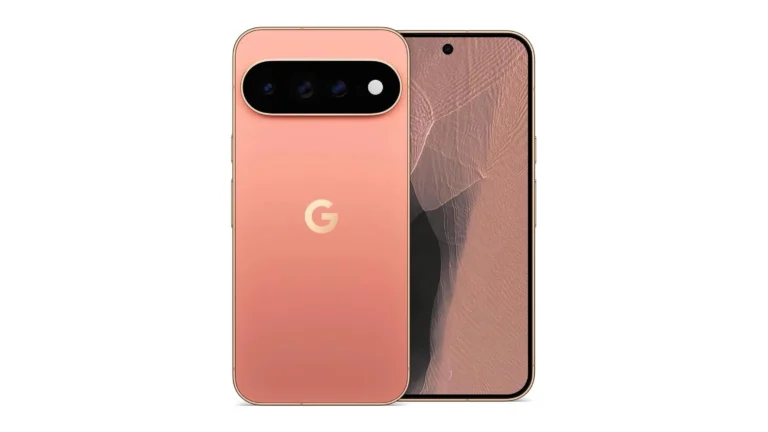
LAVA Agni 4 vs Redmi Note series which offers better value
A Detailed Comparison of Two Budget Contenders in 2025
The LAVA Agni 4 enters the budget and mid-range smartphone market with an ambition to compete directly with long-established devices such as Xiaomi’s Redmi Note series. As the Redmi lineup continues to dominate recommendation lists across the UK, the Agni 4’s updated hardware and premium-leaning design raise the question of whether it can offer better value for day-to-day users. Both ranges target affordability, but they approach value from very different angles.
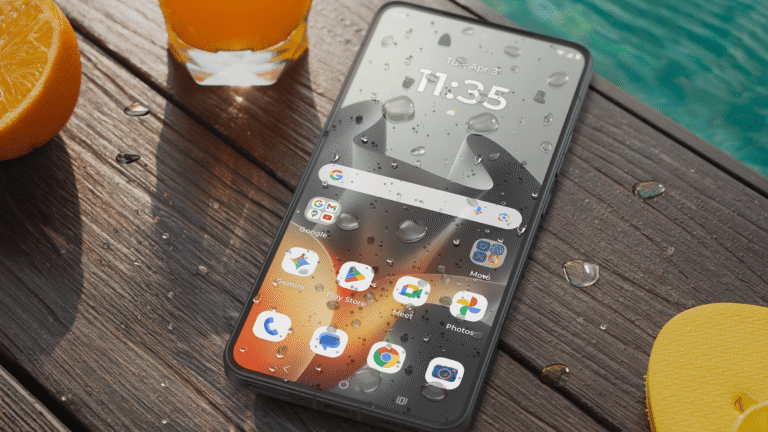
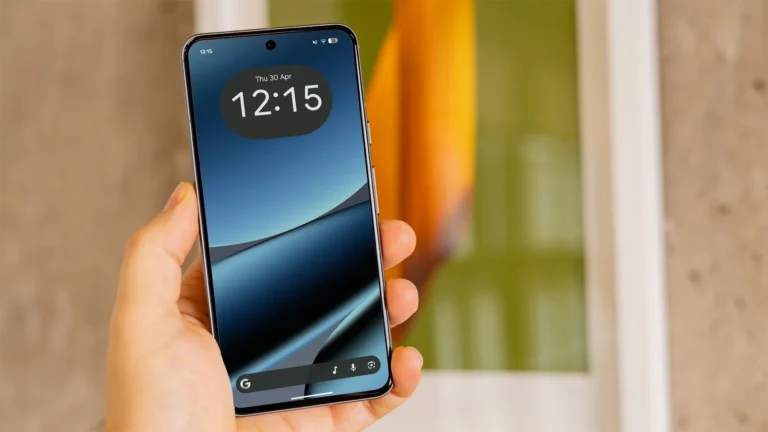
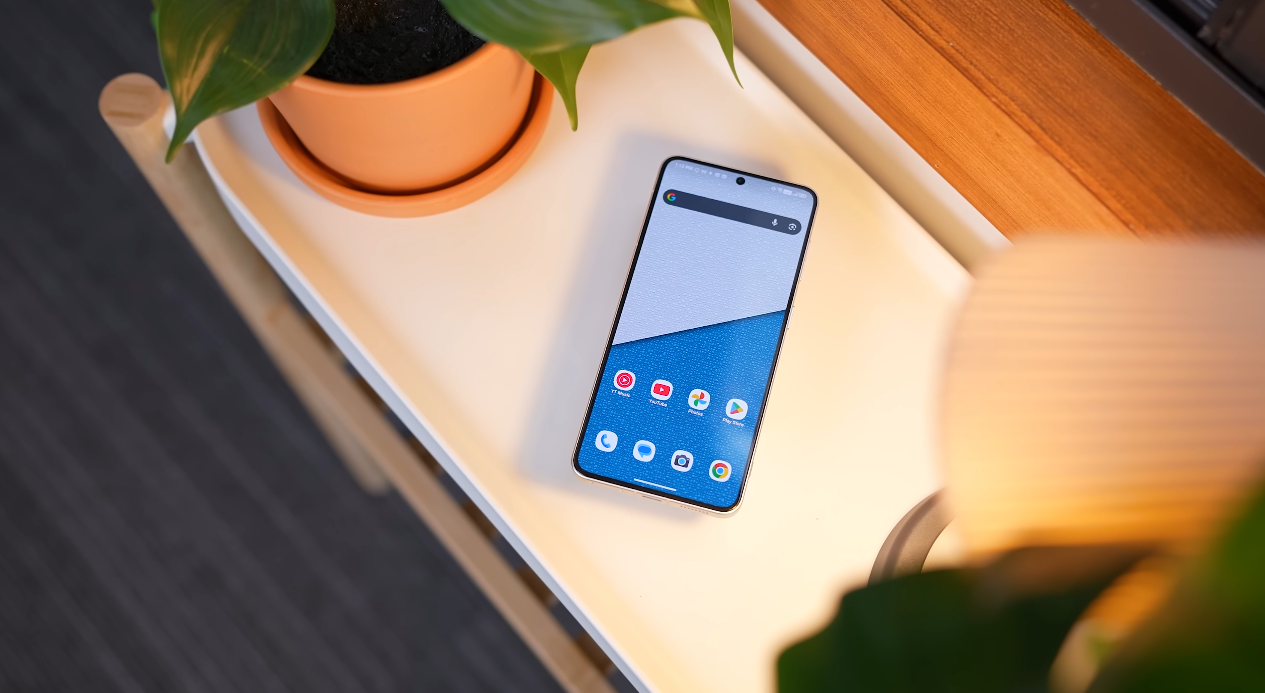
The Agni 4 offers a 6.67-inch AMOLED display with a 1.5K resolution and 120Hz refresh rate, giving it a more advanced panel than many Redmi Note models that continue to use 90Hz or lower-resolution screens in their lower price tiers. This emphasis on display quality could appeal especially to buyers who prioritise streaming, social media or gaming on the go. The Redmi Note series, meanwhile, focuses on offering balanced screens at lower price points, ensuring accessibility for a broad audience.
Performance is another area where both brands diverge. The Agni 4 uses a modern 4nm chipset paired with 8GB of RAM and 256GB of storage, offering a level of responsiveness commonly associated with upper mid-range devices. In contrast, Redmi Note models typically offer multiple variants with different processors and memory configurations, allowing buyers to choose according to budget. While the top Redmi Note models remain competitive, the Agni 4’s single high-spec configuration gives it a performance advantage in direct comparisons.
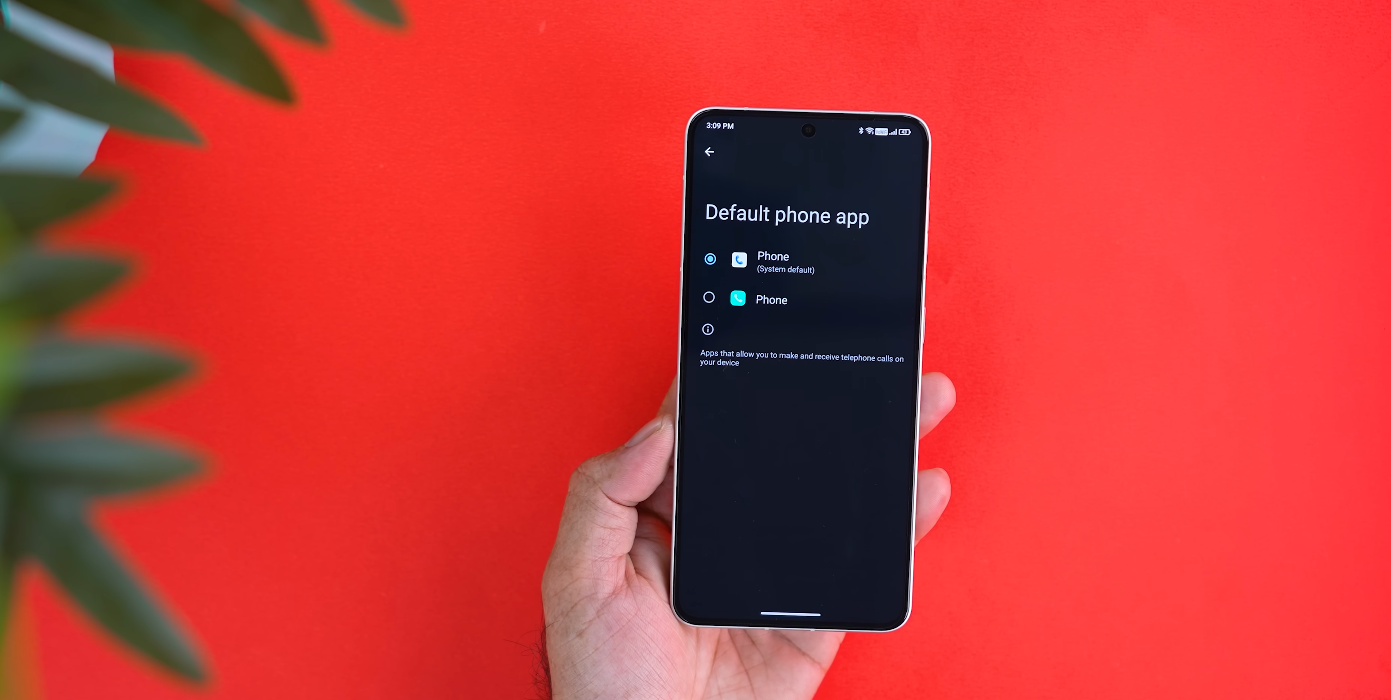
Battery and charging form a crucial part of the value equation, especially for budget-conscious buyers who expect long usage cycles. The Agni 4 includes a 5,000mAh battery with 66W fast charging, allowing quick top-ups that significantly reduce downtime. Redmi Note phones often offer larger battery capacities and strong endurance, but their charging speeds frequently sit in lower tiers. For users who rely on fast replenishment during a busy day, this can give the Agni 4 a practical edge.
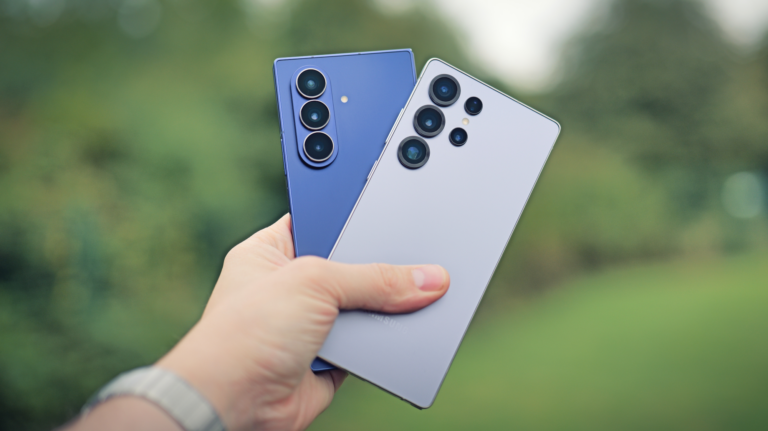
Design quality is an area where the Agni 4 attempts to differentiate itself. With a metal frame and matte glass back, it presents a more premium feel than the plastic builds commonly used in the Redmi Note range. UK buyers who value aesthetics and durability in the hand may find the Agni 4’s materials more appealing. The Redmi Note series, however, maintains its reputation for offering durable devices with a wide selection of colours and finishes oriented toward mainstream preferences.
Camera capabilities differ significantly between the two lines. The Agni 4 features a 50MP main camera with optical image stabilisation, paired with an 8MP ultra-wide lens and a 50MP front camera. Redmi Note phones often deliver higher megapixel counts, sometimes reaching 108MP, although real-world performance varies depending on software optimisation. In day-to-day use, the Agni 4 offers stable daytime photography, while Redmi models may provide more features across different price brackets.
The long-term value of a smartphone also depends heavily on software support and after-sales service. This is where the Redmi Note series traditionally excels, offering consistent updates, widespread service networks and strong brand familiarity across the UK. The Agni 4, being a newer entry, faces questions about long-term support, warranty access and reliability of regional servicing. Many budget phone buyers consider these elements essential when evaluating overall value.
Price positioning remains a decisive factor in the comparison. The Redmi Note series continues to benefit from aggressive pricing, frequent discount cycles and strong availability both online and in retail. If the Agni 4 enters the UK market at a competitive price, it could rival Redmi models through stronger hardware and charging speed. However, if its pricing aligns too closely with well-established Redmi devices, buyers may still favour the safer option with better local support.
In usage scenarios where display quality, charging speed and premium design are the main priorities, the Agni 4 offers exceptional value. It suits users who want a more refined experience without moving into higher cost tiers. Conversely, for users seeking long-term reliability, service network access and consistent software support, the Redmi Note series continues to excel, making it the stronger long-term value option for many UK consumers.
In summary, the LAVA Agni 4 competes aggressively in raw hardware value and build quality, while the Redmi Note series maintains its lead in dependability and support infrastructure. Buyers prioritising specifications may find better immediate value in the Agni 4, whereas those looking for a trusted, durable and well-supported device may still find greater value in the Redmi Note lineup. Both offer compelling advantages, but the better choice ultimately depends on which aspects of value matter most to the individual user.
Also Read: LAVA Agni 4 could shake the budget market if priced right in the UK