Redmi K90 Pro Max display colour accuracy: is it pro-level?
Testing the Display Precision of Redmi K90 Pro Max in Real Conditions
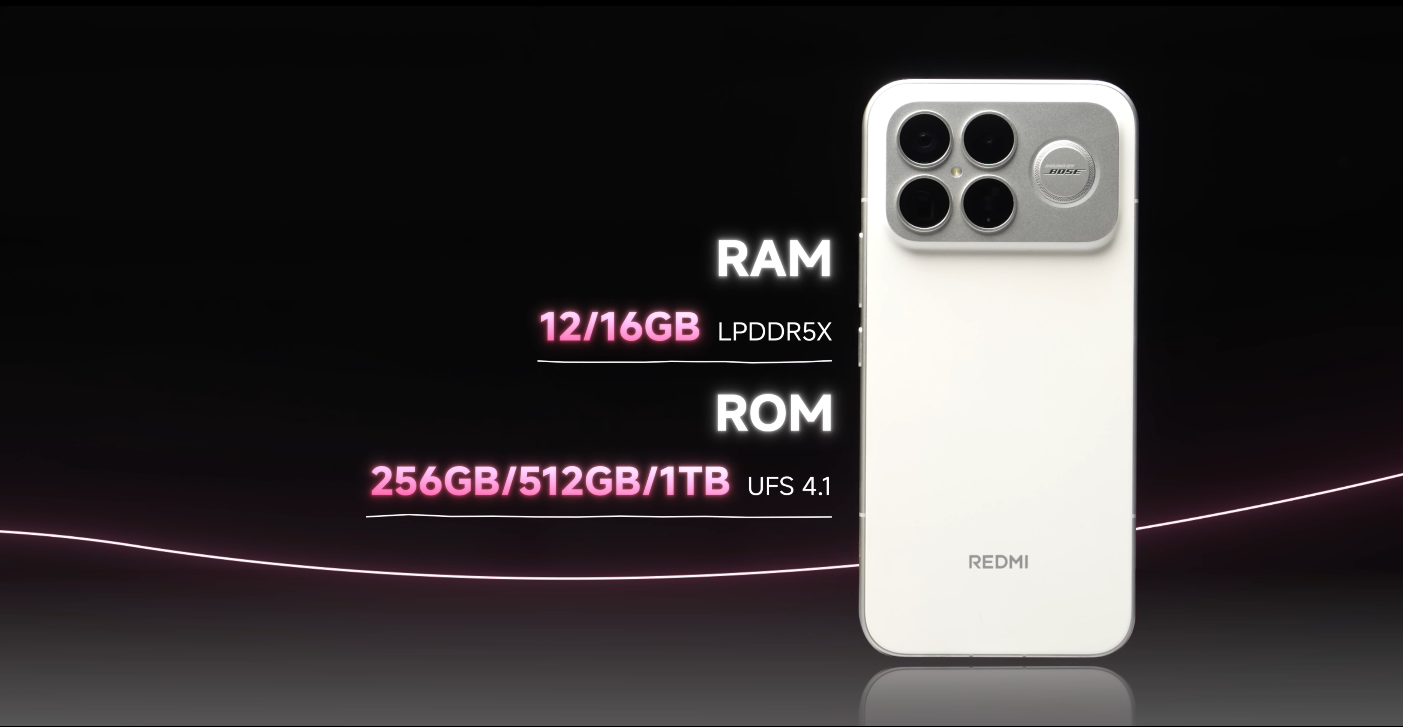
The Redmi K90 Pro Max enters the market with a flagship-grade AMOLED display boasting 2K resolution, 120Hz refresh rate, and 12-bit colour depth. On paper, these specifications suggest professional-level visual performance. But how accurate is it really when tested under realistic UK lighting and daily usage?
In bright daylight, the display performs impressively. Colours appear vibrant yet balanced, without leaning into oversaturation. Reds and greens retain natural tones, while whites stay clean even under the soft glare of British skies. The panel’s wide colour gamut and brightness reaching up to 3,500 nits help maintain clarity when used outdoors, especially on sunny or partly cloudy days.
Indoors, where UK lighting tends to be softer and cooler, the display maintains impressive consistency. Even at lower brightness, colour accuracy holds well, with no major tint shifts or dimming issues. This stability makes the K90 Pro Max particularly suited for long-term media consumption, design review, or casual content editing.
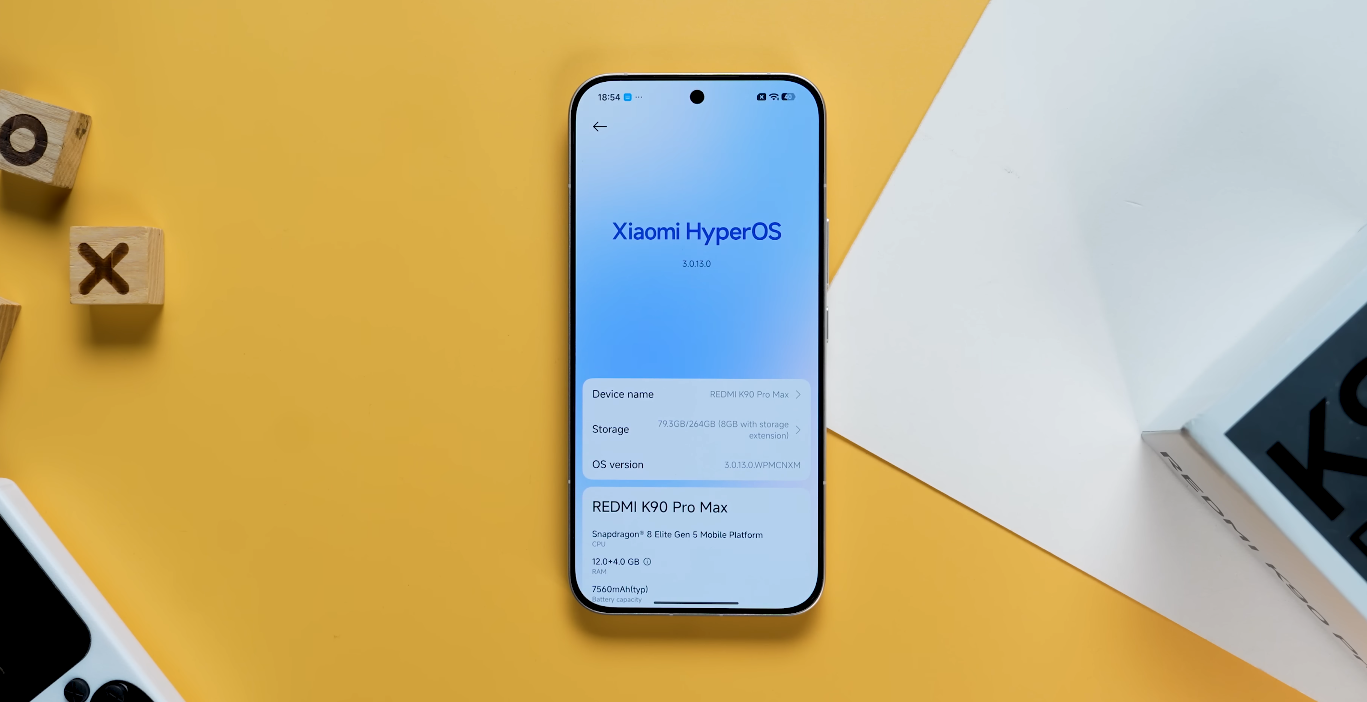
The 12-bit colour depth and P3 gamut coverage contribute to smooth gradient transitions, making images and videos look refined. Subtle colour differences in skies, skin tones, and shadows are rendered with minimal banding. This gives the display an edge over many mid-range devices, especially when viewing HDR content or high-resolution photos.
In professional testing scenarios, accuracy often depends on calibration. While the Redmi K90 Pro Max does not claim full ΔE<1 calibration like some ultra-premium models, its factory tuning is strong enough for most users. Side-by-side comparisons with calibrated monitors show only minor deviations, meaning the display is reliable for semi-professional visual tasks.
For photographers and editors who depend on perfect tone control, the K90 Pro Max still falls just short of a true professional monitor. Certain HDR adjustments can slightly shift contrast in darker areas, and automatic tone mapping may overcompensate in bright indoor scenes. However, for streaming, gaming, and editing on the go, the results remain outstanding for its class.
Viewing angles are another strength. The AMOLED panel retains brightness and saturation even when tilted, with minimal colour fading. This is useful for collaborative viewing or content sharing — an important factor for professionals who preview work in group settings.
Under UK’s variable weather, including cloudy afternoons and indoor fluorescent lighting, the screen adapts effectively. The adaptive brightness mode transitions smoothly, and the anti-glare coating keeps reflections manageable, improving visibility during outdoor use.
In gaming and entertainment, the accuracy extends to visual richness. The HDR10+ support brings punchy highlights and deeper contrast, giving a cinematic appeal to shows and films. The 120Hz refresh rate complements this by ensuring motion smoothness without blurring, enhancing both work and play experiences.
Overall, the Redmi K90 Pro Max delivers near pro-level colour accuracy for a smartphone display. It offers wide gamut coverage, high brightness, and consistent tone reproduction suitable for creators, professionals, and everyday users alike. While it may not match calibrated studio monitors, its precision, smoothness, and vividness put it among the best displays in its price range for the UK audience.