Oppo Find X8 Ultra vs Xiaomi Mix Fold 4 feature test
Comparing Two Flagship Titans of 2025
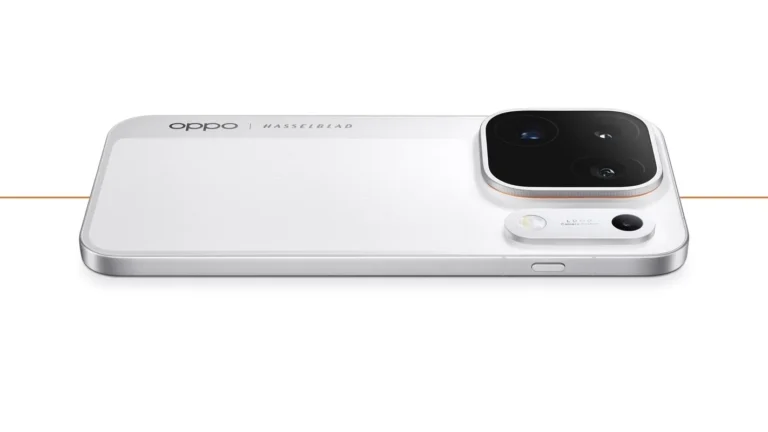
The Oppo Find X8 Ultra and Xiaomi Mix Fold 4 represent two distinct approaches to flagship innovation in 2025. Oppo focuses on perfecting traditional smartphone design with powerful cameras and unmatched durability, while Xiaomi pushes the boundaries of foldable technology with sleek engineering and high-end hardware. When tested side by side, both devices deliver exceptional performance, yet their strengths lie in different areas depending on what users value most.
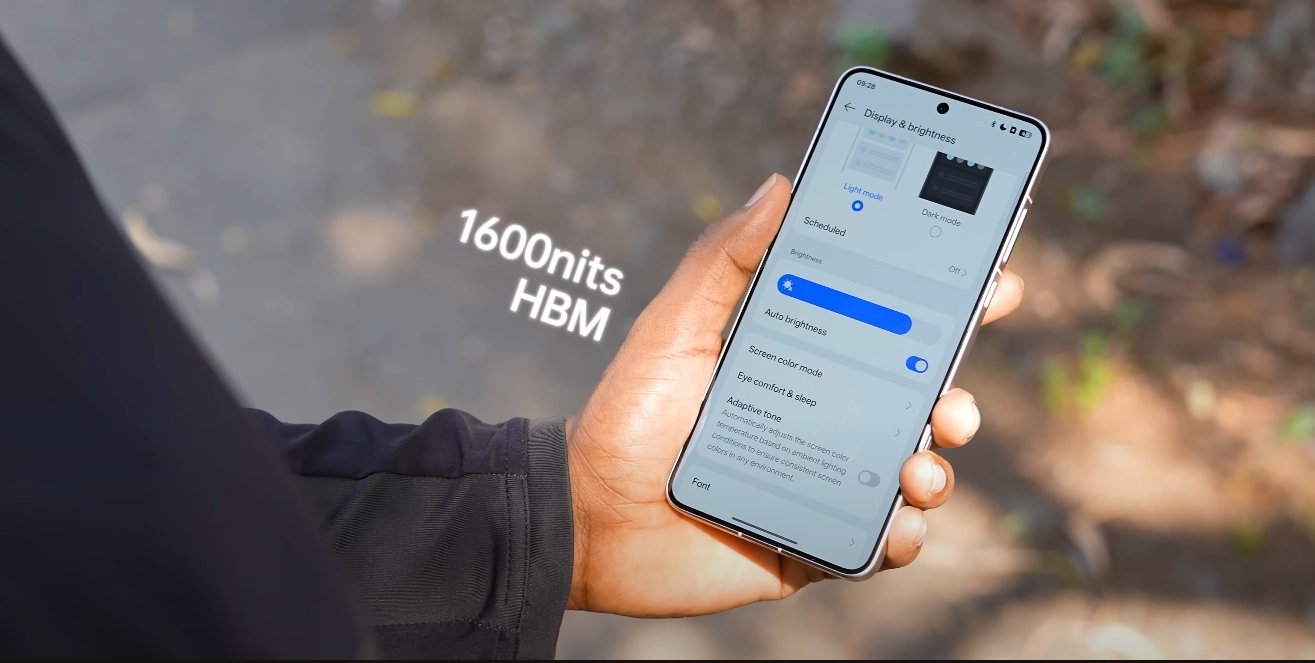
Starting with the display, Oppo’s Find X8 Ultra features a 6.82-inch QHD+ AMOLED LTPO panel with a 120Hz refresh rate, HDR10+ support, and peak brightness above 1600 nits. It’s a conventional flat display designed for clarity, outdoor visibility, and accurate colors. Xiaomi’s Mix Fold 4, on the other hand, brings dual screens into play—a massive 7.98-inch foldable inner display and a 6.56-inch outer cover display, both with 120Hz refresh rates. The inner screen delivers a tablet-like experience, perfect for multitasking, gaming, and watching media. While Oppo’s display offers slightly better durability and calibration, the Mix Fold 4 stands out in flexibility and immersive usability.
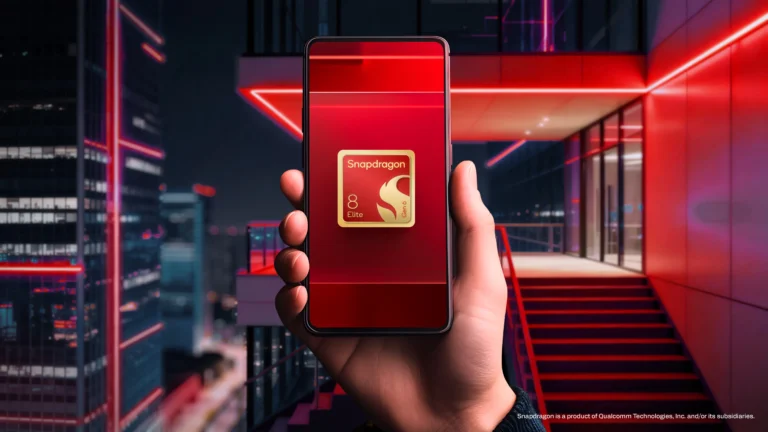
When it comes to performance, both phones are built for speed. The Oppo Find X8 Ultra runs on Qualcomm’s Snapdragon 8 Elite chipset paired with up to 16GB of LPDDR5X RAM and 1TB of UFS 4.0 storage. Xiaomi’s Mix Fold 4 uses the Snapdragon 8 Gen 3 processor, also supported by up to 16GB RAM and the same fast storage. In real-world usage, both handle demanding apps, gaming, and multitasking effortlessly, with smooth frame rates and minimal heat buildup. Oppo’s ColorOS and Xiaomi’s HyperOS are both optimized for fluid navigation, though Xiaomi’s interface takes advantage of the foldable form factor with advanced multitasking windows and split-screen layouts.
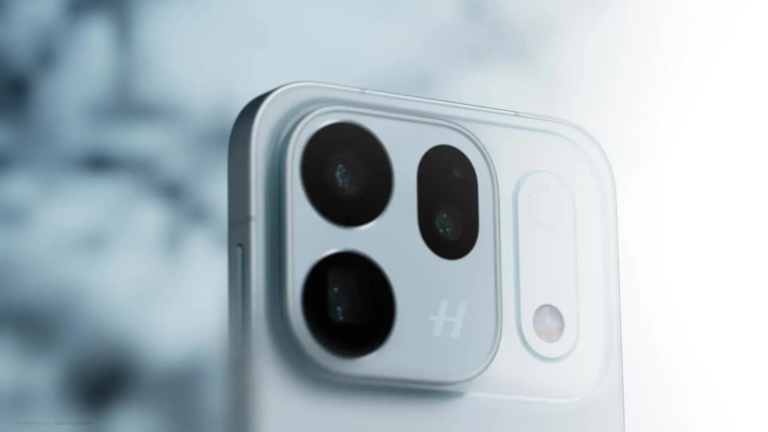
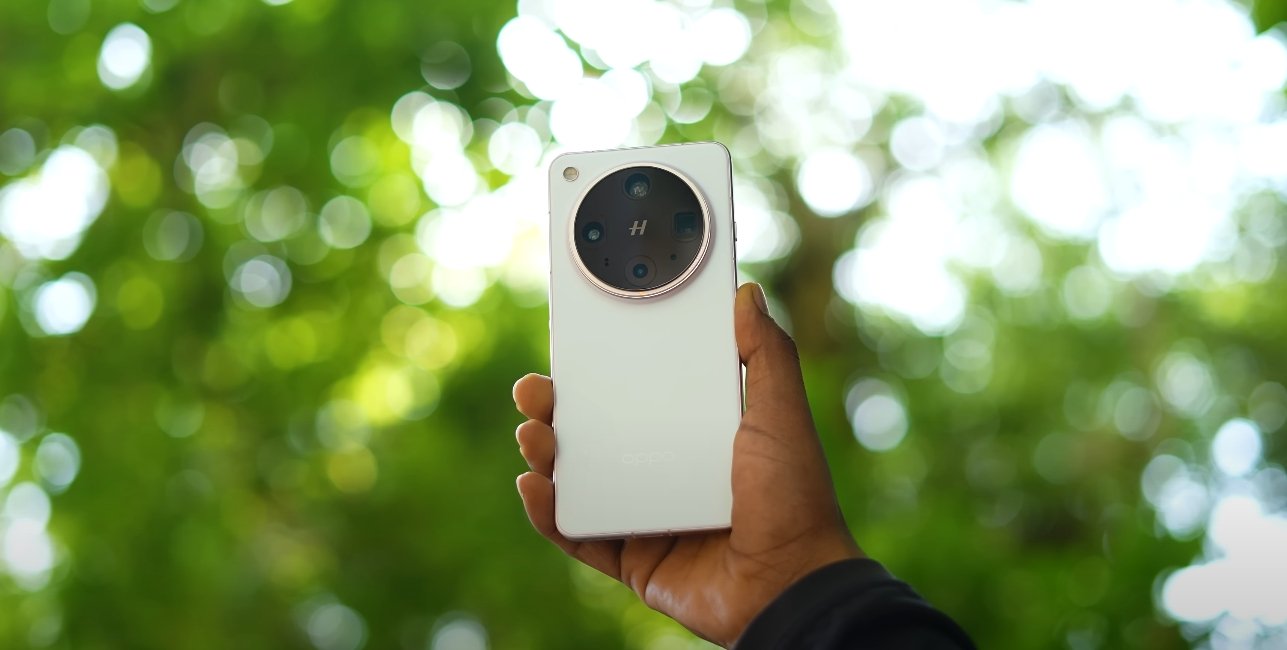
Camera performance is where the Oppo Find X8 Ultra shines brightest. It sports a quad-camera setup with a massive 50-megapixel 1-inch main sensor, a 50-megapixel ultra-wide, and two periscope lenses offering 3x and 6x optical zoom. This configuration allows stunning versatility, capturing sharp detail from wide landscapes to distant subjects. The color tuning produces natural skin tones and lifelike contrast, ideal for photography enthusiasts. Xiaomi’s Mix Fold 4 features a Leica-engineered triple-camera system with a 50-megapixel Light Hunter main sensor, a 50-megapixel telephoto lens, and a 5x periscope zoom. Its photos show rich color depth and artistic contrast, but Oppo’s larger sensor gives it a slight advantage in low-light clarity and finer texture reproduction.
Battery life and charging speeds are also crucial parts of the feature test. Oppo’s Find X8 Ultra packs a massive 6,100mAh battery supporting 100W wired charging and 50W wireless charging. The result is near all-day endurance with ultra-fast top-ups that take the phone from zero to full in about half an hour. Xiaomi’s Mix Fold 4 uses a 5,100mAh dual-cell battery with 67W wired and 50W wireless charging. While it performs well for a foldable, the power demands of two large displays mean it drains faster under heavy use. Oppo clearly leads in endurance, offering longer screen-on times and more efficient battery management under high workloads.
Design and durability differ dramatically between the two. The Find X8 Ultra is built with a focus on strength, boasting IP68 and IP69 ratings for water and dust resistance. Its unibody frame feels solid, with curved edges and premium materials giving it a luxurious yet sturdy feel. The Mix Fold 4 emphasizes elegance and flexibility, using an advanced hinge mechanism rated for over 500,000 folds. It’s thinner and lighter than most foldables, yet its foldable structure naturally makes it more delicate compared to the rugged Oppo. Users seeking long-term durability and outdoor reliability will find the Find X8 Ultra more reassuring, while those who prioritize innovation and portability may prefer the Mix Fold 4.
Software and user experience play a big role in how these flagships perform daily. Oppo’s ColorOS offers a refined interface with deep customization options, improved haptic feedback, and AI-based task optimization. Xiaomi’s HyperOS, re-engineered for foldables, provides fluid transitions between the inner and outer screens, along with enhanced productivity tools. Both systems receive long-term updates—Oppo promises four years of major Android upgrades, while Xiaomi supports three years of system updates with additional security patches.
In a full feature test, both phones deliver flagship-level excellence, but their appeal differs. The Oppo Find X8 Ultra dominates in camera quality, battery endurance, and rugged build, making it ideal for users who want reliability and performance without compromise. The Xiaomi Mix Fold 4 excels in innovation, multitasking, and immersive usability, targeting tech enthusiasts who value versatility and cutting-edge design.
In conclusion, the Oppo Find X8 Ultra is the better all-around performer for photography and everyday reliability, while the Xiaomi Mix Fold 4 leads in futuristic design and productivity features. Each stands at the top of its category, showcasing how far flagship smartphones have evolved in 2025.
Also Read: Pixel 10 Pro Fold screen quality gets expert praise