
Introduction
Apple finally joins the foldable market with the iPhone Duo, arriving roughly seven years after Samsung introduced the Galaxy Z Fold 8 and Google launched the Pixel 11 Pro Fold. The Duo promises a premium experience, but its £1,999 launch price raises questions about value, especially for a first‑generation device. This review breaks down the hardware, software, and overall usability while comparing it to established rivals.
Design and Build
The iPhone Duo features a sleek aluminium frame and a patented hinge that feels sturdier than the older Samsung Galaxy Z Fold 8 mechanism. Apple has reduced the visible crease on the inner 6.7‑inch OLED panel, yet the outer 6.1‑inch display still shows a subtle line when folded. The device is rated IPX8 for water resistance, but like all foldables it remains vulnerable to dust ingress at the hinge. The weight of 240 grams makes it heavier than the iPhone 15 Pro, but comparable to the Pixel 11 Pro Fold.
Display and Performance
When unfolded, the Duo offers a 7.2‑inch ProMotion OLED screen with a 120 Hz refresh rate, delivering vibrant colours and deep blacks similar to the iPad Air M2. The inner display runs on the A18 Bionic chip, paired with 8 GB of RAM, providing smooth multitasking and gaming performance that rivals the Snapdragon 8 Gen 3 found in the Samsung Galaxy Z Fold 8. Battery life is modest; the 4,500 mAh cell delivers about eight hours of mixed usage, slightly less than the Pixel 11 Pro Fold’s 4,800 mAh unit.
Software Experience
iOS 18 on the Duo introduces a new multitasking interface that lets users drag apps between the two screens, reminiscent of the Samsung DeX mode on the Galaxy Z Fold 8. Apple’s continuity features shine when paired with the Apple Watch Series 10, allowing quick replies and hand‑off from MacBook Air M2. However, some Android‑first users may miss the deeper customization options available on the Pixel 11 Pro Fold, such as advanced gesture controls and third‑party app stores.
Pricing and Value
At £1,999, the iPhone Duo sits at the top end of the foldable market. Early adopters pay a premium for Apple’s ecosystem integration and refined build quality, but the price also reflects the inevitable teething problems of a first‑generation product. Minor issues like occasional hinge squeak and a slightly thick profile may deter budget‑conscious buyers who can find comparable specs in the Samsung Galaxy Z Fold 8 for around £1,699.
Alternatives to Consider
For those hesitant about the Duo’s cost, the Samsung Galaxy Z Fold 8 remains a strong contender with a lower price point and a more mature software suite. The Google Pixel 11 Pro Fold offers a clean Android experience and superior camera performance, especially in low light. If a foldable isn’t essential, premium clamshell phones like the Samsung Galaxy S25 Ultra provide flagship performance without the mechanical complexity.
Best Android Tablets for 2027
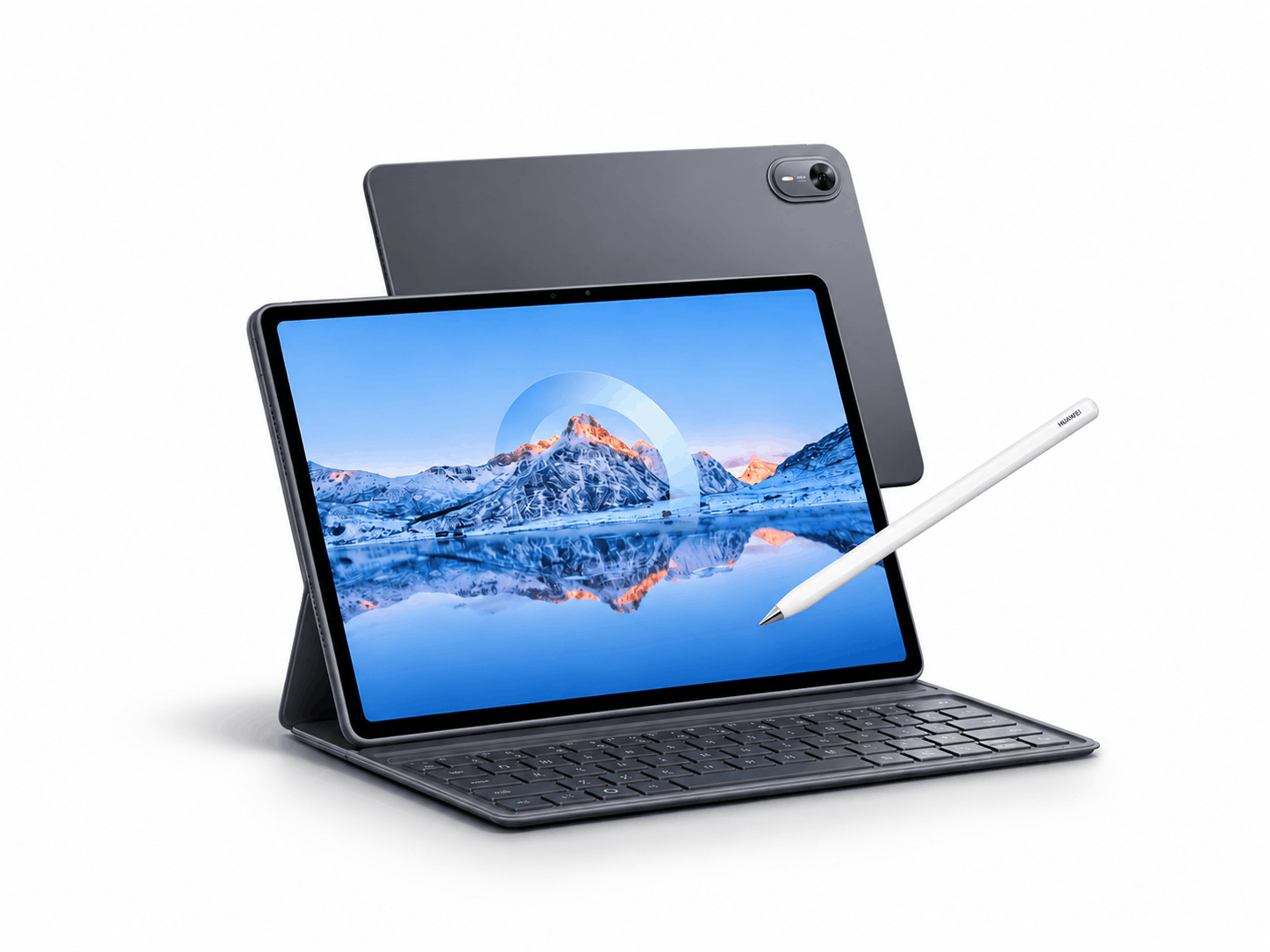
Beyond smartphones, Android tablets have made a leap forward. The Lenovo Tab P13 Pro 2027 features a 13‑inch 2K display, Snapdragon 8 Gen 3 processor, and up to 12 hours of battery life, making it a viable laptop replacement. The Samsung Galaxy Tab S9 Ultra offers an S Pen and DeX mode for productivity, while the Amazon Fire HD 12 2027 provides an affordable entry point for media consumption. Pair any of these tablets with a Bluetooth keyboard for a full desktop experience.
Conclusion
The iPhone Duo showcases Apple’s ability to learn from its competitors, delivering a premium foldable with excellent display quality and seamless ecosystem integration. However, its steep price and early‑stage quirks mean it may not be the best choice for everyone. Prospective buyers should weigh the Duo against the Samsung Galaxy Z Fold 8, Google Pixel 11 Pro Fold, or a high‑end Android tablet depending on their priorities.
Other Articles