
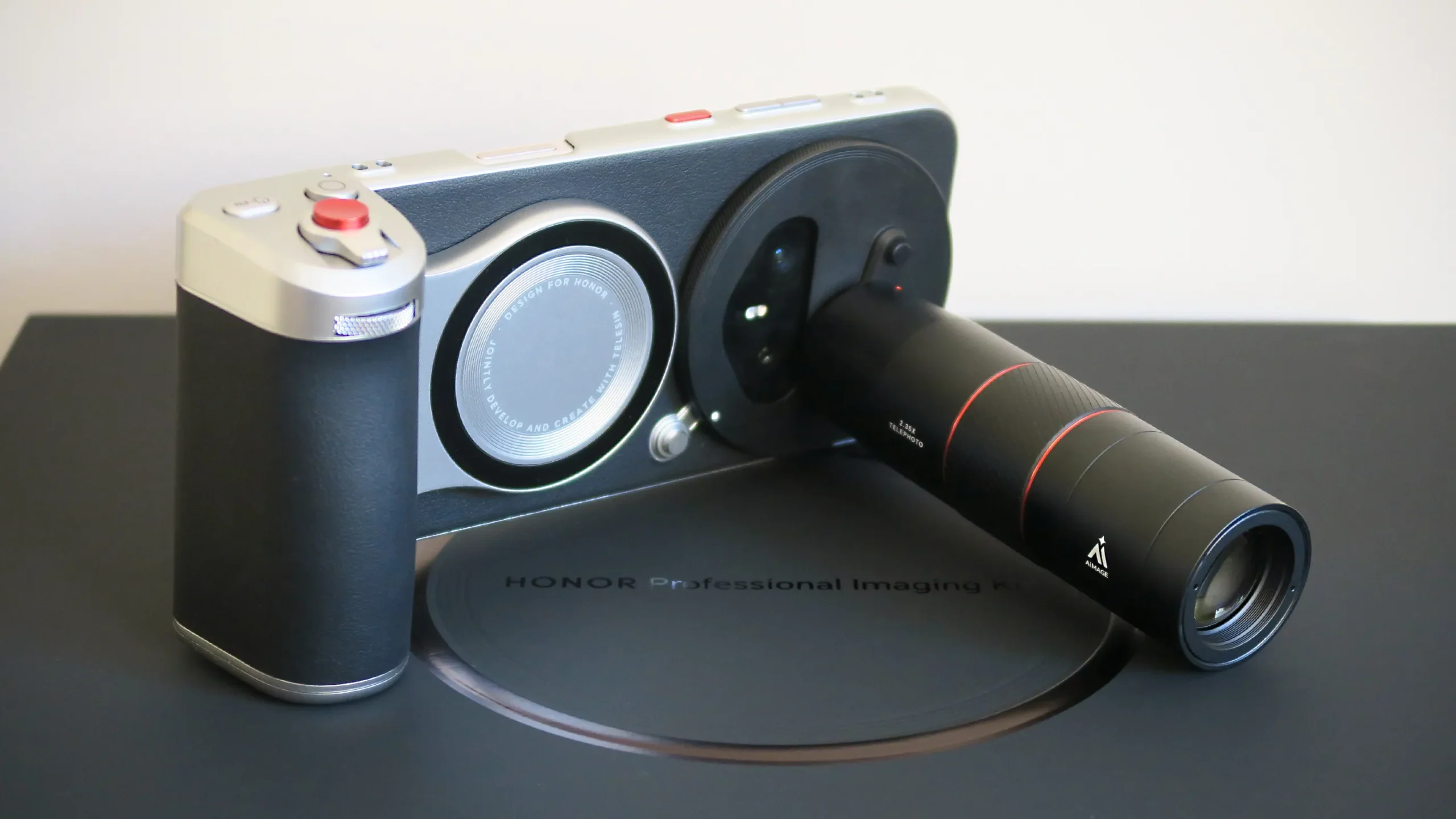
The Rise of Teleconverter Attachments
Chinese manufacturers have begun to treat smartphone cameras like interchangeable‑lens systems, offering external teleconverter modules that claim to add extreme optical zoom. The most eye‑catching example is the upcoming Honor Magic 9 Pro Max, which will ship with an optional 500mm lens extender that pushes its already impressive camera array into the realm of dedicated telephoto gear. A similar 200mm extender is rumored for the Honor 700 and Honor 700 Pro, bringing the concept down to more affordable models. This movement mirrors a broader push by brands such as Oppo, Vivo and Xiaomi to partner with established optics houses and sell add‑on kits alongside their flagship phones.
Flagship Phones Embrace Lens Extenders
Oppo has taken the idea a step further with the Find X10 Pro Max, which ships with a Hasselblad‑branded teleconverter kit capable of delivering crisp 10x optical zoom and a hybrid 40x mode. The earlier Find X9 Ultra offered a comparable solution, reinforcing Oppo’s commitment to high‑zoom performance. Vivo followed suit, launching the X300 Series and the X500 Pro Max with optional Zeiss 400mm telephoto kits that promise studio‑grade reach without sacrificing image quality. Even Samsung’s Galaxy S24 Ultra and Apple’s iPhone 15 Pro Max have seen third‑party teleconverter accessories appear on the market, though the manufacturers themselves have not released official versions.
Midrange Devices Join the Trend
What makes the current wave intriguing is the shift from exclusive flagship accessories to more budget‑friendly options. Honor’s rumored 200mm teleconverter for the 700 series suggests that manufacturers believe there is a market for high‑zoom capability among price‑sensitive consumers. Xiaomi, while not yet offering a Leica‑branded lens for its Pro Max or Ultra lines, regularly bundles professional photography kits that include clip‑on lenses, macro adapters and lighting modules. These kits aim to give everyday users a taste of DSLR‑style flexibility without the need to purchase a separate camera system.
Practicality Versus Portability
Despite the hype, the real‑world usefulness of bulky teleconverter attachments remains questionable. Installing the Oppo Find X10 Pro Max module requires a snap‑and‑slide case that covers two of the phone’s native lenses and forces users into a dedicated shooting mode. The added weight and extra steps can undermine the point‑and‑shoot convenience that made smartphone photography popular in the first place. For many enthusiasts, the logical alternative is to invest in a compact mirrorless camera or a high‑quality interchangeable lens that offers true optical performance without the awkward attachment process.
Potential as a Gateway
There is, however, a compelling argument that these kits could act as a gateway for aspiring photographers. A teenager who cannot afford a full‑frame system might be drawn to the novelty of a 10x or 40x zoom on a familiar device, sparking a deeper interest in optics and composition. If manufacturers can lower prices and simplify installation—perhaps by integrating the teleconverter directly into the phone’s body—the concept could gain broader acceptance. Honor’s decision to test the idea on its more affordable 700 line may be a strategic move to gauge consumer reaction before committing to larger‑scale integration.
Looking Ahead
The teleconverter trend highlights the intense competition in the smartphone photography arena, where brands vie for the attention of high‑spending, brand‑conscious buyers. While the technology offers impressive zoom numbers on paper, its practical impact will depend on how seamlessly it fits into everyday use. As manufacturers continue to experiment, the market will reveal whether external lens modules become a lasting accessory or remain a niche curiosity for the most dedicated mobile shooters.