Pixel 12 Leak Suggests Unexpected Display Changes and Wider Aspect Ratios
What the leak reveals about Pixel 12 display specs
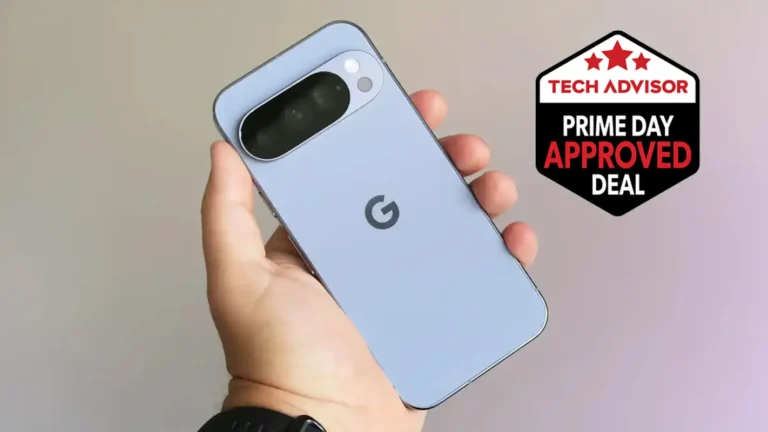
Recent data from the GSMA IMEI database, attributed to a source known as OVRPlus, shows three new entries that correspond to the upcoming Google Pixel 12 lineup. The listings include a base model labelled GC0QU, a Pixel 12 Pro identified as GWU59, and a larger Pixel 12 Pro XL marked G7U1Y. While the database does not disclose pricing or hardware details beyond screen dimensions, it does give a clear picture of the resolution choices Google is planning for 2027.
How the new aspect ratios differ from Pixel 11
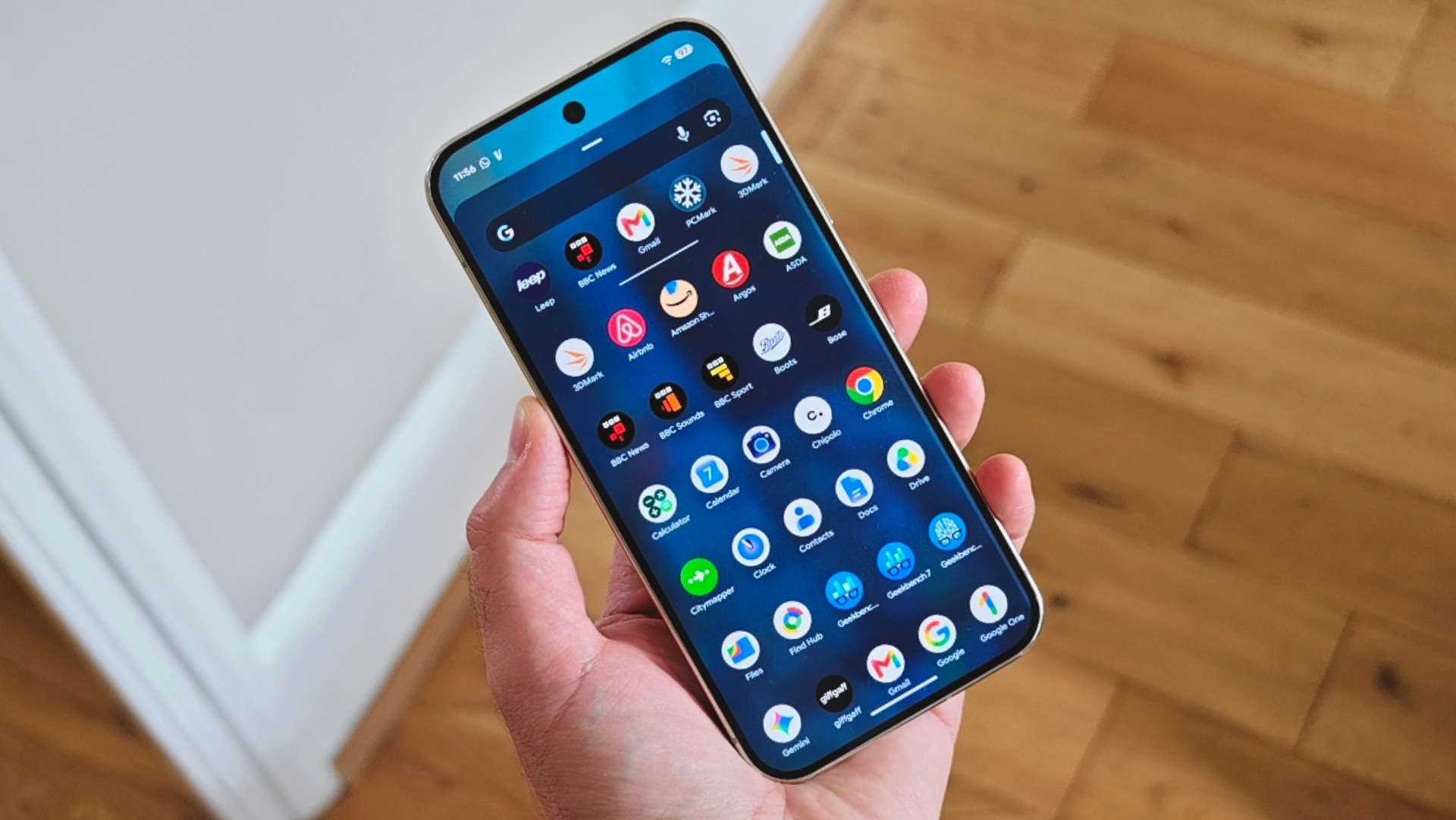
The most noticeable shift is a slight reduction in vertical pixel count across the standard and Pro models. The current Pixel 11 sports a 1080 by 2424 panel, whereas the leaked figures suggest the Pixel 12 will use a 1080 by 2400 display. This change translates to a marginally wider aspect ratio, moving from roughly 20.5:9 to about 20.9:9. It is not a downgrade in pixel density, as the horizontal resolution remains the same, but it does indicate Google is experimenting with a subtly broader screen shape that could improve media consumption and multitasking.
Pixel 12 Pro Fold gets a sharper screen
The foldable variant tells a different story. The Pixel 12 Pro Fold appears to receive a higher‑resolution inner panel, jumping from the Pixel 11 Pro Fold’s 2076 by 2152 matrix to a 2296 by 2404 layout. This increase suggests a sharper, more detailed experience for users who prefer foldable devices. Despite the boost, Google does not seem to be joining the crowded wide‑fold market dominated by devices such as the Samsung Galaxy Z Fold 8 or the upcoming iPhone Duo. Instead, the company may be focusing on a premium, compact fold that balances size and clarity.
Implications for the broader smartphone market
If Google proceeds with these display tweaks, competitors may feel pressure to revisit their own aspect‑ratio strategies. The Samsung Galaxy S24, for instance, currently uses a 1080 by 2400 panel that aligns closely with the rumored Pixel 12 dimensions. Apple’s iPhone 16 is expected to retain a 1170 by 2532 screen, but any shift toward wider ratios could influence future iOS designs. Meanwhile, other Android manufacturers such as OnePlus 12 and Xiaomi Mi 14 are also rumored to experiment with subtle aspect‑ratio adjustments to differentiate their flagship offerings.
Beyond the numbers, the leak hints at Google’s broader design philosophy for 2027. By keeping the horizontal resolution steady while nudging the vertical count, the company may be aiming for a more cinematic feel without sacrificing battery life or software scaling. The sharper Pro Fold display could appeal to power users who demand high‑resolution content on a foldable form factor, positioning the Pixel 12 Pro Fold as a niche but compelling alternative to the Samsung Galaxy Z Fold 8.
Overall, the early data paints a picture of incremental but purposeful evolution. Google appears to be fine‑tuning its display language rather than overhauling it, a strategy that could keep the Pixel brand competitive while avoiding the pitfalls of radical hardware changes. As more details emerge, enthusiasts will be watching to see whether these modest adjustments translate into a noticeably better user experience.