Galaxy S27 price leak reveals steep rise and heavier build for Samsung’s 2027 flagship
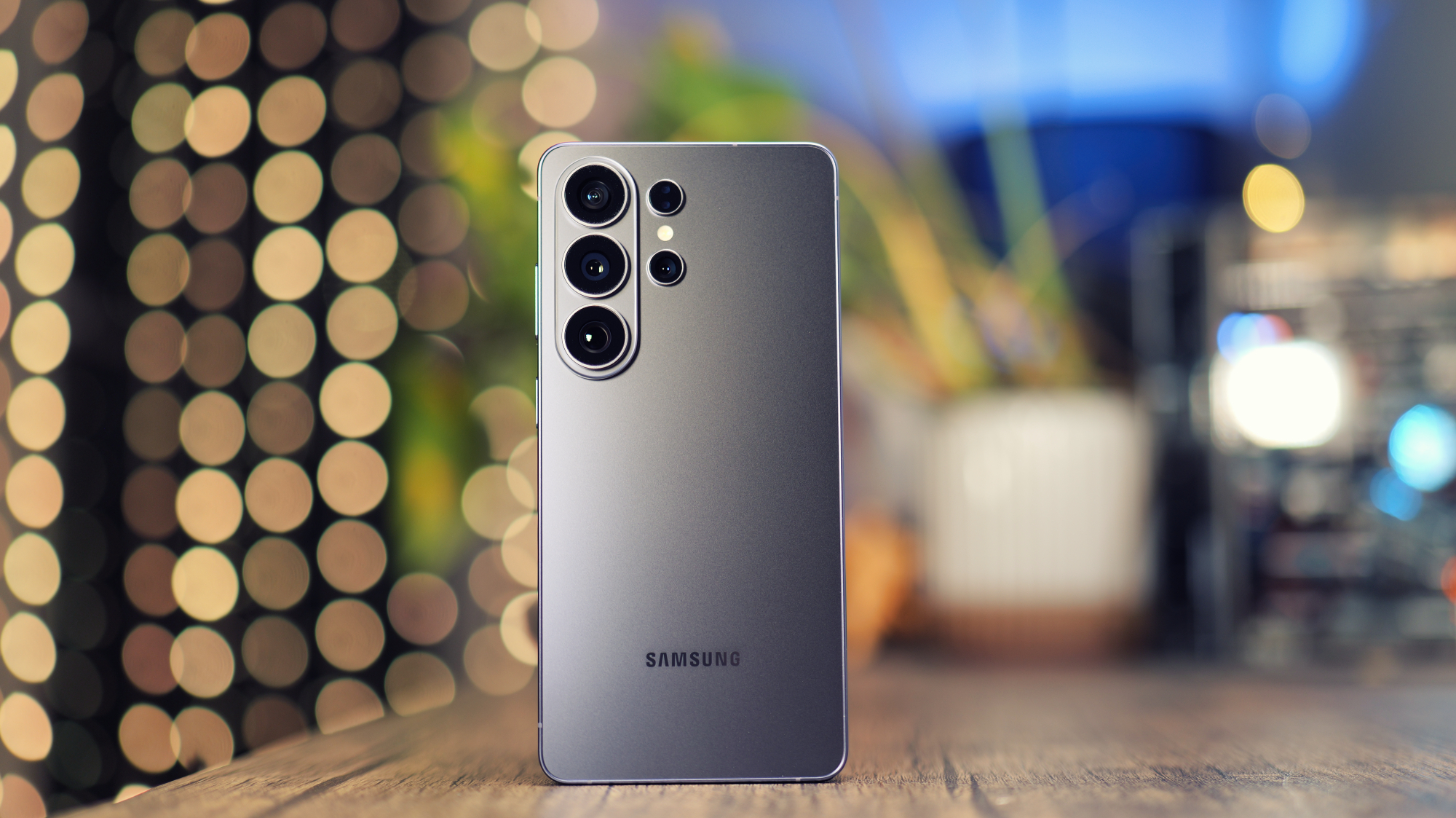
As the smartphone market heads into 2027, the Samsung Galaxy S27 series stands out as a clear example of how supply chain pressures and technological upgrades are reshaping flagship pricing. Prospective buyers should weigh the benefits of newer hardware against the steep price tags that accompany them.
Pricing expectations for the Samsung Galaxy S27 series
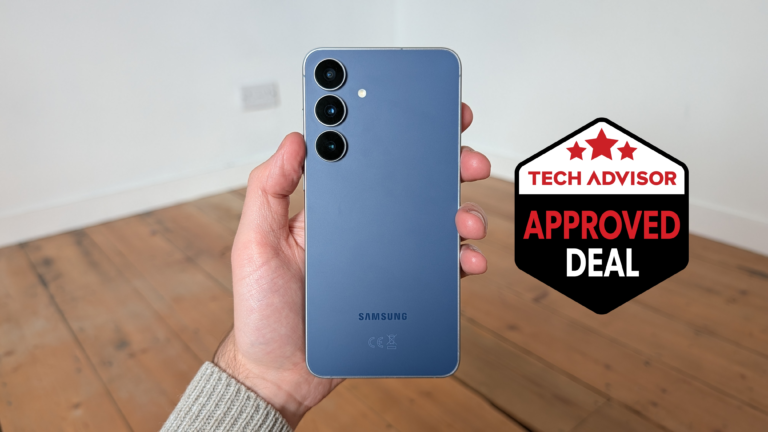
Recent leaks from a South Korean blog suggest that the upcoming Samsung Galaxy S27 lineup will carry a noticeable price premium over the current Samsung Galaxy S26 range. The report indicates that the base models of the S27 series will be at least 130,000 South Korean won more expensive than their S26 equivalents, which translates to roughly seventy‑two pounds at current exchange rates. While conversion figures often underestimate the final retail price in Europe and North America, the data points to a clear upward trend in Samsung’s flagship pricing for 2027.
Competitors such as the Apple iPhone 16 Pro are also expected to see price adjustments, highlighting a broader industry shift rather than an isolated Samsung issue. This parallel underscores that the rising costs are not limited to Samsung but affect the entire premium smartphone segment.
Why memory costs are driving the increase
One of the main factors behind the higher price tag is the global shortage of memory components. Massive investment in AI data centres has strained the supply of DRAM, pushing up manufacturing costs for smartphone makers. Samsung is reportedly preparing to equip the Samsung Galaxy S27 Ultra with the next‑generation LPDDR6 RAM, a step up from the LPDDR5 found in the Samsung Galaxy S26 Ultra. The advanced memory not only improves performance but also adds to the bill of materials, which is reflected in the anticipated price jump.
Design changes and weight considerations
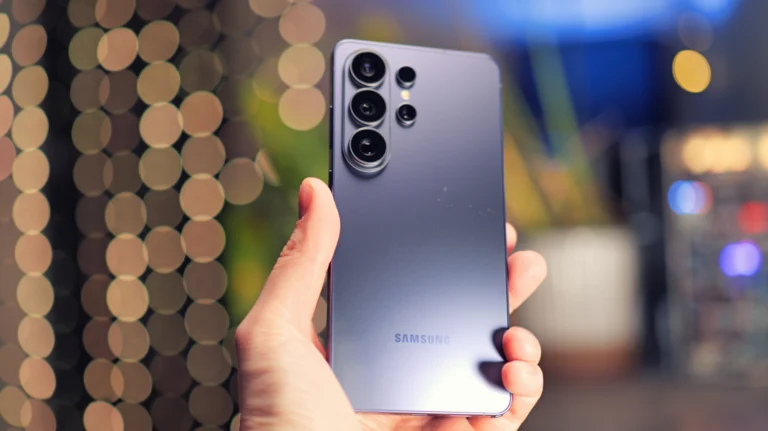
Beyond cost, the Samsung Galaxy S27 Ultra is expected to be slightly heavier than its predecessor. Leaks from tipster Ice Universe claim the new Ultra will weigh around 218 grams, compared with the 232‑gram Samsung Galaxy S24 Ultra that set the recent high‑weight benchmark. At the same time, the device is rumored to be 7.9 mm thick, a modest 0.3 mm reduction from the Samsung Galaxy S26 Ultra. These dimensions suggest Samsung is balancing a sturdier build with a slimmer profile, though the weight increase may be noticeable only when handling the phone directly.
Impact on high‑storage variants
The price increase will be even more pronounced for models with larger storage capacities. The Samsung Galaxy S27 Ultra with a 1 TB configuration currently costs about £1,859, and the added memory premium could push the price past the £2,000 threshold. Consumers who prioritize ample storage should expect to pay a premium for the top‑end specifications, mirroring the pricing pattern seen with the Samsung Galaxy S26 series at launch.
Should you wait or buy now?
Given the projected price hikes for the Samsung Galaxy S27 family, 2027 may not be the ideal time to purchase a brand‑new flagship. The Samsung Galaxy S26, S26+ and S26 Ultra are now available at discounts that make them attractive alternatives for buyers who do not need the latest features. If you are in the market for a new phone, opting for a Samsung Galaxy S26 model could provide a high‑end experience at a fraction of the cost of the upcoming S27 devices.
Looking ahead to future generations
The trend of rising component costs and incremental design changes suggests that future Samsung flagship phones will continue to become more expensive. As the industry grapples with RAM shortages and the push for more powerful AI‑enabled hardware, consumers can expect the term ‘RAMageddon’ to remain relevant for the foreseeable future. Keeping an eye on price leaks and waiting for promotional periods may help mitigate the impact of these inevitable cost increases.