Brexit Debate Rekindled: Is Rejoining the EU on the Cards?
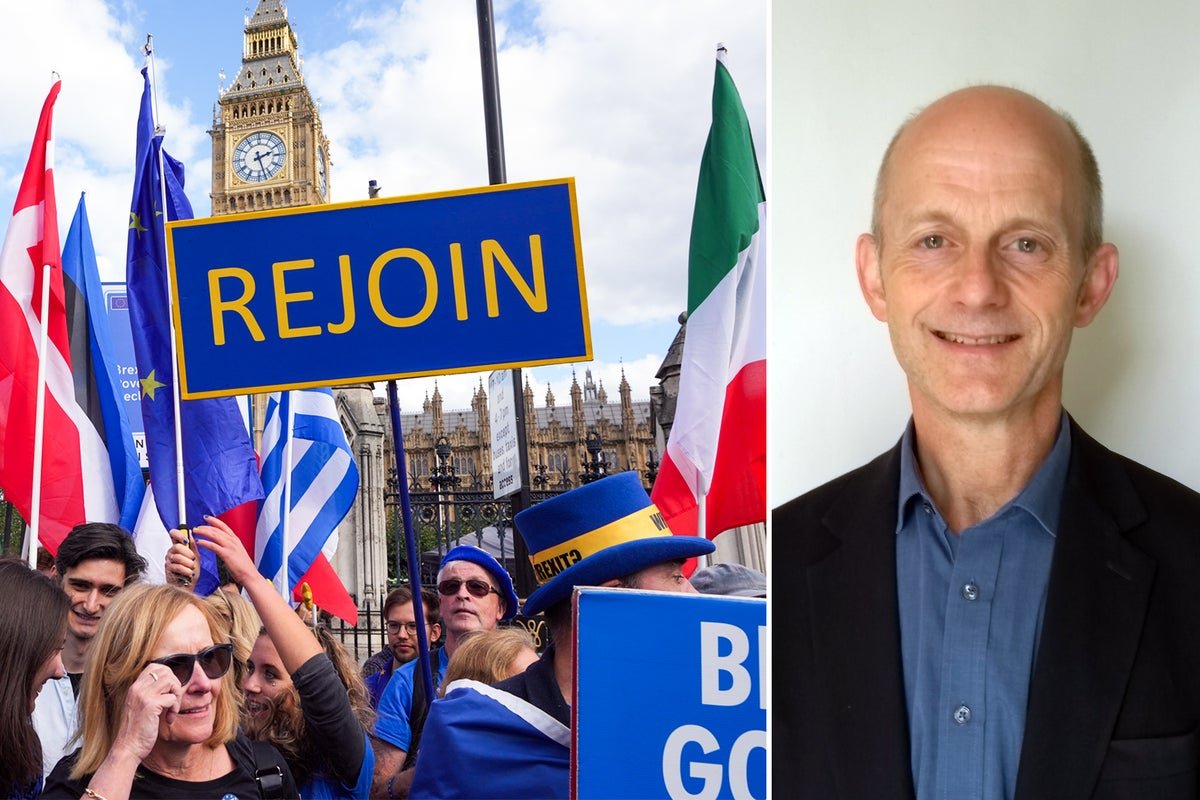
Brexit: A New Chapter or a Step Backwards?
The Brexit saga has been a long and arduous journey for the UK, with the country finally leaving the EU in January 2020. However, the debate surrounding Britain’s exit from the bloc is far from over. A senior civil servant who oversaw the UK’s departure from the EU has recently called for a debate on rejoining the EU, sparking a fresh wave of discussion on the topic.
The civil servant’s comments have been met with a mix of reactions, ranging from surprise to outrage. While some argue that rejoining the EU would be a step backwards, others believe it could be a viable option for the UK. As the country navigates its post-Brexit landscape, it is essential to analyse the potential implications of rejoining the EU and what it could mean for Britain’s economy, trade, and relationships with other nations.
The UK’s decision to leave the EU was a complex and multifaceted one, driven by a range of factors including concerns over sovereignty, immigration, and economic policy. However, as the country moves forward, it is crucial to consider whether rejoining the EU could help address some of the challenges that have arisen since Brexit. This could include issues such as trade barriers, regulatory divergence, and the potential impact on certain industries.
One of the primary concerns surrounding Brexit has been its impact on the UK’s economy. The pound has fluctuated significantly since the referendum, and trade agreements with other countries have been slow to materialise. Rejoining the EU could potentially provide a boost to the economy, as well as greater stability and predictability for businesses. However, it would also require the UK to adopt EU laws and regulations, which could be seen as a loss of sovereignty.
In terms of trade, the UK’s departure from the EU has resulted in the need for new agreements with other countries. While some progress has been made, there is still much work to be done. Rejoining the EU would provide the UK with access to the single market, making it easier to trade with other EU member states. However, it would also mean that the UK would have to adopt the EU’s common external tariff, which could impact trade with non-EU countries.
As the debate over rejoining the EU continues, it is essential to consider the potential implications for the UK’s relationships with other nations. The country’s decision to leave the EU was seen as a significant shift in its foreign policy, and rejoining the bloc could be viewed as a reversal of this decision. However, it could also provide an opportunity for the UK to re-engage with its European partners and play a more active role in EU affairs.
In conclusion, the debate over rejoining the EU is a complex and multifaceted one, with a range of arguments for and against. As the UK navigates its post-Brexit landscape, it is crucial to consider the potential implications of rejoining the EU and what it could mean for the country’s economy, trade, and relationships with other nations. While there are valid arguments on both sides, it is essential to approach the debate with a nuanced and informed perspective, analysing the potential benefits and drawbacks of rejoining the EU.