Trump’s Quid Pro Quo Tactics: A Don Corleone Approach
Trump’s Quid Pro Quo Tactics: A Don Corleone Approach
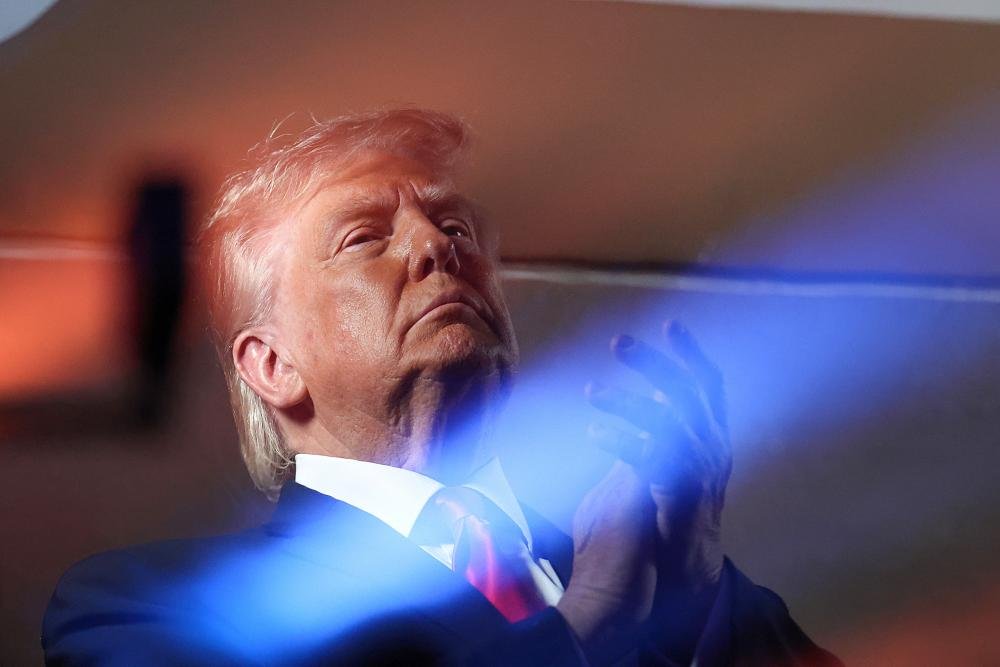
Donald Trump’s behaviour in office has been likened to that of Don Corleone, the infamous mafia boss from The Godfather. This comparison is not without merit, as Trump’s tendency to expect favours in return for his actions is reminiscent of the mafia’s quid pro quo culture. Every time he does somebody a favour, it seems he expects something in return, whether it be loyalty, support, or a tangible benefit.
This approach to politics and business has raised eyebrows and sparked controversy, with many analysing Trump’s actions as a form of transactional politics. By expecting a quid pro quo, Trump is, in effect, creating a system of reciprocity, where those who receive his favours are expected to return them in kind. This can lead to a culture of obligation and debt, where individuals and organisations feel compelled to repay Trump’s favours, rather than acting in the best interests of their constituents or customers.
The implications of this approach are far-reaching, with potential consequences for the integrity of political institutions and the fairness of business practices. As such, it is essential to examine Trump’s quid pro quo tactics and their impact on the wider world. By doing so, we can gain a deeper understanding of the complex web of relationships and obligations that underpin his actions, and the potential risks and benefits associated with this approach.
Furthermore, Trump’s behaviour has been shaped by his background in business, where quid pro quo arrangements are often seen as a necessary part of deal-making. However, in the world of politics, such arrangements can be highly problematic, as they can lead to conflicts of interest and undermine the public’s trust in institutions. As such, it is crucial to consider the ethical implications of Trump’s actions and the potential consequences for the integrity of political institutions.
In addition to the ethical concerns, Trump’s quid pro quo approach has also been criticised for its potential to create a culture of fear and obligation. By expecting favours in return for his actions, Trump is, in effect, creating a system of patronage, where those who receive his favours are expected to demonstrate their loyalty and gratitude. This can lead to a culture of sycophancy, where individuals and organisations feel compelled to praise and support Trump, rather than speaking truth to power or acting in the best interests of their constituents or customers.
Moreover, Trump’s quid pro quo tactics have also been linked to a range of other issues, including corruption, cronyism, and nepotism. By expecting favours in return for his actions, Trump is, in effect, creating a system of reciprocity, where those who receive his favours are expected to return them in kind. This can lead to a culture of corruption, where individuals and organisations feel compelled to engage in unethical behaviour in order to receive favours or avoid punishment.
Despite these concerns, Trump’s quid pro quo approach has also been defended by some as a necessary part of politics and business. By expecting favours in return for his actions, Trump is, in effect, creating a system of reciprocity, where those who receive his favours are expected to return them in kind. This can lead to a culture of cooperation and mutual benefit, where individuals and organisations work together to achieve common goals and advance their shared interests.
However, this defence of Trump’s quid pro quo approach is not without its limitations. While it is true that reciprocity and cooperation can be beneficial in certain contexts, they can also be highly problematic in others. In the world of politics, for example, quid pro quo arrangements can lead to conflicts of interest and undermine the public’s trust in institutions. As such, it is essential to consider the ethical implications of Trump’s actions and the potential consequences for the integrity of political institutions.
In conclusion, Trump’s quid pro quo tactics are a complex and multifaceted phenomenon, with potential consequences for the integrity of political institutions and the fairness of business practices. By examining the implications of this approach, we can gain a deeper understanding of the complex web of relationships and obligations that underpin Trump’s actions, and the potential risks and benefits associated with this approach. Ultimately, it is up to us to decide whether Trump’s quid pro quo tactics are a legitimate and effective way of doing business and politics, or a corrupt and unethical approach that undermines the public’s trust in institutions.
As we move forward, it is essential to consider the long-term implications of Trump’s quid pro quo approach and the potential consequences for the integrity of political institutions. By doing so, we can work towards creating a more transparent and accountable system of government, where individuals and organisations are able to act in the best interests of their constituents and customers, without fear of retribution or obligation. This will require a fundamental shift in the way we think about politics and business, and a commitment to creating a more just and equitable society for all.
Furthermore, it is also important to consider the role of the media and civil society in holding Trump and other politicians accountable for their actions. By providing a platform for critical voices and investigative journalism, we can help to shed light on the complex web of relationships and obligations that underpin Trump’s quid pro quo tactics, and the potential consequences for the integrity of political institutions. This will require a commitment to independent and unbiased reporting, as well as a willingness to challenge those in power and speak truth to authority.
In the end, the future of our democracy and our institutions depends on our ability to create a more transparent and accountable system of government, where individuals and organisations are able to act in the best interests of their constituents and customers, without fear of retribution or obligation. By working together to achieve this goal, we can help to build a more just and equitable society for all, and ensure that the integrity of our political institutions is protected for generations to come.