Trump Reverses Course on Iran Strikes Amid Tensions
Trump’s Sudden Change of Heart on Iran Strikes
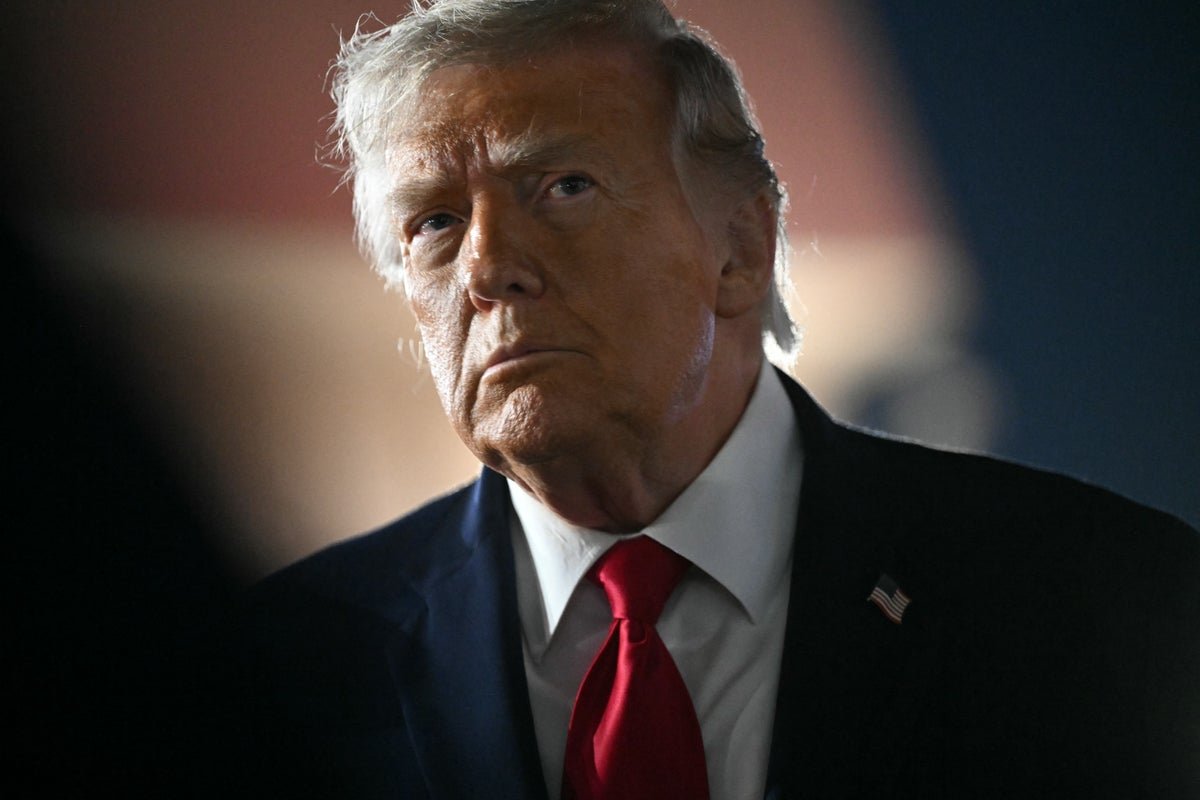
The recent developments in the Middle East have been marked by a significant shift in the United States’ stance on Iran, as President Trump announced that no new strikes would be carried out against the country. This decision comes after a series of boisterous threats to hit Iran ‘very hard’. The situation has been closely watched by the international community, with many analysing the potential consequences of such actions.
The initial threats made by President Trump were seen as a dramatic escalation of the already tense situation, with many fearing the worst. However, the sudden reversal of this decision has raised questions about the motivations behind it. Some have speculated that the move may be an attempt to diffuse the situation and avoid further conflict.
Despite the uncertainty surrounding the situation, one thing is clear: the relationship between the US and Iran remains complex and volatile. The two countries have a long history of strained relations, with periods of heightened tension and aggression. The latest developments have only added to the sense of unease, with many wondering what the future holds for the region.
As the situation continues to unfold, it is essential to consider the potential implications of any actions taken. The use of military force can have far-reaching consequences, affecting not only the countries directly involved but also the broader region. It is crucial to approach the situation with caution and careful consideration, weighing the potential benefits against the potential risks.
The international community has been calling for restraint and diplomacy in the face of the growing tensions. Many have urged the US and Iran to engage in dialogue and work towards a peaceful resolution. The European Union, in particular, has been vocal in its support for a diplomatic approach, highlighting the need for a peaceful and stable Middle East.
As the world watches the situation unfold, it is clear that the path forward will be challenging. The complex web of alliances and rivalries in the region, combined with the historical baggage of the US-Iran relationship, makes it difficult to predict what the future holds. However, one thing is certain: the need for careful consideration and diplomacy has never been more pressing.
The role of the international community in resolving the crisis cannot be overstated. The support of key players, such as the European Union and other major powers, will be crucial in helping to broker a peaceful resolution. The use of economic sanctions and other diplomatic tools can also play a significant role in influencing the behaviour of the parties involved.
Ultimately, the key to resolving the crisis lies in the ability of the parties involved to engage in meaningful dialogue and work towards a mutually beneficial solution. The colour of the situation may seem bleak at present, but with careful consideration and a commitment to diplomacy, it is possible to find a way forward that avoids conflict and promotes stability in the region.
The situation in the Middle East is a complex and multifaceted one, with many different factors at play. The recent developments in the US-Iran relationship are just one part of a larger puzzle, and it is essential to consider the broader context when analysing the situation. By taking a step back and looking at the bigger picture, it is possible to gain a deeper understanding of the issues at hand and the potential solutions that may be available.
The need for a peaceful resolution to the crisis has never been more pressing. The potential consequences of conflict are too great to ignore, and it is essential that all parties involved work towards a diplomatic solution. The international community has a crucial role to play in this process, and it is hoped that the parties involved will be able to find a way forward that promotes stability and avoids bloodshed.