Dover Debacle: Why the UK Needs a Customised Entry-Exit System Solution
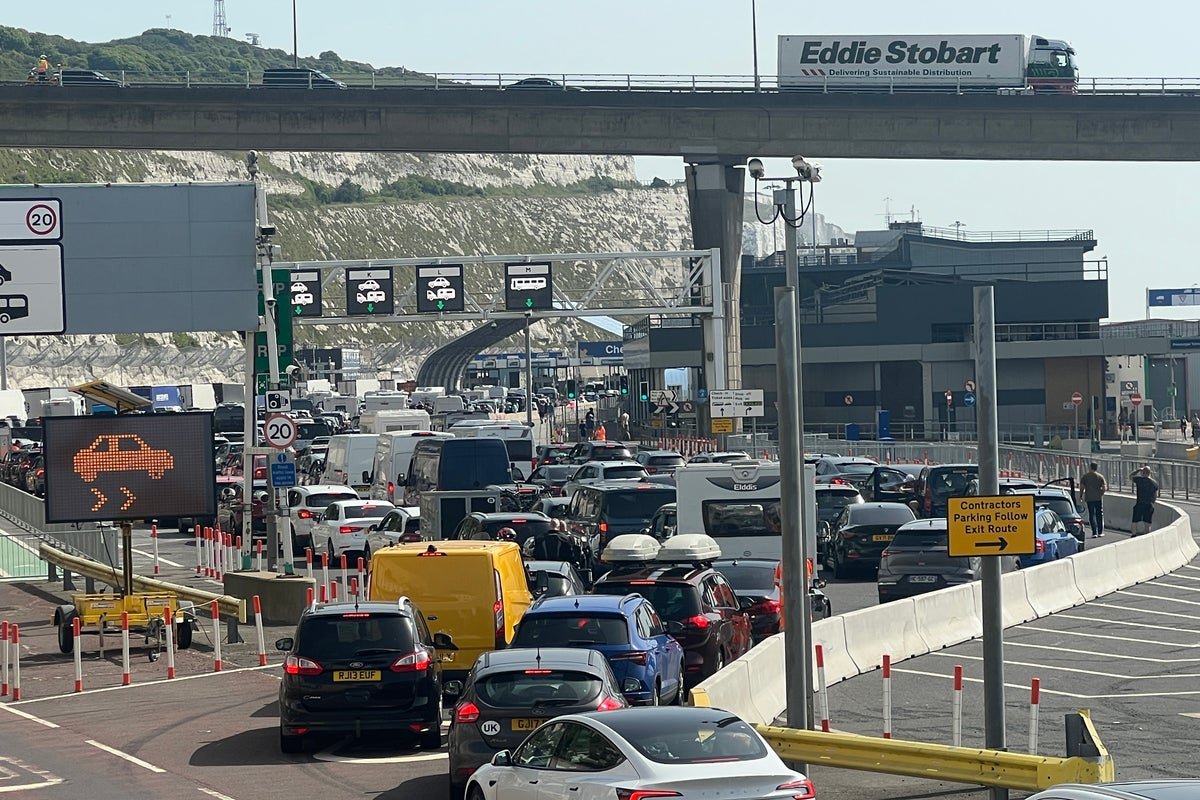
The Dover Debacle: A Wake-Up Call for the UK’s Entry-Exit System
The recent events at Dover have highlighted the need for a tailor-made British solution to the entry-exit system. The chaos and disruption caused by the current system have sparked widespread criticism and calls for reform. As the UK struggles to come to terms with the challenges of managing its borders, it is clear that a bespoke solution is required.
The UK’s entry-exit system has been plagued by problems, from lengthy queues and delays to concerns over security and immigration. The system’s inability to cope with the sheer volume of traffic has resulted in frustration and disruption for travellers and hauliers alike. It is imperative that the UK government takes a proactive approach to addressing these issues and implementing a system that is tailored to the country’s unique needs.
A customised entry-exit system would enable the UK to better manage its borders, improve security, and facilitate the smooth flow of people and goods. By analysing the specific requirements of the UK’s borders, a bespoke solution can be developed that addresses the country’s distinct challenges and opportunities. This could include the use of advanced technology, such as biometric scanning and AI-powered analytics, to streamline the entry-exit process and enhance security.
Furthermore, a tailor-made solution would allow the UK to respond more effectively to emerging trends and challenges, such as the rise of e-commerce and the increasing demand for rapid and secure border crossings. By taking a proactive and innovative approach to border management, the UK can stay ahead of the curve and maintain its position as a global leader in trade and commerce.
The benefits of a customised entry-exit system are clear, but the challenges of implementing such a system should not be underestimated. It will require careful planning, coordination, and collaboration between government agencies, industry stakeholders, and technology providers. However, the potential rewards are well worth the effort, and the UK government must be willing to invest time, resources, and expertise to get it right.
As the UK looks to the future and the opportunities and challenges that it will bring, it is essential that the country has a robust and effective entry-exit system in place. A bespoke solution that is tailored to the UK’s unique needs and requirements is the only way to ensure that the country can manage its borders securely, efficiently, and effectively. The Dover debacle has served as a wake-up call, and it is now up to the UK government to take action and develop a customised entry-exit system that meets the country’s distinct needs.
The development of a customised entry-exit system will require a thorough analysis of the UK’s border management requirements, including the use of data analytics and stakeholder engagement. This will enable the identification of key challenges and opportunities, and the development of a solution that is tailored to the UK’s specific needs. By taking a proactive and collaborative approach, the UK can develop a world-class entry-exit system that enhances security, facilitates trade, and supports economic growth.
In conclusion, the Dover debacle has highlighted the need for a customised entry-exit system in the UK. A bespoke solution that is tailored to the country’s unique needs and requirements is the only way to ensure that the country can manage its borders securely, efficiently, and effectively. The UK government must take a proactive approach to addressing the challenges of border management, and invest in the development of a customised entry-exit system that meets the country’s distinct needs.
The UK’s entry-exit system is a critical component of the country’s national infrastructure, and it is essential that it is managed effectively. A customised solution that is tailored to the UK’s unique needs and requirements will enable the country to better manage its borders, improve security, and facilitate the smooth flow of people and goods. By taking a proactive and innovative approach to border management, the UK can stay ahead of the curve and maintain its position as a global leader in trade and commerce.
Ultimately, the development of a customised entry-exit system is a complex task that requires careful planning, coordination, and collaboration. However, the potential rewards are well worth the effort, and the UK government must be willing to invest time, resources, and expertise to get it right. By doing so, the UK can develop a world-class entry-exit system that enhances security, facilitates trade, and supports economic growth.