Chernobyl Exclusion Zone Boasts Surprising Wildlife Surge
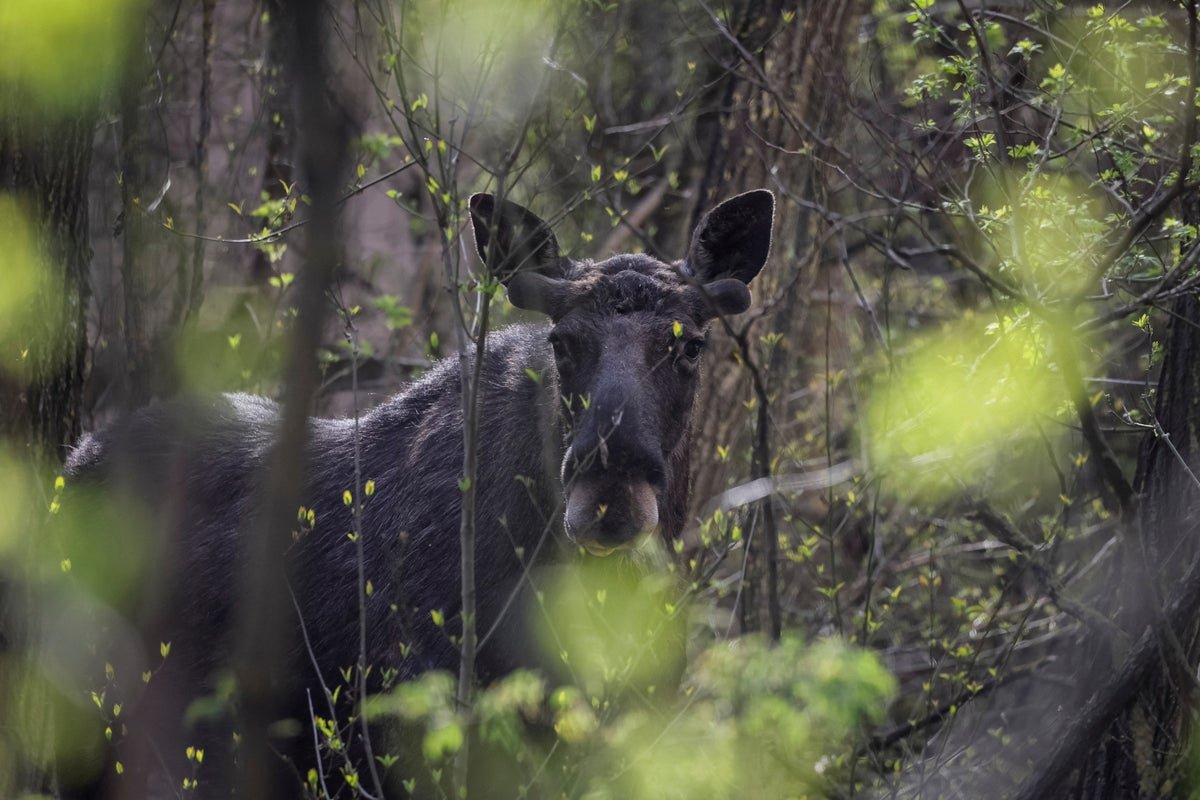
Unlikely Haven: Chernobyl Exclusion Zone Teems with Wildlife
The Chernobyl exclusion zone, once a site of devastating nuclear disaster, has been found to harbour a surprising abundance of wildlife. A recent study reveals that this area now boasts a greater variety of wildlife than Ukraine’s nature reserves. The discovery has left scientists and conservationists alike pondering the reasons behind this unexpected phenomenon.
One theory suggests that the absence of human activity in the exclusion zone has allowed wildlife to thrive, free from the pressures of urbanisation and habitat destruction. The zone’s unique landscape, featuring a mix of forests, grasslands, and wetlands, provides a diverse range of habitats for various species to occupy.
Among the species found in the Chernobyl exclusion zone are wolves, bears, and lynx, as well as numerous bird species, including eagles and owls. The area’s isolation has also allowed for the proliferation of rare and endangered species, such as the European lynx and the white-tailed eagle.
The study’s findings have significant implications for conservation efforts, highlighting the importance of preserving vast, undisturbed areas for wildlife to flourish. As the world grapples with the challenges of climate change and habitat destruction, the Chernobyl exclusion zone serves as a poignant reminder of the resilience of nature.
The Chernobyl disaster, which occurred in 1986, was one of the worst nuclear accidents in history, releasing large quantities of radioactive material into the environment. While the area remains contaminated, the wildlife that inhabits it seems to have adapted to the harsh conditions, with some species even appearing to thrive in the absence of human disturbance.
Further research is needed to fully understand the dynamics at play in the Chernobyl exclusion zone and to determine the long-term effects of radiation on the local ecosystem. Nevertheless, the study’s findings offer a glimmer of hope for the conservation of wildlife in even the most unlikely of places.
The discovery of the Chernobyl exclusion zone’s surprising wildlife abundance serves as a testament to the complex and often surprising nature of the natural world. As scientists continue to analyse and learn from this unique ecosystem, we are reminded of the importance of preserving and protecting our planet’s precious biodiversity.
In conclusion, the Chernobyl exclusion zone’s transformation into a thriving wildlife haven is a remarkable example of nature’s ability to adapt and flourish in the most unexpected of circumstances. As we strive to mitigate the impacts of human activity on the environment, the Chernobyl exclusion zone stands as a powerful symbol of the resilience and beauty of the natural world.