European Airlines Flight Cancellations: What You Need to Know
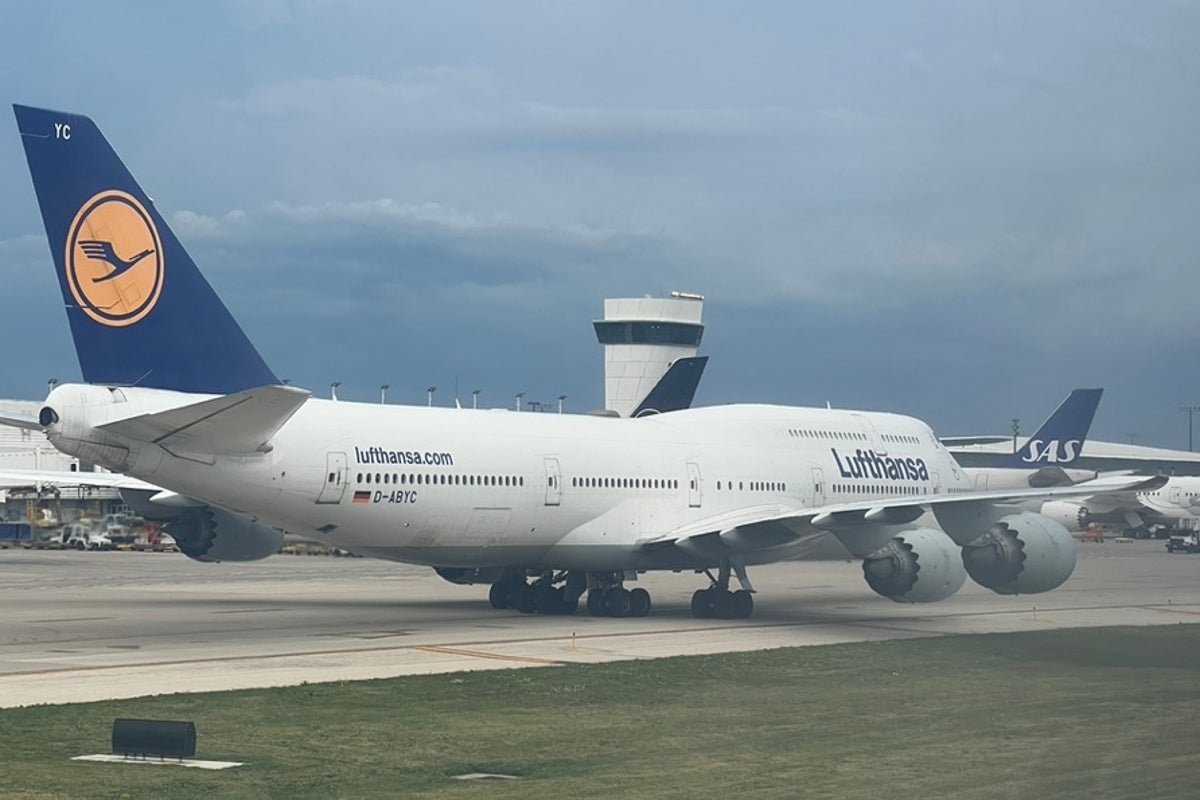
Understanding European Airlines Flight Cancellations
European airlines may cancel flights due to various reasons, including adverse weather conditions, air traffic control issues, and mechanical problems. Passengers should not worry about their holidays as airlines usually provide alternative arrangements. The key is to stay informed and plan ahead. Airlines often notify passengers in advance, allowing them to make necessary adjustments.
Flight cancellations can occur at any time, and it’s essential to understand the reasons behind them. Overbooking, crew availability, and medical emergencies are some of the factors that may lead to flight cancellations. Airlines have measures in place to minimise disruptions and ensure passenger safety.
Passengers have rights when it comes to flight cancellations. They may be entitled to compensation, refunds, or rebooking on alternative flights. It’s crucial to familiarise yourself with your airline’s policies and procedures. The European Union’s Flight Compensation Regulation also provides protection for passengers in the event of flight cancellations.
To avoid last-minute stresses, passengers should regularly check their flight status and airline’s website for updates. They can also sign up for flight alerts to receive notifications about any changes to their flight schedule. By being proactive and prepared, passengers can minimise the impact of flight cancellations on their travel plans.
In the event of a flight cancellation, passengers should contact their airline directly to discuss their options. Airlines may offer alternative flights, refunds, or vouchers, depending on their policies. Passengers should also keep receipts and records of any additional expenses incurred due to the cancellation.
European airlines are committed to providing safe and reliable services to their passengers. While flight cancellations can be inconvenient, they are sometimes necessary to ensure passenger safety. By understanding the reasons behind flight cancellations and knowing their rights, passengers can navigate these situations with confidence.
Passengers can also take steps to reduce the likelihood of flight cancellations. They can choose to fly with airlines that have a good track record of punctuality and reliability. They can also consider flying during off-peak seasons when airports are less congested.
In conclusion, while flight cancellations can be frustrating, they are not a cause for concern. European airlines have measures in place to minimise disruptions and ensure passenger safety. By staying informed, planning ahead, and knowing their rights, passengers can make the most of their travel experiences.