US Military Strikes Alleged Drug Boats in Pacific, Death Toll Rises
US Military Strikes Alleged Drug Boats in Pacific, Death Toll Rises
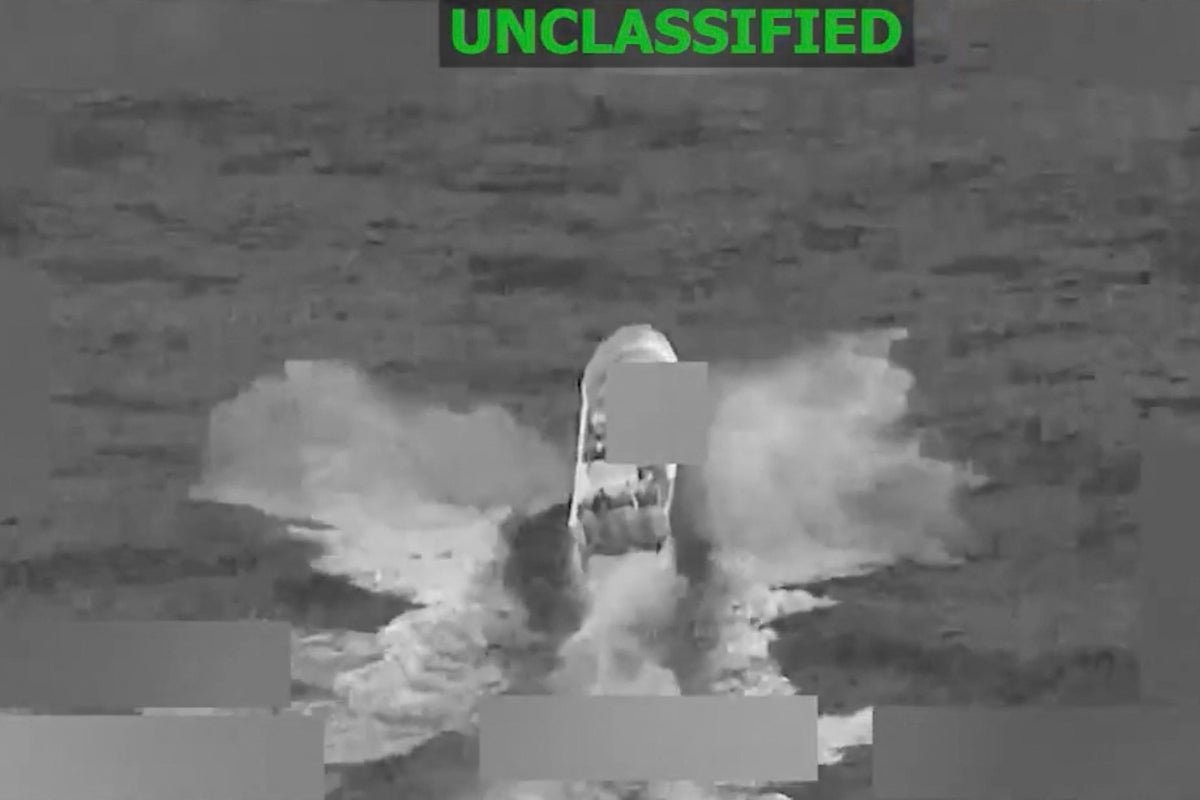
The US military has been involved in a series of strikes against alleged drug boats in the Pacific. The death toll from these incidents has risen to 186, with three more individuals killed in recent clashes. The US military has stated that these operations are aimed at disrupting the flow of illicit drugs into the country.
The US military’s actions in the Pacific have sparked controversy, with some critics questioning the effectiveness of these strikes in reducing the supply of illicit drugs. Others have raised concerns about the potential for civilian casualties and the impact on regional stability. The US military has maintained that its operations are targeted and proportionate, and that they are necessary to protect national security.
The issue of drug trafficking in the Pacific is a complex one, with multiple factors contributing to the problem. The US military’s efforts to disrupt the flow of illicit drugs are part of a broader strategy that includes cooperation with regional partners and law enforcement agencies. The goal is to reduce the supply of illicit drugs and prevent the associated criminal activity.
The US military has also been working to analyse the behaviour of drug traffickers and to identify patterns and trends in their operations. This information is used to inform the targeting of strikes and to ensure that operations are effective in disrupting the flow of illicit drugs. The use of intelligence and surveillance has become increasingly important in the US military’s efforts to combat drug trafficking.
In addition to the US military’s efforts, there are also concerns about the impact of drug trafficking on regional stability. The flow of illicit drugs can contribute to criminal activity and violence, and can also have a negative impact on local economies. The US military’s operations in the Pacific are part of a broader effort to promote regional stability and to prevent the spread of criminal activity.
The death toll from the US military’s strikes against alleged drug boats in the Pacific has risen to 186, with three more individuals killed in recent clashes. The US military has stated that these operations are aimed at disrupting the flow of illicit drugs into the country, and that they are necessary to protect national security. The issue of drug trafficking in the Pacific is a complex one, and the US military’s efforts are part of a broader strategy to reduce the supply of illicit drugs and prevent associated criminal activity.
The US military’s actions in the Pacific have sparked controversy, with some critics questioning the effectiveness of these strikes in reducing the supply of illicit drugs. Others have raised concerns about the potential for civilian casualties and the impact on regional stability. The US military has maintained that its operations are targeted and proportionate, and that they are necessary to protect national security. As the situation continues to evolve, it is likely that the US military’s efforts to combat drug trafficking in the Pacific will remain a key part of its strategy.
The use of military force to combat drug trafficking is a controversial issue, with some arguing that it is an effective way to disrupt the flow of illicit drugs, while others argue that it is not an effective long-term solution. The US military’s efforts in the Pacific are part of a broader debate about the use of military force in counter-narcotics operations. As the situation continues to evolve, it is likely that the US military’s strategy will continue to adapt and change.
In conclusion, the US military’s strikes against alleged drug boats in the Pacific have resulted in a significant death toll, with 186 individuals killed. The US military’s efforts to combat drug trafficking are part of a broader strategy that includes cooperation with regional partners and law enforcement agencies. The goal is to reduce the supply of illicit drugs and prevent associated criminal activity. As the situation continues to evolve, it is likely that the US military’s strategy will continue to adapt and change.