Samsung’s Memory Division Prioritises AI Over UK Smartphone Market Amidst Rising Costs
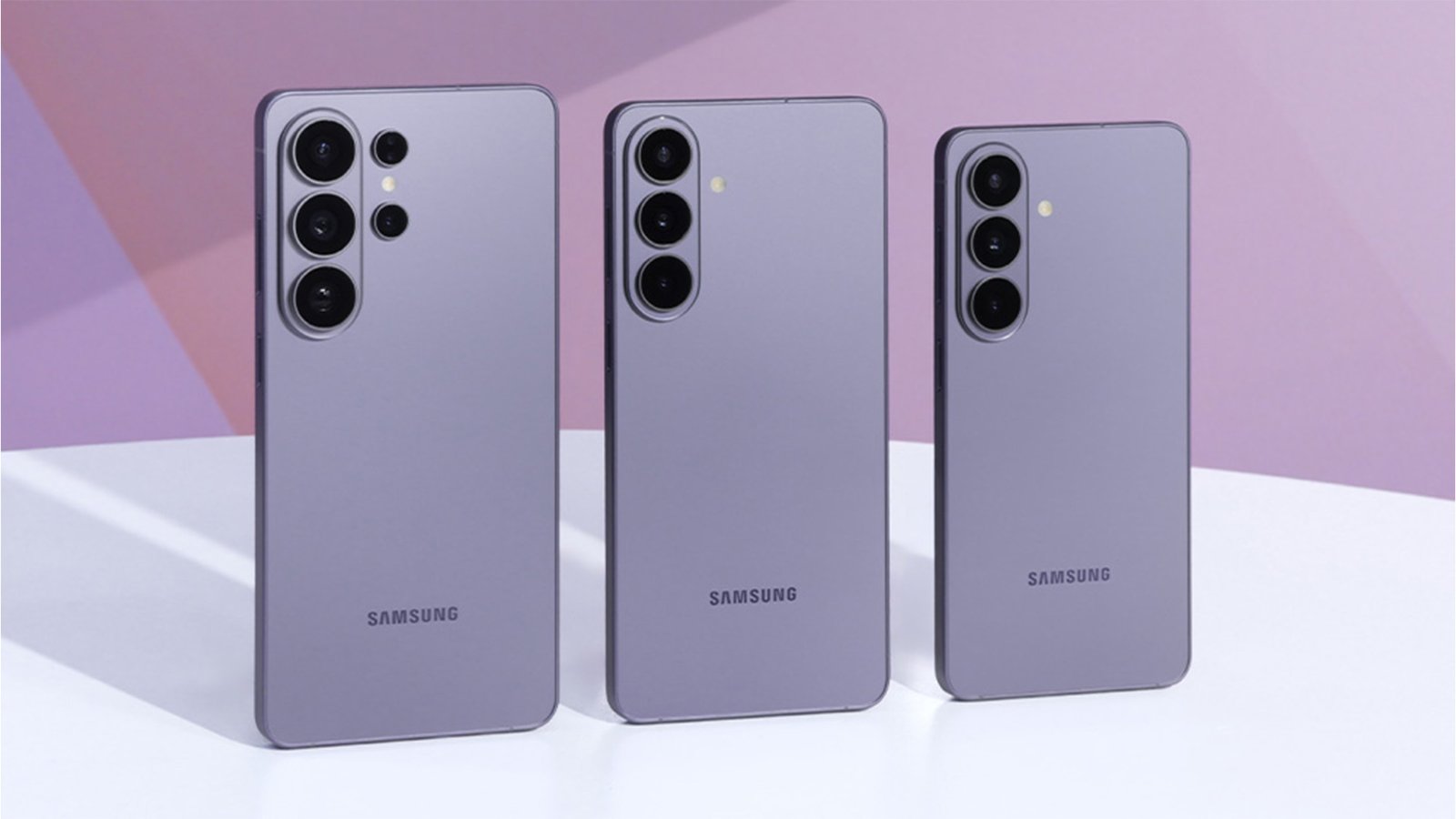
Samsung’s Shift in Focus: How AI is Impacting the UK Smartphone Market
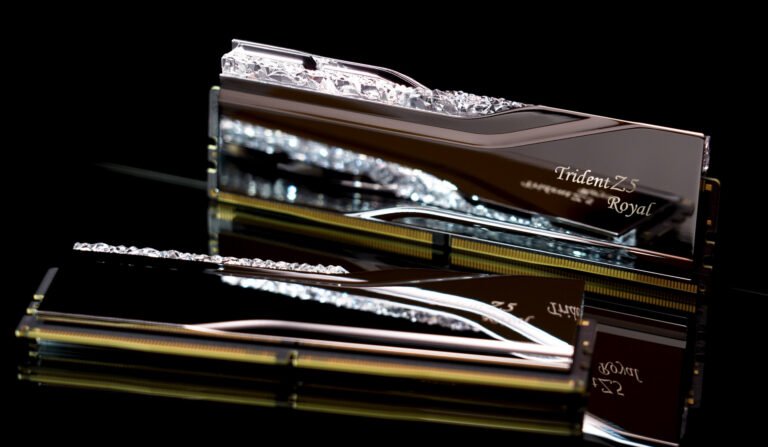
The AI industry has experienced exponential growth, but at a significant cost, as it has consumed nearly all of the available DRAM supply, leaving limited resources for other manufacturers. This has resulted in a deficit, with memory makers struggling to keep up with demand. As a leading producer of DRAM chips, Samsung appears to be prioritising its short-term growth and profits over supporting its DX and MX units, which are responsible for smartphone launches in the UK.
The situation has become increasingly challenging, with Samsung’s Memory Division favouring its AI-focused efforts over its smartphone business. This shift in focus has significant implications for the UK smartphone market, where Samsung is a major player. As the demand for AI-powered devices continues to rise, Samsung’s decision to prioritise its Memory Division may have long-term consequences for its smartphone sales in the UK.
The AI industry’s growth has been phenomenal, with the global market expected to continue expanding in the coming years. However, this growth has come at a cost, as the increased demand for DRAM chips has led to a shortage, impacting various industries, including the UK smartphone market. Samsung’s decision to focus on its Memory Division may be a strategic move to capitalise on the growing demand for AI-powered devices.
As the UK smartphone market continues to evolve, it is essential to analyse the impact of Samsung’s decision on the industry as a whole. The company’s prioritisation of its Memory Division may lead to a shift in the market, with other manufacturers potentially filling the gap left by Samsung’s reduced focus on smartphones. This could result in a more competitive market, with consumers benefiting from a wider range of options.
The UK smartphone market is highly competitive, with various manufacturers vying for market share. Samsung’s decision to prioritise its Memory Division may lead to a change in the market dynamics, with other players potentially gaining an advantage. As the market continues to evolve, it is crucial to monitor the situation and analyse the impact of Samsung’s decision on the UK smartphone industry.
The demand for AI-powered devices is expected to continue rising, driven by the increasing adoption of technologies such as machine learning and natural language processing. As a result, the demand for DRAM chips is likely to remain high, with Samsung’s Memory Division well-positioned to capitalize on this trend. However, the company’s decision to prioritise its Memory Division over its smartphone business may have significant implications for its UK smartphone sales.
The UK smartphone market is a significant sector, with millions of consumers relying on their mobile devices for various aspects of their daily lives. Samsung’s decision to reduce its focus on smartphones may lead to a decline in its market share, potentially benefiting other manufacturers. As the market continues to evolve, it is essential to monitor the situation and analyse the impact of Samsung’s decision on the UK smartphone industry.
The situation is complex, with various factors at play. Samsung’s decision to prioritise its Memory Division is driven by the growing demand for AI-powered devices and the need to capitalize on this trend. However, this decision may have significant implications for its UK smartphone sales, potentially leading to a decline in market share. As the market continues to evolve, it is crucial to monitor the situation and analyse the impact of Samsung’s decision on the UK smartphone industry.
In conclusion, Samsung’s decision to prioritise its Memory Division over its smartphone business is a strategic move driven by the growing demand for AI-powered devices. While this decision may have significant implications for its UK smartphone sales, it is essential to monitor the situation and analyse the impact on the industry as a whole. The UK smartphone market is highly competitive, and Samsung’s decision may lead to a shift in the market dynamics, potentially benefiting other manufacturers.