UK Users Beware: Android Phone Security Flaws Exposed in Latest Report
Android Phone Security Flaws: A Growing Concern in the UK
A recent report by UK-based consumer choice organisation Which? has highlighted a significant shortfall in security that affects nearly two-thirds of modern smartphones. The study found that 133 out of 208 phones tested since 2022 could have their facial identification systems fooled by a simple 2D photo.
This shocking discovery has major implications for UK users, with many popular Android phone brands, including Asus, Fairphone, and Samsung, falling victim to this crude bypass method. While budget and mid-range models are the main weak points, it’s not exclusively a cheap phone problem, as flagship handsets such as the Oppo Find X9 Pro and the Motorola Razr 50 Ultra also failed the test.
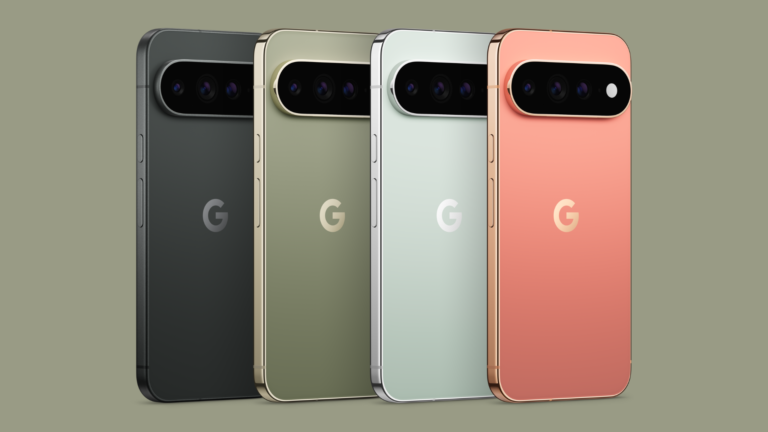
The year 2024 was particularly bad, with 72% of the phones tested falling foul of the 2D photo hack. However, some Android models, such as recent Google phones and the Samsung Galaxy S26 series, passed the test with flying colours. Apple’s iPhone range also passes with ease, thanks to its advanced 3D facial recognition technology.
So, what can UK users do to protect themselves from this security weakness? The simple answer is to not set up face-based access at all and to lean on good, old-fashioned PIN and fingerprint systems instead. Alternatively, many Android phones make it possible to lock sensitive apps behind these more secure entry mechanisms.
While some manufacturers, such as Motorola, OnePlus, and Nothing, have been criticised for not providing clear warnings about the drawbacks of their facial recognition systems, others, like Samsung, have been quick to respond and reassure users about the security of their devices. In a statement, Samsung reiterated that facial recognition can only be used for opening a Galaxy device and cannot be used to authenticate access to features requiring stronger security.
As the issue remains a concern for many UK users, it’s essential to take additional measures to protect important data. By being aware of the potential risks and taking steps to mitigate them, users can ensure their personal data remains safe and secure. With the rise of mobile payments and online transactions, it’s more important than ever to prioritise phone security and take the necessary precautions to avoid potential threats.
In conclusion, the security flaws exposed in the latest report are a wake-up call for UK users to re-evaluate their phone’s security features and take action to protect themselves. By choosing a phone with advanced biometric systems, such as 3D facial recognition, and being mindful of the potential risks, users can enjoy a more secure and reliable mobile experience.