Working families might lose £350 from take-home pay by 2026 due to frozen thresholds
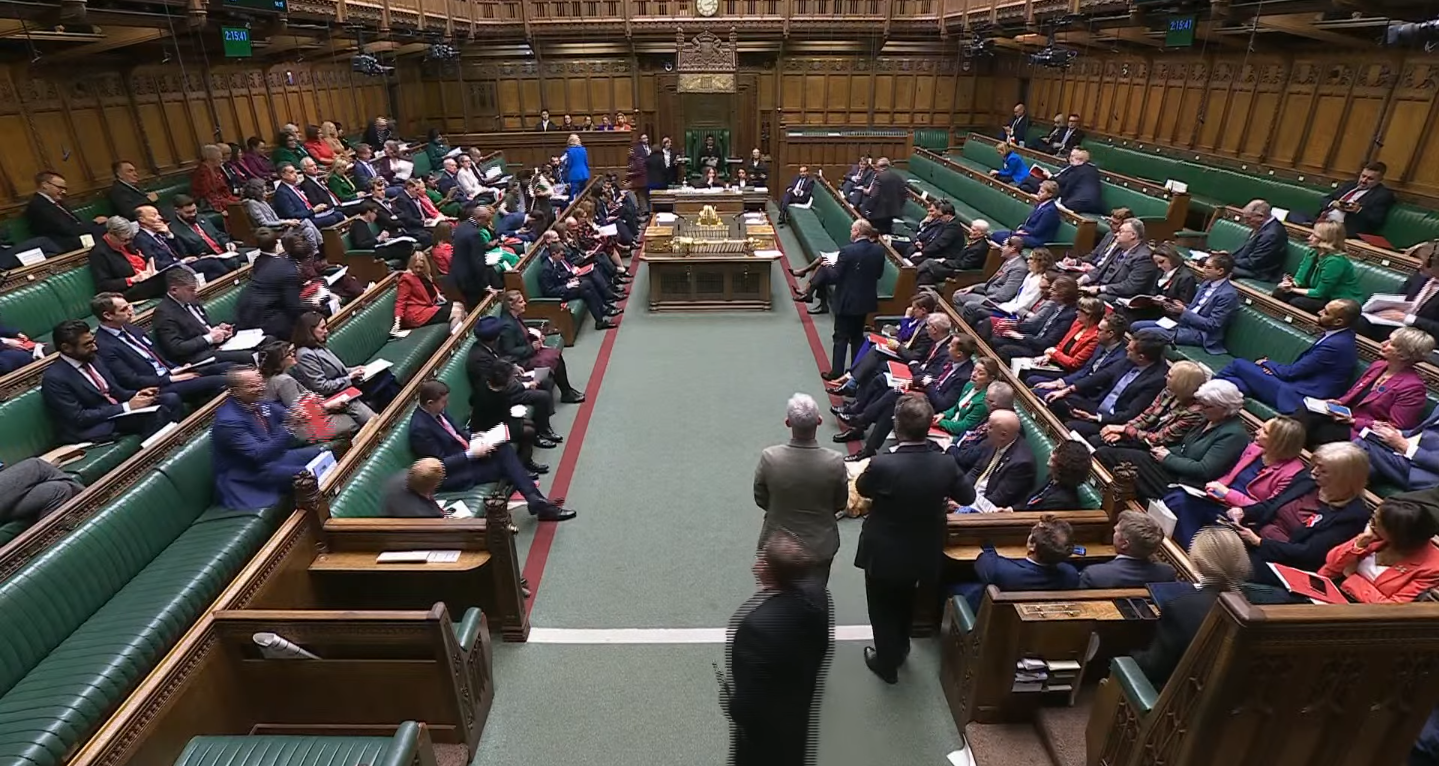
Fiscal squeeze intensifies as pay rises fail to translate into higher income
Working families across the UK are being warned they could lose around £350 from their annual take-home pay by 2026 as frozen income-tax thresholds continue to pull more earnings into higher tax bands. Although tax rates have not changed, the freeze means any wage increase pushes a greater share of income into taxable brackets, reducing disposable income at a time when households are already juggling rising living costs.
Economists say the impact will be gradual but tangible, particularly for families receiving modest salary increases over the next two years. Pay growth that would normally boost household budgets will instead be partially offset by higher deductions. Financial analysts describe the mechanism as “fiscal drag,” noting that its effects will intensify annually if thresholds remain unchanged.
Workers in sectors such as healthcare, education, retail management and professional services are among those most likely to be affected. Many fall within the income bracket where small to mid-level pay rises are enough to trigger higher deductions, leading to a surprising reduction in year-end take-home pay compared with salary expectations.
A major concern for families is the timing, as inflation-linked increases in grocery, transport and utility costs continue to pressure monthly budgets. For many, the loss of £350 per year could mean cutting back on discretionary spending, adjusting childcare arrangements or postponing savings goals. Charities supporting family finances say they are already seeing an uptick in advice requests.
The government maintains that freezing thresholds is a responsible way to boost national revenue without lifting headline tax rates. Ministers argue that the measure supports increased investment in public services such as healthcare, social care and education, while ensuring the tax system remains broadly progressive. The approach is positioned as part of a longer-term fiscal-stability plan.
Critics, however, label the policy a stealth tax on working families, warning that it discourages productivity and wage progression. They argue that rises intended to keep pace with inflation should not lead to disproportionately higher deductions. Trade unions and workers’ groups are calling for the freeze to be reviewed in the next fiscal update.
Parents may feel an additional strain as reduced take-home pay limits disposable income during a period of rising childcare fees and school-related expenses. Financial planners are advising families to re-evaluate monthly budgets and monitor payroll deductions closely over the next two tax years to avoid unexpected year-end shortfalls.
Mortgage holders are also expected to be disproportionately affected, as many face increased repayment costs at the same time that disposable income falls. For households on variable-rate loans, the tax-threshold freeze could coincide with higher interest charges, compounding financial pressure across key spending categories.
Some employers have expressed concern that the freeze undermines attempts to improve staff retention during ongoing workforce shortages. With higher deductions reducing the perceived value of pay rises, companies worry that employees may feel little benefit from salary progression, even when firms absorb additional payroll costs.
If the threshold freeze remains in place through 2026, analysts expect more families to adjust spending habits, saving capacity and long-term financial planning. For working households across the UK, the coming years may become defined by balancing rising taxation with the hope that increased public investment results in noticeable improvements to everyday services and living standards.