
Introduction
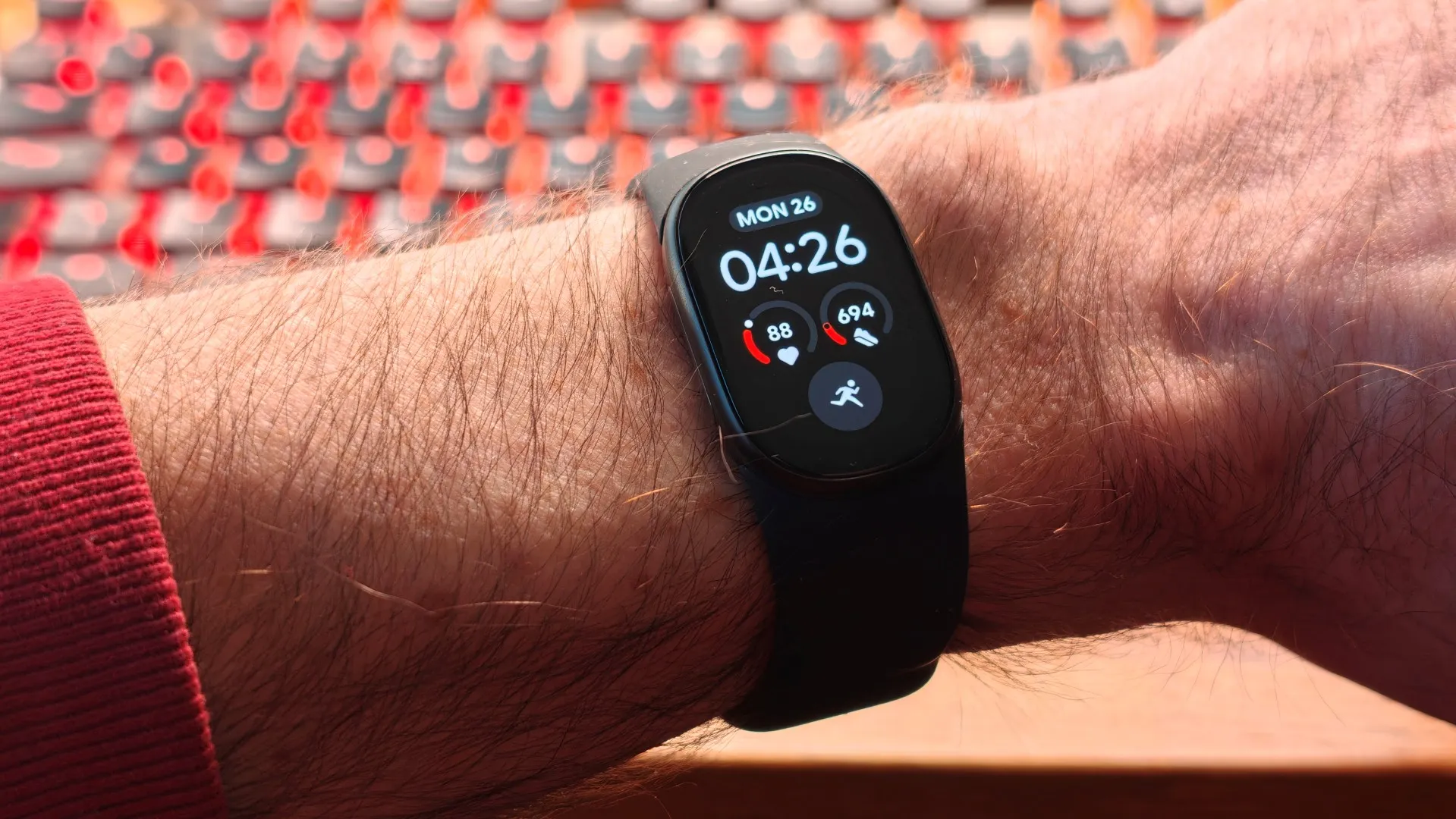
Google recently unveiled the Fitbit Edge, the first Fitbit with a full colour display. The device sits between the screenless Fitbit Air and the flagship Pixel Watch 5, filling a niche for users who want basic fitness tracking without the price of a premium smartwatch. After spending several weeks with the Edge, I have mixed feelings – the hardware is solid, but the omission of key Pixel Watch features makes me wonder if Google should launch a dedicated Pixel Watch A series.
Design and Styling
The Fitbit Edge adopts a design language that mirrors the Pixel Watch 5, but with a slimmer, band-only profile. It even appears in the same Pixel 11 Pro colour palette that Google used in its recent marketing. For fans of the Apple Watch Series 10 or Samsung Galaxy Watch 6, the Edge feels familiar yet less bulky, offering a more understated look on the wrist.
User Interface
Running a stripped-down version of Wear OS, the Edge presents a UI that is almost identical to the Pixel Watch. Swiping down reveals quick settings, a sideways swipe moves between tiles, and an upward swipe opens notifications. The experience feels cohesive with other Google devices such as the Pixel 8 phone, making the transition between phone and watch seamless.
Missing Features
Despite the similar look, the Edge lacks several premium features found on the Pixel Watch 5. Gemini Intelligence, Satellite SOS, loss-of-pulse detection, NFC payments and advanced health sensors are absent. While a hypothetical Pixel Watch A series would not need to match the flagship on every spec, offering at least some of these capabilities would create a clear sweet spot between the Edge and the high-end model.
Battery Life Considerations
One of the Edge’s strongest points is its battery life. Because it does not run full Wear OS, the device can last up to a week on a single charge, a claim that rivals the best-in-class battery performance of the Garmin Venu 3. A lower-cost Pixel Watch A series could theoretically extend battery life even further, appealing to users who find the Pixel Watch 5’s one-day endurance limiting.
Price and Value in 2026
In 2026, hardware upgrades have slowed and prices for premium wearables have risen. Buying a previous-generation Pixel Watch 4 can still provide a solid feature set at a reduced cost, but it is already a year into its software support window. A dedicated A-series model priced between the Edge and the Pixel Watch 5 would give consumers a fresh device with longer software updates and a more balanced price-to-feature ratio.
What Google Could Do
The simplest path forward would be to re-skin the Fitbit Edge as a round-face watch, add selective features such as NFC and improved health tracking, and brand it as a Pixel Watch A series. This approach would leverage existing hardware while delivering a product that feels distinct from the Edge and offers a clear upgrade over the entry-level options.
Conclusion
The Fitbit Edge proves that there is demand for a more affordable Google wearable, but it also highlights the gaps that remain in the current lineup. A Pixel Watch A series that combines the Edge’s battery longevity with a handful of flagship features would satisfy a large segment of the market, from fitness enthusiasts to budget-conscious tech fans. Until Google takes that step, the Edge remains the best compromise, albeit an incomplete one.