OnePlus Ace 6 listed on certification site ahead of US release

OnePlus Ace 6 listed on certification site ahead of US release

Certification hints that OnePlus is preparing for a wider international debut

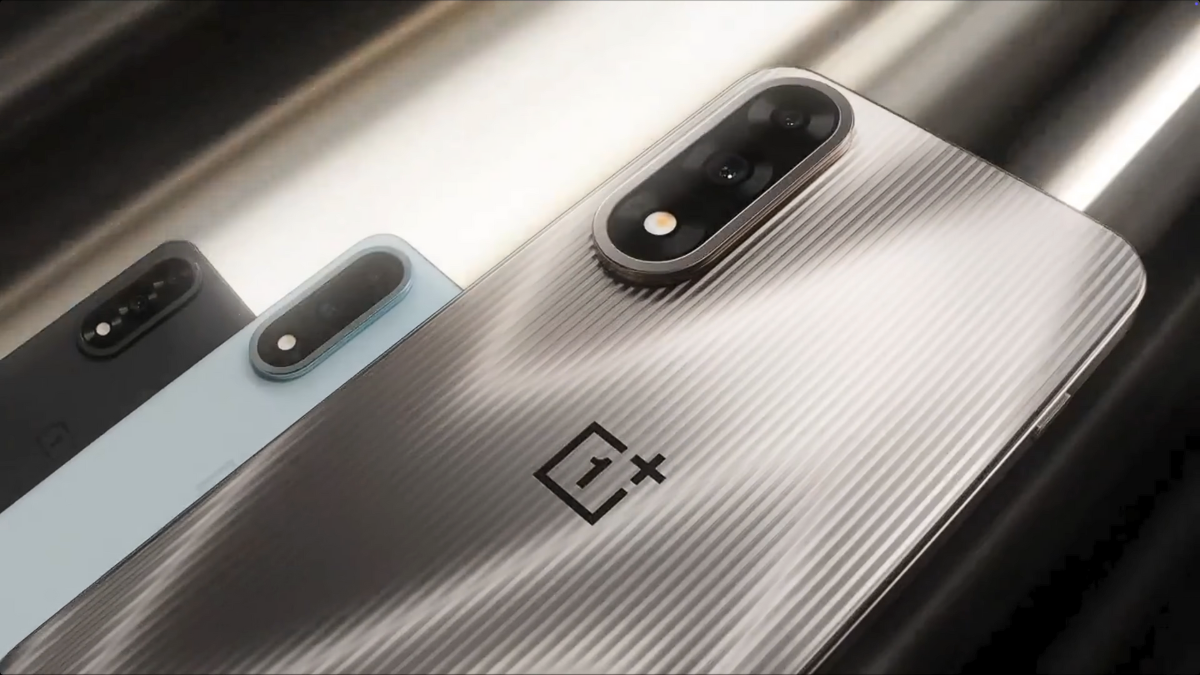
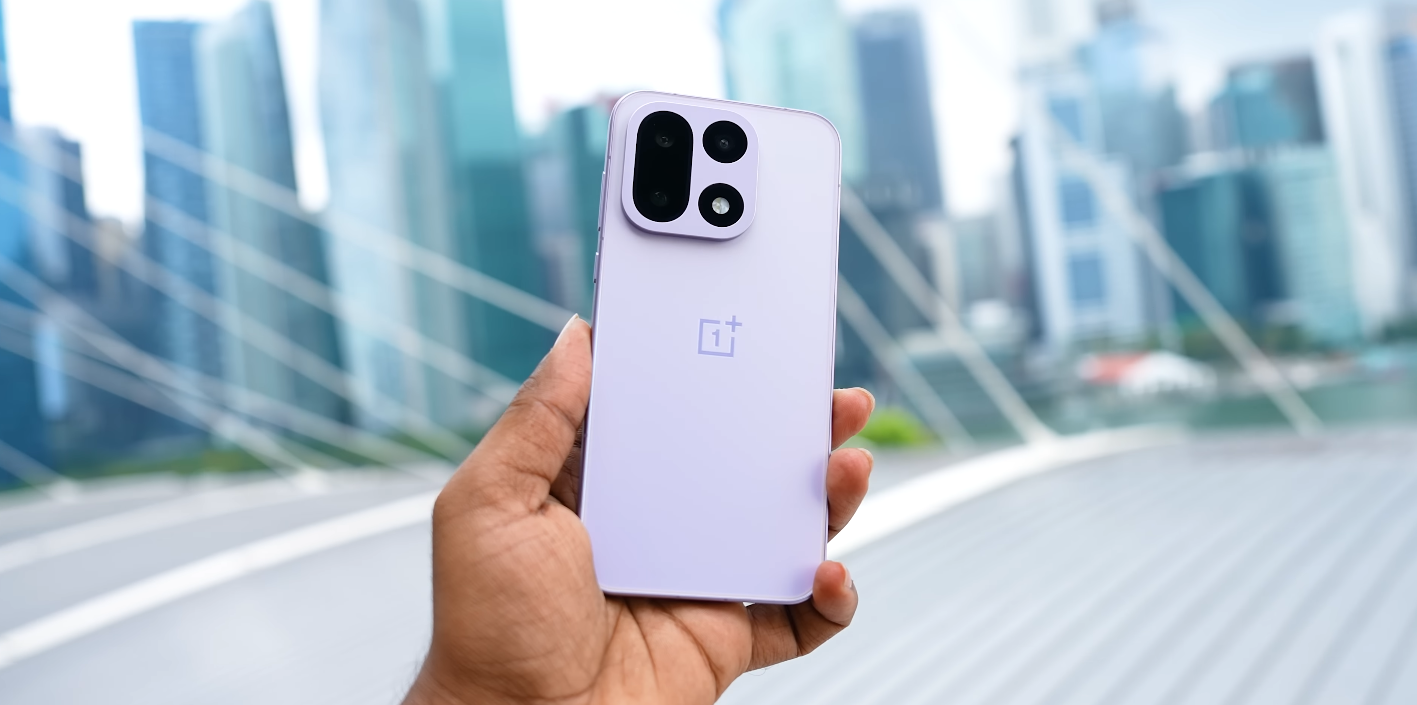
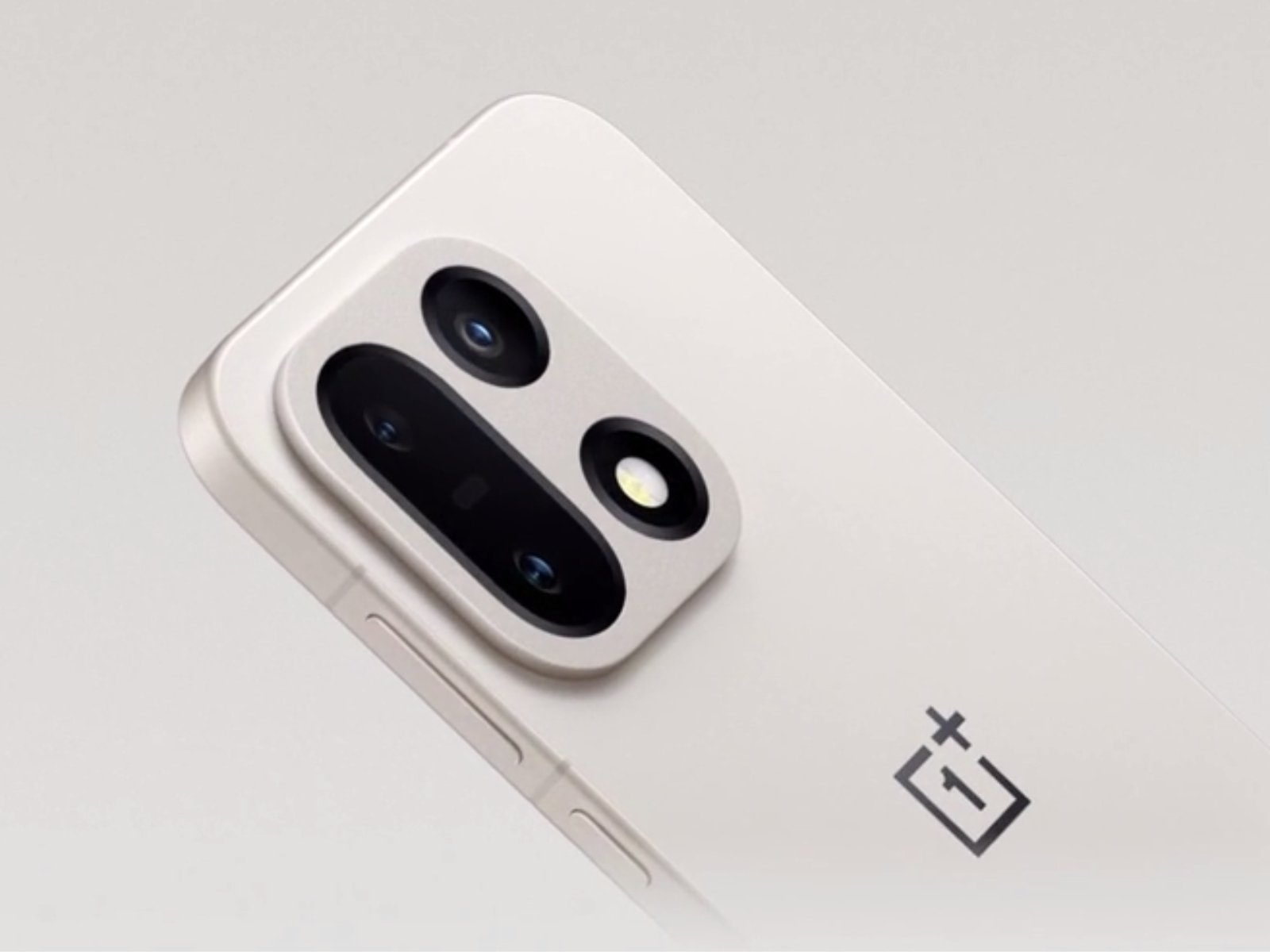
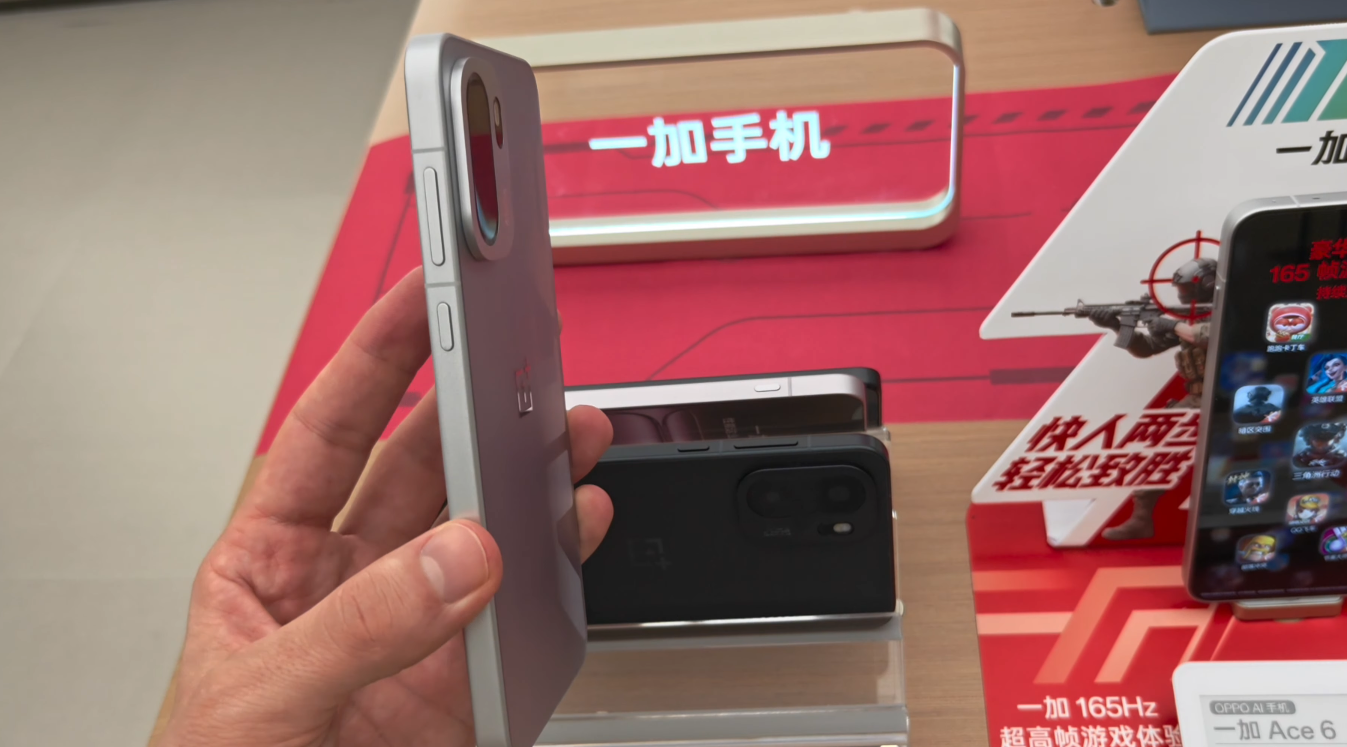
The OnePlus Ace 6 has appeared on an official certification site, signaling that the smartphone could be nearing its global rollout. The listing, which surfaced recently on China’s 3C certification database, identifies the device under the model number “PLQ110.” While this particular certification pertains to the Chinese market, such developments often indicate that international variants are in the pipeline—including, potentially, a US release.

According to the listing, the OnePlus Ace 6 will support 120W SuperVOOC fast charging, confirming earlier leaks about its impressive power system. The certification shows 11V/11A charging support, which aligns with OnePlus’s previous high-end devices. Combined with the phone’s massive 7,800mAh battery, this ensures ultra-fast recharging—an appealing feature for users who demand long-lasting performance without extended downtime.

The timing of this certification adds credibility to rumors that OnePlus is preparing a broader launch. The company recently unveiled the Ace 6 in China alongside the OnePlus 15, and leaks suggest that the device could arrive in global markets as the “OnePlus 15R.” If accurate, this would follow the brand’s established strategy of renaming its China-exclusive models for international audiences. The move would allow OnePlus to introduce its latest hardware to US buyers under a familiar naming convention, while keeping its product lines consistent across regions.
OnePlus Ace 6 listed on certification site ahead of US release

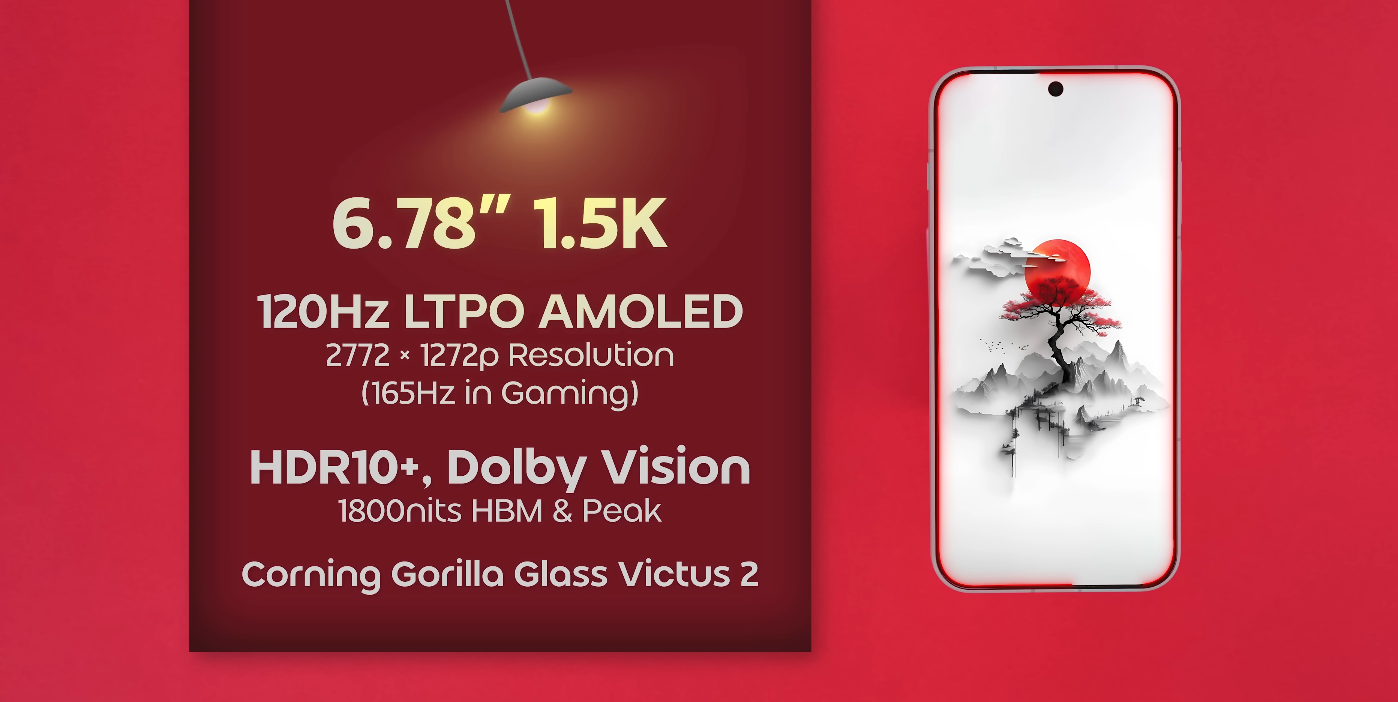
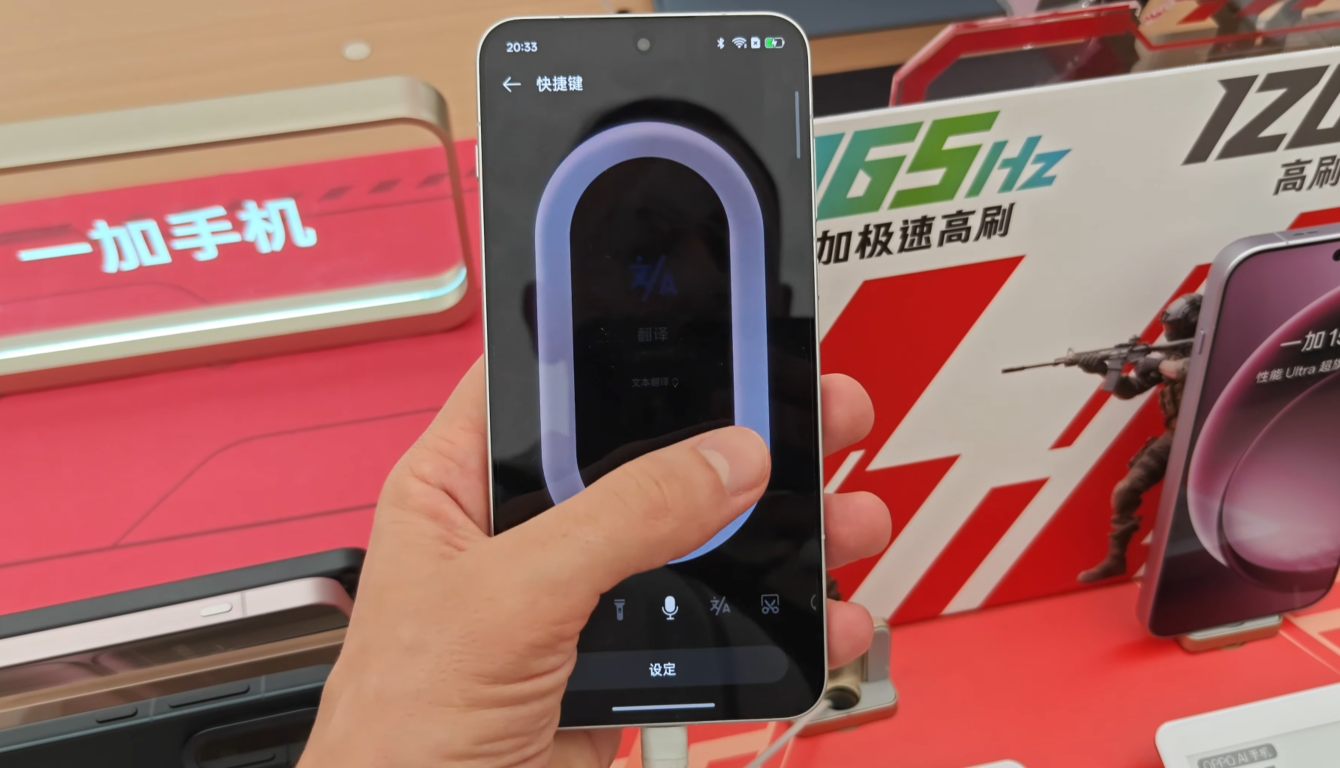
Hardware details from official teasers and leaks highlight the Ace 6’s premium positioning. It features a 6.83-inch AMOLED display with 1.5K resolution and a refresh rate of up to 165Hz—making it one of the fastest and most fluid displays available. The device is powered by Qualcomm’s Snapdragon 8 Elite processor, coupled with up to 16GB of LPDDR5X RAM and UFS 4.0 storage. These specifications place it firmly in flagship territory, with performance levels rivaling top-tier Android smartphones from Samsung and Google.

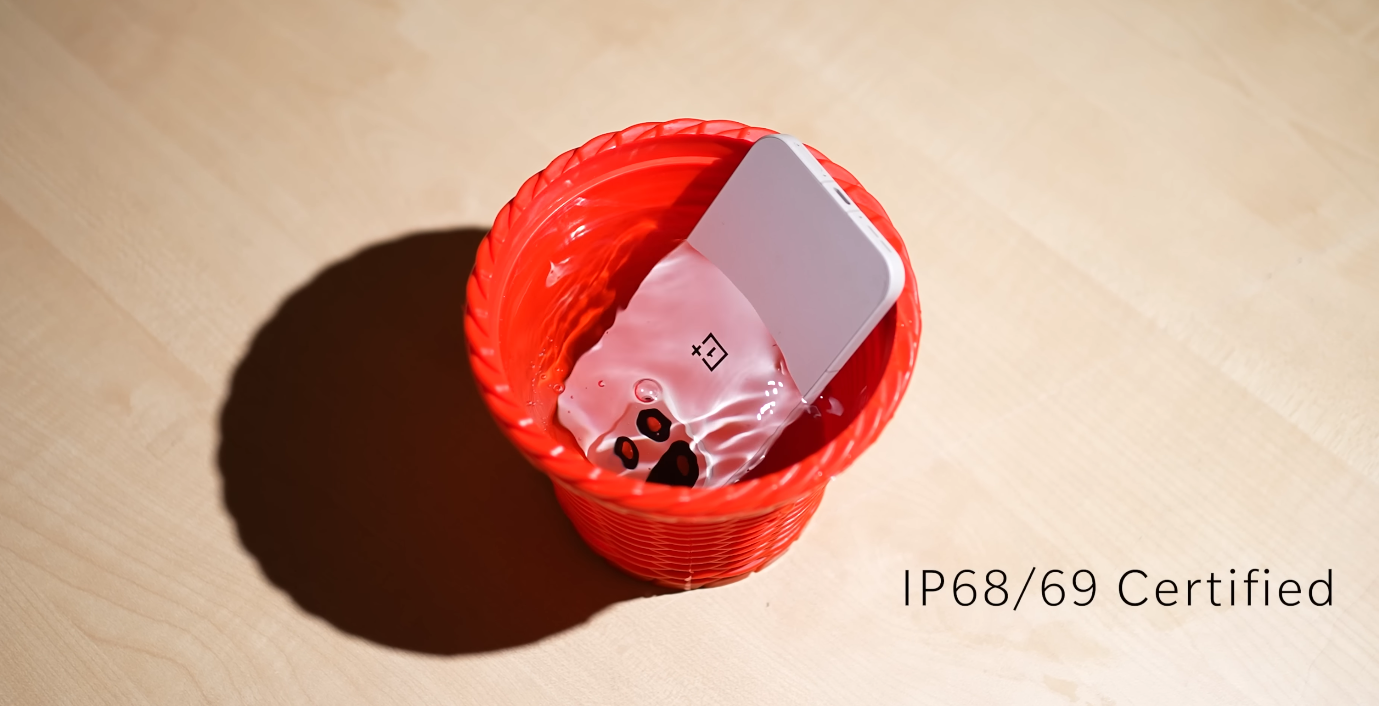
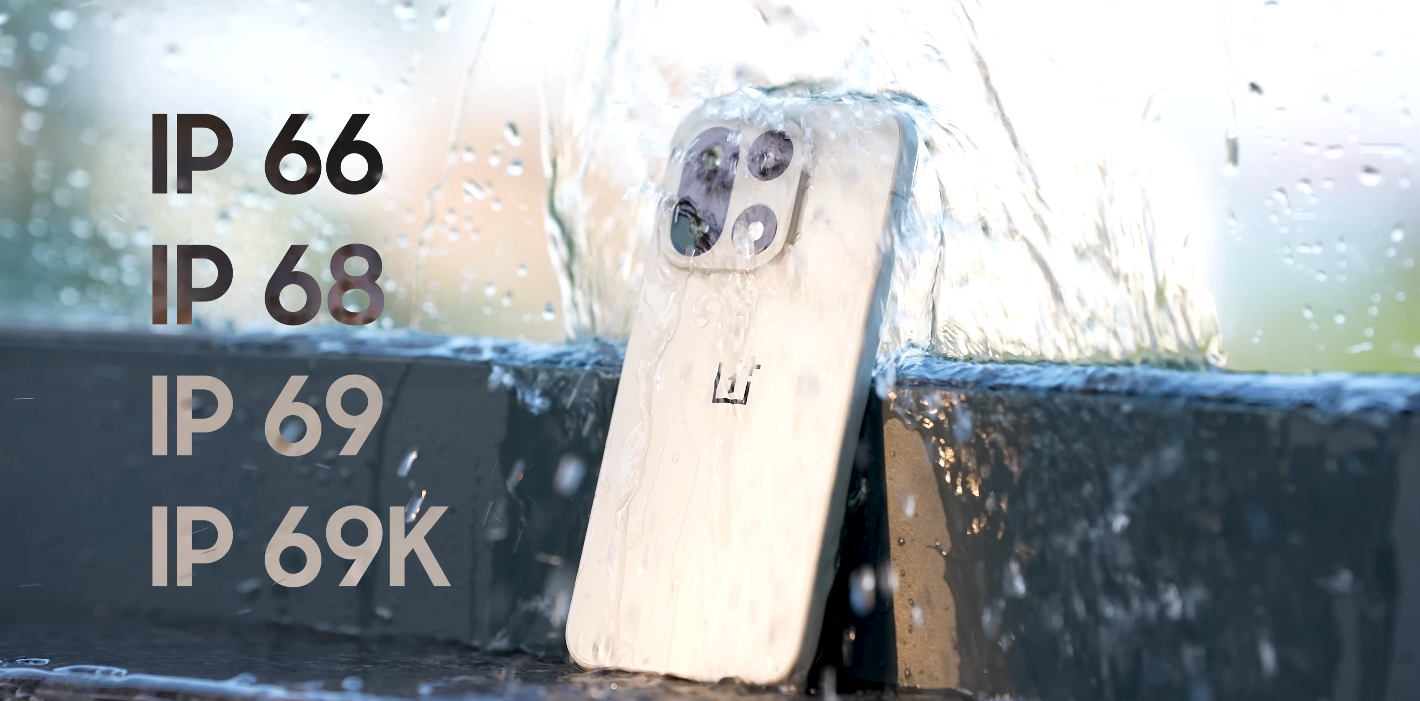
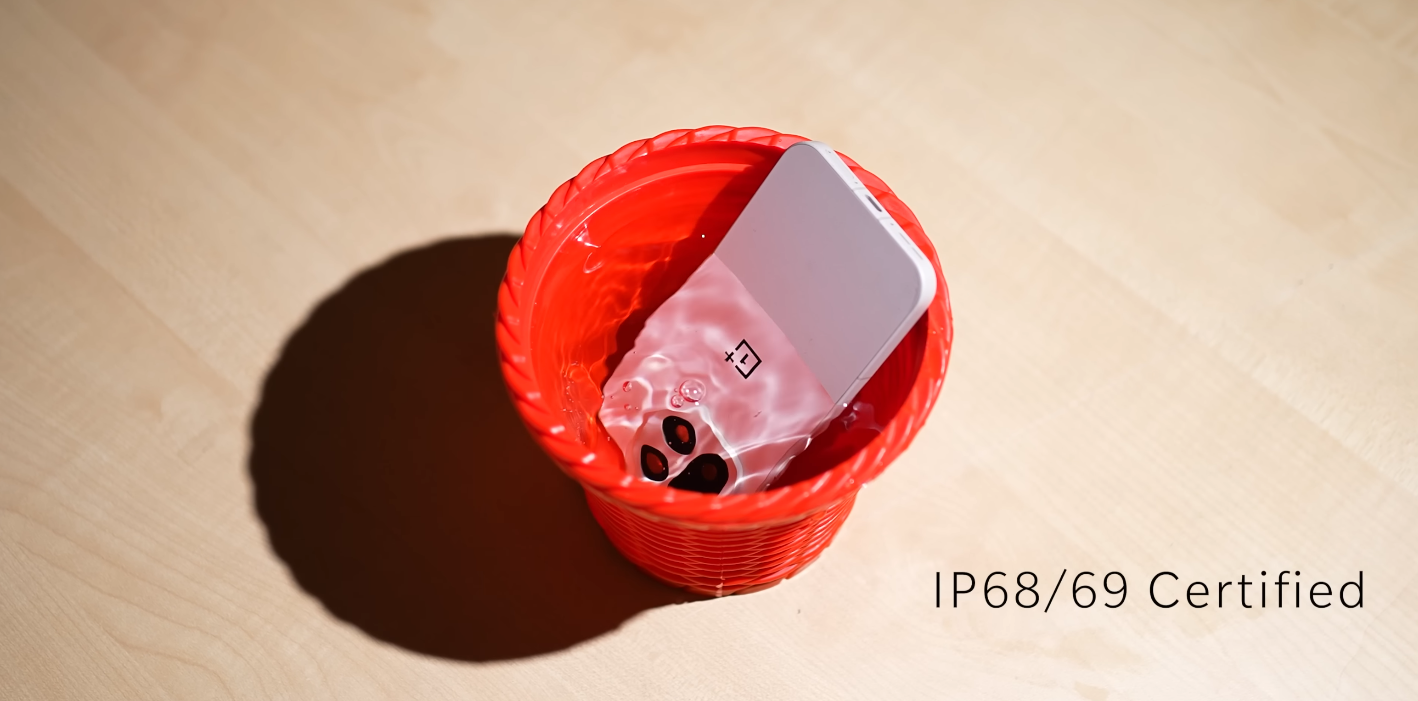
The Ace 6 also emphasizes durability and longevity. Its IP66, IP68, and IP69K protection ratings suggest it can withstand water, dust, and high-pressure conditions. The combination of these rugged qualities and its massive battery gives it a clear advantage over many competitors in the same price range. If the US version retains these features, it could attract both performance-focused and adventure-oriented users looking for reliability alongside power.

Industry analysts note that certification filings like this often precede a global launch by just a few weeks. While OnePlus has yet to file the Ace 6 under the US Federal Communications Commission (FCC), the 3C listing suggests that such approvals may soon follow. Once that happens, the company would be cleared to market and sell the device in the United States, likely through online retailers and possibly direct partnerships with carriers.

If OnePlus proceeds with a US release, the Ace 6 could mark a significant step in the company’s strategy to reclaim its foothold in the North American market. After focusing primarily on Asia in recent cycles, OnePlus appears to be gearing up for a more aggressive global expansion. A competitively priced smartphone offering flagship-grade performance, rapid charging, and exceptional battery endurance could resonate strongly with American consumers seeking premium value.

In short, the OnePlus Ace 6’s appearance on certification platforms indicates that its global debut is imminent. With top-tier hardware, fast-charging capabilities, and the potential for a competitive price tag, the device is well-positioned to make a strong impression in the United States once OnePlus makes its official announcement.
OnePlus 15 vs Realme GT Explorer: which gives more for your money?

OnePlus 15 vs Realme GT Explorer which gives more for your money

Side-by-Side Flagship Value Comparison

The tech landscape is crowded with flagship phones, and for UK buyers keen to get the most value for their money the choice between the OnePlus 15 and the Realme GT Explorer (or equivalent “Explorer/Master” variant) is a strong debate. On one side, you have a bleeding-edge device pushing performance, design and features. On the other, you have a very capable phone that costs considerably less—and may offer much of what most users need. The question is: which gives more “bang for buck”?

In terms of raw performance, the OnePlus 15 steps up with the latest flagship chipset, top RAM/storage combinations and a high refresh screen tailored for demanding tasks and gaming. Realme’s GT Explorer trades off some of that top-end silicon for a smarter value package—still fast, still modern, but with fewer luxuries. For users who push their phones hard (gaming, heavy multitasking, streaming) the OnePlus may justify its premium. For users whose everyday use is lighter, the Realme option makes a lot of sense.

Display experience is one key difference. The OnePlus 15 typically offers a state-of-the-art panel with higher refresh, premium specs and smoother visuals—particularly beneficial in fast-movement apps, gaming or scrolling. The Realme GT Explorer uses a strong screen too, but likely caps lower on refresh rate or sits a step down in display tech. For many users the difference will be visible, yet whether it’s essential depends on how you use the device.

OnePlus 15 vs Realme GT Explorer which gives more for your money

Battery and charging also reflect the value trade-off. OnePlus tends to include higher capacity batteries, faster wired and wireless charging, and more elaborate cooling systems to support sustained performance. Realme gives good battery life and fast charging—more than acceptable for most—but you may see slightly less endurance in intensive use or longer gaming sessions. If battery longevity and top-tier charging matter to you, the premium may pay off.

Camera systems follow a similar pattern: OnePlus offers a more ambitious setup with higher-end sensors, zoom capabilities and image processing aimed at enthusiasts. Realme offers balanced camera performance—very good for daily photography—but it might not match the fine detail or versatility of the top tier. If you shoot lots of photos, video or use zoom features frequently, the upper model may deliver more value.

Build quality, features and future-proofing lean further toward the premium. OnePlus is likely to offer more years of software updates, advanced durability ratings, and extra features like improved cooling, better audio, and perhaps higher-tier materials. Realme focuses on delivering value, so while the build is still excellent for the price, the gap appears in the “extras”. If you keep your phone for multiple years and want the strongest device now for tomorrow’s demands, paying more may be worthwhile.

When it comes to sheer “money spent vs benefit”, if your budget allows the OnePlus 15 offers more features and a more future-ready platform. But if your priority is smart purchase, solid performance for everyday tasks and avoiding flagship price shock, Realme’s GT Explorer is likely the better deal. The difference in price may be large while the real-world gap in usage might be acceptable for many.

In the UK context: If you spend closer to the premium range (say £800-£1000) and expect to use the phone over 3–4 years, the OnePlus 15 offers more long-term value. If your budget is more modest (say £400-£600) and your usage is moderate—social, streaming, light gaming—then Realme GT Explorer gives strong value and avoids overspending.

Ultimately, the “which gives more for your money” decision depends on how you use your phone, how long you keep it, and how much you value top-tier features vs cost-efficiency. For cost-efficient value: Realme GT Explorer. For maximum power and future-readiness: OnePlus 15.

OnePlus 15 vs Google Pixel 8 Pro — night photography and AI tools

OnePlus 15 vs Google Pixel 8 Pro — night photography and AI tools

Best low-light camera and smart photo features compared for UK buyers

The OnePlus 15 and Google Pixel 8 Pro both target users who care deeply about camera performance, especially at night. Alongside night photography, AI tools increasingly define the smartphone experience, changing how people edit and share images. For UK buyers deciding between these two flagships, the real question is which device combines hardware and intelligent software better for everyday use.

The Pixel 8 Pro is built around computational photography, using Google’s AI-driven image processing to lift detail, reduce noise and brighten photos in near darkness. It often produces night images that need little correction and handles complex lighting, such as city streets or dim pubs, with impressive balance. The OnePlus 15 also performs strongly at night, keeping colours accurate and subjects clear, but its image processing sometimes applies heavier smoothing when facing extremely low-light environments.

Zoom also plays a role in night photography. The Pixel 8 Pro benefits from a periscope telephoto lens that keeps noise low and detail sharp even when zooming in after dark. This makes it easier to frame distant buildings, signage or indoor concert shots without losing clarity. The OnePlus 15 handles mid-range zoom well, but extreme zoom in dark scenes starts showing visible softness earlier than the Pixel.

OnePlus 15 vs Google Pixel 8 Pro — night photography and AI tools

AI tools are where the Pixel 8 Pro gains a clear advantage. Features like Magic Editor, Best Take, Audio Magic Eraser and smart object removal are fast to use, beginner-friendly and require no third-party apps. These tools allow users to modify backgrounds, improve facial expressions in group photos and remove distractions with minimal effort. OnePlus offers AI features too, including enhancements for portraits, memory tools and system-level utilities, but they are less focused on automated photo editing.

For social media users, the Pixel 8 Pro gives an obvious benefit. Its AI features make quick corrections and creative edits effortless for platforms like Instagram, Snapchat and TikTok. In contrast, OnePlus leans more toward giving users a natural-looking photo directly out of the camera rather than offering heavy post-capture manipulation. Some users prefer this approach, especially those who value authenticity over AI-generated effects.

Battery life and all-day reliability also matter for night shooters. The OnePlus 15’s larger battery capacity provides a clear advantage during prolonged night outings, festivals and low-light events where heavy camera use drains power. The Pixel 8 Pro maintains stable endurance, but frequent use of AI editing can impact battery levels faster. UK buyers who want the longest run time during late nights will notice the benefit of the OnePlus battery design.

Software support has long-term implications too. Google promises extended major OS updates for the Pixel 8 Pro, which means AI features and camera improvements will continue evolving over many years. OnePlus offers strong update support as well, but Pixel users benefit more directly from ongoing improvements focused on computational photography and editing tools. This adds long-term value for anyone who plans to keep their phone for three to five years.

For casual photographers who prefer to point, shoot and share immediately, both phones deliver strong results, but the Pixel 8 Pro offers more consistent night performance without extra adjustments. For users who prefer natural colours with less AI manipulation, the OnePlus 15 may feel more realistic, especially in portraits or indoor scenes. Each device appeals to a different style of photography rather than simply a difference in quality.

Overall, the Pixel 8 Pro stands out as the better choice for users who prioritise low-light photography and automated AI-powered image editing. It provides the strongest night performance and the most useful AI tools for reshaping images after capture. The OnePlus 15 remains an excellent flagship that will satisfy buyers who want a balanced premium smartphone with solid night performance, superb battery life and fewer compromises outside of photography.

For UK buyers choosing between these flagships, the Pixel 8 Pro is ideal for the camera-first user who wants the best night shots and smart editing tools built in. The OnePlus 15 is the better pick for users who want great photos but value overall hardware performance, battery longevity and everyday versatility just as much.

OnePlus 15T and Ace 6 Ultra: What to Expect from the Latest Flagship Devices

The upcoming OnePlus 15T and Ace 6 Ultra smartphones, featuring sleek designs and cutting-edge technology, are expected to offer users an unparalleled mobile experience, with the primary keyword being the OnePlus 15T

OnePlus 15T and Ace 6 Ultra: The Latest Additions to the Flagship Family

OnePlus has been making waves in the smartphone industry with its innovative devices, and the latest leak suggests that the OnePlus 15T is nearing launch. The successor to the compact flagship device, the OnePlus 13T, is expected to bring significant upgrades to the table.

The OnePlus 15T is tipped to be ‘ready’ for launch, and fans are eagerly awaiting its release. With the smartphone market becoming increasingly competitive, it will be interesting to see how the OnePlus 15T fares against its rivals.

In addition to the OnePlus 15T, details about another device, the OnePlus Ace 6 Ultra, have also surfaced. This new device is expected to boast impressive features, further solidifying OnePlus’ position in the market.

As we await the official launch of these devices, it’s essential to analyse the latest trends in the smartphone industry. With the rise of 5G and advancements in camera technology, users are expecting more from their devices.

The OnePlus 15T and Ace 6 Ultra are expected to deliver on these expectations, offering users a seamless and immersive experience. From improved battery life to enhanced colour accuracy, these devices are poised to set a new standard in the industry.

OnePlus has consistently demonstrated its commitment to innovation, and the latest leak suggests that the company is not slowing down. With the OnePlus 15T and Ace 6 Ultra, users can expect a unique blend of style, substance, and cutting-edge technology.

As the launch date approaches, fans are advised to stay tuned for more updates on these exciting new devices. With their impressive features and sleek designs, the OnePlus 15T and Ace 6 Ultra are sure to generate significant buzz in the smartphone community.

The behaviour of smartphone users is constantly evolving, and manufacturers must adapt to these changes to remain relevant. OnePlus has shown that it is capable of doing so, and the latest devices are expected to reflect this.

In conclusion, the OnePlus 15T and Ace 6 Ultra are two devices that are worth keeping an eye on. With their impressive features and innovative designs, they are poised to make a significant impact in the smartphone market.

OnePlus 15T Unveiled in UK with Sleek White Finish

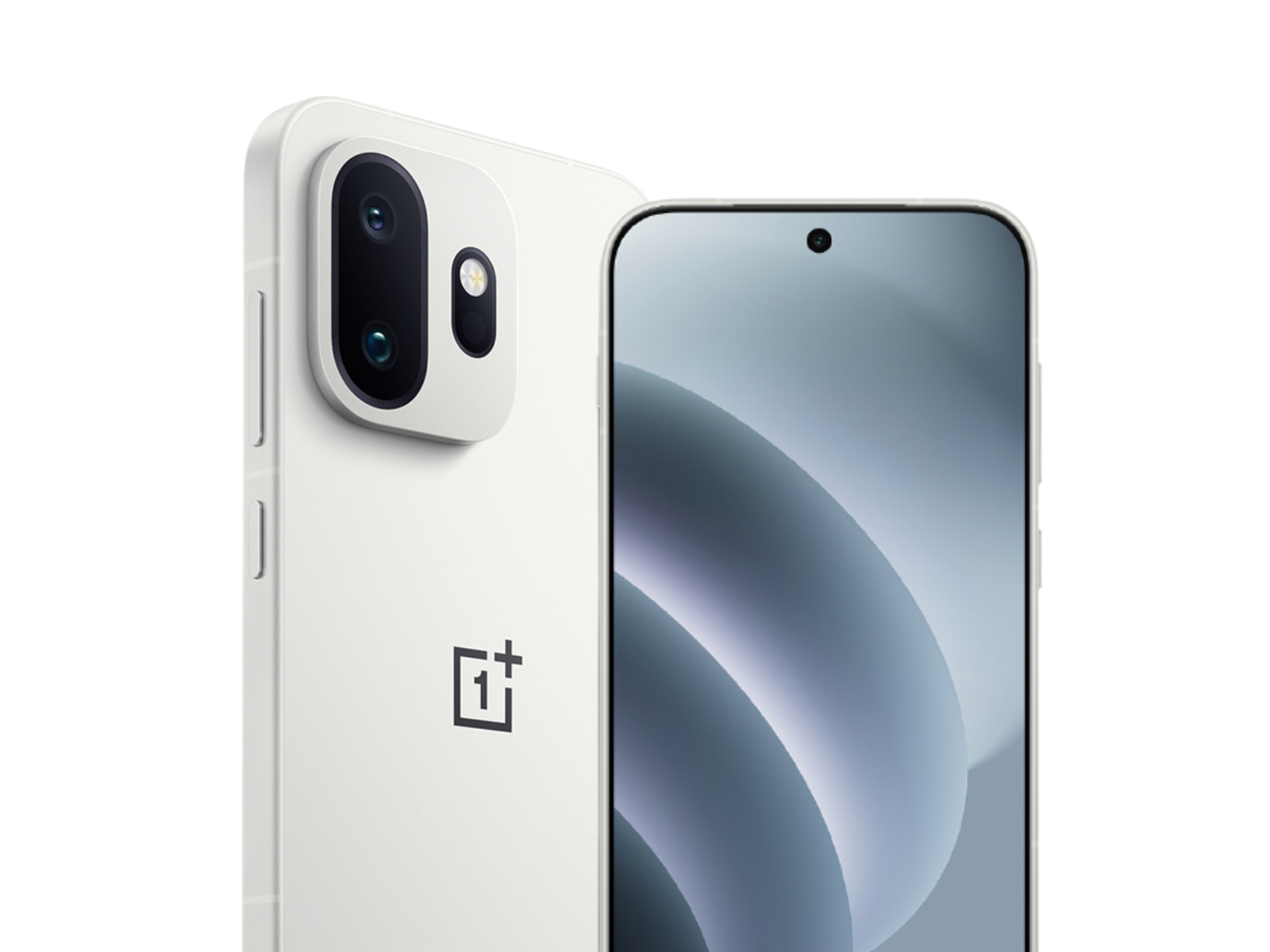
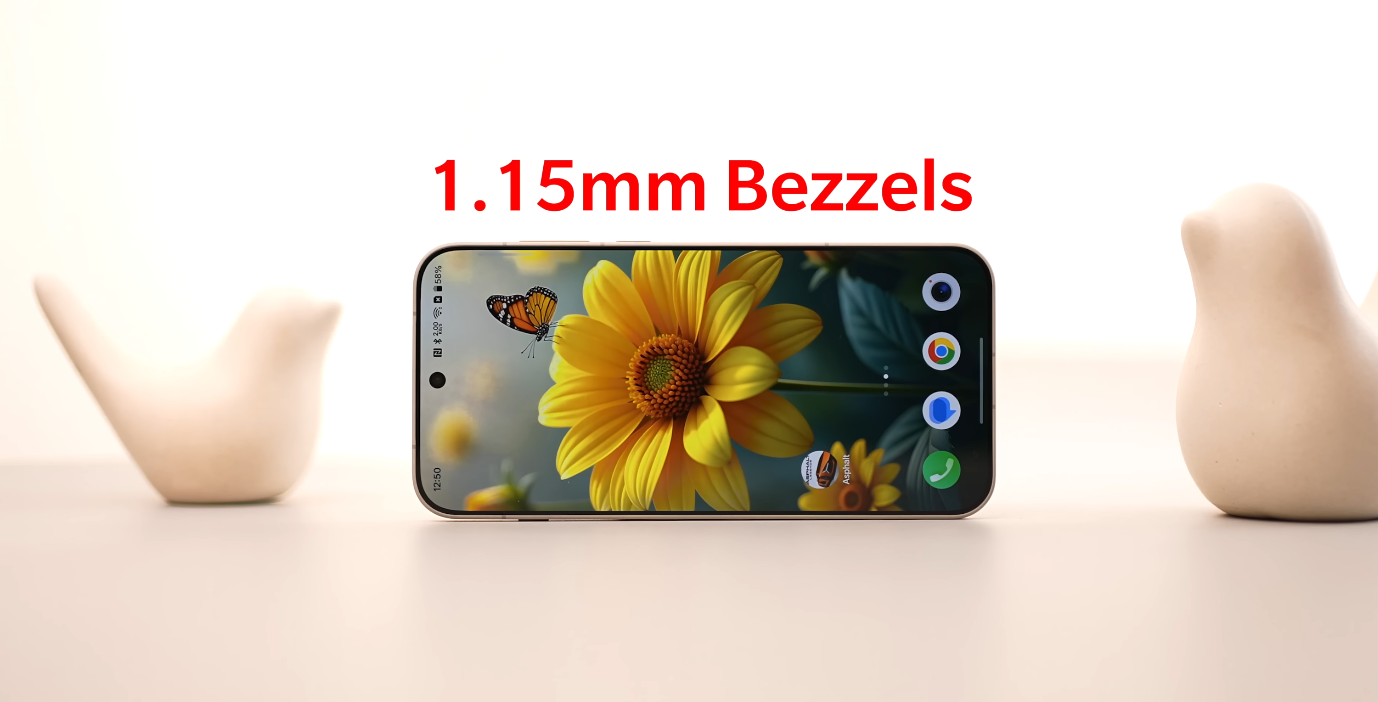
The OnePlus 15T in white finish, showcasing its sleek design and impressive 1.1mm uniform display bezels, a key feature of this compact flagship smartphone

OnePlus 15T: A Compact Flagship with a Stylish Twist

The highly anticipated OnePlus 15T has been officially revealed in a stunning white finish, just ahead of its launch in China. This sleek new colour option is sure to turn heads. The company has also confirmed that the device features impressive 1.1mm uniform display bezels. This innovative design element is set to enhance the overall user experience.

The OnePlus 15T is poised to make a significant impact in the UK market with its unique blend of style and substance. The device’s compact design and sleek white finish make it an attractive option for those looking for a high-end smartphone that is both functional and fashionable. With its cutting-edge technology and sleek design, the OnePlus 15T is sure to be a hit among UK consumers.

One of the key features of the OnePlus 15T is its impressive display. The device boasts a high-quality screen with minimal bezels, providing an immersive viewing experience. The 1.1mm uniform display bezels are a notable feature, allowing for a more seamless and engaging user experience. Whether you’re watching videos, browsing the web, or playing games, the OnePlus 15T’s display is sure to impress.

In addition to its stunning display, the OnePlus 15T also features a range of other impressive specs. The device is powered by a high-performance processor, ensuring fast and efficient operation. With plenty of storage and memory options available, the OnePlus 15T is ideal for those who want a smartphone that can keep up with their active lifestyle.

The OnePlus 15T’s camera system is another notable feature, with a high-quality sensor and advanced software capabilities. The device is capable of capturing stunning photos and videos, making it an excellent choice for photography enthusiasts. With its sleek design and advanced camera system, the OnePlus 15T is sure to be a popular choice among UK smartphone users.

As the OnePlus 15T prepares to launch in China, UK consumers are eagerly awaiting its arrival. With its unique blend of style, substance, and cutting-edge technology, the device is sure to make a significant impact in the UK market. Whether you’re looking for a high-end smartphone for personal or professional use, the OnePlus 15T is definitely worth considering.

The UK smartphone market is highly competitive, with a range of devices available from various manufacturers. However, the OnePlus 15T’s unique combination of features, design, and performance make it an attractive option for those looking for a high-quality smartphone. With its sleek white finish and impressive specs, the OnePlus 15T is sure to stand out from the crowd.

In conclusion, the OnePlus 15T is a compact flagship smartphone that is sure to impress UK consumers. With its stunning white finish, impressive display, and advanced camera system, the device is an excellent choice for those looking for a high-end smartphone. As the device prepares to launch in the UK, we can expect to see plenty of excitement and interest among smartphone enthusiasts.

The OnePlus 15T’s launch in the UK is highly anticipated, with many consumers eager to get their hands on the device. With its unique blend of style, substance, and cutting-edge technology, the OnePlus 15T is sure to be a popular choice among UK smartphone users. Whether you’re looking for a high-end smartphone for personal or professional use, the OnePlus 15T is definitely worth considering.

As we await the launch of the OnePlus 15T in the UK, we can expect to see plenty of reviews and comparisons with other devices. The smartphone market is highly competitive, with a range of devices available from various manufacturers. However, the OnePlus 15T’s unique combination of features, design, and performance make it an attractive option for those looking for a high-quality smartphone.

OnePlus 15T Launches in the UK Next Week: What to Expect

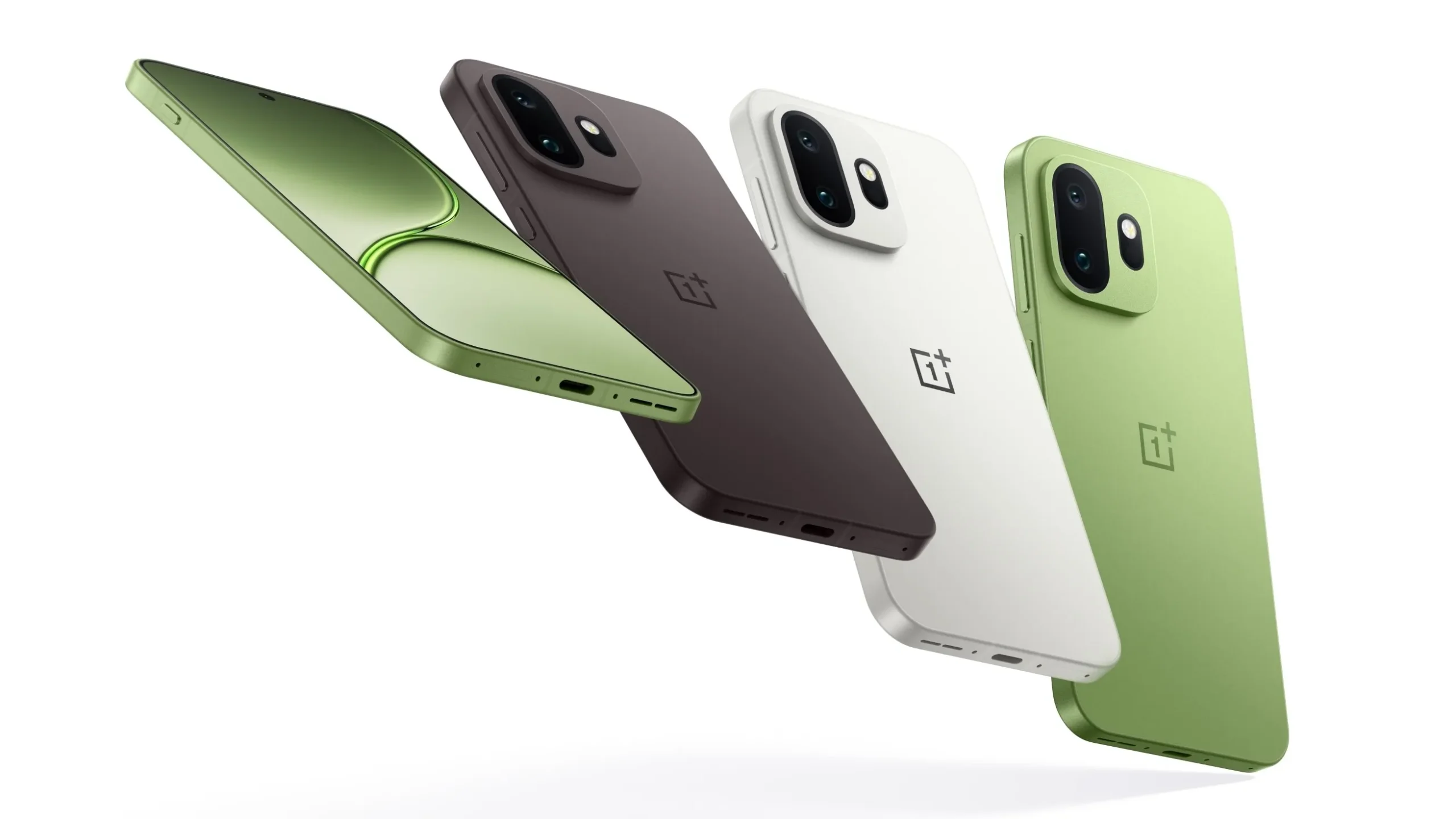
The OnePlus 15T smartphone with a 6.32-inch AMOLED display and ultrasonic fingerprint sensor, featuring Qi2 magnetic charging support and a huge 7500mAh SiC battery, available in three colours: Healing White Chocolate, Pure Cocoa Brown, and Relaxing Matcha Green

OnePlus 15T: The Compact Flagship to Watch in the UK

The OnePlus 15T is set to launch in the UK next week, and we can’t help but wonder what this compact flagship has in store for us. With a steady stream of teasers and rumours, we’re excited to see what OnePlus has to offer. The brand has finally revealed the launch date: 24 March, and we’re eager to learn more.

Recent weeks have given us a glimpse into the phone’s specifications, including a powerful Snapdragon 8 Elite Gen 5 processor and a stunning 6.32-inch AMOLED display with a rapid 165Hz refresh rate. We’re also looking forward to the integrated ultrasonic fingerprint sensor and the incredibly thin 1.1mm bezels.

The OnePlus 15T will be available in four RAM and storage variants, including 12/256GB, 12/512GB, 16/256GB, and 16/512GB, as well as a 16GB/1TB option. The phone will come in three colours: Healing White Chocolate, Pure Cocoa Brown, and Relaxing Matcha Green. With a huge 7500mAh SiC battery and 100W wired and 50W wireless charging, this phone is set to impress.

OnePlus has also revealed that the 15T will feature Qi2 magnetic charging support, which could be a game-changer in the UK market. The phone’s camera system, although limited to two lenses, may include a new periscope telephoto unit. We’re excited to see how this compact flagship will stack up against its rivals in the UK.

With the launch date just around the corner, we’re eager to get our hands on the OnePlus 15T and see what it has to offer. Will it live up to the hype, or will it fall short? Only time will tell, but one thing is certain: this phone is sure to make waves in the UK market.

The OnePlus 15T’s potential limited release is still a concern, with the brand’s previous model, the 13T, being a China-only affair. However, with rumours of an India release under a different name, we’re hopeful that the 15T will see a wider release in the UK.

As we await the launch of the OnePlus 15T, we can’t help but analyse the phone’s specifications and features. With its powerful processor, stunning display, and advanced camera system, this phone is set to be a top contender in the UK market. Whether you’re a tech enthusiast or just looking for a new smartphone, the OnePlus 15T is definitely worth keeping an eye on.

OnePlus 15 vs Motorola Edge 60 Ultra: premium specs at different brands

OnePlus 15 vs Motorola Edge 60 Ultra premium specs at different brands

Comparing two powerhouse flagships with different design philosophies

The OnePlus 15 and Motorola Edge 60 Ultra represent two very different approaches to the premium smartphone experience in 2025. Both pack top-tier specifications, sleek designs, and cutting-edge technology, but their priorities vary — OnePlus focuses on endurance and refinement, while Motorola pushes camera innovation and multimedia power. For UK buyers, this matchup highlights what each brand brings to the table at the high end.

The OnePlus 15 leads with its impressive 7,300 mAh silicon-carbon dual-cell battery, the largest in any mainstream flagship. Combined with 120W wired and 50W wireless charging, it offers unmatched battery life and convenience. Motorola’s Edge 60 Ultra, by contrast, includes a smaller 4,600 mAh unit but supports faster 150W charging, capable of reaching 100 percent in under 20 minutes. It’s built for speed, not endurance, making it ideal for users who prefer quick top-ups rather than all-day reserves.

Both devices excel in display technology. The OnePlus 15 features a 6.78-inch LTPO AMOLED panel with a 1.5K resolution and 165Hz refresh rate. Its adaptive display automatically scales refresh between 1Hz and 165Hz depending on usage, ensuring a balance between smoothness and efficiency. Motorola’s Edge 60 Ultra sports a slightly larger 6.82-inch OLED screen with the same 165Hz refresh, making it equally fluid. However, OnePlus’s display delivers higher peak brightness and better adaptive power management, giving it an advantage in outdoor visibility and battery conservation.

OnePlus 15 vs Motorola Edge 60 Ultra premium specs at different brands

Performance is another area where both flagships shine. The OnePlus 15 is powered by Qualcomm’s Snapdragon 8 Elite Gen 5 processor, the most advanced chipset currently available for Android devices. It’s built on a 3nm process and offers cutting-edge AI acceleration, thermal efficiency, and gaming power. Motorola’s Edge 60 Ultra uses a slightly older Snapdragon 8 Gen 3 or Gen 2 depending on region, still capable but not quite as efficient or future-proof as the OnePlus chip.

Camera systems mark one of the biggest differences between the two. The Motorola Edge 60 Ultra boasts a headline-grabbing 200MP main sensor, paired with 50MP ultra-wide and 50MP telephoto lenses. This setup is designed for users who love high-resolution detail and advanced zoom capabilities. OnePlus, meanwhile, keeps its trusted triple 50MP configuration, fine-tuned in collaboration with Hasselblad. Its imaging focuses on accuracy, natural colours, and dynamic range, producing consistently balanced shots without over-processing.

Design philosophy separates the two brands even further. The OnePlus 15’s “Sand Storm” edition showcases a fibreglass back with an aerospace-grade Micro-Arc Oxidation coating, giving it exceptional scratch and wear resistance. It’s a phone built for longevity, with a sleek matte texture that resists fingerprints. The Motorola Edge 60 Ultra opts for a glass and metal frame with soft curvature, delivering a glossy, premium aesthetic that feels elegant but slightly less durable in the long run.

In terms of software, both devices run Android 15 out of the box, but the experience differs drastically. OnePlus’s OxygenOS 16 continues its legacy of being fast, clean, and minimal, with strong integration of AI-driven battery optimisation and performance management. Motorola’s My UX stays close to stock Android but adds a few multimedia-focused gestures and camera enhancements. OnePlus promises five years of updates, while Motorola currently offers three, giving OnePlus an edge in long-term support.

Audio and connectivity features are flagship-standard across both. They include dual stereo speakers, IP68 water and dust resistance, 5G, Wi-Fi 7, and NFC. However, OnePlus enhances immersion with a more advanced haptic engine and AI-based call noise suppression, while Motorola delivers slightly louder speaker output and Dolby Atmos tuning for cinema-style sound.

For UK buyers, pricing will likely play a decisive role. The OnePlus 15 is expected to launch around £850, while the Motorola Edge 60 Ultra could retail for slightly lower, near £800. That small difference may not matter for some, but the extra battery capacity, superior software support, and overall polish of the OnePlus 15 make it the more complete premium choice for long-term use.

In conclusion, both phones offer flagship performance with unique strengths. The OnePlus 15 dominates in endurance, display quality, and long-term reliability, while the Motorola Edge 60 Ultra wins in camera versatility and fast charging. If you want a durable, balanced, and future-ready flagship, the OnePlus 15 is the smarter investment. But if photography and quick power-ups define your daily use, Motorola’s latest flagship delivers an equally exciting, feature-packed experience at a competitive price.

OnePlus 15 vs Xiaomi 17 Pro: flagship specs, value price

OnePlus 15 vs Xiaomi 17 Pro flagship specs, value price

A closer look at two premium contenders

The OnePlus 15 and Xiaomi 17 Pro are shaping up to be two of the most notable flagship smartphones entering the market, each positioned to appeal to users who want strong performance, refined design and efficient battery endurance. With both brands targeting premium audiences and maintaining strong recognition in the UK, comparisons between these two devices are already gaining momentum ahead of their broader availability.

Early reports suggest that both devices are expected to feature the next-generation Snapdragon flagship chipset, designed to deliver high efficiency, improved thermal stability and accelerated AI-driven performance across apps and real-time system operations. This positions them as direct competitors in everyday performance scenarios, from multitasking and communication workflows to intensive gaming sessions.

The OnePlus 15 is expected to feature a slightly larger display, likely in the region of 6.7 to 6.8 inches, using a high-refresh OLED panel with variable refresh rate technology to balance smooth visual motion with power savings. The Xiaomi 17 Pro, meanwhile, is expected to offer a more compact display, appealing to users who prefer lighter, more ergonomic handsets without compromising colour accuracy or peak brightness performance.

OnePlus 15 vs Xiaomi 17 Pro flagship specs, value price

Camera systems continue to be a defining element of flagship distinction. The OnePlus 15 is expected to include a triple-camera layout with a standard wide, ultra-wide and telephoto lens configuration, with particular attention given to stability and low-light clarity. The Xiaomi 17 Pro is similarly expected to feature a triple-lens arrangement, though its telephoto system may place greater emphasis on extended optical zoom capability, which could appeal to users who prioritise distance photography detail.

Battery performance is another central consideration when comparing these two flagships. The OnePlus 15 is reported to utilise a high-capacity battery supported by very fast wired charging technology, in line with OnePlus’s ongoing focus on reducing recharge waiting times. The Xiaomi 17 Pro is also expected to support fast charging and wireless charging, though the exact speeds and capacities may differ slightly depending on market variant and regional specifications.

Design philosophy marks a clear distinction between the two devices. OnePlus has continued to refine minimal, modern aesthetics with smooth contours and emphasis on in-hand comfort, alongside material finishes aiming to balance durability with lightness. Xiaomi has taken a more compact and slightly lighter approach for the Pro variant in previous generations, so users can expect a slimmer profile and potentially more premium-feeling materials depending on the configuration offered at launch.

Software experience plays a meaningful role in long-term usability. The OnePlus 15 will run OxygenOS atop the latest Android version, focusing on speed, responsiveness and clean interface layouts suitable for business and everyday use. The Xiaomi 17 Pro will use Xiaomi’s current operating system environment, which blends customisation flexibility with feature-dense system tools. The difference in software philosophy may be a deciding factor for some users depending on preference for simplicity or adjustability.

Regarding longevity, both devices are expected to receive extended software support cycles. OnePlus currently provides four years of major Android updates and around five years of security patches for its flagship models. Xiaomi has similarly extended its support timeline for its premium devices, though exact update duration for the Xiaomi 17 Pro will be clarified closer to launch. For UK buyers planning multi-year device ownership, these update policies are key considerations.

When evaluating value and pricing, both devices are expected to enter a similar premium segment in the UK market. While final UK pricing will be confirmed upon official launch announcements, both OnePlus and Xiaomi have historically positioned their flagship models below the highest-priced competitors while offering similar performance levels. The perceived value will depend on user priorities, such as camera capability, software preference, design feel and battery life expectations.

In conclusion, the OnePlus 15 and Xiaomi 17 Pro each deliver flagship-class features balanced differently across display size, camera focus, charging efficiency, software approach and physical design. The OnePlus 15 may appeal more strongly to users who prioritise a large display, fast charging and a streamlined software experience, while the Xiaomi 17 Pro may be better suited to those who value compact form, versatile zoom photography and lighter in-hand ergonomics. As both move toward broader release, UK buyers will have a strong pair of competitive options to consider in the premium smartphone category.

OnePlus 15 vs Samsung S24 Ultra — performance gap after one year

OnePlus 15 vs Samsung S24 Ultra — performance gap after one year

How the Two Flagships Compare After a Full Year of Use

The smartphone market has moved quickly in the past year, and the performance question between the OnePlus 15 and the Samsung S24 Ultra has become more relevant as both devices mature. Each phone launched with top-tier hardware, but how they behave after a year of real-world use shows clear differences that matter to long-term users.

The OnePlus 15 arrived with Qualcomm’s newer chipset generation, giving it a natural peak-performance advantage on paper. Its raw CPU and GPU output remains impressive today, especially in demanding tasks like gaming, rendering and AI-powered features. Even after a year, users report that the phone maintains strong speed and responsiveness in sustained workloads.

The Samsung S24 Ultra, meanwhile, launched a year earlier but has held up better than expected due to Samsung’s heavy optimisation and long software support cycle. Its chipset continues to deliver smooth everyday performance, helped by consistent system updates that keep ageing slowdowns to a minimum. Most S24 Ultra users still experience fluid app switching and stable UI behaviour even after 12 months.

OnePlus 15 vs Samsung S24 Ultra — performance gap after one year

Thermal performance is an area where the two phones diverge. The OnePlus 15 can hit higher peaks but is more prone to heating when pushed for long gaming sessions or continuous camera use. This can lead to momentary throttling in extreme conditions. In contrast, the S24 Ultra maintains more predictable thermal behaviour over extended periods, even if its peak power is lower than the newer OnePlus.

Battery performance after one year also shows the difference in design approach. The OnePlus 15’s large cell retains strong endurance and still offers a full day for most users, particularly with updated power-management settings. The S24 Ultra has experienced a more noticeable battery dip for some owners over the year, though its efficiency-focused software keeps real-world usage respectable.

Gaming and high-intensity graphics tasks give the OnePlus 15 a clearer lead. The combination of its newer chip generation and faster sustained frame rates provides a smoother experience in modern titles. The S24 Ultra remains capable for gaming but can no longer match the top-end output delivered by the newer hardware in the OnePlus 15.

In day-to-day tasks, however, the gap is far narrower than raw benchmarks suggest. Scrolling, social apps, messaging, video calls and general productivity feel similar on both devices. Samsung’s consistent optimisation and long-term tuning ensure that the S24 Ultra does not feel outdated despite its older chipset.

AI-powered features, which rely heavily on newer hardware acceleration, are another area where the OnePlus 15 pulls ahead. Tasks like live translation, smart photo enhancement and on-device processing run faster and with improved accuracy over time. The S24 Ultra supports similar features but executes them with slightly slower processing due to its older generation NPU.

Long-term software support also plays a major role in perceived performance. Samsung provides an extended update window, meaning that the S24 Ultra will continue to receive refinements that help it age gracefully. While OnePlus also offers long support, Samsung’s track record in keeping older hardware polished remains one of its biggest advantages.

Overall, the performance gap after a year is clearly defined by use case. The OnePlus 15 is stronger for those who push their phone hard with gaming, AI tasks and sustained workloads. The S24 Ultra remains excellent for balanced everyday use, stable thermals and long-term reliability. Both devices hold up well, but the OnePlus 15 has the advantage in raw performance, while the S24 Ultra continues to shine in sustained real-world consistency.

For most users, the choice depends on priorities: maximum power with the OnePlus 15, or long-term stability with the Samsung S24 Ultra.

OnePlus 15T to Outshine Galaxy S26 Ultra with UK’s First Magnetic Charging

The OnePlus 15T's magnetic charging feature is set to revolutionise the way we charge our devices in the UK, with its innovative cooling accessory and effortless charging capabilities, making it a must-have for tech enthusiasts

OnePlus 15T: The Game-Changing Magnetic Charging Feature

The latest leak suggests that OnePlus is set to introduce a groundbreaking feature in the UK, leaving Samsung’s Galaxy S26 Ultra in the shade. This innovative magnetic charging support is expected to be a major selling point for the upcoming OnePlus 15T. With this feature, users can enjoy effortless charging without the hassle of cables.

The Galaxy S26 Ultra, on the other hand, has been unable to incorporate this technology, giving the OnePlus 15T a significant edge in the UK market. The magnetic cooling accessory, which has already been pictured, is set to revolutionise the way we charge our devices.

The OnePlus 15T is expected to be a top-of-the-line device, boasting impressive specs and features that will make it a must-have for tech enthusiasts in the UK. With the addition of magnetic charging, it’s likely to be a major contender in the UK smartphone market.

As the UK’s smartphone market continues to evolve, the demand for innovative features and sleek designs is on the rise. The OnePlus 15T, with its magnetic charging support, is poised to meet this demand and set a new standard for smartphones in the UK.

The magnetic cooling accessory is an innovative solution that will not only improve charging efficiency but also enhance the overall user experience. By reducing heat buildup, it will help to prolong the lifespan of the device and prevent damage to the battery.

In conclusion, the OnePlus 15T is set to be a game-changer in the UK smartphone market, with its magnetic charging support and innovative cooling accessory. As the UK’s tech scene continues to grow, it’s exciting to think about what the future holds for smartphones and mobile technology.

The UK’s love for innovative technology is evident in the growing demand for smartphones with advanced features. The OnePlus 15T, with its magnetic charging support, is well-placed to capitalize on this trend and become a leading player in the UK market.

With its impressive specs, sleek design, and innovative features, the OnePlus 15T is set to be a top contender in the UK smartphone market. As the market continues to evolve, it’s likely that we’ll see even more innovative features and technologies emerge.

The use of magnetic charging in the OnePlus 15T is a significant step forward in smartphone technology, and it’s likely to have a major impact on the UK market. As more devices adopt this technology, we can expect to see a shift towards more efficient and convenient charging methods.

In the UK, the demand for smartphones with advanced features is on the rise, and the OnePlus 15T is well-placed to meet this demand. With its magnetic charging support and innovative cooling accessory, it’s set to be a major player in the market.

OnePlus 15 vs Samsung Galaxy S24 Ultra: old vs new flagship comparison

OnePlus 15 vs Samsung Galaxy S24 Ultra old vs new flagship comparison

How the New OnePlus 15 Stands Against Samsung’s Earlier Ultra Model

The OnePlus 15 has arrived as a fresh flagship contender, while the Samsung Galaxy S24 Ultra remains one of the strongest premium devices from its generation. For UK buyers comparing an older but proven flagship with a new performance-focused device, the match-up highlights differences in design, power and long-term value. Both phones target high-end users, but each brings a different approach to features and upgrades.

In performance, the OnePlus 15 moves ahead with a newer-generation chipset built for more powerful processing and higher gaming capability. The Galaxy S24 Ultra, however, still delivers strong and reliable day-to-day performance with its respected flagship hardware. UK users who focus on heavy gaming or intensive workflows may appreciate the newer processor on the OnePlus, while those who want stable, polished performance may find the Samsung still more than sufficient.

Display quality is a major talking point. The OnePlus 15 continues the trend of high refresh-rate panels designed for very smooth scrolling and gameplay. The Samsung Galaxy S24 Ultra offers a premium display with excellent brightness, colour accuracy and sharpness, making it one of the best panels in its class. While the OnePlus may feel smoother at times with gaming-focused enhancements, Samsung’s visual quality and consistency remain appealing for general use and media consumption.

OnePlus 15 vs Samsung Galaxy S24 Ultra old vs new flagship comparison

In camera comparisons, Samsung’s S24 Ultra maintains a strong advantage thanks to its advanced zoom capabilities and higher-resolution sensors. It was built with photography enthusiasts in mind and continues to deliver excellent detail, stability and versatility across lighting conditions. The OnePlus 15 offers an upgraded camera experience with strong everyday results, but the Samsung retains the edge in long-range zoom and overall imaging flexibility.

Battery performance shows clear differences in strategy. The OnePlus 15 is equipped with a larger battery and faster charging standards, helping it last longer during demanding tasks and recharge quickly when needed. Samsung, while efficient and stable, does not match the newer model’s fast-charging speeds or battery capacity. For UK users who travel often or enjoy long gaming sessions, the OnePlus may feel more reliable in endurance.

Design and build quality are areas where Samsung continues to show maturity. The Galaxy S24 Ultra features a solid premium build with excellent durability and long-term handling. The OnePlus 15 brings a fresh design with improvements in durability and finish, but Samsung’s established premium feel and refined construction still appeal to users who prioritise long-term sturdiness.

Software support is another deciding factor. Samsung offers extended years of updates and security patches, making the S24 Ultra a strong choice for users who keep their devices for several years. OnePlus provides regular updates too, but the long-term commitment typically does not match Samsung’s industry-leading support. This difference is especially important for UK buyers who want a device that stays secure and relevant for many years.

When comparing overall value, the Samsung Galaxy S24 Ultra may benefit from lower pricing over time, making it a more affordable flagship with premium features. The OnePlus 15, being newer, offers cutting-edge technology and higher performance but may come at a higher initial cost. Buyers must decide whether they want the newest hardware or a mature device with strong long-term value.

In real-world use, both models remain highly capable. The OnePlus 15 excels in speed, battery performance and gaming-focused enhancements. The Galaxy S24 Ultra shines in photography, display consistency and long-term reliability. UK shoppers should consider whether they prefer the excitement of a newer flagship or the balanced, proven experience of a well-established one.

Overall, the comparison highlights two different flagship philosophies. The OnePlus 15 pushes modern performance boundaries with upgrades across power, battery and display. The Samsung Galaxy S24 Ultra remains a dependable all-round flagship with premium features and exceptional stability. The final choice depends on whether buyers prioritise latest-generation specifications or long-term refinement.

OnePlus 15 vs Xiaomi 14 Ultra — low-light photography comparison

OnePlus 15 vs Xiaomi 14 Ultra — low-light photography comparison

Night Photography Showdown for UK Smartphone Users

The OnePlus 15 and Xiaomi 14 Ultra both arrive with high-end camera ambitions, but low-light performance is where flagship phones are truly tested. UK users often shoot in dim pubs, cloudy evenings, or indoor settings, making this comparison especially relevant. Both phones carry strong hardware, yet their results differ noticeably when the lights drop.

Xiaomi positions the 14 Ultra as a camera-centric flagship built around a large one-inch main sensor with a variable aperture system. This setup allows it to pull in more light than most competitors, giving it a natural advantage in darker scenes. The phone’s focus on photography shows clearly in how it handles shadows, detail, and dynamic range after sunset.

OnePlus 15 vs Xiaomi 14 Ultra — low-light photography comparison

The OnePlus 15 uses a new triple-camera system with a 50MP main sensor supported by advanced processing designed to maintain clarity in challenging conditions. While not built around a giant sensor, the company emphasises computational improvements to deliver brighter, cleaner images. The result is a camera that performs reliably, though not always at the highest tier in night environments.

In real-world low-light testing, the Xiaomi 14 Ultra tends to deliver images with noticeably lower noise levels. Scenes captured in dimly lit streets or busy indoor venues appear cleaner and better controlled, with colours staying accurate and highlights preserved. The phone’s larger sensor helps maintain detail without needing aggressive software smoothing.

The OnePlus 15 produces good low-light photographs but shows more grain when conditions get severely dark. UK reviewers have noted that the phone may push brightness to compensate, which can sometimes soften textures or reduce fine detail. It still produces shareable and pleasant images, yet it doesn’t match the precision offered by Xiaomi’s sensor-driven approach.

OnePlus 15 vs Xiaomi 14 Ultra — low-light photography comparison

One advantage for OnePlus is colour consistency across all lenses. Even in lower light, the ultra-wide and telephoto units maintain a similar tone and exposure, making the overall system versatile. Xiaomi delivers stronger performance on the main sensor, but its supporting lenses can show minor shifts in tone during night shooting.

Night portraits show another clear difference. The Xiaomi 14 Ultra benefits from its depth handling and wider aperture range, resulting in more natural background blur and better subject separation under soft or uneven lighting. The OnePlus 15 still performs well but may require steadier hands or slightly more ambient light to achieve similar results.

Zoom performance in the dark is another area where Xiaomi stretches ahead. Its sensor and optics combination allows its telephoto module to retain more detail at medium distances. For UK users capturing concerts, city monuments or wildlife at dusk, this extra stability in low-light zoom can be a meaningful advantage.

Video performance in low-light also tilts in Xiaomi’s favour. The 14 Ultra maintains stronger stabilisation and less grain in evening clips, making it better suited for night-time vlogging or recording events. The OnePlus 15 remains capable but can show more flicker or noise in very dark scenarios.

Overall, both phones deliver solid low-light photography for day-to-day use in the UK, but the Xiaomi 14 Ultra holds a clear lead due to its specialised hardware and consistent image quality. The OnePlus 15 still offers strong all-round performance and faster everyday operation, yet its low-light results fall slightly behind Xiaomi’s dedicated camera-first design.

For UK buyers prioritising the absolute best night photography, the Xiaomi 14 Ultra remains the more capable choice. Those wanting a balanced flagship with dependable results and strong performance across the board will still find the OnePlus 15 a highly competitive option.