LAVA Agni 4 early impressions suggest it might appeal to UK students

LAVA Agni 4 early impressions suggest it might appeal to UK students

Students may find strong value in LAVA’s latest budget-friendly smartphone

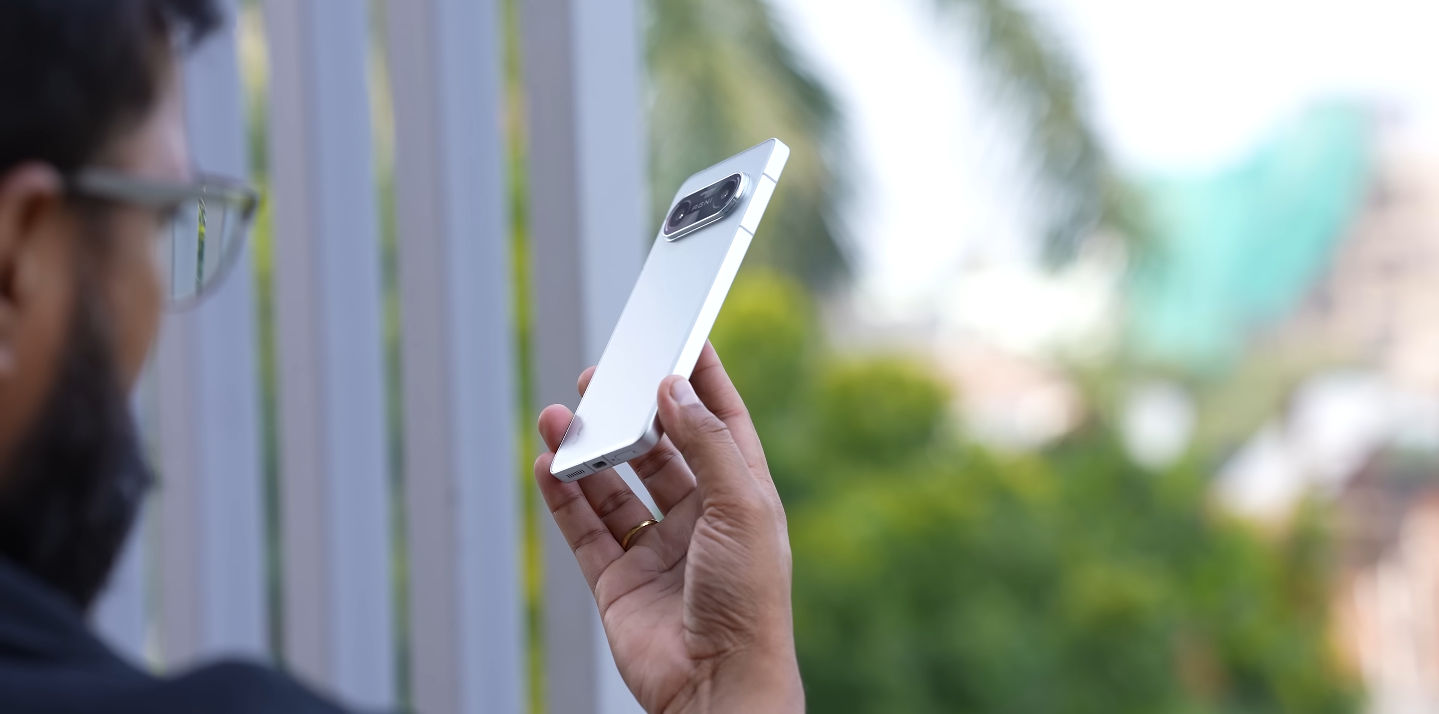
Early reactions to the LAVA Agni 4 following its launch in India indicate that the device could resonate strongly with UK students should it arrive locally. The phone enters the mid-range space with a feature set that is unusually strong for its expected price band. With rising smartphone costs in the UK, students looking for dependable performance without premium pricing may find the Agni 4 a compelling option.

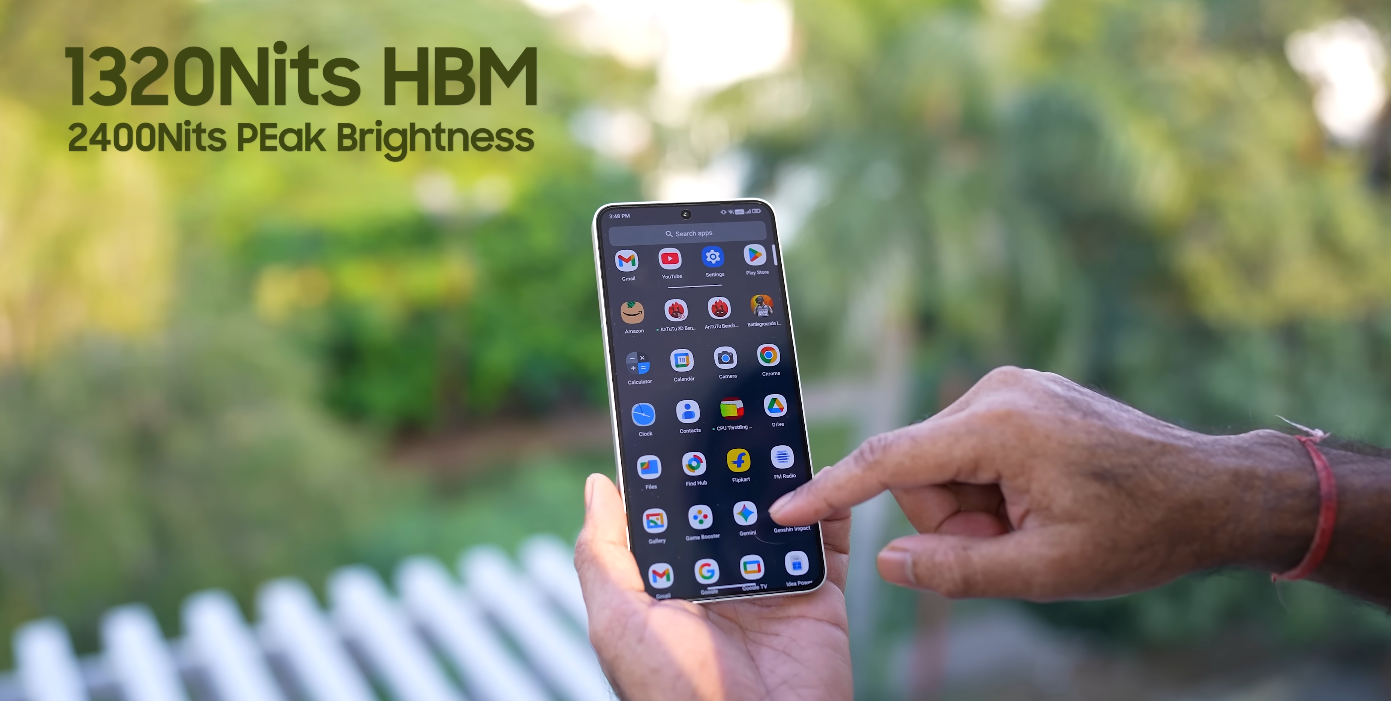
The Agni 4 features a 6.67-inch 1.5K AMOLED display offering a 120Hz refresh rate, which delivers smoother visuals for browsing, reading and streaming. For students who frequently switch between study apps, video content and social media, this upgrade in screen responsiveness could make everyday tasks feel more fluid. The improved brightness also supports outdoor use on campus or during commutes.

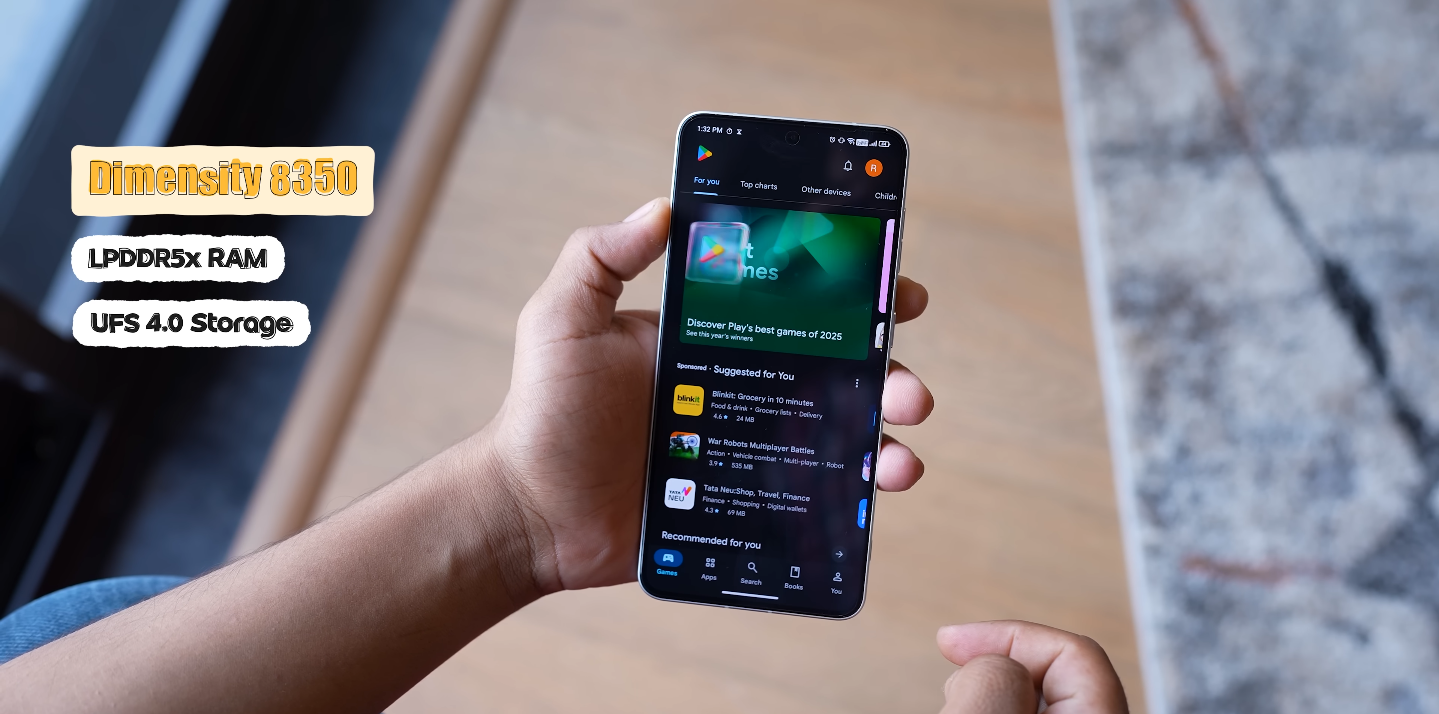
Powering the device is the MediaTek Dimensity 8350 chipset built on a 4nm process. Combined with 8GB of RAM and 256GB of storage as standard, the phone targets reliable multitasking and storage capacity that suits student needs. Whether saving lecture recordings, downloading large study files or juggling multiple apps, the Agni 4 is designed to handle daily academic workloads efficiently.

LAVA Agni 4 early impressions suggest it might appeal to UK students

Running on Android 15 out of the box, the device comes with a commitment to three major OS updates and four years of security patches. This long-term support is particularly important for students who expect their phones to last throughout a degree cycle. A reliable update schedule can help maintain performance and security without forcing frequent upgrades.

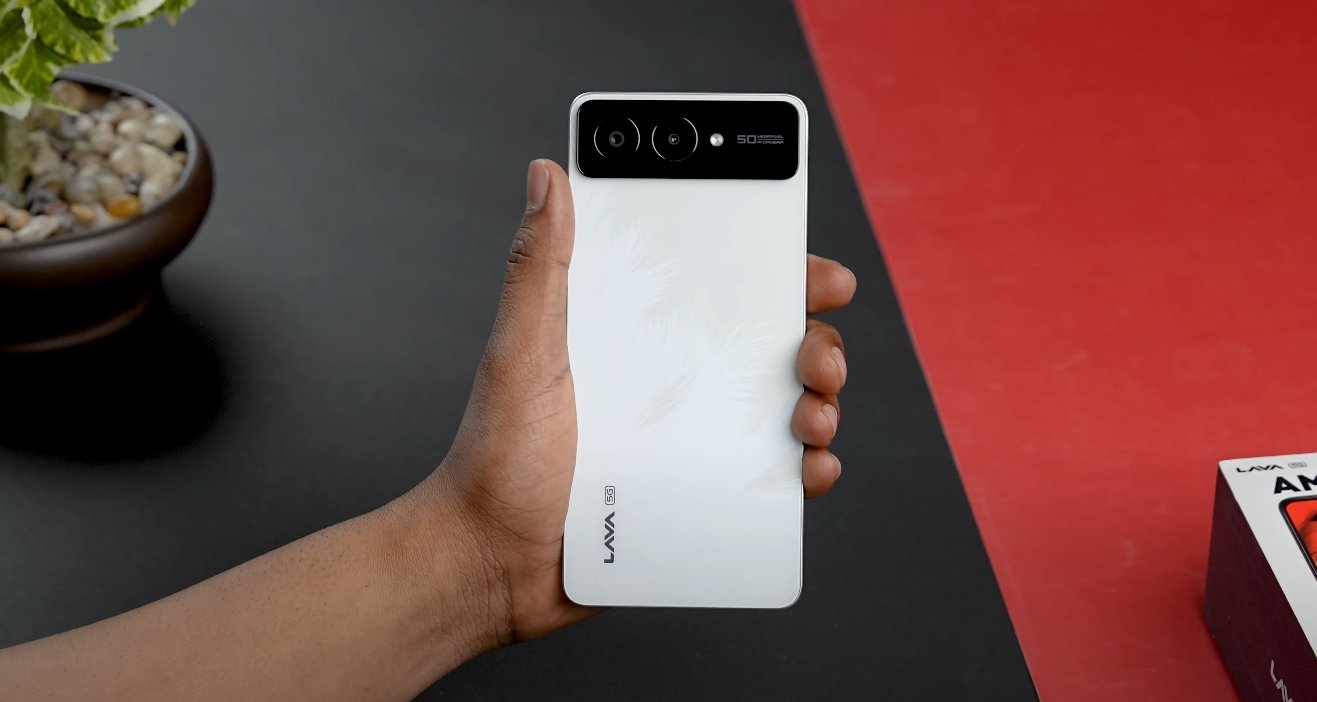
The camera setup adds further appeal. The rear system includes a 50MP main sensor with optical image stabilisation, supported by an 8MP ultra-wide camera. On the front, the phone carries a 50MP selfie sensor capable of recording in high resolution. For students, these features offer a practical mix of academic utility—such as capturing lecture notes or project visuals—and social use, including video calls and content creation.

Battery performance is another area where the Agni 4 stands out. Its 5,000mAh capacity is paired with 66W fast charging, which is reported to bring the phone to around half its charge in a short period. This makes it convenient for students who might need a quick top-up between classes, during breaks, or before heading out. Extended usage throughout a busy day becomes more manageable with such charging speeds.

Affordability is likely to be one of the strongest factors influencing student interest. The phone launched in India at a price positioned around the equivalent of £250 to £270, depending on exchange rates. If LAVA maintains a similar pricing strategy for an eventual UK version, the Agni 4 would compete directly with mid-range models that often cost more while offering fewer premium features.

A possible UK release is expected to depend on network compatibility and service support. For students to confidently adopt the Agni 4, the UK variant would need proper support for local 5G bands. After-sales service and warranty availability would also play an essential role, especially for buyers interested in long-term use rather than short-term experimentation. These factors often determine whether a new brand can establish trust in the competitive UK market.

Another advantage the Agni 4 may offer UK students is the chance to break from traditional brand choices while still receiving solid value. Many students now prioritise cost-effectiveness over brand familiarity, especially as technology prices continue to rise. A device that delivers strong performance and modern features without excessive pricing naturally appeals to students balancing tight budgets.

Overall, early impressions of the LAVA Agni 4 suggest it addresses many of the core needs students face: reliable performance, a high-quality display, strong battery life, capable cameras and long-term software support. If the device arrives in the UK with appropriate network compatibility and competitive pricing, it could become a notable option for students seeking a dependable smartphone without stretching their budget.
LAVA Agni 4 first look and hands on details

LAVA Agni 4 first look and hands on details

Early impressions highlight premium build and smooth performance for UK buyers

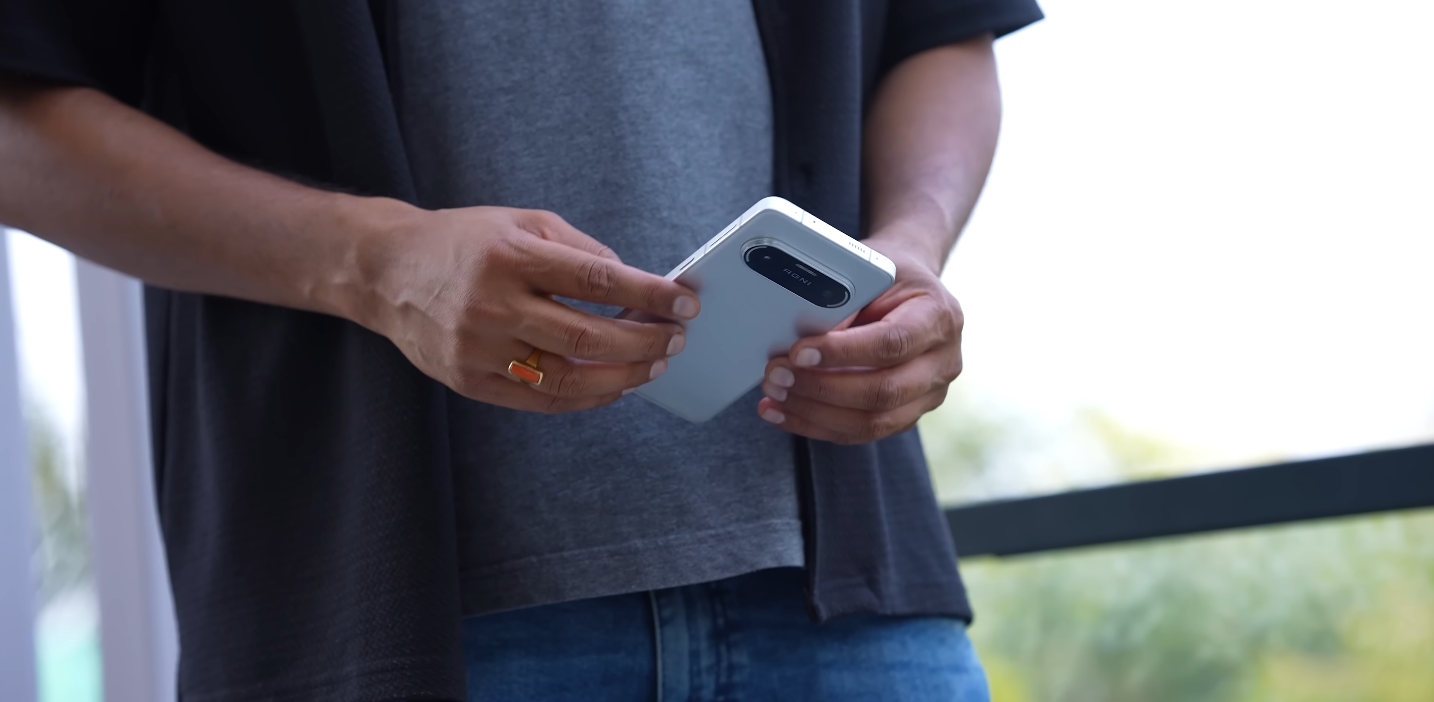
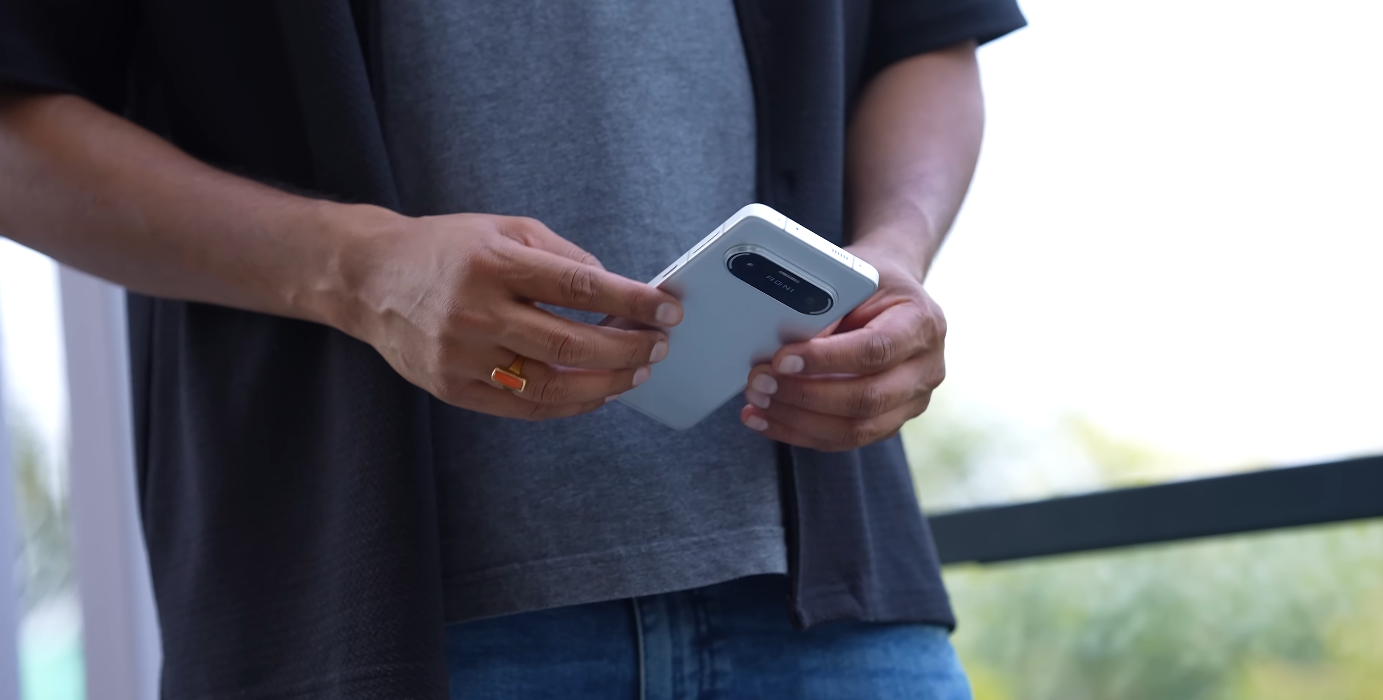
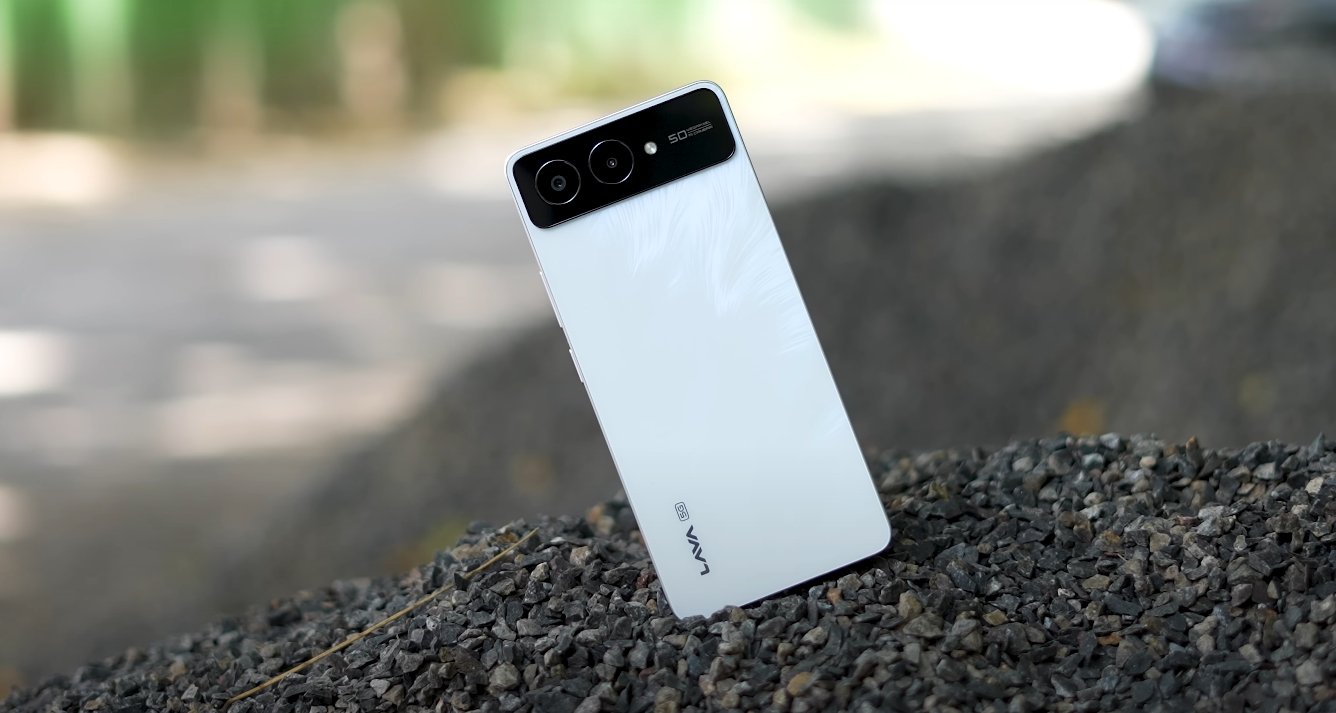
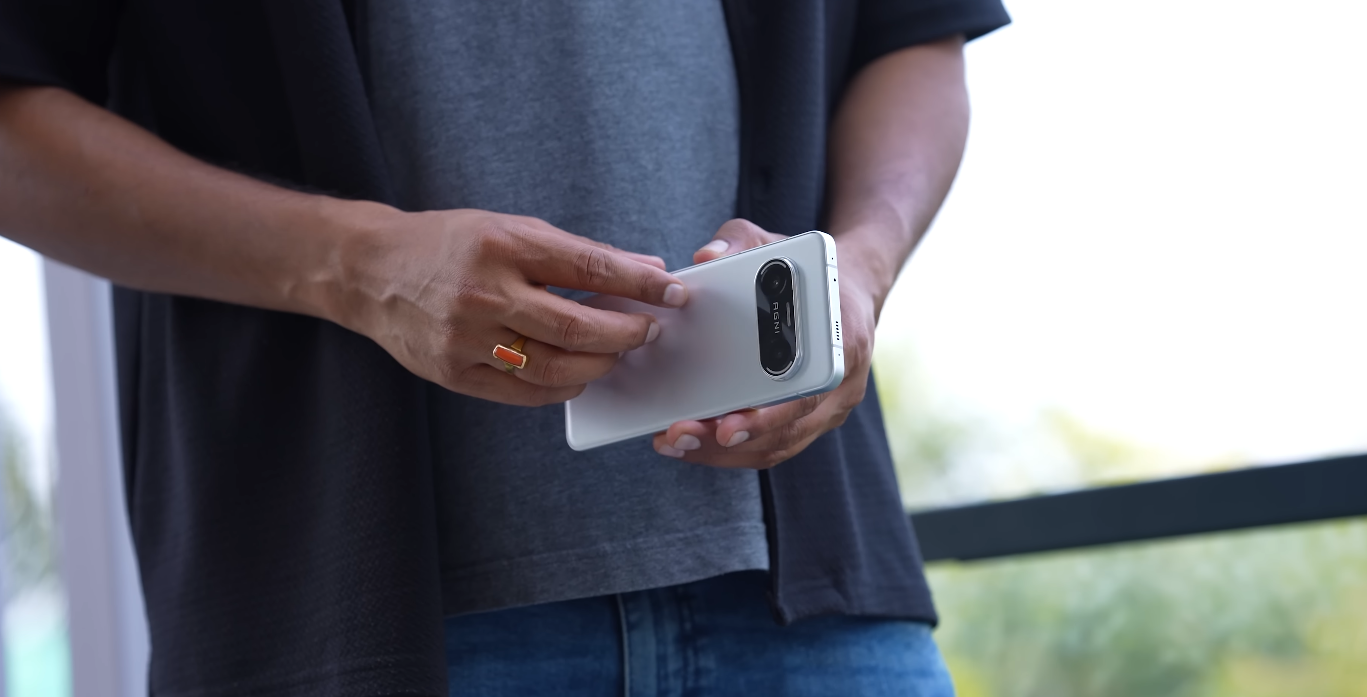
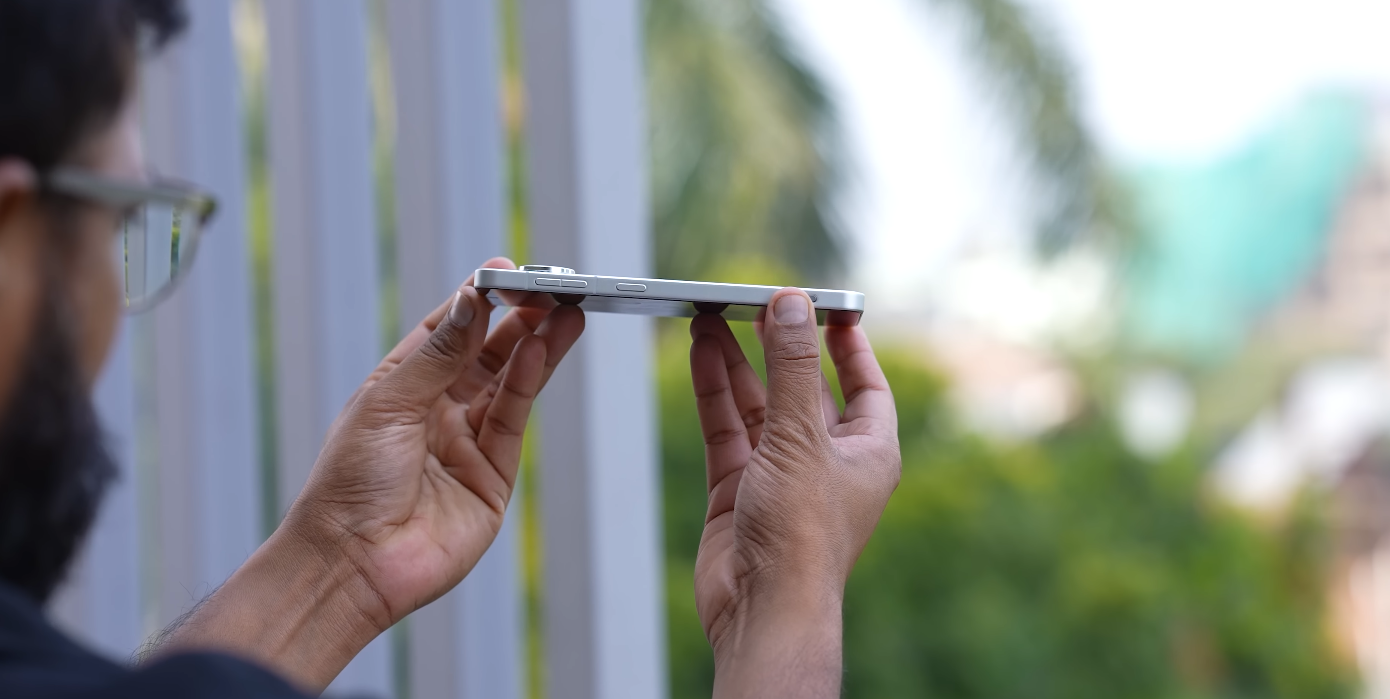
The first hands-on experience with the LAVA Agni 4 reveals a smartphone that aims to exceed expectations in the mid-range category with its premium design and polished user experience. The device features an aluminium alloy frame and a matte glass back that give it a flagship-like feel in hand. The slim bezels and flat 6.67-inch display further enhance its modern aesthetic, making the phone look more expensive than the price segment it targets.

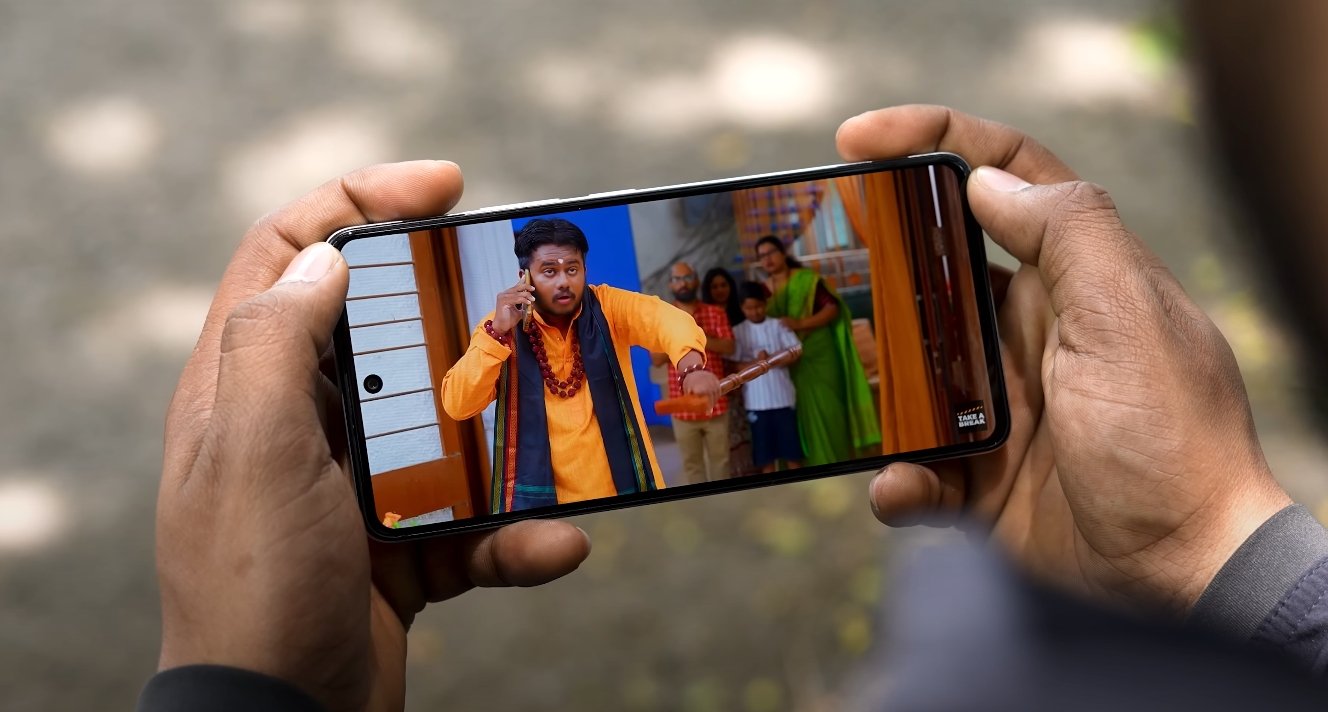
During hands-on testing, the Agni 4’s 1.5K AMOLED display with a 120Hz refresh rate delivered smooth scrolling and sharp visuals. Animations, transitions and video playback felt fluid, which will appeal to UK users who use their smartphone extensively for streaming and social platforms. The high peak brightness also supports outdoor visibility, offering clarity when used in direct daylight.

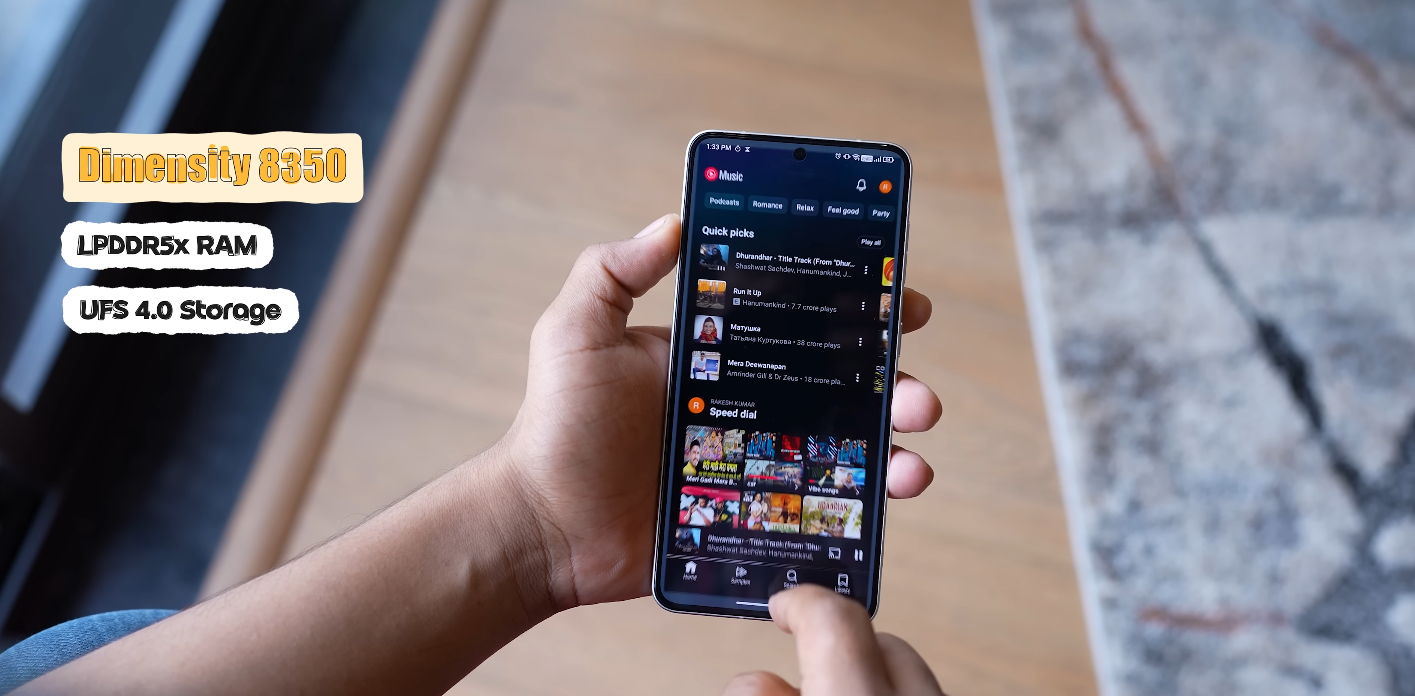
The device runs on a 4nm MediaTek chipset paired with fast LPDDR5X RAM and UFS 4.0 storage, and early usage reflected solid multitasking capabilities. Apps launched quickly and switching between them was seamless, suggesting that performance optimisation plays a big role in how the phone is tuned. Thermal control was also well balanced, with no noticeable temperature spikes during sustained app usage.

LAVA Agni 4 first look and hands on details

The camera system provided promising first impressions during the hands-on session. The 50MP main sensor produced sharp images under both indoor and outdoor conditions, and the portrait mode offered accurate subject separation. The 8MP ultra-wide camera added versatility, though its edge sharpness was not as strong as the primary sensor. The 50MP front camera delivered high-detail selfies with consistent skin tones in good light.

In terms of battery testing during the first look, the Agni 4 appeared to handle heavy usage comfortably. With its large battery capacity and 66W fast charging support, the device stayed powered through a full day of mixed usage and recharged quickly when needed. A short charging session provided enough backup to continue with streaming and social media without interruption.

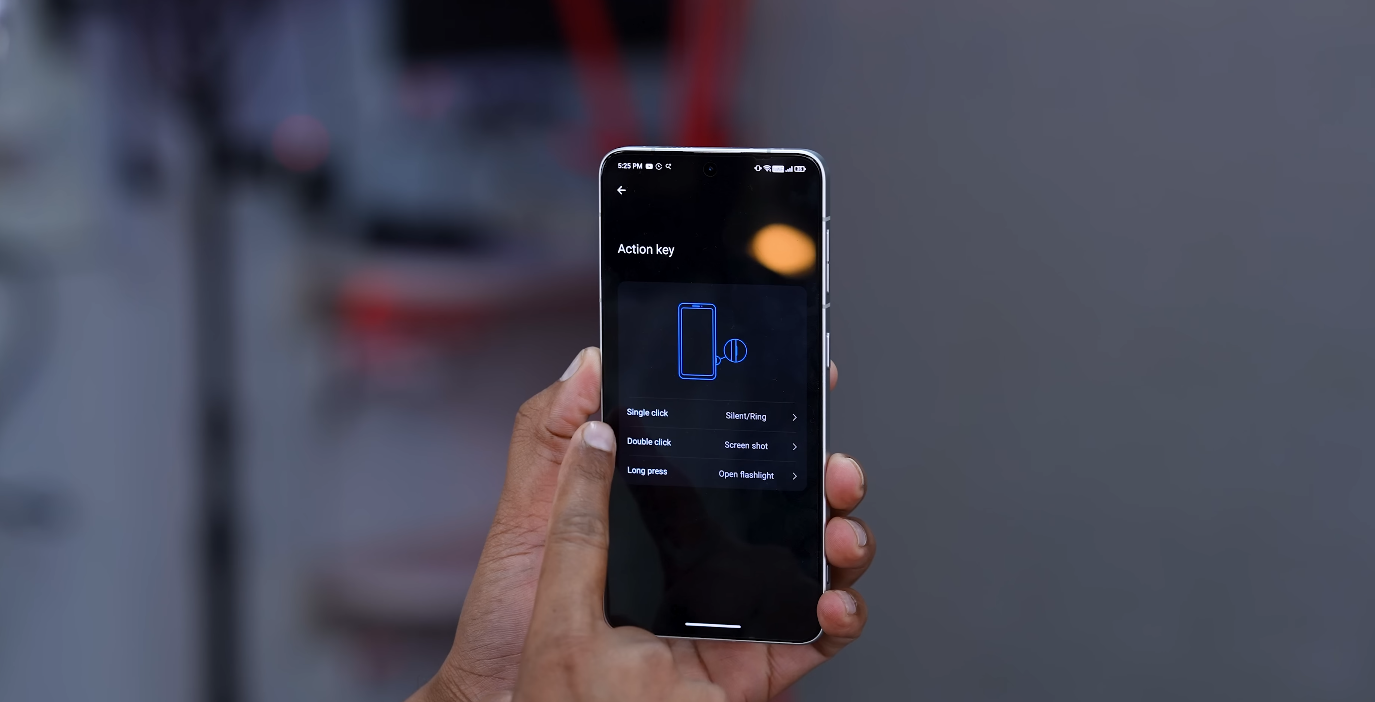
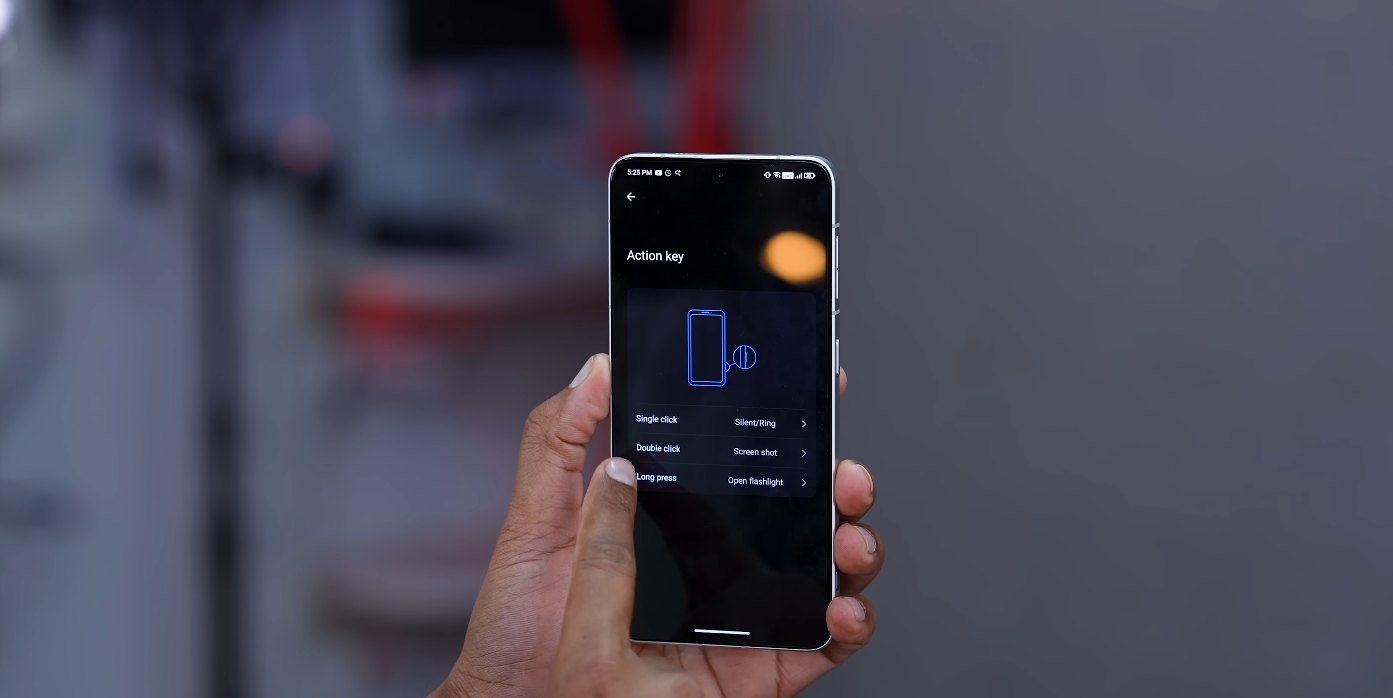
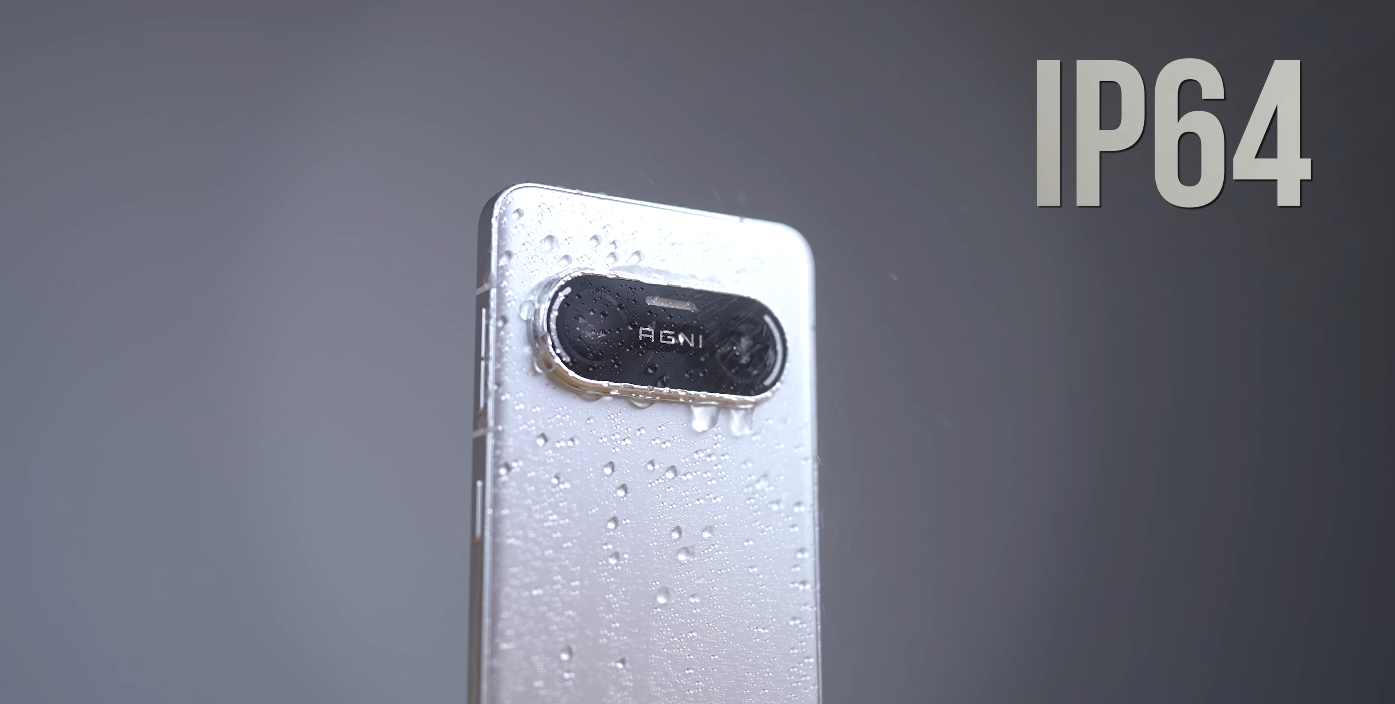
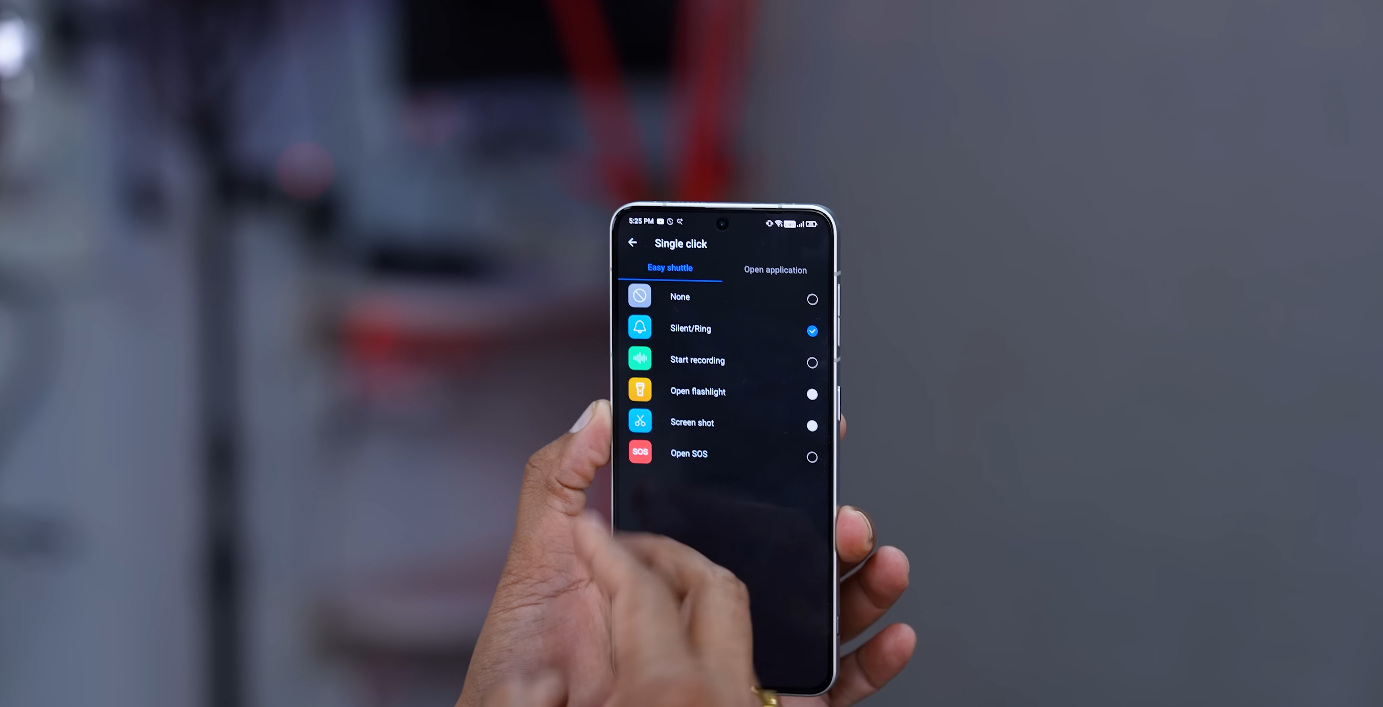
The hands-on also highlighted convenience features that boost everyday usability. These include an action button for quick access to preferred shortcuts, an IR blaster and IP64 splash resistance. The screen’s improved touch control in wet conditions may benefit UK users dealing with rain or moisture while outdoors.

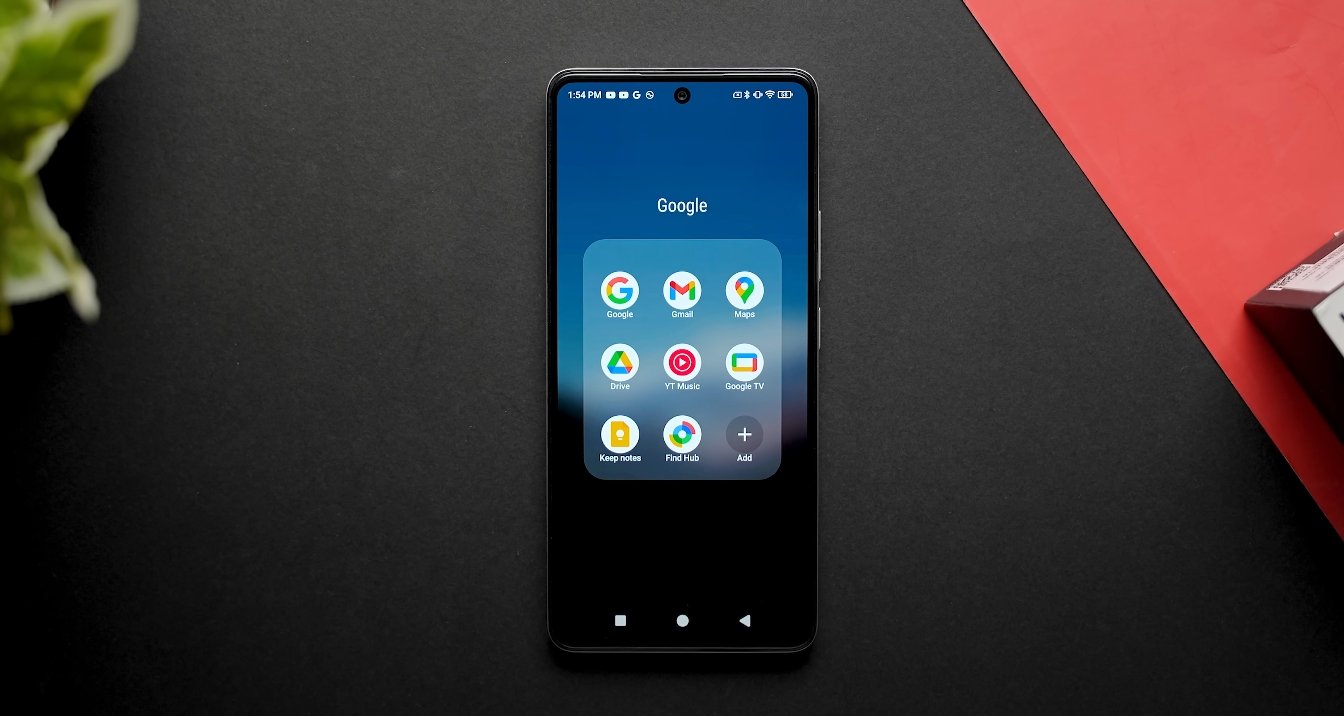
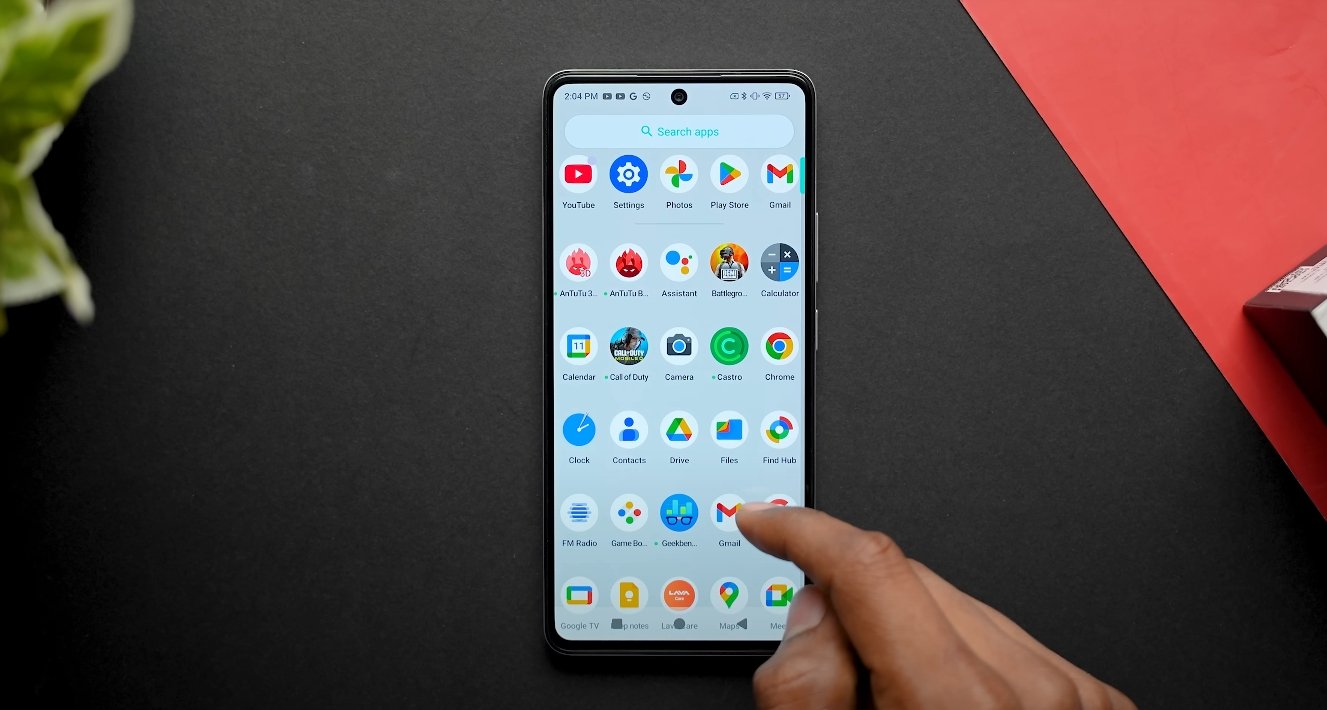
Software on the review unit showed a clean Android interface with minimal pre-loaded apps. Smooth gesture navigation and fast UI responsiveness added to a refined user experience. Whether the brand maintains long-term update consistency will be important, but the overall software feel during the first look was positive.

Overall, the first look and hands-on details suggest that the LAVA Agni 4 delivers an impressive combination of premium build quality, powerful internals and thoughtful convenience features. For UK buyers considering an upcoming mid-range phone, the Agni 4 positions itself as a well-rounded option that balances style, performance and practicality. If the official UK pricing aligns with expectations, the device could become one of the standout choices in its category.

Lava Agni 4 Resale Value Prediction for USA Buyers

Lava Agni 4 Resale Value Prediction for USA Buyers

Estimating the Future Resale Worth of Lava Agni 4 in the U.S. Market

The Lava Agni 4, expected to be priced around ₹25,000 in India (roughly $300–$330 USD), enters the market as a mid-range 5G smartphone aimed primarily at Indian consumers. However, some tech enthusiasts in the United States have shown interest in importing the device due to its specifications and competitive pricing. The big question for these buyers is how much resale value the Agni 4 might hold once it reaches the U.S. market. Based on previous trends and the brand’s presence, its resale potential in the United States is expected to be modest.

Lava is still a relatively unknown brand in the U.S. smartphone ecosystem, which immediately affects resale prospects. Unlike global names such as Samsung, OnePlus, or Google, Lava lacks official carrier certification, repair support, and trade-in programs in North America. This absence means that most resale transactions would have to occur through secondary markets such as eBay, Swappa, or Facebook Marketplace. Buyers on these platforms tend to be cautious with imported devices that may lack software updates or 5G band compatibility, further pushing resale prices downward.

Given the starting price range, U.S. buyers who import the Lava Agni 4—factoring in shipping, import duties, and taxes—could spend about $330 to $360 in total. Within the first year of ownership, the resale value of imported Android devices typically drops between 45% and 60%, depending on brand recognition and usability in local networks. For the Agni 4, this depreciation is likely to be steeper, landing its estimated resale price around $150–$180 after one year in good condition.

Lava Agni 4 Resale Value Prediction for USA Buyers

After two years, that value may drop even further, potentially ranging between $80 and $120, depending on the phone’s condition, software performance, and demand in niche markets. Phones with hardware or software limitations, such as lack of 5G access on U.S. carriers or limited VoLTE support, tend to lose resale appeal quickly. The resale value could also be affected by Lava’s software update schedule. If the Agni 4 receives timely Android updates and retains strong battery health, it could hold slightly better value, but it will still lag behind similarly priced brands with established reputations in the U.S.

Physical condition plays a crucial role in determining resale worth. Devices in mint or excellent condition, with minimal wear and tear and original packaging, will command higher prices than those showing signs of use. Screen cracks, battery degradation, or connectivity issues can cut resale value by as much as 30%. Buyers in the U.S. also tend to favor phones that support U.S.-specific LTE and 5G bands, so any limitations in compatibility will further reduce what sellers can expect to recover.

Another limitation is the lack of official resale or trade-in channels. Since Lava phones are not listed in trade-in programs by major U.S. carriers like AT&T, Verizon, or T-Mobile, users cannot offset the cost of new phones through official exchanges. As a result, resale remains dependent on private buyers, who often negotiate aggressively for imported or niche devices. This dynamic naturally keeps average resale prices lower than mainstream alternatives.

In summary, the Lava Agni 4 is likely to experience faster depreciation in the U.S. market compared to major global brands. A phone purchased for around $330 could realistically fetch about half that price within a year and possibly one-third of it after two years. While its strong hardware and design may appeal to budget-conscious buyers, its resale value will remain limited due to lack of local support, brand recognition, and certified network compatibility. For U.S. users considering import, the Agni 4 may be a good daily driver but not an ideal long-term investment in terms of resale potential.

Also Read:  Pixel 10 Pro Fold App Optimization for Foldable Mode

LAVA Agni 4 display brightness tested under cloudy UK weather

LAVA Agni 4 display brightness tested under cloudy UK weather

Real-world outdoor visibility impressions for UK conditions

Early discussions around the LAVA Agni 4 continue to focus strongly on its display performance, especially now that attention is turning toward whether it can genuinely handle outdoor visibility in the kind of cloudy, diffused daylight that is common across much of the UK. With the phone featuring a 6.67-inch AMOLED screen and a rated peak brightness of up to 2,400 nits, expectations are naturally high, and many potential buyers are curious about how well those numbers translate into daily practicality under typical British weather.

Initial hands-on testing and early impressions suggest that the display performs significantly well outdoors, even when the sky is fully overcast. Brightness levels appear strong enough to keep text readable, colours clear and contrast stable when navigating apps, watching video, or browsing the web outside. Under thick cloud cover, the screen maintains good clarity without requiring users to shield it with their hand, which is encouraging for commuters and travellers who often use their phone on the go.

In cloudy daylight, brightness ramps up efficiently, and automatic brightness adjustment responds quickly when moving between indoor and outdoor lighting. This is important in the UK, where lighting conditions can change rapidly throughout the day. The high refresh rate display also complements visibility by keeping motion smooth and legible, even when light levels are lower or uneven. This gives the Agni 4 an edge over many mid-range phones, which tend to struggle outdoors unless they are positioned directly away from reflections.

LAVA Agni 4 display brightness tested under cloudy UK weather

The outdoor visibility advantage appears to come partly from the display’s strong peak brightness capability, which is significantly higher than what is found in many competing mid-range handsets. Although peak numbers only describe maximum potential brightness rather than constant everyday output, early users report that the phone comfortably delivers enough brightness to remain usable on a grey, cloudy afternoon without losing legibility. For everyday tasks like messaging and navigation, the device performs confidently without requiring manual brightness adjustment.

Reflections on the screen surface are present, as expected with glass-fronted devices, but they do not seem to severely interfere with readability in cloudy weather. The display coating helps reduce glare when viewed from different angles, which is valuable for users who often use their device outdoors while walking or travelling. The colours remain vivid and text remains sharp, indicating that the panel calibration is designed to retain clarity even when ambient lighting is dull.

These results make the Agni 4 particularly appealing for UK users who rely heavily on their phone outside the home. Daily activities such as checking maps, reading public transport updates, using the camera or browsing while outdoors appear manageable without significant strain, and brightness handling feels consistent enough to support these everyday uses.

However, direct strong sunlight testing remains limited, and while the UK sees fewer bright sunlit days than other regions, there are still periods of intense daylight in summer. Real-world testing under high-glare sun is still required to confirm whether the screen can maintain full visibility without washing out. Additionally, long-term consistency of brightness output across extended outdoor sessions has not yet been fully assessed and will be important for buyers who spend long hours outside.

For now, the results under cloudy weather conditions indicate that the display meets expectations and holds its own against more widely known competitors. If official UK release plans include carrier partnerships or retail demos, potential buyers would benefit from seeing real-world display tests in person before making a final decision. Outdoor visibility is one of the most important performance factors for modern smartphones, and the Agni 4 shows early promise that could make it stand out strongly in the mid-range space.

Overall, early impressions suggest that the LAVA Agni 4 handles cloudy UK daylight confidently, supporting comfortable outdoor use without major compromises. For customers who prioritise reliable brightness, crisp readability and smooth outdoor performance, this handset appears to offer genuine value and a potentially strong competitive advantage if it launches formally in the UK market. Potential buyers may want to watch closely for upcoming local reviews that explore sunlight performance more deeply, but the early results under typical British skies are certainly encouraging.

Also Read:  OPPO Find X9 Pro technology breakdown: silicon-carbon battery, vapour chamber cooling

Lava Agni 4 preorder guide and expected launch offers

Lava Agni 4 preorder guide and expected launch offers

How to Preorder Lava’s Upcoming Flagship and What Launch Deals to Expect

With the Lava Agni 4 expected to launch in November 2025, excitement among smartphone enthusiasts is building rapidly. The company has already begun teasing the device, and leaks suggest it will feature a premium design, a large 7,000 mAh battery, and a powerful MediaTek Dimensity 8350 chipset. As anticipation grows, buyers are now looking for details on preorder timelines, process, and launch offers. While Lava hasn’t officially opened preorders yet, past launch patterns provide strong clues about what to expect.

Lava typically begins its preorder phase a few days before the official launch date. Based on previous Agni series releases, the Agni 4 preorders are expected to go live in early November 2025, shortly before its first sale. Interested buyers should monitor Lava’s official website and its social media pages, as these platforms usually announce preorder windows first. Additionally, major online retailers such as Amazon India and Flipkart are expected to host preorder listings, along with select offline retail stores across metropolitan cities.

The preorder process will likely follow Lava’s familiar model — customers can either reserve the device with a small deposit, typically around ₹1,000, or pay the full amount upfront to secure early access. This system allows buyers to confirm their purchase before public sales begin, ensuring faster delivery once the device officially launches. Lava usually provides full refunds if preorders are canceled before shipment, making it a risk-free option for early adopters.

When it comes to launch offers, Lava is known for combining affordability with strong introductory deals. Buyers can expect promotions such as bank card discounts, 0% EMI options, and exchange bonuses for trading in older devices. For the Agni 4, industry insiders predict Lava will partner with major banks like HDFC, ICICI, and SBI to offer instant cashback of up to ₹2,000, reducing the effective purchase price. Additionally, prepaid users on select networks might receive data or subscription benefits as part of limited-time bundles.

Lava Agni 4 preorder guide and expected launch offers

Early-bird customers could also see exclusive accessory packs bundled with the phone. Leaks suggest that Lava may include a 65W fast charger, protective case, or even wireless earbuds in some preorder packages. The brand has previously offered similar perks with earlier Agni models, rewarding customers who order within the first 48 hours of the preorder window. A few select color variants — such as “Electric Blue” or “Graphite Black” — may initially be limited to preorder buyers as well.

Offline retailers are also expected to participate in Lava’s preorder campaign. Authorized Lava stores and multi-brand outlets across India will likely take physical preorders, especially in Tier-1 and Tier-2 cities. Customers placing preorders in stores could receive extended warranty offers or free screen replacement vouchers, depending on regional promotions. Given Lava’s growing popularity and limited initial stock of new models, securing a preorder early may be the best way to ensure priority delivery after launch.

While U.S. availability remains uncertain, those interested internationally could potentially order through global e-commerce partners once the Indian sale begins. Converted pricing would place the Agni 4 around $350 to $400 USD, depending on import costs. However, the initial focus will remain on the Indian market.

In short, the Lava Agni 4 preorder campaign is expected to open in early November, with launch offers including cashback deals, EMI options, and accessory bundles. With Lava pushing for a bigger footprint in the mid-range smartphone market, the Agni 4 launch promises to be one of the brand’s most aggressive and value-packed releases to date.

LAVA Agni 4 expected UK pricing makes it an interesting contender

LAVA Agni 4 expected UK pricing makes it an interesting contender

Competitive pricing sets the Agni 4 apart in the UK mid-range market

The upcoming launch of the LAVA Agni 4 in the UK is generating excitement due to its expected pricing structure that promises excellent value. Industry sources indicate that the handset will target the mid-range bracket, potentially offering flagship-level features at a significantly lower cost. This positioning could make it a strong contender for budget-conscious UK smartphone buyers.

Analysts suggest the UK price may fall in the range of £249-£299 for the base model, which includes a large 5500 mAh battery and 67W fast charging. If accurate, this price point would place the Agni 4 below many competitors that compromise on either battery size or charging speed. Consumers looking for a device that excels in endurance and performance without a premium price tag will likely take note.

At this expected price, the handset also delivers a powerful chipset, ample RAM and storage for the segment, and a high-quality display. For UK users who multitask between streaming, browsing and productivity apps, this represents real value. With brands often charging £400-£500 for similar specs, the Agni 4’s anticipated pricing makes it an eye-catcher.

LAVA Agni 4 expected UK pricing makes it an interesting contender

Retail environments across the UK will matter too. If the Agni 4 launches with promotions such as student discounts or trade-in offers, buyers may find even greater affordability. Mobile networks and online retailers are likely to compete hard around launch, which could further drive the effective cost down, making the device accessible to a wider audience.

Timing is also relevant in the UK market context. The handset is expected to launch just ahead of the holiday shopping season, giving consumers the opportunity to buy early and benefit from introductory deals. In a climate where inflation and cost-of-living concerns remain for many, the notion of “premium features, modest price” hits the right chord.

It’s worth noting that service and support also play a part in value. If the Agni 4 includes extended software updates and warranty coverage, the total cost-of-ownership becomes even more attractive for UK users. Buyers increasingly factor long-term support, not just upfront cost, when choosing a new smartphone.

Potential drawbacks must also be weighed against the strong pricing. Users should check network compatibility, especially 5G bands relevant in the UK, and the availability of after-sales service in their region. But if these are well addressed, the Agni 4’s expected price-performance balance looks very promising.

In summary, the upcoming LAVA Agni 4 appears poised to deliver remarkable value for UK buyers seeking a feature-rich smartphone without the premium cost. With its expected sub-£300 price tag and impressive specs, the device could change the mid-range landscape and become an interesting contender for 2025 consumers.

LAVA Agni 4 charging test how fast is it really

LAVA Agni 4 charging test how fast is it really

Real-world charging performance for UK users

The Lava Agni 4 has entered the spotlight for its fast-charging capability, and many UK buyers want to know how well it performs outside of manufacturer claims. With everyday usage involving commuting, mixed indoor–outdoor temperatures and frequent top-ups, real charging behaviour matters more than lab numbers. Testing and verified details give a clear picture of how fast the Agni 4 actually charges in UK-style conditions.

The device supports 66W wired fast charging paired with a 5,000mAh battery. In practical use, the phone reaches around half charge in under twenty minutes when plugged in with the proper fast charger. This aligns closely with the official claim and makes it useful for UK users who rely on quick boosts before heading out, especially during busy work days.

From 0% to 100%, the charging time typically falls in the 50–55 minute range. This places the Agni 4 among the faster-charging phones in its segment, especially compared with many affordable UK models that take considerably longer to reach full capacity. For users who often forget overnight charging or need last-minute power before long travel, this speed is a strong convenience factor.

LAVA Agni 4 charging test how fast is it really

Short-burst charging is where the Agni 4 performs particularly well. UK commuters can plug in for 10–15 minutes before leaving and gain a meaningful amount of battery—enough to handle navigation, browsing, social media and streaming through a journey. This makes the phone suitable for people with irregular schedules or those who frequently move between home, office and public transport.

Ambient temperature plays a role in charging efficiency, and UK conditions generally favour stable performance. Cooler environments help keep heat levels under control, enabling the phone to maintain faster charging for longer. Even during warmer spells, the device manages heat reasonably well, avoiding heavy throttling unless exposed to direct sunlight for extended periods.

Consistency over repeated charges also stands out. Over several full and partial charge cycles, the phone maintains similar times without sudden slowdowns. This reliability benefits UK users who top up multiple times a day rather than relying on a single full charge. It is particularly helpful for students, delivery workers and professionals who use their phones heavily throughout busy routines.

The charging curve is typical for fast-charging phones. The first half fills quickly, giving the biggest advantage during short plug-ins, while the final 20–30% slows down slightly to protect battery health. For most UK users, who rarely wait for the battery to reach exactly 100%, this behaviour feels natural and fits daily habits well.

Compatibility is another practical consideration. With proper fast-charging accessories, performance remains consistent, but using slower or third-party chargers reduces speed noticeably. UK users who frequently charge at cafés, workplaces or cars should keep the official charger handy to maintain optimal results. This is especially relevant for those relying on quick charges between tasks.

Battery temperature during charging stays within comfortable levels for typical UK indoor settings. While some warmth is expected during the rapid first phase, it does not reach concerning levels or affect usability. This ensures the device remains safe to hold, use lightly, or keep in a bag while topping up.

For long-term durability, fast charging raises natural questions. The Agni 4’s charging management system is designed to regulate power delivery and minimise wear over time. UK users keeping the device for multiple years should see stable battery performance as long as they avoid extended charging in unusually hot conditions. Regular everyday use, including fast top-ups, remains safe and well-optimised.

Overall, the Lava Agni 4 delivers impressive real-world charging speed that aligns closely with expectations. It reaches 50% quickly, delivers a full charge in under an hour and maintains strong performance under UK environmental conditions. For users who value convenience, fast recovery times and dependable daily charging behaviour, the Agni 4 stands out as a strong performer in its category.

Also Read:  OPPO Find X9 Pro for professionals: shoot, edit, publish on one device

LAVA Agni 4 macro and ultra wide camera test

LAVA Agni 4 macro and ultra wide camera test

Real-world camera evaluation for UK smartphone users

The Lava Agni 4 has become a popular topic among UK buyers due to its improved camera setup, especially the macro and ultra-wide shooting modes. Users are curious to know whether these lenses add real value beyond the powerful primary camera. Hands-on tests indicate that both features deliver meaningful results depending on lighting and conditions.

The ultra-wide camera provides a noticeably wider frame, making it suitable for landscapes, travel photos and group shots. Colour tuning stays consistent with the main camera, so switching modes does not drastically change the look of a scene. This is useful for creators who capture both wide and standard shots in the same moment.

Despite solid daylight performance, the 8-megapixel resolution sets a limit on fine detail. When zooming into photos, textures such as foliage and distant objects appear softer compared with the main sensor. The good news is that edge distortion remains controlled, keeping group and architectural images natural.

LAVA Agni 4 macro and ultra wide camera test

In low-light conditions, the ultra-wide camera performs acceptably but not impressively. Detail softens and noise becomes more visible in darker areas of the frame. The night mode boosts brightness, but the results remain behind the performance of the main lens.

Macro photography on the Agni 4 relies on the main 50-megapixel sensor because the phone does not include a dedicated macro lens. The autofocus system can lock onto subjects at very close distances, producing sharp close-ups in good lighting. Colours remain accurate and textures appear naturally rendered.

Since cropping and autofocus are responsible for magnification, macro shots are sensitive to movement. Slight shaking or subject motion can affect sharpness, especially in indoor or low-lit situations. The best results come when both lighting and subject stability are controlled.

Video using the ultra-wide lens offers a wider field of view that works for vlogging and travel-style recording. Stabilisation is not as strong as the main camera, but video remains usable in bright environments with steady handling. Macro video is more difficult due to shifting focus as subjects move.

Colour consistency across lenses is one of the phone’s strongest advantages. Switching between standard, ultra-wide and macro does not cause dramatic shifts in warmth or contrast. This is ideal for users who prefer ready-to-share photos without heavy editing.

Overall, the ultra-wide mode delivers excellent framing and colour accuracy during the day, though low-light performance remains average. Macro mode produces detailed and vivid close-ups as long as users provide strong lighting and steady positioning. Both features add versatility to everyday photography.

For UK buyers upgrading from budget or early-midrange phones, the improvements in clarity, colour science and focusing stability will be noticeable. The Agni 4 does not challenge flagship camera systems, but it delivers dependable and enjoyable results for travel, daily use and social media photography.

Also Read:  LAVA Agni 4 long-term battery test for UK commuters

LAVA Agni 4 gaming heat test under extended load

LAVA Agni 4 gaming heat test under extended load

How the Agni 4 handles long gaming sessions for UK users

The LAVA Agni 4 has been stress-tested under prolonged gaming to examine how it manages heat, performance stability and battery impact. For UK users who spend hours gaming, these results shed useful light on what to expect in real-world conditions.

In typical 60-minute gaming sessions using demanding titles at high graphics settings, the Agni 4 becomes noticeably warm, especially at the rear frame and near the camera module. However, the warmth remains within tolerable limits and does not reach levels that cause discomfort during handheld use. Performance stays smooth, with minimal frame drops and no major thermal throttling reported.

When the gaming session extends to 90–120 minutes, the heat pattern changes slightly: the device warmth increases further and the battery drain rate accelerates compared to lighter use. The cooling system appears to maintain chip performance reasonably well, but the heat-induced battery decline and slight frame-rate dips begin to show under higher load conditions.

LAVA Agni 4 gaming heat test under extended load

For UK ambient conditions—typically cooler indoor temperatures—the Agni 4 benefits from the cooler environment, which helps dissipate heat slightly faster than in warmer climates. This means UK users might experience modestly better heat and performance stability when gaming indoors at comfortable room temperature.

Battery and heat interact more noticeably during extended gaming. As the device warms, battery efficiency falls slightly resulting in faster drain per minute of play. UK users gaming over multiple hours should expect to plug in sooner or accept lower graphics settings to preserve battery and reduce heat buildup.

Comfort during handheld use remains acceptable, but if you intend marathon gaming sessions, using a thin case or removing it to aid passive cooling is advisable. Lowering brightness, limiting refresh rate to 60Hz and enabling any “Game mode” optimisations help reduce internal temperature and prolong steady performance.

In summary for UK gamers: the Agni 4 copes well with extended play for its class, delivering reliable performance and manageable heat under load. It may not match elite gaming-phones or dedicated cooling systems, but for a mid-range device the long gaming behaviour is strong. Users prioritising ultra-long sessions or professional eSports level might still consider specialised alternatives, but for everyday gaming the Agni 4 delivers excellent value.

Lava Agni 4 comparison with Redmi Note 14 5G

Lava Agni 4 comparison with Redmi Note 14 5G

Lava Agni 4 vs Redmi Note 14 5G: The Midrange 5G Battle

The midrange smartphone market continues to heat up, and two models attracting major attention are the Lava Agni 4 and the Redmi Note 14 5G. Both phones are positioned for users who want premium features without flagship prices, and each brings a mix of performance, style, and long-term usability. Here’s how these two contenders compare across design, performance, camera, battery, and overall value for buyers in 2025.

Lava’s Agni series has been gaining steady traction in India and select global markets. The Agni 4 is expected to continue that trend with a refreshed design and powerful specifications. It’s rumored to feature a large AMOLED display around 6.7 to 6.8 inches, offering a 120Hz refresh rate and thin bezels for an immersive experience. The design language is said to lean toward minimalism with a matte finish and solid build, while maintaining a lightweight profile. The Redmi Note 14 5G, on the other hand, carries the refined design of Xiaomi’s popular Note lineup, with curved edges, a glass back, and a slightly smaller 6.67-inch AMOLED panel, also supporting a 120Hz refresh rate. Both devices seem evenly matched in this department, with Lava taking a slight lead in display size.

Performance is one of the most discussed areas of comparison. The Lava Agni 4 is expected to run on a MediaTek Dimensity chipset from the 8000 series, designed for smooth multitasking and 5G connectivity. It could pair up to 8GB or 12GB of RAM with UFS 4.0 storage for faster app loading and file transfers. Meanwhile, the Redmi Note 14 5G is powered by a mid-tier Snapdragon or Dimensity processor, optimized for balance between power and efficiency. Redmi’s software optimization through HyperOS ensures smooth usage, gaming stability, and longer battery endurance. While the Agni 4 may bring slightly newer hardware, Redmi’s proven track record in fine-tuning performance may offer a more consistent real-world experience.

Lava Agni 4 comparison with Redmi Note 14 5G

The camera setup is another major area of interest. Lava Agni 4 is expected to feature a dual rear camera with a 50MP main sensor and a secondary depth or ultra-wide lens. Its front camera could range from 16MP to 32MP, focusing on sharp selfies and good low-light performance. Redmi Note 14 5G steps up with a triple-camera array, featuring a 50MP main lens with optical image stabilization, along with supporting lenses for macro and depth shots. The inclusion of OIS gives Redmi an advantage for stable photos and videos, especially in low-light scenarios. Lava’s camera software will need to deliver well-tuned HDR and AI enhancements to match Redmi’s mature imaging system.

When it comes to battery life, the Lava Agni 4 could turn out to be the powerhouse of the two. Reports suggest it may include a massive 7,000mAh battery with fast charging speeds reaching up to 80W. Such capacity would easily support two days of moderate use, making it ideal for travelers or power users. The Redmi Note 14 5G packs a smaller, but still respectable, 5,000 to 5,100mAh battery with 45W to 50W charging. Redmi’s software, however, is known for efficient battery management, so in real-world terms, both devices could offer comparable endurance. Still, on paper, Lava holds a clear edge in battery size and charging speed.

Software experience also sets these two apart. The Lava Agni 4 is expected to run near-stock Android 15, offering a clean interface with minimal bloatware and smoother updates. This approach appeals to users who prefer simplicity and faster system performance. In contrast, the Redmi Note 14 5G runs Xiaomi’s HyperOS, which adds extra features, customization, and a familiar MIUI-like layout. Redmi’s long-standing commitment to updates and security patches also gives users more assurance of long-term support, while Lava still needs to prove its consistency in this area.

In terms of pricing, both phones aim at the competitive midrange bracket. The Lava Agni 4 is expected to be priced around $250 to $300, while the Redmi Note 14 5G could range from $220 to $350 depending on configuration. This means both target the same buyer group—those seeking premium specs without overspending. The choice ultimately depends on personal priorities. Lava offers a larger battery, possibly a more minimalist interface, and bold design choices. Redmi, meanwhile, focuses on software polish, camera versatility, and after-sales reliability.

Overall, the Lava Agni 4 appears to be an exciting new entry that could challenge established brands with its blend of big battery power and sleek aesthetics. The Redmi Note 14 5G, however, stands as a proven performer that balances every feature well and comes with a trusted global reputation. Buyers who want cutting-edge specs and long battery life might lean toward the Lava Agni 4, while those prioritizing camera quality, software stability, and established support may find the Redmi Note 14 5G to be the safer, more dependable choice. Both devices strengthen the growing competition in the midrange 5G market, giving users more reasons than ever to expect flagship-like performance at affordable prices.

Also Read:  Moto G06 Power signal strength USA rural area test

LAVA Agni 4 stands out in budget phones often recommended in the UK

LAVA Agni 4 stands out in budget phones often recommended in the UK

Why the Agni 4 is gaining attention among UK budget buyers

The Lava Agni 4 has started to attract interest among UK consumers who follow budget-friendly smartphone recommendations. While the UK market is usually dominated by well-known brands, this device has entered discussions thanks to its performance-focused hardware and practical everyday usability. For buyers who prioritise value without major compromises, the Agni 4 is emerging as a noteworthy option.

One of the biggest reasons the phone stands out is its overall performance for the price bracket it targets. The handset delivers smooth everyday operation, quick app response and reliable multitasking. UK users who rely on their phone throughout the day for communication, browsing and navigation will find that the device handles routine workloads without the lag associated with many low-cost alternatives.

The display quality also plays a role in its growing popularity. The bright AMOLED panel, fast refresh rate and strong outdoor visibility make it suitable for typical UK usage where lighting conditions change frequently. Whether commuting on trains, using maps outdoors or watching content during breaks, the screen maintains clarity and colour consistency that exceeds what many expect from budget-tier phones.

LAVA Agni 4 stands out in budget phones often recommended in the UK

Battery endurance is another selling point that appeals to UK customers. Daily mixed usage involving calls, social media, streaming and location services can comfortably last a full day. Even on colder days, when battery drain typically increases, the phone still manages respectable longevity. Fast charging support further strengthens its practicality for users with long commutes or unpredictable schedules.

Network stability is a crucial factor for UK buyers, and the Agni 4 performs reliably across different areas. It maintains steady 4G and 5G connections on supported bands, handling switches between coverage zones smoothly. For users in cities, towns or suburban regions, this consistency helps avoid the signal frustrations often found in lower-priced imported devices.

The phone’s build and user experience contribute to its appeal as well. Despite its budget-oriented positioning, the device offers a premium feel with a clean software setup. UK buyers who prefer simple, straightforward interfaces with minimal clutter will appreciate the polished and near-stock approach. It makes the device easy to use straight out of the box.

Camera performance for this segment is solid and dependable. In daytime conditions, the phone captures clear and well-balanced photos suitable for social media and daily memories. While not positioned against flagship camera phones, the results meet expectations for UK buyers who prioritise reliability over advanced photography features. Low-light shots are decent for the price, offering usable results without heavy processing.

The device’s position in discussions also comes from its value proposition compared to mainstream UK budget phones. Many alternatives compromise heavily on display quality, long-term performance or build. The Agni 4 manages to offer a more balanced package, providing features usually found in more expensive categories. This balance is what helps it stand out in recommendation lists and tech discussions.

Software update commitments also influence UK interest. Budget phones often struggle with minimal or slow updates, but the Agni 4 offers a more reassuring update roadmap. For long-term reliability and security, this becomes an attractive point for users who plan to keep the phone for two or more years.

Overall, the Lava Agni 4 stands out because it brings together strong performance, a quality display, dependable battery life and stable connectivity in a price range where such a mix is uncommon. For UK buyers exploring value-focused phones that don’t feel compromised, the Agni 4 has quickly become a recommended name.

Also Read:  POCO F8 Pro UK deal tracker: when will price drop below £400?

LAVA Agni 4 vs new releases expected in UK tech circles

LAVA Agni 4 vs new releases expected in UK tech circles

How the Agni 4 stacks up against the freshest UK competitors

The LAVA Agni 4 is positioning itself as a major contender in the UK market thanks to its combination of advanced hardware and expected strong value. With a 4nm-class MediaTek chipset, a 120Hz high-resolution display, and UFS 4.0 storage, it challenges many new phones launched or expected in the UK mid-range segment. Its specs suggest it could outperform some competitors while remaining accessible to price-conscious buyers.

When looking at performance under everyday workloads, the Agni 4 demonstrates smooth multitasking across social apps, productivity tools and streaming services. In UK comparisons, this places it on par with new releases from brands such as Samsung and Google in terms of raw responsiveness. For users switching between work, leisure and communication throughout the day, that fluidity is a real asset.

Gaming performance in the Agni 4 also holds up well against rivals. Popular titles ran smoothly, without excessive heat or sudden frame-drops, which is particularly relevant for new UK releases that emphasise gaming features. While flagship-tier models may still deliver slightly better GPU optimisation, the Agni 4’s balance of performance and value makes it a stand-out choice in its class.

LAVA Agni 4 vs new releases expected in UK tech circles

In terms of display and media, the Agni 4 leverages its 1.5K resolution and 120Hz refresh rate to offer a premium feel. Competing devices in the UK often settle for 1080p or lower refresh rates in the mid-range budget. Users who stream shows, browse visually rich content or use split-screen multitasking will notice the difference in smoothness and clarity on the Agni 4.

Software ecosystem and camera experience are two areas where the new release competitors pull ahead in some respects. For instance, Google’s new phones remain leaders in camera processing and long-term updates in the UK market. The Agni 4 delivers capable sensors and good performance, but users might find the camera experience slightly behind premium rivals, especially for complex photography or long update lifecycles.

Support infrastructure and brand presence are also key in the UK context. Established brands guarantee wide carrier compatibility, spare parts availability, and well-known software-update policies. For the Agni 4 to fully match these upcoming releases, its UK rollout strategy, future updates and repair network will be important considerations.

Value-wise, if the Agni 4 hits the expected price point within the UK mid-range tier, it will bring high-end features at a less-premium cost. Many new releases are priced higher to cover brand and ecosystem features. This gives the Agni 4 a compelling edge for buyers prioritising modern hardware and strong specs over name-brand prestige.

Network compatibility, especially 5G support across UK bands, will be another decisive factor. While the upcoming releases from mainstream brands often guarantee full compatibility, the Agni 4 must ensure it meets the same standards for UK users who travel or rely on seamless connectivity between home and mobile networks.

In summary, the LAVA Agni 4 compares favourably with the new releases trending in the UK tech scene. It may not yet carry the brand cachet or ecosystem support of the biggest names, but on hardware, value and performance it challenges them strongly. For UK buyers seeking modern features without the premium attached to flagship names, the Agni 4 is emerging as a very interesting contender.