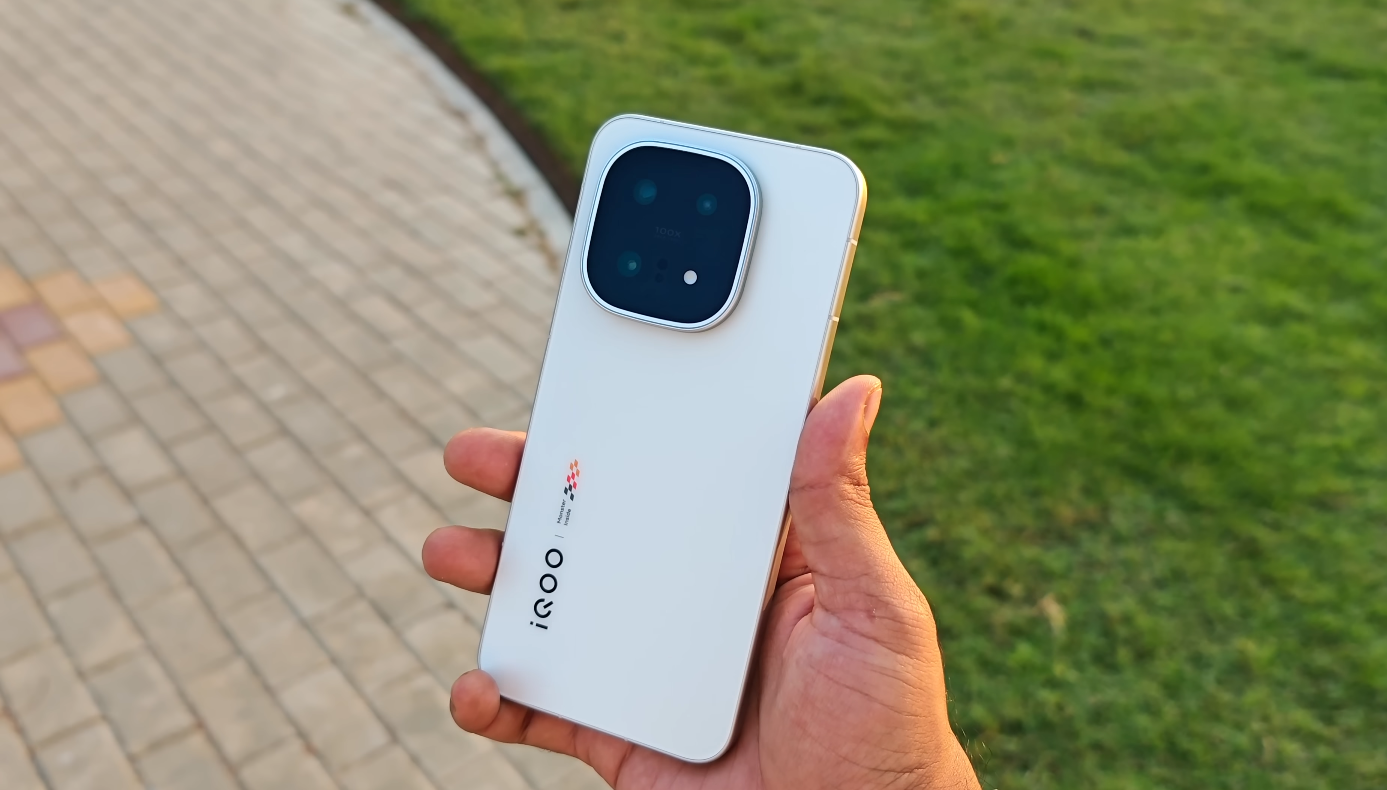
iQOO 15 availability in UK may depend on carrier partnerships

iQOO 15 availability in UK may depend on carrier partnerships

Carrier Deals Could Decide iQOO 15’s UK Market Success

The arrival of the iQOO 15 in the United Kingdom has stirred major interest among smartphone enthusiasts, but its official availability may hinge on one key factor — carrier partnerships. While the device has already made its debut in select global markets, including parts of Asia, the UK rollout appears to depend heavily on whether iQOO can secure agreements with major telecom operators such as EE, Vodafone, O2, or Three. Without these collaborations, the brand’s expansion into the UK could remain limited to online sales or imported units, which might restrict its appeal to a broader audience.

Industry insiders suggest that iQOO is currently in discussions with UK network providers to finalize carrier certification and ensure network compatibility. The device supports a wide range of 5G and 4G bands, including LTE Band 20, which is essential for full coverage in Britain. However, local carriers typically require devices to meet specific technical and software standards to enable key features like VoLTE, Wi-Fi Calling, and network-specific optimizations. Until these certifications are complete, the iQOO 15 may not be listed in official carrier catalogs or be eligible for contract-based sales.

Carrier partnerships could also play a decisive role in shaping how UK buyers perceive the iQOO brand. For most consumers, purchasing through a mobile operator offers benefits such as monthly payment options, trade-in programs, warranty support, and customer service. Without these, the iQOO 15 might appeal primarily to enthusiasts willing to purchase unlocked units. Experts say this could limit its market penetration, especially as iQOO is still relatively new to many Western consumers. An official carrier-backed launch, on the other hand, would instantly boost brand trust and mainstream visibility.
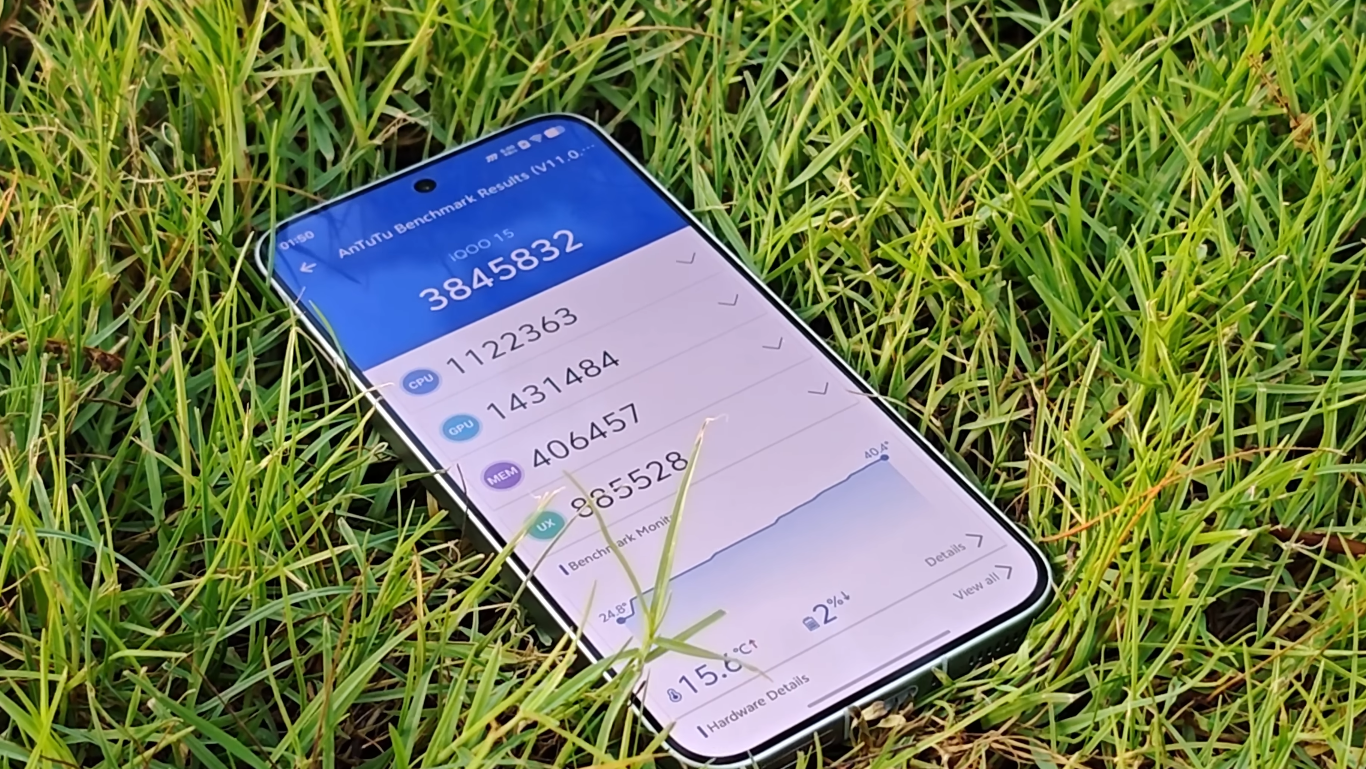
iQOO 15 availability in UK may depend on carrier partnerships

Another major factor influencing the UK launch is pricing strategy. In global markets, the iQOO 15 has been positioned as a high-performance flagship at a competitive price, undercutting rivals like the OnePlus 12 and Samsung Galaxy S24. However, carrier-backed releases often involve localized pricing adjustments to align with plan structures and subsidies. If iQOO can maintain its aggressive pricing model while offering flexible payment plans through carriers, it could capture a strong share of the UK’s performance-oriented smartphone segment.

Tech analysts in London and Manchester have noted that the iQOO 15’s feature set — including its Snapdragon 8 Gen 4 processor, 7,000mAh battery, 144Hz AMOLED display, and 120W fast charging — positions it well against the best premium smartphones on the market. Yet, without carrier availability, many UK buyers may hesitate to import due to uncertainties around software updates, warranty claims, and support for 5G VoNR connectivity. These practical concerns underscore why partnerships with UK networks could make or break iQOO’s entry into the region.

Another potential advantage of carrier deals would be local marketing and after-sales infrastructure. Established UK carriers often collaborate with manufacturers to launch co-branded campaigns, provide in-store demos, and handle device servicing. For iQOO, this would be an opportunity to establish itself as a credible alternative to major players. Analysts believe that if EE or Vodafone were to carry the iQOO 15, it could significantly boost the brand’s credibility among British consumers unfamiliar with its history in Asian markets.

For now, iQOO remains tight-lipped about official UK launch details. However, supply chain sources and retailer leaks suggest that a rollout could happen before the end of the year — provided carrier negotiations conclude successfully. If the company secures the right partnerships, the iQOO 15 could quickly gain traction as a flagship killer in Britain, appealing to users who demand performance and innovation at a lower price point.

In conclusion, the iQOO 15’s availability in the UK will likely depend on whether the brand can finalize agreements with major carriers and meet local certification requirements. A full carrier-backed release would not only ensure better network integration and customer support but also help iQOO establish a long-term presence in the competitive UK smartphone market. Until that happens, British consumers may have to rely on unlocked imports — but all signs point to a full-scale launch being closer than ever.
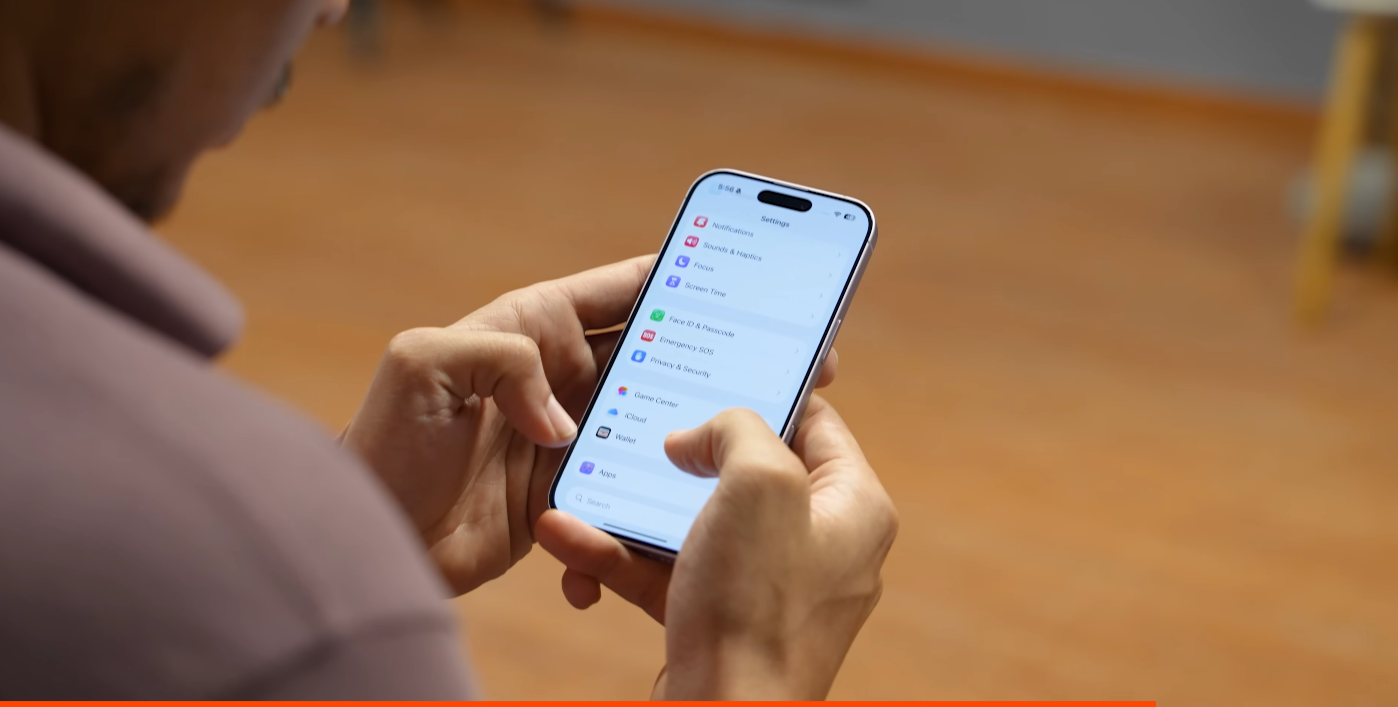
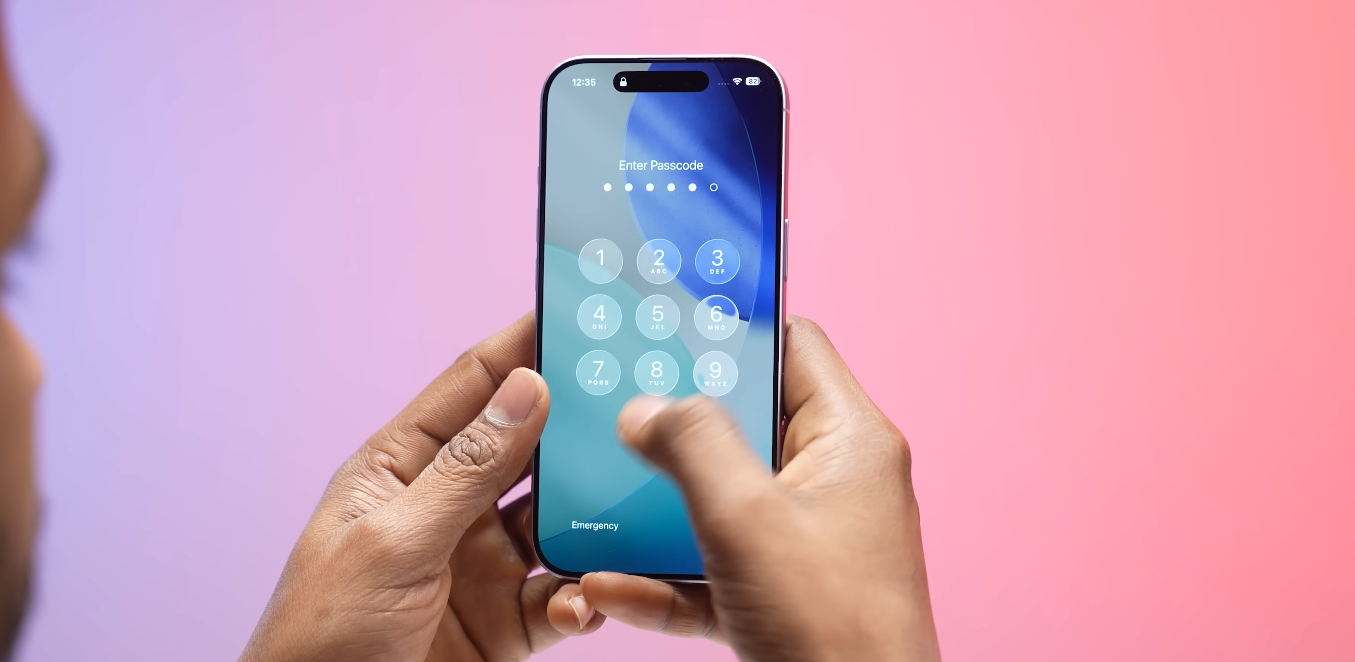
iPhone 17 upgrade becomes cheaper in the UK overnight

iPhone 17 upgrade becomes cheaper in the UK overnight

Sudden Price Drops Give Shoppers a New Opportunity to Switch

The cost of upgrading to the iPhone 17 has fallen sharply in the UK overnight, with retailers and network operators introducing new reductions across both SIM-free and contract options. The unexpected drop has caught the attention of buyers who had been waiting for a more affordable route to Apple’s latest handset. Many stores reported a rise in traffic as customers moved quickly to take advantage of the updated pricing.

Fresh SIM-free reductions rolled out early in the day, offering the iPhone 17 at its most competitive level since launch. These cuts have made the handset more appealing to those who prefer to avoid long-term plans. Staff at several major electronics retailers said initial stock for discounted units moved rapidly, prompting follow-up shipments to meet demand.

UK mobile networks have also introduced revised tariffs aimed at lowering monthly costs for new and upgrading customers. These plans include expanded data allowances and reduced upfront fees, creating a smoother pathway for buyers wishing to spread payments. The offers have been widely promoted across comparison sites, helping the iPhone 17 climb back into the most-searched category.

iPhone 17 upgrade becomes cheaper in the UK overnight

Enhanced trade-in programmes have played a crucial role in driving down the effective upgrade cost. Retailers have increased valuations for a range of older devices, allowing many customers to secure more substantial savings. This approach has proven particularly attractive to those still using models several generations old.

Analysts say the overnight change reflects the competitive environment created by seasonal sales activity. Apple devices typically retain higher pricing for longer, so the sudden shift has been seen as an indication of strong stock availability and increased retailer competition. The result is a window of opportunity that many buyers did not anticipate.

High-street stores across the UK reported a busy start to the day, with popular colour and storage options selling through quickly. Staff confirmed that higher-capacity versions saw an early spike in demand, driven by the smaller price difference created by the new reductions. Online retailers have issued updates throughout the day as stock fluctuated with order volume.

Networks have advised customers to review full-term contract costs carefully, as the most attractive monthly prices are tied to longer commitments. However, many buyers continue to favour these plans due to the reduced upfront burden. Providers expect a continued rise in new sign-ups as awareness of the price shift grows.

Technology reviewers say the timing could not be better for customers considering an upgrade. The iPhone 17 has received strong early feedback for its improved performance, battery life and camera features. These strengths, combined with significant reductions, have pushed renewed interest in the model across the UK.

Retail figures suggest growing demand from buyers choosing to upgrade earlier than planned. The easing price gap between base and higher-tier storage variants is influencing decisions, with more customers opting for larger capacities. This trend echoes patterns seen during previous sales seasons when late-year discounts reshaped buying behaviour.

With the new pricing now live, retailers expect strong momentum to continue over the coming days. Many anticipate further stock rotations as shoppers take advantage of the lower costs. For those waiting for the right moment to upgrade, the overnight price drop offers one of the most compelling opportunities yet to switch to the iPhone 17.

iPhone 18 Pro: Dynamic Island Moves Left

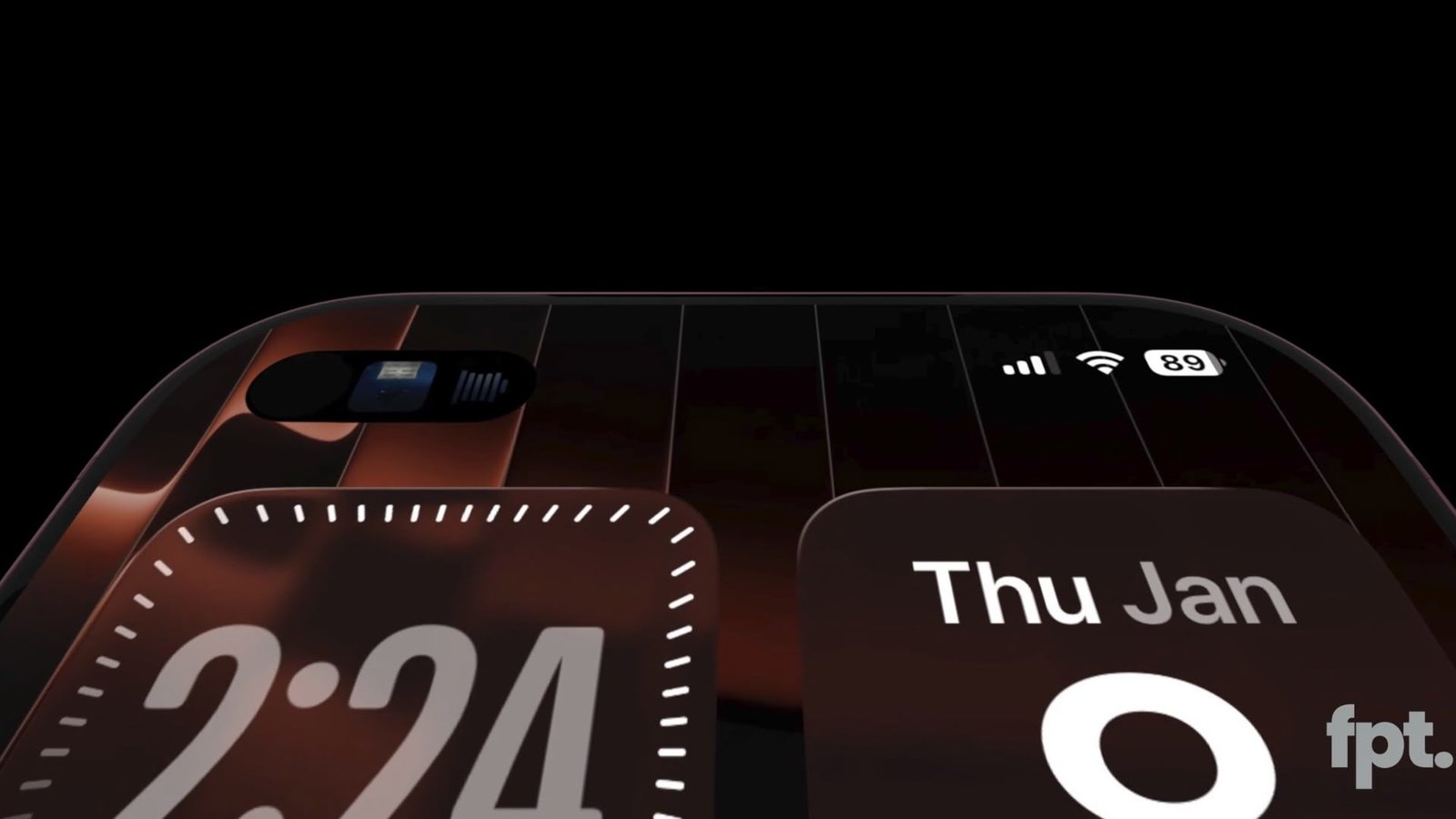
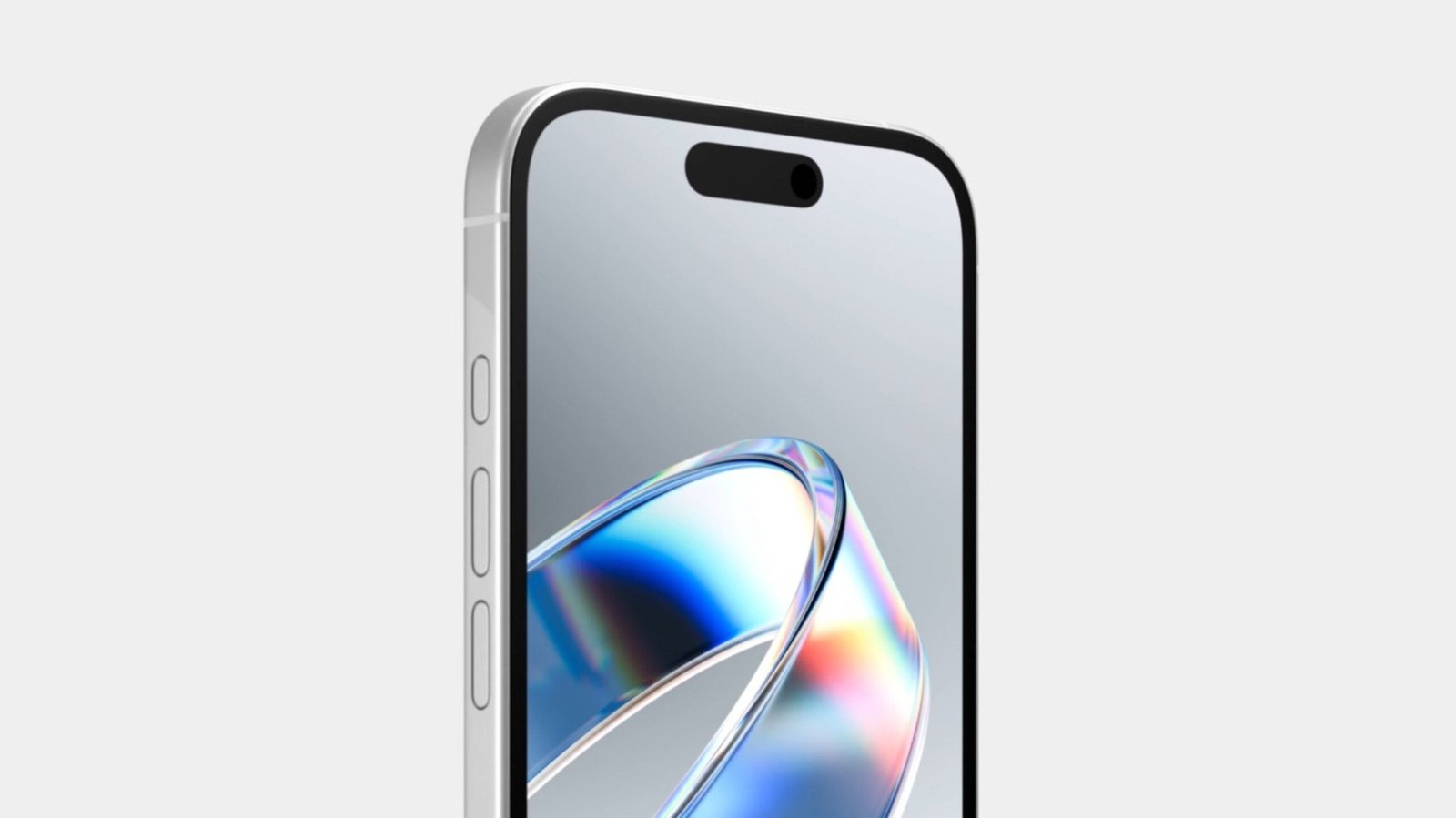
iPhone 18 Pro with Dynamic Island in top-left corner

iPhone 18 Pro Series: What to Expect from Apple’s Latest Flagships

Recent reports suggest that Apple is testing a new prototype for its upcoming iPhone 18 Pro series. The latest design change involves moving the front-facing camera module to the top-left corner. This news comes after a Weibo-based tipster reported the same design change just a few days ago.

A second credible source, Front Page Tech’s Jon Prosser, has added to the speculation by reiterating the corner-positioned Dynamic Island for Apple’s next Pro series iPhones. In his latest YouTube video, Prosser suggests that the Apple iPhone 18 Pro and Pro Max will feature this new design.

The Dynamic Island is a feature that was first introduced in the iPhone 14 Pro series. It is a pill-shaped cutout that houses the front-facing camera and other sensors. The feature has been well-received by Apple fans and has become a distinctive design element of the iPhone Pro series.

The move to the top-left corner is likely to be a design choice aimed at improving the overall aesthetic of the iPhone 18 Pro series. It may also be intended to make the device more symmetrical and visually appealing. However, it is worth noting that this design change is still in the testing phase and may not make it to the final product.

Apple is known for its attention to detail and commitment to innovative design. The company has a history of pushing the boundaries of what is possible with smartphone design. The iPhone 18 Pro series is expected to be a major upgrade over the current iPhone 14 Pro series, with improved cameras, faster processors, and new features.

The iPhone 18 Pro series is expected to be released in the autumn of 2024. Apple has not officially confirmed any details about the new devices, but the company is expected to make an announcement in the coming months. Fans of the iPhone Pro series will be eagerly awaiting the release of the new devices, which are expected to be a major upgrade over the current models.

In terms of specifications, the iPhone 18 Pro series is expected to feature improved cameras, including a new periscope lens and enhanced zoom capabilities. The devices are also expected to feature faster processors, improved battery life, and new features such as enhanced augmented reality capabilities.

Overall, the iPhone 18 Pro series is shaping up to be an exciting release for Apple fans. With its new design, improved cameras, and enhanced features, the device is likely to be a major hit. However, only time will tell if the final product will live up to the hype and speculation surrounding it.

iPhone 18 Series: Rumours, Release Date, and Specifications

iPhone 18 series rumours and specifications, featuring the foldable iPhone and improved camera technology, with a possible September 2026 release date and new iOS 27 operating system, and expected to include up to six models, including the iPhone 18, iPhone 18 Pro, and iPhone 18 Pro Max

iPhone 18 Series: Everything We Know So Far

The iPhone 18 series is expected to debut in September 2026, with a possible staggered launch for the high-end models. The base iPhone 18 and budget 18e may launch in Spring 2027. Apple has not confirmed any details, but industry analysts and leakers have provided insights into the upcoming series.

The iPhone 18 series is rumoured to include up to six models, including Apple’s first foldable iPhone. The foldable model’s design has been finalized, and it is undergoing engineering tests ahead of mass production. The phone is expected to feature a 7.58-inch main display and a 5.25-inch outer display.

The iPhone 18 Pro models are expected to feature improved LTPO OLED panels, with a 120Hz refresh rate and more energy-efficient LTPO OLED panels. The base model may have increased screen brightness, with a peak brightness of 3000 nits. The iPhone 18 series is also expected to run on Apple’s upcoming A20 chip, with Pro models possibly running on an A20 Pro variant.

Apple’s cameras are a standout feature, and the iPhone 18 Pro models are rumoured to introduce variable aperture technology to the 48Mp main camera. The standard iPhone 18 may also benefit from some of this new technology. The selfie camera is expected to be upgraded to 24Mp, with under-display Face ID tech on the Pro and Pro Max models.

The iPhone 18 series is expected to run on iOS 27, offering new features and capabilities tailored to the hardware. Apple typically introduces innovations in usability, security, and AI with every new iOS version. The iPhone 18 series could support faster wired and MagSafe charging capabilities, with incremental enhancements to battery life and charging efficiency.

iPhone 17e vs iPhone 17 in the UK: Is the £200 Upgrade Worth It?

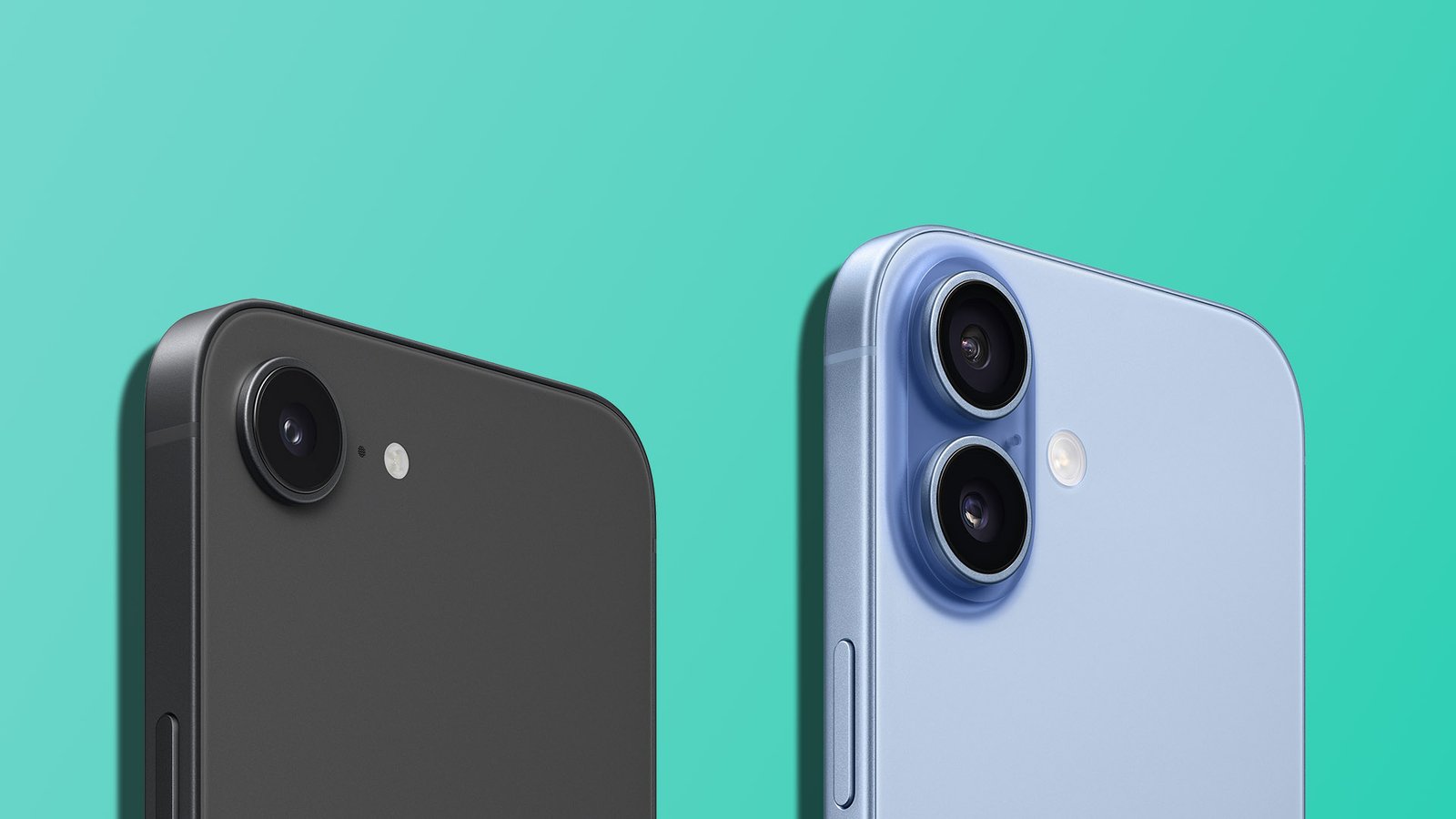
A side-by-side comparison of the iPhone 17e and iPhone 17, showcasing their sleek designs and vibrant colour options, with a focus on the primary keyword, iPhone 17e

iPhone 17e vs iPhone 17: A UK Buyer’s Dilemma

Apple has unveiled the iPhone 17e, successor to the iPhone 16e, with several notable changes while retaining the same design. Priced at $599, it offers a compelling package, but is it worth the upgrade from the base iPhone 17, which costs $799? Let’s analyse the key differences to help you decide.

The iPhone 17e boasts a 6.1-inch notched display, identical to its predecessor, the iPhone 16e. However, the new model introduces improved cameras, enhanced behaviour, and colour options. The base iPhone 17, on the other hand, features a more advanced camera system and faster performance.

For UK buyers, the decision to spend an extra £200 depends on individual priorities. If camera quality and speed are paramount, the iPhone 17 might be the better choice. However, if budget is a concern, the iPhone 17e offers excellent value for money. We’ll delve into the specifics to help you make an informed decision.

In terms of design, both models share a similar aesthetic, with the iPhone 17e featuring a durable glass back and aluminium frame. The iPhone 17, however, has a more premium feel, with a stainless steel frame and tougher glass. The colour options for the iPhone 17e include a range of vibrant hues, while the iPhone 17 is available in more subdued tones.

When it comes to battery life, the iPhone 17e has a slightly larger battery, but the iPhone 17’s more efficient processor helps to balance this out. Both models support fast charging, but the iPhone 17 can charge more quickly. The iPhone 17e, on the other hand, has a more affordable price point, making it an attractive option for those on a budget.

Ultimately, the choice between the iPhone 17e and iPhone 17 in the UK depends on your individual needs and priorities. If you’re looking for a more affordable option with excellent cameras and performance, the iPhone 17e might be the way to go. However, if you’re willing to spend a bit more for the latest and greatest technology, the iPhone 17 is the better choice.

In conclusion, both the iPhone 17e and iPhone 17 offer unique advantages and disadvantages. By weighing these factors, you can make an informed decision that suits your lifestyle and budget. Whether you opt for the iPhone 17e or the iPhone 17, you can be sure that you’re getting a high-quality device that will meet your needs.

iPhone 17 UK price plummets ahead of Black Friday weekend

iPhone 17 UK price plummets ahead of Black Friday weekend

Pre-Black Friday price drops make iPhone 17 a bargain for UK buyers

The 2025 Apple iPhone 17 is seeing sharp price reductions in the UK just ahead of Black Friday — pushing it into unexpected bargain territory and triggering a wave of early purchases. Retailers and mobile networks have slashed upfront costs and rolled out attractive payment plans, making the handset far more accessible than at launch. As Black Friday weekend approaches, demand is rising rapidly.

Many UK carriers have introduced contracts with drastically lowered upfront fees and modest monthly payments, effectively shrinking the financial barrier for buyers. These new plans have driven a surge in sign-ups for the iPhone 17. For shoppers who prefer spreading payments rather than paying full price at once, the timing couldn’t be better.

Even for buyers opting for SIM-free purchases, bundle deals and trade-in bonuses have reduced the effective cost significantly. Retailers are offering better trade-in valuations on older iPhones, which lowers the net price when upgrading. This has opened the door for long-time Apple users to move to the latest model without a steep expense.

iPhone 17 UK price plummets ahead of Black Friday weekend

With typical flagship features — a powerful chip, improved camera system, and long-term iOS support — the iPhone 17 now offers strong value for money under current discounts. For many buyers, the reduced price combined with flagship-class performance is tipping the balance in favour of upgrading now rather than waiting for post-Black Friday sales.

Stock levels are already reacting to demand: several retailers have flagged that popular colour and storage variants are selling out quickly. Some have issued limited-stock warnings, urging potential buyers to act fast before deals disappear or prices rebound.

For UK shoppers hunting for a powerful yet affordable smartphone this holiday season, the iPhone 17’s pre-Black Friday plunge represents one of the best deals on the market. With Black Friday weekend still ahead, now may be the ideal moment to buy.

iPhone Air Sees Substantial Price Drop of £415 on China’s Leading Online Retailers Just Three Months After Launch

The iPhone Air, with its sleek design and advanced features, has witnessed a substantial price cut of $415 on China's leading online retailers. This development is likely to impact the smartphone market, with the device's premium brand reputation and ability to innovate being crucial in maintaining its position. The iPhone Air's price cut is a significant development in the Chinese smartphone market, and it will be interesting to see how it affects the device's sales in the coming months.

iPhone Air Price Cut: A Surprising Turn of Events in China

The iPhone Air, Apple’s sleek flagship, has witnessed a significant price cut of $415 on China’s top online retailers, a mere three months after its launch in the region. This move has caught many by surprise, as the device was initially met with immense popularity, quickly selling out in the region. The price cut is likely a response to dwindling sales, as the device’s appeal began to wane.

It is not uncommon for online stores in China, such as Tmall and JD.com, to offer discounts on Apple’s current-generation iPhones during the new year. However, the magnitude of this price cut is notable, especially considering the iPhone Air’s initial success. The device’s launch in mid-October saw it quickly fly off the shelves, with Apple’s premium brand reputation being a major factor in its initial popularity.

Despite its initial success, the iPhone Air’s sales began to slow down, prompting the significant price cut. This move is likely an attempt to boost sales and maintain the device’s competitiveness in the Chinese market. The price cut of $415 is substantial, and it will be interesting to see how it affects the device’s sales in the coming months.

The iPhone Air’s price cut is a significant development in the Chinese smartphone market, and it will be closely watched by industry analysts and consumers alike. As the device’s sales continue to evolve, it will be important to analyse the impact of this price cut on Apple’s position in the market. The company’s ability to adapt to changing market conditions will be crucial in maintaining its competitive edge.

The Chinese smartphone market is highly competitive, with numerous brands vying for market share. The iPhone Air’s price cut is a strategic move by Apple to stay ahead of the competition and maintain its premium brand reputation. The device’s features and specifications make it an attractive option for consumers, and the price cut is likely to increase its appeal.

In conclusion, the iPhone Air’s price cut of $415 on China’s top online retailers is a significant development in the Chinese smartphone market. The move is likely an attempt to boost sales and maintain the device’s competitiveness, and it will be interesting to see how it affects the device’s sales in the coming months. As the market continues to evolve, it will be important to monitor the impact of this price cut on Apple’s position in the market.

The iPhone Air’s price cut is a testament to the dynamic nature of the smartphone market. The device’s initial success was followed by a decline in sales, prompting the price cut. This move demonstrates Apple’s ability to adapt to changing market conditions and its commitment to maintaining its competitive edge. The company’s premium brand reputation and ability to innovate will be crucial in maintaining its position in the market.

As the smartphone market continues to grow and evolve, it will be important to analyse the impact of the iPhone Air’s price cut on the market as a whole. The move is likely to have a ripple effect, with other manufacturers responding with their own price cuts and promotions. The Chinese smartphone market is highly competitive, and the iPhone Air’s price cut is a significant development that will be closely watched by industry analysts and consumers alike.

In the coming months, it will be interesting to see how the iPhone Air’s price cut affects the device’s sales and Apple’s position in the market. The company’s ability to adapt to changing market conditions and its commitment to innovation will be crucial in maintaining its competitive edge. The iPhone Air’s price cut is a significant development in the Chinese smartphone market, and it will be important to monitor its impact on the market as a whole.

The iPhone Air’s features and specifications make it an attractive option for consumers, and the price cut is likely to increase its appeal. The device’s premium brand reputation and ability to innovate will be crucial in maintaining its position in the market. As the market continues to evolve, it will be important to analyse the impact of the iPhone Air’s price cut on Apple’s position in the market and the market as a whole.

In the highly competitive Chinese smartphone market, the iPhone Air’s price cut is a significant development that will be closely watched by industry analysts and consumers alike. The move is likely an attempt to boost sales and maintain the device’s competitiveness, and it will be interesting to see how it affects the device’s sales in the coming months. The iPhone Air’s price cut is a testament to the dynamic nature of the smartphone market, and it will be important to monitor its impact on the market as a whole.

iPhone Air Carrier Compatibility in USA: T-Mobile, AT&T & Verizon

iPhone Air Carrier Compatibility in USA: T-Mobile, AT&T & Verizon

All You Need to Know About iPhone Air’s Compatibility

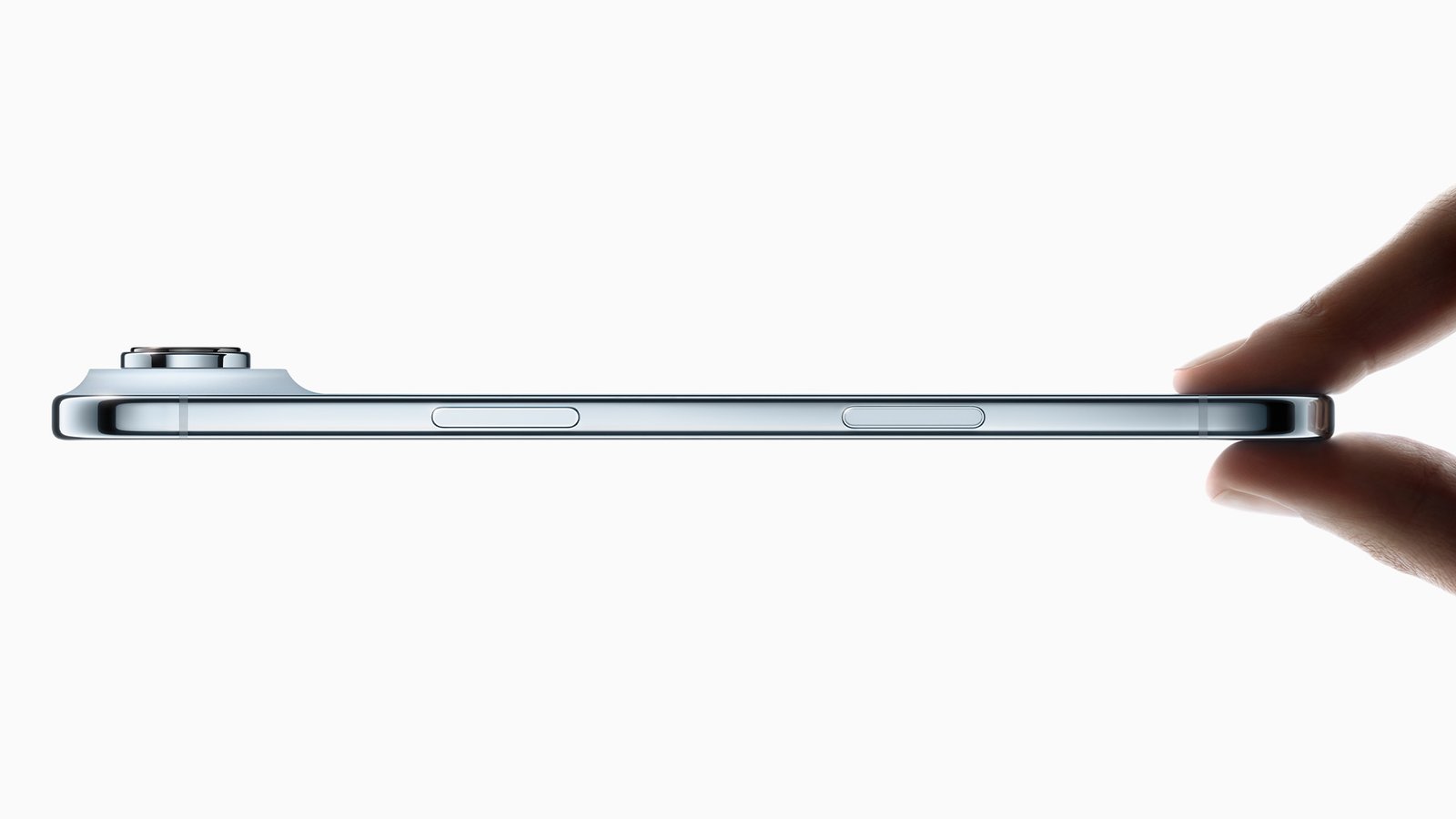
The iPhone Air, released in the USA on September 19, 2025, has quickly gained attention for its sleek design and powerful features. One major change is that it only supports eSIM technology, meaning it doesn’t have a physical SIM card slot. This design helps make the phone thinner and more durable but requires users to activate their cellular service digitally.

In the United States, the iPhone Air is compatible with major carriers that support eSIM activation. These include T-Mobile, AT&T, and Verizon. All three have updated their systems to accommodate Apple’s latest device, allowing users to activate and manage their plans without a physical SIM card.

T-Mobile supports eSIM activation for the iPhone Air and offers deals like trade-ins and new customer promotions. Many customers have already taken advantage of these offers to upgrade to the latest model.

iPhone Air Carrier Compatibility in USA: T-Mobile AT&T & Verizon

AT&T also supports eSIM activation and provides promotions to encourage users to switch or upgrade. Their activation process is straightforward, allowing users to scan a QR code or enter activation details provided by the carrier.

Verizon has updated its systems to support eSIM activation as well. They offer trade-in credits and other deals to help customers transition smoothly to the iPhone Air. Verizon’s support ensures that users can enjoy full service without complications.

Switching carriers with the iPhone Air is easier than ever. As long as the device is unlocked, users can activate it with any supported carrier. Activation usually involves scanning a QR code or entering a code provided by the carrier. It’s important to confirm that your carrier supports eSIM and that your device is unlocked before switching.

Customers should also check that their new carrier supports the network bands required for optimal performance. This information is readily available on carrier websites or through customer support.

Also Read:  Tecno POVA Slim Full Specs and Price in USA

Overall, the iPhone Air’s eSIM-only design has modernized how users connect to networks. With support from T-Mobile, AT&T, and Verizon, users in the USA can enjoy seamless activation and reliable service. As this new technology becomes more widely adopted, eSIM is expected to offer a convenient and flexible way to manage cellular connectivity.

iPhone 18: Is Apple Finally Adopting Under-Display Camera Technology?

iPhone 18: Is Apple Finally Adopting Under-Display Camera Technology?

=

iPhone 18: The Dawn of the Hidden Camera?

For years, whispers have circulated through the tech community regarding Apple’s eventual adoption of an under-display camera (UDC) for its iconic iPhone line-up. These persistent rumours suggest that 2026 could be the pivotal year, potentially ushering in a truly seamless front-facing camera experience with the anticipated iPhone 18. This move would represent a significant design evolution, fundamentally altering the visual aesthetic we’ve grown accustomed to.

Should these predictions hold true, Apple would finally be integrating a feature that rival Android manufacturers, most notably Samsung, have already explored on their flagship devices for several years. Samsung, a key innovator in smartphone technology, first introduced its own iteration of an under-display camera on select premium handsets as early as 2021. This historical context highlights Apple’s typical cautious approach to emerging technologies, often waiting to refine them.

An under-display camera is an ingenious piece of engineering, designed to completely conceal the front-facing camera beneath the smartphone’s active display panel. The core concept is simple: when the camera is not in use, the screen pixels above it function normally, creating an uninterrupted visual experience. This technology aims to eliminate notches, punch-holes, and any other screen cut-outs that currently house the selfie camera and associated sensors.

iPhone 18: Is Apple Finally Adopting Under-Display Camera Technology

The primary allure of an under-display camera lies in its ability to deliver an entirely immersive, full-screen display. Imagine a smartphone front that is nothing but pure screen, with no distractions interrupting content consumption, gaming, or web browsing. This aesthetic ideal has long been a holy grail for smartphone designers, promising a truly futuristic and unblemished user interface that maximises screen real estate.

However, perfecting under-display camera technology presents substantial engineering hurdles that manufacturers have grappled with. The main challenge revolves around balancing display quality with camera performance. For the camera to capture light effectively, the pixels above it must be made transparent or less dense during operation, which can compromise both the image quality produced by the camera and the visual uniformity of the display itself.

iPhone 18

Early implementations of UDC technology, even on premium devices, often faced criticism regarding photo clarity, sharpness, and overall image fidelity compared to traditional punch-hole or notch cameras. The presence of a display layer over the lens can lead to issues such as haze, glare, and reduced light intake, directly impacting the quality of selfies and video calls. Overcoming these limitations requires advanced algorithms and hardware refinements.

Samsung’s pioneering efforts with under-display cameras, particularly on its Galaxy Z Fold series, serve as a valuable case study. Devices like the Galaxy Z Fold 3 and Z Fold 4 featured UDCs, demonstrating the concept’s potential while also exposing its nascent stage of development. While impressive in theory, the camera quality on these early UDC implementations was generally acknowledged to be a step below their conventional counterparts, especially in challenging lighting conditions.

Apple, renowned for its meticulous attention to detail and unwavering commitment to a premium user experience, has historically adopted new technologies only when they are deemed mature enough to meet its stringent quality standards. This cautious strategy has been evident with features like Face ID, which Apple introduced only after perfecting the underlying sensor technology, delivering a robust and reliable biometric authentication system.

The potential integration of UDC technology into the iPhone 18 in 2026 aligns perfectly with this established pattern. By waiting several years after others have experimented, Apple gains valuable time to allow the technology to evolve, for manufacturing processes to improve, and for image processing algorithms to compensate effectively for any inherent optical limitations. This ensures that when Apple does implement UDC, it delivers an experience consistent with user expectations for an iPhone.

Furthermore, the 2026 timeline could also indicate Apple’s ambition to integrate not just the camera, but potentially other crucial front-facing components, such as Face ID sensors, directly beneath the display. Achieving a truly invisible Face ID system alongside a hidden camera would be a monumental engineering feat, finally allowing for a completely unblemished full-screen interface, free from the Dynamic Island or any other visible cut-outs.

The removal of the notch or Dynamic Island through UDC technology would fundamentally redefine the iPhone’s iconic front-panel design. For years, the notch has been a distinctive, albeit sometimes controversial, visual identifier for the iPhone. Moving to an under-display solution would signify a bold leap towards a more minimalist aesthetic, reflecting a trend towards devices that appear as pure canvases of information.

Such a design evolution would undoubtedly enhance the overall user experience, particularly for activities that benefit most from an expansive, uninterrupted screen. Watching high-definition videos, playing graphics-intensive games, or engaging in video conferencing would all become more immersive. The absence of any visible camera hardware would simply fade into the background, allowing content to take centre stage.

Compared to current solutions like the Dynamic Island, which cleverly masks the camera and sensors with interactive software elements, a true under-display camera offers the ultimate solution for screen purity. While the Dynamic Island is an innovative workaround, it still represents a physical cut-out. UDC aims for complete invisibility, pushing the boundaries of smartphone design further than ever before, promising a truly futuristic device.

The prospect of an iPhone 18 with an under-display camera in 2026 is more than just another feature upgrade; it represents a significant milestone in Apple’s ongoing pursuit of design perfection and technological innovation. It underscores the industry’s collective ambition to create devices that are essentially pure screens, maximising the visual experience and seamlessly blending technology into the background.

This potential shift signals Apple’s readiness to overcome the complex engineering challenges associated with UDC technology. It ensures that when it finally arrives, it will undoubtedly meet the high standards users expect from an Apple product. The iPhone 18 could therefore mark the beginning of an exciting new era for Apple’s smartphone design, delivering the truly full-screen experience envisioned for so long.


Also Read:  Oppo K15 Turbo Pro rumoured timeline points to a mid-2025 UK arrival

iPhone 17e Benchmark Leak Raises Concerns: A Deeper Look

iPhone 17e benchmark leak raises concerns about the legitimacy of the results, prompting a closer look at the evidence and the motivations behind the alleged score manipulation, with the primary keyword being iPhone 17e

Uncovering the Truth Behind iPhone 17e Benchmark Leaks

The iPhone 17e announcement is imminent, with a potential launch date of February 19, marking a significant milestone for Apple’s first smartphone of the year. As we approach this date, various benchmark leaks have begun to surface, including a recent one on Geekbench 6. However, a closer examination reveals substantial evidence of score manipulation.

A key indicator of these forged scores is the alleged A19 chip, boasting an 8-core CPU. This raises several red flags, prompting us to take a step back and analyse the situation. The iPhone 17e’s performance is a crucial aspect of its overall behaviour, and any discrepancies in the benchmark results could significantly impact user experience.

Delving deeper into the benchmark leak, it becomes apparent that the scores are not entirely convincing. The colour of suspicion is cast over the legitimacy of these results, leaving us to ponder the motivations behind such actions. As we await the official unveiling of the iPhone 17e, it is essential to separate fact from fiction and not be swayed by misleading information.

The importance of verifying information cannot be overstated, particularly in the tech world where rumours and leaks can spread like wildfire. By adopting a critical approach and carefully evaluating the evidence, we can make informed decisions and avoid being fooled by fake news. The iPhone 17e’s performance will undoubtedly be a subject of interest, and it is crucial to rely on credible sources to get an accurate picture of its capabilities.

As the launch date draws near, the anticipation builds, and the speculation surrounding the iPhone 17e’s features and performance continues to grow. While it is natural to be excited about new technology, it is equally important to remain vigilant and not jump to conclusions based on unverified reports. By doing so, we can ensure that our expectations are grounded in reality, and we can appreciate the true value of the iPhone 17e once it is officially released.

In conclusion, the recent iPhone 17e benchmark leak has raised more questions than answers, and it is crucial to approach this information with a healthy dose of scepticism. As we look forward to the official launch, it is essential to remember that the truth will eventually come to light, and we must be patient and discerning in our pursuit of knowledge. The iPhone 17e’s fate will be decided by its actual performance, and it is up to us to separate fact from fiction and make informed decisions.

iPhone 17 Pro Carrier Compatibility in USA: T-Mobile, AT&T & Verizon

iPhone 17 Pro Carrier Compatibility in USA T-Mobile, AT&T & Verizon

iPhone 17 Pro Works Smoothly With All Major US Carriers

The iPhone 17 Pro is now available in the USA and is compatible with all the major carriers. It supports T-Mobile, AT&T, and Verizon, allowing users to easily activate their phones using eSIM technology. This makes it simple to set up the phone and start using it without the need for a physical SIM card.

T-Mobile fully supports the iPhone 17 Pro’s eSIM activation. Users can activate their service quickly and easily. T-Mobile is also offering deals and promotions to encourage customers to upgrade to the latest model.

AT&T also supports eSIM activation for the iPhone 17 Pro. Customers can activate their device with a QR code or by entering details from the carrier. AT&T’s network ensures that users get fast internet speeds and reliable service.

Verizon offers eSIM support as well, making it easy for customers to activate the iPhone 17 Pro. Verizon has also introduced promotions, such as trade-in offers and discounts, for users purchasing the new phone.

iPhone 17 Pro Carrier Compatibility in USA T-Mobile AT&T & Verizon

The iPhone 17 Pro is unlocked when purchased from Apple, meaning users can switch between carriers without any issues. As long as the chosen carrier supports eSIM, users can activate their service right after buying the phone.

The phone supports a wide range of network bands, ensuring compatibility across the country. Whether users live in cities or rural areas, they can expect good connectivity and fast data speeds.

Switching carriers is straightforward with the iPhone 17 Pro. Users only need to contact the new carrier, scan a QR code, or enter an activation code. The entire process is smooth and takes only a few minutes.

Overall, the iPhone 17 Pro is compatible with all major carriers in the USA. It offers fast performance, wide coverage, and easy activation. Whether users are upgrading or switching networks, the phone works seamlessly with T-Mobile, AT&T, and Verizon.

iPhone Air 2: No Under-Display Face ID

iPhone Air 2 with no under-display Face ID

iPhone Air 2: The Future of Face ID

The upcoming iPhone Air 2 has been making headlines with its potential design changes, particularly with regards to the front-facing camera and TrueDepth Face ID module. As the tech world awaits the new release, one thing is certain: the iPhone Air 2 won’t have an under-display Face ID.

This news comes as no surprise, given the thickness constraints of the device. The under-display TrueDepth Face ID module requires a certain level of thickness to function properly, which the iPhone Air 2 simply can’t accommodate.

Apple’s focus on design and user experience has always been a top priority, and it’s likely that the company will explore alternative solutions to the under-display Face ID. The pill-shaped Dynamic Island software feature is one such example, which has been making waves in the tech community.

As the iPhone Air 2’s release date draws near, fans and critics alike are eager to see how Apple will address the Face ID conundrum. Will the company opt for a more traditional design, or will it push the boundaries of innovation with a new and improved Face ID system?

The implications of this decision are far-reaching, with potential consequences for the tech industry as a whole. As companies like Apple continue to push the boundaries of what’s possible with smartphone design, we can expect to see even more innovative solutions in the future.

For now, it’s clear that the iPhone Air 2 won’t have an under-display Face ID. But with Apple’s reputation for innovation and design excellence, it’s likely that the company has something even better up its sleeve.

The future of smartphone design is looking brighter than ever, and the iPhone Air 2 is just the beginning. As we look to the future, one thing is certain: the tech world will be watching Apple’s every move with bated breath.

With the iPhone Air 2’s release just around the corner, it’s time to start thinking about what this means for the future of smartphone technology. Will the lack of under-display Face ID be a deal-breaker for fans, or will Apple’s alternative solutions win them over?

Only time will tell, but one thing is certain: the iPhone Air 2 is going to be a game-changer. With its sleek design, innovative features, and commitment to user experience, it’s likely to be one of the most popular smartphones of the year.

As the tech world continues to evolve, it’s exciting to think about what the future holds for Apple and the iPhone Air 2. With its focus on innovation and design excellence, it’s likely that the company will continue to push the boundaries of what’s possible with smartphone technology.

The iPhone Air 2 may not have an under-display Face ID, but it’s clear that Apple has a vision for the future of smartphone design. And with its reputation for innovation and excellence, it’s likely that the company will continue to lead the way in the tech industry.

So what does the future hold for the iPhone Air 2 and the tech world at large? Only time will tell, but one thing is certain: it’s going to be an exciting ride. With Apple at the helm, we can expect to see even more innovative solutions and designs in the years to come.

The lack of under-display Face ID on the iPhone Air 2 may be a disappointment for some, but it’s clear that Apple has a plan. With its focus on design and user experience, the company is likely to come up with a solution that’s even better than before.

As we look to the future, it’s exciting to think about what’s in store for the iPhone Air 2 and the tech world. With Apple’s commitment to innovation and excellence, it’s likely that we’ll see even more groundbreaking designs and features in the years to come.

The iPhone Air 2 may not have an under-display Face ID, but it’s clear that the company has a vision for the future. And with its reputation for innovation and design excellence, it’s likely that Apple will continue to lead the way in the tech industry.