Galaxy M17 5G unboxing and first impressions

Galaxy M17 5G unboxing and first impressions

Samsung’s latest mid-range 5G phone makes a strong first impression

Samsung’s Galaxy M17 5G has officially launched, and the first unboxings have revealed a device that blends premium design with dependable performance. It’s clearly aimed at users who want a modern 5G experience without spending a fortune, especially in the competitive UK mid-range market.

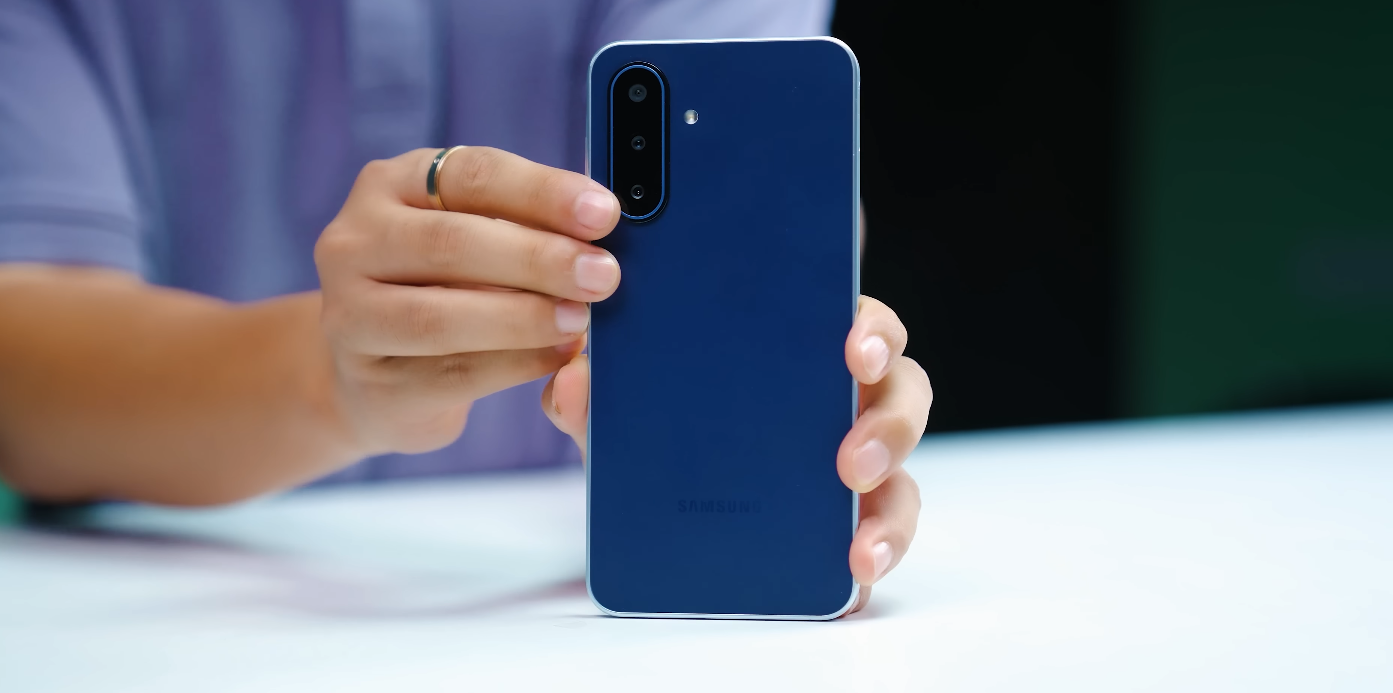
The box follows Samsung’s minimalist approach, containing the phone, a USB-C cable, a SIM ejector tool, and documentation. As expected, there’s no charger included, which aligns with Samsung’s eco-friendly packaging policy. Once unboxed, the phone immediately feels sturdy yet sleek, with a matte finish that looks and feels premium.

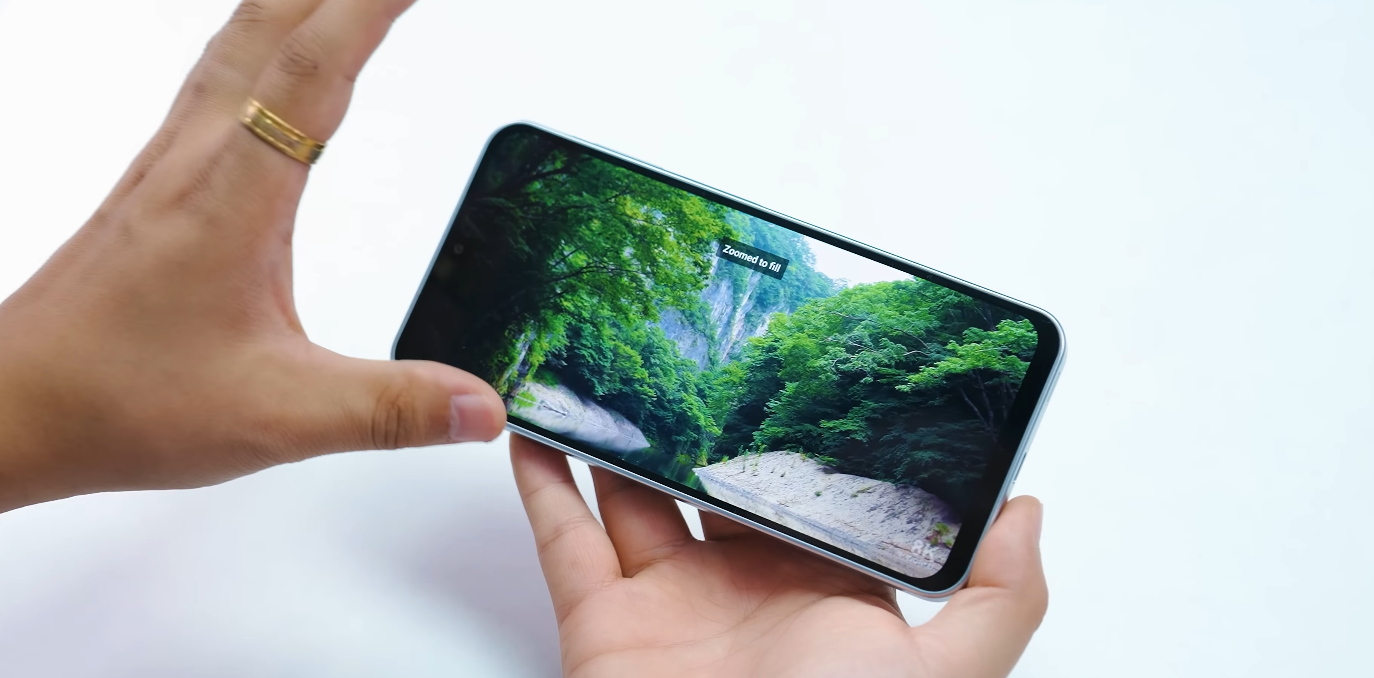
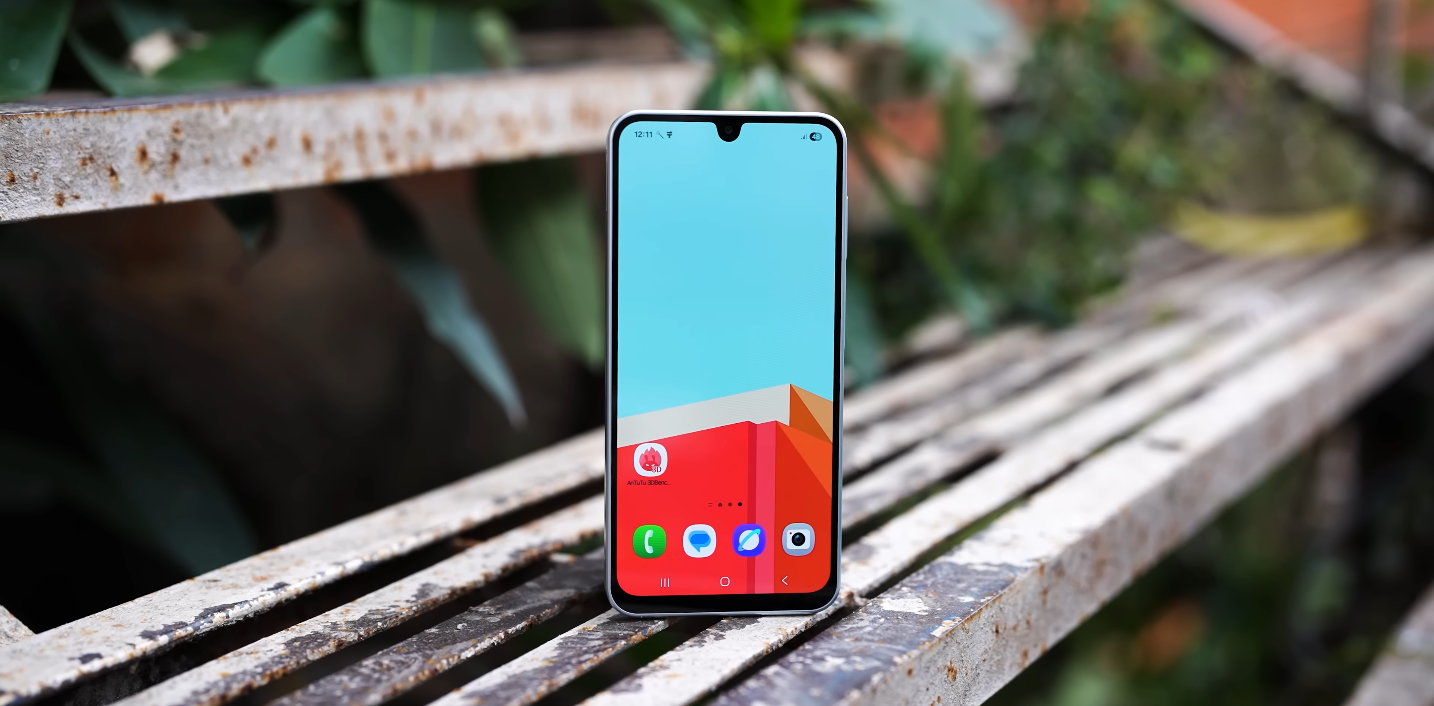
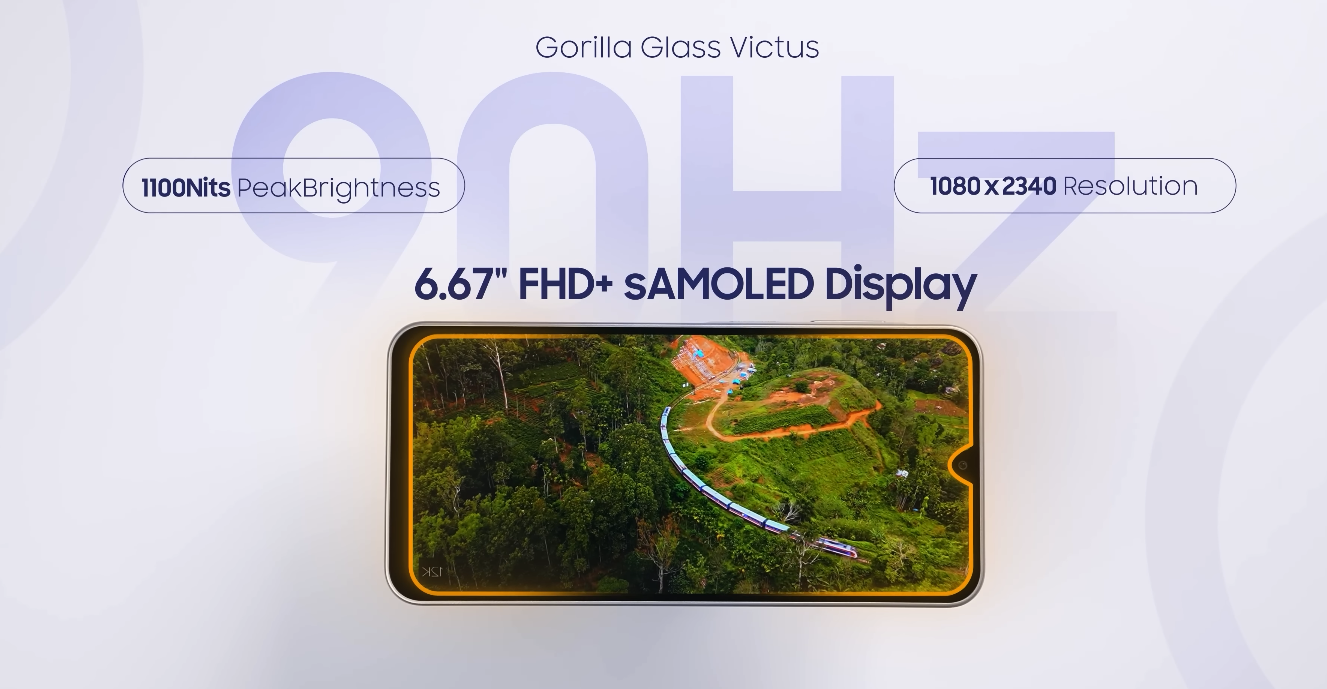
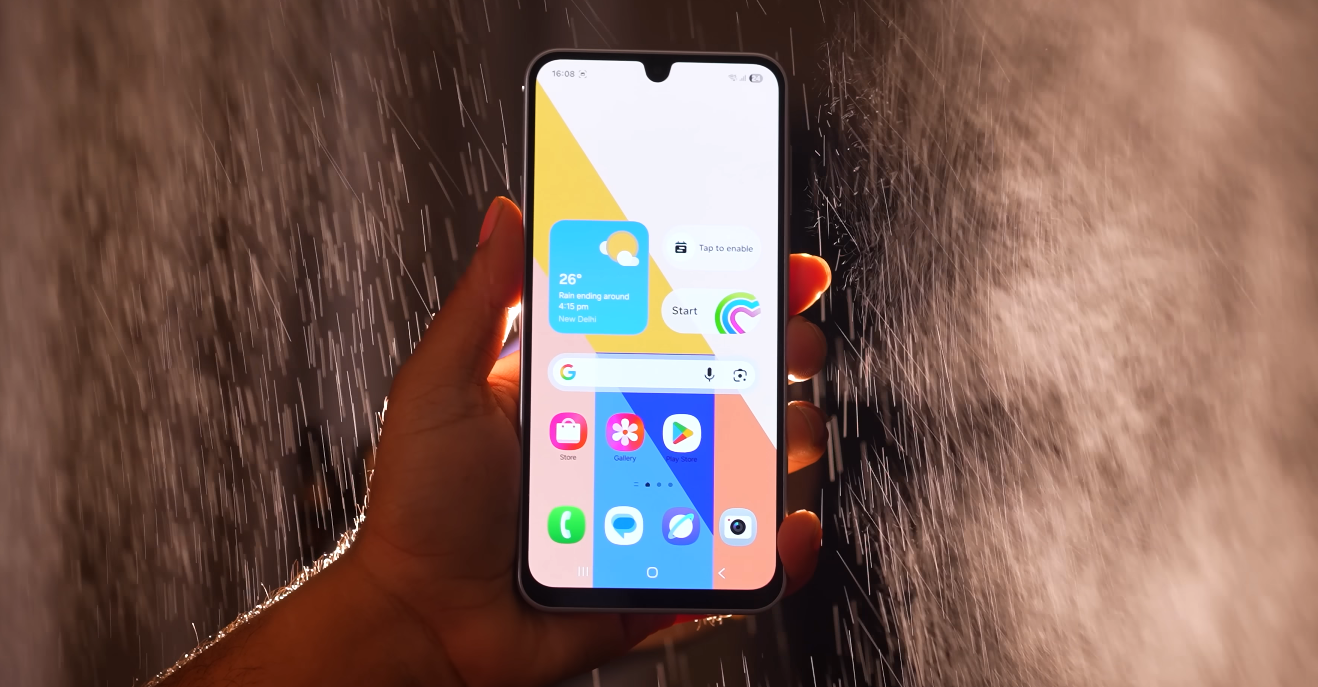
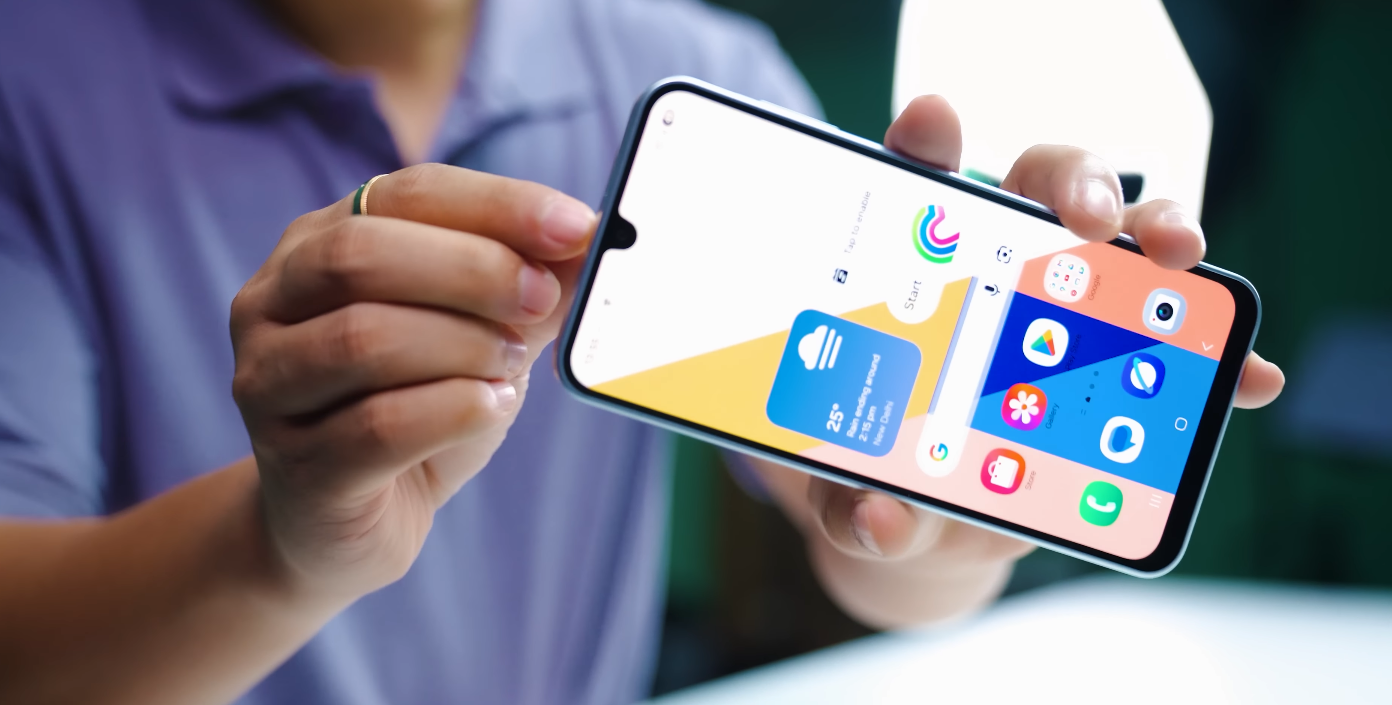
The Galaxy M17 5G features a 6.7-inch Super AMOLED display that impresses at first glance. Colours appear rich and vibrant, with deep contrast and sharp detail. The screen-to-body ratio is excellent thanks to thin bezels and a small waterdrop notch, creating an immersive viewing experience ideal for videos and gaming.
Galaxy M17 5G unboxing and first impressions

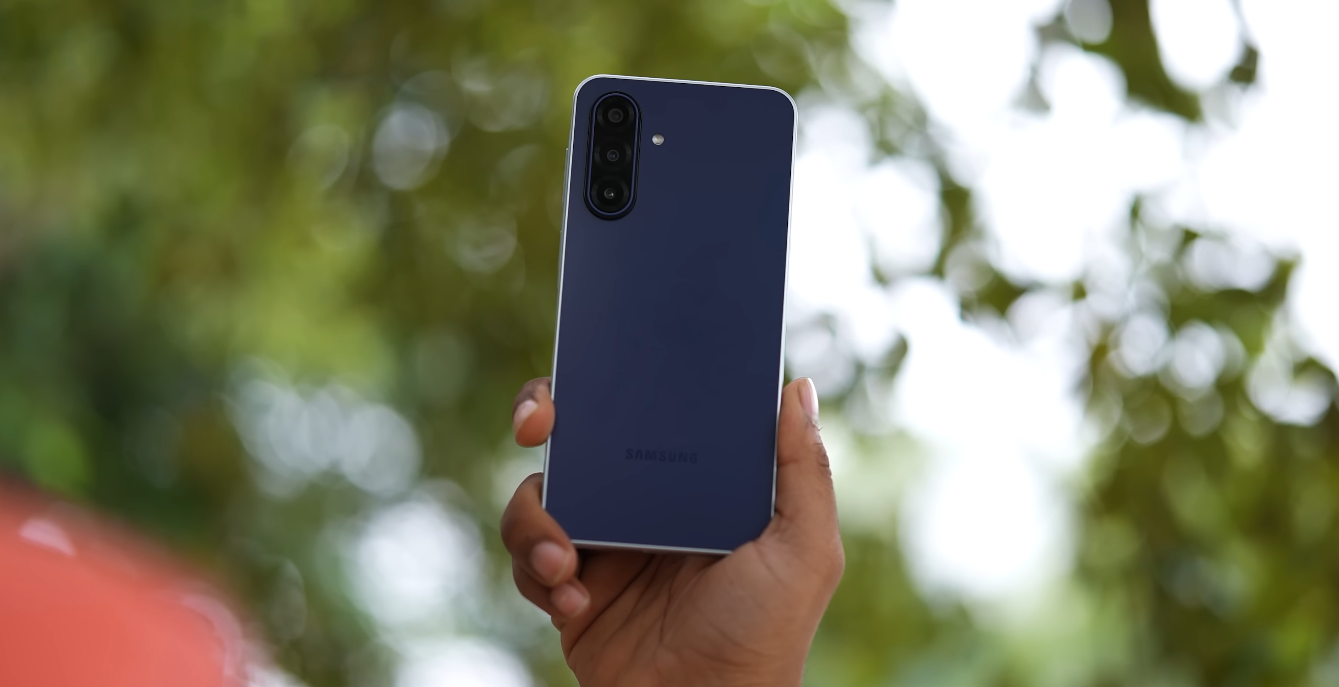
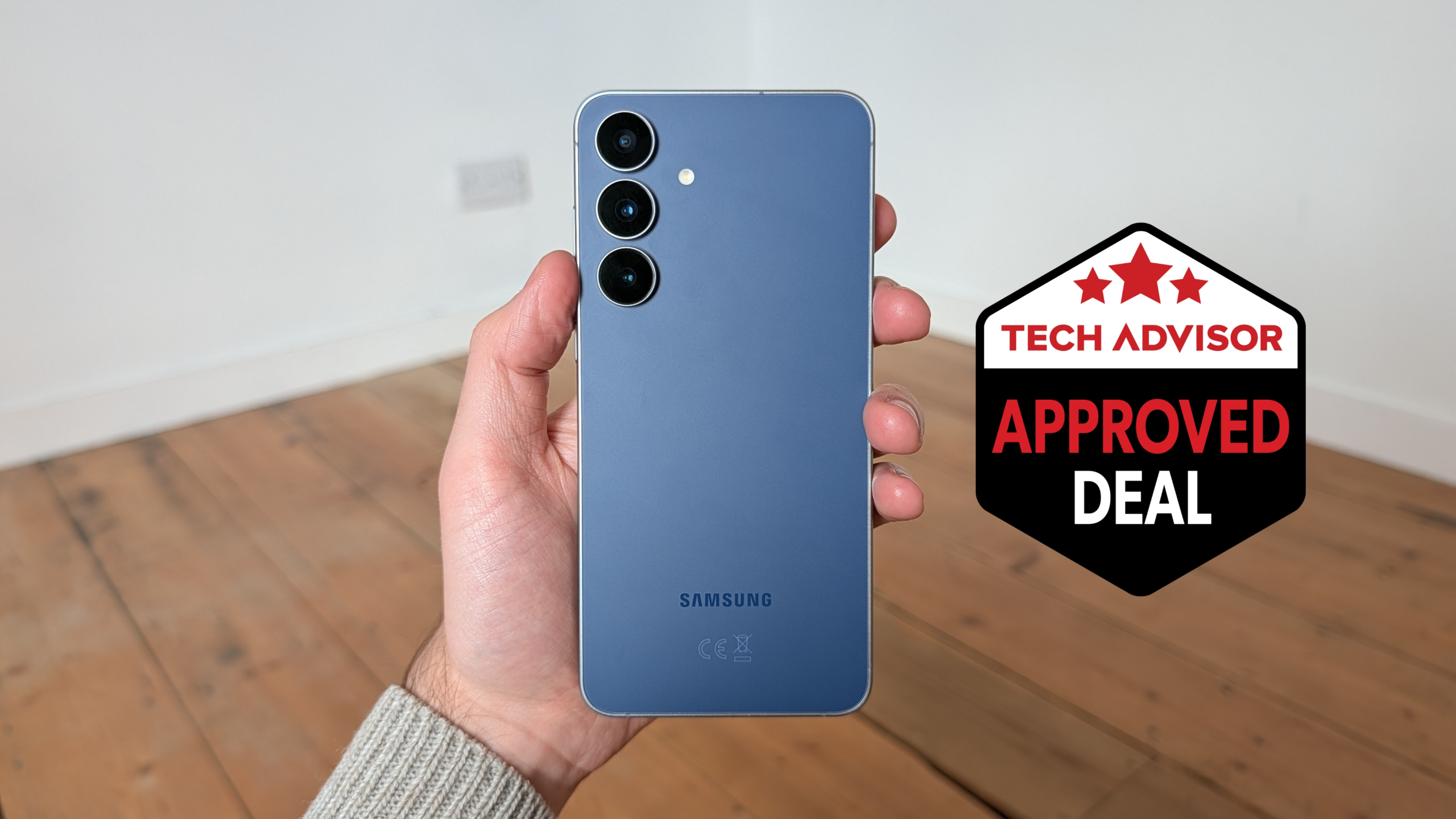
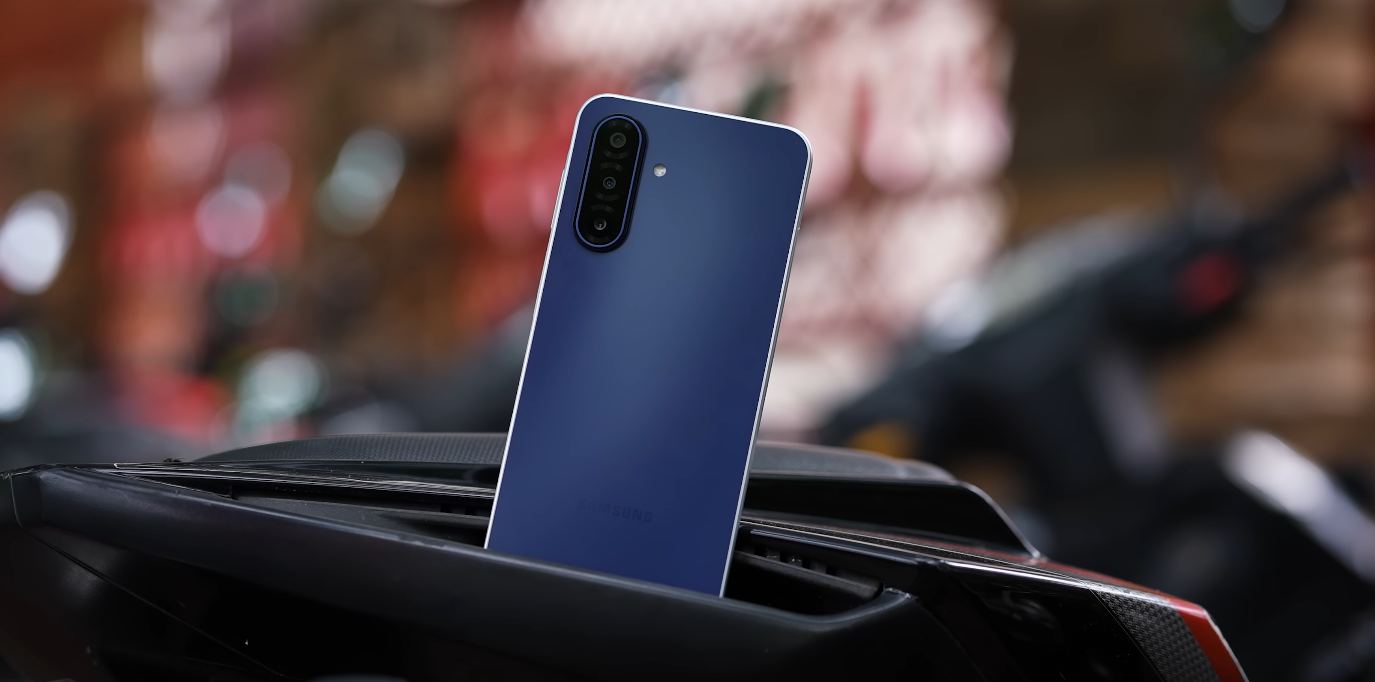
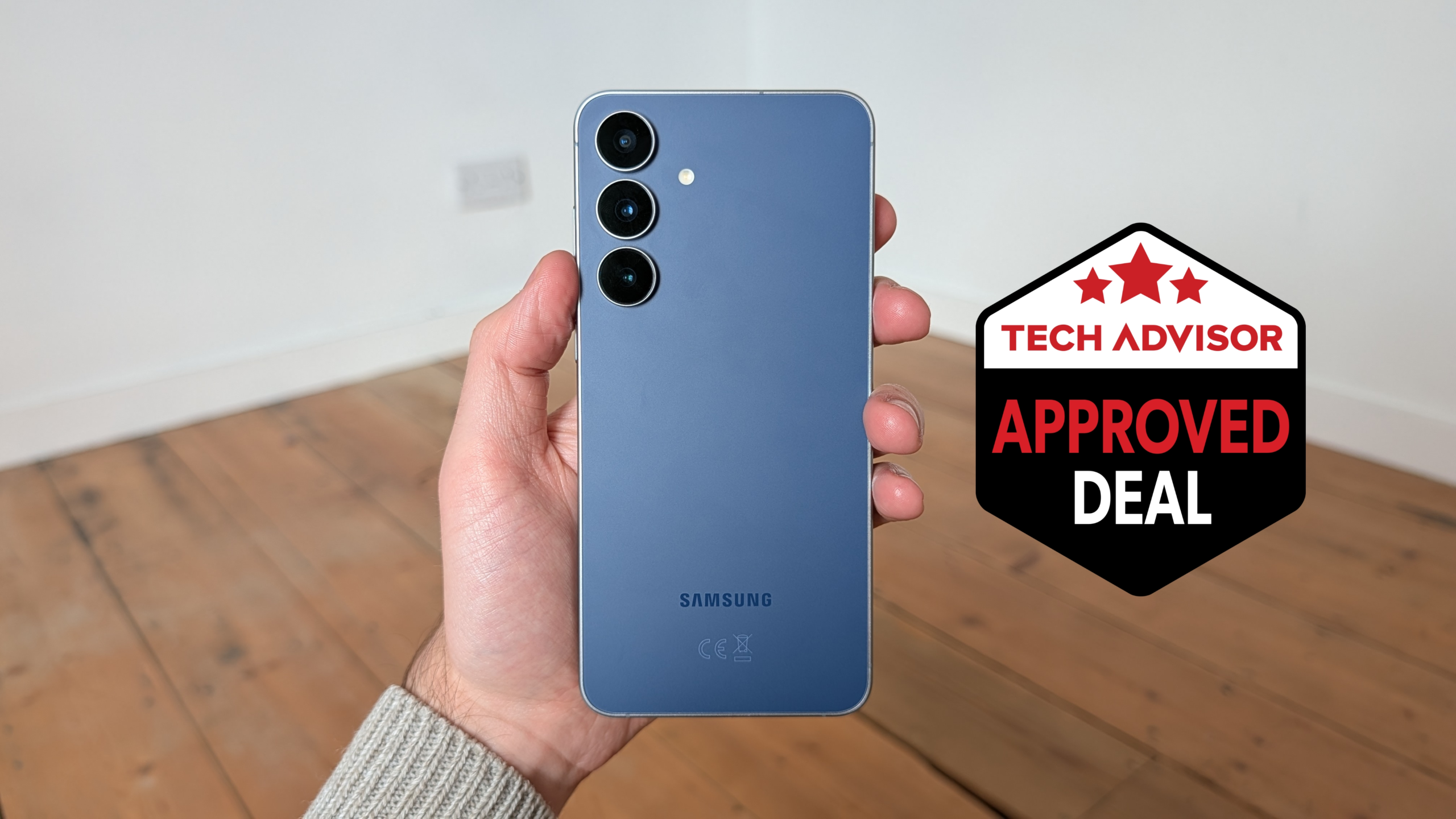
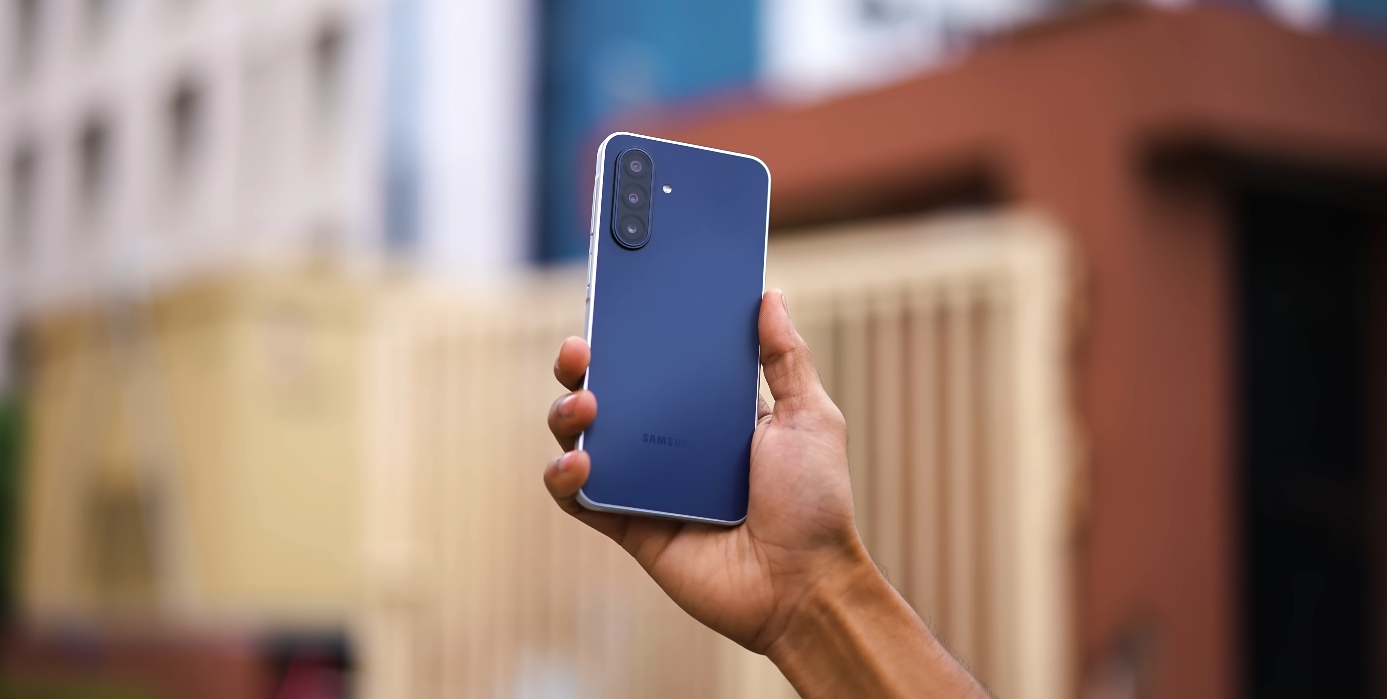
The phone’s design feels modern and practical. Its curved sides make it comfortable to hold, and the matte texture prevents smudges. The camera housing sits almost flush with the back, maintaining a smooth and balanced look. For a mid-range phone, the overall aesthetic feels surprisingly high-end.

Performance out of the box is snappy and fluid. Powered by Samsung’s Exynos 1330 processor and up to 8GB of RAM, the M17 5G handles daily tasks effortlessly. App switching, scrolling, and multitasking feel seamless, and the interface remains responsive even during heavier use.

Setting up the device is simple, and Samsung’s One UI provides a clean, intuitive user experience. The phone boots quickly, with no noticeable lag during initial setup. UK users will appreciate features like NFC for contactless payments and 5G support for faster mobile connectivity.

Camera performance leaves a solid first impression. The triple-lens setup includes a 50MP main sensor, a 5MP ultra-wide lens, and a 2MP macro camera. Daylight photos appear crisp and well-balanced, while portrait shots deliver pleasing background blur. The 13MP selfie camera produces natural-looking tones, ideal for social media or video calls.

Battery life is another area where the Galaxy M17 5G shines. The 5000mAh battery easily lasts a full day under moderate to heavy use, and it supports 25W fast charging. Although the charger isn’t included, most standard USB-C chargers work well with the device. Power management is efficient, helping the battery hold up even during extended 5G use.

The phone’s build quality feels durable and thoughtfully designed. It’s lightweight yet solid, making it suitable for one-handed operation despite the large screen. The matte finish and curved edges give it a premium touch that stands out in its price range.

Overall, the Galaxy M17 5G makes an excellent first impression. It combines a vibrant display, dependable performance, and impressive design in an affordable package. For UK buyers seeking a 5G smartphone that looks and feels premium without breaking the bank, the Galaxy M17 5G is shaping up to be one of Samsung’s best value offerings this year.

Also Read:  Origin OS themes gain popularity among UK teenagers
Galaxy M17 5G micro-SD support and storage expansion explained

Galaxy M17 5G micro-SD support and storage expansion explained

How the Galaxy M17 5G Handles Expandable Storage

Samsung’s Galaxy M series has consistently appealed to users who prefer reliable performance and ample storage flexibility without stepping into premium price ranges. The Galaxy M17 5G is expected to follow the same approach, offering practical storage configurations suited for different user needs. One of the key features anticipated with this device is support for micro-SD storage expansion, which has long been valued by users who store media, applications, and files directly on their phones.

The Galaxy M series has historically included a dedicated or hybrid micro-SD card slot to expand storage beyond the internal capacity. This approach allows users to manage their storage more freely without depending solely on built-in memory. For the Galaxy M17 5G, the expectation is that it will provide expandable storage to complement its internal storage options. This is particularly relevant for users who keep large video libraries, offline music collections, or multiple social and productivity apps installed at the same time.

Internal storage can fill quickly depending on usage. Even with modern optimisation, app sizes and cached data continue to increase over time. Many users also prefer capturing high-resolution photographs and videos, which require more capacity. Therefore, the ability to use a micro-SD card offers practical long-term convenience. Instead of deleting older content or constantly managing cloud storage, users can simply expand their physical storage as needed.

Galaxy M17 5G micro-SD support and storage expansion explained

The type of micro-SD support also matters. Samsung has commonly used hybrid SIM trays in some mid-range models, which means users may need to choose between a second SIM card and a micro-SD card. In contrast, some models provide a dedicated micro-SD slot that allows both dual SIM functionality and expanded storage simultaneously. Until Samsung confirms the exact configuration for the Galaxy M17 5G, users should be prepared for either arrangement. However, expandable storage support itself remains a likely feature.

Users who plan to use a micro-SD card should be aware of performance differences. Built-in internal storage tends to be faster than most micro-SD cards. This means system apps, large games, and frequently used applications may still run best when stored internally. Micro-SD storage is most suitable for media files, backups, documents, and content that does not require very high read and write speeds. Choosing a higher-speed memory card can improve performance, especially for large video files or continuous captures.

Expandable storage plays a role in device longevity. A phone with limited non-expandable storage may feel outdated more quickly because users are forced to delete content when space becomes tight. With the option to expand storage at any time, the Galaxy M17 5G can remain usable for longer, even as apps grow in size and media quality continues to improve. This is especially important for users who expect to keep their device for multiple years rather than upgrading frequently.

For UK users, expandable storage is also a matter of convenience and cost efficiency. Cloud services are widely available, but ongoing subscription fees and reliance on data connectivity can become limiting. Having local storage expansion ensures that files remain accessible instantly, even in places with limited network coverage. It also allows users to manage large files directly, which is beneficial for those working with offline media such as travel videos, personal archives, or educational content.

While expandable storage provides flexibility, best practice includes maintaining backups. A removable storage card can be misplaced or damaged, and data should not be stored in only one location when it is important. Combining expandable storage with occasional cloud or local computer backups offers the most secure approach to long-term data management. This ensures that users gain both convenience and reliability without compromising safety of personal files.

In summary, the Galaxy M17 5G is expected to continue Samsung’s tradition of offering expandable storage support to complement its internal storage configuration. This approach provides users in the UK with a device capable of adapting to growing data needs, supporting both everyday use and more demanding storage habits. By selecting an appropriate micro-SD card and managing storage wisely, users can extend the practical lifespan of the device and maintain smooth operation over time.

Galaxy M17 5G micro-USB vs USB-C: which port does it use?

Galaxy M17 5G micro-USB vs USB-C which port does it use

Charging Port Type and Connectivity Details

The charging port on a smartphone plays a significant role in everyday convenience, data transfer speed, and long-term compatibility with accessories. In recent years, the industry has shifted away from the older micro-USB standard towards USB-C, which offers faster charging and improved durability. The Galaxy M17 5G follows this modern trend. It does not use micro-USB. Instead, it uses a USB-C port for charging and wired connectivity.

USB-C has now become the standard across most newly released smartphones, including Samsung’s mid-range lineup. This shift means that cables are easier to replace, more widely available, and generally more reliable. Users no longer need to worry about cable orientation because USB-C plugs can be inserted either way, unlike the older micro-USB port which required correct alignment.

From a practical standpoint, the move to USB-C on the Galaxy M17 5G allows for faster and more stable charging. USB-C supports greater power delivery compared with micro-USB, meaning the phone can charge at higher speeds if paired with a compatible power adapter. This is beneficial for users who rely on their phone heavily throughout the day and want efficient charging without long waiting times.

Galaxy M17 5G micro-USB vs USB-C which port does it use

Data transfer capabilities are also improved with USB-C. When connected to a computer or other device, the Galaxy M17 5G can transfer files more quickly than it would with a micro-USB port. This is useful for users who work with large media files, such as videos or high-resolution images, or those who back up their device regularly using wired connections.

Durability is another advantage. The USB-C connector is designed to handle repeated plugging and unplugging more effectively than the micro-USB connector. The internal structure of the USB-C port is also less prone to wear and looseness over time. This means the charging port is likely to remain secure and functional throughout long-term use, reducing the likelihood of connection issues.

Accessory compatibility is becoming increasingly important, and USB-C simplifies this. Many new headphones, adapters, portable storage devices, and power banks are designed around the USB-C standard. By using USB-C on the Galaxy M17 5G, Samsung ensures that owners can easily find replacement cables and compatible accessories without needing converters or specialised connectors. This also supports future-proofing, as the wider tech industry continues to move away from older cable formats.

For users upgrading from an older device that used micro-USB, the transition to USB-C may require new cables. However, this shift tends to be a one-time change, as most modern devices now share the same USB-C connector. Many recent tablets, earphones, laptops, and power banks also use USB-C, allowing a single cable to handle multiple devices. This reduces the amount of clutter and makes everyday charging routines simpler.

The adoption of USB-C also aligns with broader regulatory and industry trends. Regions such as the UK and the EU have encouraged the move towards a common charging standard to reduce electronic waste and improve consumer convenience. By using USB-C, the Galaxy M17 5G fits directly into this evolving market environment, ensuring better long-term compatibility with future accessories and charging solutions.

Even though the Galaxy M17 5G uses USB-C, users should still pair the device with a power adapter that matches its rated charging speed to get the best performance. Using very old or low-power chargers may still work, but charging times can increase significantly. Choosing a reliable charging source helps maintain battery health over time and ensures steady performance.

In summary, the Galaxy M17 5G uses a USB-C port rather than the older micro-USB standard. This offers faster charging, stronger durability, improved data transfer speeds, and broader compatibility with modern accessories. For users planning to keep the device for several years, USB-C support contributes to a smooth and practical ownership experience, especially as more devices in the UK continue to adopt the same universal charging standard.

Galaxy M17 5G vs older M-series: is the upgrade worth it?

Galaxy M17 5G vs older M-series is the upgrade worth it

Comparing real-life value for long-term UK users

Samsung’s Galaxy M17 5G is entering the mid-range market at a time when the UK audience is shifting priorities toward longevity, smoother performance and software stability rather than chasing exaggerated headline specs. The older M-series devices still hold value, but many users have now owned them long enough to see where age catches up — especially around battery health, background responsiveness and image consistency. The M17 5G is therefore pitching itself as a more future-aware version of the M-series philosophy, not just another routine cycle refresh.

Many older M-series owners in the UK are now dealing with slower opening times in social apps, more frequent reloads in browsers and minor heating when switching quickly between day-to-day tasks. Exynos 1330 in the M17 5G tries to solve this by giving cleaner multitasking at lower power cost, because the updated platform is built for efficiency rather than brute strength. This is noticeable in regular usage like NHS app logins, map checks on the street, online payments, and quick photo captures on the move.

Battery life is often the first sign of ageing in mid-range phones, and this is a major reason why many UK users consider upgrades after two or three years. The M17 5G aims to restore confidence in one full day of mixed usage across commutes, office shifts or university timetables without charging anxiety. Older batteries do not degrade overnight — they shrink gradually — but the difference becomes obvious once mid-afternoon power saving becomes a habit. This is where a fresh cycle of hardware gives clear, immediate benefit.

Galaxy M17 5G vs older M-series is the upgrade worth it

Camera behaviour changes in a more practical way, not just visually dramatic. Older M-series phones often needed you to hold still to avoid motion blur in everyday walking shots. With optical stabilisation available this time, the M17 5G delivers a more secure baseline for casual photos during movement, especially in cloudy UK daylight or mild drizzle when light shifts quickly. This small shift matters because daily photo use in the UK is rarely done in perfect bright sunshine — it is done in real city movement.

Display comfort also matters because UK outdoor conditions are unpredictable and brightness swings drastically during the day. Older M-series panels sometimes produced strain when stepping outside briefly to check messages or maps. The newer screen profile gives better real-world visibility rather than just brightness numbers, and this helps maintain clarity when walking between underground platforms, high street segments, and bus stops. It feels like a smarter type of practical upgrade rather than a marketing buzzword.

Update policies are now one of the strongest decision factors for buyers in the UK mid-range market. Older devices often ran out of software support earlier than users were ready to replace them, which created forced upgrade frustration. The M17 5G leans toward a longer security and platform runway to keep the phone relevant well into its lifecycle. This single factor can outweigh multiple spec comparisons because it directly defines how many years the device can serve comfortably.

Performance expectations in the mid-range have matured sharply. People now expect their phones to remain consistently responsive across long-term real-world usage, not just strong during the first few months. The M17 5G tries to respond to that by avoiding gimmicks and simply refining the everyday smoothness that defines satisfaction over years. For UK buyers who rely on their phones as essential everyday tools, this subtle reliability plays a stronger role than most flashy upgrades.

Ultimately, whether the M17 5G is worth the upgrade depends on how worn your current M-series phone has become. If your older handset still lasts comfortably, still feels steady and does not frustrate your workflow, then you may not need to move right now. But if your daily experience now includes battery stress, inconsistent camera clarity and slow reaction times, then the Galaxy M17 5G represents a meaningful generational reset — built to feel dependable again for the next long stretch of ownership in the UK market.

Galaxy M17 5G fingerprint sensor, biometrics & unlock speed tested

Galaxy M17 5G fingerprint sensor, biometrics & unlock speed tested

Galaxy M17 5G delivers reliable and fast biometric security

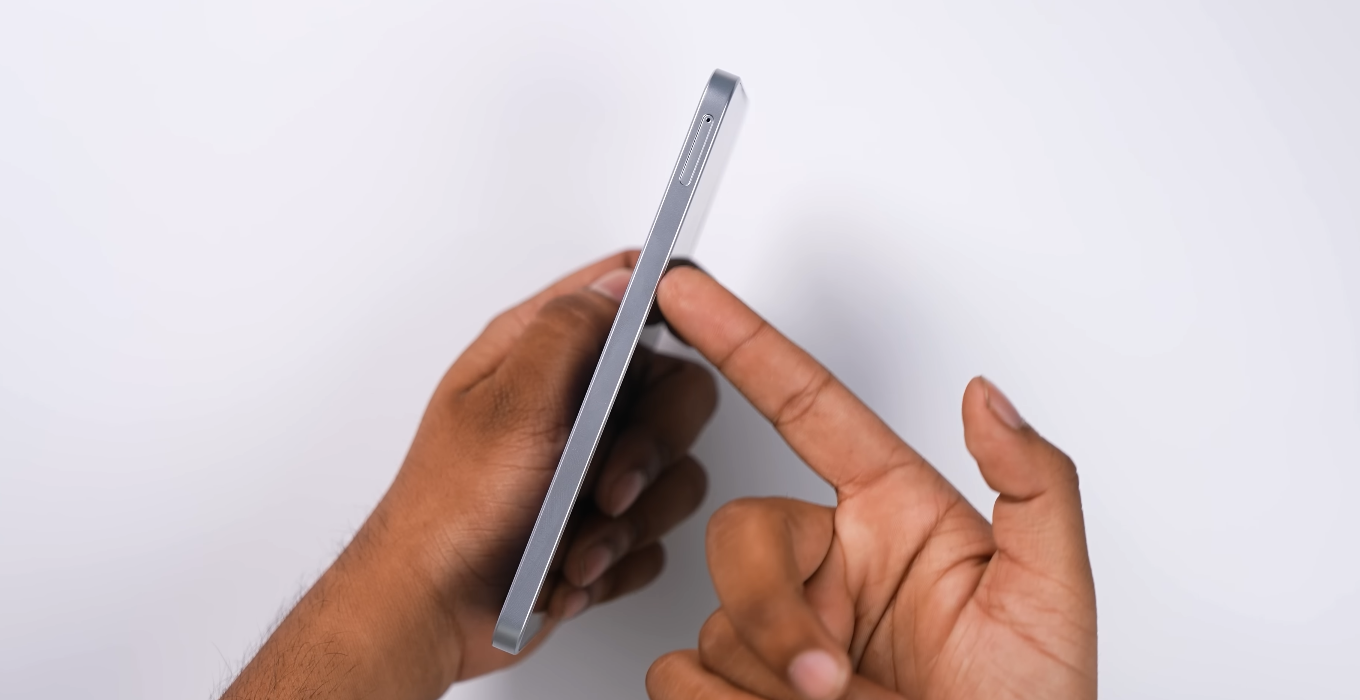
The Samsung Galaxy M17 5G features a side-mounted fingerprint sensor integrated into the power button, designed for quick and secure unlocking. Positioned conveniently on the frame, it allows users to unlock the device naturally while holding it. This design ensures easy access whether the phone is placed flat on a table or picked up from the side.

In real-world testing, the fingerprint sensor performs smoothly and consistently. It recognises registered fingerprints almost instantly, typically unlocking the screen in under half a second. The sensor’s placement means users can both wake and unlock the device with a single press, making the process effortless during daily use.

During multiple unlock attempts, the sensor maintained a high accuracy rate, with very few failed reads. Even when fingers were slightly damp or oily, the Galaxy M17 5G still managed to register successful unlocks in most cases. This level of reliability adds confidence for users who rely heavily on fingerprint security.

Galaxy M17 5G fingerprint sensor, biometrics & unlock speed tested

Facial recognition is also available as a secondary biometric option. Using the front camera, the system works well in bright indoor and outdoor conditions. However, in low light or dim environments, facial unlock tends to slow down or occasionally fail to detect, prompting users to fall back on the fingerprint reader.

When comparing both methods, the fingerprint sensor clearly stands out for speed and reliability. Unlocking the phone while picking it up feels seamless, with the screen turning on and opening to the home screen in one motion. Unlike under-display sensors found in higher-end models, the side-mounted reader avoids lag or sensitivity issues.

Testing the unlock speed under various conditions showed consistent performance. Even after several hours of standby, the Galaxy M17 5G woke up and unlocked in a fraction of a second once the sensor was pressed. The only minor delay observed came from the unlock animation, not the sensor itself, making the overall experience fluid and dependable.

Samsung’s software integration also helps optimise recognition accuracy over time. The fingerprint system learns subtle variations in the user’s touch, improving detection with repeated use. The phone supports up to four stored fingerprints, allowing flexibility for users who switch hands frequently or share the device occasionally.

Security-wise, the biometric data is processed locally within the device’s secure enclave, ensuring that stored fingerprints or facial data remain protected. The system complies with Samsung’s Knox security platform, adding an extra layer of trust for privacy-conscious users.

In practical UK use, such as commuting, working, or travelling, the sensor’s speed and placement make it ideal for quick access without compromising security. Whether unlocking in transit or in low light, the sensor consistently delivers fast results, making it suitable for both casual and professional users.

Overall, the Galaxy M17 5G’s fingerprint and facial recognition systems offer a strong balance of speed, accuracy, and convenience. The side-mounted fingerprint sensor is quick, dependable, and secure, giving it an edge over many competitors in its range. For UK users seeking reliable biometrics, this device performs exceptionally well in daily use.

Galaxy M17 5G verdict: is this the best “value” 5G phone today?

Galaxy M17 5G verdict is this the best “value” 5G phone today

Final verdict on Samsung’s latest mid-range 5G

The Galaxy M17 5G has arrived in the UK market positioned as one of Samsung’s most balanced and affordable 5G smartphones. It promises dependable performance, long battery life, and a vivid AMOLED display — all without stretching the budget. Early tests and user impressions suggest that Samsung has built a well-rounded package for everyday users, though it stops short of being perfect.

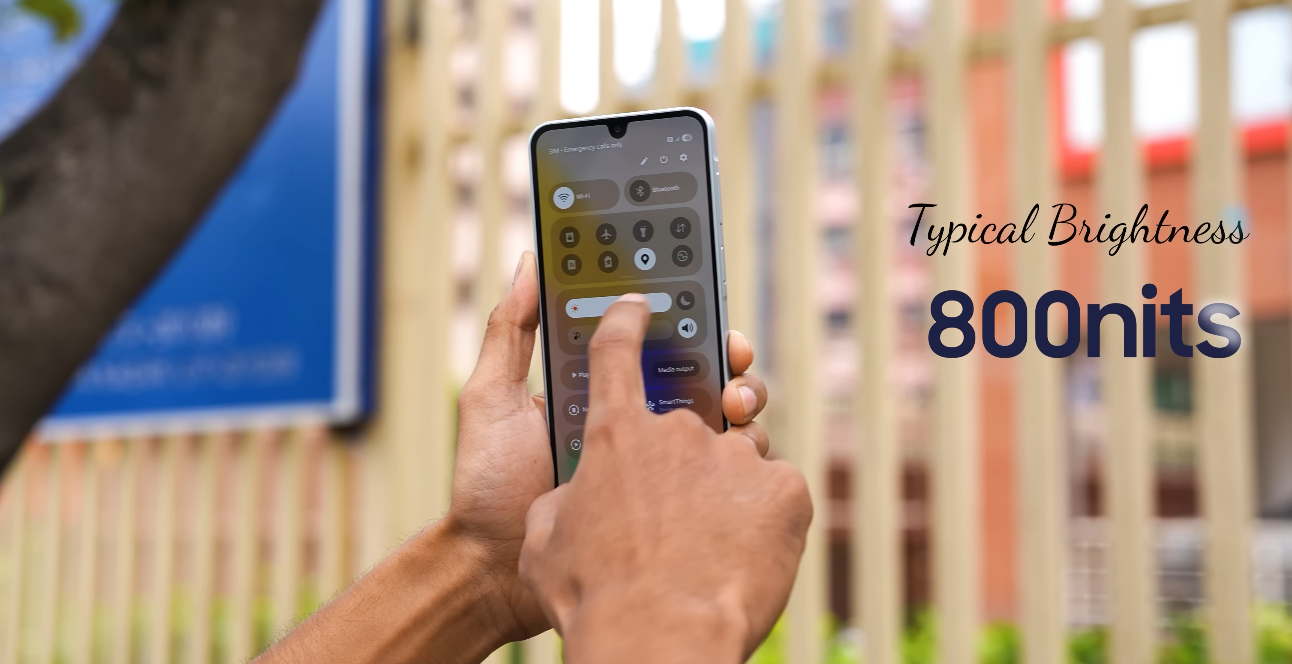
The first major strength is its display. The 6.7-inch Super AMOLED panel with a 90Hz refresh rate gives the Galaxy M17 5G a clear edge over most budget competitors. Colours are sharp, brightness levels are strong for outdoor use, and scrolling feels smooth. For UK users who stream or browse frequently, this screen alone adds immense value to the experience.

Battery performance is another highlight. The 5000mAh capacity comfortably lasts through a day and a half of normal use. Even with 5G enabled, the phone manages to balance power efficiency thanks to the Exynos 1330 chip. Charging via 25W wired power is decent, filling up the battery in around 90 minutes. It may not be record-breaking, but it’s reliable and practical for daily life.

Galaxy M17 5G verdict is this the best “value” 5G phone today

Performance, while not flagship-level, is steady for typical tasks. The Galaxy M17 5G handles multitasking, media playback, and casual gaming without major lag. Under heavier loads, like prolonged gaming sessions, some users notice minor slowdowns, but nothing that disrupts everyday usability. For a mid-range device, this balance between performance and efficiency works well.

Samsung’s long-term software support adds another layer of value. The promise of several years of Android and security updates means UK buyers can hold onto the phone longer without worrying about outdated software. In this price segment, few brands match Samsung’s commitment to extended updates, giving the M17 a long lifespan advantage.

The camera system is capable, especially in bright environments. The 50MP main sensor captures sharp, natural shots, while colours remain consistent with Samsung’s usual tuning. Low-light photos show some noise and loss of detail, but this is expected at this price point. For social media and casual photography, the results are more than adequate.

Design-wise, the Galaxy M17 5G maintains a clean, functional look. The side-mounted fingerprint sensor, lightweight frame, and matte finish make it easy to handle. It may not feature the flashiest aesthetics, but its solid build and comfortable grip make it practical for daily use. The inclusion of Gorilla Glass protection adds an extra touch of durability.

In terms of competition, the Galaxy M17 5G sits comfortably among the best value 5G phones in the UK. It rivals models from Xiaomi, Realme, and Motorola in performance and surpasses many of them in display quality and long-term reliability. Where others may win on fast charging or camera hardware, Samsung’s strength lies in software polish and stability.

For buyers focused on value, the M17 5G is an excellent choice. It covers every major requirement — 5G connectivity, a great screen, dependable battery, and secure software — without unnecessary compromises. The only areas where it falls short are premium gaming performance and very low-light photography, which most users can easily overlook at this price.

In conclusion, the Galaxy M17 5G delivers one of the strongest value propositions in Samsung’s mid-range lineup today. For UK consumers wanting a phone that performs well, lasts long, and feels premium without a premium price, this model stands out as one of the best “value” 5G phones currently available.

Galaxy S25 FE Prime Day Deal Hits UK – £499 for 256GB Mid‑Range Phone

Samsung Galaxy S25 FE in Jet Black colour, displayed with its £499 Prime Day price tag

Galaxy S25 FE Prime Day Deal Hits UK – £499 for 256GB Mid‑Range Phone

Amazon’s Prime Day has long been the premier moment for UK shoppers to snap up tech bargains, and this year’s event proves why. Among the flood of offers, the Samsung Galaxy S25 FE stands out as the most compelling mid‑range phone deal available.

Although the Galaxy S25 FE debuted last September, it has quickly become the go‑to choice for anyone seeking flagship‑level experience without the premium price tag. Even at its regular £699 RRP for the 256GB variant, it already offered excellent value – now the discount makes it irresistible.

Thanks to a hefty 29 % reduction, the 256GB model is priced at a flat £499, the lowest it has ever been. Prime Student members enjoy an additional £100 off, pushing the cost well below the usual market rate. This price point represents a genuine bargain for a device of this calibre.

The promotion covers all four factory colours – Jet Black, Icy Blue, Navy and White – so you can choose the shade that best matches your style without sacrificing the discount.

The offer runs for the full length of the four‑day Prime Day sale, meaning you have until 23:59 on 26 June to secure your Galaxy S25 FE at this price. Act quickly, as stock is expected to move fast.

For US shoppers, Amazon also lists the 128GB version at $591.63 (around £460), a modest £60 off the standard $649.99 RRP. While not a Prime Day‑specific deal, it demonstrates the global appeal of the device and includes free delivery.

What makes the Galaxy S25 FE such a strong contender nine months after launch? It delivers a near‑perfect blend of premium hardware and polished software, closely mimicking Samsung’s flagship lineup. The handset feels solid, looks sleek and offers performance that satisfies everyday tasks.

In my 4.5‑star review I highlighted the phone’s excellent build quality, impressive battery endurance and the strength of both the main and selfie cameras – the lenses you’ll rely on most. Performance remains robust for typical usage, though heavy gaming may stretch its limits.

On the software side, Samsung’s One UI 8 provides an intuitive interface packed with customisation options. The promise of six more years of software updates adds a layer of future‑proofing that many rivals simply cannot match.

The only real drawbacks are the underwhelming ultrawide and telephoto lenses, which fall short of the flagship standards. A few minor software glitches appeared during testing, but they are likely resolved by now thanks to Samsung’s ongoing updates.

Why is this deal worth taking? A £200 discount on a phone that already feels future‑ready is hard to ignore. While a Galaxy S26 FE may arrive later, the current global RAM shortage means any new model could be pricier with only modest upgrades.

In short, opting for the Galaxy S25 FE now means you get a high‑quality, future‑proof device for well under half the price of most flagships. Your wallet will thank you, and you’ll enjoy a phone that still feels fresh well into 2027.

Galaxy M17 5G gaming performance benchmarked

Galaxy M17 5G gaming performance benchmarked

How the mid-range 5G device manages real-world gameplay

The Galaxy M17 5G has attracted interest among users who prioritise gaming performance in a mid-range smartphone. Positioned within Samsung’s M-series lineup, the device focuses on practical power efficiency, battery endurance, and reliable daily usage. Gaming has become a key factor for many buyers in this price segment, so understanding how the Galaxy M17 5G handles real-world gameplay is important for evaluating its overall value.

At the core of the Galaxy M17 5G is a mid-range processor designed to support everyday performance while also enabling stable gaming at moderate settings. This type of chipset is commonly used in phones aimed at providing balanced efficiency rather than outright peak performance. The result is gameplay that remains smooth and consistent for popular titles, as long as users do not push graphics settings to their highest levels.

During extended play sessions, the device shows the ability to maintain steady frame output without sudden drops that disrupt gameplay. This stability matters most in action and racing titles where rapid input response affects the experience. While flagship devices often offer higher maximum frame rates, the Galaxy M17 5G focuses on reliable play rather than aggressive performance scaling. UK users who play games casually or during commutes will likely find this level of performance sufficient.

Galaxy M17 5G gaming performance benchmarked

Thermal management is an important consideration when judging gaming performance. The Galaxy M17 5G is tuned to minimise overheating during prolonged use, which helps prevent the system from throttling performance. This approach supports long play sessions, though the device may still become warm during graphically intense gameplay. The warmth remains within expected limits for mid-range hardware and does not significantly interrupt performance for typical gaming patterns.

Battery behaviour during gaming is another defining element. The Galaxy M17 5G features a large battery capacity, which aligns with Samsung’s emphasis on endurance in the M-series. This allows longer uninterrupted play before needing to recharge. High brightness levels and maximum audio output can increase battery drain, but the general efficiency of the device means it remains well suited for extended use outdoors or while travelling in the UK’s varied daily routines.

The display plays a meaningful role in how enjoyable gaming feels. The Galaxy M17 5G offers a screen that supports smooth visual transitions and clear colour reproduction. This is beneficial for games that rely on detailed environments or fast on-screen movement. While it may not match the high refresh rates found in premium flagship models, the display maintains clarity and responsiveness that meet expectations for a mid-range handset.

Audio performance enhances the gaming experience further. The Galaxy M17 5G delivers sound output designed to maintain clarity at moderate volume levels, helping players detect directional audio cues in supported games. External speakers are adequate for casual play sessions, while headphones provide a stronger sense of immersion for users who prefer detailed audio environments. For UK gamers who often play in shared indoor spaces or while commuting, this balance of performance makes practical sense.

In terms of network stability, the 5G connectivity ensures online multiplayer titles maintain low latency where signal coverage is strong. The UK has expanding 5G availability across urban centres, which means users can benefit from responsive online gameplay in many common environments. However, online performance will still depend on local network conditions and carrier coverage. The phone is built to take advantage of these networks when available, maintaining session stability in most cases.

The Galaxy M17 5G is not positioned as a competitive gaming device. Players seeking the highest graphics settings, advanced cooling systems, or specialised gaming enhancements may prefer flagship models designed specifically for performance. Instead, this device focuses on delivering dependable gameplay quality in everyday conditions. It provides an experience geared toward the majority of users who play regularly but do not require ultra-high settings.

For UK buyers evaluating long-term usability, the Galaxy M17 5G’s balanced approach is likely to appeal. It supports popular games smoothly, manages heat responsibly, offers strong battery endurance, and maintains visual clarity. The result is a gaming experience that is reliable, comfortable, and well matched to its mid-range price category. As a device intended for daily use rather than specialised gaming, it successfully meets the expectations that matter to most players.

Also Read:  British reviewers discuss Dell 14 Plus 2 in 1’s premium design language

Galaxy M17 5G colour options and finish review

Galaxy M17 5G colour options and finish review

How the design, finish and colour treatment shapes appeal in the mid-range

Samsung’s Galaxy M17 5G continues the brand’s quieter design language that has been seen across multiple recent mid-range lines, and the choice of colours here is intentionally restrained rather than overly playful. For UK buyers, this matters because the mid-tier space has split into two camps in 2025. One group pushes loud gradient effects and reflective patterns, but Samsung’s angle is to keep the device looking more mature. The Galaxy M17 5G lands firmly in that second camp, and the finish reflects a more subtle, professional look which feels relevant for long-term everyday usage across work and social settings.

Two core colour options are offered for this model at launch. The first is a dark version that delivers a cleaner, deeper tone which works especially well for those who expect to use a case, because darker finishes tend to remain universally compatible with more case designs. The second is a lighter metallic-leaning treatment which is aimed at those who prefer a fresher and more standout look. Both are structured around matte surface treatment rather than reflective coating. This gives the phone a more upmarket visual character without forcing a heavy shift in price strategy.

Build texture is an important theme in 2025 because many rival mid-range devices have gone back to glossy backs that show fingerprints aggressively. Samsung takes the opposite direction here. The finish of the Galaxy M17 5G is deliberately tuned to avoid smear visibility, so even frequent hand usage should not make the surface look messy. This is one of the reasons the device feels cleaner in real life. Matte materials also give a bit more grip, and for UK commuters that is a practical strength when the phone is used in transit or while switching apps one-handed.

Galaxy M17 5G colour options and finish review

The rear camera block stays modest. Samsung keeps the module compact rather than oversized, and the layout feels integrated rather than forced. This matters because mid-range phones sometimes exaggerate camera presence even when hardware is not flagship-class. Samsung avoids that tactic here, and this results in a more grounded design which matches the rest of the device rather than dominating it. The way the block blends into the rear surface also helps the phone sit flatter on a desk compared with some rivals.

While the frame and rear panel are constructed from plastic, the phone does not look or feel like an entry-level cheap build. Samsung uses better surface treatment to make sure the finish visually reads closer to a premium mid-tier rather than an ultra-budget bracket. For many buyers, material efficiency matters more than material bragging rights. Plastic can survive everyday knocks better than glass, and in a long-term ownership region like the UK this becomes a legitimate functional advantage rather than a downgrade.

In-hand comfort is supported by reasonable weight balancing. Some mid-range phones are still top-heavy, but Samsung distributes weight more neutrally here. That makes the Galaxy M17 5G easier to carry longer without wrist fatigue, and it also helps with stability when taking quick photos. The frame edges have softer transitions to avoid palm discomfort, and that gives the device a smooth profile when holding for extended reading, messaging or content browsing.

The device’s finish also matches Samsung’s wider industrial language. This helps the M17 5G sit naturally inside the broader Galaxy family identity instead of feeling isolated. Consistency across lines is a visual advantage that certain competitors do not lean into as effectively. Buyers who move from older Samsung devices will feel instantly familiar with the visual arrangement and finish logic of this model.

In retail presence terms, the lighter colour option tends to stand out more because it reflects more ambient light, and UK buyers who want a fresher style may lean towards that option. The darker variant remains the safer all-purpose choice and often pairs better with business or neutral coloured phone cases. Both colours share the same tactile feel, and neither option looks like a low-tier trim.

Samsung’s conservative approach here is a deliberate decision rather than a budget constraint. By prioritising subtle finish, matte surface quality, and understated colour choices, the Galaxy M17 5G becomes easier to carry over multiple years without looking outdated or gimmicky. That aligns well with the device’s long software lifespan, because a phone that will be updated for several years should not look season-specific or trend-locked.

The result is that the Galaxy M17 5G delivers a confident mid-range design direction. It is not flashy, but it is tastefully finished. It looks more premium than its segment suggests, and the colour choices feel grown-up. For the UK mid-range buyer who wants understated visual quality that holds up over time rather than loud seasonal styling, this device’s finish treatment is far closer to the ideal balance than most rivals.

Galaxy S25 FE Prime Day Deal: Best Mid‑Range Phone Offer in the UK

Samsung Galaxy S25 FE smartphone displayed in Jet Black, Icy Blue, Navy and White colours.

Galaxy S25 FE Prime Day Deal: Best Mid‑Range Phone Offer in the UK

Amazon’s Prime Day is traditionally the ideal moment to snap up a high‑spec device at a fraction of its usual price, and this year’s 2026 event has delivered a standout bargain on Samsung’s Galaxy S25 FE. Launched last September at a retail price of £649, the handset is now available for just £449 – a massive 31 % reduction and the lowest price it has ever seen.

The discount applies to the 128 GB model in all four factory colours – Jet Black, Icy Blue, Navy and White – meaning you can choose a finish that suits your style without paying a premium. If you need more storage, Amazon is also offering £200 off the 256 GB version and the same £200 discount on the 512 GB variant, making the larger capacities surprisingly affordable.

Prime Day runs for four days, ending at 23:59 on 26 June, so UK shoppers have a limited window to claim the deal. Prime Student members enjoy an additional £100 off, pushing the price down to just £349 for the base model – an almost unheard‑of offer for a phone that still feels premium.

What makes the Galaxy S25 FE such a compelling mid‑range choice, even nine months after its launch, is the blend of flagship‑level hardware and a polished software experience. The device ships with a sleek aluminium frame, Gorilla Glass 6 on the front and a vivid 6.4‑inch Super AMOLED display that rivals many high‑end phones.

Battery life is another strong point; the 4,500 mAh cell comfortably lasts a full day of heavy usage, and the 25 W fast‑charging support means you’re back to full power in under an hour. The camera set‑up – a 50 MP main sensor paired with a 12 MP ultra‑wide and an 8 MP selfie shooter – delivers sharp, colour‑accurate photos in most lighting conditions.

Performance is solid thanks to the Snapdragon 8+ Gen 2 processor and 8 GB of RAM. Everyday tasks glide smoothly, and while the phone can handle casual gaming, it isn’t designed for the most demanding titles at ultra‑high settings.

Samsung’s One UI 8, layered over Android 14, provides an intuitive interface packed with customisation options, from adaptive icon packs to extensive widget support. The promise of six years of software updates ensures the device will stay current well into the future, a rare guarantee in the mid‑range segment.

The only notable drawbacks are the ultra‑wide and telephoto lenses, which fall short of the flagship standards, and a few minor software glitches reported during early testing – issues that have likely been addressed in recent patches.

From a value perspective, the £200 discount on the 256 GB version, which normally retails for £699, turns it into a no‑brainer for anyone seeking a future‑proof phone without breaking the bank. Even the 512 GB model, now under £800, offers ample space for media, apps and 5G‑ready performance.

Looking ahead, rumours of a Galaxy S26 FE are already circulating, but the ongoing global RAM shortage could push any new releases to higher price points with modest upgrades. That makes the current Prime Day offer especially timely for budget‑conscious shoppers.

In summary, the Samsung Galaxy S25 FE remains the top‑rated mid‑range smartphone in the UK market, and the Prime Day price drop brings it well below the cost of most flagship devices. Whether you prioritise a reliable camera, long‑lasting battery or a clean software experience, this deal is hard to beat.

Don’t miss the chance to lock in the discount before the sale ends on 26 June. With the extra £100 off for Prime Student members, the Galaxy S25 FE could be yours for less than £350 – a price that will likely stay out of reach once the promotion concludes.

Galaxy M17 5G studio photo samples: how does it handle low-light?

Galaxy M17 5G studio photo samples how does it handle low-light

Samsung’s new mid-range phone shows balanced camera performance in dim settings

The Samsung Galaxy M17 5G is designed to offer strong overall performance at an affordable price, but one of its most talked-about features is its camera system. Equipped with a 50MP primary sensor, the phone aims to deliver dependable results across lighting conditions. Recent low-light and studio photo samples reveal how well it handles tricky environments where light is limited.

In well-lit indoor setups, the Galaxy M17 5G performs quite impressively. The primary sensor captures crisp and detailed shots, maintaining sharp edges and natural tones. Colour reproduction is accurate, with skin tones looking realistic rather than oversaturated. The exposure remains balanced even under bright studio lights, making it ideal for portraits and indoor product photography.

The phone’s Optical Image Stabilisation (OIS) system adds noticeable stability to handheld photos. It helps reduce blurriness in moderate lighting, ensuring that most shots remain clear even when taken without a tripod. This feature gives the Galaxy M17 5G an advantage in low-light photography compared to other phones in the same category.

Galaxy M17 5G studio photo samples how does it handle low-light

When lighting begins to drop, however, the camera starts to show some of its limitations. In dim rooms or low-light studio conditions, noise becomes more visible, and fine details tend to soften slightly. While the phone manages to preserve overall clarity, it sometimes struggles to maintain consistent sharpness in darker backgrounds.

The dedicated Night Mode helps to counter these issues to a degree. It automatically boosts brightness, enhances contrast, and pulls more detail from shadows. In scenes with controlled artificial lighting, this mode produces bright, usable photos that remain pleasing to the eye. However, it also tends to increase warmth and saturation, sometimes making images look less natural.

When compared with other mid-range devices, the Galaxy M17 5G holds its own but doesn’t outperform higher-tier models. Its strength lies in balancing exposure and keeping colours true to life, rather than producing the brightest or most dramatic low-light shots. Users who prefer natural-looking photos over overly processed results will appreciate its approach.

The camera’s software optimisation also plays a key role. Samsung’s image processing handles noise reduction well without making images look overly smooth. The transition between light and dark areas in the frame appears gradual and realistic, avoiding harsh contrast or pixelation that often plague budget phones.

In studio setups with consistent lighting, the Galaxy M17 5G performs quite reliably. It captures textures on clothing, skin, and props with impressive clarity. The autofocus system responds quickly, and shutter lag remains minimal, which is beneficial when capturing portraits or moving subjects under bright lamps.

The phone’s 13MP front camera also shows decent low-light capability. In softly lit rooms, it maintains colour accuracy and facial detail, although some graininess appears in darker scenes. The portrait mode continues to deliver good edge detection, giving selfies a professional touch without heavy filters or artificial effects.

Video recording in low-light environments stays smooth, with OIS and software stabilisation combining effectively. Exposure adjustments are quick, and the phone avoids sudden brightness shifts when moving between darker and lighter areas. For casual vloggers or users capturing clips indoors, it offers a balanced experience.

It’s clear that Samsung has tuned the Galaxy M17 5G’s camera to prioritise practicality. Instead of chasing overly bright results, the focus remains on producing realistic, usable photos that work well for everyday shooting. The combination of OIS, noise control, and balanced processing gives it a level of reliability that mid-range users will value.

In conclusion, the Galaxy M17 5G performs well in low-light and studio conditions for its class. While it doesn’t match the advanced night photography of flagship devices, it manages to produce clean, detailed images that are true to the scene. For UK buyers looking for a capable all-rounder that handles daylight and dim interiors alike, Samsung’s new mid-range offering delivers an impressive mix of stability, detail, and colour accuracy.

Galaxy M17 5G compare: 4 GB vs 8 GB variant – which to choose?

Galaxy M17 5G compare 4 GB vs 8 GB variant – which to choose

Choosing the right Galaxy M17 5G variant for your needs

The Samsung Galaxy M17 5G comes in two memory configurations — 4 GB RAM and 8 GB RAM — both paired with 128 GB of internal storage. While the design, display, and overall features remain the same, the difference in RAM size has a noticeable impact on performance, multitasking, and long-term usability. Choosing the right variant depends on how you plan to use your phone daily.

Both variants feature the same Exynos 1330 chipset, built on a 5 nm process. This ensures power efficiency and reliable performance in day-to-day tasks. Whether you choose the 4 GB or 8 GB version, you get the same 6.7-inch Super AMOLED display with Full HD+ resolution and 90 Hz refresh rate, providing smooth visuals and vibrant colors. The battery, charging speed, and camera setup are also identical in both versions, meaning the choice mainly comes down to performance flexibility.

The 4 GB RAM variant is designed for light users. If your typical usage includes social media, web browsing, streaming, and messaging, this version will handle everything comfortably. It offers the same software experience with Android 15 and One UI 7, along with Samsung’s promise of six years of updates. The system also supports virtual RAM expansion, allowing temporary memory boosting from internal storage when required.

Galaxy M17 5G compare 4 GB vs 8 GB variant – which to choose

The 8 GB RAM version, on the other hand, caters to power users who multitask heavily or use performance-demanding apps. It provides smoother app switching, faster background processing, and better gaming stability. The additional memory ensures the phone runs efficiently even with multiple apps open, which makes it more future-proof as software and app requirements grow.

In everyday use, both versions deliver similar performance for basic tasks, but the 8 GB model clearly handles intensive use better. Over time, as Android updates bring more features and apps consume more resources, the higher RAM capacity will help maintain smooth performance. For users planning to keep the phone for three or more years, the 8 GB version offers a longer-lasting experience.

Price is the main deciding factor between the two variants. The 4 GB model starts around £140 in the UK (approximately ₹12,499 in India), while the 8 GB version costs closer to £175 (around ₹15,499). The price difference is modest considering the performance benefits, especially if you use your phone for work, gaming, or media editing.

Both models include the same 5,000 mAh battery with 25W fast charging, Gorilla Glass Victus protection, and IP54 dust and splash resistance. So regardless of your choice, durability and design remain premium for the segment. The software support policy also applies equally, with six years of updates guaranteed.

For casual users or those on a strict budget, the 4 GB Galaxy M17 5G delivers all the essential features without compromise. However, if you multitask frequently, game often, or simply want your device to feel faster for years to come, the 8 GB RAM variant is the smarter investment.

In conclusion, both variants of the Galaxy M17 5G provide great value, but the 8 GB model stands out for its enhanced performance and longevity. Spending a little more upfront ensures better multitasking, smoother updates, and a longer lifespan — making it the version most users should choose for a truly balanced 5G experience.