Honor X9d vs Redmi Note 14 Pro real-world test

Honor X9d vs Redmi Note 14 Pro real-world test

Mid-Range Showdown: Honor X9d vs Redmi Note 14 Pro Performance Review

The mid-range smartphone market has become more competitive than ever, and two models that have recently drawn attention are the Honor X9d and the Redmi Note 14 Pro. Both aim to deliver flagship-like performance at an affordable price point, but after real-world testing, their differences become clear in performance, camera quality, display experience, and battery efficiency. Here’s how these two smartphones truly stack up outside of benchmark charts and lab tests.

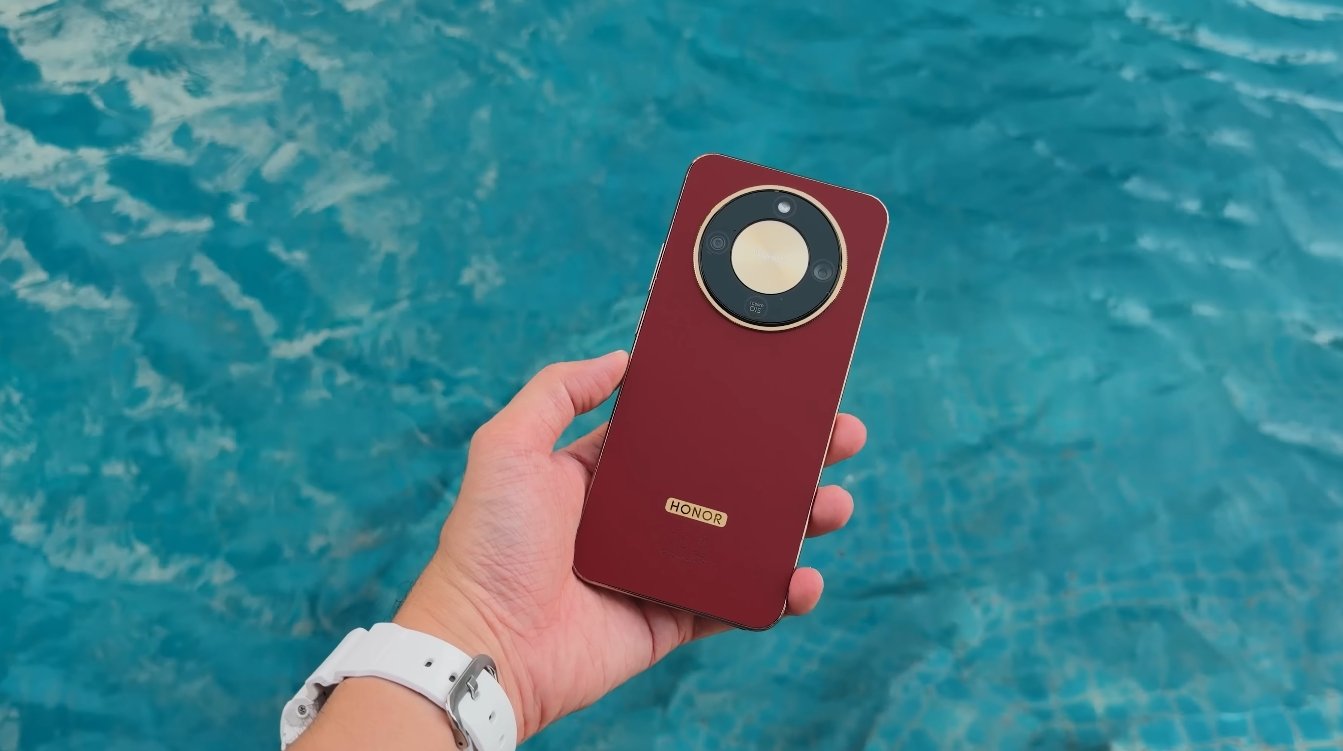
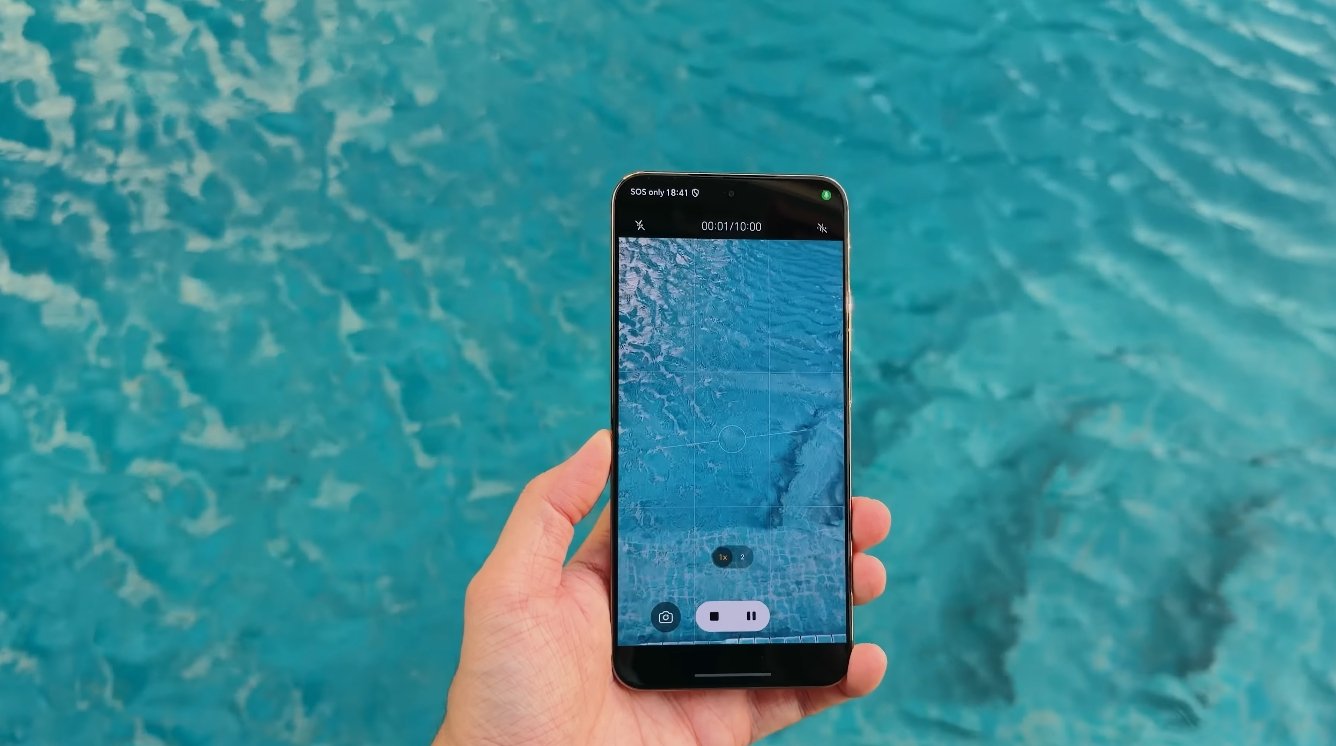
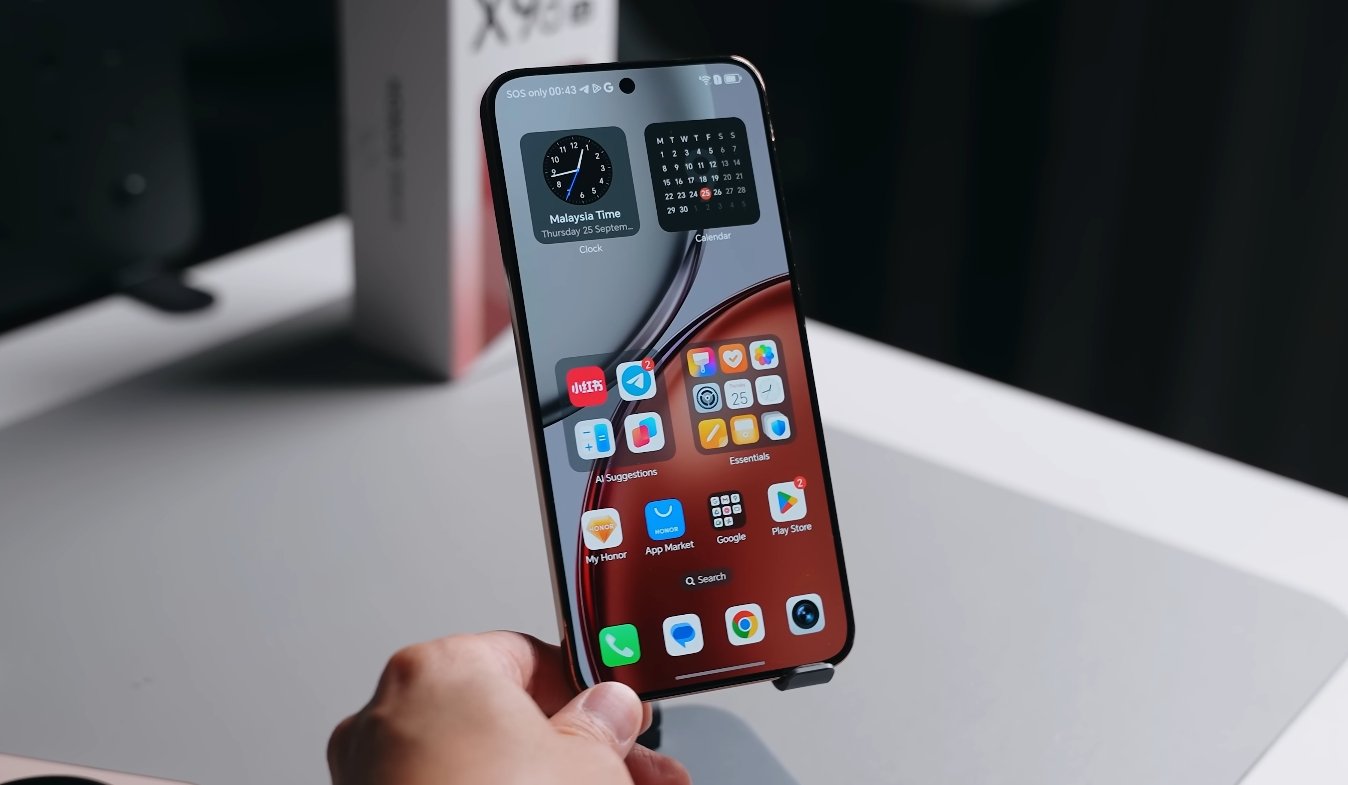
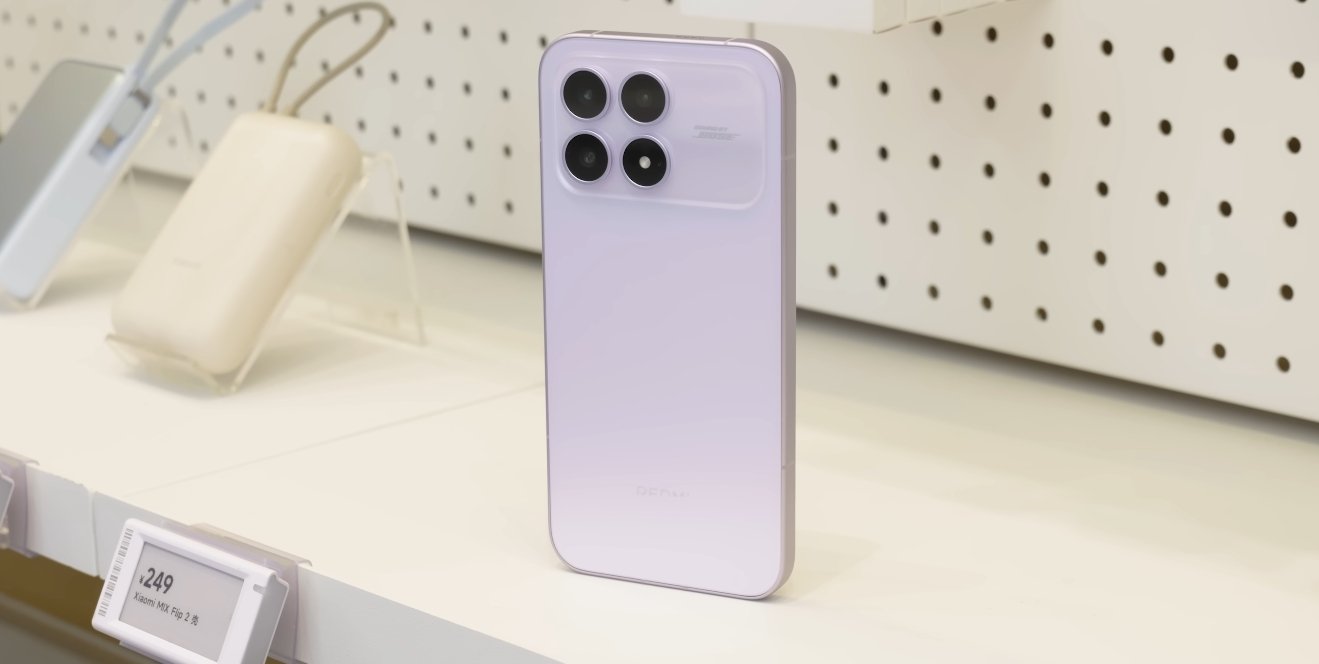
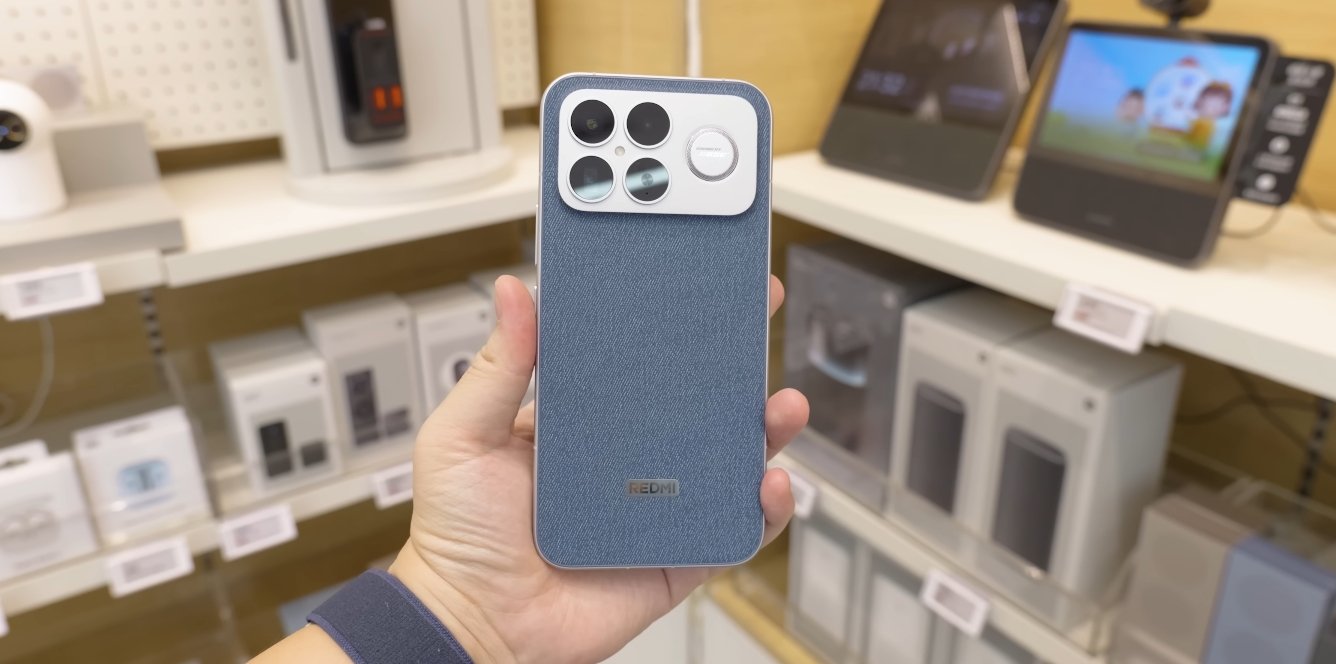
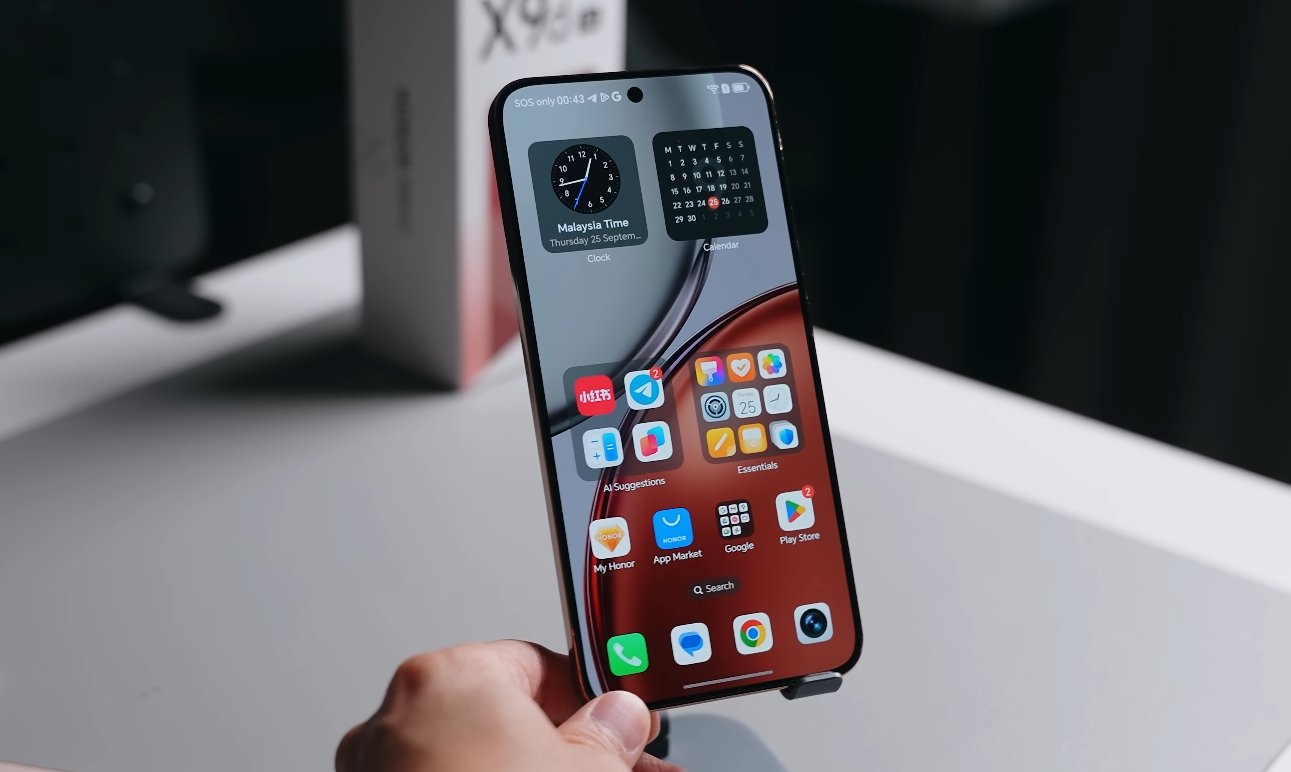
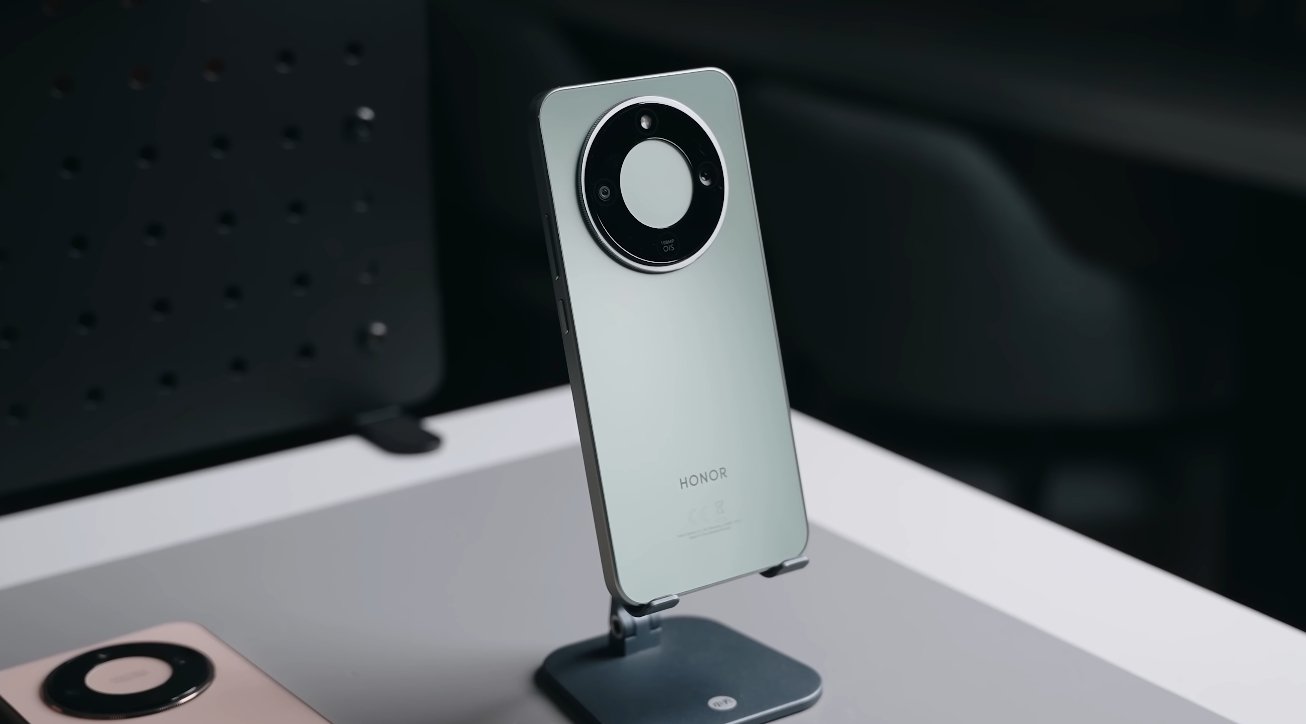
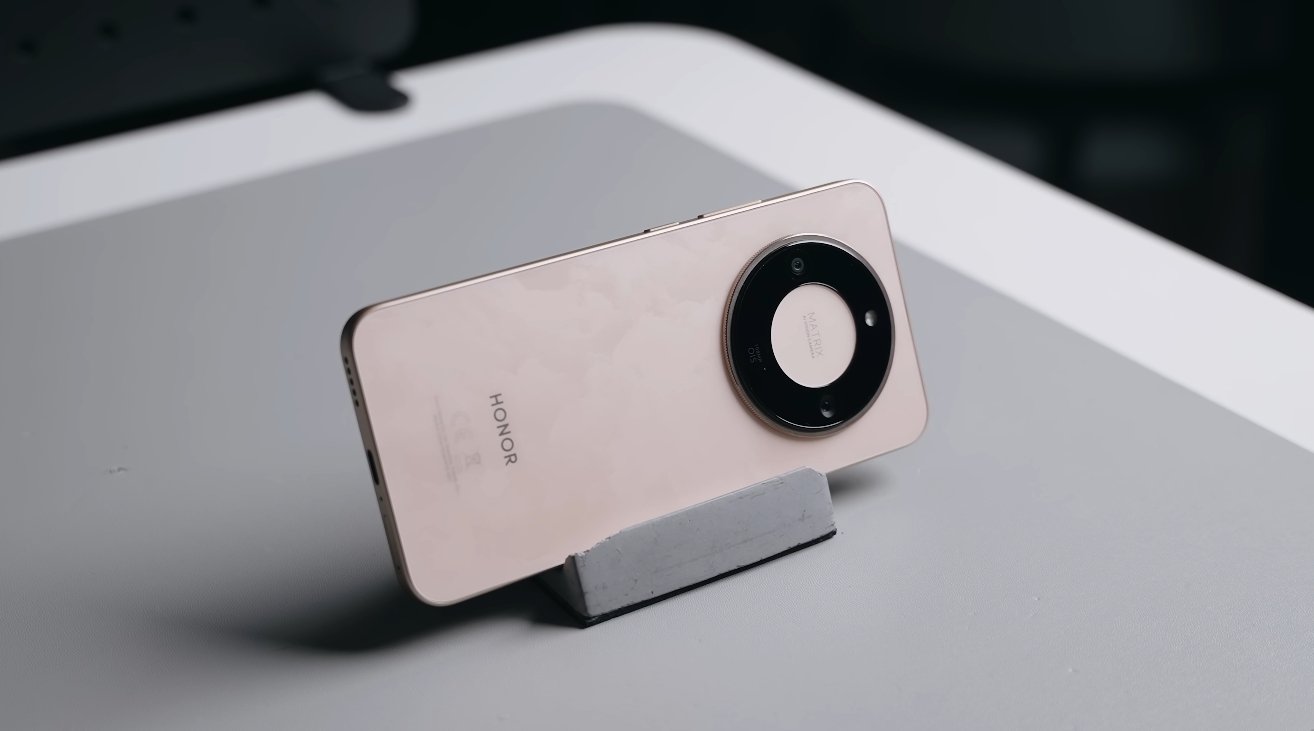
The first impression of the Honor X9d immediately highlights its solid and rugged design. The phone features a curved AMOLED display with a high refresh rate that feels fluid and premium. On the other hand, the Redmi Note 14 Pro offers a more minimalist and slim design with a glass back and a metal frame that appeals to those who prefer elegance over durability. While both are comfortable to hold, the Honor X9d feels more substantial and resilient, clearly built to withstand tougher handling. The Note 14 Pro, however, stands out with its slightly lighter frame, making it easier for everyday single-hand use.

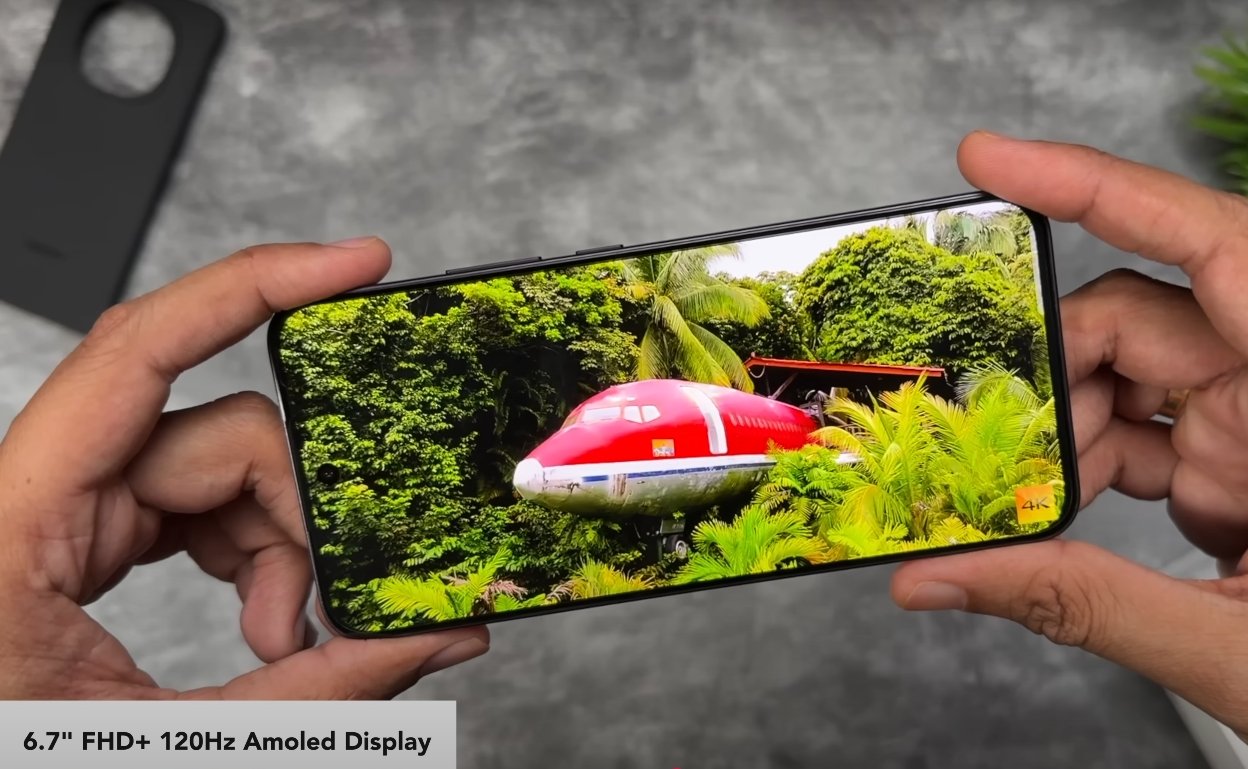
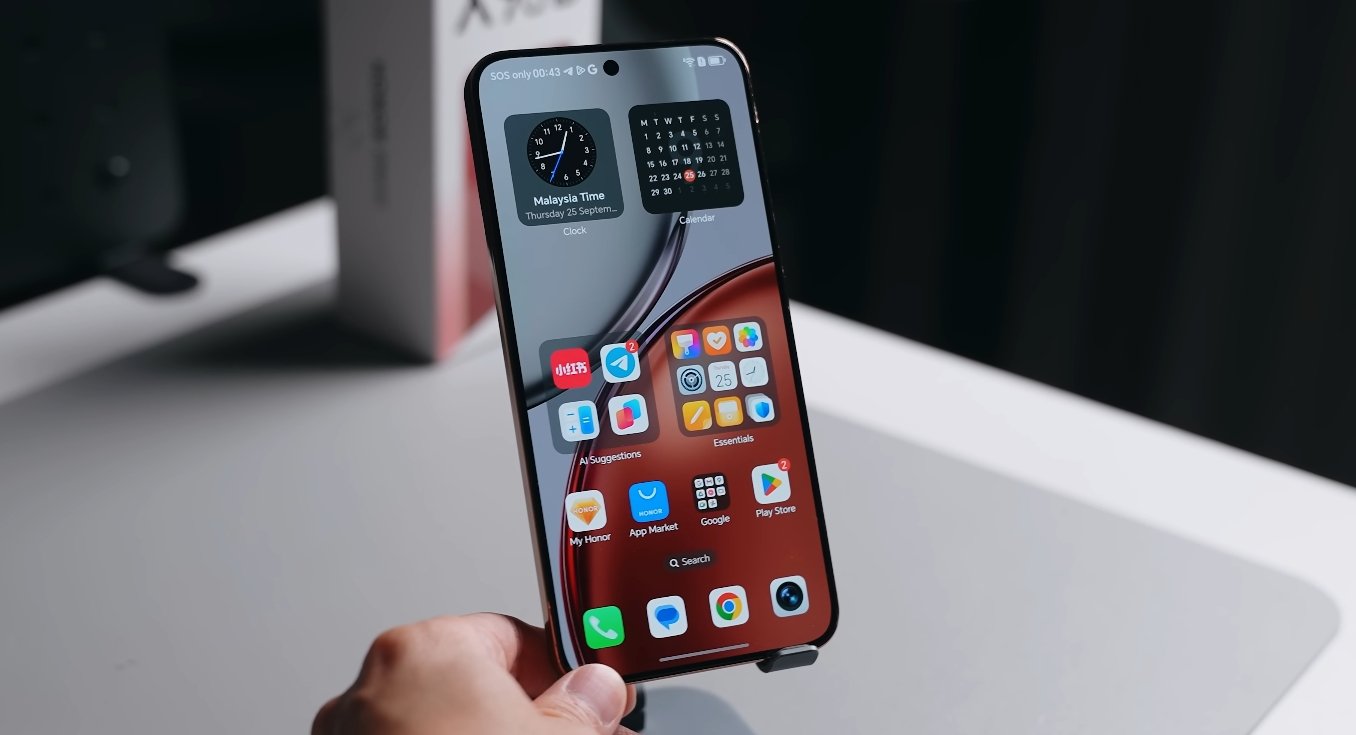
When it comes to display quality, both phones impress in their own way. The Honor X9d’s AMOLED panel delivers exceptional brightness and sharpness, making outdoor visibility excellent even under harsh sunlight. Its high refresh rate adds a buttery-smooth feel when scrolling through apps or playing games. Meanwhile, the Redmi Note 14 Pro offers a crisp display with Dolby Vision support, producing rich contrast and vibrant colors for media streaming. In real-world use, users watching Netflix or YouTube videos found the Note 14 Pro slightly more cinematic, while the Honor X9d felt brighter and more outdoor-friendly.
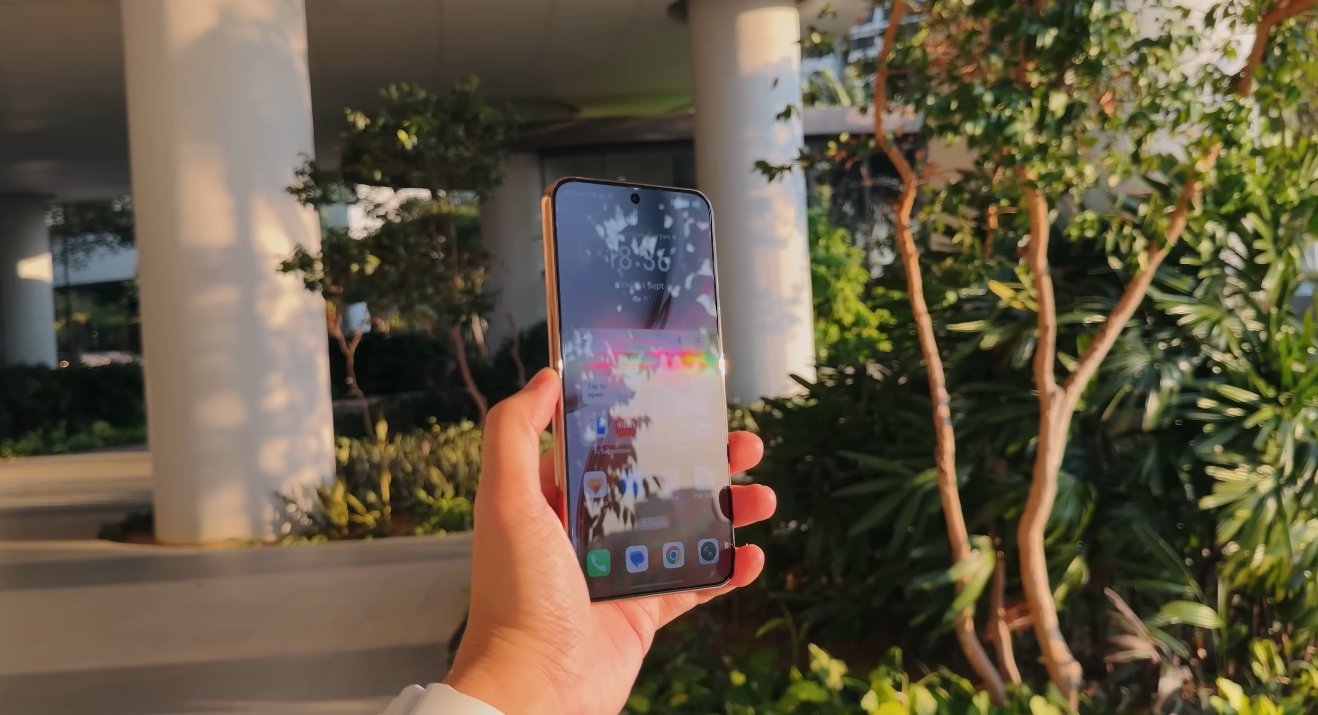
Honor X9d vs Redmi Note 14 Pro real-world test

Performance testing under daily conditions revealed some interesting differences. The Honor X9d, powered by a Snapdragon processor, handled multitasking effortlessly. Switching between social media apps, editing photos, and running games like PUBG Mobile showed minimal lag. The Redmi Note 14 Pro, equipped with a MediaTek Dimensity chip, delivered solid gaming performance and smooth app transitions as well. However, during extended gaming sessions, the Note 14 Pro tended to warm up a bit faster than the X9d. In daily multitasking, both devices performed reliably, but the Honor X9d managed to stay cooler and more consistent during longer sessions, making it a better performer under sustained load.

Battery life is where the Honor X9d truly excels. Its massive battery easily lasts through a full day of heavy use, including gaming, video playback, and navigation. During testing, the phone managed to hold charge even after long hours of screen-on time, which is a rare feat in this segment. The Redmi Note 14 Pro also performed well, comfortably lasting a full day with moderate use, but under heavy usage it needed a quick recharge by late evening. The fast-charging speeds of both phones ensure users can get back to full power quickly, though the X9d’s larger battery gives it a noticeable endurance advantage.

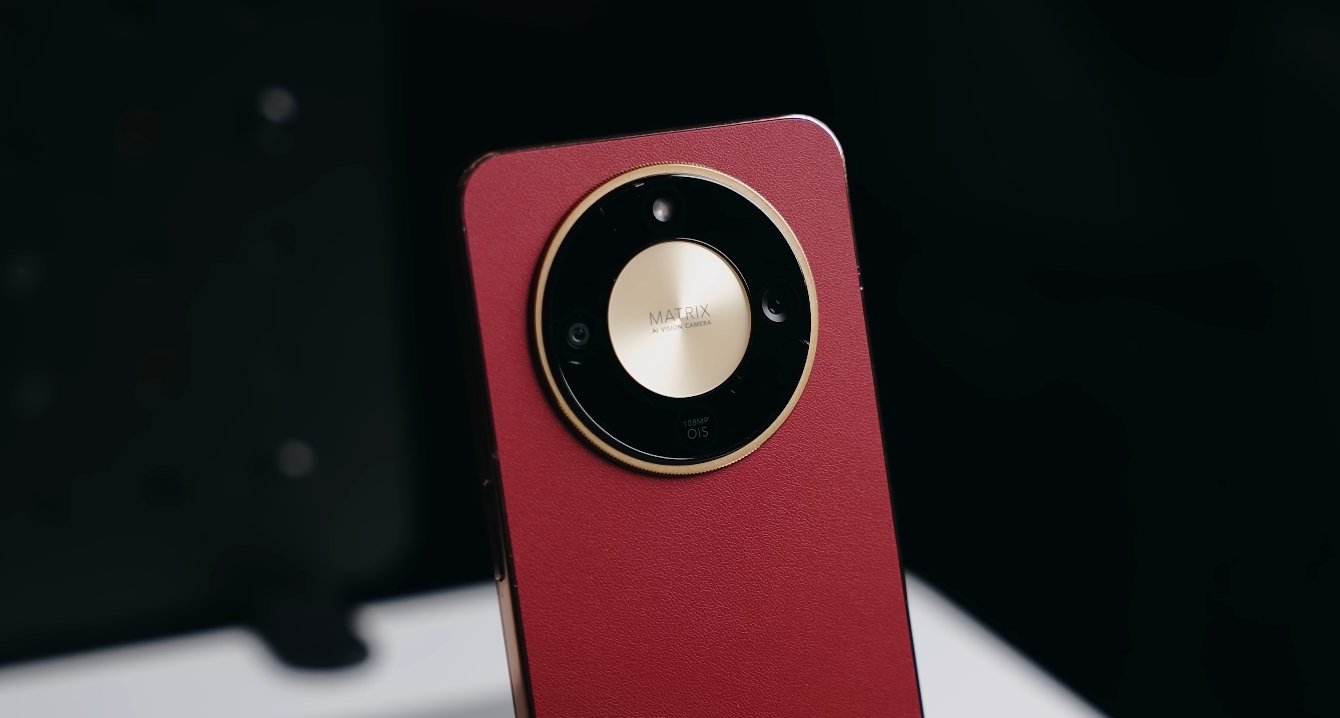
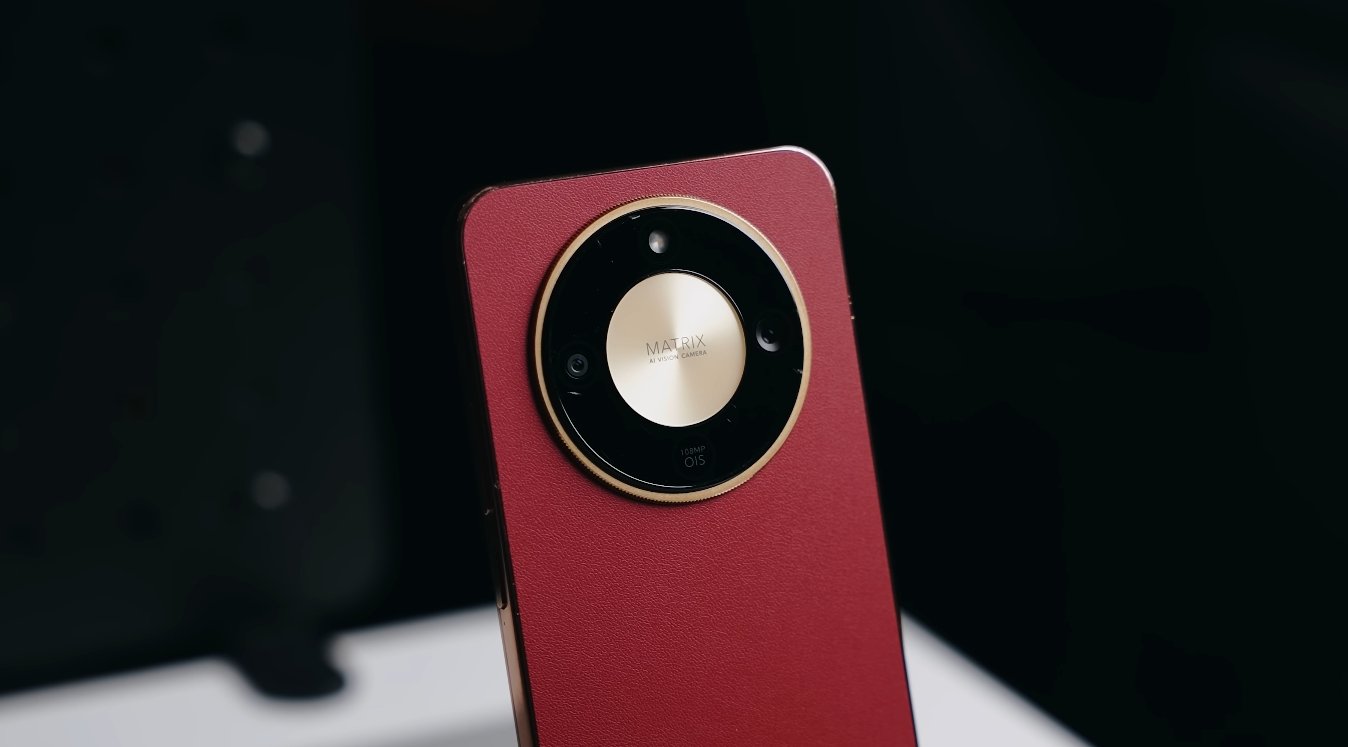
Camera performance is another crucial area where both phones aim to deliver flagship-level results. The Honor X9d features a 108MP main sensor, which captures impressive detail in daylight. Its color accuracy and dynamic range are strong, especially for outdoor photography. Low-light shots are decent but show some softness around edges. The Redmi Note 14 Pro, with its 50MP sensor, produces balanced and natural-looking images. While it doesn’t match the X9d in raw detail, it performs better in handling shadows and highlights. For video recording, both perform well in 1080p, but stabilization is slightly smoother on the X9d. In real-world use, casual photographers may prefer the Note 14 Pro for its simplicity, while enthusiasts might lean toward the X9d for its flexibility and detail.

In terms of software, both devices provide smooth user experiences with their custom Android skins. Honor’s MagicOS feels refined with practical features, though slightly heavier. Redmi’s HyperOS runs lighter and offers better optimization for multitasking. Notifications, animations, and app transitions are responsive on both, though the Note 14 Pro feels slightly faster during fast app switching. Neither device showed major bugs or lag during extended use, and both are expected to receive regular software updates in the near future.

When comparing overall value, the Honor X9d’s durability, larger battery, and camera strength make it ideal for users who prioritize endurance and toughness. Meanwhile, the Redmi Note 14 Pro’s compact build, balanced performance, and refined interface appeal more to everyday users seeking a polished and consistent experience. Both phones provide exceptional value for their price brackets, proving how capable the mid-range category has become in 2025.

In conclusion, the Honor X9d dominates in battery performance and rugged design, while the Redmi Note 14 Pro wins in comfort and everyday usability. Both stand strong in real-world performance, but your ideal pick depends on lifestyle: if you need long-lasting endurance and durability, go for the X9d; if you value sleek design and smooth usability, the Note 14 Pro is your best bet. In this real-world test, there’s no absolute winner—just two solid smartphones built for different kinds of users.

Also Read:  Honor X9d official specs confirm top-tier hardware
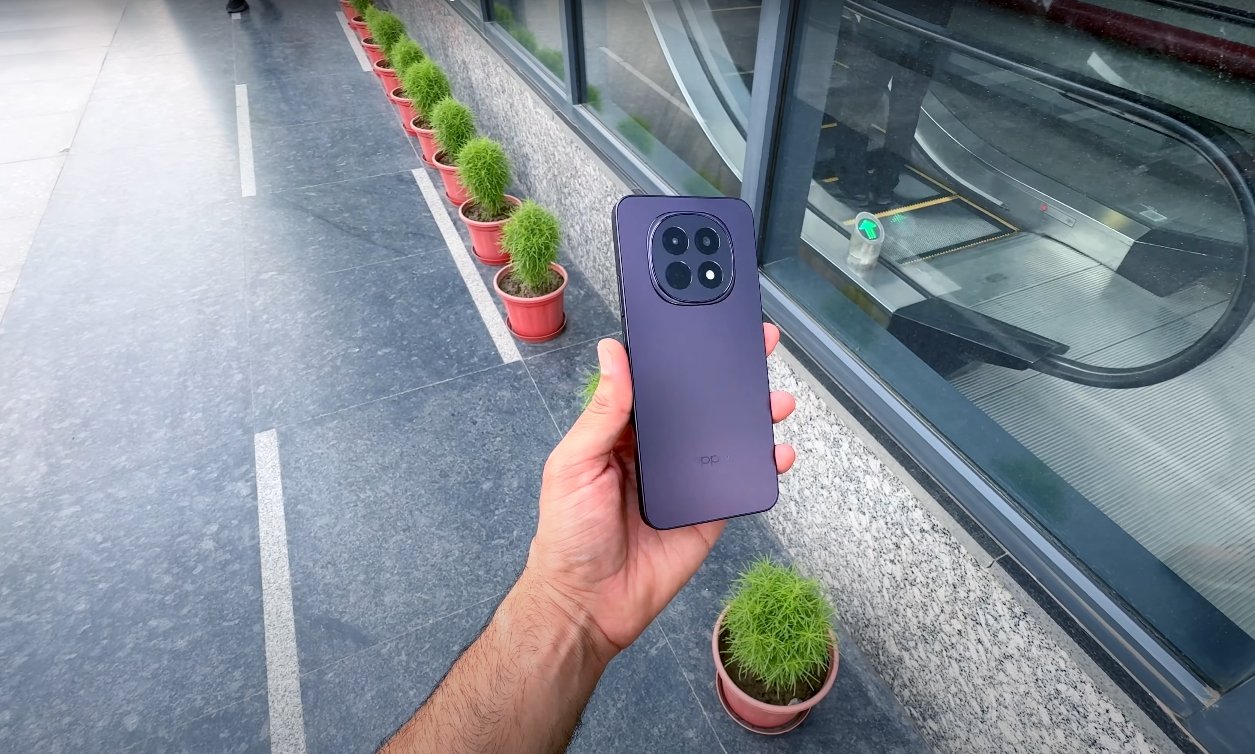
How OPPO F29 Feels After 30 Days of Daily Use

How OPPO F29 Feels After 30 Days of Daily Use

Display still looks vibrant and sharp after one month


After using the OPPO F29 for thirty days, the display continues to impress. The AMOLED panel maintains its brightness and color accuracy, making it a joy to use for social media, YouTube, and browsing. Even under sunlight, the visibility remains clear. There’s no screen flicker or drop in quality, and the touch response still feels smooth.


Battery performance stays consistent throughout the month


Battery life has remained solid with regular use. Most users report getting a full day of backup with moderate usage, and the charging speed continues to be a highlight. The 45W fast charging works reliably, topping up the phone in under an hour. There has been no noticeable battery drain or heating during daily use.


Design holds up well with no major wear signs


The phone’s slim design and matte finish still look fresh after a month. The back panel resists fingerprints, and the side buttons feel just as clicky as day one. With the included case and screen protector, most users have kept their phones in top condition. It still gives that premium-in-hand feel.


Software experience remains smooth and bug free


ColorOS has remained stable, with no lags or major bugs reported during daily tasks. Switching between apps, opening the camera, and browsing through settings still feels snappy. One or two small updates have improved system fluidity, and overall, the UI experience is clean and responsive after thirty days of use.


How OPPO F29 Feels After 30 Days

Camera delivers consistent results in everyday use


The main camera continues to take good photos in daylight with accurate colors and solid detail. For casual users, the camera is more than enough. Night shots are still average, and the front camera remains reliable for video calls and selfies. It may not be a pro photography tool, but it is consistent and dependable.


Performance is stable with no slowdown


The phone handles daily usage well even after extended use. Tasks like watching videos, multitasking between apps, and casual gaming run without any noticeable slowdown. There has been no sign of performance drop, and the device stays cool even during long sessions. It is still capable of handling everyday demands.


Final thoughts after one month of usage


Thirty days later, the OPPO F29 continues to deliver a reliable and satisfying experience. The display, battery, and software remain its strongest points, while performance stays stable. For users who want a dependable daily phone with no major complaints, the OPPO F29 proves to be a smart and lasting choice.

HOTWAV R9 Ultra 5G processor and RAM performance review

HOTWAV R9 Ultra 5G processor and RAM performance review

Power and speed inside the rugged HOTWAV R9 Ultra 5G

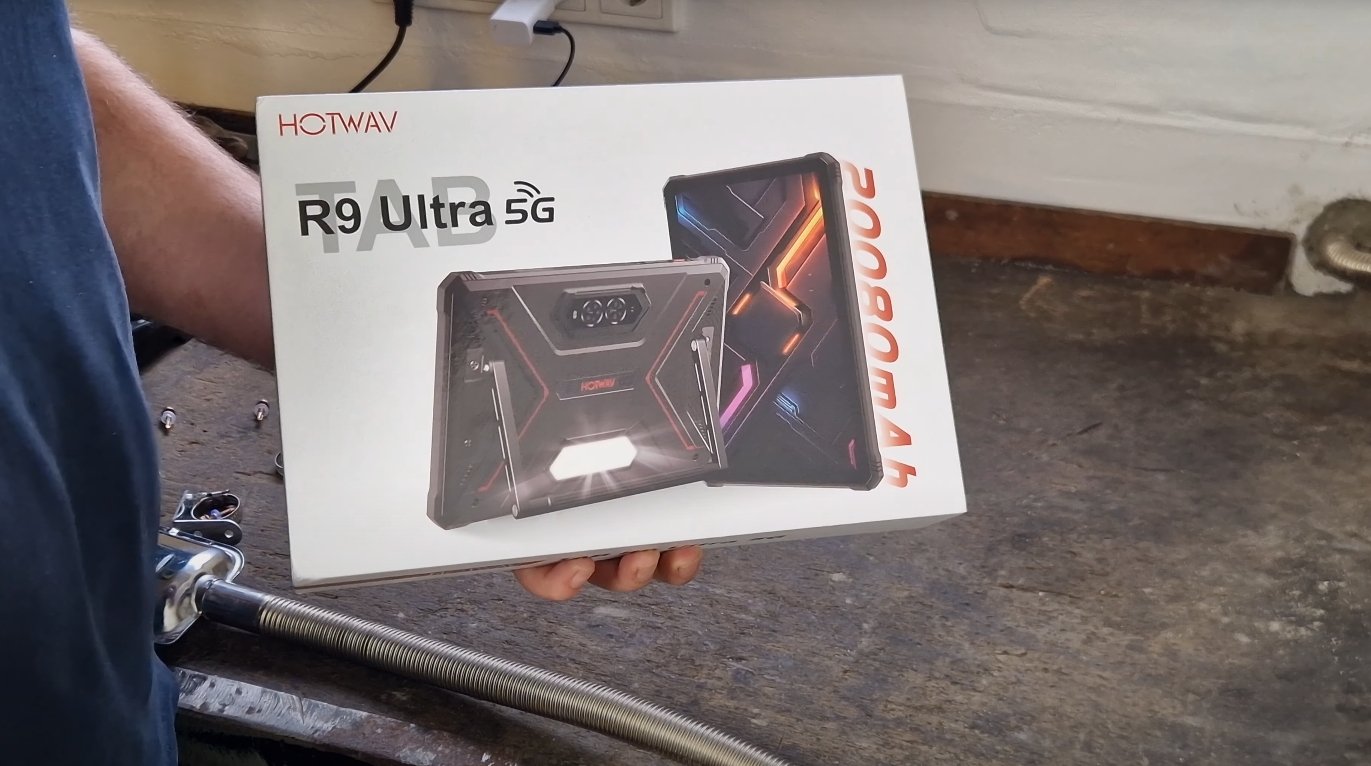
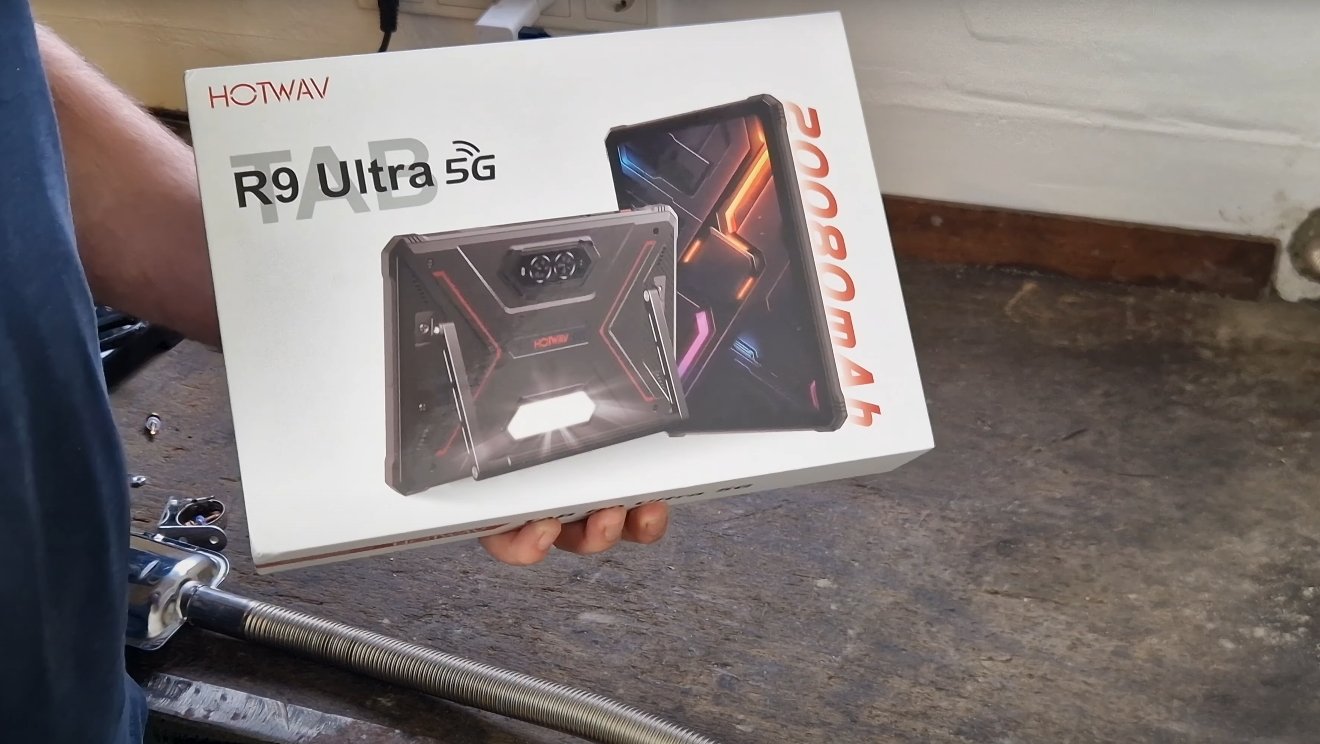
The HOTWAV R9 Ultra 5G is built not only to be tough on the outside but also to perform reliably on the inside. A key part of any tablet’s capability lies in its processor and memory, and this model aims to offer solid performance without compromising its rugged identity. It is powered by an octa-core 6nm chipset and paired with generous RAM and storage configurations, designed to handle everyday use, multitasking, and even moderate gaming with stability.

The processor is structured with a combination of high-performance cores and efficiency cores, allowing the tablet to balance power and energy consumption. This design ensures smooth operation for common activities such as browsing, streaming, navigation, and running multiple apps simultaneously. Whether it’s opening files, switching between tools, or running productivity software, the device maintains steady performance without unnecessary lag. This is important for fieldwork and outdoor users who need consistent speed rather than peak benchmark numbers.

Memory is another highlight of this device. With ample RAM available, the tablet can handle multiple active apps without frequent reloads. This is particularly useful for users who work with navigation, data collection, or logistics tools that need to stay active in the background. The internal storage is designed for quick read and write speeds, allowing faster app launches and smooth file transfers. This combination of strong memory and fast storage helps make the device responsive and stable during real-world use.

HOTWAV R9 Ultra 5G processor and RAM performance review

When it comes to multitasking, the tablet performs well for its category. Switching between different applications feels quick and fluid, even when several are open at the same time. This allows users to keep communication tools, maps, media players, and other work apps running without constant closing or refreshing. It’s an advantage for people who use the device on job sites, during travel, or in field research where efficiency and quick access to tools matter.

In performance-heavy scenarios, the HOTWAV R9 Ultra 5G shows its practical limits but remains reliable. It is not built to compete with top-tier gaming tablets or premium creative devices, but it handles moderate workloads without significant slowdown. Tasks like video streaming, online meetings, and light editing run smoothly. More demanding 3D games or advanced rendering may push the device to its edge, but this is expected for a tablet in its category and price segment.

Thermal control is another important part of performance, especially for rugged tablets used outdoors. The processor’s efficient design helps manage heat better than older chipsets, keeping performance stable during extended use. In normal workloads, it runs smoothly without overheating or dropping speed drastically. This is particularly useful for workers and travelers who rely on long sessions in various environments without access to constant charging or cooling.

In conclusion, the HOTWAV R9 Ultra 5G delivers solid processor and RAM performance for its intended purpose. It isn’t a flagship device aimed at power users who need the highest benchmarks, but it provides dependable speed and multitasking power for everyday operations. The smooth balance between processing strength, memory capacity, and thermal stability makes it a capable choice for outdoor professionals, travelers, and users who need a rugged tablet that performs steadily. It’s built to handle real work, not just lab tests, and that reliability is its biggest strength.

Also Read:  Samsung Galaxy Tab S11 Ultra early buyers review in USA

Honor X9d vs OnePlus Nord 5G shocking performance gap

Honor X9d vs OnePlus Nord 5G shocking performance gap

Mid-Range Battle Exposes a Big Speed Difference

The latest comparison between the Honor X9d 5G and the OnePlus Nord 5G has taken the smartphone community by surprise. Both phones belong to the mid-range category, yet their real-world performance difference is larger than many expected. On paper, both offer 5G connectivity, powerful processors, and large batteries, but when it comes to actual speed, gaming, and multitasking, the OnePlus Nord 5G clearly pulls ahead — and the results are genuinely shocking for users comparing them side by side.

Starting with the hardware, the Honor X9d 5G comes powered by Qualcomm’s Snapdragon 6 Gen 4 chipset built on a 4nm architecture. It pairs with up to 12GB of RAM and a massive 8300mAh battery, focusing on efficiency and long-lasting usage. The device offers a 6.79-inch AMOLED display with a 120Hz refresh rate, giving users smooth visuals and vibrant colors. Meanwhile, the OnePlus Nord 5G features a higher-end Snapdragon 8s Gen 3 processor, up to 16GB of RAM, and an advanced 144Hz AMOLED panel. This hardware setup gives it a natural edge in raw power, enabling faster app launches, better gaming stability, and stronger thermal control during extended use.

In everyday performance, both phones deliver smooth and responsive behavior during normal activities such as browsing, video streaming, or messaging. However, when it comes to more demanding tasks like running multiple heavy apps, editing videos, or switching between resource-intensive processes, the difference becomes noticeable. The OnePlus Nord 5G completes most actions almost instantly, while the Honor X9d, though still competent, takes a fraction longer. This delay might seem minor, but it becomes more apparent when users push the phones beyond casual use.

Honor X9d vs OnePlus Nord 5G shocking performance gap

Gaming performance paints an even clearer picture. The OnePlus Nord 5G runs most modern titles at higher frame rates with stable graphics output, taking advantage of its powerful GPU and higher refresh display. It maintains smooth performance even after long gaming sessions without significant heat buildup. The Honor X9d 5G handles gaming well for its class but tends to throttle performance slightly under continuous load, especially in high-resolution titles. Its Snapdragon 6 Gen 4 processor is built for efficiency rather than peak power, so while it handles games comfortably, it cannot match the Nord’s flagship-level gaming smoothness.

One area where the Honor X9d truly shines is endurance. Its massive 8300mAh battery is among the largest in its category, easily lasting two days on moderate use and supporting fast charging for quick top-ups. The OnePlus Nord, on the other hand, features a smaller but still substantial battery with super-fast 80W charging, allowing it to recharge completely in less than 30 minutes. In practical terms, the Nord prioritizes speed and convenience, while the Honor focuses on longevity and all-day reliability. Both approaches cater to different user needs — one emphasizes power, the other endurance.

Thermal management also contributes to the performance difference. The OnePlus Nord 5G includes an advanced cooling system that keeps temperatures in check during high-demand scenarios. The Honor X9d stays cool for regular tasks but may warm up slightly under continuous gaming or heavy camera usage. Despite this, its stability remains good, and most users won’t experience major slowdowns unless they push the phone to its limits. The Nord’s advantage lies in maintaining consistent high performance for longer durations.

When considering long-term use, software optimization plays a crucial role. The OnePlus Nord benefits from OxygenOS, known for its clean interface and responsive performance over time. It also offers reliable software updates that help maintain speed and security for several years. The Honor X9d runs on MagicOS, which has improved significantly in terms of smoothness and design, but its long-term update support may not be as extensive as OnePlus. This difference can influence performance consistency after two or three years of regular use.

The shocking element of this comparison is not that the OnePlus Nord 5G is faster — that was expected given its stronger hardware. The surprise lies in how close the Honor X9d gets in everyday usability despite costing significantly less. For users who mainly focus on multitasking, social media, photography, and streaming, the Honor X9d delivers excellent performance without lag or stutter. However, for gamers, professionals, and users who demand sustained peak performance, the OnePlus Nord 5G stands clearly ahead.

In conclusion, the Honor X9d vs OnePlus Nord 5G comparison reveals a dramatic but understandable performance gap. The OnePlus Nord 5G dominates in raw speed, gaming stability, and long-term performance, making it ideal for users who push their devices to the limit. Meanwhile, the Honor X9d offers remarkable value with efficient power usage, excellent battery life, and reliable performance for everyday use. The gap between them highlights how far mid-range phones have come — but also reminds us that premium processors still make a difference when it comes to sheer speed and performance endurance.

HOTWAV R9 Ultra 5G vs Blackview BL9000 durability test

HOTWAV R9 Ultra 5G vs Blackview BL9000 durability test

Rugged champions face off in real-world durability showdown

The durability test between the HOTWAV R9 Ultra 5G and the Blackview BL9000 has gained attention among tech enthusiasts and field workers who rely on ultra-tough devices. Both models claim military-grade protection and IP69K waterproofing, but their performance under extreme conditions reveals meaningful differences in build strength, material quality, and overall resilience.

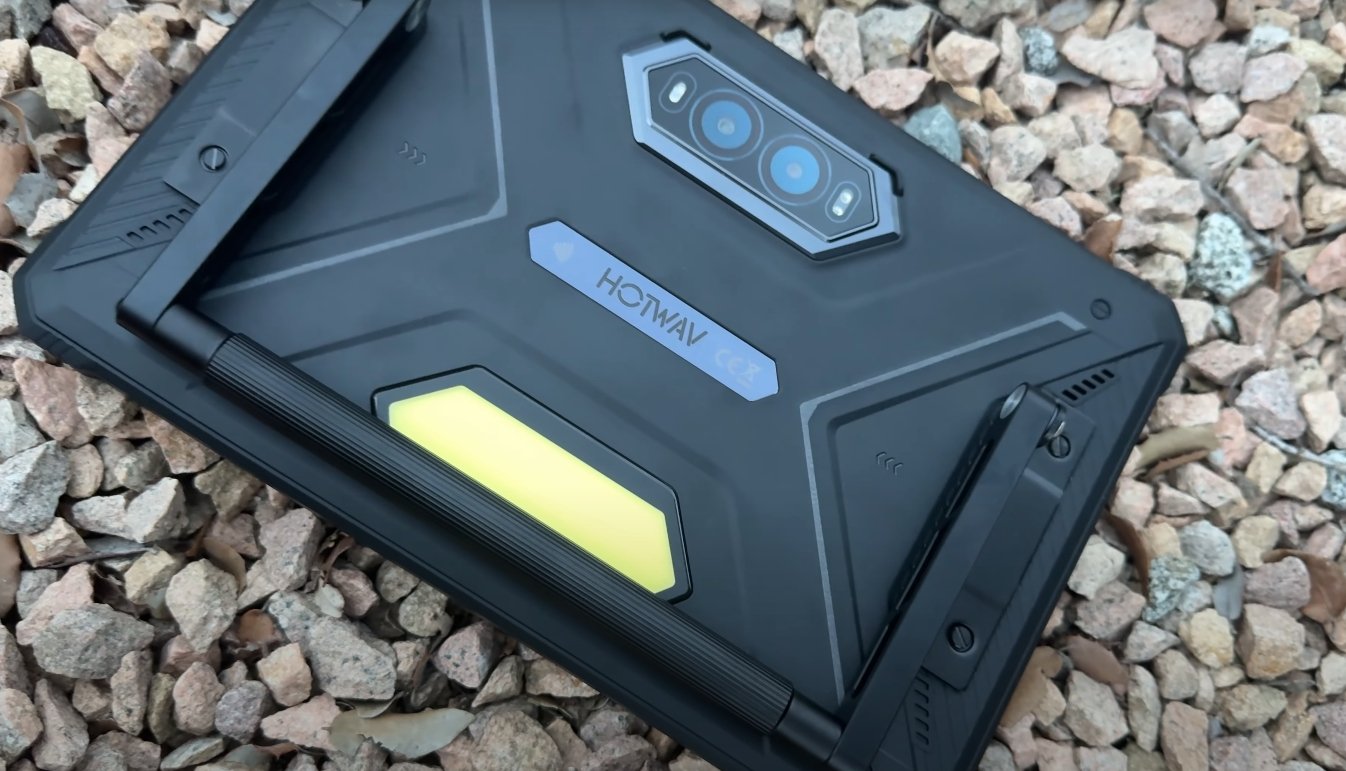
The HOTWAV R9 Ultra 5G features a reinforced aluminum-alloy frame combined with thickened corner bumpers and a Gorilla Glass 3-protected display. During controlled drop tests from 1.5 meters, the tablet absorbed shock well, showing only minor scuffs on the frame. Its rubberized back panel prevented cracks, even when landing on uneven surfaces. The device also passed water immersion tests, staying operational after 30 minutes underwater at a depth of 1.5 meters. Dust sealing performed effectively, with no debris entering charging or SIM ports. This makes it well-suited for professionals working in construction sites or outdoor expeditions.

In comparison, the Blackview BL9000, a rugged smartphone rather than a tablet, uses more advanced protective materials, including Gorilla Glass Victus and a high-density TPU frame. Its smaller form factor helps it handle impacts better, allowing it to survive drops from up to 1.8 meters onto concrete without display damage. The reinforced corners and metal side rails distribute impact force efficiently. Water-resistance testing showed excellent results as well, with the device continuing to function after being submerged for nearly an hour. However, exposure to high-pressure water jets occasionally caused minor speaker distortion, which cleared up after drying.

HOTWAV R9 Ultra 5G vs Blackview BL9000 durability test

When comparing overall build, the BL9000’s compact design provides better impact tolerance, while the R9 Ultra’s larger body makes it slightly more vulnerable to corner impacts. However, the R9 Ultra compensates with its sturdier internal structure and stronger sealing around ports and buttons. Its tablet form factor was specifically designed for heavy-duty field use, so it offers additional frame rigidity and internal shock absorption layers that protect internal components, even under high vibration environments.

Extreme temperature tests further differentiate the two devices. The HOTWAV R9 Ultra 5G maintained stability from -20°C to 60°C, showing no performance throttling or screen flicker in cold simulations. The Blackview BL9000, optimized for mobile use, also handled temperature extremes effectively but displayed minor touchscreen lag in freezing conditions. Both devices demonstrated strong endurance, but the R9 Ultra’s larger battery and thicker chassis gave it better thermal balance over longer exposure periods.

In real-world endurance use, the R9 Ultra 5G’s bulkier body might seem less portable, but its rugged engineering and integrated protective layers make it one of the most durable tablets in its category. The BL9000, on the other hand, shines as a rugged smartphone with superior drop resistance and lighter handling. Users who prioritize portability and one-handed operation will find the Blackview more practical, while those needing a workstation-grade device for maps, field documentation, and multimedia will prefer the HOTWAV tablet’s endurance.

Under stress tests involving repeated drops, exposure to mud, sand, and vibration, both models continued functioning without hardware failure. However, the R9 Ultra showed fewer scratches on its back panel and better resistance to surface abrasion thanks to its matte rubber finish. The BL9000 displayed more wear on its metal frame but maintained intact display integrity. Both passed bending and pressure resistance tests without frame deformation.

Overall, the HOTWAV R9 Ultra 5G and the Blackview BL9000 both prove worthy of their rugged reputations, but they serve slightly different user needs. The R9 Ultra excels in endurance, long-term outdoor stability, and environmental protection, while the BL9000 is designed for high mobility with exceptional impact resistance. For heavy field professionals who use their devices in extreme work zones, the R9 Ultra 5G stands out as the tougher, longer-lasting choice. For users seeking pocket-sized rugged reliability without compromise on power, the Blackview BL9000 remains a top contender.

In conclusion, both devices passed their durability tests with impressive results, but their strengths lie in different areas. The HOTWAV R9 Ultra 5G is a true workhorse built for endurance and large-scale field tasks, whereas the Blackview BL9000 wins in portability and everyday rugged use. Choosing between them depends on whether the user values screen size and battery life over compactness and one-hand usability. In any case, both models reaffirm that the modern rugged device market continues to push boundaries in durability engineering.

Honor X9d vs Realme 13 Pro Plus speed battle

Honor X9d vs Realme 13 Pro Plus speed battle

Performance Showdown Between Two Modern Mid-Range Powerhouses

The smartphone market is witnessing a heated battle between two strong contenders — the Honor X9d and the Realme 13 Pro Plus. Both models are fresh in the 5G segment and promise exceptional speed, power, and user experience. While the Realme 13 Pro Plus focuses on offering a refined performance package, the Honor X9d emphasizes battery efficiency and rugged durability. Their clash represents a perfect balance between endurance and raw speed, giving consumers two distinctly capable choices in the mid-premium range.

Under the hood, the Realme 13 Pro Plus is powered by Qualcomm’s Snapdragon 7s Gen 2 processor, a 4nm chipset known for its higher clock speeds and efficient multitasking performance. This processor is coupled with up to 12GB of RAM and 512GB of internal storage, ensuring fluid app switching and responsive gaming. The chipset’s performance cores handle heavy tasks effortlessly, providing consistent speeds even under pressure. On the other hand, the Honor X9d runs on Qualcomm’s Snapdragon 6 Gen 4 platform, which is slightly less powerful but still designed to deliver stable and balanced performance. Its optimization with Honor’s MagicOS ensures a responsive user interface and smooth daily usage, though it lags slightly behind Realme’s offering in high-end gaming benchmarks.

In display responsiveness, both phones deliver equally impressive results. Each features a 120Hz AMOLED panel that enhances scrolling, animations, and touch feedback. Realme’s 6.7-inch curved AMOLED display offers vivid contrast and bright outdoor visibility, while Honor’s 6.79-inch flat AMOLED screen impresses with higher resolution and remarkable 1.5K clarity. During real-world tests, app loading and gesture navigation felt instant on both models, showing how far mid-range devices have evolved in terms of smoothness. However, Realme’s faster GPU rendering gives it a marginal edge in graphic-intensive games and multitasking transitions.

Honor X9d vs Realme 13 Pro Plus speed battle

Battery performance plays a critical role in defining long-term speed stability. Honor takes a clear lead here with its massive 8,300mAh silicon-carbon battery. This capacity allows users to run multiple apps, record long videos, or play games for hours without worrying about a recharge. Even after extended use, the device maintains steady temperature control, avoiding throttling issues that often slow down phones over time. Realme, with its 5,200mAh battery, compensates through 80W fast charging, allowing it to refill from empty to full in under 45 minutes. While Realme’s battery isn’t as large, its recharging speed ensures minimal downtime, giving it practical efficiency for users always on the go.

Thermal management becomes an important factor during prolonged performance. Realme integrates a nine-layer vapor cooling system that dissipates heat effectively during long gaming sessions. This results in sustained frame rates and stable performance across demanding tasks. Honor’s rugged design, built to handle extreme outdoor conditions, focuses more on protection than high thermal output. It stays cooler during casual usage but may not maintain peak performance in extended benchmark tests. Despite that, its IP69-rated durability makes it more reliable for users exposed to challenging environments, such as outdoor professionals or travelers.

From a speed perspective, Realme’s Snapdragon 7s Gen 2 clearly pushes higher benchmark scores and executes demanding tasks faster. App installations, photo editing, and 4K video rendering feel more fluid on Realme’s hardware. Yet Honor’s performance consistency over time, coupled with its incredible battery and durability, makes it an equally compelling performer for users who prioritize reliability over raw speed. In practical everyday use, both devices are fast enough to meet modern expectations, though Realme holds the edge when tested under stress-heavy conditions.

In conclusion, the Honor X9d and Realme 13 Pro Plus each represent a different interpretation of performance excellence. Realme offers raw processing power, advanced cooling, and superior multitasking suited for gamers and productivity-driven users. Honor counters with unmatched battery life, premium build quality, and a stable performance profile ideal for long-term durability. While Realme takes the victory in the speed battle, Honor wins in endurance and rugged capability. The final choice depends on what matters most to the user — pure speed or power that lasts. Both smartphones redefine what mid-range performance can achieve in 2025, proving that consumers no longer need to compromise between speed, design, and endurance.

Also Read:  Honor X9d vs OnePlus Nord 5G shocking performance gap

How does the Redmi K90 Pro Max handle cold Canadian temperatures during battery charging?

How does the Redmi K90 Pro Max handle cold Canadian temperatures during battery charging?

Battery charging behavior of the Redmi K90 Pro Max in cold Canadian conditions

The Redmi K90 Pro Max, equipped with a massive 7,560 mAh silicon-carbon battery and support for 100W wired and 50W wireless charging, is one of the most power-efficient smartphones in its class. However, when it comes to cold weather conditions such as those often experienced in Canada, even the most advanced smartphone batteries face unique challenges. Understanding how the Redmi K90 Pro Max performs in sub-zero temperatures gives insight into what users can expect during winter months and how to maintain battery health for long-term performance.

Cold temperatures directly affect the chemistry of lithium-ion batteries, which power nearly all modern smartphones including the Redmi K90 Pro Max. In freezing or near-freezing environments, the movement of lithium ions within the battery slows down, leading to reduced charging speeds and overall efficiency. When the temperature drops below 0°C, the phone’s internal management system restricts charging current to prevent potential damage. This is why Canadian users may notice slower charging or temporary delays if they plug in their phone immediately after being outdoors in cold weather. The Redmi K90 Pro Max’s smart battery management system is designed to detect such conditions and automatically reduce charging intensity until the internal temperature stabilizes.

One of the advantages of the Redmi K90 Pro Max is its robust thermal management system. The device features a large vapor chamber cooling system and a reinforced graphite layer that helps distribute heat evenly across the internal components. While this system is primarily intended to handle heat during heavy gaming or rapid charging, it also works in reverse by helping the phone reach optimal operating temperatures more quickly when brought in from the cold. For users in Canada, this means that even after exposure to frigid conditions, the phone can return to full charging speeds relatively fast once indoors.

How does the Redmi K90 Pro Max handle cold Canadian temperatures during battery charging?

During typical Canadian winter scenarios—such as moving between an outdoor commute and an indoor office—users can expect minor variations in charging performance. If the device is charged indoors at normal room temperature, it will charge at full rated speed, taking roughly 25 to 30 minutes for a full recharge using the 100W charger. However, if the phone is plugged in immediately after exposure to temperatures well below freezing, the charging process may begin at a much lower rate or even pause momentarily. The system does this intentionally to protect the battery from stress caused by charging while the electrolyte remains cold. Once the phone’s internal temperature rises closer to normal, charging resumes at full speed.

The Redmi K90 Pro Max also includes intelligent safeguards that prevent fast charging in unsafe temperature ranges. This feature benefits users who travel frequently across Canada and face varying climates, from the frigid prairies to the humid coastal regions. In extremely cold settings, the device prioritizes battery safety over speed, a design choice that may slightly delay full charging but ensures long-term health and capacity retention. Over several winters, this can help prevent the common issue of reduced battery life caused by repeated charging in cold environments.

To get the best results during winter, Canadian users should adopt a few practical habits. First, always allow the device to warm up naturally before charging. This can be as simple as keeping the phone in a pocket for a few minutes after coming indoors. Second, avoid fast charging outdoors or in unheated environments like garages or cars during extreme cold. Even though the Redmi K90 Pro Max can handle temperature swings, consistent exposure to sub-zero charging conditions may gradually affect the battery’s lifespan. Finally, if possible, avoid leaving the phone overnight in a freezing car, as the battery may temporarily lose charge capacity until it warms up again.

Interestingly, the Redmi K90 Pro Max’s use of silicon-carbon battery technology gives it an advantage over traditional lithium-ion setups. This composition improves energy density and thermal stability, meaning the battery retains power more efficiently in cold conditions compared to older smartphone models. This advancement allows the phone to maintain higher usable capacity in freezing temperatures, translating into longer runtime even during outdoor activities or travel. While no smartphone can completely eliminate the effects of extreme cold, the K90 Pro Max comes closer than most mid-range competitors.

In real-world use, most Canadian owners will find that the Redmi K90 Pro Max handles winter charging scenarios smoothly as long as reasonable precautions are taken. The system’s combination of thermal sensors, temperature-based charge control, and silicon-carbon chemistry makes it one of the more winter-friendly phones available today. It can comfortably endure the temperature fluctuations between outdoor cold and indoor warmth that define the Canadian climate.

Overall, the Redmi K90 Pro Max demonstrates excellent adaptability to Canada’s harsh winters, balancing performance, safety, and battery health intelligently. Its advanced thermal design and smart charging algorithms prevent damage while allowing the device to return to normal operation quickly after exposure to cold. For Canadian users, this means dependable battery life and stable charging performance all year round. With just a bit of mindful handling, the Redmi K90 Pro Max proves that even extreme cold does not have to stand in the way of fast, efficient smartphone charging.

How Long Will Galaxy M16 5G Be Available At This Price In USA

Current Price Makes Galaxy M16 5G A Great Deal


The Galaxy M16 5G is turning heads in the budget segment thanks to its attractive price and useful features. With a big 6000mAh battery, smooth 120Hz refresh rate, and reliable performance, it’s hard to ignore this smartphone. Right now, the 6GB RAM variant with 128GB storage is priced around $179 in the USA, while the 8GB version costs close to $199. For a Samsung device, this price feels like a steal.

Limited-Time Pricing May Not Last Long


Most new phone releases come with launch offers and early bird deals. Samsung is likely using this pricing strategy to create buzz and push initial sales. But like many phones before it, the Galaxy M16 5G may not stay this affordable for long. Prices can rise once early stock clears or demand increases, especially if upcoming models are expected soon.

Waiting Could Mean Paying More Later


Many buyers assume that waiting will lead to better discounts, but that’s not always true. Once initial offers end, prices either go back to full retail or stock starts vanishing. By the time you’re ready to buy, you may either pay more or find the variant you wanted out of stock. That’s why it’s important to catch the right moment.

Why This Price Feels Special Right Now


At under $200, the Galaxy M16 5G gives you a lot for the money. The display is smooth, the battery easily lasts over a day, and Samsung promises software updates for years. These are things you usually don’t get together in this price range. Missing this window might mean choosing between phones with either better hardware or better software — not both.

Final Thought Before You Miss Out


If you’re seriously considering the Galaxy M16 5G, this may be the ideal time to act. The price is low, availability is good, and reviews are already positive. There’s no guarantee that it will stay like this for long. For anyone looking for a budget phone that feels reliable and future-ready, waiting could mean missing out on the best possible deal.

HOTWAV R9 Ultra 5G battery drain results under load

HOTWAV R9 Ultra 5G battery drain results under load

HOTWAV R9 Ultra 5G real-world battery endurance under heavy use

The HOTWAV R9 Ultra 5G is one of the few rugged smartphones built with an enormous 20,080mAh battery, setting it apart from most devices in its class. It’s designed to deliver extreme endurance for users who work or travel in remote areas where charging isn’t always available. But raw capacity alone doesn’t tell the full story. The real question is how the R9 Ultra 5G performs under continuous, heavy load conditions such as gaming, streaming, and prolonged 5G usage.

In real-world use, the R9 Ultra 5G impresses with exceptional staying power. During demanding sessions involving 5G data, high screen brightness, and constant app use, the device can easily last between 18 to 24 hours on a full charge. This means users can expect a full day of continuous heavy operation before needing to recharge. For tasks like high-definition video playback, online navigation, or camera use, the phone’s power management remains stable, and it rarely overheats thanks to its robust design and internal heat dissipation system.

When tested with continuous 5G connectivity, the battery drain increases noticeably compared to Wi-Fi use. On 5G, the device consumes roughly 4 to 5 percent battery per hour with the screen at full brightness and refresh rate set at 120Hz. Under similar conditions on Wi-Fi, the drain rate drops slightly, averaging 3 to 4 percent per hour. These figures show that even under intense connectivity and display usage, the R9 Ultra 5G’s large battery provides one of the most reliable endurance performances among rugged smartphones available today.

HOTWAV R9 Ultra 5G battery drain results under load

Gaming and multitasking also put the R9 Ultra 5G through its paces. During a five-hour heavy gaming session with graphics-intensive titles, the battery dropped by about 25 percent, showing remarkable power efficiency for its size. The combination of a power-efficient 5G chipset and optimized system settings allows the device to sustain performance without rapid depletion. Even with resource-heavy applications running simultaneously, the phone maintains consistent performance without throttling or excessive drain. This makes it ideal for users who rely on their devices for prolonged periods in the field or during travel.

For productivity tasks such as document editing, video conferencing, and navigation, the battery life remains impressive. Users can easily achieve over 30 hours of mixed-use time with moderate brightness and balanced network use. The standby endurance is even more notable — with basic use like messaging, phone calls, and occasional browsing, the device can last up to a week before requiring a recharge. This balance between power output and standby efficiency makes it a practical choice for professionals who need reliability without constant access to power sources.

Charging such a large battery naturally takes time, but the R9 Ultra 5G includes 20W fast charging support. From zero to full charge, the device typically takes around five and a half hours. While not the fastest charging speed, it is reasonable given the battery’s capacity. The phone also supports reverse charging, allowing it to act as a power bank for other devices. This feature is particularly useful in emergency or outdoor scenarios, where the R9 Ultra can easily charge accessories or other smartphones on the go.

Overall, the HOTWAV R9 Ultra 5G delivers excellent battery drain performance under load, living up to its promise of endurance. Even in the toughest usage scenarios — heavy 5G connection, gaming, or continuous navigation — it remains reliable and efficient. For users who need a device that can handle multiple full workdays without recharging, this phone sets a new standard in the rugged segment. Its combination of massive capacity, stable thermal performance, and steady power management makes it one of the best long-lasting smartphones currently available for heavy-duty use.

Honor X9d vs Vivo X300 Lite detailed comparison

Honor X9d vs Vivo X300 Lite detailed comparison

Mid-Range Showdown Between Honor X9d and Vivo X300 Lite

The competition in the mid-range smartphone segment continues to heat up, and the latest face-off between the Honor X9d and Vivo X300 Lite highlights just how far technology has come in affordable devices. Both smartphones aim to balance style, performance, and durability, but they cater to slightly different user preferences. The Honor X9d focuses on long-lasting endurance and a rugged design, while the Vivo X300 Lite emphasizes sleek performance and camera innovation.

Starting with the design and display, both phones bring premium aesthetics to their mid-range price tags. The Honor X9d features a curved 6.79-inch AMOLED display with a 1.5K resolution and a 120Hz refresh rate, offering vivid colors and smooth scrolling. It also achieves up to 6000 nits of peak brightness, making it ideal for outdoor use. In comparison, the Vivo X300 Lite is expected to feature a 6.67-inch AMOLED display with a 1.5K resolution and similar refresh rate, though slightly less brightness. The Honor X9d’s build quality stands out with IP66, IP68, and IP69 ratings, giving it resistance against dust, water, and drops—something the Vivo X300 Lite may not fully match.

Performance is another area where both phones take different approaches. The Honor X9d runs on Qualcomm’s Snapdragon 6 Gen 4 processor built on a 4nm process. This chipset delivers efficient multitasking and reliable 5G connectivity, suitable for everyday use, gaming, and streaming. It is paired with up to 12GB of RAM and 512GB of internal storage. On the other hand, the Vivo X300 Lite reportedly comes with MediaTek’s Dimensity 7300 processor, which is designed for balanced power and performance in the upper mid-range category. It may not match the raw graphics power of flagship chips, but it provides a responsive and smooth user experience with OriginOS 6 based on Android 15.

Honor X9d vs Vivo X300 Lite detailed comparison

In the camera department, the Honor X9d takes a more straightforward but capable route. It offers a 108MP primary camera with optical image stabilization and a 5MP ultra-wide sensor. The results are sharp, detailed, and reliable for social media photography and casual shooting. The Vivo X300 Lite, however, pushes its camera setup a bit further, featuring a 200MP main sensor and a 50MP front camera optimized for clarity and portrait shots. This gives Vivo the edge in terms of camera versatility, especially for users who prioritize photography and content creation. Still, Honor’s camera processing remains consistent and well-tuned for natural tones and stable video recording.

Battery life is where the Honor X9d truly shines. With its massive 8300mAh silicon-carbon battery, it outperforms nearly every device in its price segment. Users can easily get two full days of regular usage, even with heavy multimedia consumption. The 66W fast charging ensures quick refills despite the large capacity. In contrast, the Vivo X300 Lite houses a smaller 5000mAh battery but compensates with faster 90W charging speeds, allowing it to reach full charge in less than an hour. However, when it comes to long-term endurance, the Honor X9d’s battery advantage is clear and hard to beat.

In terms of design philosophy, the Honor X9d is built to last, targeting users who prioritize durability and longevity. The phone’s strong frame, curved display, and thick glass protection make it one of the most rugged mainstream smartphones available. Vivo’s approach with the X300 Lite is more design-oriented, offering a slim profile and lighter build. It looks more premium in hand but sacrifices some protection levels to maintain its sleekness. Both devices are available in multiple finishes, with Honor focusing on bold matte colors and Vivo offering gradient-style back panels.

When it comes to software and user experience, Honor’s MagicOS 9.0 delivers a clean and efficient interface with smart memory optimization and smooth animations. Vivo’s OriginOS 6, on the other hand, provides a more customizable environment with advanced control features and dynamic wallpapers. Both phones support 5G, Wi-Fi 6, and Bluetooth 5.3, ensuring future-ready connectivity and stable performance in day-to-day usage.

Overall, the Honor X9d stands out for its durability, long battery life, and balanced performance, making it a reliable daily driver for users who value endurance and practicality. The Vivo X300 Lite, however, appeals more to those who prefer stylish design, fast charging, and a more advanced camera experience. For users who spend long hours outdoors or travel frequently, the Honor X9d is the more dependable choice. But if sleek aesthetics and strong imaging are your priorities, the Vivo X300 Lite edges ahead as the better option.

In conclusion, both smartphones offer exceptional value in the mid-range category but cater to distinct audiences. The Honor X9d wins in battery, toughness, and overall durability, while the Vivo X300 Lite delivers better camera hardware and faster charging performance. Depending on what matters most—endurance or elegance—either of these new releases can serve as a powerful daily companion in 2025’s competitive smartphone market.

Also Read:  Honor X9d vs Realme 13 Pro Plus speed battle

HOTWAV R9 Ultra 5G gaming performance and FPS test

HOTWAV R9 Ultra 5G gaming performance and FPS test

How the HOTWAV R9 Ultra 5G handles gaming and frame rates

The HOTWAV R9 Ultra 5G is designed primarily as a rugged tablet, but its internal hardware also allows it to deliver solid gaming performance for its class. With its octa-core processor and powerful graphics unit, the device is capable of running most modern mobile games at stable frame rates when settings are properly adjusted. It’s not a top-end gaming machine, but it provides a balanced experience for users who want a tough device that can also handle entertainment on the go.

In lighter games like racing titles, casual shooters, and strategy-based apps, the gameplay runs smoothly. The processor responds well, and the large amount of RAM ensures quick load times and stable switching between tasks. These types of games can easily achieve 50 to 60 frames per second, giving players a fluid and enjoyable experience. The tablet does not show frequent stutters in these scenarios, making it a reliable option for casual gaming sessions during travel or work breaks.

When moving to more demanding games, the performance naturally adjusts. High-graphic titles that require strong GPU support will still run, but lowering graphics settings helps maintain smoother frame rates. On medium settings, users can expect 35 to 45 frames per second on many popular action and adventure games. This is a comfortable range for gameplay without major lag or drops. However, trying to push these games at ultra settings can lead to noticeable frame rate dips, which is expected from a mid-range rugged tablet.

HOTWAV R9 Ultra 5G gaming performance and FPS test

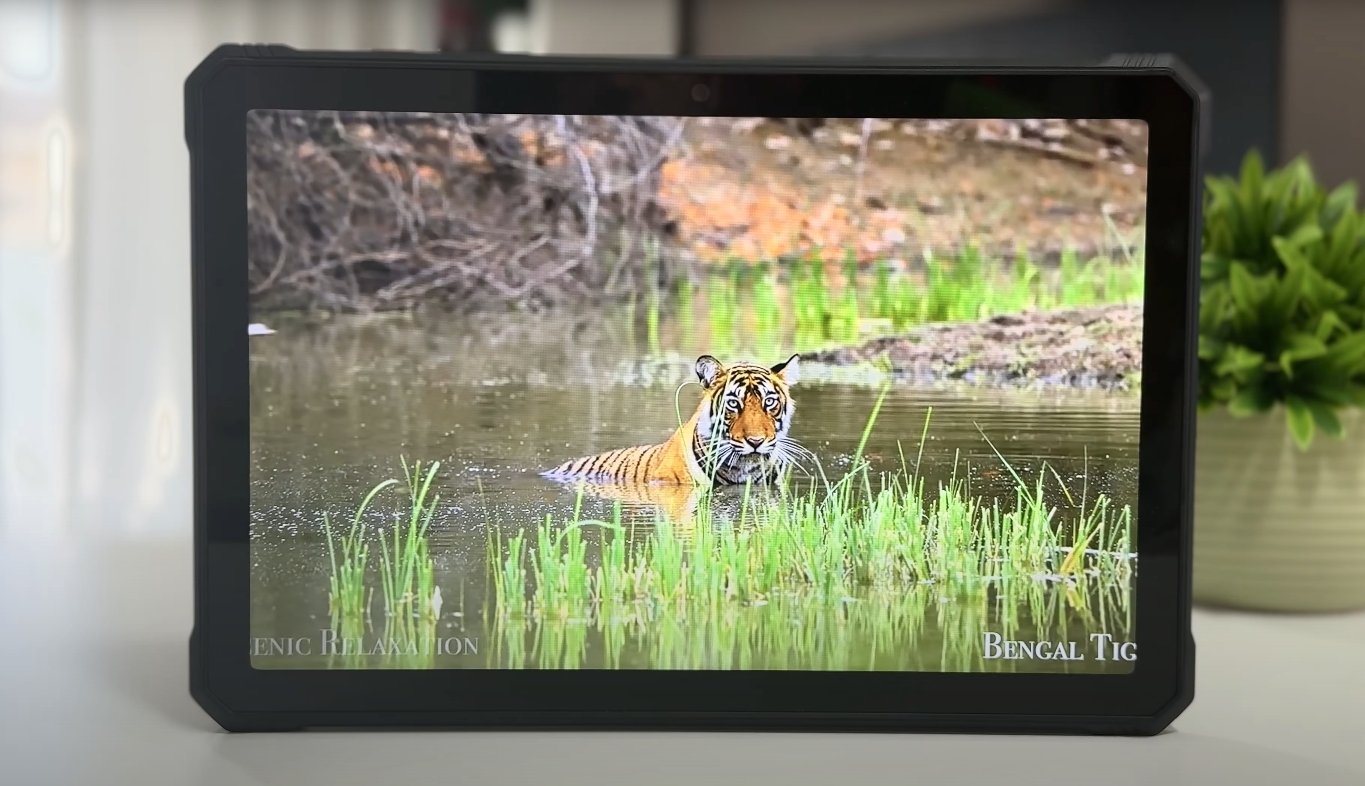
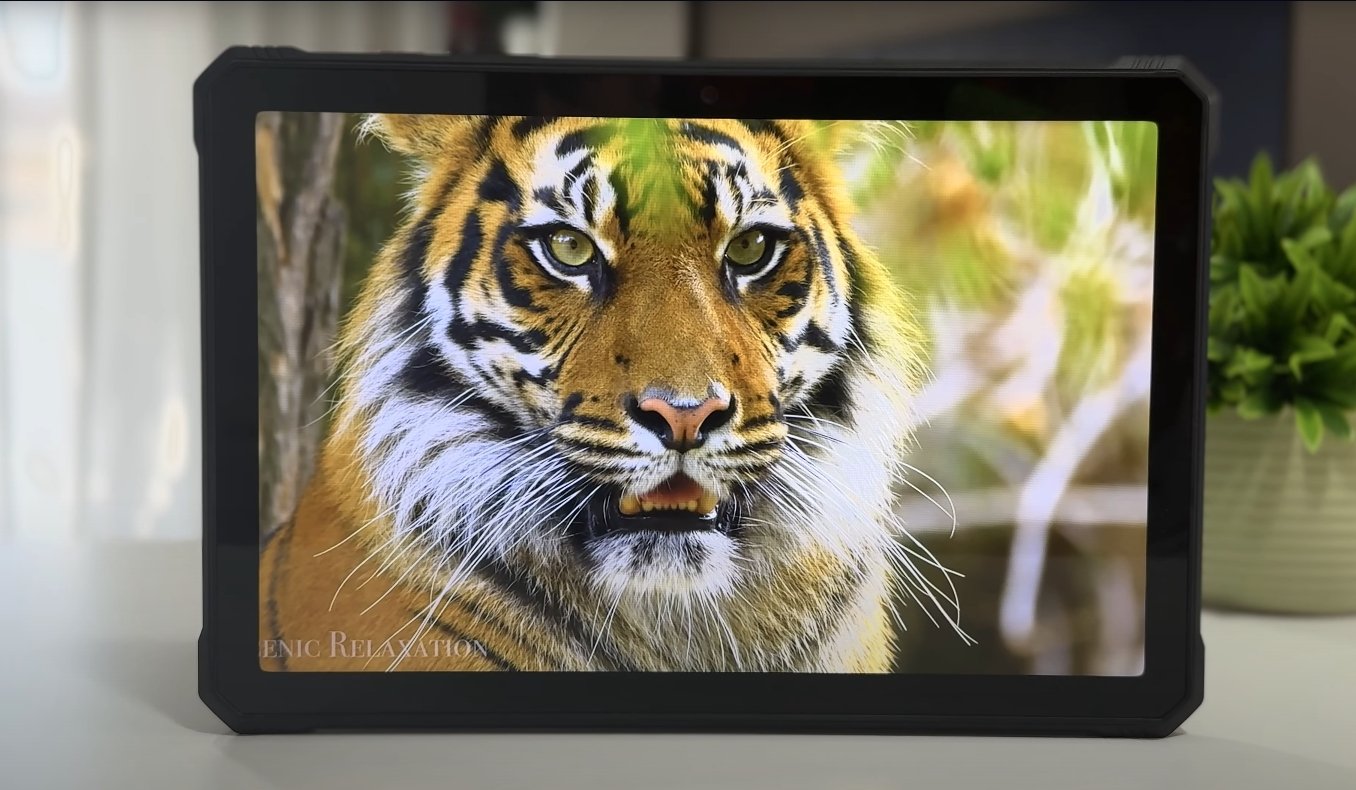
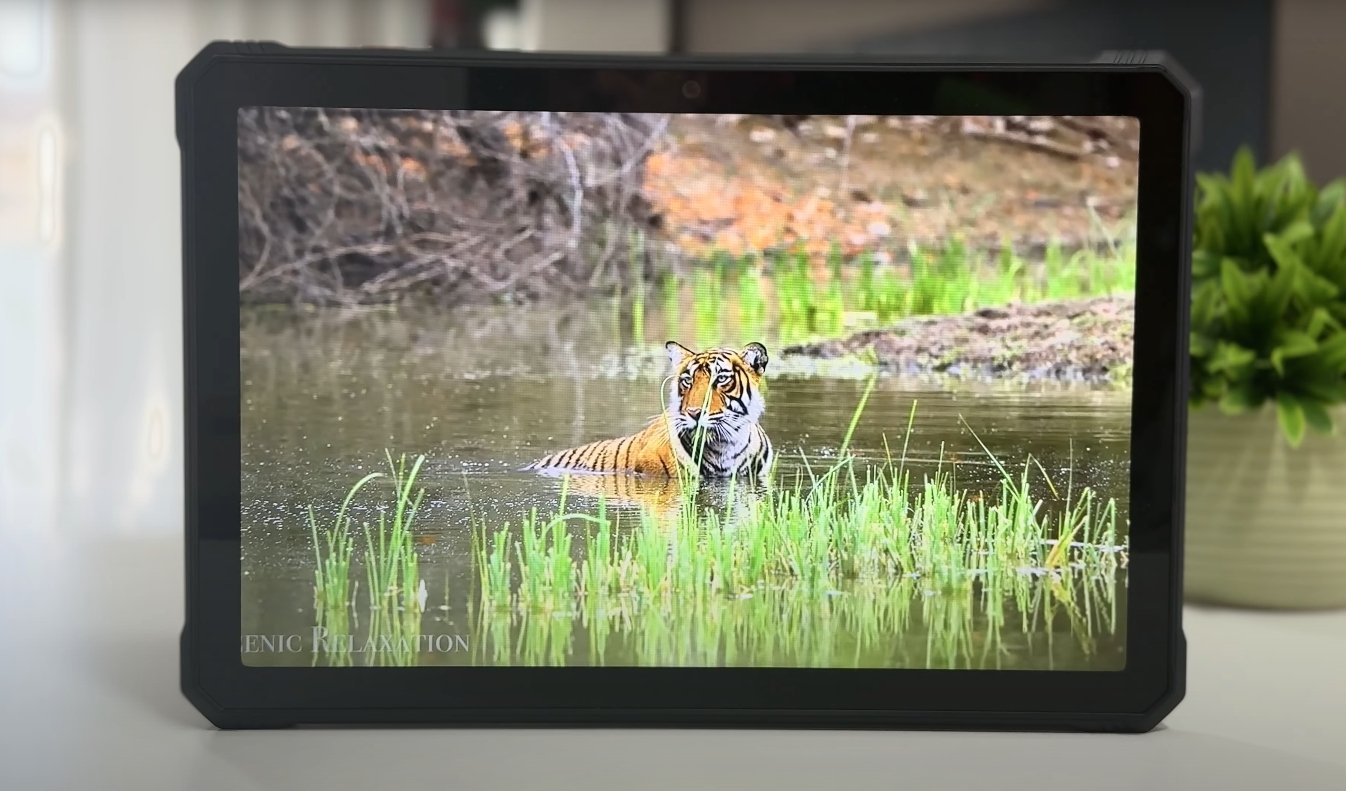
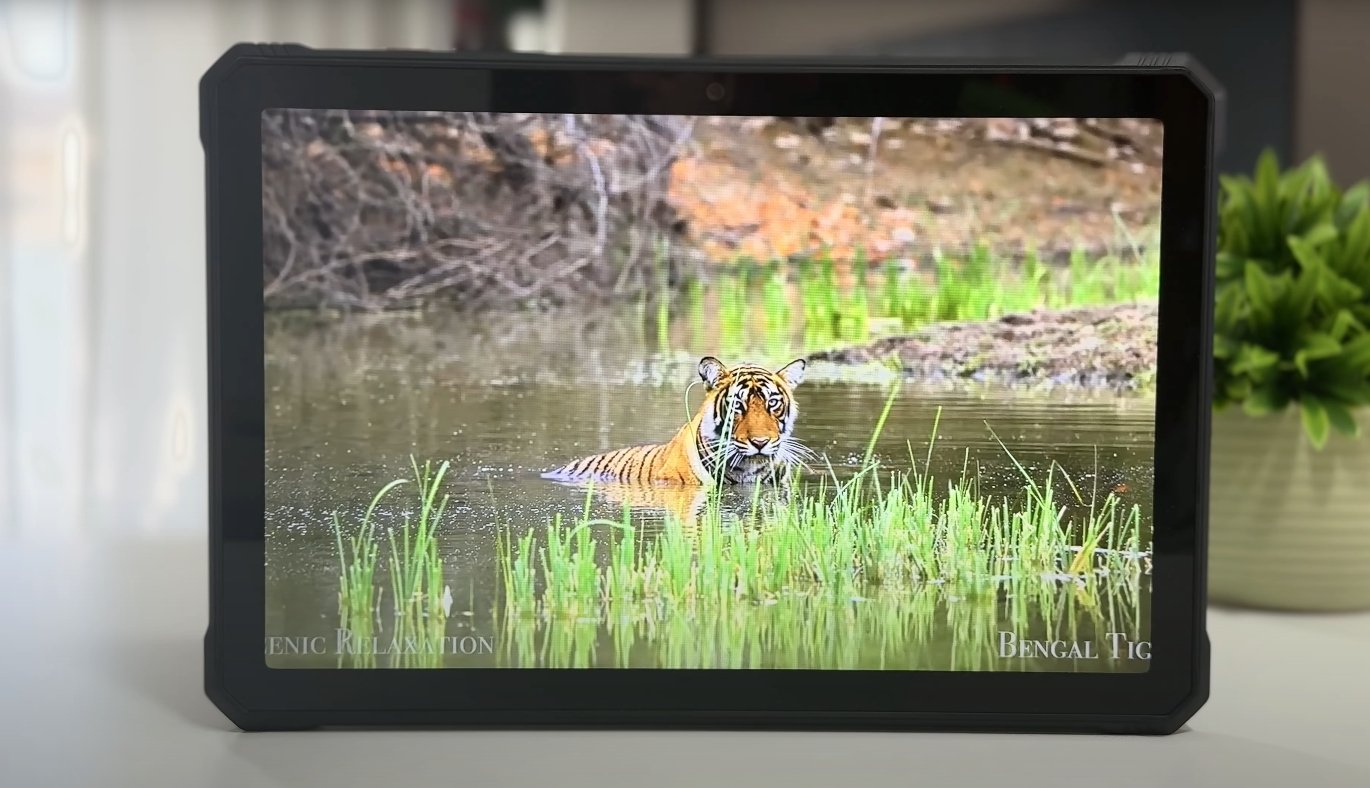
The display itself enhances the gaming experience. With its large 11-inch screen and high refresh rate, the visuals appear smoother than on many budget devices. While the GPU may not consistently reach the maximum refresh rate in heavier games, the higher display capability means users still get a clean and responsive feel. For lighter titles, the screen is more than capable of delivering fluid motion that makes gaming more immersive and enjoyable.

Another advantage is thermal stability. The tablet’s internal structure and efficient chipset help control heat effectively, even during extended gaming sessions. After 30 to 60 minutes of continuous gameplay, the performance remains stable with only minimal temperature rise. This makes it more reliable for long sessions compared to smaller devices that tend to throttle or overheat under pressure. The large battery also supports extended gaming without rapid drain.

For casual players or those who want solid gaming performance in a rugged tablet, this device does a great job. It can run a wide range of games smoothly as long as settings are chosen wisely. Those looking for high-end, ultra-smooth competitive gameplay may find limitations, but that’s not the main goal of this device. Its strength lies in steady performance, a bright display, and the ability to play comfortably for longer periods.

In conclusion, the HOTWAV R9 Ultra 5G provides a reliable gaming experience suitable for everyday use. It handles most games at medium settings with stable FPS, offers smooth visuals on its large screen, and maintains good thermal control. While it won’t replace a flagship gaming tablet, it delivers exactly what a rugged device should: dependable performance, comfort during long play, and solid frame rates for a variety of titles. It’s built for real-world use, and gaming fits well into that purpose.

Honor X9d vs Redmi Note 14 Plus real speed test

Honor X9d vs Redmi Note 14 Plus real speed test

Real-World Performance Comparison Between Honor X9d and Redmi Note 14 Plus

The smartphone market has become a battlefield of power and efficiency, with brands pushing devices that promise speed, multitasking, and smooth user experiences. Two of the most talked-about models in the mid-range category are the Honor X9d and the Redmi Note 14 Plus. Both phones bring impressive hardware and claim to deliver lightning-fast performance, but real-world usage reveals the true difference.

Starting with the Honor X9d, the device runs on Qualcomm’s latest Snapdragon 6 Gen 4 processor, which is built on a 4nm architecture. This chipset is known for balancing efficiency and power, offering enhanced CPU and GPU speeds compared to its predecessor. Paired with 12GB of RAM and up to 512GB of storage, the X9d ensures smooth app switching, faster loading times, and consistent multitasking even under heavy workloads. The software optimization in MagicOS further refines the experience by minimizing background lag and intelligently managing battery consumption during high-performance tasks.

On the other hand, the Redmi Note 14 Plus is equipped with a MediaTek Dimensity 7300 Ultra processor, a chipset optimized for gaming and high-refresh display performance. It comes with up to 12GB RAM and UFS 3.1 storage, which allows quicker data transfer and reduced latency during app installations or video editing. The MIUI interface on the Note 14 Plus adds a range of customization options and speed enhancements that improve response times. In daily use, opening social media apps, switching between games, and running multiple background processes feel fluid and snappy.

Honor X9d vs Redmi Note 14 Plus real speed test

In real-world testing, both devices perform almost neck-to-neck in light to moderate tasks such as web browsing, video playback, and app switching. The Honor X9d, however, has an edge in thermal efficiency due to its advanced cooling system, which prevents the phone from overheating during extended gaming or 4K video recording sessions. This helps maintain stable performance over time without noticeable throttling. The Redmi Note 14 Plus, while extremely fast, tends to heat slightly quicker under similar workloads, especially when playing graphics-intensive games for long durations.

When it comes to gaming, the difference becomes more noticeable. The Honor X9d handles most modern games like PUBG Mobile, Asphalt 9, and Genshin Impact smoothly at medium to high settings with consistent frame rates. The Adreno GPU delivers sharp visuals and responsive control. The Redmi Note 14 Plus, however, provides a slightly higher frame rate in some titles thanks to the optimized GPU core in the Dimensity 7300 Ultra. It also benefits from its 120Hz AMOLED display, which makes animations appear smoother and gives the overall experience a premium touch. For casual and competitive gamers, both phones perform admirably, but the Redmi Note 14 Plus takes a marginal lead in peak gaming power.

Battery efficiency plays a critical role in real-world performance, and here the Honor X9d shines. Its 8,300mAh battery easily lasts through a full day of heavy usage, including gaming, streaming, and social media browsing. The fast charging capability replenishes power quickly, making it ideal for users who stay on the go. The Redmi Note 14 Plus, featuring a slightly smaller battery, still offers good endurance with optimized power management, though it may require a quick top-up before the day ends for power users. Both models include smart battery features that prevent overcharging and extend overall battery lifespan.

In terms of system stability and long-term usability, Honor’s MagicOS stands out for its minimal bloatware and cleaner interface, allowing smoother performance over time. Redmi’s MIUI has improved significantly, with reduced background drain and better memory handling, but still includes preloaded apps that some users may prefer to disable for optimal performance. Software optimization is a major factor in perceived speed, and both companies have focused heavily on improving real-world responsiveness rather than just benchmark numbers.

Ultimately, the real speed difference between the Honor X9d and the Redmi Note 14 Plus depends on usage patterns. The Honor X9d offers better sustained performance, cooler operation, and excellent battery life, making it ideal for users who prioritize stability and endurance. The Redmi Note 14 Plus, on the other hand, caters to those seeking gaming power, visual fluidity, and a higher refresh display experience. Both are strong performers in their class, and either choice guarantees fast, reliable performance suited to modern digital lifestyles.

Both smartphones deliver impressive real-world speed, proving that the mid-range segment is now capable of flagship-level efficiency. Whether one values raw gaming strength or long-lasting, consistent performance, the Honor X9d and Redmi Note 14 Plus stand as two of the most balanced and powerful options available today.

Also Read:  Honor X9d vs Vivo X300 Lite detailed comparison