HOTWAV R9 Ultra 5G vs Blackview BL9000 Pro camera

HOTWAV R9 Ultra 5G vs Blackview BL9000 Pro camera

Comparing the camera systems of HOTWAV R9 Ultra 5G and Blackview BL9000 Pro

The HOTWAV R9 Ultra 5G and Blackview BL9000 Pro are both rugged devices, but their camera systems take very different approaches. While both aim to provide reliable photography in challenging conditions, the focus and features of their cameras vary, making each device suited for different user needs. Evaluating their cameras helps determine which device is better for everyday photography, low-light situations, or versatile field use.

The HOTWAV R9 Ultra 5G is equipped with a 64-megapixel main camera, a 20-megapixel night vision camera, and a 16-megapixel front camera. The emphasis is clearly on high-resolution imaging and low-light performance. The main sensor provides detailed photos in well-lit conditions, capturing textures and colors accurately. The night vision camera adds extra capability for dim environments, allowing users to take usable photos when light is limited. The front camera, while modest in resolution, is adequate for casual selfies and video calls.

In real-world use, HOTWAV’s main camera performs well for outdoor scenes, landscapes, and general photography. The high resolution allows cropping and editing without significant loss of detail. The night vision camera, though innovative, has some limitations in color reproduction and may produce slightly muted tones. However, it provides an advantage in situations where other rugged devices would struggle to capture any detail in low light. Overall, HOTWAV prioritizes the main lens and low-light capabilities over additional lens versatility.
HOTWAV R9 Ultra 5G vs Blackview BL9000 Pro camera

The Blackview BL9000 Pro takes a different approach. Its camera setup includes a 50-megapixel main camera with a Samsung sensor, a 13-megapixel ultra-wide and macro lens, and a 50-megapixel front camera. Additionally, it features a thermal imaging camera for field and industrial applications. This combination makes the Blackview more versatile in terms of the types of photography it can handle. The ultra-wide and macro lenses allow users to capture expansive landscapes or detailed close-ups that HOTWAV does not focus on.

In practical terms, the Blackview BL9000 Pro produces good all-around results. The main sensor provides balanced color and detail, while the ultra-wide lens enables creative framing options for group shots and landscapes. The macro function allows detailed close-ups of objects, which is useful for inspection tasks or outdoor projects. The front camera’s higher resolution is a noticeable upgrade over HOTWAV, making selfies and video calls crisper and more detailed. The thermal camera adds a unique feature for fieldwork, though it is not used for standard photography.

There are trade-offs with both devices. HOTWAV’s 64-megapixel sensor may produce higher-resolution images, but it lacks the flexibility of extra lenses. Night vision is a strong feature but can sometimes compromise color fidelity. The Blackview BL9000 Pro, on the other hand, offers more versatility and stronger front camera performance but may require lower light or settings adjustments for ultra-wide or macro shots to perform optimally. The thermal camera is niche but adds value for professional users.

Choosing between the two depends on priorities. If the main goal is high-resolution primary photography and low-light performance, the HOTWAV R9 Ultra 5G is appealing. It is suitable for casual photography, nighttime outdoor shots, and situations where the main sensor is the focus. Conversely, if versatility, multiple lens options, and a stronger front camera are important, the Blackview BL9000 Pro is the better choice. Its ultra-wide, macro, and thermal features make it ideal for rugged fieldwork, inspections, or outdoor adventures where varied photography capabilities are needed.

In conclusion, both the HOTWAV R9 Ultra 5G and Blackview BL9000 Pro provide strong camera packages within the rugged category, but they cater to different needs. HOTWAV emphasizes resolution and low-light capability, while Blackview emphasizes versatility and front-camera quality, with additional features for fieldwork. Users focused on detailed main shots and night photography may prefer HOTWAV, while those who want multiple shooting options, creative flexibility, and specialized tools will find the Blackview BL9000 Pro more suitable. The choice ultimately depends on how and where the device will be used.

Also Read:  Xiaomi Pad Mini powered by MediaTek Dimensity 9400+
How Tecno POVA Slim Fits Daily Use in USA

How Tecno POVA Slim Fits Daily Use in USA

Everyday Performance with Tecno’s Mid-Range Champion

Tecno POVA Slim offers a set of features that align well with the daily demands of many in the U.S., striking a balance between capability and cost. For people who use their phone for work, school, entertainment, or communication, this model has several strengths that make it well-suited for everyday routines.

In regular usage—browsing the web, checking email, using social media—the POVA Slim handles tasks smoothly. Its processor and memory configuration are good enough so apps open quickly and switch without lag. It may not match flagship speeds, but for average daily workflows it delivers consistent responsiveness, avoiding frustrating delays.

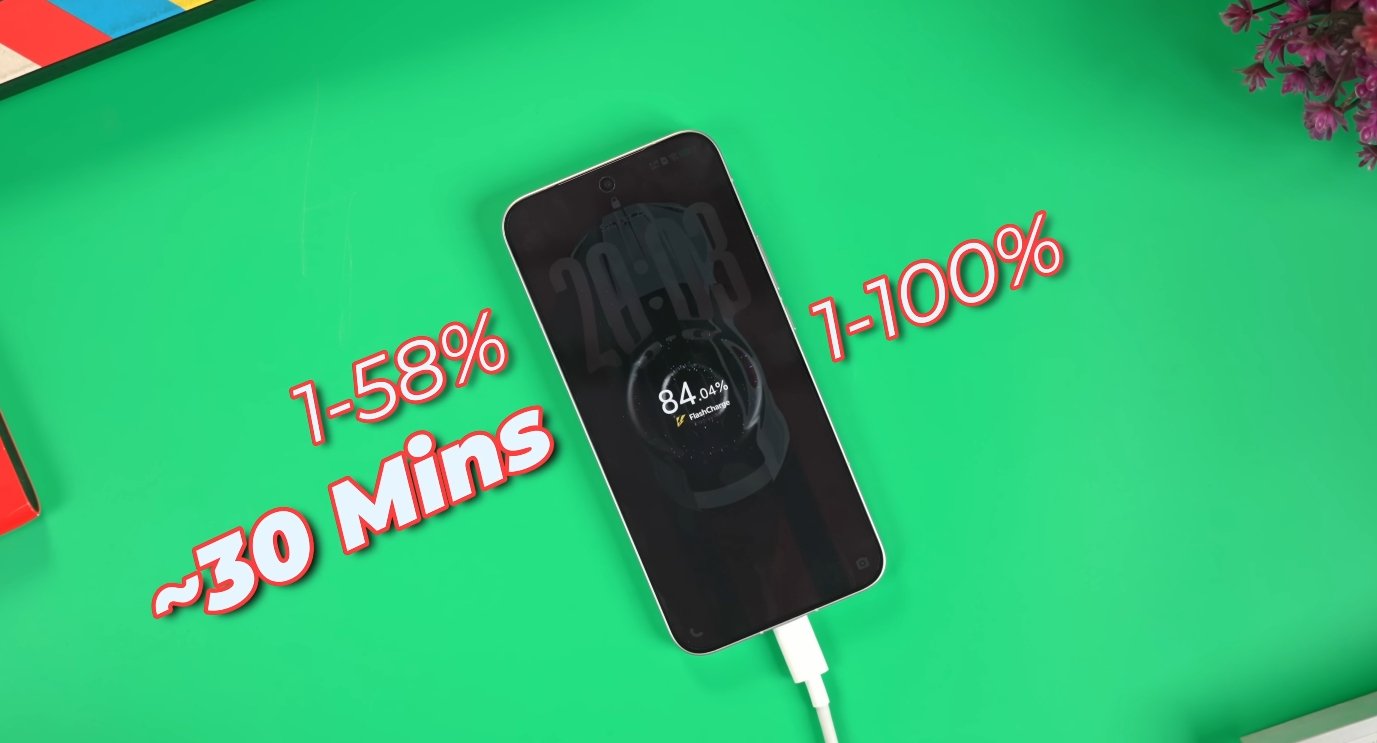
Battery life matters the most when you’re moving around. The POVA Slim typically lasts through a full day of mixed use—calls, messaging, photography, streaming—without needing a midday charge. For commuters, students, or outdoor users, this means peace of mind that it won’t die at a critical time. Charging speeds are reasonable though not top-tier; overnight or short charging sessions are sufficient for most.

Tecno POVA Slim Fits Daily Use in USA

Photos taken with POVA Slim are suitable for everyday sharing. Whether snapping a picture at a café, capturing a pet, or taking selfies, its camera module gives decent color reproduction and clarity in good lighting. Low-light performance is average: noise appears, but for casual use it’s acceptable. Video calls also benefit from decent front camera quality, which suits remote work or virtual school.

Display and portability are other areas where it shines. The screen is large enough for streaming shows, reading, or video chatting without feeling cramped. Slim design makes it easy to carry—fits into pockets, bags, or backpacks without bulk. For users moving between home, office, gym, or outdoors, the phone’s size and weight are comfortable.

Connectivity and network compatibility make or break daily convenience. With support for 4G LTE (and possibly 5G depending on variant), the POVA Slim keeps users reliably online—whether using mobile data or Wi-Fi. GPS and Bluetooth perform adequately, making navigation, wireless audio, or smart accessories usable without frustrating glitches.

There are trade-offs, as with any mid-range phone. Heavy gaming, intensive photo editing, or long video shoots may push its limits. But for 90-plus percent of standard daily tasks—texts, calls, media, maps, browsing—the Tecno POVA Slim fits well. It offers solid utility without demanding top-dollar cost, making it a strong option for those seeking dependable performance in daily life.

HOTWAV R9 Ultra 5G battery endurance test in USA

HOTWAV R9 Ultra 5G battery endurance test in USA

Real Battery Endurance and Performance of HOTWAV R9 Ultra 5G in the USA

The HOTWAV R9 Ultra 5G has quickly gained attention in the United States for its massive battery and rugged design. As more users demand long-lasting devices that can endure outdoor conditions, the R9 Ultra 5G stands out with its 20,080 mAh battery, making it one of the largest capacities ever seen in a rugged tablet. Beyond raw numbers, its real-world battery endurance in the U.S. has become a subject of genuine interest among users who rely on their devices for work, travel, and outdoor use.

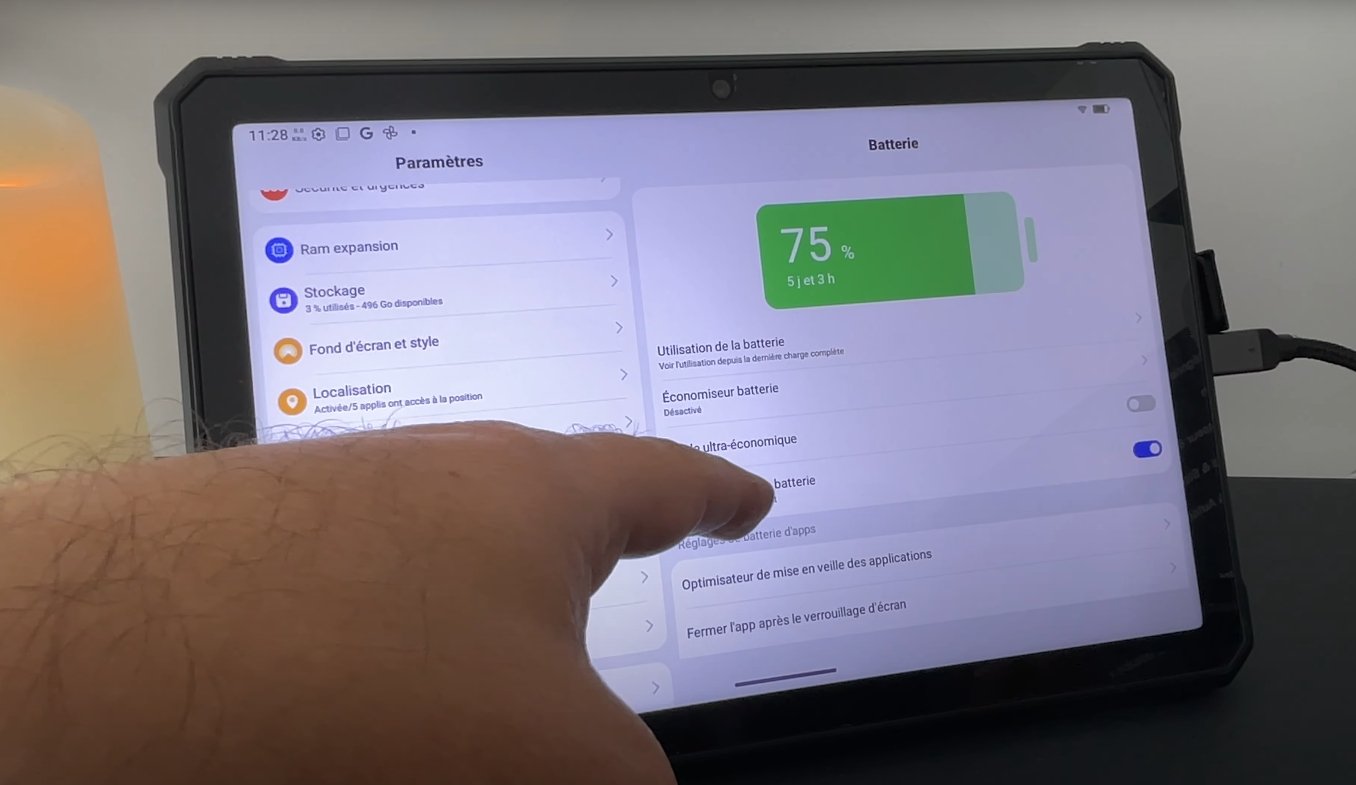
In everyday American conditions, the battery performance of the HOTWAV R9 Ultra 5G shows both strengths and practical limitations. The company claims that the tablet can last for weeks on standby, and early reports confirm that it can easily handle extended idle periods without major drops in charge. However, real-world usage tells a more balanced story. With normal use—browsing, calls, media playback, and occasional 5G connectivity—the R9 Ultra 5G can last about two full days before needing a recharge. This makes it an excellent option for people working in remote areas or those who travel frequently without consistent access to power outlets.

The large 20,080 mAh cell is paired with 20 W fast charging, which provides moderate recharging speed considering the battery’s size. A full charge takes several hours, but the tablet compensates with excellent endurance. In testing scenarios involving streaming, video recording, and 5G data use, the R9 Ultra 5G performed impressively by sustaining over ten hours of screen-on time. Even when using high brightness or multitasking with heavy apps, the device maintained reliable output without heating issues. The inclusion of reverse charging also allows it to serve as a portable power bank, which adds real convenience for users on the go.

HOTWAV R9 Ultra 5G battery endurance test in USA

Battery endurance also depends on environmental factors, and the rugged design of the R9 Ultra 5G helps it maintain stability across different U.S. climates. Whether used in hot desert regions or colder northern areas, the device remains consistent with only minor fluctuations in performance. The tablet’s internal temperature management system ensures efficiency, which prevents rapid battery drain even under stress. This makes it an ideal companion for outdoor professionals, hikers, and construction workers who require dependable performance under demanding conditions.

One of the interesting findings during endurance tests in the U.S. is how network type affects battery life. When using Wi-Fi or 4G networks, the tablet shows excellent power efficiency. However, when operating on 5G for long hours, battery consumption rises noticeably. Despite this, the tablet still manages to deliver a full day of use under heavy connectivity loads. The adaptive refresh rate of its display also contributes to conserving energy by automatically adjusting to different tasks, reducing unnecessary power use during light activities like reading or messaging.

In standby tests, the R9 Ultra 5G demonstrated exceptional results. When left idle with minimal background activity, the battery dropped only a few percent over several days. This efficiency highlights how well the software optimization and hardware tuning work together to reduce idle consumption. For people who use their tablet primarily for navigation, camping, or emergency standby, this kind of endurance offers peace of mind and long-lasting reliability.

Overall, the HOTWAV R9 Ultra 5G’s real-world endurance in the United States confirms that its massive battery is not just a marketing feature—it’s a genuine strength. While it may not achieve the extreme standby durations advertised under perfect lab conditions, it still delivers outstanding results in everyday use. The combination of a huge battery, rugged durability, efficient performance, and steady thermal management makes it one of the best options for users seeking long-term power without compromise. For American consumers who value battery life above all else, the HOTWAV R9 Ultra 5G stands out as a dependable, durable, and highly capable device that performs consistently across a wide range of environments.

Also Read:  Samsung Galaxy Tab S11 Ultra stylus accuracy tested

How Canada Users Are Reacting to LAVA Blaze Amoled 2

How Canada Users Are Reacting to LAVA Blaze Amoled 2

Canadian Buyers Share Their Experience With LAVA Blaze Amoled 2


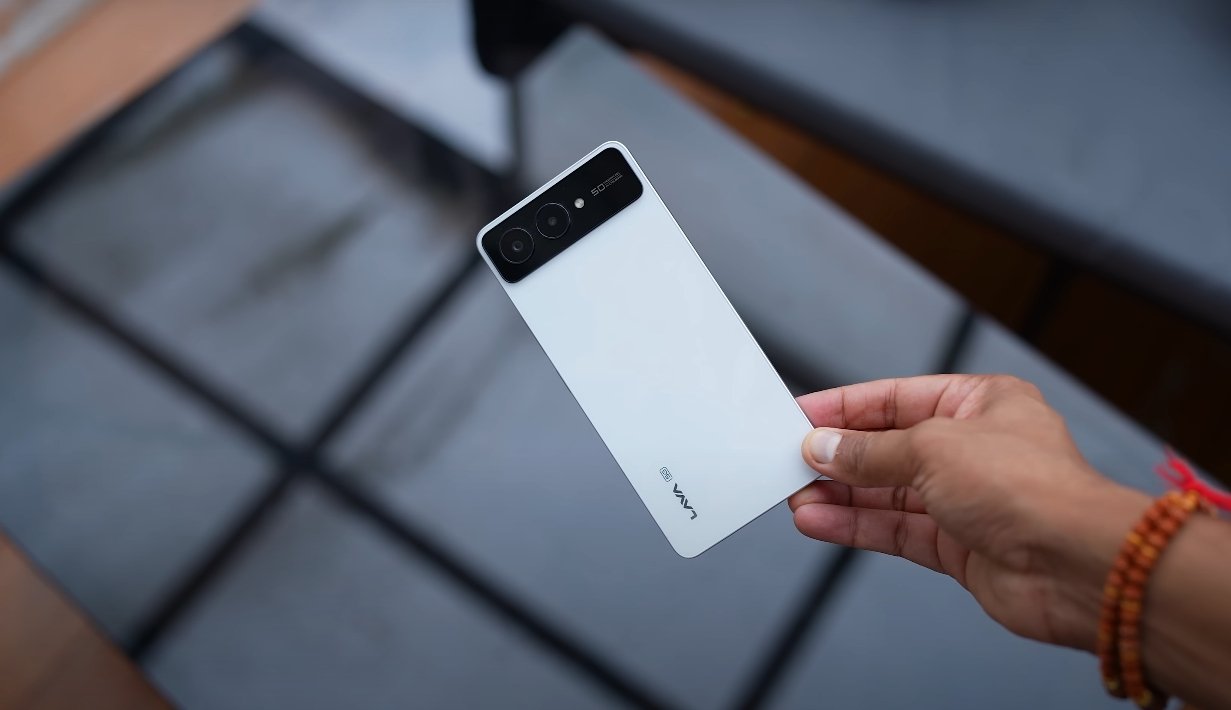
The LAVA Blaze Amoled 2 is receiving widespread attention from users in Canada, and early reactions have been mostly positive. Buyers are impressed by how the phone combines affordability with features typically seen in higher-priced smartphones. The 6.67-inch Full HD Plus AMOLED display, smooth 120Hz refresh rate, and vibrant colors are standing out as major highlights among Canadian users.

Performance has also received praise. Powered by the MediaTek Dimensity 7060 processor, the Blaze Amoled 2 handles multitasking, social media apps, and casual gaming efficiently. With 4GB RAM, 128GB storage, and support for expandable memory, Canadian users feel the phone is fast and responsive for everyday tasks. Virtual RAM support further enhances performance, keeping the experience smooth even under heavier usage.

Camera performance is another area where buyers have shared positive feedback. The 50MP rear camera captures clear and detailed images, while the 8MP front camera is suitable for selfies and video calls. While it may not compete with premium devices, users find it more than sufficient for regular photography, adding to the phone’s value.

Canada Users Are Reacting to LAVA Blaze Amoled 2

Battery life is a key factor in the favorable reactions. The 5000mAh battery with 33W fast charging allows the phone to last a full day of use and recharge quickly when needed. Canadian buyers have noted that this combination makes the phone reliable for daily routines and on-the-go lifestyles.

Overall, Canadian users are responding well to the LAVA Blaze Amoled 2. Its balance of AMOLED display quality, dependable performance, usable camera, and long battery life at an affordable price has made it a popular choice among budget-conscious buyers in Canada. The early reactions indicate that the phone is set to become a trusted option in its segment.

HOTWAV R9 Ultra 5G vs HOTWAV Cyber 13 Pro comparison

HOTWAV R9 Ultra 5G vs HOTWAV Cyber 13 Pro comparison

Rugged Power Clash Between Two Heavyweight Devices

When it comes to rugged smartphones and tablets, HOTWAV has built a name for delivering devices designed for durability, performance, and long-lasting power. The latest contenders from the brand, the HOTWAV R9 Ultra 5G and the HOTWAV Cyber 13 Pro, cater to users who demand extreme endurance in challenging environments. While both models share rugged certifications and massive batteries, their form factors and target audiences set them apart in key ways.

The HOTWAV R9 Ultra 5G is positioned as a rugged tablet with phone capabilities. It comes with a massive 11-inch 2K display, giving it a distinct edge for users who need more workspace or visual clarity on the go. The screen’s size makes it ideal for outdoor fieldwork, construction management, or media viewing. On the other hand, the HOTWAV Cyber 13 Pro offers a compact 6.6-inch Full HD+ display, maintaining the feel and usability of a traditional smartphone. This difference in size alone creates a clear divide between the two—one is built for industrial versatility, while the other focuses on mobile rugged practicality.

Under the hood, both devices pack serious power, but the R9 Ultra 5G stands slightly ahead. It features a 6nm 5G-ready processor paired with up to 24GB of RAM and as much as 512GB of storage, ensuring seamless multitasking and future-ready performance. The Cyber 13 Pro, though less powerful, still delivers smooth handling through its UNISOC T619 chipset, 12GB RAM, and 256GB internal storage. For users who value raw performance, faster data speeds, and heavy multitasking, the R9 Ultra 5G is clearly the more advanced option. However, the Cyber 13 Pro offers more than enough performance for everyday rugged phone usage, including navigation, photography, and communication tasks.

HOTWAV R9 Ultra 5G vs HOTWAV Cyber 13 Pro comparison

Battery life is another defining category where HOTWAV continues to impress. The R9 Ultra 5G packs an enormous 20,080mAh battery, setting a new benchmark for endurance. This capacity allows days of continuous operation without needing a recharge, a feature critical for users working in remote or demanding environments. Meanwhile, the Cyber 13 Pro carries a still-remarkable 10,800mAh battery, providing exceptional longevity for a smartphone. Both devices include fast-charging support, minimizing downtime. In short, if maximum runtime is a priority, the R9 Ultra dominates, but the Cyber 13 Pro remains a strong contender in a smaller package.

Durability is where both devices proudly stand shoulder to shoulder. Each carries IP68, IP69K, and MIL-STD-810H certifications, confirming resistance against water, dust, shocks, and extreme conditions. The R9 Ultra’s build leans more toward a heavy-duty industrial design, complete with reinforced corners and accessories such as a hand strap and stand. The Cyber 13 Pro keeps things compact while retaining a similar level of rugged protection. For users in fieldwork, logistics, or construction, both devices offer dependable resilience, though the R9 Ultra’s larger frame makes it less portable compared to the pocket-friendly Cyber 13 Pro.

When it comes to photography, both devices sport capable camera systems suited for outdoor use. The R9 Ultra 5G features a 64MP primary sensor alongside supporting lenses that enhance versatility in different lighting conditions. The Cyber 13 Pro matches this with a 64MP main camera and a high-resolution front shooter for selfies or video calls. While neither device aims to replace premium camera phones, both deliver clear, detailed shots fit for documentation, inspection, or recreational use. In practical terms, their imaging capabilities are more about reliability than aesthetics.

In terms of connectivity, the R9 Ultra 5G lives up to its name by supporting full 5G bands, enabling faster network performance in supported regions. It is also compatible with dual SIMs, expanding its appeal for professionals who travel or rely on multiple carriers. The Cyber 13 Pro mainly operates on 4G LTE networks, which are still adequate for most users, but lack the ultra-fast speeds of 5G. The difference may not matter much for casual users, but those who work with large data files or stream high-quality media will appreciate the R9 Ultra’s advanced connectivity.

Overall, choosing between the HOTWAV R9 Ultra 5G and the HOTWAV Cyber 13 Pro depends on priorities. The R9 Ultra 5G is a rugged powerhouse that blurs the line between smartphone and tablet, delivering unmatched battery capacity, superior performance, and 5G readiness. It is best suited for professionals in demanding fields who need a reliable, all-in-one device that lasts for days. The Cyber 13 Pro, meanwhile, offers a balanced approach—compact, durable, and capable—perfect for users who want a rugged smartphone that can withstand extreme conditions without compromising portability.

Both devices stand as proof that HOTWAV continues to refine its formula for durability and endurance. Whether it’s the massive-screen powerhouse of the R9 Ultra 5G or the practical, rugged compactness of the Cyber 13 Pro, users can count on long-lasting strength and reliable performance wherever they go.

Also Read:  Samsung Galaxy Tab S11 Ultra vs Lenovo Tab Extreme display

Honor Magic V Flip 2 premium variant confirmed for USA buyers

Honor Magic V Flip 2 premium variant confirmed for USA buyers

Jimmy Choo Luxury Edition & Top-Spec Option Coming Stateside

Honor has officially revealed that the premium “Jimmy Choo” edition of the Magic V Flip 2 will be part of its lineup, signaling that U.S. customers will have access to one of the highest-end variants of the foldable. The Jimmy Choo version features a luxury finish, design touches, and carries the top storage configurations, making it more than just a style option—it’s a fully spec’d premium model.

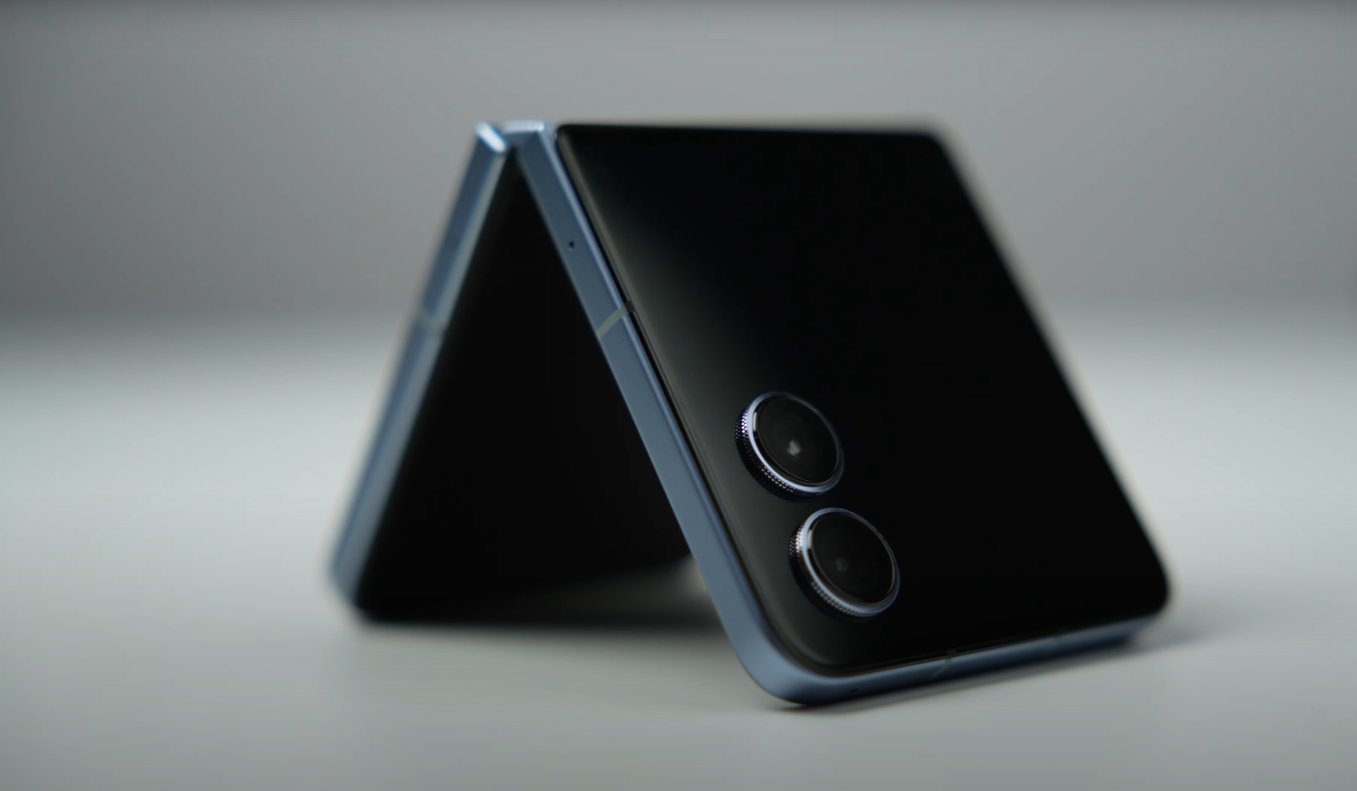
The premium variant includes a special “Jewel Blue” crystal-inspired design, custom wallpapers, an engraved hinge with Jimmy Choo branding, and accessories aligned with its fashion-forward positioning. Beyond aesthetics, this version retains the full spec suite: high RAM and storage, the large battery, fast charging (wired and wireless), and the robust dual-camera system. The top memory/storage option is 16 GB RAM paired with 1 TB of onboard storage.

Honor Magic V Flip 2 premium variant confirmed

Honor has made clear that this premium edition is not being limited to its domestic China market. In announcements and in marketing materials, Honor has listed the premium Jimmy Choo variant among the configurations that will be available more broadly. Though exact U.S. release dates and pricing are not yet confirmed, this inclusion suggests US buyers will not have to settle for base models only.

This confirmation of a premium variant supports other indicators that Honor is tailoring its launch strategy for the U.S. market. It aligns with what American consumers expect from foldable flagships: strong performance, generous storage, luxury design, and differentiated cosmetic editions. Including the Jimmy Choo version in U.S. availability helps Honor compete not just on feature set, but on desirability and premium branding.

Potential buyers in the U.S. should watch for preorder details, as premium models often sell out faster or come with limited inventory. Also, pricing for the high-storage premium variants is expected to lead, meaning the Jimmy Choo edition will likely command a noticeable premium over the base model. But for customers seeking the top-tier Magic V Flip 2, this confirmation means it’s coming.

Also Read:  Nothing Phone 3A Lite user interface and icon pack details

HOTWAV R9 Ultra 5G vs Oukitel WP50 Pro performance

HOTWAV R9 Ultra 5G vs Oukitel WP50 Pro performance

Rugged Power Showdown: HOTWAV R9 Ultra 5G vs Oukitel WP50 Pro

The rugged smartphone market has seen strong competition in 2025, with HOTWAV and Oukitel pushing powerful devices designed for durability and outdoor performance. The HOTWAV R9 Ultra 5G and the Oukitel WP50 Pro are two standout models, each aimed at users who want toughness without sacrificing modern features. While both share 5G support and rugged designs, their internal hardware and real-world performance reveal major differences that set them apart.

The HOTWAV R9 Ultra 5G is built like a powerhouse. It features an octa-core 6nm processor designed for energy efficiency and strong multitasking. Paired with up to 24GB of RAM and 512GB of storage, this device easily handles demanding apps, games, and productivity tools. The addition of UFS 3.1 storage ensures faster file transfers and smoother app loading times. The Oukitel WP50 Pro, on the other hand, runs on the MediaTek Dimensity 6100+ chipset with up to 12GB of RAM and 256GB of storage. While capable, it’s clear that the WP50 Pro targets mid-range performance rather than raw power.

Display quality is another key difference between these two rugged devices. The HOTWAV R9 Ultra 5G offers a large 11-inch 2K display with a 120Hz refresh rate, giving users a smooth and vibrant visual experience. This makes it excellent for watching videos, editing documents, or playing high-frame-rate games. The Oukitel WP50 Pro uses a smaller 6.6-inch HD+ panel with a standard 60Hz refresh rate, which feels modest in comparison. For users who prioritize screen clarity and responsiveness, the R9 Ultra delivers a more premium experience.

HOTWAV R9 Ultra 5G vs Oukitel WP50 Pro performance

Battery life plays a crucial role in any rugged device, and here, the HOTWAV R9 Ultra 5G stands out with a massive 20,080mAh battery. It can last several days on a single charge, even under heavy use, making it ideal for outdoor workers, travelers, or gamers. The Oukitel WP50 Pro includes a 6,500mAh battery, which provides good endurance for a phone of its size but cannot match the longevity of the R9 Ultra. Both support fast charging, but the larger battery capacity of the R9 Ultra gives it a clear advantage for power users who need extended uptime.

In terms of rugged build, both models are rated for IP68, IP69K, and MIL-STD-810H standards, ensuring protection against water, dust, shocks, and drops. The Oukitel WP50 Pro focuses more on being a compact, tough smartphone suitable for everyday use, while the HOTWAV R9 Ultra 5G’s tablet-sized body is designed for extreme conditions and fieldwork. Its reinforced frame and extra-large form factor make it less pocket-friendly but far more capable in demanding outdoor environments.

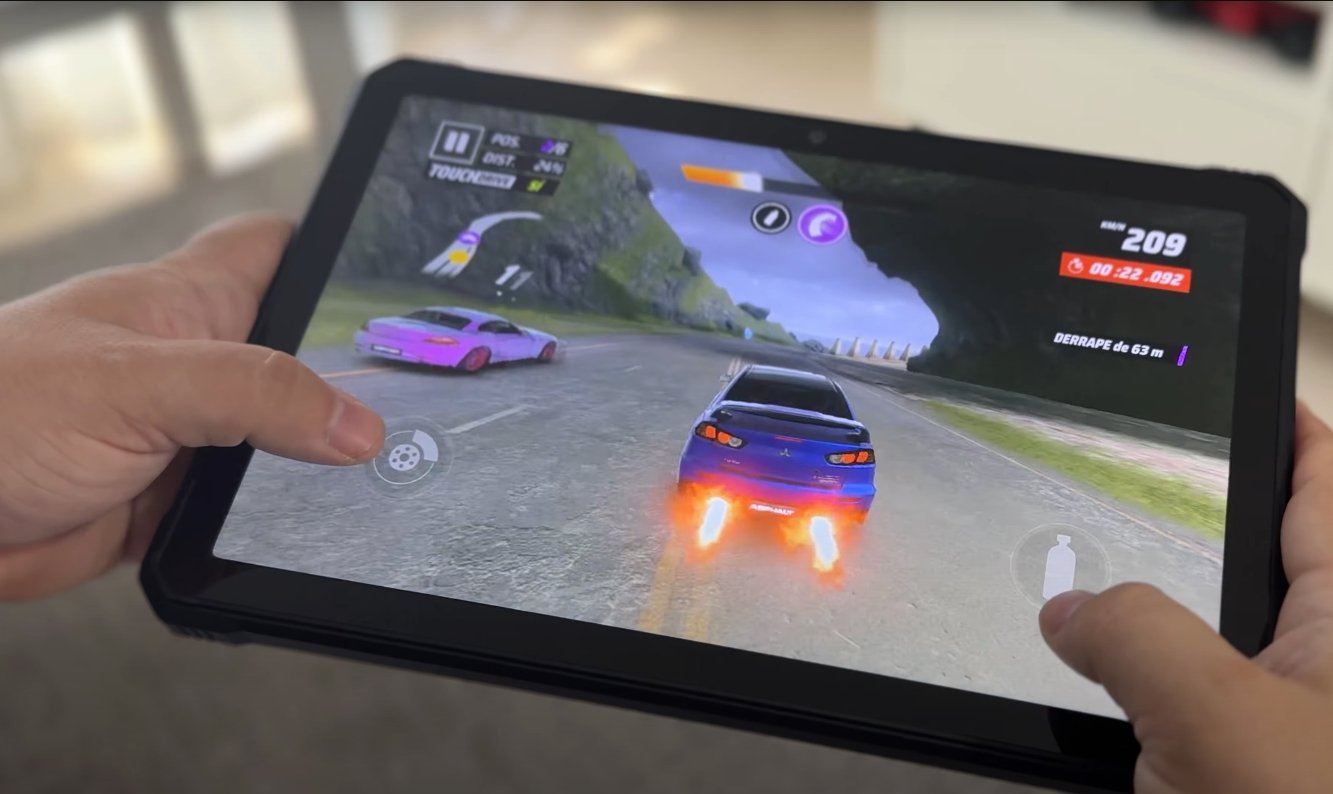
Performance testing shows that the HOTWAV R9 Ultra 5G maintains higher stability during extended gaming sessions and multitasking. The cooling system and power-efficient chipset prevent overheating even under pressure. The Oukitel WP50 Pro performs adequately for daily use, handling social apps, streaming, and browsing without major lag, but it struggles with high-end gaming or multitasking between multiple heavy apps. For users focused on raw speed, graphics quality, and consistent frame rates, the R9 Ultra is clearly ahead.

Overall, both devices fulfill their purpose within different performance tiers. The Oukitel WP50 Pro is ideal for users who want a durable smartphone with 5G connectivity and decent power at a more affordable price. It’s compact, reliable, and tough enough for everyday rugged use. The HOTWAV R9 Ultra 5G, however, pushes the boundaries of what a rugged device can be. With its immense battery, higher RAM and storage options, and ultra-smooth display, it offers near-flagship performance in a rugged package.

In conclusion, the HOTWAV R9 Ultra 5G dominates in raw performance, endurance, and display quality, making it the better choice for users who prioritize productivity, gaming, and long-lasting power. The Oukitel WP50 Pro remains a solid alternative for those seeking a lighter, more compact, and budget-friendly rugged phone. Both serve different needs, but in a direct performance comparison, the R9 Ultra 5G takes the win as the ultimate rugged performance leader of 2025.

Also Read:  Samsung Galaxy Tab S11 Ultra vs Tab S11 Plus battery test

How the iQOO 15 could change mid range phone competition in the US

How the iQOO 15 could change mid range phone competition in the US

iQOO 15 Set to Shake Up America’s Mid-Range Smartphone Market

The iQOO 15 has quietly become one of the most talked-about devices in the smartphone world, and for good reason. While most mid-range phones in the United States balance price and performance with several compromises, the iQOO 15 is breaking that tradition. With near-flagship specifications and a surprisingly affordable price, it’s positioned to challenge established brands like Samsung, Google, and OnePlus in a segment that’s long overdue for disruption.

The iQOO 15’s biggest strength lies in its unmatched performance for the price. Powered by the Snapdragon 8 Elite Gen 5 processor, it brings the same raw power found in many top-tier flagships to a much lower price bracket. This is a huge deal for American buyers who have come to expect compromises in chipsets when choosing mid-range options. The device’s performance benchmarks suggest it can handle heavy gaming, multitasking, and AI-driven features without a hitch, outperforming nearly every other phone in its price range.

Battery life is another area where the iQOO 15 changes expectations. It features a massive 7,000mAh battery—something almost unheard of in phones priced below the premium category. Combined with ultra-fast 100W charging support, users can enjoy long gaming sessions, streaming, or social media scrolling without worrying about running out of juice. For American consumers who value convenience, this battery setup could set a new standard that forces competitors to rethink their power solutions.

How the iQOO 15 could change mid range phone competition in the US

The display is equally impressive, with a 6.78-inch AMOLED panel boasting a 144Hz refresh rate and 2K resolution. Such high refresh rates are typically reserved for flagship devices, yet the iQOO 15 offers them at a more affordable level. For gamers and entertainment lovers, the smooth visuals and vibrant colors deliver an immersive experience rarely seen in mid-range phones. This could push other brands to raise their own display standards, especially as consumers start demanding faster, smoother screens across all price levels.

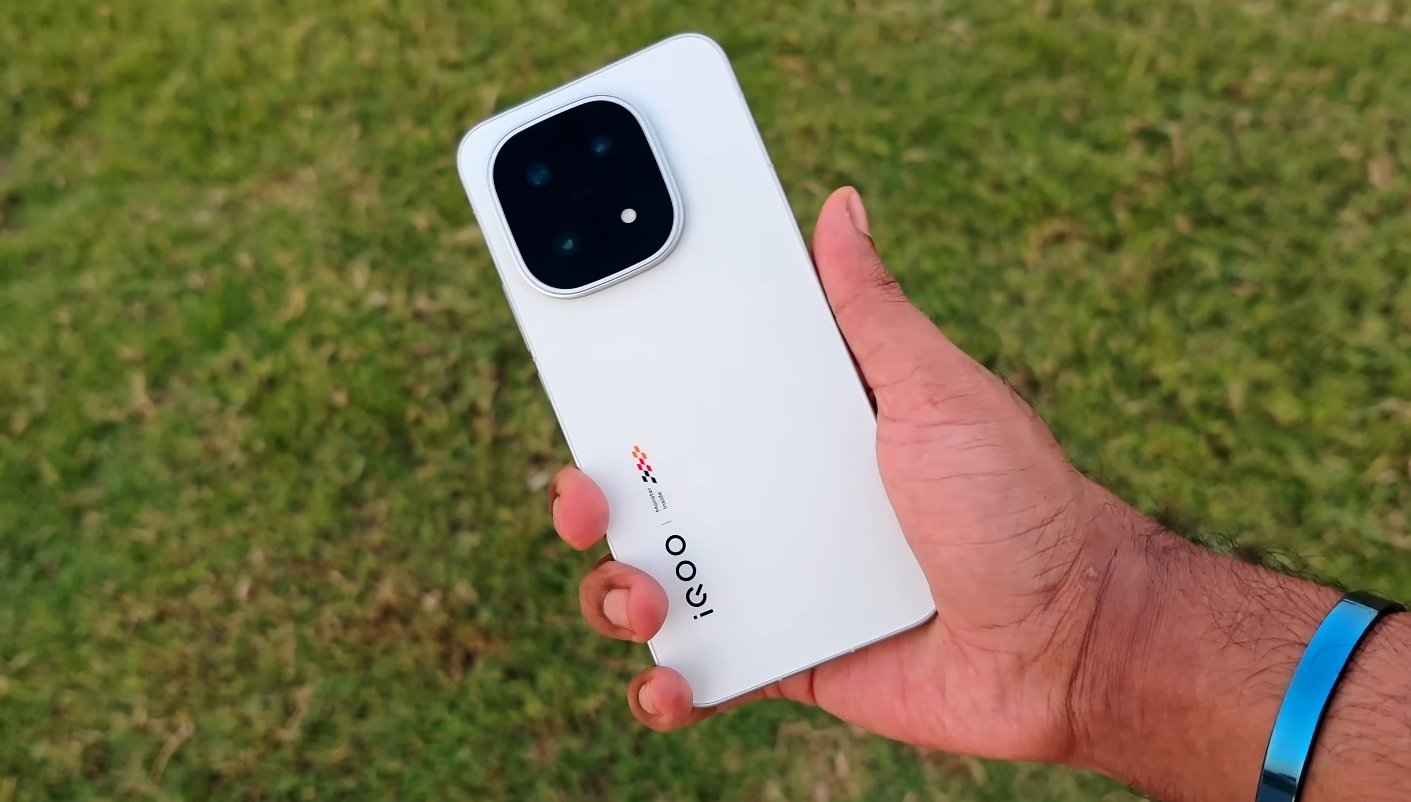
From a design standpoint, the iQOO 15 maintains a sleek and premium appearance, with curved edges and a high-quality finish that looks more expensive than it is. Despite its large battery, the phone feels surprisingly balanced in hand, showcasing iQOO’s engineering focus on usability and comfort. American buyers, accustomed to stylish yet functional phones, will likely appreciate this combination of aesthetics and practicality.

Beyond hardware, the iQOO 15’s software optimization also plays a key role in its appeal. Its custom interface has been tuned for smoother performance, faster response times, and a gaming mode that maximizes system resources during heavy gameplay. Features like real-time ray tracing and adaptive frame stabilization ensure that mobile games look and feel closer to console-level quality. For younger U.S. audiences who play competitive titles like PUBG Mobile or Call of Duty: Mobile, the difference is immediately noticeable.

The iQOO 15’s biggest challenge in the U.S. market may be its limited official availability. The brand, owned by Vivo, doesn’t yet have the same distribution reach or carrier partnerships as major players like Samsung or Apple. However, as awareness grows and import options expand, the iQOO 15 could still make a substantial impact. If it officially enters the American market at a competitive price, it could completely redefine what consumers expect from a phone that costs under $800.

Another area where the iQOO 15 might shift competition is in its value proposition. American consumers have long associated mid-range phones with acceptable trade-offs—slightly slower performance, average cameras, or modest battery life. The iQOO 15 challenges that mindset by offering near-flagship performance with almost no compromises. Once buyers experience this level of quality at a lower cost, other brands will be forced to adjust their pricing or significantly improve their offerings to keep up.

In conclusion, the iQOO 15 is more than just another smartphone—it’s a statement that premium performance no longer needs to come with a premium price tag. If the device gains traction in the U.S., it could disrupt the mid-range category by raising expectations across the board. Brands like Google and Samsung will have to work harder to justify their prices, while consumers stand to benefit from faster innovation and better value. The iQOO 15 might just be the spark that ignites a new wave of competition in America’s smartphone market, transforming the mid-range segment into something truly extraordinary.

Also Read:  iQOO 15 release date in the US sparks excitement among Android fans

Honor Magic V6 vs Samsung and Motorola: The UK’s Folding Phone Showdown

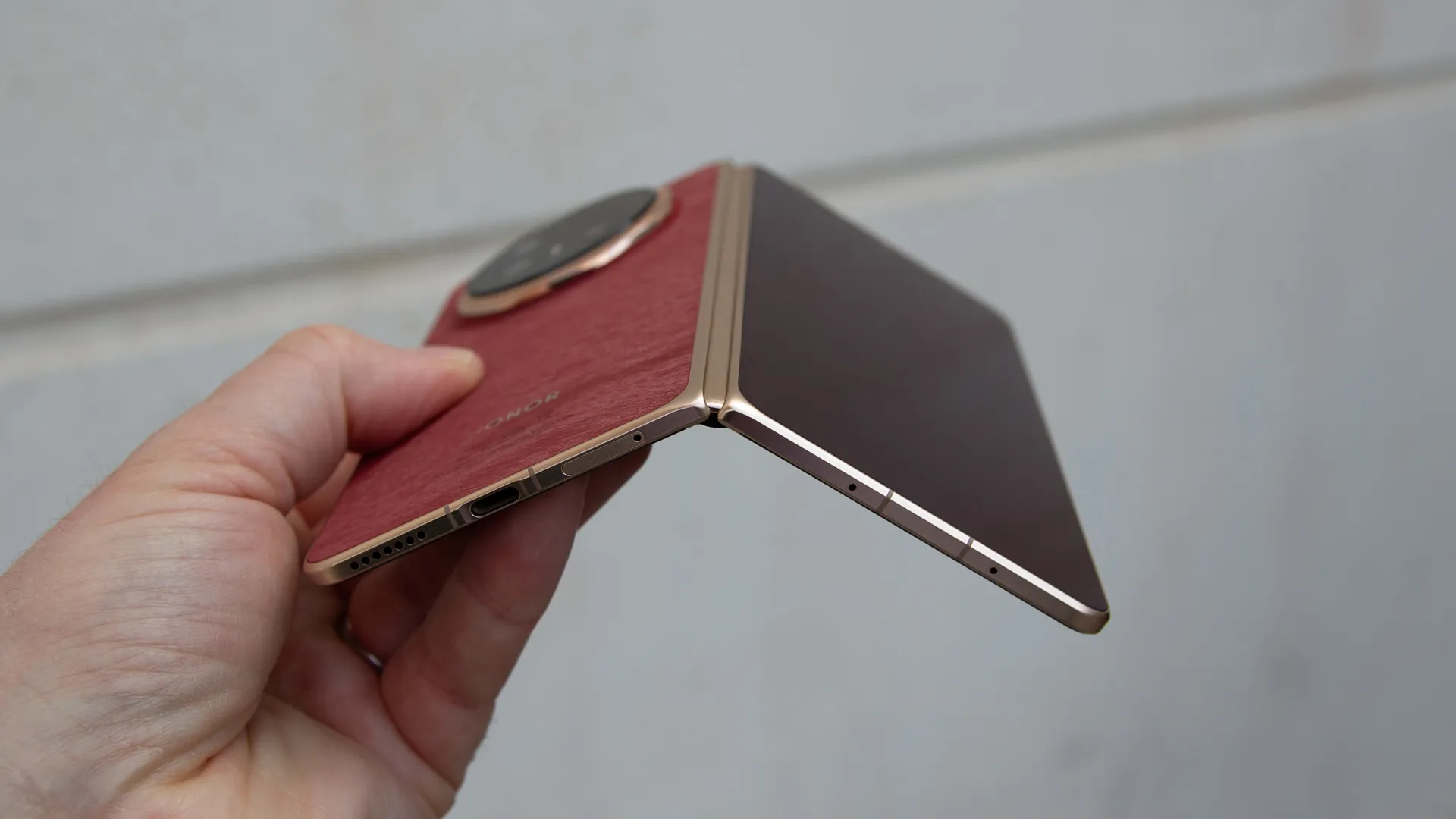
The Honor Magic V6 folding phone in a vibrant red finish, with a slim profile and unique design. The device features a 7.95-inch internal display and 6.52-inch external display, both with a 120Hz refresh rate and peak brightness of 5,000 and 6,000 nits respectively. The Magic V6 is powered by the Snapdragon 8 Elite Gen 5, making it the most powerful folding phone yet, with a huge 6,660mAh battery and 80W wired and 66W wireless charging.

Honor Magic V6: A New Player in the UK’s Folding Phone Market

The Honor Magic V6 is the latest addition to the UK’s folding phone scene, boasting top-notch specs and a unique design. With its slim profile and vibrant colour options, it’s sure to turn heads. But how does it compare to its rivals, Samsung and Motorola?

The Magic V6 features a 7.95-inch internal display and 6.52-inch external display, both with a 120Hz refresh rate and peak brightness of 5,000 and 6,000 nits respectively. The device is powered by the Snapdragon 8 Elite Gen 5, making it the most powerful folding phone yet.

In terms of camera capabilities, the Magic V6 has a 50Mp main camera, 50Mp ultrawide, 64Mp 3x telephoto, and 20Mp selfie camera. While Samsung’s main camera takes the award for best resolution, numbers aren’t everything. The Magic V6’s camera performance is expected to be similar to its predecessor, the V5, which was a great camera overall.

The Magic V6’s battery life is also impressive, with a huge 6,660mAh battery and 80W wired and 66W wireless charging. This dwarfs most other folding phones, making it a great option for those who want a device that can keep up with their busy lifestyle.

In conclusion, the Honor Magic V6 is a strong contender in the UK’s folding phone market. With its unique design, top-notch specs, and impressive camera capabilities, it’s sure to give Samsung and Motorola a run for their money.

The Samsung Galaxy Z Fold 7 is still the reigning folding phone king, but the Magic V6 is a close second. The Motorola Razr Fold is also a great option, with its unique design and impressive specs. Ultimately, the choice between these devices will depend on personal preference and individual needs.

As the UK’s folding phone market continues to grow, it’s exciting to see new players like Honor entering the scene. With its competitive pricing and impressive specs, the Magic V6 is sure to be a hit with consumers.

The Magic V6’s software experience is also worth mentioning, with MagicOS offering a range of features and customization options. However, it’s worth noting that the device comes with a glut of pre-installed apps, which may be a turn-off for some users.

In terms of design, the Magic V6 is a sleek and stylish device, with a slim profile and vibrant colour options. It’s sure to appeal to those who want a device that looks and feels premium.

Overall, the Honor Magic V6 is a great addition to the UK’s folding phone market. With its unique design, top-notch specs, and impressive camera capabilities, it’s sure to be a hit with consumers. Whether you’re a fan of Samsung, Motorola, or Honor, there’s never been a better time to invest in a folding phone.

The UK’s folding phone market is heating up, and the Magic V6 is just the beginning. With new devices and innovations on the horizon, it’s an exciting time for consumers and manufacturers alike.

In conclusion, the Honor Magic V6 is a must-see device for anyone interested in folding phones. With its unique design, top-notch specs, and impressive camera capabilities, it’s sure to be a hit with consumers. Don’t miss out on the opportunity to experience the latest in folding phone technology.

HP Pavilion Vs Moto Book 60 comparison

HP Pavilion Vs Moto Book 60

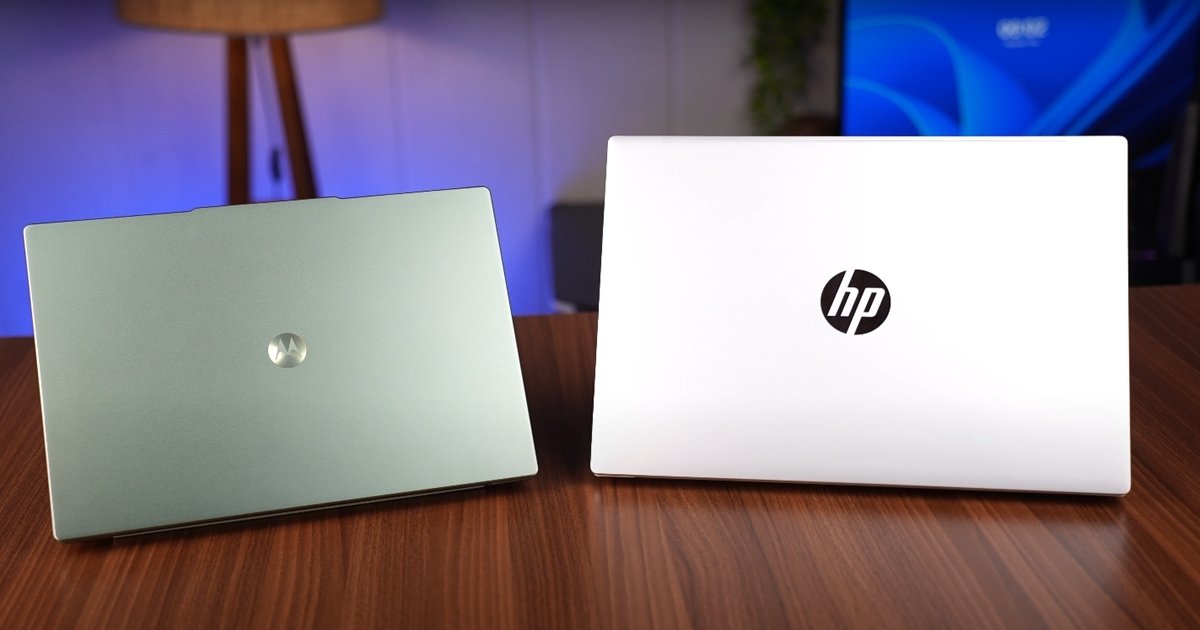
This is the HP Pavilion Thin and Light Core Ultra series. We reviewed it a few days ago. And this HP one is priced at Rs 69 k INR in india.


HP Pavilion and Moto Book 60 compare

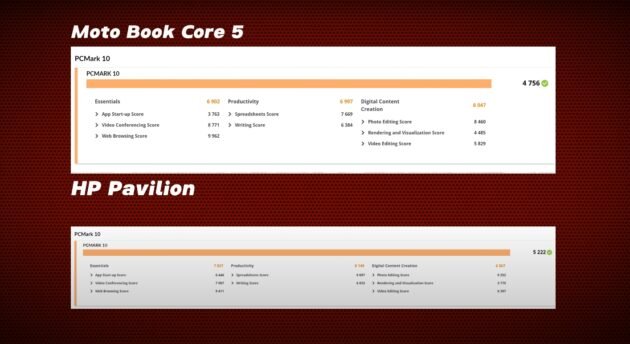
Moto has Intel Core 5. This one has Core Ultra 5. I said let’s compare the processors. Those who keep asking what is the difference, it would have been beneficial there too. And if you look at thin and light, it comes from all over the world. Both of these are in the studio, so I thought let’s compare them. And you tell me in the comment section and whatever demand you have, I am thinking of including some comparisons etc. Look, we are not doing any unboxing etc. Laptop and charger are available in the box of both. We will get 65 W Type C charger with both.

First of all, let’s start with the beauty. And here beauty can be subjective. So in my case, I found Motorola more attractive because HP has the same traditional look. It seems that they have not worked much on their looks for many years. You close your eyes and think of HP laptop. Then some such image comes up. And here Motorola’s laptop is in complete aluminium build. And in HP’s laptop, we get the top layer of aluminium but the rest of the laptop is in polycarbonate. Both laptops are good in build quality. And if you look color wise, Motorola’s color is a bit youth centric. It is a bit more attractive. I am probably liking it. You may not like it.


Weight and look of both laptop

You can check. Some of us also get bronze color in Motorola. There is also a Wedgwood color. And the one in HP is of silver grey type. And by the way, both laptops are of different sizes. Motorola is of 14 inches. HP is of 16 inches. There is a good difference in weight. Here we get a Motorola laptop of 1.35 kg. HP Pavilion is around 1.75 kg. That means it is almost 2 kg. Now this is a thin light category laptop but it is not thin light weight. And if we look at keyboard flex, then we find almost similar in both. And if you look at toplet flex also, then HP feels a little more. But there is a reason for that. This is 16 inches. So the chassis is quite good.

Here the thickness of both the laptops feels almost the same. That means it is around 17-18 mm. And I was looking at the weight distribution here. Motorola opens easily. HP has to struggle a bit to open. Like its bottom does not lift. The weight distribution is not so good. And our maximum HP goes at around 120-130 degrees. And Motorola 170 goes upto 180°. But how much impact it will have on someone’s use case, you have to decide for yourself. That means the weight of a thin light is usually under 1.5 kg. Because the people who prefer these are office goers, they do not need much weight. if we include the charger then the weight increases further. So that is also one thing.


Battery charging and ports support

So probably because of that it is bigger. But both are not going to disappoint you in build quality. After that come the holes, sorry I mean ports. Here inside both the laptops, we will get two USB Type C 3.2 Gen One ports, which support 65 WD in both the laptops. That means you can charge with their Type C charger.

And in both the laptops you will get Type A port of USB 3.2 Gen One, in which Moto Book has a Type A port that is always on. Which means even if your laptop is off, you can charge watch, TWS or anything through it. It is not there in HP. But both the laptops have a combo of headphone mic jack. Motorola wins here at one place. if you have a phone charger of 60-65 W or even less watt, you can charge the laptop with that too. But the same thing is that you will not get fast charging speed with a low watt charger. And a notification also comes that you are not using the right charger.


HP Pavilion and Moto Book 60
HP Pavilion Vs Moto Book 60 comparison

This Type C port in both the laptops also supports Display Port 1.4b, which means you can also take display output up to 4K 144 Hz. Now in both the laptops we get HDMI 2.0 port. Which means you can take output up to 4K 60. And if we look at keyboard flex, then we find almost similar in both. And if you look at toplet flex also, then HP feels a little more. But there is a reason for that. This is 16 inches. So the chassis is quite good.

That is the micro SD card slot, which according to me should be there in every thin light laptop today. Because people expand storage etc. M2 SSD is very expensive. And the people this laptop targets have a lot of data. They store a lot of things in their laptops. And in SSD, you can get SD cards up to 1TB or 2TB without spending any money, which you can normally plug in your laptop and expand your storage.

How USA Users Rate Samsung Galaxy Watch8 Classic Battery Life

How USA Users Rate Samsung Galaxy Watch8 Classic Battery Life

Real-World Battery Insights for Samsung Galaxy Watch8 Classic

The Samsung Galaxy Watch8 Classic has drawn significant attention in the U.S., not only for its design and features but also for its battery performance. Many users have shared their experiences online, helping prospective buyers understand what to realistically expect from the device in daily use.

Several users have reported impressive battery longevity. With moderate usage, including occasional workouts, notifications, and short app interactions, the watch can last up to six days. This performance indicates that the device intelligently manages power over time, reducing background drain and optimizing efficiency. For users who dislike daily charging, this is a notable advantage.

How USA Users Rate Samsung Galaxy Watch8 Classic Battery

However, some buyers have experienced shorter battery life under heavy usage. Features like the Always-On Display, continuous heart rate monitoring, and GPS tracking during workouts can drain the battery faster, sometimes requiring a recharge after just a day and a half. These experiences highlight how certain power-intensive features can affect overall battery performance.

Fast charging has proven to be a helpful solution for those with heavier usage patterns. Even when the battery is low, the Galaxy Watch8 Classic can regain enough power in a short period to last several more hours, ensuring that users are not left without access to essential smartwatch functions.

Battery performance also varies depending on individual settings and usage habits. Users who limit background apps, reduce notifications, or selectively use health tracking features often report longer battery life. On the other hand, users who rely on constant health monitoring and heavy app usage may need to charge more frequently, making it important to understand personal needs before purchase.

Overall, the Samsung Galaxy Watch8 Classic provides a flexible and adaptive battery experience. It is capable of supporting multi-day usage for moderate users while offering fast charging to compensate for more demanding routines. This balance ensures that most U.S. users can rely on the watch throughout the day without frequent interruptions.

For buyers in the United States, these real-world battery insights are crucial. They help set realistic expectations and assist in making an informed decision when considering the Galaxy Watch8 Classic. With proper usage management, the watch can deliver reliable performance, making it a dependable companion for fitness tracking, daily notifications, and smart features.

HOTWAV R9 Ultra 5G design and build quality review

HOTWAV R9 Ultra 5G design and build quality review

A closer look at the rugged design of HOTWAV R9 Ultra 5G

The HOTWAV R9 Ultra 5G has quickly gained attention for its tough exterior and heavy-duty design. Unlike many sleek consumer tablets, this device is built with durability as its core focus. Its metal-reinforced frame, thick corners, and overall rugged shape give it a solid industrial look. The company has highlighted its resistance to water, dust, and drops, making it ideal for users who need reliable performance in rough outdoor environments. It’s clearly designed for workers, travelers, or adventurers who value strength over sleekness.

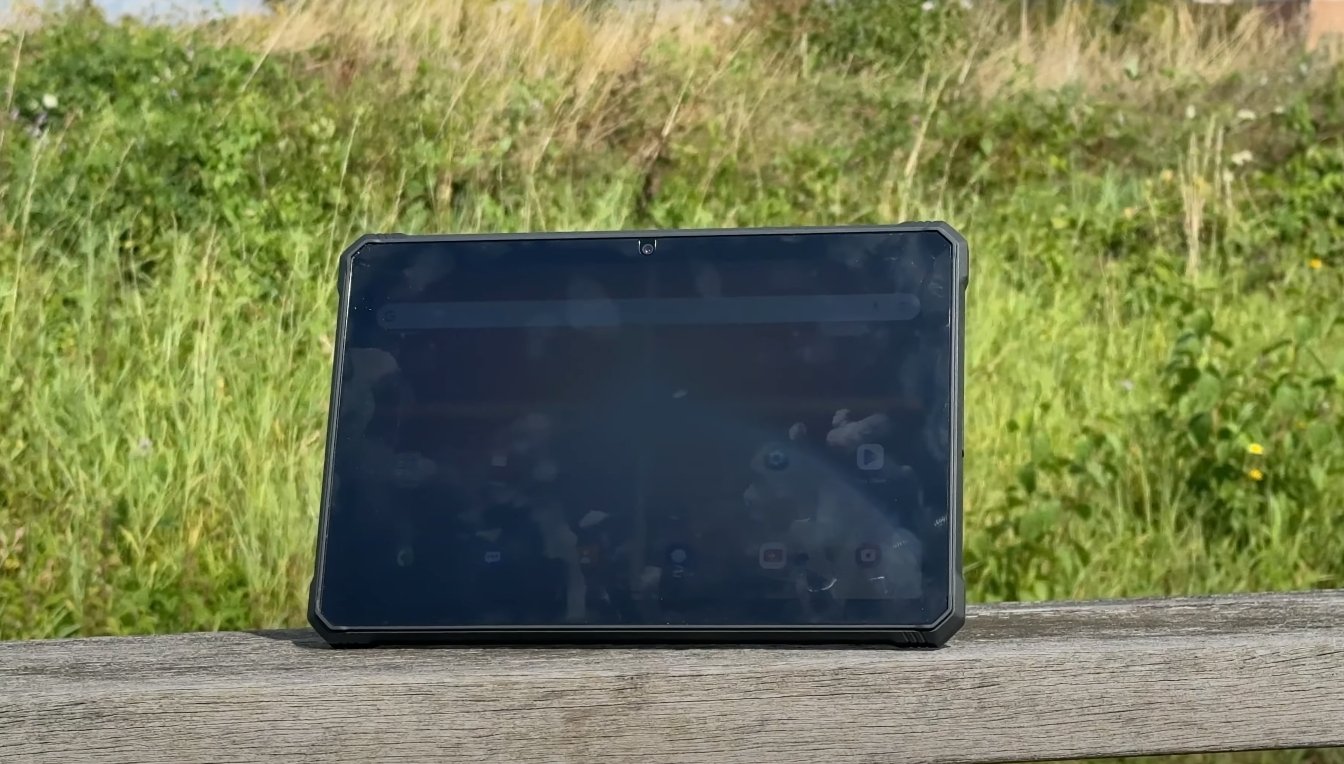
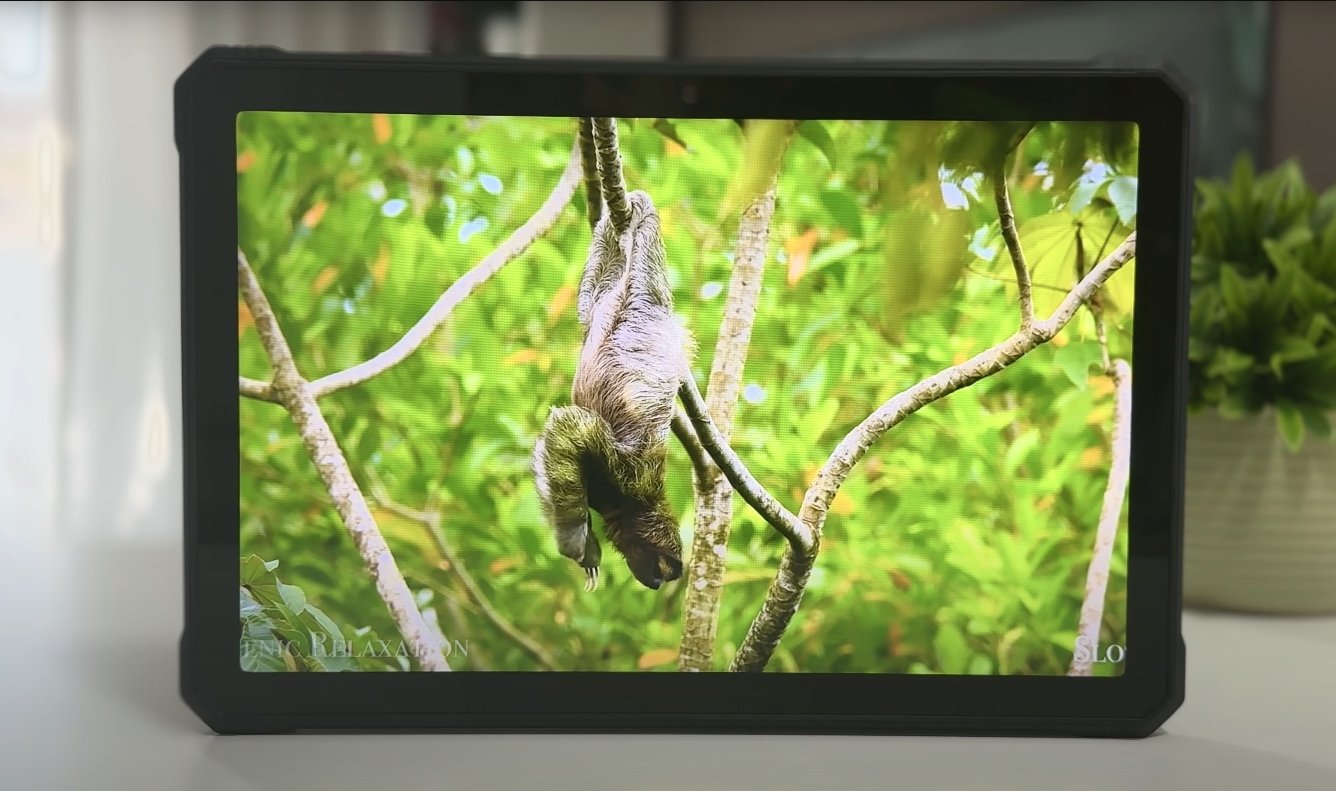
The tablet features an 11-inch display that stands out not only for its size but also for its protective structure. The bezels are intentionally thicker, offering additional protection around the screen. This also makes it easier to grip the device when wearing gloves or handling it in tough conditions. The display brightness is suitable for outdoor use, and the overall front design balances functionality and visual clarity. It is not built for those who want a paper-thin tablet, but it certainly delivers a sense of confidence when held.

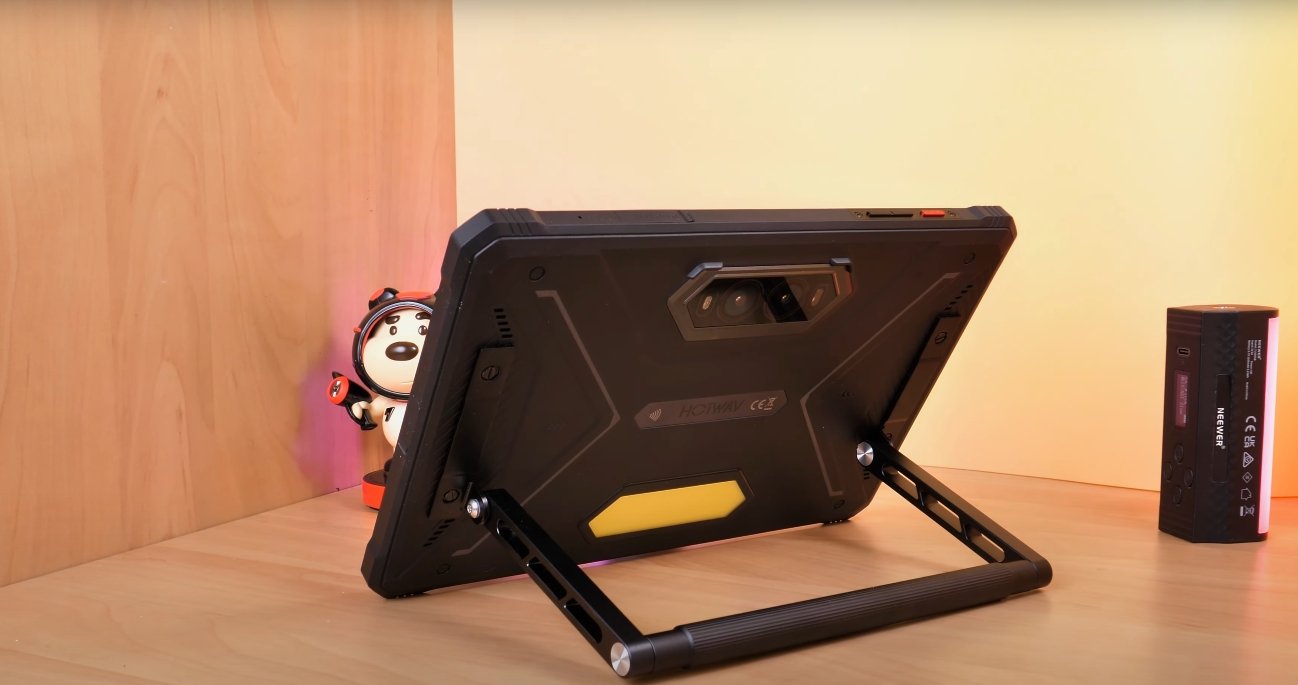
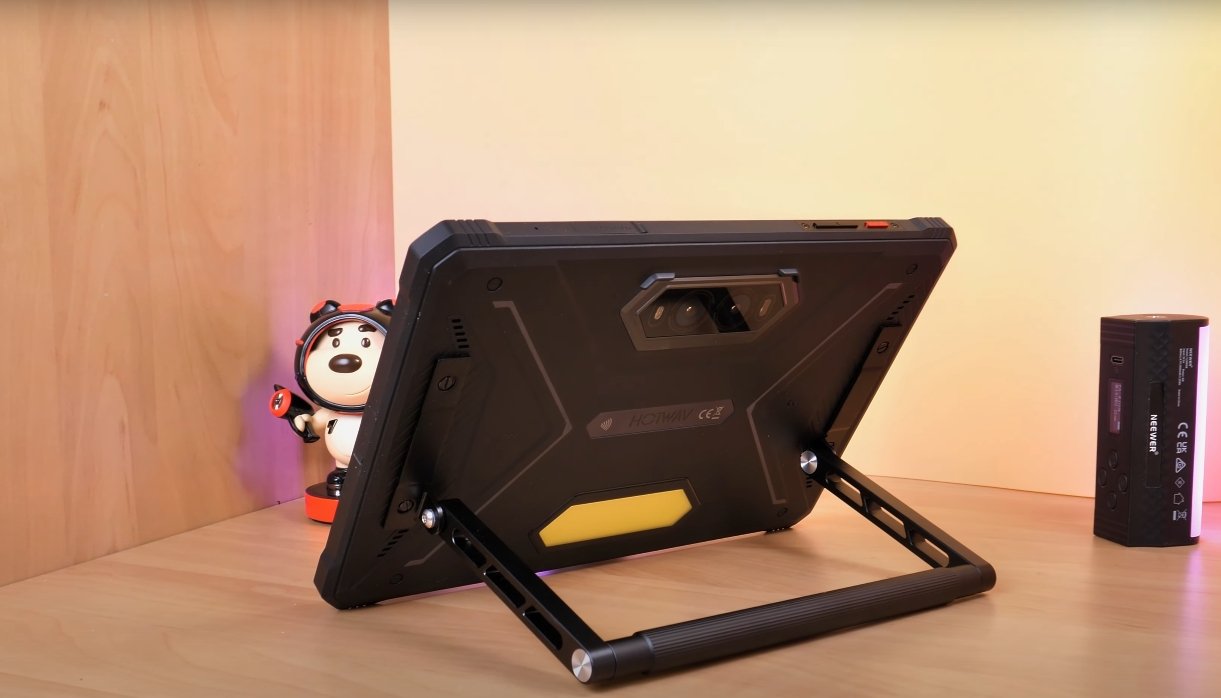
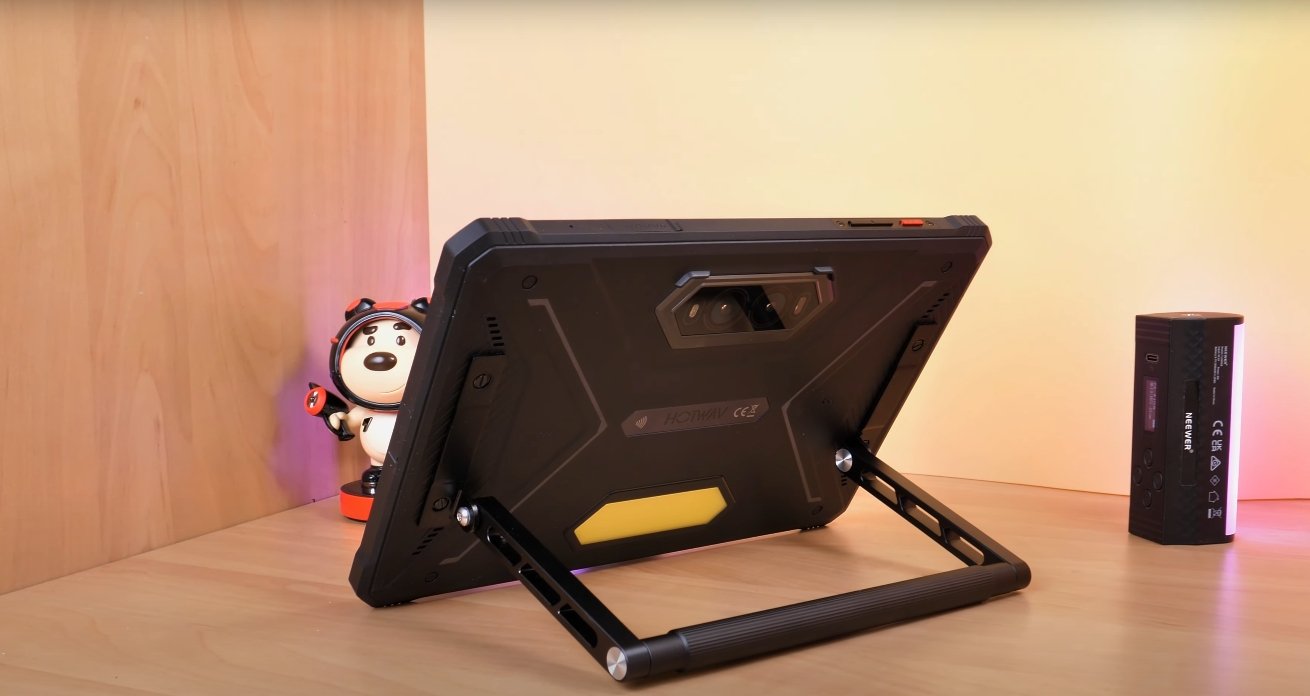
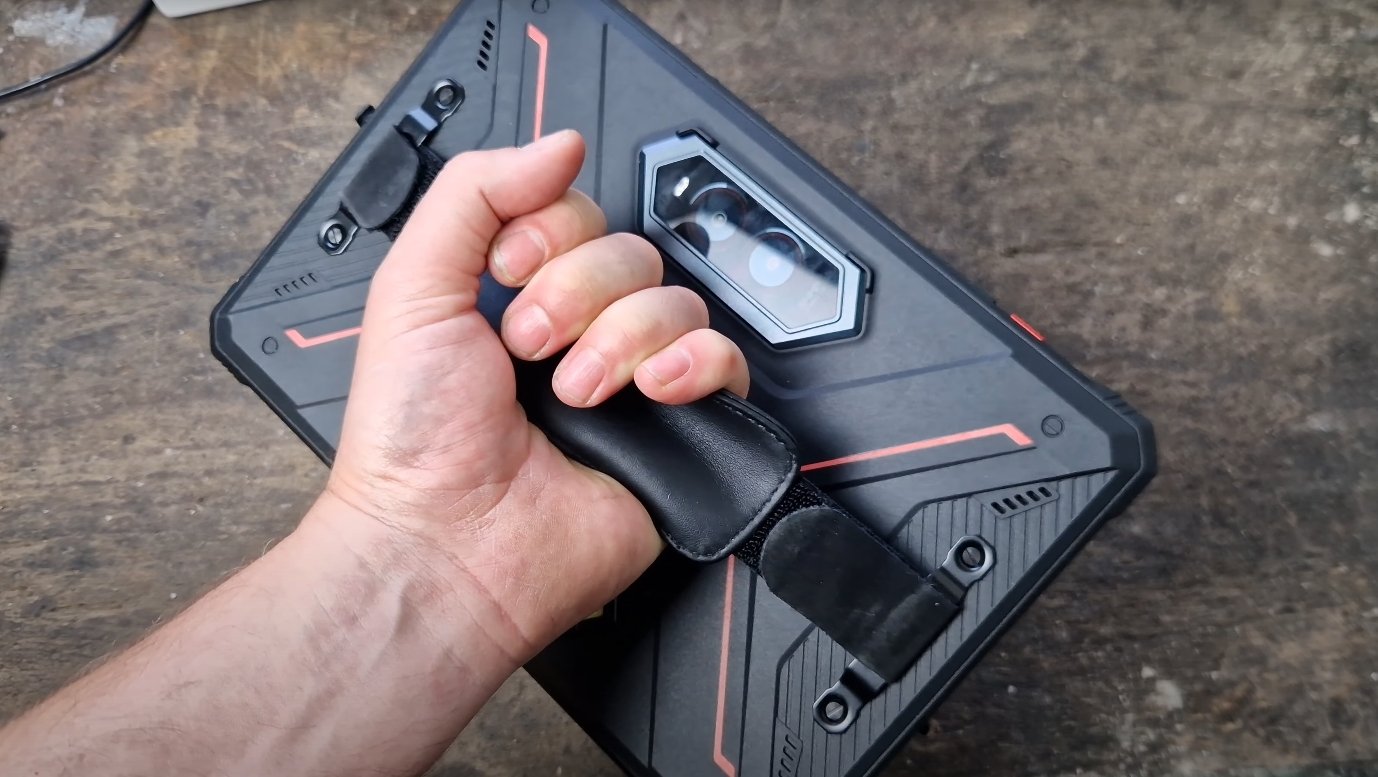
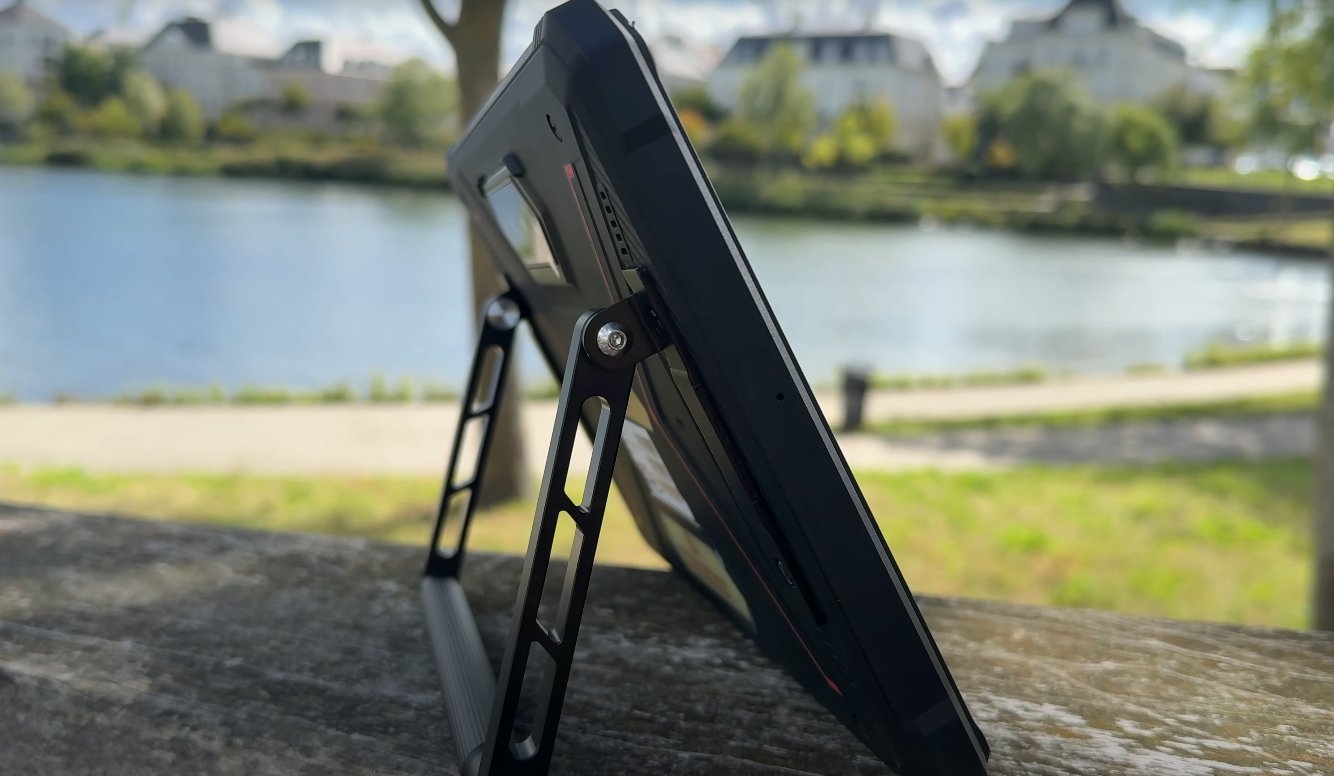
When examining the sides and back, the tablet reveals more of its rugged character. Reinforced corners help absorb impact, while the textured surface improves grip. The rear panel has a solid structure and includes a built-in LED light designed for camping or field use. Its thickness may appear bulky compared to standard tablets, but every element serves a purpose. The structure suggests long-lasting performance and better resistance to wear and tear, which is a clear advantage in challenging environments.

HOTWAV R9 Ultra 5G design and build quality review

The weight of the HOTWAV R9 Ultra 5G is on the heavier side, and this plays a role in its overall handling. It is not a device meant for extended one-handed use or casual reading on the couch. Instead, it feels like a professional-grade tool that should be used on work sites, during travel, or in outdoor conditions where strength matters more than portability. While this may limit its appeal for everyday light users, it perfectly fits its intended audience who need a device that won’t break easily.

The material choice is another defining feature of the design. A combination of reinforced metal and hard plastic panels makes the tablet extremely stable. The back surface is textured, giving a firm grip even in wet or dusty conditions. This makes the device practical for workers in construction, field research, or logistics. Its build is engineered to withstand rough handling, which sets it apart from delicate consumer tablets that may need extra cases for protection.

The placement of buttons and ports also follows a functional approach. Everything is designed to be easily accessible, even when wearing gloves. Port covers help protect against dust and moisture, which adds another layer of durability. The side buttons feel firm and responsive, indicating a solid internal build. This focus on practicality shows that the manufacturer prioritized reliability over flashy design trends.

Overall, the design and build quality of the HOTWAV R9 Ultra 5G highlight its rugged purpose. It is not meant to compete with ultra-slim entertainment tablets, but to provide dependable performance in demanding conditions. Its tough body, reinforced frame, protective bezels, and functional layout make it a smart choice for people who need more than just a regular tablet. While its weight and thickness may not appeal to everyone, those seeking strength and durability will likely appreciate its solid and practical construction. This makes the HOTWAV R9 Ultra 5G a well-built device designed to last.