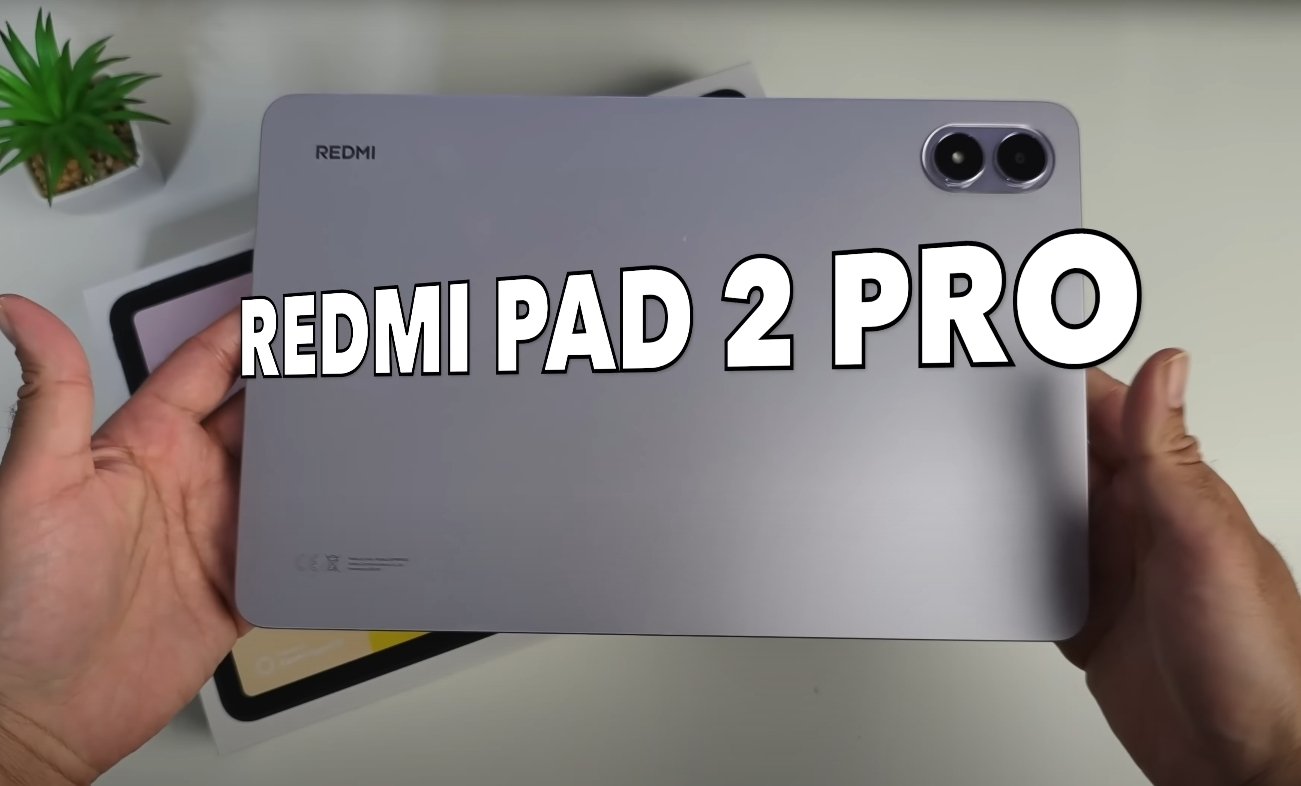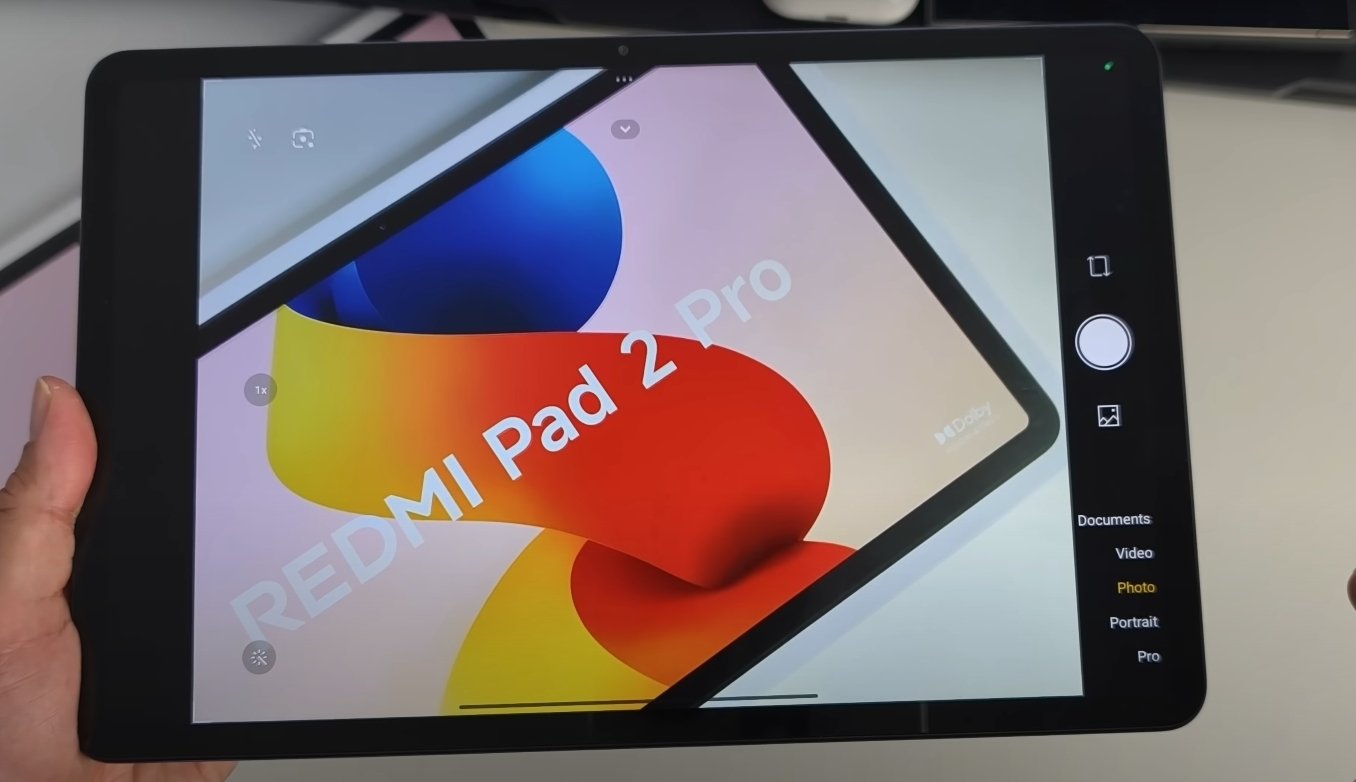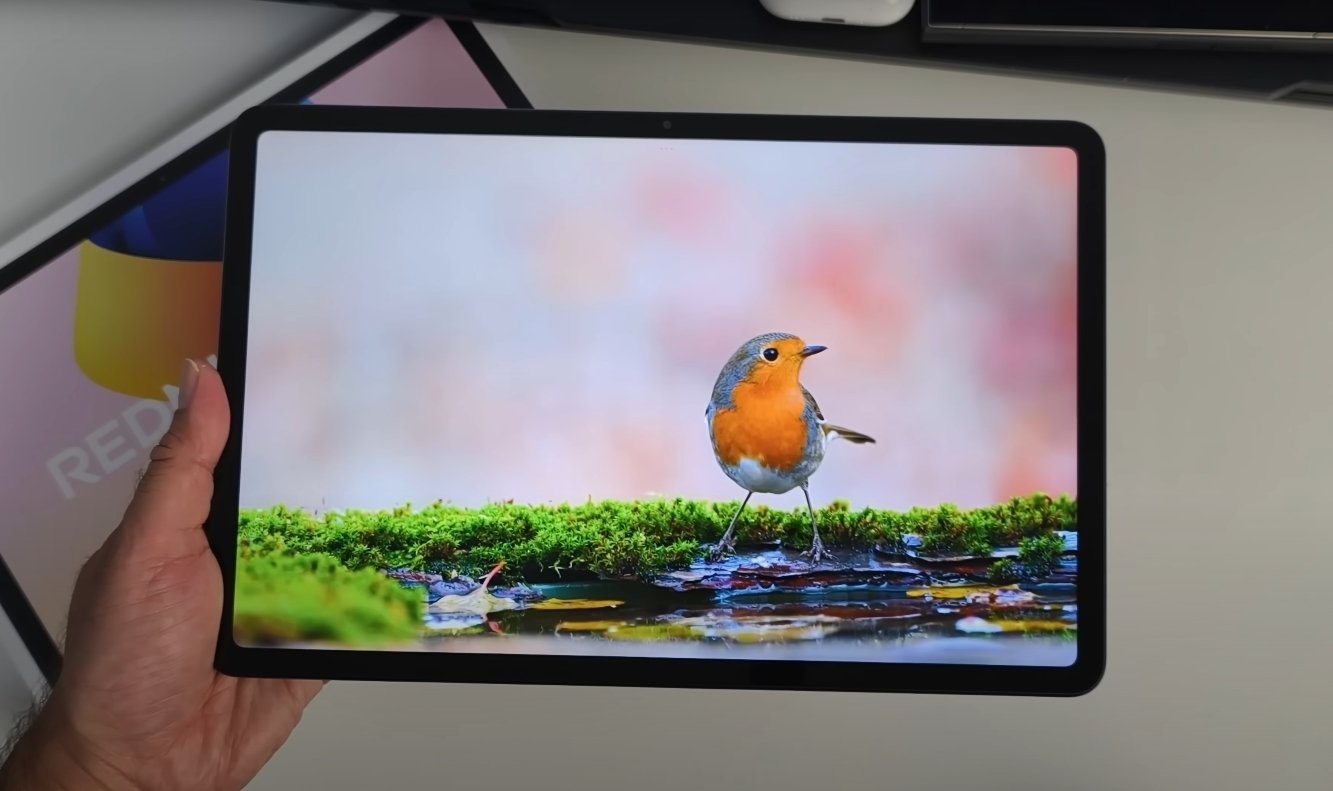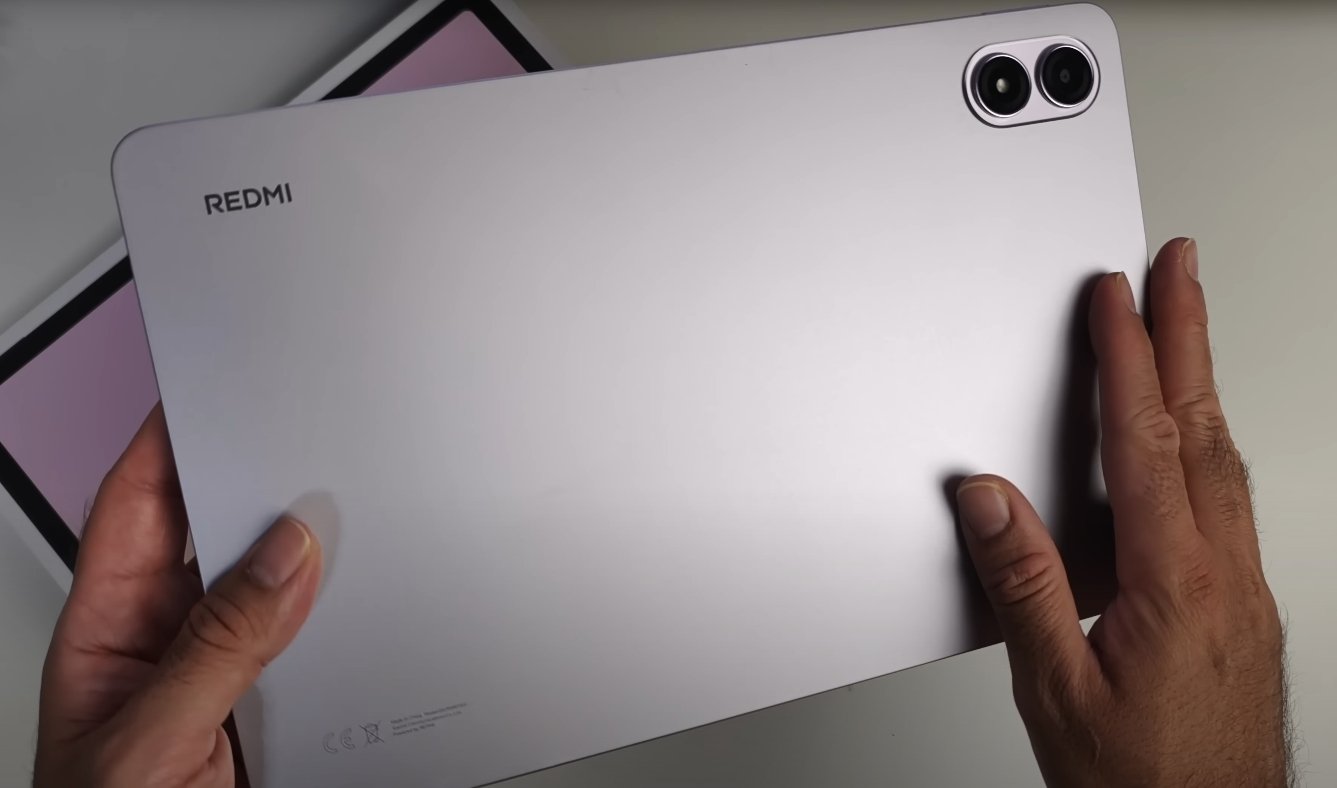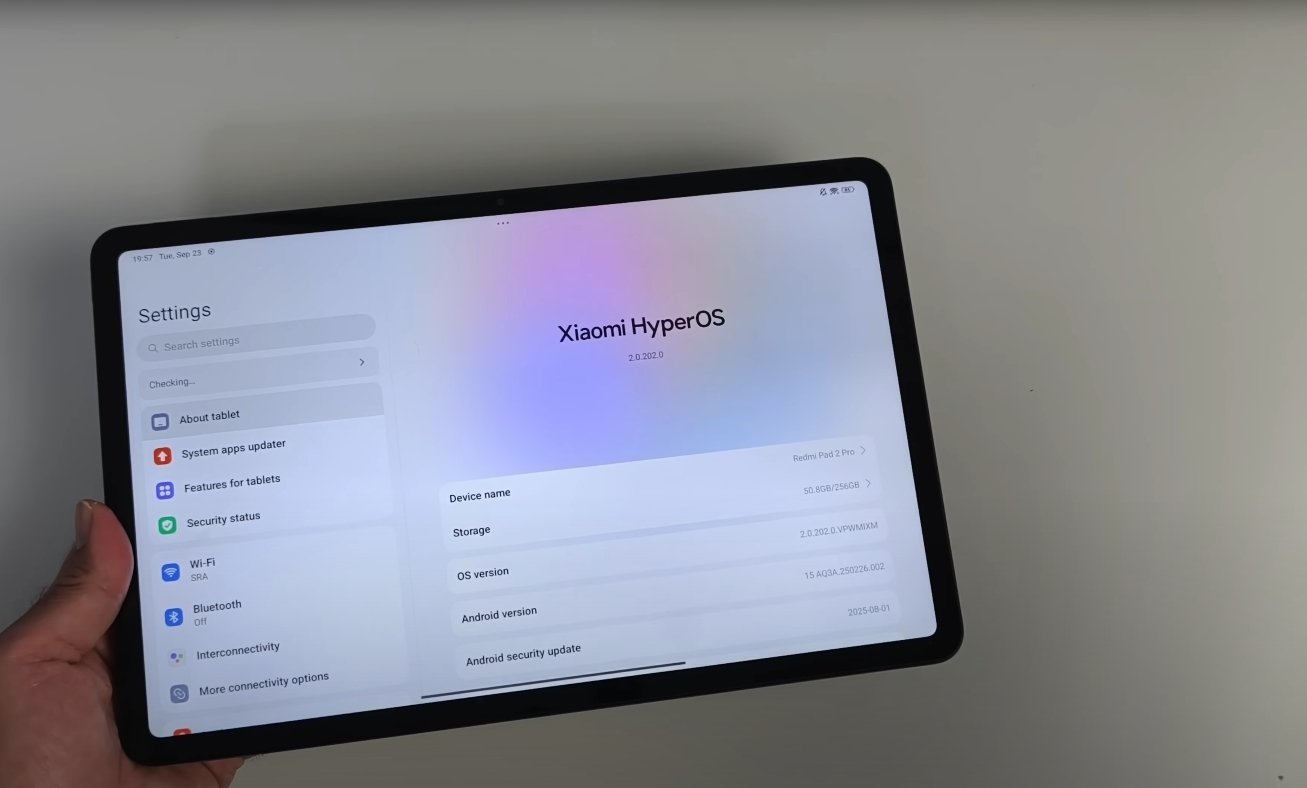
Redmi Pad 2 Pro Gaming Review: Smooth Performance with Heavy Titles

Redmi Pad 2 Pro Gaming Review Smooth Performance with Heavy Titles

Gaming Performance and Experience on the Redmi Pad 2 Pro

The Redmi Pad 2 Pro has quickly made a name for itself as a strong contender in the mid-range tablet market, particularly for users who enjoy gaming. Equipped with the Snapdragon 7s Gen 4 chipset, up to 8 GB of RAM, and a 12.1-inch 2.5K display with a 120 Hz refresh rate, it offers a combination of hardware and software optimizations designed to deliver a smooth and immersive gaming experience. This review explores how well the tablet handles casual and graphically demanding games while providing insights into its overall gaming performance.

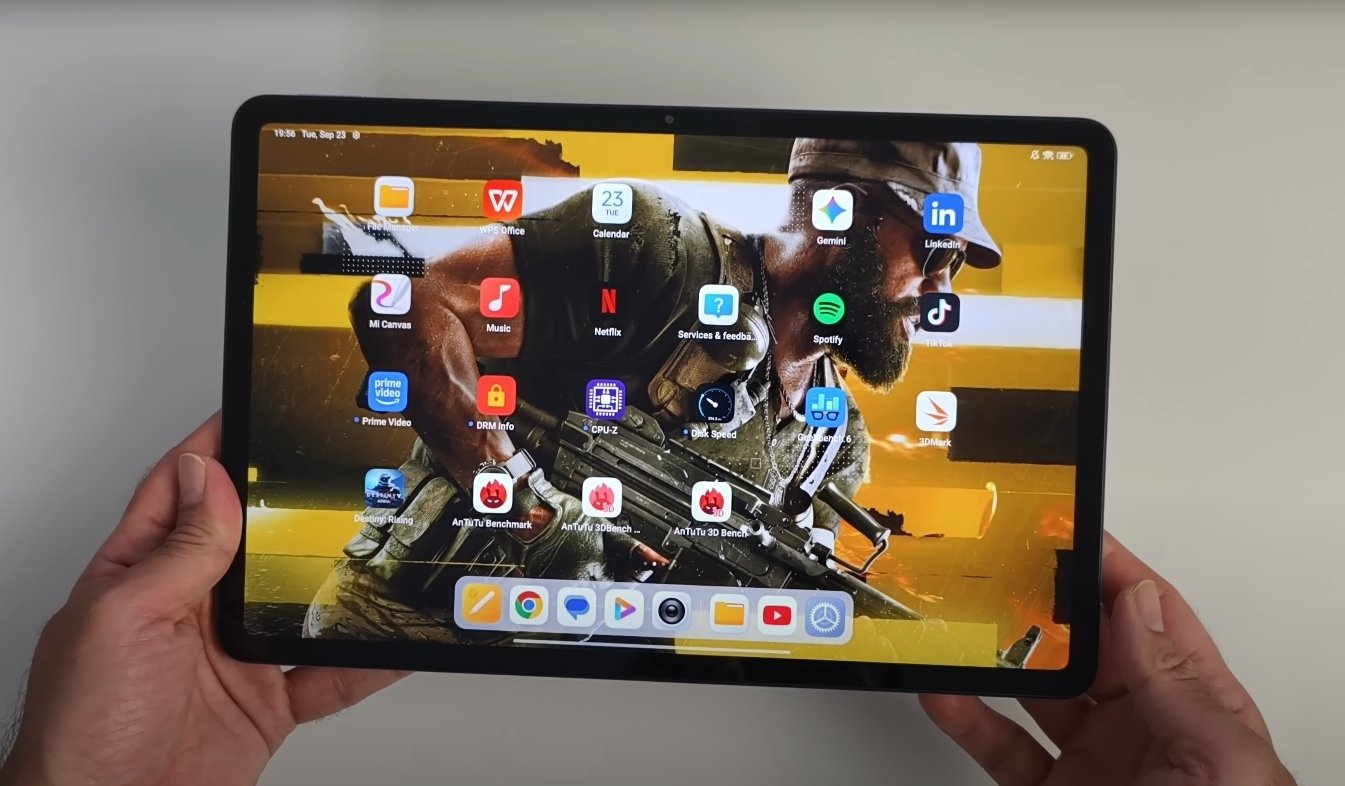
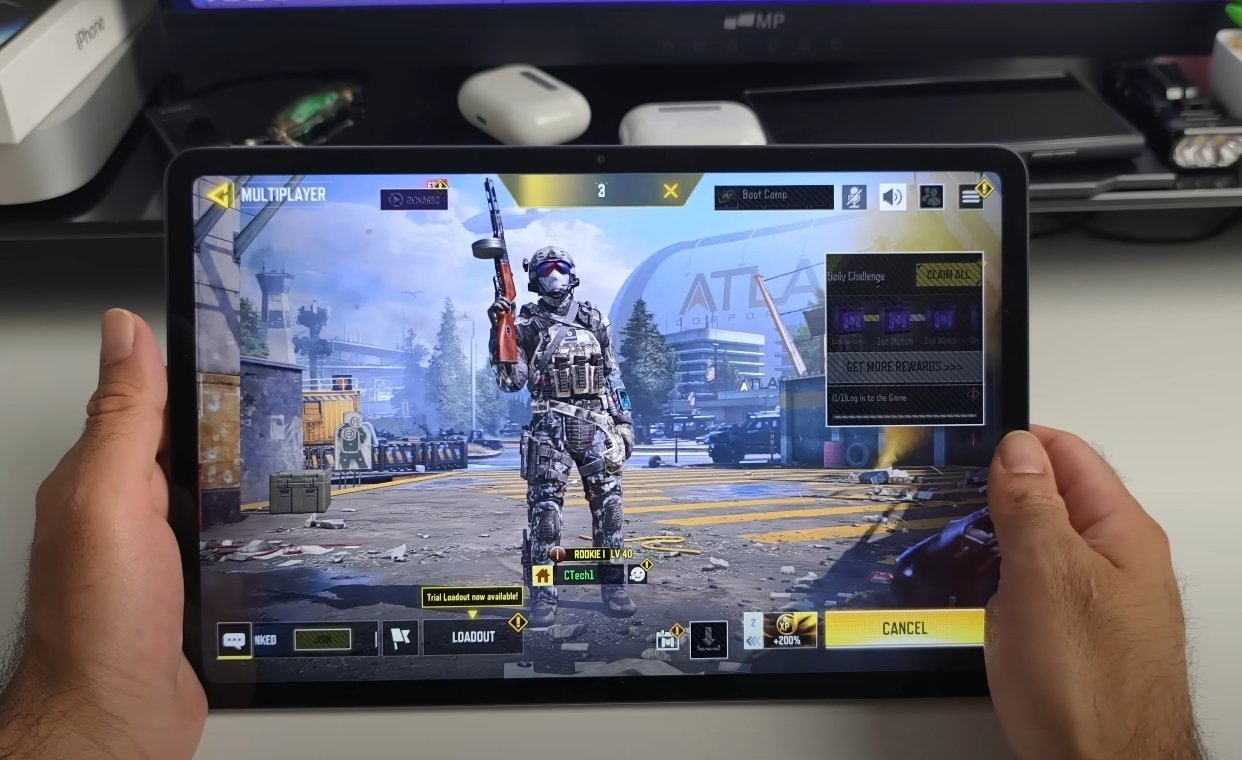
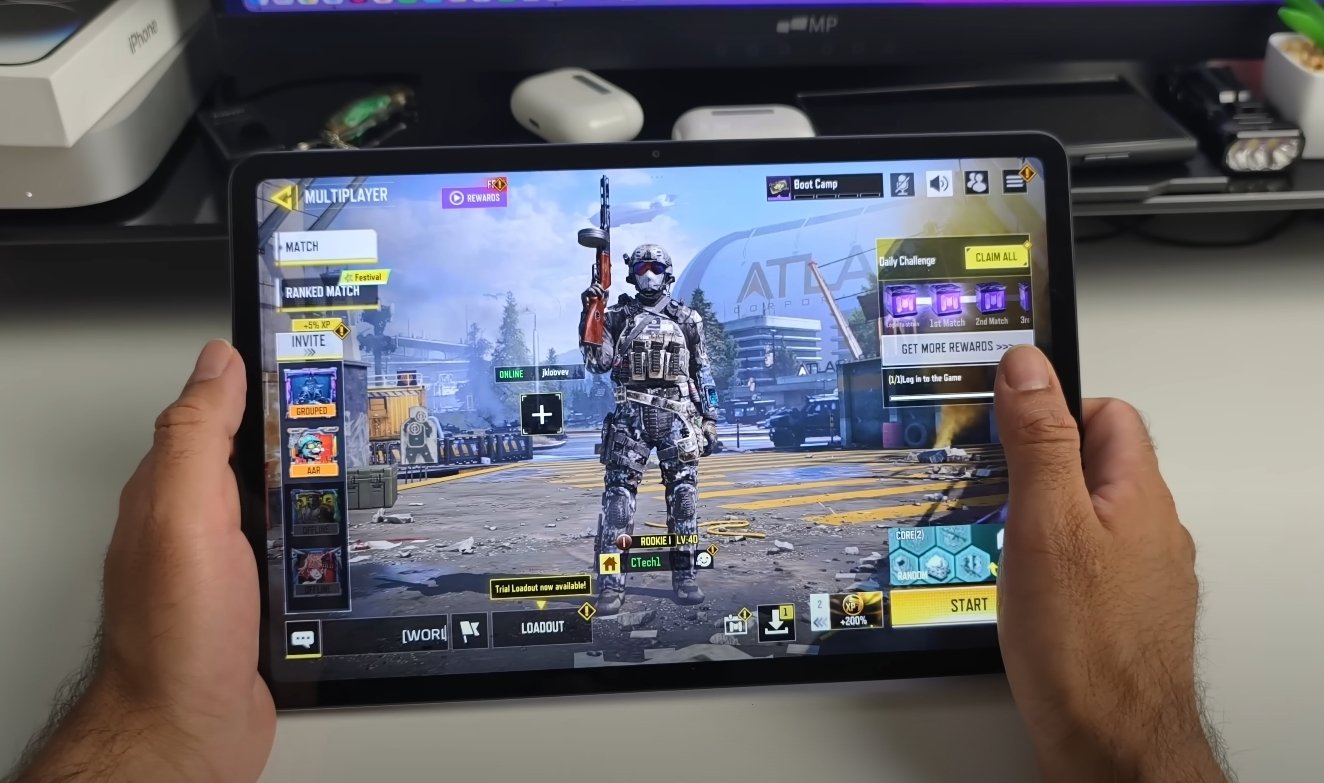
The tablet handles casual and moderately demanding titles with ease. Games such as PUBG Mobile, BGMI, Asphalt 9, and Call of Duty Mobile run smoothly on medium to high settings. Frame rates generally range between 40 and 60 FPS, depending on the game and graphics settings, which ensures responsive gameplay without noticeable lag. The 120 Hz refresh rate further enhances the fluidity of animations, reducing motion blur and making interactions feel responsive and immersive. This makes the Redmi Pad 2 Pro suitable for extended gaming sessions without causing frustration from stuttering or screen lag.
Redmi Pad 2 Pro Gaming Review Smooth Performance

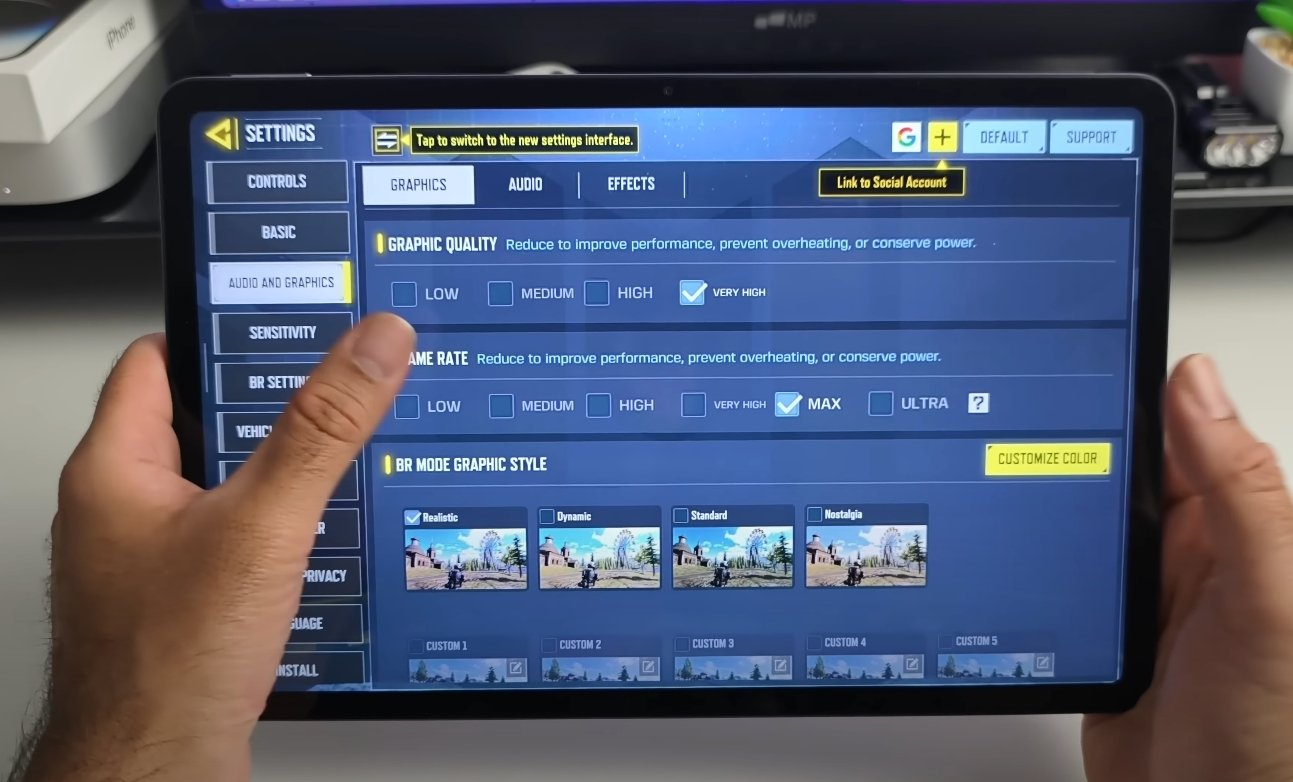
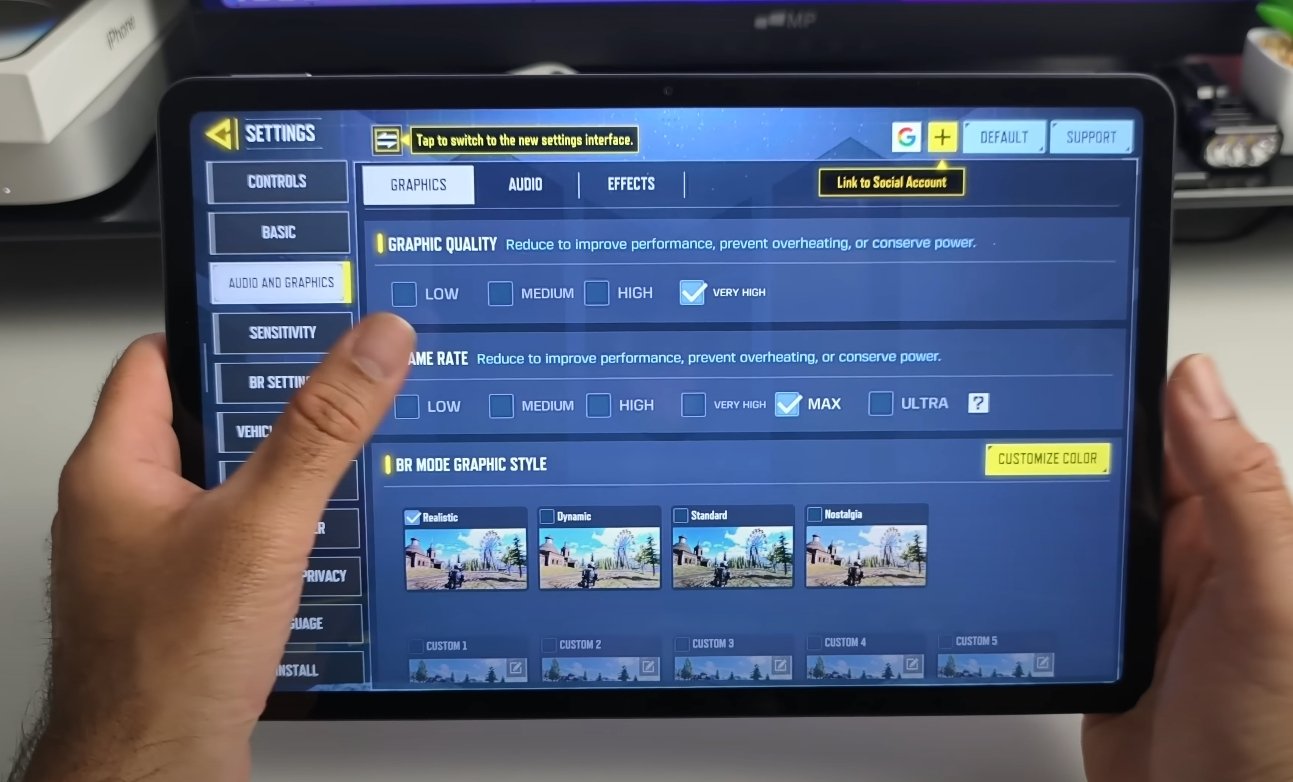
When it comes to graphically intensive games, the tablet continues to impress. Titles like Call of Duty Mobile can be played on high or ultra settings, maintaining frame rates around 30 to 45 FPS. While not at the level of flagship devices, this performance is commendable for a mid-range tablet. Adjusting graphics to medium or balanced modes further stabilizes frame rates and prevents performance dips during long gaming sessions. Features such as Game Turbo and virtual memory allocation help optimize CPU and GPU usage, ensuring consistent performance even when multiple apps or background tasks are running.

Thermal management is another strength of the Redmi Pad 2 Pro. During intensive gaming, the tablet may warm slightly, but it never becomes uncomfortable to hold. Minimal thermal throttling allows the CPU and GPU to operate efficiently, providing consistent performance across long gaming periods. The metal body design aids heat dissipation, ensuring the device remains stable and comfortable for handheld use. This level of thermal stability is particularly impressive for a tablet in this price range.

Audio and display quality further enhance the gaming experience. The quad speakers support Dolby Atmos and Hi-Res Audio, delivering clear, immersive sound that complements the 2.5K display. In games where directional audio is important, such as shooters, the sound clarity helps players anticipate in-game actions. Meanwhile, the vibrant display with high refresh rates ensures that visuals remain crisp and fluid, making both fast-paced and story-driven games more enjoyable.

Battery life is a crucial factor for gamers, and the Redmi Pad 2 Pro excels in this area. The large 12,000 mAh battery provides several hours of uninterrupted gaming, even during graphically demanding sessions. Screen brightness and graphics settings influence consumption, but the overall endurance is impressive. Additionally, the 33W fast charging capability allows the tablet to regain a substantial charge quickly, reducing downtime and enabling extended play when needed.

Software optimizations under HyperOS 2.0 enhance the tablet’s gaming capabilities. Game Turbo and Performance mode allow the device to allocate resources efficiently, ensuring that both CPU and GPU operate at full capacity during intensive tasks. Background processes are managed intelligently to prevent interference with gameplay, and notifications are minimized to avoid distractions. These features create an optimized and uninterrupted gaming environment.

In conclusion, the Redmi Pad 2 Pro is an excellent mid-range tablet for gaming enthusiasts. It balances performance, display quality, audio experience, and battery life to provide smooth gameplay across casual and demanding titles. Its ability to handle heavy games at respectable frame rates, coupled with efficient thermal management and software optimizations, makes it one of the most capable devices in its segment. Gamers looking for value without compromising performance will find the Redmi Pad 2 Pro a reliable and enjoyable choice. Its combination of high-end features in a mid-range price bracket ensures that both casual players and those who enjoy graphically intensive games can enjoy immersive and responsive gameplay.
Redmi K90 Pro Max vs Samsung Galaxy S-series: value battle of the year

Redmi K90 Pro Max vs Samsung Galaxy S-series value battle of the year

UK buyers question if legacy premium still justifies higher cost

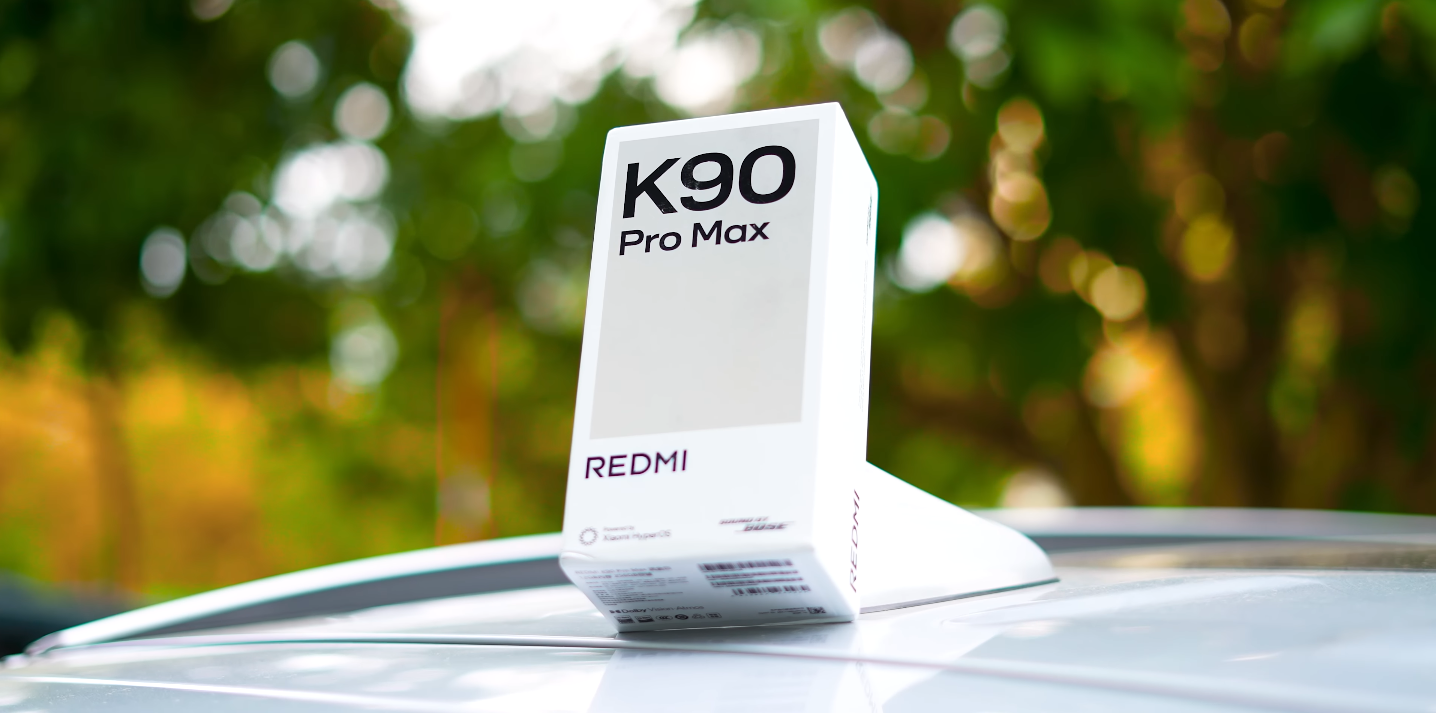
The conversation surrounding the Redmi K90 Pro Max has been gaining momentum because the device’s specification direction has been aligned with high brightness displays, larger cell efficiency and strong silicon performance, traits that are usually associated with the luxury tier. Samsung’s Galaxy S-series on the other hand continues to represent the mainstream premium benchmark across the UK market, largely because of brand familiarity, carrier presence and dependable retail support networks. That is the background that makes this comparison meaningful for British buyers.

In the UK market, Samsung still remains the most visible Android flagship option on carrier programmes, and this visibility alone influences buying behaviour. Many UK users select their next phone at renewal without extensive research, and the brand security of Samsung gives reassurance in those moments. The extended software support expectation also feeds into those decisions, because buyers know the device will still be relevant for multiple cycles of platform updates.

Redmi’s K-series however has carved out a reputation in global markets for approaching flagship-level hardware while avoiding the luxury-tier positioning. The K90 Pro Max aligns with that approach through focus on top performance silicon and extremely high peak luminance, and this combination has been publicly highlighted by the brand at platform level. That is why UK spec-focused buyers, particularly those who buy devices outright, have begun to track the K-series more closely than before.

Redmi K90 Pro Max vs Samsung Galaxy S-series value battle of the year

Peak display brightness capability is increasingly relevant in the UK because bright winter skies, glass building reflections and low angle sun situations are not rare. When a panel retains detail outdoors instead of dimming or washing out, the phone becomes easier to use during everyday movement. Redmi’s aggressive brightness strategy therefore becomes practical, not just a technical metric. UK users who navigate on foot or rely on maps while travelling already know how large that difference can feel.

Samsung however remains strong when daily consistency is measured. Camera post-processing, adaptive brightness reliability, stable thermal control and predictable performance under load are core strengths of the S-series. For UK users who need reliable capture and smooth performance across social apps, messaging layers and productivity tools, the mature tuning from Samsung continues to deliver a premium day-to-day feeling that justifies the long-standing brand loyalty.

Battery thinking also plays a meaningful role in this particular debate, because UK working patterns have blended remote work, commuting, walking and hybrid travel routines. Redmi’s K-tier cell development has centred on efficiency at higher density levels, which supports sustained screen-on time. If the K90 Pro Max converts those efficiency improvements into longer real-world longevity, that will resonate strongly with UK value buyers who want tangible endurance rather than luxury labelling.

Samsung on the other hand can argue that long-term ecosystem support offers a different kind of value for money. The integration with tablets, wearables, cloud accounts and cross-device continuity gives the Galaxy S-series a lifestyle benefit that goes beyond headline specifications. For UK users who already own multiple Samsung devices, switching away would break those familiar flows, and that ecosystem lock-in has real behavioural weight in purchase decisions.

So the question is no longer simply about which model is stronger on paper. It is about which direction better matches how UK smartphone ownership now works. If British buyers are primarily concerned with raw technical delivery, then hardware-forward releases like the Redmi K90 Pro Max look extremely persuasive. If they are more interested in ecosystem, warranty access, store support and predictable multi-year update cycles, the Samsung Galaxy S-series will remain the default comfortable option.

The UK smartphone environment is changing though, and buyers are more willing than before to question whether the legacy premium tier still deserves its historic price uplifts. The Redmi K90 Pro Max arriving with flagship-leaning characteristics intensifies this questioning process. It shows that modern flagship logic is not only tied to brand status, but also to how efficiently hardware value is delivered to everyday users.

That is why this particular match-up has been called the value battle of the year in the UK. Both devices represent different strategies, both strategies are valid, and both approaches target different psychological triggers. The deciding factor for the UK buyer is whether they prioritise maximum capability for less money, or whether they prioritise the comfort of long-term brand stability.

Also Read:  Moto G67 Power Rumored to Feature 120Hz Display

Redmi K90 Pro Max vs Redmi K90 standard: are the upgrades worth it?

Redmi K90 Pro Max vs Redmi K90 standard are the upgrades worth it

A closer look at specs and real-world value differences between the two Redmi K90 models

The Redmi K90 Pro Max and the regular Redmi K90 share a family name, but they are not equal devices in practical usage. UK buyers who follow Xiaomi and Redmi product cycles already know that the “Max” tag normally means more than just a bigger screen. With this generation, the gap is noticeably wider, and there are headline upgrades that are clearly aimed at users who want longevity, stronger camera flexibility, and a more premium media experience without paying the same as ultra-tier phones.

The core chipset itself is one of the biggest changes. The K90 Pro Max carries the newer Snapdragon 8 Elite Gen 5 platform, while the standard Redmi K90 uses the earlier Snapdragon 8 Elite chip. Both are fast, but long-term performance advantage naturally leans toward the Pro Max, especially where annual Android updates and heavier graphical workloads are involved. For UK users who love big game titles or record high resolution video clips, this extra overhead matters over two to three years of ownership rather than just on launch day.

Battery capacity is another major differentiator. The Redmi K90 Pro Max is positioned with a noticeably larger battery pack and also supports wireless charging alongside high-watt wired charging. The regular K90 is more traditional, with less emphasis on premium energy tech. Anyone in the UK who spends long hours outdoors, takes trains frequently, or travels between campuses and offices without consistent charging access may see direct value in that efficiency plus fast recharge capability. Being able to top up quickly can make a real difference in day-to-day convenience.

Redmi K90 Pro Max vs Redmi K90 standard are the upgrades worth it

On the camera front, the Pro Max has a flagship-style triple 50MP configuration including a genuine periscope telephoto lens with 5x optical zoom. The regular Redmi K90 does not match that optical flexibility. This is not a small difference in practical terms. For sports events, distant architecture, wildlife, street details, or holiday travel in coastal regions, the optical reach gives the Pro Max a clearly more capable photographic tool. If a buyer is purely interested in social media pictures and general indoor shots, the standard K90 may still be fine, but if zoom matters, the upgrade is meaningful.

The display on the Pro Max is also bigger and brighter, with peak brightness figures that are easier to appreciate outdoors. In the UK, where bright sunlight is rare but not non-existent, high brightness makes a difference when reading maps, watching content outdoors, or checking apps in reflective conditions. The standard K90’s screen remains capable, but the Pro Max pushes into a more premium category with stronger visual headroom and better suitability for HDR streaming material.

Audio is another area where the Pro Max stretches its identity. Bose-tuned 2.1 speaker hardware makes the device feel more like a compact entertainment unit rather than a typical mid-flagship phone. Stereo balance and low-end depth are both improved compared to standard stereo modules. If a buyer watches football highlights, Netflix dramas, or music videos directly through the device speakers, this detail has everyday impact rather than being a spec sheet ornament.

Durability also aligns with the Pro Max positioning. IP68 dust and water resistance is available on the top model, giving confidence for UK weather conditions such as rain exposure, wet pavements, and splash contact when walking outside. The standard Redmi K90 does not offer this same resilience guarantee. For a country known for sudden showers, this one upgrade alone can justify the difference for certain buyers.

When all these points are weighed together, the critical factor is not whether the Pro Max is better, because it clearly is, but whether the premium features line up with how a person uses their phone. If a buyer mainly browses social apps, texts, streams indoors, and wants decent performance at a fair cost, then the regular Redmi K90 stays a sensible purchase. It is still modern, still quick, and does not waste money on features that may never be used regularly.

However, if a buyer wants future-proofing, stronger zoom photography, wireless charging, brighter outdoor visibility, better speakers, and higher weather resistance, then the Redmi K90 Pro Max is not a marginal upgrade but a major step up in practical capability. In that context, the additional spend is not a luxury purchase, but a durability and flexibility investment that holds value across several UK seasons rather than just one.

Redmi Pad 2 Pro productivity features

Redmi Pad 2 Pro productivity features

Redmi Pad 2 Pro: Key Productivity Features

The Redmi Pad 2 Pro is designed to enhance productivity, offering a combination of powerful hardware, versatile software, and accessory support for both work and creative tasks. It caters to students, professionals, and casual users seeking efficiency and performance in a tablet.

Powered by the Snapdragon 7s Gen 4 processor with up to 8GB RAM and 256GB storage, the tablet handles multitasking smoothly. Users can run multiple apps simultaneously, switch between tasks, and manage productivity tools without noticeable lag. The 120Hz adaptive refresh rate display ensures fluid interactions, making extended work sessions easier on the eyes.

Redmi Pad 2 Pro productivity

The device’s HyperOS 2 operating system adds advanced productivity features. Split-screen mode allows users to work with two apps side by side, while quick search functions streamline information retrieval. Stylus support with the Redmi Smart Pen enhances creativity and note-taking, offering 4096 pressure sensitivity levels and low-latency input for accurate writing and drawing.

AI-powered features powered by Google Gemini, like AI Writing and AI Interpreter, improve workflow by assisting with email drafting, text translation, and document summarization. These tools save time and enhance the quality of work through context-aware suggestions and corrections.

Connectivity and ecosystem integration also boost productivity. Wi-Fi 6 and Bluetooth 5.4 ensure stable connections, while Xiaomi’s cross-device features allow seamless interactions with other devices, such as shared clipboard, call synchronization, and screen mirroring.

The tablet supports a full-sized keyboard accessory, providing a PC-like typing experience for extended typing sessions. Combined with the 12,000mAh battery, 33W fast charging, and 27W reverse charging, the Redmi Pad 2 Pro is well-suited for long workdays, ensuring continuous productivity without frequent interruptions.

In conclusion, the Redmi Pad 2 Pro is a robust productivity tool, combining powerful hardware, intelligent software, stylus and keyboard support, and extended battery life. It effectively meets the needs of professionals, students, and creatives, making it a versatile and reliable tablet for daily work and creative tasks.

Redmi Pad 2 Pro Review: Premium Features at Budget Price

Redmi Pad 2 Pro Review: Premium Features at Budget Price

High-End Experience Without the High Price

The Redmi Pad 2 Pro has positioned itself as a mid-range tablet that offers many features usually found in premium devices, all while remaining budget-friendly. It combines powerful hardware, a high-quality display, immersive audio, long battery life, and intelligent software, making it an attractive option for users who want value without compromise.

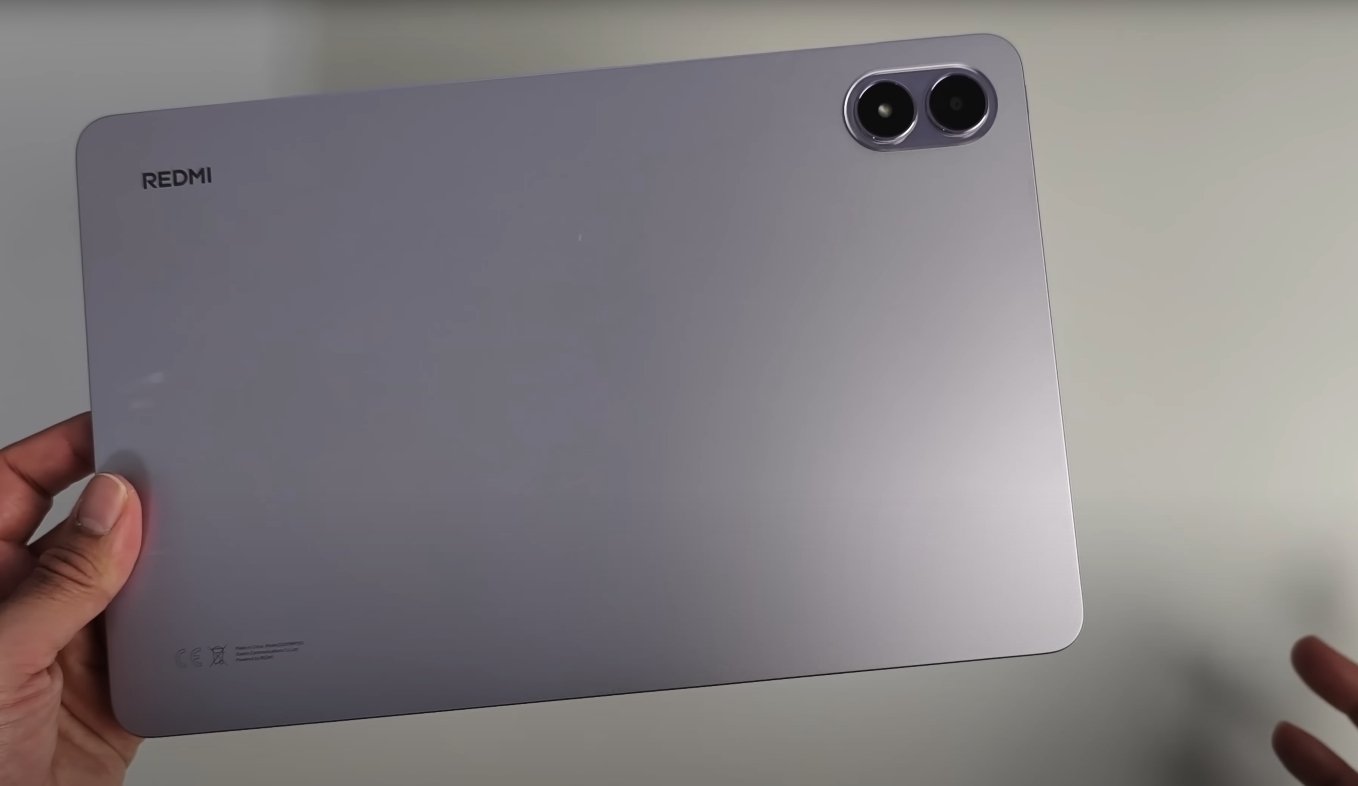
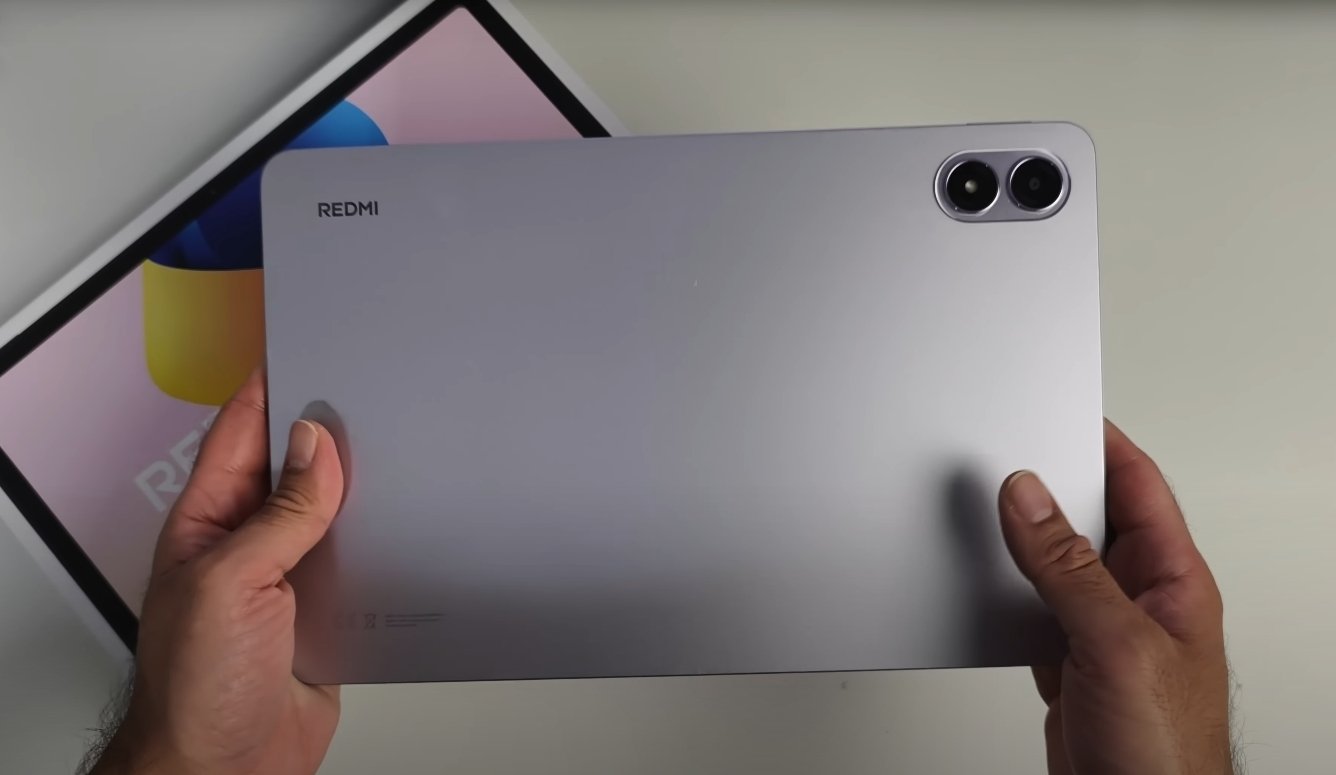
The tablet’s design is sleek and minimalist, with flat edges and a smooth metal back that gives a premium feel. Weighing approximately 571 grams, it feels comfortable in hand, allowing for extended usage sessions whether for work, entertainment, or casual browsing. Its slim profile and refined finish add to the overall elegance, and it is available in multiple colors to suit different preferences.

The 12.1-inch 2.5K LCD display is a standout feature. It delivers sharp and vibrant visuals with a 120 Hz refresh rate that ensures smooth animations and responsiveness, particularly during gaming or multimedia use. The screen is TÜV Rheinland certified for reduced blue light emission, which helps minimize eye strain during prolonged viewing. This makes the tablet ideal for binge-watching, gaming, or extended productivity tasks.

Redmi Pad 2 Pro Review: Premium Features at Budget

Audio quality is another highlight. The quad-speaker setup with Dolby Atmos and Hi-Res Audio produces clear, immersive sound. The volume can be boosted without distortion, making it suitable for noisy environments or for sharing audio with others. This setup complements the high-resolution display to provide a fully immersive multimedia experience.

Battery life is substantial thanks to the 12,000 mAh battery, which supports all-day usage. Fast charging at 33W allows the device to recharge quickly, while reverse charging lets it serve as a power bank for other devices. This ensures minimal interruptions for work or play, making the Pad 2 Pro reliable for travel or long gaming sessions.

Performance is smooth and efficient, driven by the Snapdragon 7s Gen 4 processor with up to 8 GB RAM and 256 GB storage, expandable via microSD. It handles multitasking and demanding applications seamlessly. Everyday tasks, gaming, and media consumption run smoothly, while HyperOS 2.0 offers an intuitive interface and smart features that improve productivity and connectivity within the Xiaomi ecosystem.

Software features enhance usability with AI-driven functionalities, shared clipboard, call synchronization, and cross-device camera streaming. These features make the tablet highly functional for work, study, and creative tasks, while the interface remains responsive and easy to navigate.

In conclusion, the Redmi Pad 2 Pro delivers a premium tablet experience at an affordable price. Its combination of high-quality display, immersive audio, long-lasting battery, efficient performance, and intelligent software makes it a strong option for users seeking value. It successfully bridges the gap between mid-range pricing and high-end features, making it a compelling choice for entertainment, productivity, and everyday use.

Resident Evil Requiem Expands in the UK with New Story Content and Surprise Features

Resident Evil Requiem gameplay screenshot, featuring a dark and ominous atmosphere, with a hint of the upcoming story expansion and surprise feature, set to thrill gamers in the UK

Resident Evil Requiem: Unveiling New Story Expansion and Surprises in the UK

Resident Evil Requiem is set to receive exciting new content, including a story expansion and a surprise feature, as announced by director Koshi Nakanishi in a recent video message. This news has sent shockwaves of excitement throughout the UK gaming community, with fans eagerly anticipating what’s to come. The upcoming content is expected to address various issues and enhance the overall gaming experience. With the game’s popularity soaring in the UK, the new additions are likely to analyse the behaviour of players and provide a more engaging experience.

The story expansion has been rumoured for some time, but Nakanishi-san’s confirmation has sparked widespread interest. The surprise feature, scheduled to arrive in May, has drawn comparisons to the popular Mercenaries mode from previous Resident Evil games. As the UK gaming scene continues to grow, the introduction of new content is expected to influence the colour and tone of the game, making it more appealing to a broader audience.

Players in the UK have been quick to express their gratitude for the ongoing support and updates. The recent update, which fixed various issues, has demonstrated the developers’ commitment to improving the game. With the new content on the horizon, fans are eagerly anticipating the opportunity to delve deeper into the world of Resident Evil Requiem. As the game continues to evolve, it will be interesting to see how the new features impact the overall gaming experience in the UK.

The combination of a story expansion and surprise feature is likely to have a significant impact on the game’s popularity in the UK. As the gaming community continues to grow, the introduction of new content will play a crucial role in shaping the game’s future. With the UK gaming scene becoming increasingly competitive, the developers’ ability to analyse player behaviour and provide engaging content will be essential in maintaining the game’s position in the market.

Redmi Pad 2 Pro Complete Design Overview

Redmi Pad 2 Pro Complete Design Overview

Exterior Build, Finish, and Form

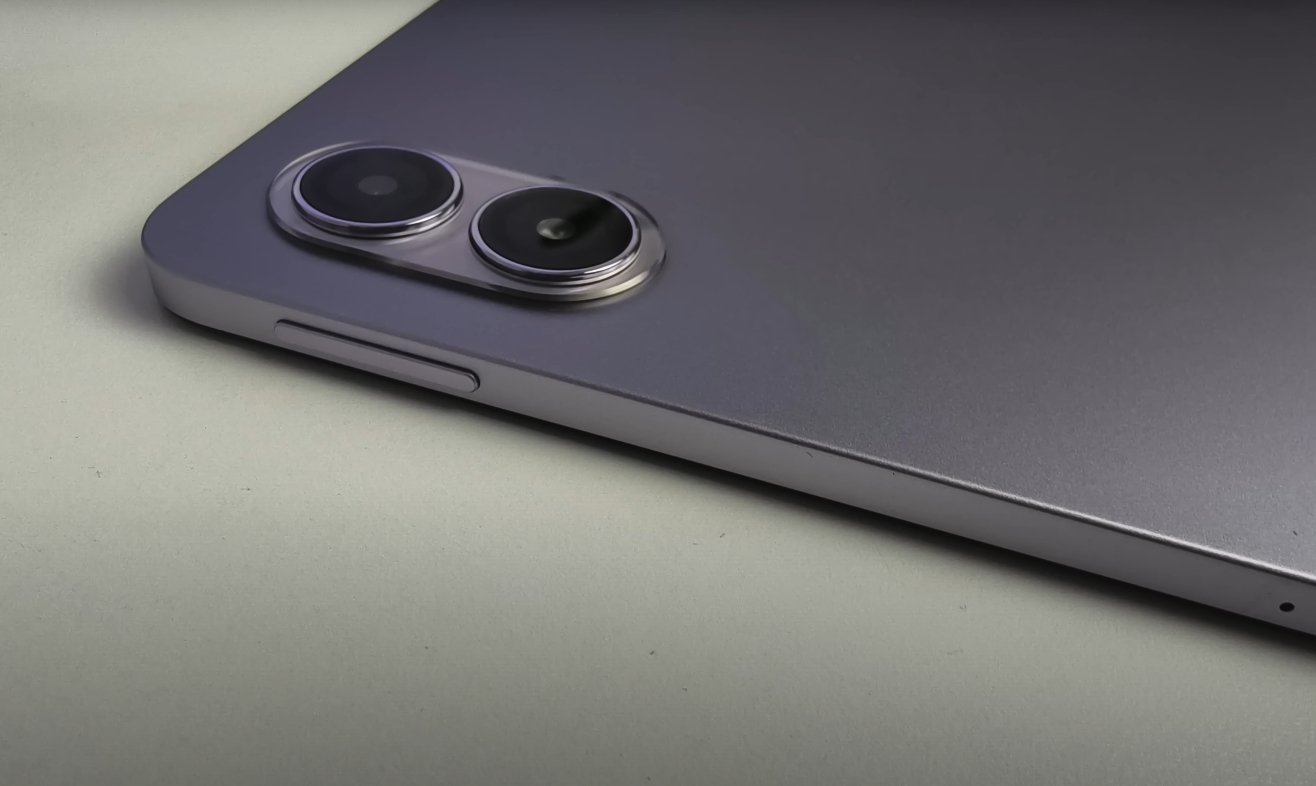
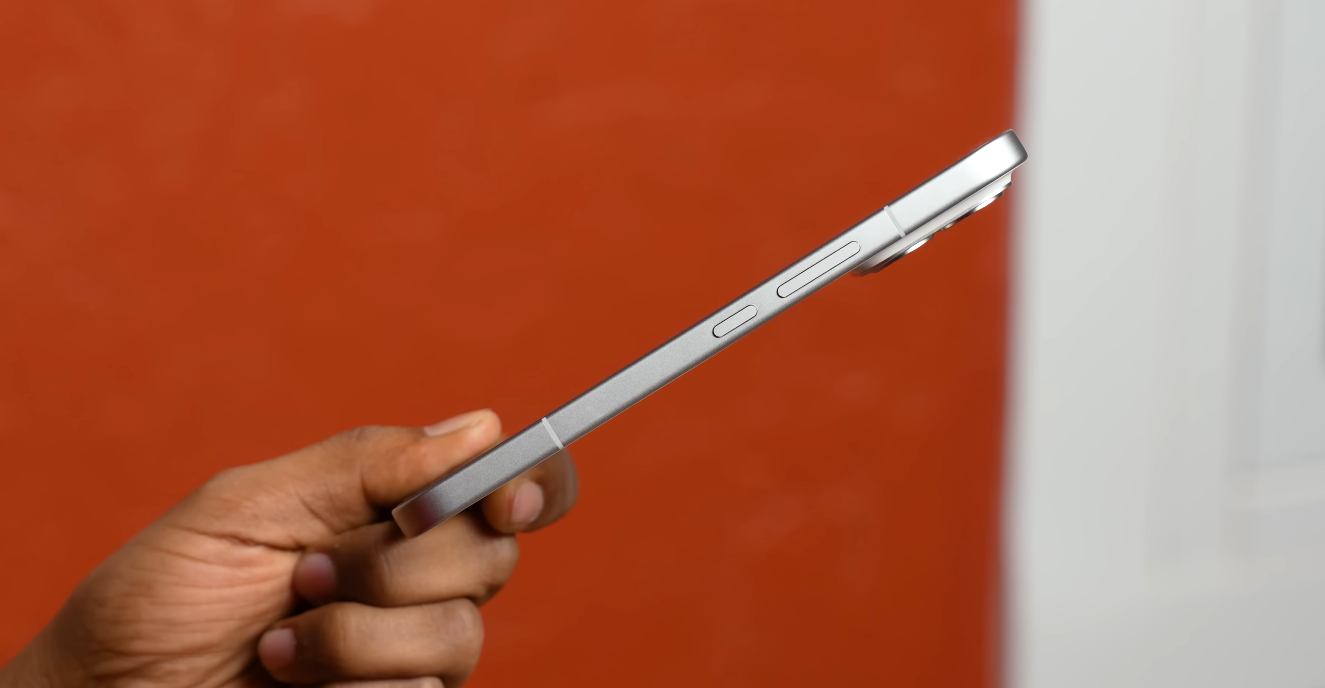
The Redmi Pad 2 Pro has a solid metal unibody frame, giving it a premium and sturdy feel. The back surface is largely flat, with minimal curves, maintaining a clean and elegant look. There is an optional matte glass front variant to reduce glare, while the standard version has a glossy glass front. Color options include muted tones that appeal to both professional and casual users.

The tablet’s edges are well-finished with precise machining. Buttons for power and volume are firm and tactile. The USB-C port is centered on one side, with speaker grills spaced symmetrically to enable stereo sound when held in landscape orientation. The rear camera module is compact and does not protrude excessively, helping the device lie stable on flat surfaces.

Redmi Pad 2 Pro Complete Design

Bezels around the display are reasonably thin, especially on the sides, giving the screen more room without compromising grip. The top and bottom bezels are slightly thicker to accommodate front-facing sensors and camera. Overall, the proportions are balanced so the tablet doesn’t feel overly long or wide.

The weight is noticeable but manageable—light enough for handheld use for short to medium durations, though prolonged use might strain one hand. The thickness is modest, making it comfortable to slide into a backpack or carry along. The matte front option helps reduce slipperiness and minimizes fingerprint smudges.

Ports and connectivity have been designed thoughtfully. There’s a microSD slot for expanding storage, a headphone jack for legacy audio users, and a reverse-charging capability via the USB-C port to power other devices. The speaker setup involves multiple speaker grills positioned to distribute sound when the tablet is held in portrait or landscape.

Thermal management is handled well, with the metal body aiding in heat dissipation. During intense activities, the back panel warms somewhat but does not become uncomfortably hot. The rigid frame reduces flex, and the assembly feels tight without any loose parts.

Redmi Pad 2 Pro Full Camera Review with Photo and Video Tests

Redmi Pad 2 Pro Full Camera Review with Photo and Video Tests

Camera Performance and Capabilities

The Redmi Pad 2 Pro comes with a 13 MP rear camera and an 8 MP front-facing camera, making it suitable for everyday photography and video calls. While the tablet is not designed as a photography powerhouse, its cameras are capable enough for casual use, including social media posts, video conferencing, and simple snapshots.

In well-lit conditions, the rear camera captures images with good color accuracy and detail. Photos are sharp, and colors appear natural, providing satisfactory results for most casual users. Low-light photography, however, shows some limitations. Images can appear grainy, and fine details are often lost. The front-facing 8 MP camera works well for video calls, but it also struggles in dim lighting, producing less sharp and slightly noisy images.

Redmi Pad 2 Pro Full Camera Review

Video recording is supported at 1080p resolution. In bright conditions, videos are clear with decent color reproduction, and audio is captured well. Movement, however, can cause slight shakiness since stabilization is minimal. In low-light conditions, video quality drops, with noticeable grain and reduced clarity. The front camera performs adequately for video calls but is not ideal for content creation or recording high-quality footage.

Compared to other tablets in the same price segment, the Redmi Pad 2 Pro’s cameras are competitive. It may not match premium tablets, but for a mid-range device, it offers sufficient photo and video performance for daily use. Casual users who prioritize camera quality may need to look at higher-end options.

Overall, the Redmi Pad 2 Pro provides reliable camera functionality for its price. The rear and front cameras are adequate for casual photography, video calls, and light content creation. Users seeking advanced photography features or professional-grade video may need a more specialized device, but for everyday use, the camera setup is practical and functional.

Resident Evil Reboot: Zach Cregger Takes Charge with Original Story

Resident Evil film franchise reboot with Zach Cregger, featuring a new and original story, with a focus on horror and suspense, and a fresh take on the iconic characters and plotlines, with the director having carte blanche to make the film his own

Resident Evil Film Franchise Reboot: A New Beginning

The Resident Evil film franchise has experienced its fair share of ups and downs, with the last outing, Resident Evil: Welcome to Raccoon City, failing to impress. However, with the announcement of a new film, directed by Zach Cregger, fans are optimistic about the future. Cregger, known for his work on Weapons and Barbarian, has been given the freedom to make the film his own.

This new film will be an original story, deviating from the iconic characters and plotlines of the previous films. According to Cregger, the film will feature a unique narrative, one that will breathe new life into the franchise. The decision to take this route has been met with enthusiasm from fans, who are eager to see a fresh take on the Resident Evil universe.

The Resident Evil franchise has a dedicated fan base, and with Cregger at the helm, there is a sense of excitement and anticipation. The film’s success will depend on its ability to balance action, horror, and suspense, while also staying true to the spirit of the original games. With Cregger’s experience in directing horror films, there is hope that he will be able to deliver a film that will meet the expectations of fans.

The upcoming film is expected to be a game-changer for the franchise, and with Cregger’s creative vision, it has the potential to attract new fans. The film’s original story will allow for a fresh start, unencumbered by the baggage of previous films. As the release date approaches, fans are eagerly awaiting the opportunity to experience the new Resident Evil film, and see if Cregger’s vision will be the catalyst for a successful reboot.

The decision to reboot the franchise was not taken lightly, and it is clear that Capcom is committed to making it work. With a talented director and a fresh perspective, the future of the Resident Evil film franchise is looking bright. As the film’s release date draws near, fans will be analysing every detail, from the plot to the characters, to see if Cregger’s vision will be the one to finally bring the franchise the success it deserves.

The Resident Evil franchise has a rich history, and with Cregger’s film, it is poised to enter a new era. The film’s success will depend on its ability to appeal to both old and new fans, and with its original story, it has the potential to do just that. As the film’s release date approaches, one thing is certain – the future of the Resident Evil film franchise is looking exciting, and with Cregger at the helm, it is sure to be a wild ride.

Redmi Pad 2 Pro Performance Review with Benchmarks

Redmi Pad 2 Pro Performance Review with Benchmarks

How Well It Handles Real-World Tasks

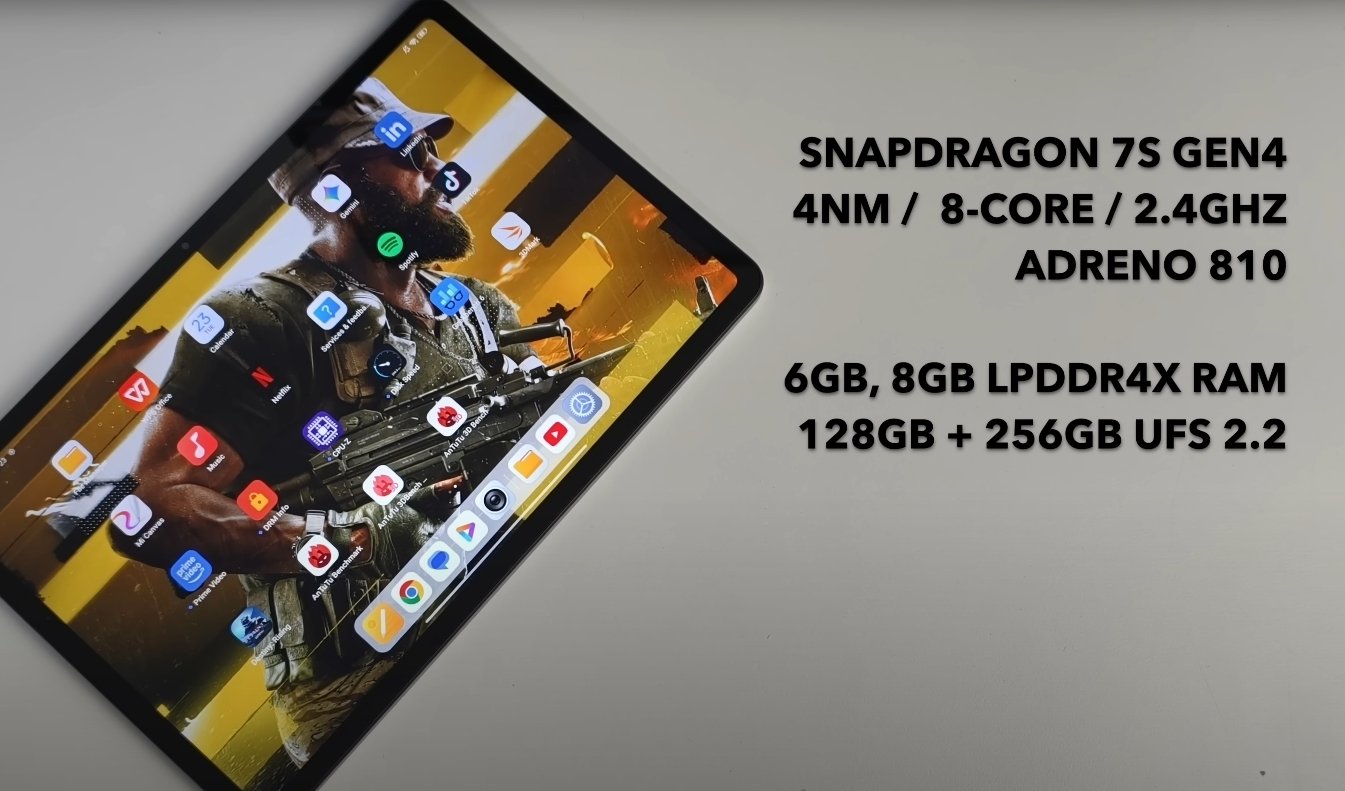
The Redmi Pad 2 Pro is powered by the Snapdragon 7s Gen 4 chipset built on a 4nm process. It’s paired with either 6 GB or 8 GB of RAM and UFS 2.2 storage, which gives it good potential for smooth everyday use and multitasking.

In normal usage—web browsing, streaming videos, checking emails, and switching between apps—the tablet feels responsive. Animations are generally fluid, especially when the display is running at 120 Hz. There is only a minor lag when many apps are open or during unusually heavy multitasking.

Redmi Pad 2 Pro Performance Review

When it comes to gaming or graphically intense apps, performance is decent but not flagship-level. Less demanding games can run smoothly at higher frame rates, but newer or graphically heavier titles need settings turned down to avoid stutter, frame drops, or overheating.

Battery life supports long usage sessions, especially with lighter tasks. Under stress (gaming or extended high-brightness use), the device does warm up, but thermal throttling is managed well enough that performance doesn’t degrade drastically.

Benchmark Numbers & Comparisons

Here are some benchmark scores to give a quantitative look:

  • Geekbench 6 single-core: ~ 1210 points

  • Geekbench 6 multi-core: ~ 3325 points

  • AnTuTu v10 (total score): ~ 901,865 points

In these tests, the Pad 2 Pro outperforms many mid-range tablets. For example, it scores significantly higher in AnTuTu and Geekbench than rivals with older chips or lower RAM.

Compared to other tablets like the Poco Pad and earlier models from Redmi, the Pad 2 Pro’s improved CPU and GPU scores translate into faster app launch times, smoother transitions, and better multitasking capability.

Strengths & Weaknesses

Strengths:

  • Strong CPU performance helps with most productivity and daily tasks.

  • Good GPU power for its class, especially when display resolution and graphic settings are managed.

  • Efficient power usage thanks to 4nm manufacturing, which helps with battery endurance.

Weaknesses:

  • Heavy graphics demands (high resolution + high detail) push it somewhat, leading to frame drops.

  • Heat buildup is noticeable in sustained gaming or tasking; though not extreme, it’s present.

  • Performance gains over lower-end tablets are clear, but it still isn’t in the top echelon for gaming or heavy computational tasks.

Final Thoughts

Overall, the Redmi Pad 2 Pro delivers solid performance for its price bracket. It offers excellent CPU power, decent GPU performance, and handles everyday tasks with ease. If you’re after a tablet for general use, streaming, productivity, and casual gaming, it performs well. If heavy gaming or GPU/graphics-intensive use is a priority, you’ll need to adjust settings or look toward higher-end tablets.

Redmi K90 Pro Max software support promise: major updates for years?

Redmi K90 Pro Max software support promise major updates for years

Xiaomi’s long-term update plan under spotlight for the Redmi K90 Pro Max

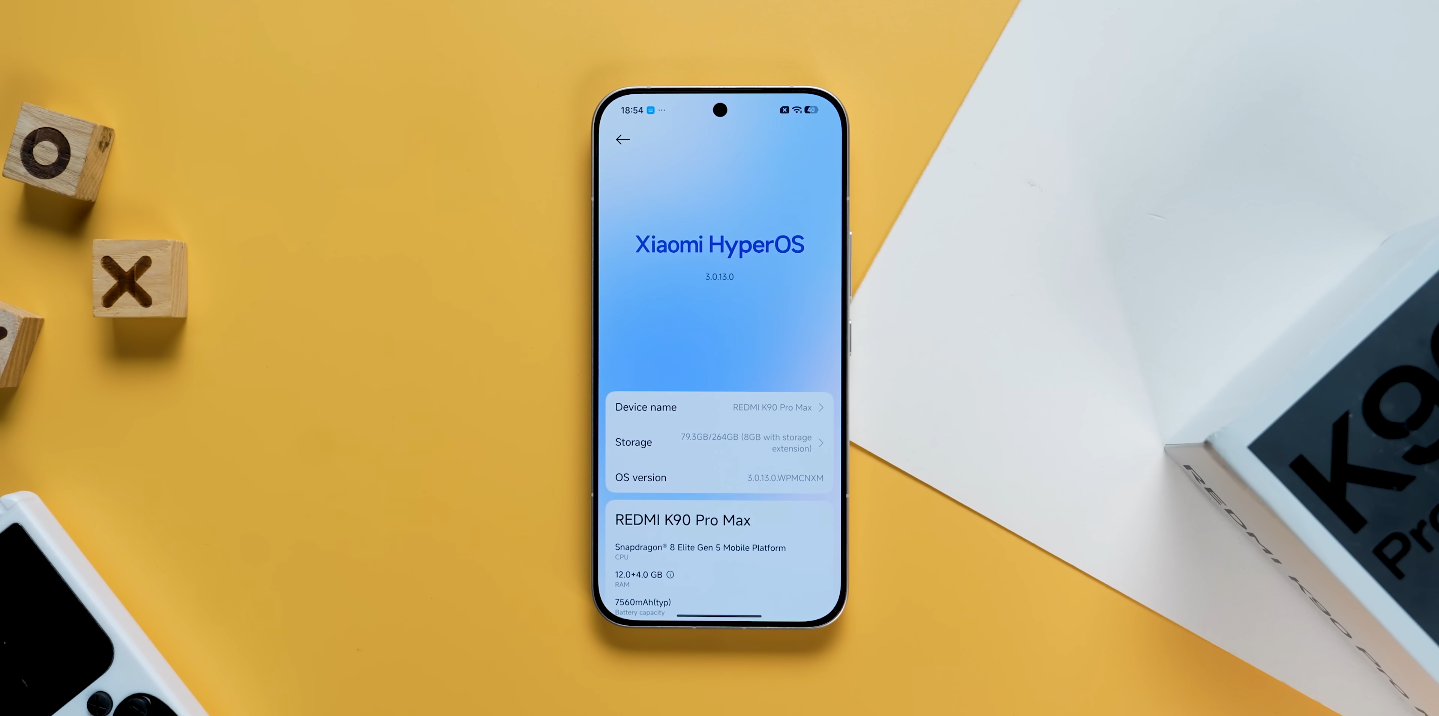
The Redmi K90 Pro Max has entered the market with immense hype around its specifications and value. However, beyond the hardware excellence, UK buyers are now asking one critical question — how long will Xiaomi support this phone with software and security updates? In an era where brands are extending their update promises, Redmi’s strategy will play a major role in defining the K90 Pro Max’s long-term worth.

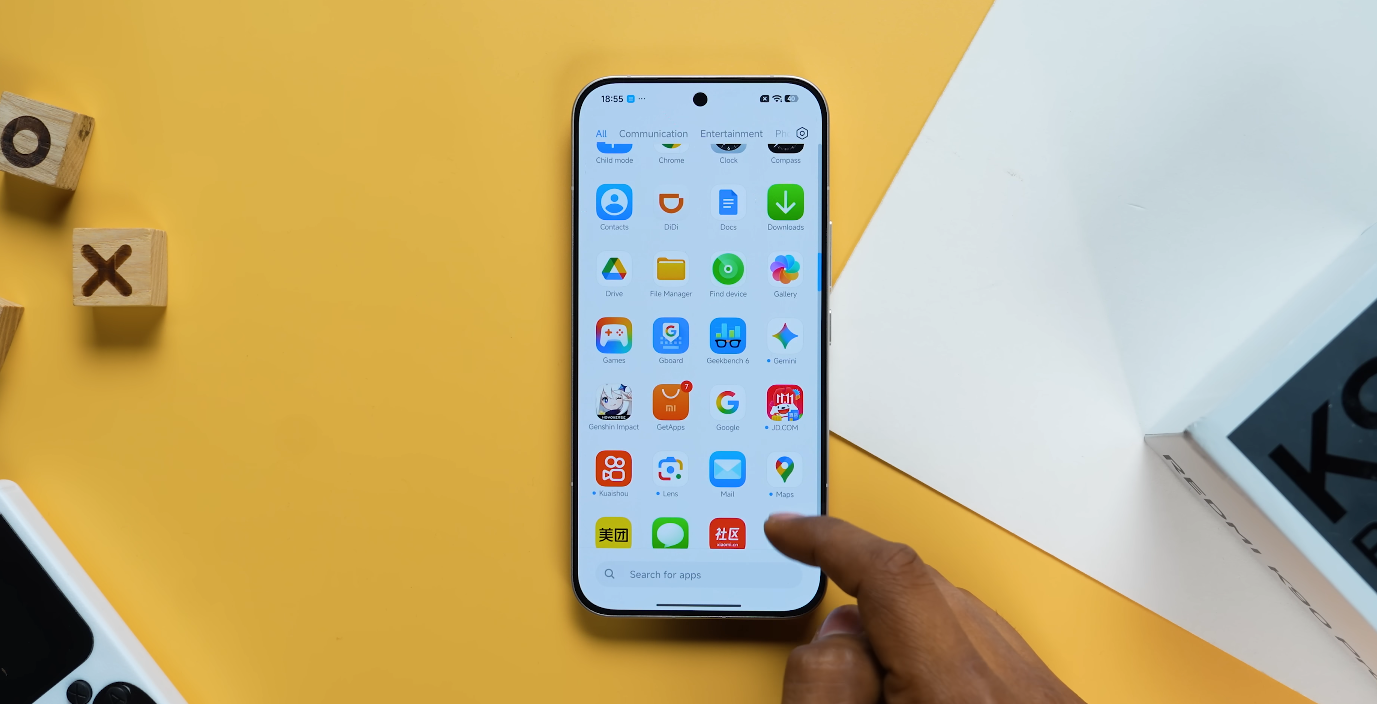
The phone ships with HyperOS 3 based on Android 16, Xiaomi’s latest iteration of its operating system. This software layer replaces MIUI and introduces a cleaner, more efficient interface. The company has also refined app management and system responsiveness, improving the overall experience. But while the software is new, buyers are keen to know how long it will stay that way.

As of now, Xiaomi has not made an official UK-specific commitment to extended software support for the K90 Pro Max. Globally, some of the brand’s higher-end models under the Xiaomi and Redmi series have received four years of Android upgrades and five years of security updates. Whether the same applies to this device remains uncertain, but the company is likely to follow a similar policy given the flagship positioning of the phone.

Redmi K90 Pro Max software support promise major updates for years

For users, this matters because long-term updates ensure stability, new features, and ongoing security. The competition in the UK, especially from Samsung and Google, now guarantees up to seven years of major Android updates. That sets a high benchmark and creates pressure on Xiaomi to match or at least come close with the K90 Pro Max. Otherwise, even an excellent phone might lose value over time.

The early signs are promising, though. Xiaomi has been actively rolling out monthly security patches and incremental firmware updates in China since launch. These updates address both stability improvements and app compatibility. If the same pace continues globally, UK owners can expect a reliable flow of updates during the phone’s initial years, even if not formally guaranteed beyond four years.

HyperOS also introduces a more unified codebase for Xiaomi devices, meaning updates can be deployed faster across regions. This could benefit UK users by narrowing the delay between Chinese and global versions. For example, features like smart system optimisation and new camera modes could arrive in the UK within weeks instead of months, as happened with previous MIUI versions.

Another area to consider is app support and security updates beyond Android versions. Even if major OS upgrades end after a few years, Xiaomi can still deliver security patches and feature enhancements through HyperOS updates. This hybrid approach is becoming common among manufacturers to maintain device reliability without frequent Android version jumps.

Buyers should also look at Xiaomi’s recent track record. The company has been more transparent with update cycles since 2023, listing specific devices and their end-of-support timelines. If this trend continues, the K90 Pro Max’s update policy might be publicly confirmed soon after its UK rollout, bringing clarity to long-term users.

It’s also important to differentiate between the Chinese and UK variants. The UK model will come with Google Mobile Services, full 5G band support, and region-optimised software. While Chinese units often get faster updates, the global version’s updates tend to be more stable and better integrated with Western apps and services. That’s a trade-off many UK users are willing to make.

Ultimately, the Redmi K90 Pro Max appears well-positioned for solid long-term support, even if Xiaomi has not yet issued a formal multi-year update promise. The hardware is powerful enough to handle future Android versions, and HyperOS is designed for scalability. However, the final verdict depends on Xiaomi’s willingness to extend its new policy of longer software life to this model.

For now, UK buyers can expect at least four years of Android updates and five years of security patches based on Xiaomi’s current flagship trends. If the company confirms this officially, the K90 Pro Max will stand as one of the best long-term value phones in its segment — powerful, modern, and built to stay relevant for years to come.

Redmi Pad 2 Pro Gaming Performance Tested

Redmi Pad 2 Pro Gaming Performance Tested

Gaming Performance on the Redmi Pad 2 Pro

The Redmi Pad 2 Pro delivers a compelling gaming experience for its segment, combining capable hardware with a high-quality display and efficient software optimization. With its Snapdragon 7s Gen 4 chipset and 6–8 GB of RAM, the tablet handles a wide variety of games smoothly, making it suitable for casual, moderate, and some graphically demanding titles. The large 12.1-inch 2.5K display with a 120 Hz refresh rate enhances the visual experience, offering fluid animations and a responsive feel while gaming.

For casual games and mid-range titles, the Redmi Pad 2 Pro performs admirably. Popular titles like shooting, puzzle, and racing games run smoothly at medium to high settings, maintaining frame rates generally between 40 to 60 FPS. This ensures responsive gameplay without noticeable lag or stutter. The high refresh rate of the screen contributes to smoother scrolling, sharper animations, and reduced motion blur, making interactions feel more immersive and visually satisfying. This combination of hardware and display performance makes the tablet enjoyable for long gaming sessions or casual play.

Redmi Pad 2 Pro Gaming Performance

When tackling more graphically intensive games, the tablet maintains playable frame rates, typically ranging from 30 to 45 FPS on medium settings. While not comparable to flagship devices with top-tier GPUs, this level of performance is respectable for its mid-range positioning. Adjusting settings to medium or balanced modes helps maintain stable frame rates while preventing excessive heat generation. Games with detailed 3D graphics or high-resolution textures may occasionally push the tablet’s GPU, resulting in minor frame drops, but these adjustments allow for an overall smooth experience without significant compromise.

Thermal management is another strength of the Redmi Pad 2 Pro. The tablet remains relatively cool during extended gaming sessions due to its efficient design and optimized internal components. While the back panel may warm slightly under heavy loads, it never becomes uncomfortable to hold. Minimal thermal throttling ensures that performance remains consistent even during prolonged gaming, allowing players to enjoy uninterrupted gameplay without worrying about slowdowns. The combination of a well-engineered cooling system and a metal body that aids heat dissipation contributes to this stability.

Battery life is particularly impressive for gaming enthusiasts. The large 12,000 mAh battery supports extended gaming sessions lasting several hours. Even during graphically demanding gameplay, battery depletion remains moderate, allowing users to play for long stretches without needing to recharge. Additionally, 33W fast charging capability ensures that the tablet can quickly recover battery life, minimizing downtime between sessions. This combination of endurance and fast recharge makes the Pad 2 Pro suitable for travel, commuting, or any situation where extended gaming is desired without access to frequent charging.

The tablet’s software also complements its gaming performance. HyperOS 2 optimizes resource allocation and system efficiency, ensuring that background tasks do not interfere with gaming. Notifications and system alerts are managed in a way that reduces disruptions, helping maintain focus during gameplay. The interface is intuitive, and the system handles multitasking smoothly, allowing players to switch between apps or gaming sessions without noticeable lag.

The overall visual and audio experience enhances gaming immersion. The high-resolution display, combined with vivid colors and good contrast, makes game environments appear crisp and detailed. Quad speakers positioned for landscape use deliver clear, balanced sound, allowing players to hear footsteps, in-game effects, and music with clarity. This audio-visual combination adds to the overall enjoyment, making the Redmi Pad 2 Pro feel more like a premium gaming device than a mid-range tablet.

In conclusion, the Redmi Pad 2 Pro offers a well-rounded gaming experience for its class. Its capable processor, smooth 120 Hz display, effective thermal management, and long-lasting battery make it a strong contender in the mid-range tablet market. Casual and moderate gamers will find it more than adequate, while those playing graphically demanding titles can enjoy stable performance with some settings adjustments. The combination of visual clarity, audio quality, and responsive controls ensures that gaming is enjoyable, immersive, and consistent. For users seeking value without compromising performance, the Redmi Pad 2 Pro is a solid choice that balances capability, affordability, and long-term usability.